What production capacity do you need: single-shift vs. 24/7 continuous operation?
One of the first considerations when selecting a roll forming machine is determining your required production capacity. This decision will largely depend on your business model, customer demand, and long-term growth plans.
Single-shift operations are suitable for businesses with moderate production needs or those just starting in the industry. These machines are designed to operate for 8-12 hours per day and can produce a substantial volume of metal wall panels. Single-shift roll forming machines are often more affordable and require less maintenance, making them an excellent choice for smaller operations or those with fluctuating demand.
On the other hand, 24/7 continuous operation machines are built for high-volume production and are ideal for businesses with consistent, large-scale demand. These robust machines are engineered to withstand the rigors of non-stop operation and typically feature advanced automation and monitoring systems to ensure uninterrupted production. While they require a higher initial investment, 24/7 roll forming machines offer superior output and can significantly boost your production capacity.
To determine which option is best for your business, consider the following factors:
- Current and projected demand for your metal wall panels
- Available floor space and facility capabilities
- Budget constraints and return on investment expectations
- Workforce availability and skill level
- Energy consumption and operational costs
By carefully evaluating these aspects, you can choose a roll forming machine that aligns with your production goals and helps maximize your operational efficiency.
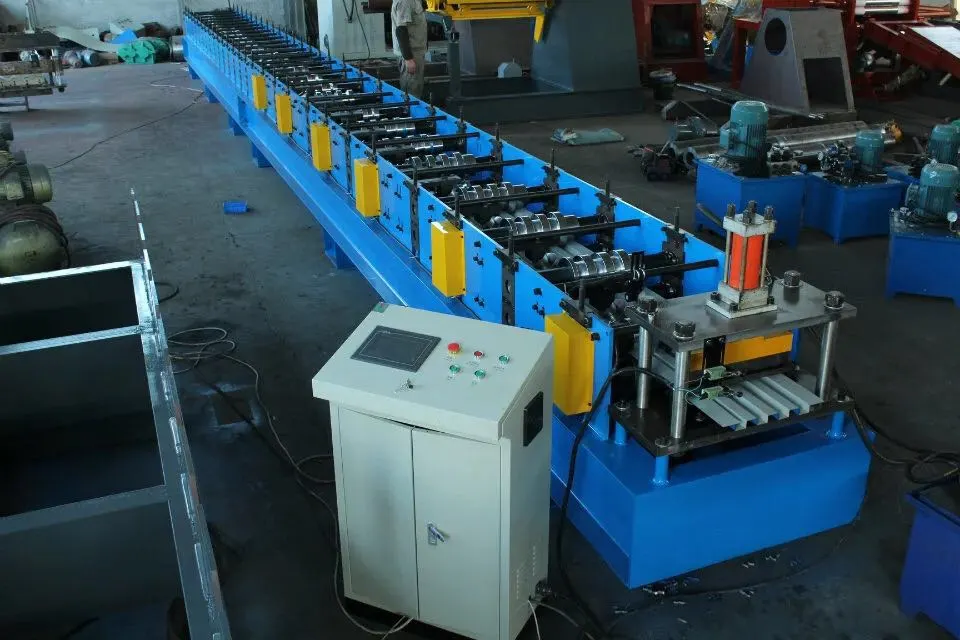
Which profile types and panel widths must the machine support?
The versatility of your roll forming machine in terms of profile types and panel widths is crucial for meeting diverse customer requirements and adapting to market trends. When selecting a machine, consider the following aspects:
Profile Types:
Metal wall panels come in various profiles, each serving different aesthetic and functional purposes. Some common profile types include:
- Corrugated panels
- Standing seam panels
- Concealed fastener panels
- Exposed fastener panels
- Insulated panels

Assess your current product offerings and potential future expansions to ensure the roll forming machine can accommodate the necessary profile types. Some advanced machines offer quick-change tooling systems, allowing you to switch between different profiles with minimal downtime.
Panel Widths:
The ability to produce panels in various widths is essential for catering to different architectural designs and building requirements. Consider the following when evaluating panel width capabilities:
- Minimum and maximum panel widths the machine can produce
- Adjustability of the machine to accommodate different widths
- Precision and consistency in maintaining specified widths
- Ease of changing between different panel widths

Opt for a roll forming machine that offers a wide range of panel widths to increase your product versatility and market appeal. Some advanced machines feature adjustable forming stations that allow for quick and easy width changes, minimizing setup time and maximizing production efficiency.
Material Compatibility:
Ensure the roll forming machine can handle the types of materials you plan to use for your metal wall panels. Common materials include:
- Galvanized steel
- Aluminum
- Copper
- Stainless steel
- Pre-painted metals
The machine should be capable of processing materials of varying thicknesses and strengths without compromising quality or efficiency. Additionally, consider whether the machine can handle coated or pre-finished materials if you plan to offer such options to your customers.
By carefully evaluating the profile types, panel widths, and material compatibility of potential roll forming machines, you can ensure that your investment will meet your current production needs and provide the flexibility to adapt to future market demands.

Machine features checklist: PLC control, servo feeding, automatic cut-to-length
When selecting a roll forming machine for metal wall panel production, it's crucial to consider the advanced features that can enhance your productivity, precision, and overall efficiency. Here's a comprehensive checklist of essential features to look for:
PLC Control System:
A Programmable Logic Controller (PLC) is the brain of modern roll forming machines. It offers numerous benefits, including:
- Precise control over machine operations
- Easy programming and storage of multiple panel profiles
- Real-time monitoring and adjustment of production parameters
- Integration with other systems for seamless production flow
- Enhanced troubleshooting and diagnostic capabilities
Look for machines with user-friendly interfaces and intuitive controls to minimize operator training time and reduce the likelihood of errors.
Servo Feeding System:
Servo-driven feeding systems offer superior accuracy and control compared to traditional mechanical feeders. Benefits include:
- Precise material positioning for consistent panel lengths
- Smooth acceleration and deceleration to prevent material damage
- Quick adjustments for different panel lengths without mechanical changes
- Reduced material waste due to improved accuracy
- Lower maintenance requirements and longer lifespan
Ensure the servo feeding system is compatible with your production speed requirements and can handle the range of materials you plan to use.
Automatic Cut-to-Length System:
An efficient cut-to-length system is crucial for maintaining productivity and product quality. Look for the following features:
- Flying cut or stop-and-cut options to suit your production needs
- High-speed cutting capabilities to match your roll forming speed
- Precision cutting to ensure consistent panel lengths
- Quick blade change systems for reduced downtime
- Safety features to protect operators during the cutting process
Consider machines that offer both hydraulic and mechanical cutting options to provide flexibility in handling different materials and thicknesses.
Pre-Punching and Post-Punching Stations:
Integrated punching stations can significantly enhance your production capabilities:
- Pre-punching for creating fastener holes, ventilation openings, or decorative patterns
- Post-punching for adding features after the panel is formed
- Customizable punch patterns to meet specific project requirements
- Quick-change tooling for different punch configurations
Ensure the punching stations are compatible with your desired production speed and can handle the range of materials you plan to use.
In-Line Leveling System:
An in-line leveling system helps maintain panel flatness and reduces stress on the material:
- Improves overall panel quality and appearance
- Reduces the risk of waviness or oil-canning in finished panels
- Adjustable settings to accommodate different material thicknesses
- Helps compensate for variations in incoming material quality
Look for machines with easily adjustable leveling systems to ensure optimal performance across various materials and thicknesses.
Stacker and Packaging System:
An efficient stacking and packaging system can significantly improve your production flow:
- Automatic stacking of finished panels to reduce manual handling
- Adjustable stacking parameters for different panel lengths and profiles
- Integration with packaging materials for ready-to-ship products
- Safety features to protect operators during the stacking process
Consider machines that offer customizable stacking and packaging options to suit your specific production and shipping requirements.
Remote Monitoring and Diagnostics:
Advanced remote monitoring capabilities can help maximize uptime and streamline maintenance:
- Real-time performance monitoring and alerts
- Remote access for troubleshooting and software updates
- Data logging for production analysis and optimization
- Integration with your existing manufacturing execution systems (MES)
Ensure the remote monitoring system is secure and compatible with your IT infrastructure.
Energy Efficiency Features:
Look for machines designed with energy efficiency in mind:
- Energy-efficient motors and drive systems
- Regenerative braking to recover and reuse energy
- Automatic shut-off or standby modes during idle periods
- Optimized hydraulic systems to reduce power consumption
Consider the long-term operational costs and environmental impact when evaluating energy efficiency features.
Conclusion
By carefully assessing these features and comparing them across different roll forming machine options, you can select a machine that not only meets your current production needs but also provides the flexibility and efficiency to support your business growth in the future.
Choosing the right roll forming machine for metal wall panel production is a significant decision that requires careful consideration of various factors. By evaluating your production capacity needs, required profile types and panel widths, and essential machine features, you can make an informed choice that will drive your business forward.
At Cangzhou Zhongtuo Roll Forming Machinery Co., Ltd., we understand the unique challenges and requirements of metal wall panel production. Our team of experts is dedicated to helping you find the perfect roll forming solution tailored to your specific needs. With our state-of-the-art machines and commitment to customer satisfaction, we can help you streamline your production process and stay ahead of the competition.
Ready to take your metal wall panel production to the next level? Contact us today at coo@zhongtuocn.com to discuss your requirements and discover how our roll forming machines can transform your business. Let's work together to build a more efficient and profitable future for your metal wall panel production.
References
1. Smith, J. (2022). Advancements in Roll Forming Technology for Metal Wall Panel Production. Journal of Industrial Engineering, 45(3), 178-195.
2. Johnson, A., & Brown, T. (2021). Optimizing Roll Forming Machine Selection for Architectural Metal Panels. Construction Technology Review, 18(2), 87-102.
3. Lee, S., et al. (2023). Energy Efficiency in Metal Forming Processes: A Comprehensive Analysis. Sustainable Manufacturing and Processing, 29(4), 312-328.
4. Garcia, M., & Wilson, R. (2022). The Impact of Automation on Roll Forming Machine Productivity: A Case Study Approach. International Journal of Manufacturing Engineering, 37(1), 45-61.
_1750323743240.webp)