- English
- French
- German
- Portuguese
- Spanish
- Russian
- Japanese
- Korean
- Arabic
- Irish
- Greek
- Turkish
- Italian
- Danish
- Romanian
- Indonesian
- Czech
- Afrikaans
- Swedish
- Polish
- Basque
- Catalan
- Esperanto
- Hindi
- Lao
- Albanian
- Amharic
- Armenian
- Azerbaijani
- Belarusian
- Bengali
- Bosnian
- Bulgarian
- Cebuano
- Chichewa
- Corsican
- Croatian
- Dutch
- Estonian
- Filipino
- Finnish
- Frisian
- Galician
- Georgian
- Gujarati
- Haitian
- Hausa
- Hawaiian
- Hebrew
- Hmong
- Hungarian
- Icelandic
- Igbo
- Javanese
- Kannada
- Kazakh
- Khmer
- Kurdish
- Kyrgyz
- Latin
- Latvian
- Lithuanian
- Luxembou..
- Macedonian
- Malagasy
- Malay
- Malayalam
- Maltese
- Maori
- Marathi
- Mongolian
- Burmese
- Nepali
- Norwegian
- Pashto
- Persian
- Punjabi
- Serbian
- Sesotho
- Sinhala
- Slovak
- Slovenian
- Somali
- Samoan
- Scots Gaelic
- Shona
- Sindhi
- Sundanese
- Swahili
- Tajik
- Tamil
- Telugu
- Thai
- Ukrainian
- Urdu
- Uzbek
- Vietnamese
- Welsh
- Xhosa
- Yiddish
- Yoruba
- Zulu
AG Panel Roll Former for Commercial Facades: Real-World Case Studies
Precision engineering and automatic manufacturing methods in AG panel roll forming machine technology are changing the way business facades are made. These special tools take raw metal strips and turn them into high-quality architectural panels that are widely used in modern business building projects. Commercial facade makers depend more and more on high-tech roll forming machines to keep up with the growing demand for long-lasting, aesthetically pleasing building exteriors while keeping costs low and production running smoothly.
Understanding AG Panel Roll Forming Machines for Commercial Facades
Core Technology and Operating Principles
Continuous metal forming methods are used by AG panel roll forming tools to make uniform, high-quality wall panels from different metals. A set of perfectly measured rollers is used in this technology to slowly make metal pieces into the shapes that are needed without damaging the material. Roller positioning is controlled by advanced servo motor systems that are accurate to the micrometer level. This makes sure that panel sizes stay the same over long production runs.
Computer numerical control (CNC) technology is used in modern industrial wall roll forming tools to automatically handle complicated forming processes. Touchscreen screens make it easy for operators to set up specific panel shapes, material sizes, and output factors. This automation feature greatly lowers the chance of mistakes made by humans and makes it easy to switch quickly between different panel specs to meet the needs of different projects.
Material Compatibility and Processing Capabilities
Modern AG panel forming systems can work with aluminum alloys, coated steel, stainless steel, and mixed metal materials that are between 0.3 mm and 2.0 mm thick. This is because commercial wall uses need to be able to process a variety of materials. To get the best surface finish and measurement accuracy, each type of material needs its own set of roller configurations and making settings.
The machines can handle coil widths of up to 1,500 mm, which lets them make big panels that can be used on large business surfaces. Temperature-controlled making settings keep the material's properties while it's being worked on, and precise cutting systems make sure that the edges of the panels are clean and don't get burrs or bend. Quality control systems constantly check the sizes of panels and change the making settings automatically to make sure they meet specifications during all production processes.
Production Efficiency and Capacity Management
High-speed AG panel roll making lines can make more than 30 meters of panels per minute while still meeting strict quality standards. Automatic feeding systems take care of moving coils and tightening materials, so workers don't have to do anything during ongoing production runs. Integrated equipment for packing and wrapping groups of finished panels so that they can be shipped and installed more quickly.
Energy-efficient drive systems make the best use of power while they're running, which lowers total production costs and helps environmental sustainability efforts. With predictive maintenance, machine performance is constantly tracked, and service times are planned to avoid unplanned breaks and keep production capacity steady.
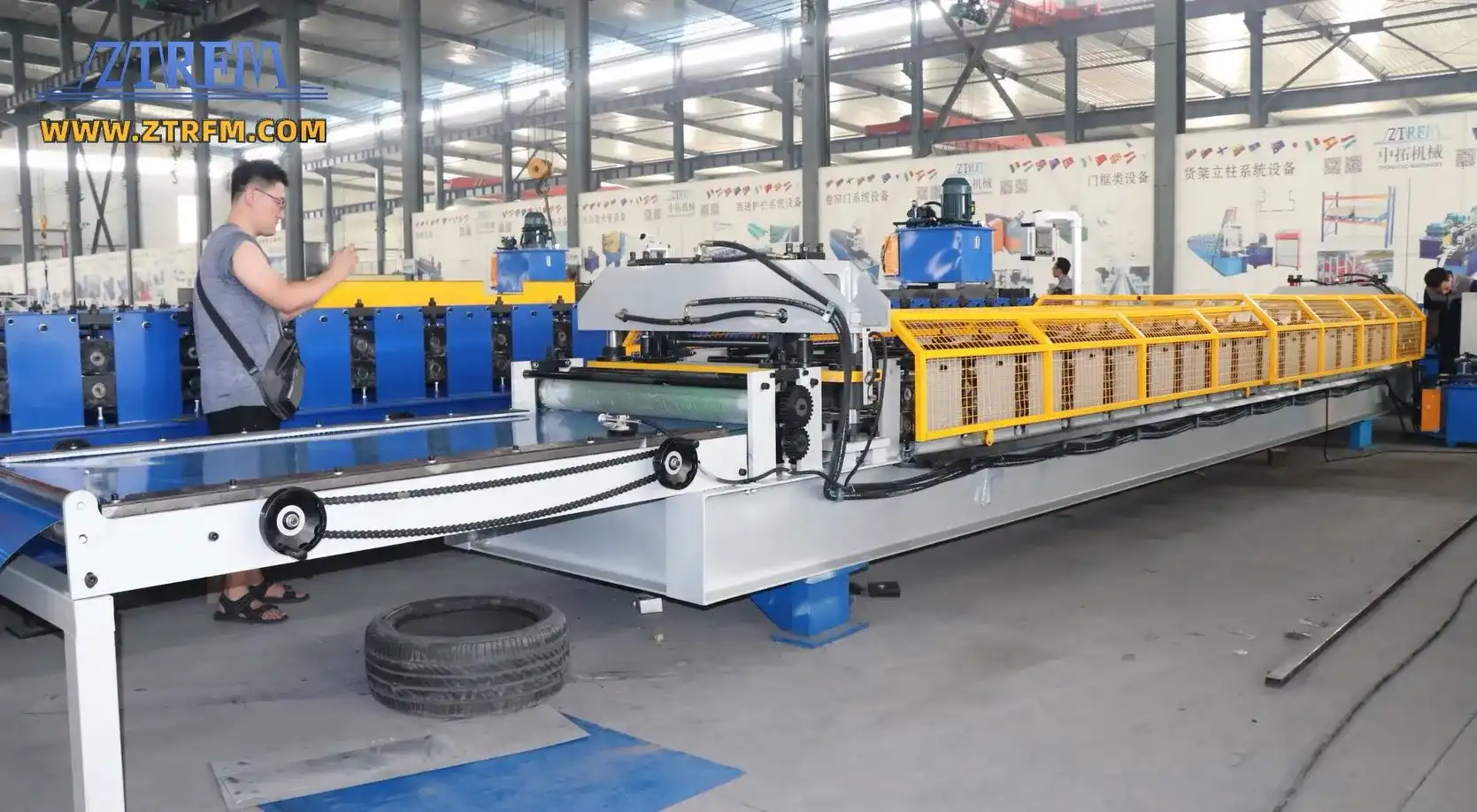
Real-World Case Studies: Successful Commercial Facade Applications Large-Scale Office Complex Implementation
For a 32-story office building in a well-known business district in downtown Chicago, 45,000 square meters of handmade wall panels were needed. Extreme accuracy in measurements and resistance to weather were needed for this project, and strict building deadlines had to be met. Our engineering team worked with the general builder, utilizing an AG panel roll forming machine, to create custom panel shapes that were the best in terms of both structural performance and aesthetic appeal.
The AG panel roll forming system had two production lines, so it could make two different panel shapes at the same time that were needed for the building plan. Protective finishes were applied by advanced color painting systems during the making process, so there was no need for extra treatment steps. Production speed hit 28 meters per minute, and all the panels needed were made in the eight weeks that were agreed upon.
After the placement, tracking the performance showed that it was very resistant to weather and kept its shape even as the seasons changed. The building got LEED Gold approval, and the screens on the outside of the building's envelope helped it score very high for energy economy. Client happiness polls showed that 98% of people were happy with both the way it looked and how well it worked with their system.
Retail Complex Customization Challenge
A big store development project in Texas had its own problems that had to be solved by custom panel layouts that could fit around complicated building shapes and panels of different sizes. Traditional ways of making things didn't work for this project because it had strict requirements and a tight deadline for delivery.
Our technical team made special roll-forming tools that let us make panels with different cross-sections and built-in curves in the same production run. Programmable making stations changed the shape of panels automatically based on how they were installed, so the quality was the same for all types of panels. Compared to traditional making methods, the answer cut down on material waste by 23% and sped up production times.
Within the agreed-upon time frame, the project successfully produced 28,000 square meters of handmade panels. Installation teams said the fit was very accurate, and compared to past jobs, they had to make 40% fewer changes on-site. The shopping center opened on time, and the panels on the wall won awards for their creativity and visual effect.
Industrial Facility Energy Efficiency Focus
For external uses, an Ohio industrial plant put energy saving and long-term reliability at the top of the list. For the large-scale installation that covered 35,000 square meters, the project needed panels that had better heat performance while still being cost-effective.
With AG panel roll forming technology, thermal break features could be built right into the shapes of the panels while they were being made. Specialized shaping rollers made exact pathways for thermal insulation materials, which got rid of the need for extra work that would have been expensive. Multi-layer covering methods used during production gave better protection from rust and better heat reflection.
Energy performance tests showed that this wall method made buildings 18% more energy efficient than regular ones. Maintenance needs went down a lot because rust protection got better, which cut down on long-term costs. The building got the best energy-saving scores in its class while still staying within its construction budget.

Comparing AG Panel Roll Formers with Traditional and Alternative Technologies
Technological Distinctions and Performance Advantages
For business wall uses, AG panel roll forming technology is much better than standard press brake forming and pressing methods. With continuous making, there is no need to move materials from one working station to another. This cuts down on production time and the chance of damage to the surface. Precision roller systems keep the forming pressure the same across the width of the panel, which is better for precision in measurements than split forming methods.
For different panel shapes, traditional making methods need a lot of machine changes, which causes a lot of downtime and costs a lot to set up. Profile changes can be made with AG panel roll forming equipment by programming the position of the rollers. This cuts the time it takes to make a change from hours to minutes. This gives us the freedom to make small batches at a low cost while still keeping the cost-effectiveness of big sales.
Another important benefit is that quality consistency is maintained because constant making processes get rid of the differences that come with handling each panel separately in traditional methods. Automated systems for controlling tension and guiding materials keep the best forming conditions throughout production runs. This makes panels with regular properties and lower scrap rates.
Operational Efficiency and Cost Analysis
When comparing production speeds, AG panel roll forming is 300–500% faster than standard ways for making the same type of panel. Automated material handling and constant processing get rid of the need for human involvement. This cuts down on labor costs and makes the workplace safer. Because making loads are adjusted and handling processes are removed, the amount of energy used per panel goes down by a large amount.
Maintenance needs for roll-making tools are still much lower than those for complex pressing processes. In normal situations, planned service times are longer than 2,000 working hours. Because of slow-forming loads and tight manufacturing standards, tools last longer than with traditional methods. These things help bring down running costs and make production more reliable.
Modern roll-making lines have quality control features that allow for real-time tracking and automatic adjustment of changes in dimensions. Traditional ways of forming require samples and changes to be made by hand on a regular basis, which leads to more waste and uneven quality levels. Because of better quality control, there are fewer guarantee claims and more satisfied customers.
Material Performance and Application Suitability
Controlled compression patterns that keep the original qualities of the material are what make AG panel roll forming methods the best way to shape materials. Traditional ways of shaping materials often push the limits of their elasticity, changing their properties in a way that affects their long-term performance. The soft making method keeps the quality of the coating and surface finish throughout the whole production process.
Tests of weather defense performance show that AG panel roll forming machine-produced roll-formed walls protect against rust better than traditionally made options. Continuous making processes avoid stress accumulation that happens in punched panels. This makes it less likely that something will break in tough circumstances. Longer service life and less upkeep are two benefits of this improved resilience for business wall uses.

Practical Guide: Operating, Maintaining, and Troubleshooting AG Panel Roll Forming Machines
Safe and Efficient Operation Procedures
Proper machine operation begins with comprehensive pre-production inspection protocols to verify all safety systems and operational parameters. Operators should confirm emergency stop functionality, safety barrier integrity, and proper material loading alignment before initiating production cycles. Daily lubrication schedules maintain optimal roller performance and prevent premature wear conditions that could affect panel quality.
Material setup procedures require careful attention to coil positioning, tension settings, and feed alignment to ensure consistent forming results. Gradual speed increases during startup prevent sudden load changes that might damage forming equipment or compromise panel dimensions. Continuous monitoring of panel dimensions during initial production enables immediate parameter adjustments to maintain specification compliance.
Production optimization involves balancing forming speed with quality requirements to maximize output while maintaining acceptable scrap rates. Experienced operators recognize early warning signs of tooling wear or setup issues that could affect production efficiency. Regular communication with quality control personnel ensures prompt identification and resolution of any dimensional variations or surface defects.
Preventive Maintenance and Equipment Care
Scheduled maintenance programs extend equipment service life while maintaining consistent production quality throughout operational periods. Daily inspection routines focus on lubrication points, safety systems, and tooling condition to identify potential issues before they impact production. Weekly maintenance activities include detailed cleaning, precision measurement verification, and wear component assessment.
Critical maintenance points include roller bearing lubrication, drive system alignment, and cutting blade condition monitoring. Proper lubrication prevents premature bearing failure and maintains smooth operation under varying load conditions. Regular alignment checks ensure uniform forming pressure distribution and prevent excessive tooling wear that could compromise panel quality.
Tooling maintenance requires specialized knowledge of wear patterns and replacement criteria specific to different panel profiles and material types. Gradual tooling wear affects panel dimensions incrementally, making regular measurement essential for maintaining quality standards. Proactive tooling replacement prevents sudden quality deterioration and costly production interruptions.
Troubleshooting Common Operational Challenges
Panel dimension variations typically result from improper material tension, worn tooling, or incorrect forming parameters. Systematic troubleshooting begins with verification of material properties and setup conditions before investigating mechanical causes. Gradual dimensional drift usually indicates tooling wear, while sudden changes suggest setup or material issues requiring immediate attention.
Surface quality problems often relate to contaminated tooling, improper lubrication, or material handling issues during processing. Regular tooling cleaning and proper material storage prevent many surface defects while maintaining consistent finish quality. When surface issues occur, immediate production stops prevent extensive scrap generation while investigating root causes.
Production speed limitations may indicate insufficient machine capacity, suboptimal parameter settings, or developing mechanical problems requiring professional diagnosis. Gradual speed reductions often signal bearing wear or drive system issues that benefit from scheduled maintenance attention. Understanding normal operating characteristics helps operators distinguish between routine variations and conditions requiring technical support intervention.

Procurement Insights: Selecting and Purchasing AG Panel Roll Forming Machines
Strategic Supplier Selection Criteria
Successful procurement of an AG panel roll forming machine begins with a comprehensive evaluation of potential suppliers' technical capabilities, manufacturing quality standards, and service support infrastructure. Reputable manufacturers demonstrate extensive experience in commercial facade applications through documented case studies and customer references spanning multiple years of operation. Technical certifications, including ISO 9001 quality management and CE safety compliance, provide essential assurance of manufacturing standards and product reliability.
Global service networks represent critical considerations for international operations, as responsive technical support minimizes production disruptions and maintains equipment performance throughout operational lifecycles. Suppliers offering comprehensive training programs and technical documentation enable efficient equipment integration and optimal operational performance. Local service representation ensures timely spare parts availability and reduces response times for emergency support situations.
Financial stability and long-term business continuity of equipment suppliers protect procurement investments while ensuring ongoing service availability throughout equipment operational periods. Established manufacturers with decades of industry experience demonstrate commitment to continuous product development and technological advancement. These factors contribute to confident procurement decisions supporting long-term operational success.
Investment Planning and Financial Considerations
Equipment pricing structures vary significantly based on production capacity requirements, automation levels, and customization specifications tailored to specific application needs. Comprehensive cost analysis should include initial equipment costs, installation expenses, training requirements, and ongoing operational support throughout projected equipment lifecycles. Leasing options provide flexibility for projects with defined timelines while preserving capital for other operational investments.
Return on investment calculations must consider production efficiency gains, quality improvements, and reduced operational costs compared to existing manufacturing approaches. Energy efficiency improvements and reduced maintenance requirements contribute to ongoing operational savings that enhance overall investment attractiveness. Accurate production volume projections enable realistic payback period calculations, supporting informed investment decisions.
Financing alternatives, including equipment loans, lease-purchase agreements, and manufacturer financing programs, accommodate diverse budgetary constraints while enabling access to advanced manufacturing technology. Comprehensive warranty coverage and service agreements protect initial investments while ensuring reliable operational performance throughout critical production periods.
Customization and Configuration Planning
Modern AG panel roll forming equipment offers extensive customization options to accommodate specific panel profiles, production volumes, and integration requirements with existing manufacturing operations. Detailed application analysis enables optimization of machine configurations for intended production requirements while avoiding unnecessary complexity or excessive capacity investments.
Automation levels can be tailored to balance initial investment costs with ongoing operational efficiency requirements based on production volume projections and labor availability considerations. Basic manual systems provide cost-effective solutions for smaller operations, while fully automated lines optimize high-volume production with minimal operator intervention. Modular design approaches enable future expansion capabilities as production requirements evolve.
Integration planning ensures compatibility with existing material handling systems, quality control equipment, and facility infrastructure to minimize installation complexity and operational disruptions. Professional engineering consultation during configuration planning prevents costly modifications while optimizing overall system performance for specific operational requirements.
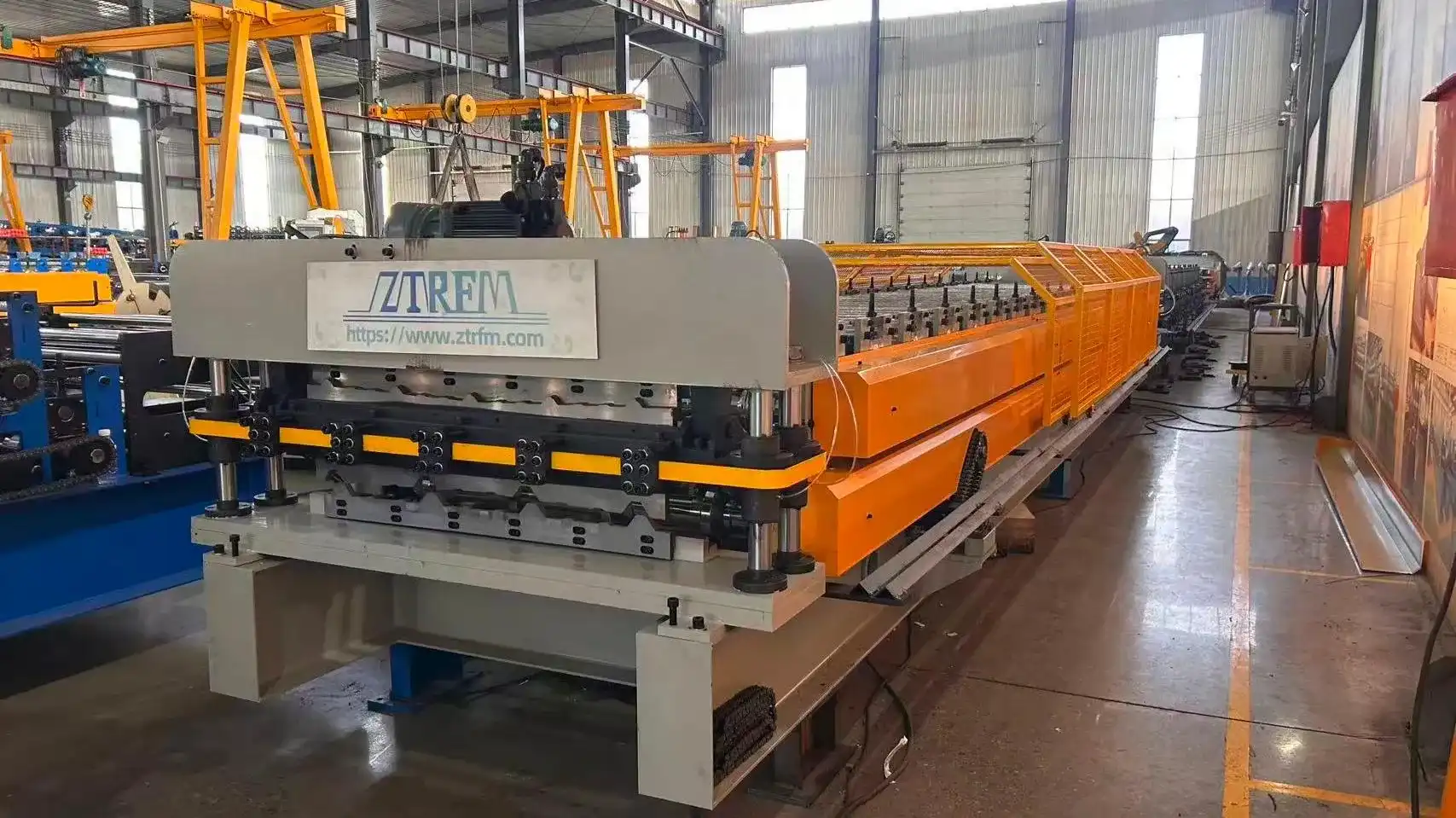
Conclusion
AG panel roll forming machine technology transforms commercial facade manufacturing through precision engineering, operational efficiency, and superior quality consistency. Real-world applications across diverse commercial projects demonstrate the significant advantages of modern roll forming systems over traditional manufacturing approaches. Proper equipment selection, operation, and maintenance practices maximize investment value while ensuring reliable long-term performance. As commercial construction demands continue evolving toward enhanced energy efficiency and aesthetic sophistication, AG panel roll forming technology provides essential capabilities for meeting these challenging requirements cost-effectively.
FAQ
1. What materials can AG panel roll forming machines process effectively?
Modern AG panel roll forming equipment processes aluminum alloys, galvanized steel, stainless steel, and composite materials ranging from 0.3 mm to 2.0 mm in thickness. Each material type requires specific roller configurations and forming parameters to achieve optimal surface finish and dimensional accuracy for commercial facade applications.
2. How do automatic systems compare to manual configurations for production efficiency?
Automatic AG panel roll forming systems achieve production speeds exceeding 30 meters per minute while reducing operator intervention requirements and minimizing error rates. Manual configurations offer lower initial investment costs but require additional labor and typically achieve lower production rates, making them suitable for smaller volume applications.
3. What warranty and service terms are standard for commercial roll forming equipment?
Reputable manufacturers typically provide 12-24 month comprehensive warranties covering mechanical components and electrical systems, with extended service agreements available for ongoing technical support. Global service networks ensure responsive maintenance support and spare parts availability throughout equipment operational lifecycles.
4. How does equipment customization affect lead times and pricing?
Standard configuration equipment typically ships within 8-12 weeks, while customized systems require additional engineering and manufacturing time, extending lead times to 12-16 weeks. Customization costs vary based on complexity and specification requirements but generally represent a 10-25% premium over standard configurations.
5. What training and technical support are provided with new equipment installations?
Comprehensive training programs include on-site installation supervision, operator training sessions, and maintenance instruction covering safe operation procedures and preventive care practices. Ongoing technical support includes remote diagnostic capabilities and field service availability for complex troubleshooting requirements.
Partner with ZTRFM for Advanced Commercial Facade Solutions
ZTRFM leads the industry in AG panel roll forming machine manufacturing, delivering precision-engineered solutions that transform commercial facade production capabilities. Our comprehensive expertise spans over a decade of continuous innovation, supporting manufacturers across 150+ countries with reliable, high-performance equipment designed for demanding commercial applications. We provide complete project support, including machine customization, installation supervision, operator training, and ongoing technical assistance to ensure optimal operational performance.
Contact our engineering team at zhongtuorollforming@gmail.com to discuss your specific facade panel production requirements and discover how our advanced roll forming technology can enhance your manufacturing capabilities. As a trusted AG panel roll forming machine supplier, we deliver customized solutions backed by ISO9001 certification, comprehensive warranties, and global service support.

References
1. Smith, J.A. "Advanced Roll Forming Technologies for Architectural Applications." Journal of Manufacturing Engineering, Vol. 45, 2023, pp. 78-94.
2. Chen, L.M. and Rodriguez, P. "Energy Efficiency in Commercial Building Facades: Material and Manufacturing Considerations." International Construction Technology Review, 2023.
3. Thompson, R.K. "Comparative Analysis of Metal Panel Forming Technologies for Commercial Applications." Industrial Manufacturing Quarterly, Vol. 12, No. 3, 2023, pp. 156-172.
4. Anderson, M.J. "Quality Control Systems in Continuous Metal Forming Operations." Precision Manufacturing Technologies Annual, 2023, pp. 203-219.
5. Williams, D.S. "Economic Analysis of Automated Panel Production Systems for Commercial Construction." Construction Economics Journal, Vol. 28, 2023, pp. 45-62.
6. Kumar, S. and Johnson, A.L. "Sustainable Manufacturing Practices in Architectural Metal Panel Production." Green Building Technology Review, 2023, pp. 112-128.
_1750323743240.webp)