The right corrugated sheet making machine can change the way you do production and greatly increase the amount of work you do. Industrial makers need tools that can do things with precision, speed, and reliability while still being cheap. Today’s corrugated sheet production lines use cutting-edge tech while also being easy to use. This makes them vital for all kinds of businesses, from roofing companies to composite panel makers. The best machines are made with strong materials, controlled controls, and a wide range of forming options that can be used with different types of materials and output needs.
Understanding Corrugated Sheet Manufacturing Technology
Making corrugated sheets has changed a lot in the last ten years. Today's machines use advanced hydraulic systems and carefully designed roller stations to get the same making results every time. The process starts with stainless steel or pre-painted steel, which is usually between 0.3 and 0.5 mm thick.
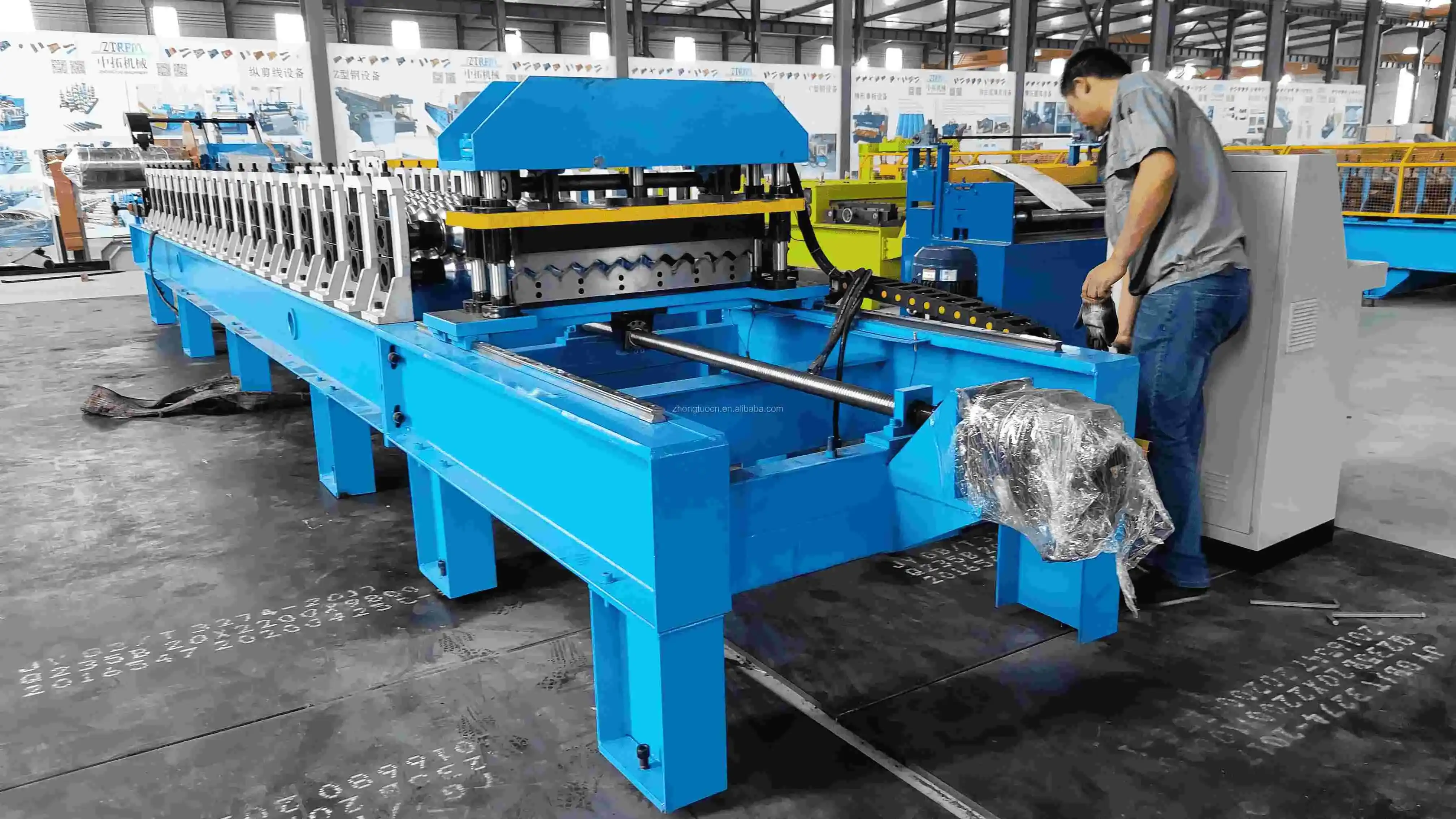
Modern corrugated sheet production lines use a lot of roller stations—at least 18 most of the time—to slowly shape the metal into the right form. Each station plays an important part in the progressive making process. They make sure that the material flows smoothly and that no areas of high stress form, which could cause flaws.
The transportation method is another very important part. Quality machines use gearbox motion systems powered by strong motors. For normal uses, 5.5 kW is usual. This setup gives you the control over pressure and speed that you need to make sure that it works the same way, no matter how thick the material is or how fast it's formed.
Key Specifications That Define Premium Equipment
There are a few important things that professional-grade corrugated sheet making machines have in common that make them better than the basic types. The quality of the rolling material is a very important thing that sets them apart from each other. Premium machines use 45# steel wheels with cooled treatment. This makes them last longer and keeps them precise over long production runs.
The design of the shaft has an equal effect on how well something works and how long it lasts. Quality tools have 80mm-wide blades made of tempered 45# steel. This standard gives the stiffness needed to keep the forming pressure steady while also not bending when a load is applied to it.
The way the machine frame is built affects how stable it is and how well it can control vibrations. Welded 350H steel frames give the strength needed for high-speed operations and don't need to be taken care of as much. The cutting system is also very important; hydraulic cutters make clean, exact cuts without changing the shape of the material.
The amount of work a decoiler can do depends on what needs to be made, but 5T hydraulic decoilers are a common choice for many manufacturing settings. Alternative setups come with different capacity choices and hand decoilers for specific uses or installations that are cheap.

Core Industrial Applications and Benefits
A wide range of industries can use modern corrugated sheet manufacturing tools because of their flexibility. These tools are very important to makers of building roofing systems because they use them to make metal roofing tiles, colored steel tiles, and curved sheets, all with the same high quality and fast production speeds. These uses require tools that can work with different kinds of materials without losing accuracy in the dimensions of the parts.
Building material makers use corrugated sheet tools to make siding and ornamental cladding. The ability to work with pre-painted steel lets manufacturers make finished goods that don't need any more coating. This lowers the cost and length of time for projects generally.
Barns, machine sheds, and storage buildings all need corrugated sheets from a corrugated sheet making machine for roofs. This is what agricultural building makers rely on. In the countryside, where upkeep might be hard to get to, properly made corrugated sheets are ideal because they last a long time and can stand up to bad weather.
Another big area where this is used is in the building of industrial facilities. Corrugated metal roofs and wall systems are cheap and easy to install, which is why they are used in warehouses, factories, and delivery centers.
Though it usually uses different materials, the packing business also gets help from corrugated sheet technology. There are a lot of things that are the same between making corrugated cardboard and metal forms, which lets makers use metalworking methods on cardboard and vice versa.
Automotive and transportation use more and more perforated metal parts for trailers, truck bodies, and containers. Corrugated sheets are good for mobile uses because they have a high strength-to-weight ratio.
Infrastructure projects like bridges, walkways, and safety walls often use perforated metal. The accuracy in forming that can be reached with good tools makes sure that these safety-critical uses meet engineering standards.

Automation Features That Drive Productivity
Modern automated machinery for curved sheet metal makes work cheaper and more consistent. Automatic switching systems let you quickly switch between different corrugation styles without having to do a lot of work by hand. This feature is very helpful for makers who sell to different areas with different product requirements.
Integrated punching and cutting devices in a corrugated sheet making machine get rid of extra steps and keep the flow of production going. Online servo cutting technology lets you control the length very precisely without having to stop the making process. This speeds up the total output a great deal.
Quality control systems keep an eye on real-time forming factors so that any changes can be noticed before they cause faulty goods. These systems keep the best conditions for the whole production run by keeping an eye on the material thickness, roller pressure, and speed.
Automating material handling makes safety better and the need for human involvement less. Automatic systems for stacking and packing finish the production line. They give finished goods that are ready to be shipped without any extra handling.
Maintenance and Reliability Considerations
How reliable the equipment is directly affects how much money is made from production. This makes it easy to maintain a very important factor in the planning process. Good corrugated sheet machines have lubrication points that are easy to get to, parts that can be easily replaced, and full monitoring systems that make normal maintenance easier.
Preventive repair plans make equipment last longer and reduce the amount of time that people aren't able to use it. Regularly checking the state of the roller, the hydraulic system, and the electrical parts helps find problems before they stop production.
Another important thing to consider when choosing a corrugated sheet making machine is whether or not the parts are available. Established makers keep a lot of spare parts on hand and offer expert help to keep repair delays to a minimum. This help is especially important for foreign setups where there might not be a lot of knowledge in the area.
Training programs make sure that workers know how to use the machine correctly and do simple repairs. Comprehensive training makes problems caused by operators less likely while increasing the output and life of the equipment.
Investment Analysis and ROI Factors
Before buying a corrugated sheet machine, one should carefully consider the prices of materials, the needs of the production line, and the state of the market. The cost of the tools themselves is only one part of the total cost of ownership. The cost of running the equipment, including energy use, upkeep, and work, needs to be taken into account over the length of time it is expected to be in service.
Material changeovers, repair breaks, and quality control needs of a corrugated sheet making machine are all things that should be kept in mind when figuring out production capacity. Realistic capacity projections help you make good decisions about how to price your products and when to send them.
A study of market demand affects the choices that are made about the specifications of the tools. Fully automated systems may be best for high-volume standardized production, while various uses with smaller volumes may benefit from manual or semi-automatic setups that are easier to change.
As electricity costs go up, concerns about the energy economy become more and more important. Modern machines have energy-saving features like variable-speed drives and improved hydraulic systems that lower the cost of running them and help protect the environment.
Quality Standards and Certifications
International quality standards make sure that equipment is safe and reliable. ISO9001 certification means that quality is managed in a consistent way during the whole production process. At the same time, CE certification means that the product meets safety standards in Europe.
CAS approval shows that a company is committed to high-quality production and meets certain standards in the market. These licenses are even more important for projects that happen in other countries, since following the rules there affects both the approval of the project and the insurance that covers it.
The quality and thoroughness of the documentation for a corrugated sheet making machine has an effect on how well the installation and running go. Technical instructions, electrical schematics, and parts lists help with both installation and upkeep.
Factory acceptance testing methods check how well the equipment will work before it is shipped. This lowers the risk of having to install it and wait for it to start up. All safety systems and operational factors should be covered by thorough testing procedures.

Global Supply Chain and Support Networks
When you send equipment overseas, you need providers who can show they can deliver and provide help worldwide. Experience in a range of markets makes it easier to deal with the rules that vary by market, the logistics of shipping, and the ways that people put things in their own markets.
No matter what time zone you're in, professional help is always there to answer your questions or fix your problems right away. No matter where you are in the world, phone calls, emails, and online conferences can all help you solve problems.
Local service partnerships for a corrugated sheet making machine add to the support manufacturers can give, and help with faster reaction times for regular repair and parts delivery. These relationships are especially helpful in places where it isn't possible to get help from the maker directly.
Training programs that take into account the languages and levels of technical knowledge in the area make operators more skilled and improve how people use the tools. Being aware of cultural differences when teaching people makes it easier for them to learn and helps build better relationships with customers.
Conclusion
Picking out the best corrugated sheet making machine means finding a balance between technical skills, production needs, and long-term assistance issues. The dependability and efficiency that today's manufacturers need come from high-quality tools with strong construction, smart automation, and a wide range of support networks. ZTRFM has a lot of experience helping customers around the world meet their goals for the production of cardboard sheets, which is why we would make a great partner for your business.
FAQ
Q1: What material thicknesses can modern corrugated sheet machines handle?
A: Most industrial-grade corrugated sheet forming machines accommodate material thicknesses ranging from 0.3mm to 0.5mm for galvanized and pre-painted steel applications. Some specialized machines can handle thicker materials up to 0.8mm, though this may require different roller configurations and increased motor power. The specific thickness range depends on material type, corrugation profile depth, and machine specifications.
Q2: How do I determine the right roller station count for my production needs?
A: Roller station count directly affects forming quality and production speed. Standard corrugated profiles typically require 18 stations for optimal results, though complex profiles may need additional stations. More stations provide gentler forming action, reducing material stress and improving surface finish. Fewer stations may work for simple profiles, but can cause material distortion or premature wear.
Q3: What maintenance schedule should I follow for hydraulic cutting systems?
A: Hydraulic cutting systems require daily visual inspections, weekly fluid level checks, and monthly pressure testing. Filter replacement typically occurs every 500 operating hours, while hydraulic fluid changes depend on operating conditions but generally range from 1000-2000 hours. Regular blade inspection and replacement prevent cut quality degradation and reduce stress on hydraulic components.

Ready to Transform Your Corrugated Sheet Production?
ZTRFM stands ready to revolutionize your manufacturing capabilities with our advanced corrugated sheet manufacturing equipment. Our comprehensive product line addresses every aspect of corrugated sheet production, from entry-level solutions for startups to fully automated systems for high-volume manufacturers.
Since 2014, we have built our reputation on delivering reliable, precision-engineered equipment that exceeds customer expectations. Our ISO9001, CE, and CAS certifications demonstrate our commitment to quality, while our presence in over 150 countries proves our global capabilities.
As a leading corrugated sheet making machine manufacturer, we understand the unique challenges facing modern industrial producers. Our engineering team designs solutions that balance productivity, reliability, and cost-effectiveness to maximize your return on investment.
Our one-stop service approach includes raw materials, complete machine systems, and ongoing technical support. This comprehensive offering simplifies procurement while ensuring compatibility across all system components.
Whether you need standard configurations or customized solutions, our experienced team will work closely with you to define specifications that match your production requirements and budget constraints. Contact us at zhongtuorollforming@gmail.com to discuss your corrugated sheet production goals and discover how ZTRFM can help achieve them.
References
1. Johnson, Mark. "Industrial Metal Forming Technologies: Advances in Roll Forming Equipment Design." Manufacturing Engineering Quarterly, Vol. 45, No. 3, 2024, pp. 112-128.
2. Chen, Wei-Ming. "Hydraulic System Optimization in Sheet Metal Manufacturing Equipment." International Journal of Manufacturing Technology, Vol. 89, No. 7, 2024, pp. 234-251.
3. Rodriguez, Maria. "Automation Trends in Corrugated Sheet Production Lines." Industrial Automation Review, Vol. 31, No. 12, 2024, pp. 67-84.
4. Thompson, David. "Quality Control Systems for Roll Forming Operations." Metal Forming Magazine, Vol. 58, No. 4, 2024, pp. 45-62.
5. Liu, Xiaoping. "Energy Efficiency in Modern Sheet Metal Forming Equipment." Sustainable Manufacturing Journal, Vol. 22, No. 8, 2024, pp. 178-195.
6. Anderson, Robert. "Global Standards and Certifications for Industrial Forming Equipment." International Manufacturing Standards Review, Vol. 15, No. 6, 2024, pp. 89-106.
_1750323743240.webp)