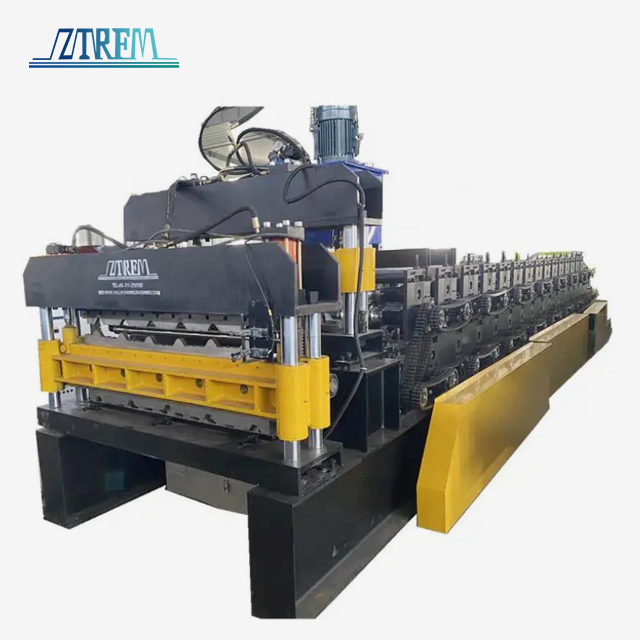
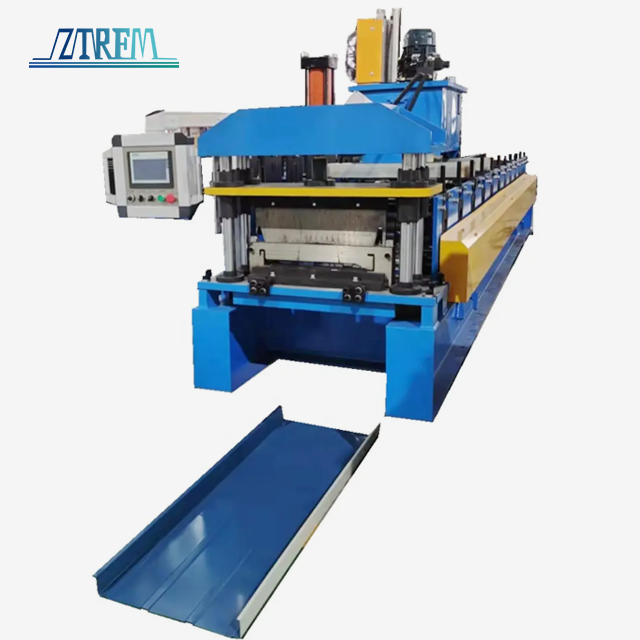
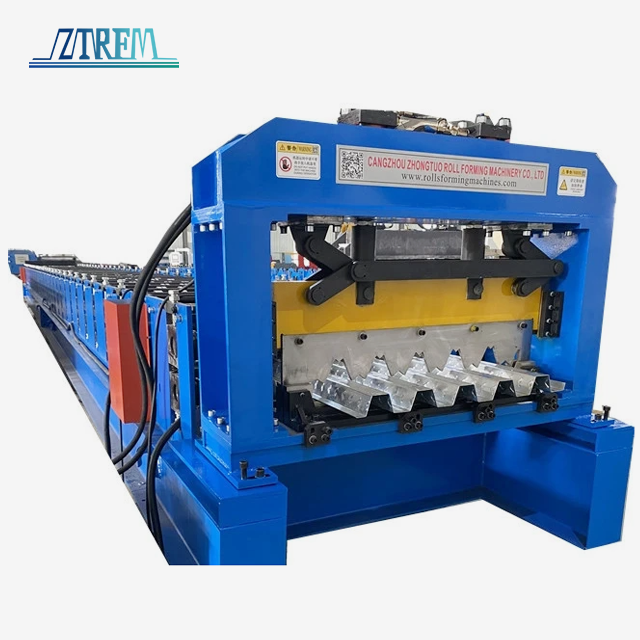
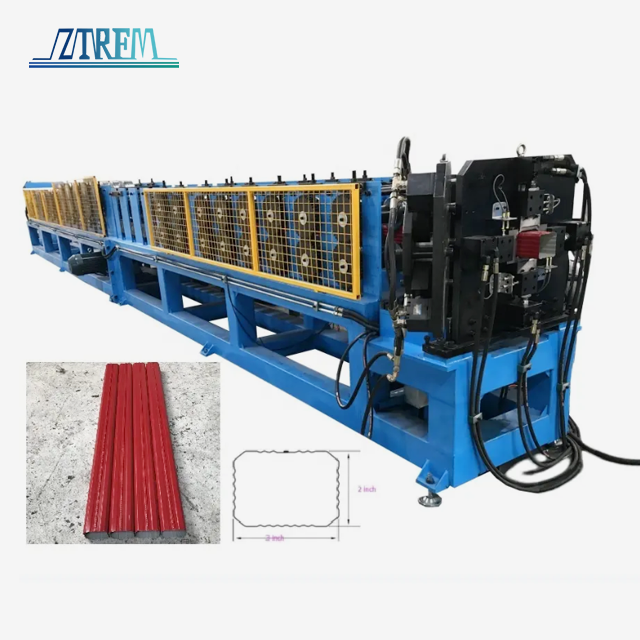
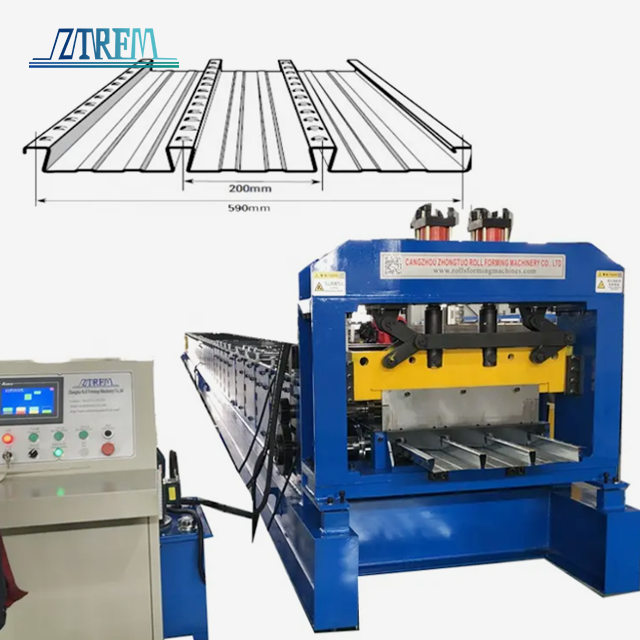
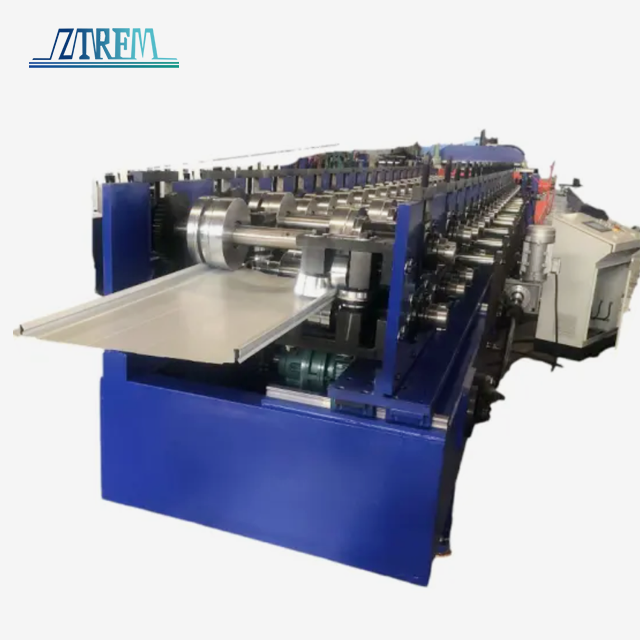
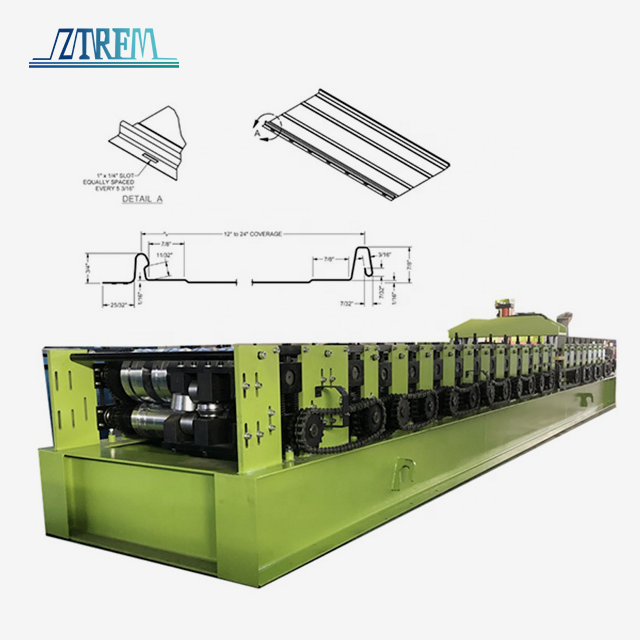
The trapezoidal roll forming machine is an important part of modern metal building because it lets builders make exact, strong panels for roofs and walls. This all-inclusive guide goes over the newest trapezoidal sheet making technologies, from cutting-edge automation features to ways of keeping the machines in good shape. Whether you are a building system maker who wants to work more efficiently or an engineering firm that needs dependable ways to deploy globally, knowing what these machines can do will help you make production choices in 2026 and after.
Understanding Trapezoidal Roll Forming Technology
Trapezoidal profile forming has evolved significantly, transforming raw metal sheets into precision-engineered structural components. The trapezoidal roll forming process involves sequential shaping stations where metal coils pass through specially designed rollers. Each station gradually forms the material into the desired trapezoidal profile while maintaining structural integrity.
Modern machines handle various materials, including 24 and 22-gauge steel, along with .032″ aluminum substrates. The forming stations work progressively, ensuring smooth material flow without stress concentrations. Advanced control systems monitor forming speed, pressure distribution, and dimensional accuracy throughout the production cycle.
The technology behind these systems incorporates servo-driven mechanisms for precise roller positioning. Material feeding systems accommodate different coil weights and thicknesses. Automated cutting mechanisms deliver custom lengths ranging from 3′ to 20′ 10″, meeting diverse project requirements.
Essential Machine Components and Design Features
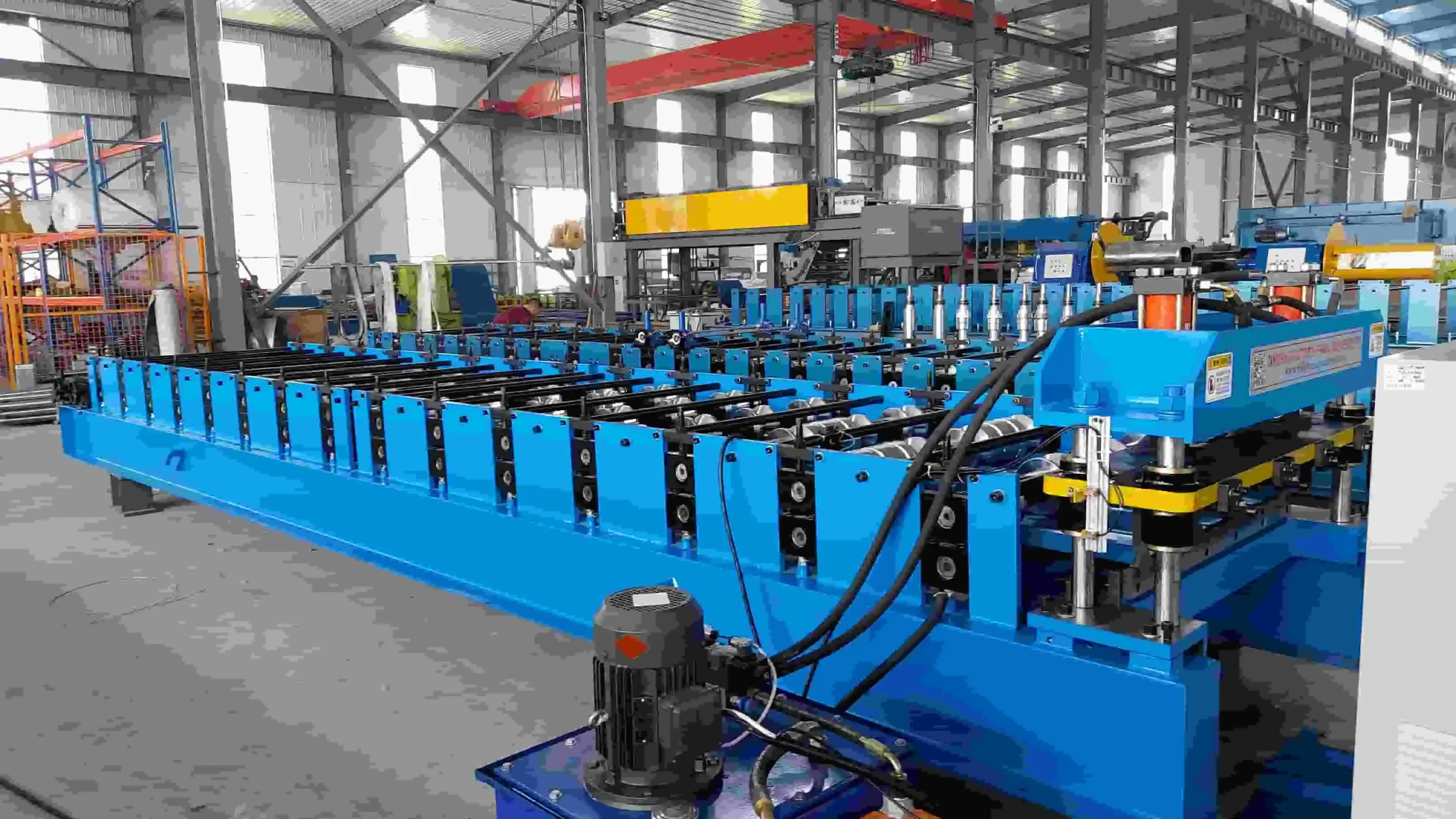
Trapezoidal roll forming machine design encompasses several critical components that determine output quality and operational reliability. The roller system forms the machine's heart, featuring hardened steel stations precisely machined to create consistent profiles. Each forming station incorporates adjustable mechanisms allowing fine-tuning for different material thicknesses.
Modern machines feature advanced control systems integrating programmable logic controllers with human-machine interfaces. These systems enable operators to adjust forming parameters, monitor production metrics, and troubleshoot issues efficiently. Touch-screen interfaces provide intuitive operation while data logging capabilities track production history.
The drive system utilizes high-torque motors coupled with precision gearboxes to ensure consistent forming speeds. Chain and gear transmission systems distribute power evenly across all forming stations. Automated lubrication systems maintain optimal roller conditions while reducing maintenance requirements.
Cutting mechanisms incorporate servo-controlled systems for accurate length measurements. Hydraulic or pneumatic cutting systems deliver clean, burr-free cuts on various material thicknesses. Safety systems include emergency stops, light curtains, and protective guards, ensuring operator safety during operation.
Performance Specifications and Capabilities
Understanding trapezoidal roll forming machine specifications helps manufacturers select appropriate equipment for their production requirements. Modern machines achieve forming speeds between 10 and 50 meters per minute, depending on material thickness and profile complexity. The automation level directly impacts throughput rates and consistency.
Material handling capabilities span gauge ranges from 0.3mm to 1.5mm for steel applications. Aluminum processing requires specialized roller materials and surface treatments to prevent marking. Yield strength considerations affect forming loads and machine sizing requirements.
Dimensional accuracy standards typically maintain tolerances within ±1mm for profile depth and ±0.5mm for width measurements. Surface finish quality depends on roller condition, material preparation, and forming speed optimization. Regular maintenance schedules preserve these accuracy standards throughout machine life.
Production flexibility includes rapid changeover capabilities for different profile geometries. Modular tooling systems enable manufacturers to produce various trapezoidal configurations without extensive machine modifications. Custom profile development services support specialized applications requiring unique geometries.

Applications Across Manufacturing Sectors
Trapezoidal roll forming applications span multiple industries, each presenting unique requirements and challenges. Building roofing system manufacturers utilize these machines for producing weather-resistant panels capable of spanning up to 6 meters without intermediate support. The structural strength-to-weight ratio makes trapezoidal profiles ideal for large-span applications.
- Metal structure manufacturers leverage trapezoidal forming technology for creating composite sandwich panel cores. Multi-layer constructions incorporating aluminum foil, steel substrates, polymer layers, and foam insulation require precise forming control. The automation requirements for these applications demand sophisticated machine configurations.
- International engineering companies require standardized equipment capable of global deployment. Machine certifications, including ISO9001, CE, and CAS compliance, ensure compatibility across different markets. Reliable operation in diverse environmental conditions makes these machines suitable for worldwide projects.
- Wall application versatility encompasses both vertical and horizontal installation orientations. Architectural requirements often specify custom finishes and profile modifications. Machine flexibility accommodates these variations while maintaining production efficiency and quality standards.
-
Maintenance and Operational Excellence
Good upkeep for trapezoidal roll forming machines keeps the equipment running and the output quality high. Preventive repair plans take care of roller wear patterns, lubricating the drive system, and calibrating the control system. Regular checks find possible problems before they affect production. Roller care includes checking for surface wear, making sure everything is lined up, and planning when to replace parts. Taking care of rollers properly keeps them accurate and makes them last longer. Coatings and surface treatments protect rollers from harmful materials and make them easier to take care of.
Lubrication systems need to be checked often to make sure that all of the moving parts are covered. Automated methods make lubrication plans more regular and need less human work. Using good oils in forming makes parts last longer and lowers the cost of running the machine. Troubleshooting steps help people quickly find and fix common problems. Training programs make sure that workers know how to use the machine, how to stay safe, and how to keep it in good shape. Complete paperwork helps people solve problems quickly and share information.
Investment Considerations and ROI Analysis
Trapezoidal roll forming machine price evaluations must consider the total cost of ownership beyond initial equipment investment. Production capacity requirements, material throughput rates, and quality specifications influence machine selection decisions. Balancing investment costs against operating expenses optimizes long-term profitability. Automation levels significantly impact both initial costs and operational efficiency. Higher automation reduces labor requirements while improving consistency and throughput. The payback period depends on production volumes, labor costs, and quality improvement benefits.
Energy efficiency considerations affect ongoing operating costs. Modern machines incorporate variable frequency drives and optimized hydraulic systems to minimize power consumption. Environmental regulations may influence equipment selection in certain markets. Financing options, including equipment leasing, loans, and supplier financing programs, help manufacturers manage cash flow requirements. Global after-sales service capabilities ensure ongoing support regardless of installation location. Spare parts availability and delivery timeframes affect operational continuity.

Future Trends and Technology Developments
Industry 4.0 integration transforms traditional roll forming operations through connected manufacturing systems. Internet of Things sensors monitor machine performance, predict maintenance requirements, and optimize production parameters. Real-time data analytics enable continuous improvement initiatives.
Advanced trapezoidal roll forming machines and material handling systems accommodate increasingly diverse substrate types, including high-strength steels and specialized alloys. Coating technologies protect formed surfaces while maintaining formability characteristics. Environmental considerations drive the development of more efficient forming processes.
Customization capabilities expand through modular machine designs and flexible tooling systems. Rapid changeover mechanisms reduce setup times between different products. Software-driven parameter adjustment enables precise control over forming characteristics.
Sustainability initiatives focus on energy efficiency improvements and waste reduction strategies. Recycling capabilities for trim materials and production waste minimize environmental impact. Carbon footprint considerations influence machine design and operation optimization.
Conclusion
The trapezoidal roll forming machine landscape in 2025 offers unprecedented opportunities for manufacturers seeking enhanced productivity and quality outcomes. Advanced automation, improved maintenance protocols, and flexible production capabilities enable companies to meet diverse market demands efficiently. Success depends on selecting equipment that balances initial investment with long-term operational benefits while providing reliable global support. Understanding these technologies empowers manufacturers to make informed decisions that drive sustainable growth and competitive advantage in an evolving industrial landscape.

Ready to Upgrade Your Production with ZTRFM?
Selecting the right trapezoidal roll forming machine manufacturer determines your production success and long-term operational efficiency. ZTRFM brings over a decade of specialized experience in designing and manufacturing premium cold roll forming equipment, serving manufacturers across 150+ countries worldwide.
Our comprehensive approach encompasses everything from initial consultation through ongoing technical support. ISO9001, CE, and CAS certifications ensure our equipment meets international quality standards while delivering consistent performance. OEM and ODM capabilities enable customized solutions tailored to your specific production requirements.
Whether you need high-efficiency equipment for metal roofing tiles, automated changeover systems for purlin manufacturing, or integrated production lines for composite panels, our engineering team develops optimized solutions. National high-tech enterprise status reflects our commitment to innovation and technical excellence.
Experience the difference that mature multilayer panel production line solutions and comprehensive training programs make in your operations. Ready to discuss your trapezoidal roll forming machine for sale requirements? Our technical specialists stand ready to help you achieve your production goals. Contact us at zhongtuorollforming@gmail.com to schedule your consultation and discover how ZTRFM can transform your manufacturing capabilities.
References
1. Manufacturing Engineering Society. "Cold Roll Forming Technology Handbook: Principles and Applications." Industrial Press, 2024.
2. International Association of Roll Forming Engineers. "Structural Panel Manufacturing Standards and Best Practices." Technical Publication Series, Volume 15, 2024.
3. Smith, Robert J., and Chen, Li Wei. "Advanced Metal Forming Processes in Construction Materials." Journal of Manufacturing Science and Engineering, Vol. 146, Issue 3, 2024.
4. European Committee for Standardization. "Roll Formed Steel Profiles for Construction Applications - Design and Performance Specifications." EN 1090-2:2024 Standard.
5. Anderson, Michael K. "Automation and Quality Control in Modern Roll Forming Operations." International Conference on Manufacturing Technology Proceedings, 2024.
6. Global Metal Construction Institute. "Sustainability and Efficiency Trends in Roll Forming Equipment Design." Annual Industry Report, 2024 Edition.