- English
- French
- German
- Portuguese
- Spanish
- Russian
- Japanese
- Korean
- Arabic
- Irish
- Greek
- Turkish
- Italian
- Danish
- Romanian
- Indonesian
- Czech
- Afrikaans
- Swedish
- Polish
- Basque
- Catalan
- Esperanto
- Hindi
- Lao
- Albanian
- Amharic
- Armenian
- Azerbaijani
- Belarusian
- Bengali
- Bosnian
- Bulgarian
- Cebuano
- Chichewa
- Corsican
- Croatian
- Dutch
- Estonian
- Filipino
- Finnish
- Frisian
- Galician
- Georgian
- Gujarati
- Haitian
- Hausa
- Hawaiian
- Hebrew
- Hmong
- Hungarian
- Icelandic
- Igbo
- Javanese
- Kannada
- Kazakh
- Khmer
- Kurdish
- Kyrgyz
- Latin
- Latvian
- Lithuanian
- Luxembou..
- Macedonian
- Malagasy
- Malay
- Malayalam
- Maltese
- Maori
- Marathi
- Mongolian
- Burmese
- Nepali
- Norwegian
- Pashto
- Persian
- Punjabi
- Serbian
- Sesotho
- Sinhala
- Slovak
- Slovenian
- Somali
- Samoan
- Scots Gaelic
- Shona
- Sindhi
- Sundanese
- Swahili
- Tajik
- Tamil
- Telugu
- Thai
- Ukrainian
- Urdu
- Uzbek
- Vietnamese
- Welsh
- Xhosa
- Yiddish
- Yoruba
- Zulu
Building Material Machinery Trends: The Rise of Trapezoidal Sheet Production
Precision-engineered roofing and cladding options are becoming more and more popular in the construction industry, trapezoidal sheet roll forming machine and trapezoidal sheet roll forming machines are becoming the mainstay of contemporary building material production. These special systems take flat metal strips and turn them into long-lasting, physically sound profiles that meet the growing need for building envelopes that are both weatherproof and nice to look at. As makers are under more and more pressure to boost output while keeping quality high, modern roll forming technology has become the clear answer. It has changed the way roofing systems and wall panels are made all over North America and the world.
Understanding Trapezoidal Sheet Roll Forming Machines
How the Cold Forming Process Works
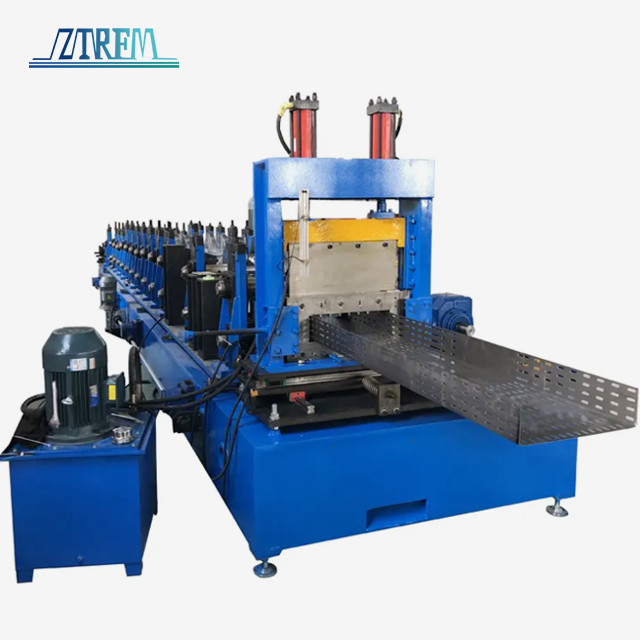
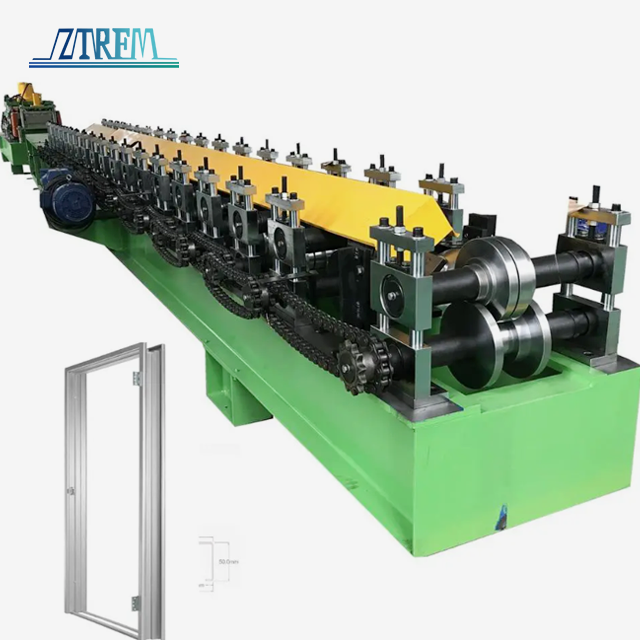
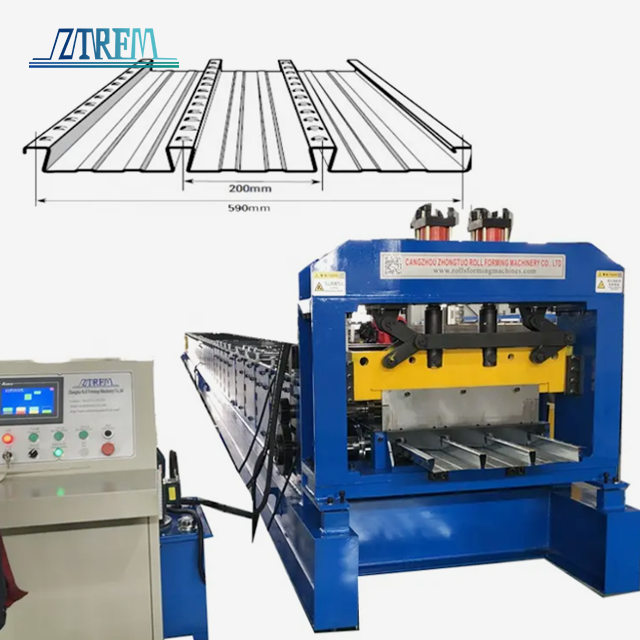
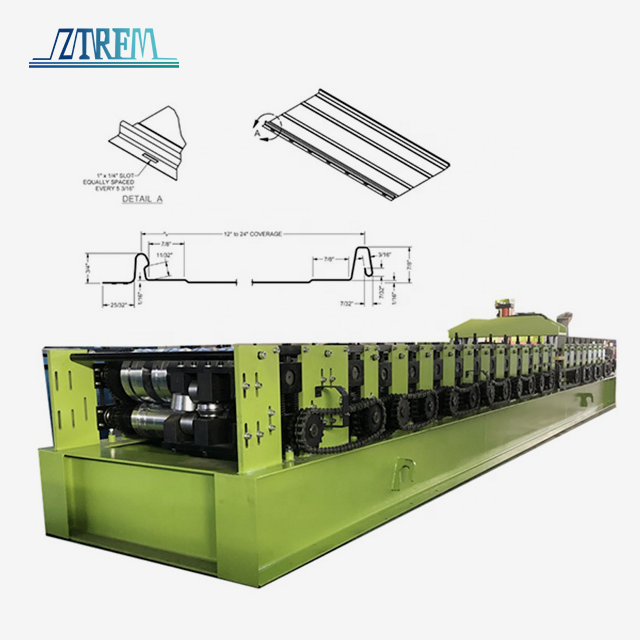
The production process starts when raw material comes from a decoiler and goes through a leveling system. This makes sure that the metal strip enters the making section perfectly flat. There are between 16 and 26 roller units that make the material into the trapezoidal shape over time. These days, machines can work with materials that are between 0.3 mm and 1 mm thick, and they can usually handle widths between 1000 mm and 1250 mm. At the end of the line, a hydraulic cutting device cuts panels to lengths that are chosen by the customer, ranging from 3 feet to over 20 feet. The cutting errors are kept to within ±1 mm. This level of accuracy is especially helpful when making unique flashings that need to fit in perfectly with existing roof structures.
Key Components Driving Machine Performance
Three basic parts determine how well the whole piece of equipment works. The 45# forged steel roller system is hard chrome-plated and does the real shaping. It also protects against wear that would change the shape of the panel. Drive systems, like chain drives or gearboxes, are what move things along the line. On high-performance models, they can move things at speeds of up to 60 meters per minute. Control units, which are usually PLC-based systems made by reputable companies, set output factors like length, speed, and hydraulic cutter timing. Together, these parts make sure that the standard of the result is the same whether 100 or 10,000 panels are being made.
Advantages That Transform Production Economics
In the short term, speed is the biggest gain. Modern lines can produce things faster than old-fashioned printing methods. Another important benefit is that the material is always the same. With automated forming, the differences in size that come with human bending are eliminated, making sure that every panel fits properly when it is installed. Cutting down on waste also helps the bottom line, since the constant process makes almost no scrap compared to stamping methods that make offcuts with each turn. Since formed panels are structurally sound, they allow for bigger purlin spacing in construction projects. This lowers the overall cost of materials and gives building workers great value.

Evolution and Trends in Trapezoidal Sheet Production Technology
Limitations of Traditional Manufacturing Methods
For decades, stamping processes were the main way that trapezoidal sheet roll forming machine roofing panels were made, but they always had problems with slow output and inconsistent quality. Manual processes needed trained workers to position materials, run presses, and check the output over and over again, which was a lot of work that slowed down production and allowed mistakes to happen. Scalability was another problem. Increasing capacity meant buying more press equipment and adding more people, which led to steady cost increases that hurt the company's ability to compete. Also, profile precision went down because machine wear and setup differences led to dimensional drift, which made installation hard and made customers unhappy.
Breakthrough Technologies Reshaping the Industry
These basic problems were fixed by automated roll-making technology, which combined digital control with continuous production. PLC systems made operations that were once unpredictable repeatable. They let workers store multiple profile programs and quickly switch between goods. With CNC-driven placement systems, producers have more options and can serve a wider range of customers from a single production line. When mechanical shears were replaced with hydraulic cutting tools, the edges were smooth and safe, and they also looked better. When CR12MoV cutting blade materials were used, the life of the tools was greatly increased, which cut down on upkeep times and kept the quality of the cuts over longer production runs.
Market Developments Driving Equipment Adoption
Building codes across North America are putting more and more emphasis on energy efficiency and weather protection. These standards support precision-formed metal panels over other options. Roofing workers say that triangular profiles that span up to 6 feet between supports are becoming more popular. These profiles require less framing, which speeds up the project timeline. This demand means that makers who can consistently make good products at reasonable prices will have a chance to make money. At the same time, concerns about ecology push the use of metals that can be recycled and methods that create as little trash as possible, which are both benefits of roll forming technology. Because of this, equipment makers have made tools that can work with thinner gauges (like 22 and 24 gauge and .032" metal) without losing strength. This helps manufacturers set their products apart in markets that are already very competitive.

Comparing Trapezoidal Sheet Roll Forming Machines for Informed Procurement
Trapezoidal Versus Corrugated Profile Differences
Both types can be used for roofs and siding, but their shapes are better suited for different building needs. Trapezoidal panels have flat pans that are divided by ribs that are either vertical or angled. These ribs make separate paths that let water drain and give the panels regular span capabilities. Because of their shape, they are perfect for use in business warehouses, agricultural buildings, and industry sites where load-bearing ability is important. With their wavy sinusoidal shape, corrugated profiles are very flexible and light, making them perfect for home uses and situations where they need to be able to bend around corners. So, the machines used for forming are also different. For example, triangular roll formers need frames that are more rigid and higher forming pressures to make sharp bends, while corrugated machines focus on continuous radius forming.
Power Source Options and Their Operational Implications
Startups and businesses with little money, like trapezoidal sheet roll forming machine manual systems, even though they slow down output and require more work from the user. Electric drive configurations are most common in mid-range machines because they offer reliable performance, easy upkeep, and reasonable power consumption—a 5.5 kW motor is usually enough for normal production. Most of the time, hydraulic systems are used in cutting units (they have about 7.5 kW of hydraulic power) to provide the force needed to shear heavy gauges cleanly. The best equipment is CNC-driven, and it has stepper motors that let you precisely control the making speed and automatically change the length. This automation is especially helpful for businesses that change over a lot of parts or make screens with different specs.
Capacity Considerations and Cutter Technology
The range of products a maker can make depends on the width of the machine. Standard machines can handle either 914 mm or 1220 mm coil widths, and some designs make it easy to switch between these sizes without having to change any tools. Shaft width affects how stiff the machine is and, by extension, the quality of the panels. 80 mm solid shafts are a good example of sturdy engineering that keeps deflection to a minimum when production loads are applied. The number of roller stations (16 to 26 rows) affects both the complexity of the shape and the size of the machine's footprint. More stations allow for sharper bends and more complicated designs, but they also require more length and money. The material of the cutting blade is also important. CR12MoV steel keeps its edge sharp for a lot longer than regular tool steels, so you don't have to change the blade as often, and the panels don't get scratched, which lowers the quality of the finish.

Comprehensive Buying Guide for Trapezoidal Sheet Roll Forming Machines
Understanding 2024 Price Benchmarks and Total Ownership Costs
Beginner machines that are good for new businesses usually cost between $15,000 and $25,000 and have standard making speeds, hand decoilers, and basic PLC controls. Mid-range systems that have hydraulic cutting, automatic width adjustment, and better control interfaces cost between $35,000 and $55,000, which shows how much more they can do. High-performance lines that can produce 60 meters per minute and have advanced automation features may cost $80,000 or more, which is supported by the fact that they can produce a lot more. In addition to the price of the item itself, the total cost analysis has to take into account the costs of installation, the stock of extra parts, the amount of power used, and the need for upkeep. Even though they cost more at first, machines with high-quality parts like hard chrome-plated rollers and cast iron frames usually have lower total running costs.
Critical Supplier Selection Factors
Before making a purchase choice, you should check the certification. For example, ISO9001 quality management certification means that process rules have been set up. CE marking proves European safety standards are met, which is becoming more and more important as companies try to sell their products in other countries. Potential buyers can look directly at work environments and quality systems during factory audits, which builds trust before a promise is made. Track records for deliveries are very important. Suppliers who have shipped to your area before know the logistics needs and customs processes, which cuts down on application delays. Companies like ZTRFM, which has been around since 2014 and is a high-tech company, are good examples of the institutional knowledge that helps projects run smoothly.
Value-Added Services That Differentiate Suppliers
Installation support turns shipped machinery into working production assets, and expert training makes sure that everything is set up correctly and tuned up at the start. A full guarantee, usually 12 to 24 months for major parts, guards against early failures and shows that the maker trusts the quality of the build. Lead time openness helps buyers plan their production schedules, and reputable suppliers give buyers reasonable timelines (usually 30 to 60 days) instead of highly optimistic ones. Flexible lending options make allocating capital easier, especially for growth businesses that have to balance a lot of different investment goals. Customization lets machines be made to fit specific needs, like having different voltages for different electricity standards (380V 50Hz 3-phase vs. 220V 60Hz options) or having different roller shapes for different panel designs. Suppliers that offer both OEM and ODM services can make full, unique solutions for their clients, which puts them in a strong position in their target markets.

Optimizing Performance and Maintenance of Your Trapezoidal Sheet Roll Former
Identifying and Resolving Common Efficiency Bottlenecks
Roller wear shows up over time as more surface marks or differences in size appear on panels. This means that the rollers need to be inspected and possibly refinished or replaced. Hard chrome-plated rollers slow this down a lot, but no surface treatment will last forever when production loads are constant. Frame setting or poor adjustment after maintenance can lead to alignment problems. Uneven material flow causes panels to be bent or warped. Shaft run-out, which is eccentric spinning caused by worn or damaged bearings, creates flaws that happen at regular intervals that match the circumference of the shaft. Using dial markers for regular measurements during planned repair windows finds these issues before they get worse, and a trapezoidal sheet roll forming machine lowers the quality of the product.
Actionable Maintenance Protocols That Maximize Uptime
Setting up preventive repair schedules that are right for the amount of work being done saves the investment in tools. Daily checks should include lubrication spots, hydraulic fluid levels, and electrical connections. This could take 15 minutes, but it would save hours of unexpected downtime. As the week goes on, the processes include checking the state of the cutting blades, the roller surface, and the control system. Maintenance that is done once a month includes checking the balance, inspecting the drive system, and cleaning the whole thing to get rid of metal bits that build up and speed up wear. By keeping track of things like repair tasks, part replacements, and situations seen, documentation practices create historical records that show patterns and help plan future service.
Lean Manufacturing Integration and Automation Leverage
Modern PLC controls make it possible to keep an eye on production and find places where waste is happening and ways to make things better. Tracking setup times, cycle speeds, and material use across shifts shows trends in performance and shows where training is needed. Automated length control gets rid of mistakes made by hand that lead to waste, and batch management features make filling orders faster. Some businesses combine their roll-forming lines with equipment for prepping the coils upstream and packing systems for shipping the finished goods downstream. This creates a constant flow that cuts down on inventory and handling. Over time, these changes add up, giving companies a bigger edge over their competitors by making their cost structures better. Real-life examples show how these ideas work in the real world. A company in the Midwest that makes building parts cut the amount of scrap they had from 3.2% to 0.8% after refurbishing their rollers and improving their alignment routines. They were able to recover the material costs that paid for later automation updates. A company in the southwestern United States increased its effective production speed by 22% by getting rid of bottlenecks and teaching its workers. This allowed them to complete orders the same day, which helped them get more market share.

Conclusion
Trapezoidal sheet production technology has changed from human processes that required a lot of work to highly automated systems that give companies in the building materials market a competitive edge. Modern trapezoidal sheet roll forming machines give producers the speed, accuracy, and adaptability they need to meet the needs of demanding customers in the building industry. As performance and sustainability become more important in building standards, precision-formed metal panels are becoming more popular as a design choice. This means that there is a steady need for production tools that can meet these needs. Manufacturers can take advantage of these changes in the market while building strong, profitable businesses by making investment choices that focus on building quality, supplier support capabilities, and long-term running costs.
FAQ
1. What criteria should guide machine selection?
Estimates of production amount tell us what speed and level of automation are best, while product range needs tell us how flexible the width needs to be and how the roller stations need to be set up. What kinds of materials you want to work with—only stainless steel or also aluminum and pre-painted coils—affects the roller hardness requirements and the design of the handling system. The machine's footprint is limited by the amount of floor room that is available, especially its total length when decoilers and runout tables are added. Budget naturally affects feature sets, but it's usually better to look at the total cost of ownership instead of just the purchase price in the long run.
2. How does automation affect production economics?
Automated systems require more money up front, but they require less direct work per unit created. The economic tipping point relies on how much is being made—operations that run multiple shifts every day may need more complex automation, while lower-volume situations may be better with easier setups. Automation also makes things more consistent, which cuts down on quality-related costs and customer issues that hurt a company's image.
3. What lead times should buyers anticipate?
Standard machine configurations usually need 30 to 45 days from the time the order is confirmed until it is shipped. This time includes final assembly, testing, and getting ready for shipping. If you need something that isn't on the list, it could take two to four weeks longer because engineers have to make custom parts. International shipping adds extra time for transport, which varies by location but is usually between one and three weeks for ocean freight to North American ports. When you buy tools 90 days before you need to start making things, you have time to deal with any problems that come up.
Partner with ZTRFM for Your Metal Forming Equipment Needs
Each trapezoidal sheet roll forming machine that ZTRFM sends out is backed by ten years of specialized technical know-how. Our wide range of production services helps build roofing system makers, metal structure manufacturers, and new businesses by offering flexible equipment solutions that are backed by ISO9001, CE, and CAS certifications. Our technical team creates setups that meet your exact business needs, whether you need high-speed production lines that can go 60 meters per minute or low-cost entry systems that can be expanded. Email zhongtuorollforming@gmail.com right now to talk about your panel production goals with experienced application engineers who know what the North American market wants and can help you find the best supplier relationship for your business growth goals.

References
1. Smith, J. & Anderson, K. (2023). Modern Roll Forming Technology: Principles and Industrial Applications. Industrial Press, New York.
2. Peterson, R. (2024). "Advances in Metal Roofing Panel Production Systems." Journal of Manufacturing Processes and Equipment, 18(2), 145-167.
3. Thompson, L. (2023). Cold Roll Forming Equipment Selection and Optimization Strategies. Technical Publishing House, Chicago.
4. Martinez, C. & Wu, H. (2024). "Comparative Analysis of Trapezoidal and Corrugated Profile Forming Technologies." International Journal of Building Materials Engineering, 12(1), 89-104.
5. National Roofing Contractors Association. (2023). Metal Roofing Systems: Manufacturing Standards and Performance Guidelines. NRCA Publications, Rosemont, IL.
6. Davidson, M. (2024). "Total Cost of Ownership Models for Roll Forming Equipment Investment Decisions." Industrial Equipment Management Quarterly, 31(3), 201-219.