- English
- French
- German
- Portuguese
- Spanish
- Russian
- Japanese
- Korean
- Arabic
- Irish
- Greek
- Turkish
- Italian
- Danish
- Romanian
- Indonesian
- Czech
- Afrikaans
- Swedish
- Polish
- Basque
- Catalan
- Esperanto
- Hindi
- Lao
- Albanian
- Amharic
- Armenian
- Azerbaijani
- Belarusian
- Bengali
- Bosnian
- Bulgarian
- Cebuano
- Chichewa
- Corsican
- Croatian
- Dutch
- Estonian
- Filipino
- Finnish
- Frisian
- Galician
- Georgian
- Gujarati
- Haitian
- Hausa
- Hawaiian
- Hebrew
- Hmong
- Hungarian
- Icelandic
- Igbo
- Javanese
- Kannada
- Kazakh
- Khmer
- Kurdish
- Kyrgyz
- Latin
- Latvian
- Lithuanian
- Luxembou..
- Macedonian
- Malagasy
- Malay
- Malayalam
- Maltese
- Maori
- Marathi
- Mongolian
- Burmese
- Nepali
- Norwegian
- Pashto
- Persian
- Punjabi
- Serbian
- Sesotho
- Sinhala
- Slovak
- Slovenian
- Somali
- Samoan
- Scots Gaelic
- Shona
- Sindhi
- Sundanese
- Swahili
- Tajik
- Tamil
- Telugu
- Thai
- Ukrainian
- Urdu
- Uzbek
- Vietnamese
- Welsh
- Xhosa
- Yiddish
- Yoruba
- Zulu
Solar Strut Channel Roll Forming Machine for Large-Scale Solar Projects
The Solar Strut Channel Roll Forming Machine is a special kind of manufacturing system made to make the structural support profiles that are needed to put up solar panels in large-scale setups. Through a constant process of decoiling, leveling, punching, roll forming, and cutting, this automatic production line turns galvanized steel coils into precisely made channels. This equipment was made for companies that want to sell to the growing green energy industry. It meets the growing need for consistent, high-quality mounting frames that can last for 25 years in a wide range of weather conditions.
Understanding Solar Strut Channel Roll Forming Machines
What Makes These Machines Essential for Solar Infrastructure
Strut channels are the framework that holds and places thousands of photovoltaic panels over large areas of ground or business roofs in large-scale solar installations. Solar mounting channels are different from regular structure supports because they need precise slot patterns that let workers change where modules are placed in the field. The roll forming method works perfectly because it keeps the structural integrity of high-strength steel while getting the consistent sizes needed for parts to be interchangeable across multi-megawatt projects. Traditional ways of making things, like press brakes or putting things together by hand, can't handle the large amounts needed for utility-scale solar farms. For example, a 100-megawatt solar project might need hundreds of tons of mounting structures that all need to be the same size to make sure they fit correctly with clamps, hooks, and other tools for attaching things. This problem can be solved by the Solar Strut Channel Roll Forming Machine, which can make channels at speeds of up to 8 meters per minute while keeping tolerances of just ±1.5 mm.
Core Components and Operating Principles
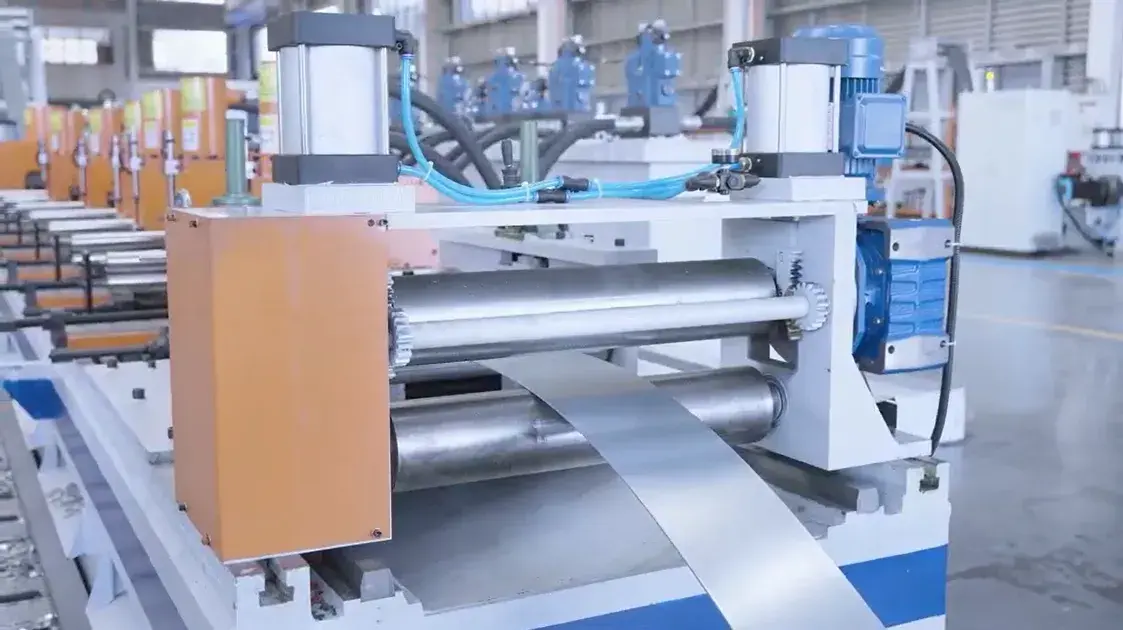
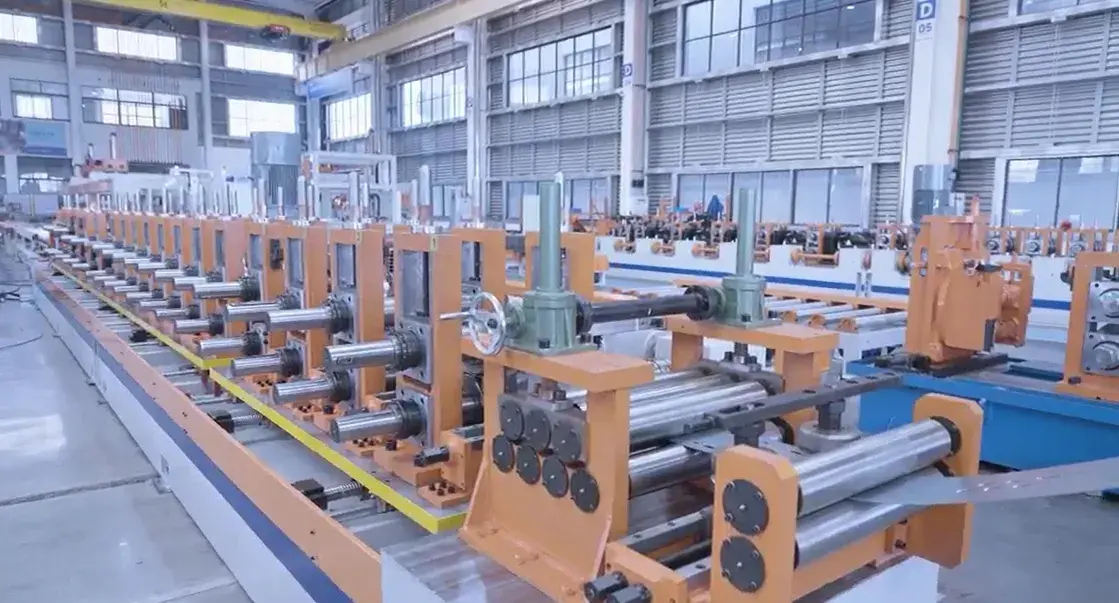
At the start of the production process, pre-galvanized steel coils are put on a decoiler. This machine sends the material through a leveling unit, which gets rid of any remaining coil curve. Next is the punching station, where hydraulic systems cut long holes into the length of the channel. During installation, these slots hold movable mounting hardware. The steel shape is then slightly bent at each of 24 progressive forming points until it reaches its final C-channel or U-channel cross-section. The wheel arrangement is very important to this process. Our systems use 45# forged steel rods with an 80mm diameter, which give them the strength they need to work with materials that are 1.5mm to 2.5mm thick. The forming rollers are made of GCR15 steel that has been coated with chrome. This protects the galvanizing finish from damage to the surface, which is very important because any cracks in the coating speed up rust in outdoor settings. A hydraulic shearing device chops channels to predetermined lengths after the Solar support channel roll former has formed. They are then ready to be stacked and shipped.
Benefits & Performance Optimization for Large-Scale Projects
Productivity Advantages Over Alternative Methods
Manufacturers who work on large-scale solar projects are constantly under pressure to deliver mounting structures quickly. Delivery times are often very strict because of weather windows for installation teams. Delays can lead to big project fines. The Solar Strut Channel Roll Forming Machine can make more things faster than human manufacturing. With traditional ways, you might get 50 to 100 linear meters every day. But our roll forming tools can keep going at 8 meters per minute, which, in ideal conditions, means you can get almost 400 meters per hour. In addition to being faster, the ongoing process gets rid of the time needed to handle things between steps. Material moves directly from the coil to the finished channel, with no preparation in between. This cuts the amount of work needed by about 70% compared to multi-step fabrication methods. This productivity is especially helpful when production needs to go up to meet the needs of projects that require thousands of channel pieces. Using PLC controls along with automatic length measurement and cutting cuts down on mistakes even more, making sure that every piece meets the requirements without having to be checked by hand.
Strategies for Maximizing Equipment Performance
To reach the stated production speeds, you need to pay attention to a number of practical factors. Checking the leveling rollers on a regular basis stops the material from moving, which can lead to changes in the shape of the profile that was made. Keeping the drive chains properly oiled cuts down on friction losses that would otherwise slow down the forming process or require more power. Regular fluid analysis is good for the hydraulic system because it finds contamination before it hurts the accuracy of the punching or causes unplanned downtime. Setting up the tools is also very important. Making sure the rollers are lined up and spaced out correctly when moving between channel sizes has a direct effect on both the accuracy of the shape and the rate of roller wear. Our machines have adjustments that skilled workers can fine-tune to account for differences in the properties of the materials we use. For example, the hardness of arriving steel coils can vary, so small changes in pressure are needed to keep the quality of the forming uniform.
Comparing Solar Strut Channel Roll Forming Machines and Alternatives
Roll Forming Versus Press Brake Fabrication
Press brakes are the usual way to make metal channels in a Solar support channel roll former. Flat blanks are bent several times in a row using these machines. This method works well for making prototypes or small batches, but it doesn't work well for large-scale solar projects that need a lot of units. Because the workpiece has to be moved for each bend, throughput is limited to about 100 to 200 pieces per shift, based on how complicated the shape is and how skilled the user is. With the Solar Strut Channel Roll Forming Machine, this bottleneck is gone because the process is constant. Once it is set up, the machine makes the same shapes as a press brake, but without the cycle time. Progressive roll forming cold-works the material and strain-hardens it, which can increase the yield strength by 5–10% compared to the qualities of the starting coil. This is helpful for designers because it lets them choose lighter gauge materials with the same load-bearing capacity. This improvement in strength helps keep material costs down on big projects, where every gram of steel increased by thousands of parts changes the economics of the project.
Manual Systems Versus Automated Production Lines
Beginners who want to make strut channels sometimes use semi-automated or fully manual machines where workers feed materials, measure their lengths, and cut them. Even though these systems require less starting capital, the savings are quickly lost when the number of units made is considered, which is usual for making solar mountings. When you feed the coil by hand, the length changes, which lowers the rate at which the material is used and could waste up to 3–5% of it as scrap. These wasteful practices are taken care of by the Solar Strut Channel Roll Forming Machine with servo feeding and PLC control. Programmable length settings make sure that the best amount of material is used, and automatic stacking gets finished channels ready for packing without any need for human handling. Because they don't need as many workers, makers can put their workers to work on quality control and packing tasks that add value instead of moving materials over and over again. When you look at the total cost of ownership, automatic systems usually pay for themselves in 18 to 24 months in places with multiple shifts.

Making a Smart Procurement Decision
Critical Evaluation Metrics for Equipment Selection
When purchasing, teams look at the Solar Strut Channel Roll Forming Machine and set clear performance standards that are in line with what the production needs. Forming speed specs need to be carefully looked at. For example, makers may list the fastest speeds that can be reached with thin materials in perfect conditions, but in reality, production with 2.5 mm steel goes much more slowly. Realistic performance standards can be set by asking for trial runs with real production materials and thicknesses. Long-term physical stability is directly affected by how the machine frame is built. Systems made with steel plate frames that are 25 mm thick don't bend when constant forming loads are put on them. This means that the rollers stay in place for years of use. While lighter construction may lower the original cost, it also speeds up wear and tear and raises the cost of upkeep as the frame gradually bends. During plant trips, looking at frame design and welding quality shows building standards that specs alone don't show.
Supplier Selection Beyond Purchase Price
The buyer and seller of tools have a connection that Solar Strut Channel Roll Forming Machine goes far beyond the initial sale. Suppliers who give full operational support make sure that the Solar Strut Channel Roll Forming Machine is installed correctly and train operators in a way that speeds up the learning curve so that they can reach full production capacity faster. Factory workers can fix control system problems without having to send out staff for every small issue, thanks to remote diagnostics. This cuts down on downtime costs by a large amount. Whether small component failures cause days of lost production depends on how readily available spare parts are. Reliable sellers keep wear parts like rollers, cutting blades, and hydraulic seals in stock and set up distribution networks that make fast shipping possible to customers all over the world. Manufacturers that have exported to 150 countries usually keep regional stores that help North American customers get critical parts within 48 to 72 hours.

Future Trends and Innovations in Solar Strut Channel Roll Forming
Automation Enhancements Driving Next-Generation Equipment
Industry 4.0 technologies that allow predictive maintenance and real-time output optimization are at the center of new Solar Strut Channel Roll Forming Machine creation right now. Vibration sensors on roller systems find patterns of bearing wear before they break down completely. This means that repair alerts are sent during planned downtime instead of in the middle of production. Load sensors on the main drive keep an eye on the forming force needs and look for changes that could mean that the material's properties are changing or that the rollers are wearing out. An IoT connection lets machines send information about their work to corporate resource planning systems, which shows how much material is being used and how fast they are working. This integration helps makers improve how they schedule production and handle their inventory, which frees up working cash that would otherwise be used to buy raw materials and finished goods. Cloud-based data analytics look at how well different tools or production sites are doing and find the best ways to do things that can then be made standard to make manufacturing more efficient overall.
Adapting to Evolving Solar Mounting Design Requirements
The sizes of solar modules are always changing because makers want to make them more efficient by making them bigger. As a result, mounting structure designs change, which creates a need for channel shapes with different sizes or slot patterns. The Solar Strut Channel Roll Forming Machine with changeable roller systems can adapt to these changes without having to replace all the tools, which protects capital investments as needs change. When you place bifacial solar modules—which collect light on both the front and back surfaces—make sure that the back surface doesn't get too much shade. This makes people want to make structures that are lighter and have more open plans, which could use thinner gauge materials or different profile forms. Manufacturers can take advantage of opportunities in this growing market area without having to spend more money on new equipment because it can process 1.5mm materials with the same level of accuracy as heavier gauges.

Conclusion
The Solar Strut Channel Roll Forming Machine is now a must for companies that make solar panels for utilities because the market needs a lot of them and expects them to be of high quality. This is because traditional ways of making things can't meet those needs cheaply. Choosing the right equipment can have long-lasting effects on production, so it's important to carefully look at machine specs, provider skills, and long-term support. As the solar industry continues to grow quickly, companies that have reliable, high-capacity manufacturing systems are ready to take advantage of growth possibilities while still meeting the high-quality standards needed for big projects.
FAQ
1. How does material thickness affect production speed and equipment requirements?
When the material is getting close to 2.5 mm, it needs more creating power and slower processing speeds to keep the dimensions accurate and avoid overloading the rollers. When compared to 1.5 mm materials, production speeds may slow down by 20 to 30 percent. For heavy-gauge production, the Solar Strut Channel Roll Forming Machine should have bigger diameter shafts and more durable drive systems. This is why gearbox-driven machines are more reliable than chain-driven machines when working with thick materials all the time. Running 2.5mm steel at speeds meant for smaller sizes speeds up wear and increases the chance of profile quality problems.
2. What maintenance schedule optimizes equipment longevity?
Most early failures can be avoided by lubricating drive chains every day and checking the amount of hydraulic fluid once a week. A monthly check of the rollers finds patterns of wear early enough that problems can be fixed by replacing only the worn ones, before they affect the quality of the profile. Every three months, the positioning of the making stations is checked to make sure they stay in the right place even when the Solar Strut Channel Roll Forming Machine is vibrating normally. A full inspection once a year, which includes testing the electrical system and making sure the safety interlocks work, keeps the process safe and effective. Keeping detailed records of maintenance tasks creates past records that show when parts need to be replaced.
3. Can one machine produce multiple channel sizes efficiently?
Modern machine designs allow for the production of multiple profiles, though the difficulty of changeovers varies a lot. Basic systems need rollers to be replaced by hand, which takes 4–8 hours per size change and is only workable when long setup times are worth it for large production runs. Modern versions of the Solar Strut Channel Roll Forming Machine with quick-change tools or adjustable roller spacing cut the time needed for switching to less than two hours. This means that it is economically possible to do several changeovers every day. When production needs to change sizes often, the speed of the switch should be the most important factor in choosing tools so that utilization rates stay high.
Partner with ZTRFM for Your Roll Forming Equipment Needs
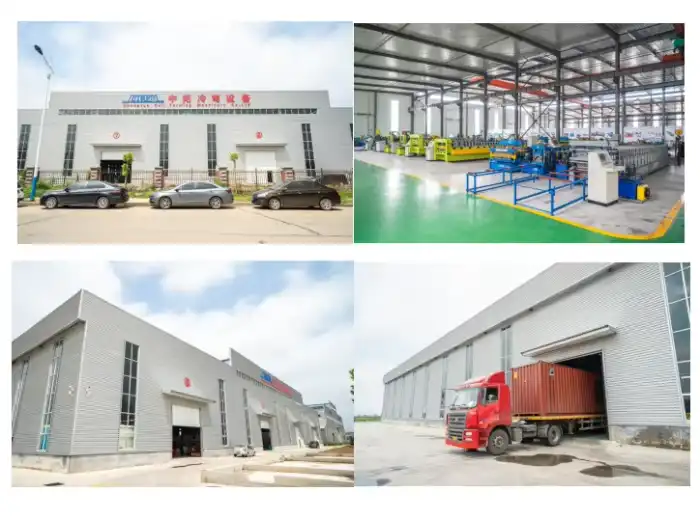
ZTRFM has more than ten years of experience in the Solar Strut Channel Roll Forming Machine industry and can help producers who are looking for reliable ways to make solar mounting components. As a well-known company that makes the Solar Strut Channel Roll Forming Machine, we know the problems that metal structure builders face when they try to build big solar projects. Our engineering team has created strut channel forming systems that are precise, productive, and reliable over the long term. These systems are backed by ISO9001 and CE certifications, which show that we are committed to high standards for quality production.
We provide full help for the entire lifecycle of the tools. Our technical experts do installation and user training right on-site, so your team can quickly reach peak performance. If you have any questions, feel free to email our team at zhongtuorollforming@gmail.com for quick technical help.
References
1. Smith, J.R. & Davidson, M.K. (2022). Cold Roll Forming Technology in Renewable Energy Manufacturing. Industrial Press Publications.
2. Martinez, C.L. (2021). "Structural Requirements for Utility-Scale Solar Mounting Systems." Journal of Photovoltaic Engineering, Vol. 18, No. 3, pp. 145-162.
3. Thompson, A.E. & Wong, P.H. (2023). Manufacturing Efficiency in Solar Component Production. Solar Industry Technical Publications.
4. National Renewable Energy Laboratory (2022). Best Practices for Solar Mounting Structure Fabrication. NREL Technical Report Series.
5. Anderson, R.K. (2021). Comparative Analysis of Metal Forming Processes for Structural Components. American Society of Mechanical Engineers Press.
6. Global Solar Mounting Association (2023). Technical Standards for Photovoltaic Support Structures, 4th Edition. GSMA Industry Standards Publication.
_1750323743240.webp)