- English
- French
- German
- Portuguese
- Spanish
- Russian
- Japanese
- Korean
- Arabic
- Irish
- Greek
- Turkish
- Italian
- Danish
- Romanian
- Indonesian
- Czech
- Afrikaans
- Swedish
- Polish
- Basque
- Catalan
- Esperanto
- Hindi
- Lao
- Albanian
- Amharic
- Armenian
- Azerbaijani
- Belarusian
- Bengali
- Bosnian
- Bulgarian
- Cebuano
- Chichewa
- Corsican
- Croatian
- Dutch
- Estonian
- Filipino
- Finnish
- Frisian
- Galician
- Georgian
- Gujarati
- Haitian
- Hausa
- Hawaiian
- Hebrew
- Hmong
- Hungarian
- Icelandic
- Igbo
- Javanese
- Kannada
- Kazakh
- Khmer
- Kurdish
- Kyrgyz
- Latin
- Latvian
- Lithuanian
- Luxembou..
- Macedonian
- Malagasy
- Malay
- Malayalam
- Maltese
- Maori
- Marathi
- Mongolian
- Burmese
- Nepali
- Norwegian
- Pashto
- Persian
- Punjabi
- Serbian
- Sesotho
- Sinhala
- Slovak
- Slovenian
- Somali
- Samoan
- Scots Gaelic
- Shona
- Sindhi
- Sundanese
- Swahili
- Tajik
- Tamil
- Telugu
- Thai
- Ukrainian
- Urdu
- Uzbek
- Vietnamese
- Welsh
- Xhosa
- Yiddish
- Yoruba
- Zulu
Cost-Effective Ceiling T Grid Roll Forming Machine Solution
When looking for affordable ceiling T-grid roll forming machine options, buyers need machines that balance the cost of the original investment with the speed of their production over time. Precision roll forming technology and automatic punching and cutting systems are built into modern tools used to make suspended ceiling frameworks. These tools turn galvanized and pre-painted steel strips into main tees, cross tees, and wall angles, which are very important parts that need to be accurate to within 0.5 mm. At ZTRFM, we've seen that understanding material specs, production speed limits, and total ownership costs is more important than just looking at upfront price when it comes to procurement.
Introduction
Because of the business building boom in North America, there is more demand for reliable infrastructure for suspended ceilings. The choice of tools is a smart one because it has a direct effect on project timelines and profit margins. Since 2014, we've worked with procurement managers in over 150 countries and seen how hard it can be to find a balance between machine capabilities and budget limits. This guide looks at those problems by looking at technical specs, operating processes, and buying strategies that are specific to making ceiling grids. Whether you're expanding your business or getting rid of old tools, knowing these basics will protect your investment and give you an edge over your competitors.
Understanding Ceiling T Grid Roll Forming Machines: Features, Operation & Benefits
How Roll Forming Technology Produces Ceiling Components
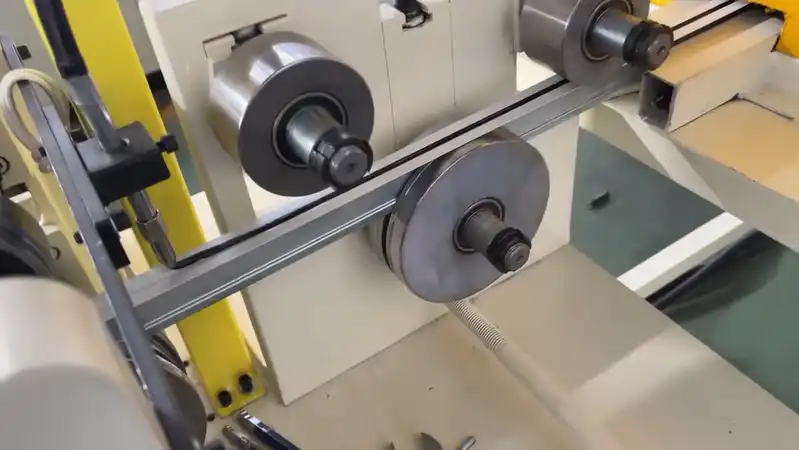
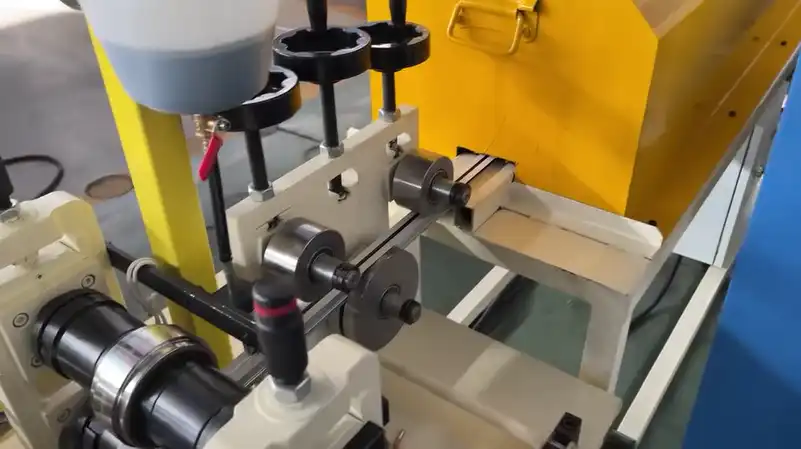
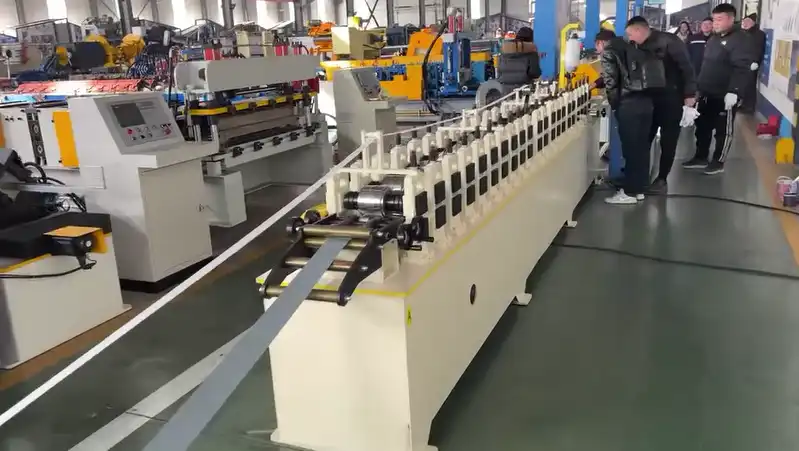
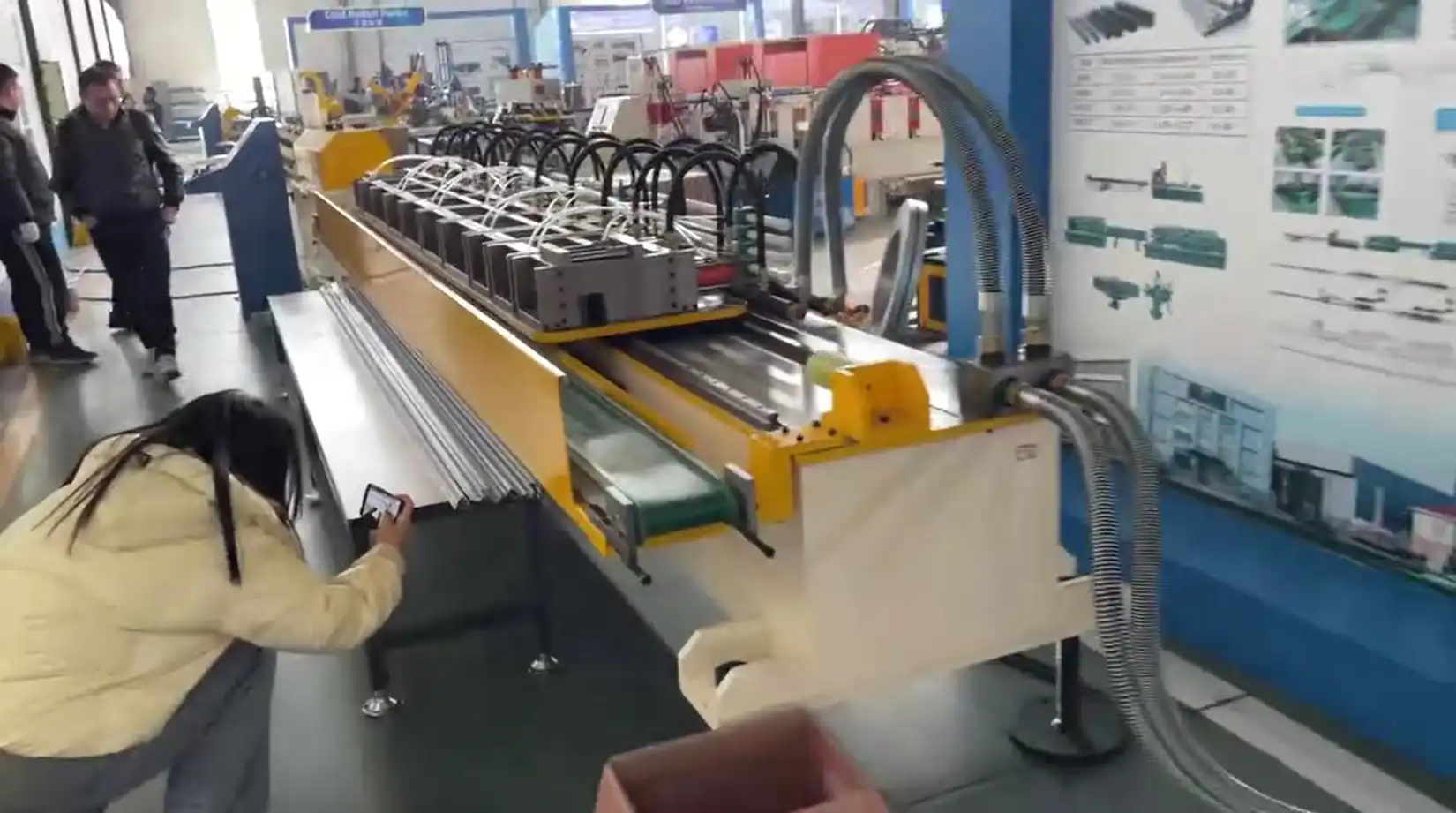
Through constant plastic compression, the core process changes flat steel tubes into precise T-shaped profiles. The raw materials are usually 0.12- 0.3 mm PPGI for the tops and 0.2-0.4mm galvanized steel for the bottoms of the structures. These are fed through a series of roller stations that shape the metal gradually. In our normal setups, there are 18 stations for Main Tees and 16 stations for Cross Tees. Each station bends the material slightly without affecting the integrity of the surface. This way of cold-forming keeps the protection coatings that are needed for business settings to prevent corrosion.
Operational Workflow and Automation Integration
The ceiling T-grid roll forming machine decoiler is where material handling starts. It is designed to fit 1.5-ton coils with inner widths of 450–550mm. The 50mm-diameter 45# steel rolling shaft makes sure that unwinding is stable even at high speeds. As soon as the material gets to the forming section, HRC 58–62 hardened GB-Cr12 rollers shape the outline while PLC control systems make sure that the cutting operations run at the same time. Hydraulic cutting stations make clean cuts at set lengths, and servo motors make flying-cut technology possible, which keeps production going without stopping. When compared to manual tasks, this combination cuts the amount of work that needs to be done by about 60%.
Tangible Benefits Driving Manufacturing Efficiency
Between 15 and 20 meters per minute of production means a lot of work can be done. For business jobs that need a lot of Main Tees, one shift can make enough to cover 3,000 square meters of ceiling space. Precise measurement methods keep material waste below 2%, and constant forming pressure gets rid of the profile changes that happen when bending by hand. Energy efficiency ratings usually get full lines to use 5.5kW of power, which keeps operating costs stable. When compared to other ways of making things, these factors lower the cost of making one unit by 35 to 40 percent.
Comparing Ceiling T Grid Roll Forming Machines: Selecting the Best Fit for Your Needs
Manual Versus Automated Systems: Cost-Effectiveness Analysis
Startups that don't have a lot of money will like entry-level manual systems, which start at about $6,500 FOB. For measuring and cutting lengths, these setups need an operator, which limits speeds to 8–10 meters per minute. Between $15,000 and $25,000, semi-automated units with PLC controls and hydraulic cutting can double output while still being able to be used by a single person. When you spend more than $35,000 on fully automated lines, you get servo-driven systems and in-line quality tracking. The higher investment is worth it because you save money on labor and scrap rates. The breakeven point is based on your production output goals. For facilities that make less than 500 tons per year, semi-automated options are often best.
Roll Forming Versus Alternative Fabrication Methods
Press brake making lets you make different profiles, but it's hard to keep things consistent at large scales. For each bent, the tools need to be adjusted, and the skill of the user has a big effect on the accuracy of the measurements. Roll forming gives precise results over thousands of linear meters without having to be re-calibrated. When yearly output goes over 300 tons, the capital investment comparison favors roll forming because the lower cost per unit makes up for the higher initial equipment cost. Fabricators who work with a variety of ceiling systems might keep press brakes for special shapes and roll forms for standard parts that are made in large quantities.
Evaluating Capacity, Automation, and Energy Consumption
The capacity of a machine tells you both how thick the material can be and how fast it can be made. Standard units can easily work with 0.4mm coated steel, but check the specs if you need to work with heavy grades or stainless steel. The level of complexity in automation goes from simple length counters to vision systems that can find flaws on the surface. How much energy a hydraulic system uses is directly related to its size; pumps that are too big waste electricity when they're not working. In mid-range models, the 4kW cycloidal planetary gear reducers make sure that power transfer and economy are both good. Electricity rates should be taken into account when figuring out the total cost of ownership, since a 2kW difference adds up to $3,500 a year if the machine is used continuously.
Market Overview: Pricing and Durability Benchmarks
The way the market works now for ceiling t grid roll forming machines puts Chinese makers between $6,500 and $42,500, based on how complicated the configuration is. European machinery costs a lot more than other machines, usually 40 to 50 percent more. This is because it has its own control systems and longer contracts. To figure out how durable something is, you have to look at how the frame is put together. For example, 25mm monument arch frames are more stable than welded channel frames. Maintenance times depend on the type of roller material. For example, chrome-plated Cr12 tooling can handle 500,000 cycles before it needs to be refinished, while normal steel tooling needs to be replaced after 200,000 cycles. Because of this difference in longevity, only certain important forming sites should be invested in.
Cost-Effective Procurement Strategies for Ceiling T Grid Roll Forming Machines
Navigating Global Supplier Networks
When a wholesaler works directly with a maker, they don't have to add markups of 20 to 30 percent. ISO9001 and CE certifications confirm that quality management systems are in place, but workplace checks show more about how things really work than what is written down. Ask for references from customers who have worked with similar sources before. For example, a company that is great at light-gauge forming might not know how to work with heavier structural profiles. Serving metal structure makers for ten years has shown us that specialized knowledge is the best way to avoid costly specification mismatches.
Pricing Structures and Payment Terms
When comparing foreign suppliers, FOB price information is important. Depending on where the container is leaving from and the state of the freight market, it costs an extra $2,000 to $3,500 to bring it to a U.S. port. There are usually 30% fees required and the rest due before the shipment, but if you have a good relationship with the seller, you might be able to get net-30 terms. The terms of a letter of credit protect both parties, but they cost the bank 1% to 2% of the deal value. Conditions of warranties vary a lot, so make sure you know if they cover shipping of new parts or just problems with the way they were made.
Logistics Coordination and Customization Capabilities
Standard production times are 30 working days, but they can be 45 to 60 days for special orders. The choice of container affects the cost of shipping. Most normal lines can use 20-foot containers, but high-capacity systems need 40-foot high-cube containers. Solution providers are different from basic sellers because they can customize their products. Changing profiles, adding more cutting stations, or integrating stacking systems all need engineering help that goes beyond basic manufacturing. Suppliers who offer pre-shipment tests and reviews of CAD drawings keep installation problems to a minimum.
New Equipment Versus Used Machinery Considerations
When money is tight, the secondhand market is a good place to buy three- to five-year-old tools because you can save 40 to 60 percent on it. But repair histories that aren't written down and tools that are worn out add up to secret costs. Roller repair costs between $2,000 and $4,000. Finding parts is harder when control systems are out of date. When output stops and costs a lot, warranties and expert help for new equipment make the higher prices worth it. Buying new forming sections while also taking used decoilers and run-out tables is one way to find a balance between cost and efficiency.
Maintenance Tips and Operational Best Practices to Maximize ROI
Critical Components Requiring Regular Inspection
Verifying the position of the roller stops prevents uneven wear patterns that lower the quality of the profile. Checking the shafts once a month with dial marks to make sure they stay aligned within a 0.05mm range is important. Every 100,000 strokes, hydraulic cutting blades need to be sharpened. The state of the blade directly affects edge burrs that slow down installation work. Every 200 hours of use, chain drive systems, especially ones with 1.2-inch pitch chains, need to be oiled. If you don't follow this schedule, the sprockets will wear out faster, which will finally lead to timing problems between the forming and cutting processes.
Troubleshooting Common Production Issues
Most of the time, profile bending is caused by uneven roller pressure or uneven material stress. Change the pressure on the making station little by little, checking the samples after each change. Errors in length measurements are often caused by encoder calibration drift. Every 500 hours of use, an approved measuring tape should be used to recalibrate the encoder. Scratches on the surface mean that the rollers are dirty or that the coating isn't working right. Clean the rollers with suitable chemicals and look at the material documents. These methodical methods cut down on the trial-and-error downtime that makes workers angry and causes orders to be held up.
Operator Training and Standard Operating Procedures
Operational mistakes of ceiling t grid roll forming machine are cut by 70% when people get full training in things like moving things around, using control systems, and fixing simple problems. Pressure surges can damage hydraulic systems, but standardized starting and shutdown procedures keep them from happening. Data-driven process changes are made possible by documentation methods that keep track of production parameters, maintenance tasks, and quality metrics. We suggest keeping records of operator certification and holding refresher classes every three months, especially when new material specs or profile designs are introduced.
Why Choose ZTRFM Ceiling T Grid Roll Forming Solutions
Advanced Technology Meeting Diverse Production Demands
Our engineering team creates tools that can handle material thicknesses between 0.12 mm and 0.4 mm, so they can be used for both heavy-duty industrial grids and acoustic ceiling tiles. Precision machining of GB-Cr12 rollers and PLC synchronization make it possible for flexible ceiling systems to meet their ±0.5mm limits. This technical basis comes from working with building material companies in North America, Europe, and Southeast Asia. This knowledge helps them keep improving their products.
Competitive Pricing With Comprehensive Support Infrastructure
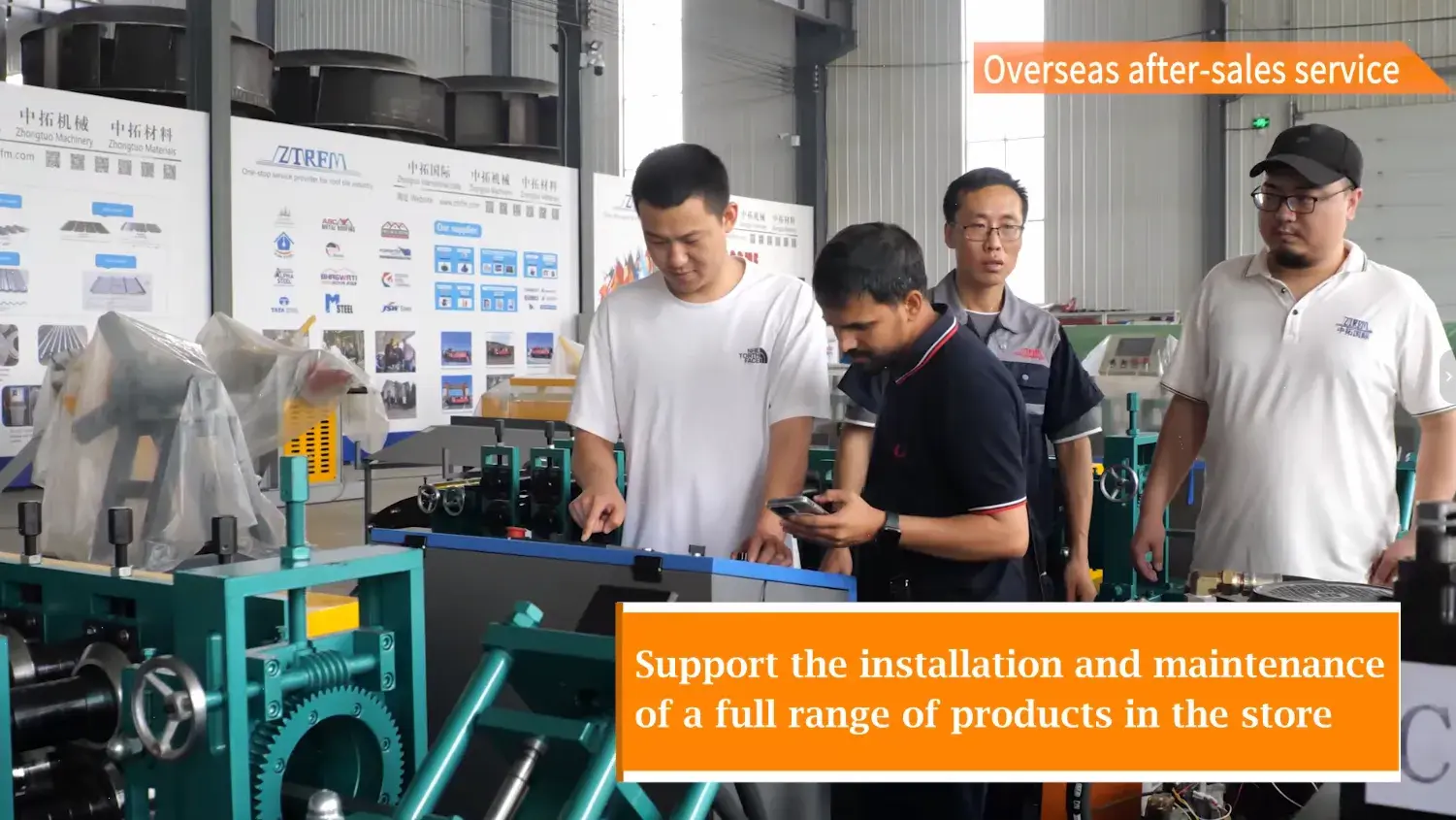
With factory-direct prices, you don't have to pay for middlemen, and the quality is still high, as shown by ISO9001, CE, and CAS certifications. Our clear price includes thorough breakdowns of each component, which helps procurement teams show financial partners why they need to make investments. Post-sale support goes beyond warranty periods and includes technical help that can be reached at zhongtuorollforming@gmail.com and a large parts store that makes sure new parts are delivered quickly. This promise lowers the total cost of ownership, which goes beyond the cost of buying the car.
Proven Performance and Customer Testimonials
A company in the Midwest that makes ceiling panels increased its daily output by 18% after switching to our automated system. They got their money back in 14 months because they saved money on labor and could make more panels. An EPC contractor that works on foreign projects likes that we can change our cutting patterns to meet the standards for regional ceilings without having to wait longer for parts. These connections show that we know what problems metal building makers and light steel fabricators face in their daily work. Sustainability efforts are becoming more important in purchasing decisions. Our designs that use less energy and are made of reusable steel are in line with green building standards.
Conclusion
To choose cost-effective equipment, you need to compare technical specs to production needs and think about how much the equipment will cost to run in the long run. The tools that go through multiple making stations to process PPGI and galvanized steel are big investments that need to be carefully evaluated by suppliers. Knowing how much automation is needed, how much material handling is possible, and how often upkeep is needed helps buyers get better deals and avoid buying equipment that doesn't work well. ZTRFM has helped global ceiling grid makers for ten years, so they have the technical know-how and support infrastructure needed to get the most out of investing in production capacity for suspended ceilings.
FAQ
1. What factors determine the best ceiling T grid roll forming machine for my facility?
Capacity selection is based on production volume goals, while material specs determine the hardness of the rollers and the layout of the making station. Semi-automatic systems work best for facilities that make less than 500 tons a year, while fully automated lines are best for facilities that make a lot of goods. Space limitations and power supply can also affect the choice of tools. Make sure that the 380V three-phase power meets the electrical standards in your area.
2. How frequently should maintenance occur to ensure equipment longevity?
Most operating problems can be avoided by checking the oil every day and the rollers every week. Every 500 hours of use, the machine gets full repair, which includes checking the hydraulic system, calibrating the encoders, and checking the cutting blades. With proper care, equipment can last longer than 15 years if it gets professional service once a year that includes checking the gears and updating the control system.
3. Can machines be customized for specialty ceiling profiles?
Roller tools can be changed to fit unique profiles by reputable makers, but there may be a minimum order quantity. Giving CAD models during the quotation process lets you get a good idea of the cost and possibility. Customization lead times usually add 15 to 20 days to the normal production plan.
Partner With ZTRFM for Your Ceiling Grid Production Needs
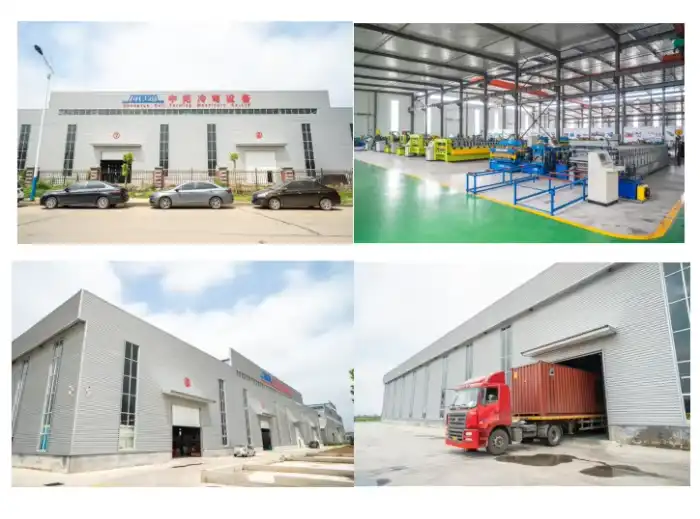
ZTRFM has been making high-quality products for ten years and offers a wide range of services to help ceiling grid manufacturers find trusted providers of ceiling t grid roll forming machines. Our factory in Cangzhou makes equipment that meets worldwide quality standards and is priced competitively so that everyone can afford it. Technical talks help you match the specs of your machines to the way you make things, and our global parts distribution network makes sure that you have as little downtime as possible. You can email our team at zhongtuorollforming@gmail.com to talk about your unique needs, get more information, or set up a virtual tour of our plant. We have open payment plans and can speed up production schedules when we need to meet pressing capacity needs. Our ISO-certified quality systems have earned trust in 150 countries.
References
1. Smith, J. & Chen, L. (2023). Modern Roll Forming Technology for Metal Building Components. Industrial Press Publishing.
2. American Society of Civil Engineers. (2022). Standards for Suspended Ceiling Systems: Engineering and Manufacturing Guidelines. ASCE Technical Manual Series.
3. Manufacturing Technology Institute. (2024). Cost Analysis of Automated Versus Manual Metal Forming Systems. MTI Research Report 2024-07.
4. Wilson, R. (2023). "Maintenance Protocols for Cold Roll Forming Equipment." Industrial Maintenance Journal, 45(3), 112-128.
5. International Building Materials Federation. (2023). Global Market Analysis: Ceiling Grid Manufacturing Equipment 2023-2025. IBMF Market Intelligence Division.
6. Thompson, M. & Garcia, P. (2022). Energy Efficiency in Metal Fabrication: Strategies for Sustainable Manufacturing. Green Industrial Publishing.
_1750323743240.webp)