- English
- French
- German
- Portuguese
- Spanish
- Russian
- Japanese
- Korean
- Arabic
- Irish
- Greek
- Turkish
- Italian
- Danish
- Romanian
- Indonesian
- Czech
- Afrikaans
- Swedish
- Polish
- Basque
- Catalan
- Esperanto
- Hindi
- Lao
- Albanian
- Amharic
- Armenian
- Azerbaijani
- Belarusian
- Bengali
- Bosnian
- Bulgarian
- Cebuano
- Chichewa
- Corsican
- Croatian
- Dutch
- Estonian
- Filipino
- Finnish
- Frisian
- Galician
- Georgian
- Gujarati
- Haitian
- Hausa
- Hawaiian
- Hebrew
- Hmong
- Hungarian
- Icelandic
- Igbo
- Javanese
- Kannada
- Kazakh
- Khmer
- Kurdish
- Kyrgyz
- Latin
- Latvian
- Lithuanian
- Luxembou..
- Macedonian
- Malagasy
- Malay
- Malayalam
- Maltese
- Maori
- Marathi
- Mongolian
- Burmese
- Nepali
- Norwegian
- Pashto
- Persian
- Punjabi
- Serbian
- Sesotho
- Sinhala
- Slovak
- Slovenian
- Somali
- Samoan
- Scots Gaelic
- Shona
- Sindhi
- Sundanese
- Swahili
- Tajik
- Tamil
- Telugu
- Thai
- Ukrainian
- Urdu
- Uzbek
- Vietnamese
- Welsh
- Xhosa
- Yiddish
- Yoruba
- Zulu
Roofing Sheet Making Machine for Startups: What to Know First
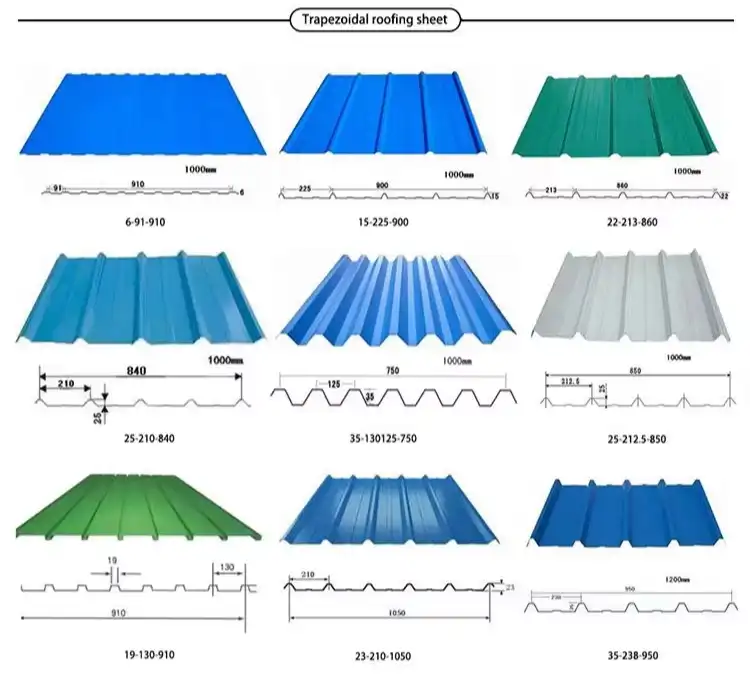
It takes a lot of planning to start a business that makes metal roofs, especially when it comes to picking out your main production tools. The R101 Roofing Sheet Making Machine stands out as an easy way for entrepreneurs to start making high-quality triangular roofing sheets without having to spend a lot of money. Cold roll forming, a method that gradually bends metal without heat, is used by this machine to turn flat metal tubes into precise R-101 profile sheets. Understanding what it can do, what it needs to run, and what it's worth strategically can make the difference between a successful launch and failures that cost a lot of money.
Understanding the R101 Roofing Sheet Making Machine: Key Specifications and Features
The technical base of your manufacturing process rests on machines that have the right amount of capacity and space. This balance is achieved by the R101 Roofing Sheet Making Machine's carefully thought-out specs.
Core Technical Specifications
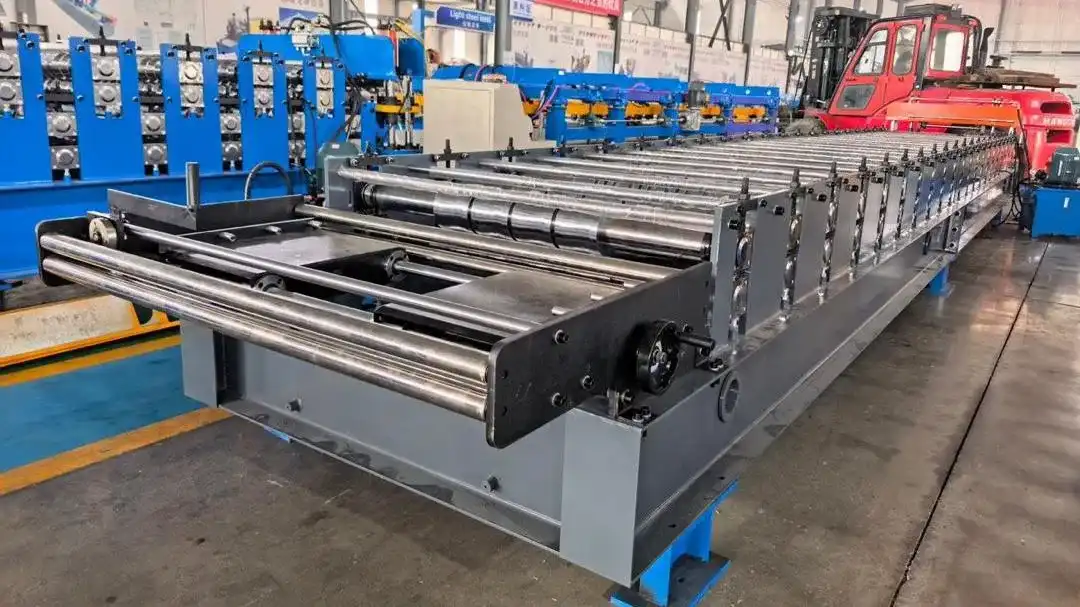
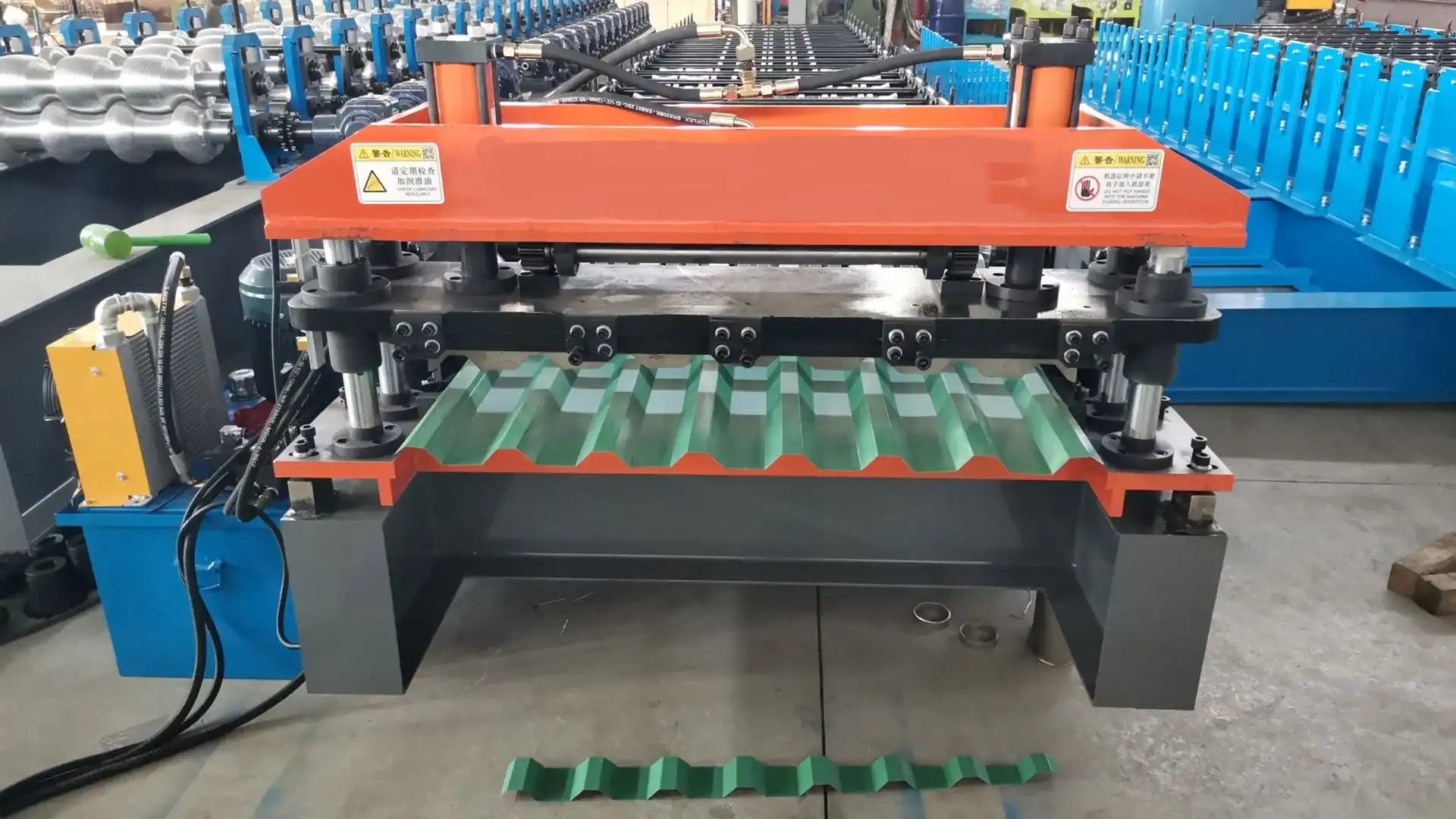
This R101 Roofing Sheet Making Machine is built to last and produce the same thing over and over again. The machine has 18 making stations that slowly shape metal coils with a thickness of 0.3 to 0.8 mm into the unique R-101 shape. It has a 70 mm shaft width and is made of high-quality steel, so it can handle material stress well while keeping its dimensions.
The power setup has a main motor with 5.5 kW and a hydraulic unit with 4 kW. It runs on standard 380V/50Hz/3-phase energy. With this setup, production speeds can reach 15 meters per minute, which lets small businesses fill orders quickly without using a lot of energy. The machine is about 3.5 tons and takes up about 6,200 mm by 850 mm by 1,500 mm of floor space, so it can be used in buildings of a modest size.
Automation and Control Systems
These days, new businesses need technology that makes things easier, not harder. The R101 Roofing Sheet Making Machine has a 5.7-inch touchscreen interface and a Delta PLC processor. This lets workers set sheet lengths and output amounts with little training. With this technology, the measurements that aren't always accurate when bending metal by hand are gone.
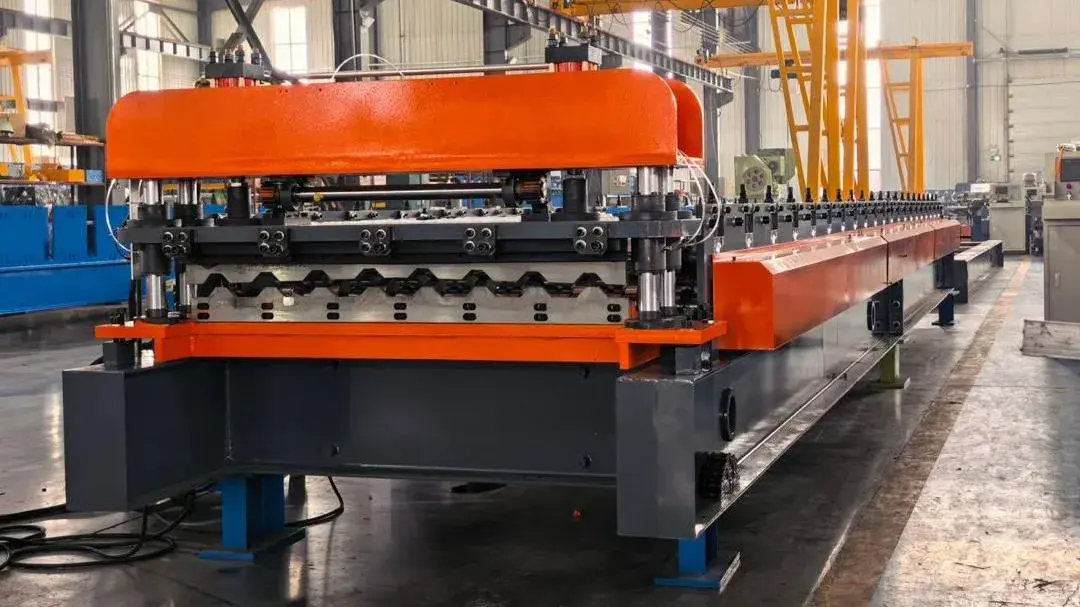
With Cr12MoV mold steel blades that have been heated to an HRC 58–62 hardness, the hydraulic cutting system can achieve accuracy within ±2 mm. This engineering makes sure that the cuts are clean over thousands of rounds of production. The decoiler can handle up to 5 tons of material, and it can be set up manually or automatically, based on your budget and output volume.
Structural Integrity and Safety Features
Long-term dependability is directly linked to the quality of the build. The R101 Roofing Sheet Making Machine has a 16 mm wall-plate H-beam frame that doesn't bend when it's being used continuously. This structure's design stops the tiny moves that make profiles less consistent as machines age. The stiffness of the frame also lowers shaking, making the work area safer and extending the life of the parts.
There are safety features like emergency stop buttons built into the PLC system and guards around the moving roller stations. The machine meets the requirements for CE approval, which means it follows electricity safety rules that are important for both worker safety and insurance requirements in the US market.
Benefits of Choosing the R101 Roofing Sheet Making Machine for Your Startup
From the very beginning, the equipment you choose affects how well your business runs and how competitive it is in the market. Through its design theory, the R101 Roofing Sheet Making Machine handles a number of important startup issues.
Enhanced Production Efficiency
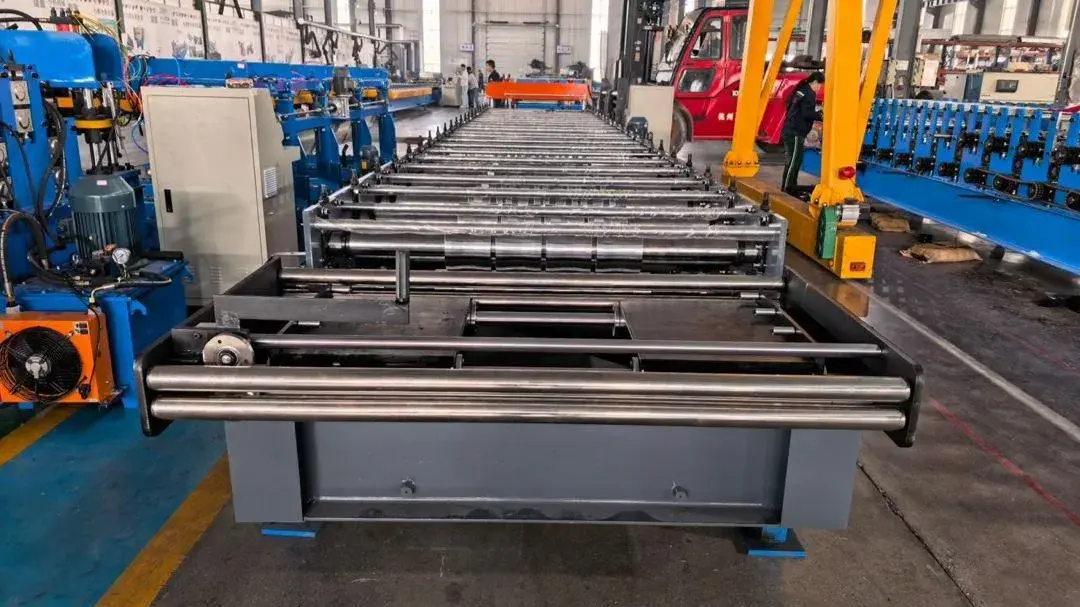
Traditional ways of working with metal require a lot of work to measure, cut, and bend, which slows down production and leaves room for mistakes. With the R101 Roofing Sheet Making Machine, this process is turned into a continuous automated procedure. The decoiler sends raw material into the 18 making stations, where it is transformed into finished roofing sheets that are ready to be packed. Compared to shops that make things by hand, this simplified method greatly increases output.
When production speeds hit 15 meters per minute, even with only one shift, a lot of work gets done every day. A new business that works eight-hour days can make hundreds of linear meters of roofing material, which is enough to cover small building jobs or stock up for when demand is highest during certain times of the year. Because the machine is consistent, every sheet has the same dimensions. This lowers the number of sheets that are rejected and the amount of material that is wasted.
Cost-Effective Operations
For startups, every dollar counts because they are on a tight budget. The R101 Roofing Sheet Making Machine's 5.5 kW main motor uses a lot less power than big industrial roll formers, which has a direct effect on the cost of running the machine. Less energy use also means less equipment is needed—many buildings can fit this machine without having to improve their electrical systems.
Another big cost area is kept in check by maintenance ease. Standard industrial parts are used in the machine instead of private systems. This means that new parts are easy to find from a number of different sources. Simple jobs like hydraulic oil changes (every year after the first six months to break the machine in) and roller inspections are part of routine upkeep. Because these steps don't need expert techs, your team can do most of the maintenance themselves.
The Delta PLC control system is based on tried-and-true technology that is used in many service networks across the US. If there are technical problems, it is much easier to get help with troubleshooting and new controllers than with less well-known automation names. This useful thought keeps your production plan from being thrown off by long periods of downtime.
Minimized Material Waste
The amount of scrap metal has a direct effect on how profitable metal production is. The precision forming stations and hydraulic cutting system on the R101 Roofing Sheet Making Machine keep material loss to a minimum by making clean cuts and accurate profile formation. The PLC system figures out exact sheet lengths, so there are no more overages that happen when workers cut carefully to avoid making pieces that are too small.
This accuracy is especially useful when working with pre-painted or coated steel plates, since damage to the surface leads to expensive returns. The roller design and coordinated speed control of the machine keep protective finishes from getting scratched or damaged, so the worth of the material is kept high during the forming process. This careful handling is very helpful for startups that work with high-end products like Galvalume or color-coated steel.
Comparing the R101 to Other Roofing Sheet-Making Machines: Making an Informed Choice
There are a lot of different choices on the market for roll forming tools, and each one is made for a different amount of production and investment. Figuring out where the R101 Roofing Sheet Making Machine fits in this picture will help you feel better about your decision to buy it.
Performance Positioning
In real life, the R101 Roofing Sheet Making Machine is somewhere in the middle of entry-level tools and industrial production lines. Simpler models with fewer making stations (usually 12–14 stations) cost less at first, but they often make shapes that spring back more, which means they need more steps to be straightened. The 18 stations on the R101 Roofing Sheet Making Machine make gradual bending angles that reduce material stress. This makes final sheets that are straighter and keep their shape better.
Machines with more space may be able to handle materials up to 1.2 mm thick and have line speeds of more than 20 meters per minute. The prices to buy these features are much higher, and they make operations more difficult. The R101 Roofing Sheet Making Machine is specifically made for thicknesses between 0.3 and 0.8 mm, which is the range that covers most household and light business roofing needs. This focus makes the machine easy to use while meeting real market needs.
Investment Return Considerations
The purchase price is only one part of what it costs to own something. Buyers should think about how much it will cost to run, how much upkeep it will need, and how much it can produce based on their business plan. The R101 Roofing Sheet Making Machine uses a moderate amount of power and has an easy upkeep plan, which means it costs less over time than bigger machines that may sit idle while they start up.
A lot of well-known makers offer loans or leasing plans that let you pay for equipment while it's making you money. Some bulk purchase deals include lower prices on extra decoilers or automatic stacking systems that go with the main item. Dealing directly with manufacturers like Cangzhou Zhongtuo, which has delivered goods to more than 150 countries, often gets you better terms than going through a third-party vendor.
Procurement Guide: How to Buy Your R101 Roofing Sheet Making Machine
When making a purchase, it's important to pay attention to the qualifications of the seller, the logistics of shipping, and the support systems that come after the sale. Strategic buying saves your investment and makes sure that your business will be successful in the long run.
Verifying Manufacturer Credentials
Manufacturers of good products show that they are trustworthy by showing licenses and a history of doing business. Check for ISO 9001 quality management approval, which means that work is controlled in a planned way. Getting a CE certificate means that you meet safety and electricity standards that are accepted all over the world. Cangzhou Zhongtuo, which was founded in 2014 as a national high-tech business, is one example of a company that has a decade of experience in cold roll making technology.
Most of the time, dealing directly with manufacturers is more valuable than dealing through distributors. Manufacturers make their technical specs clear, let you change the way machines are set up to fit your needs, and keep extra parts for their products in stock. This straight link makes it easier to talk to each other during installation and while the R101 Roofing Sheet Making Machine is running.
Understanding Delivery and Installation
Because they are heavy and have precise parts, roll-making tools need to be carefully shipped. Reliable makers handle all of the logistics, such as shipping in containers, filling out customs forms, and delivering the goods to your location. Because the R101 Roofing Sheet Making Machine is a normal container size, it is easier to ship internationally if you are looking for goods all over the world.
Installation help changes a lot from one provider to the next. As part of the premium service, maker experts will come to your location to set up the machine, check that it is aligned correctly, and run test runs using your materials. This hands-on method finds any shipping damage right away and makes sure the best performance from the start. During commissioning, your workers will learn how to use the tools, do routine maintenance, and fix problems.
Warranty and After-Sales Support
Equipment guarantees cover problems with the way the product was made and parts that stop working. Most standard warranties cover important parts like the main motor, hydraulic system, and PLC processor for 12 to 24 months after they are installed. Knowing the terms of a guarantee, like what makes coverage null and void, can help you avoid problems in the future.
Access to after-sales help is very important for startups that don't have their own maintenance teams. Manufacturers with global service networks can help with troubleshooting remotely through video chat, speed up the sending of extra parts, and provide ongoing technical support. Cangzhou Zhongtuo and other companies like them keep customer service facilities in more than 150 countries so that you're not left out after you buy something.
Maximizing Startup Success: Tips for Operation, Maintenance, and Growth
The basis is the equipment, but the success depends on how well it is used. Using organized methods for machine operation, preventative repair, and planning for capacity will help your startup grow in a way that lasts.
Operational Best Practices
Comprehensive training turns the purchase of tools into the ability to make things. Manufacturers usually include operation guides that explain how to set up the system, how to use the controls, and how to stay safe. Spending time to carefully study these tools before they are used in production helps avoid mistakes that cost a lot of money. Along with written instructions, many providers offer video lessons or training events that you can watch from home.
The way materials are handled has a big effect on how efficiently they are made. When coils are properly loaded onto the decoiler, feed problems that stop the machine don't happen. Accurate measurements are made possible by keeping the material's stress constant during the making process. Simple habits, like checking arriving coils for damage or differences in diameter before adding them, cut down on the time needed to fix problems during production runs.
Preventive Maintenance Schedules
Systematic care makes equipment last longer and keeps it from breaking down when you least expect it. There are a few major places where the R101 Roofing Sheet Making Machine needs maintenance. To keep valves from getting clogged and seals from wearing out, hydraulic systems need to have their oil levels checked regularly and their fluid replaced once a year. Using the right #46 grade hydraulic oil keeps the right viscosity at all temperatures.
Roller stations need to be checked for damage or wear patterns on a regular basis. Chrome-plated GCr15 bearing steel used in high-quality machines doesn't wear down easily, but working with rough materials or at full thickness levels can damage roller surfaces over time. Visual checking is a good way to find wear early so that replacements can be planned for planned downtime instead of emergency fixes.
The hydraulic cutting blade is a part that needs to be replaced regularly. If you choose the right material (Cr12MoV heat-treated steel), blades can usually make 500,000 to 1 million cuts before they need to be sharpened or replaced. Keeping track of production levels helps you figure out when to service the blades, so you can keep spares on hand and keep production running as smoothly as possible.
Planning for Business Expansion
As the number of orders grows, even the most successful startups will finally run out of space. The R101 Roofing Sheet Making Machine's design allows for a number of improvement tracks that make it more useful. If the machine was bought with a manual setup, adding an automatic decoiler makes the operator's job easier and speeds up coil changes. Adding automatic packing systems at the end of the line gets rid of slowdowns in moving materials.
As a production line grows, it may need to add more tools or switch to models with more space. Knowing these paths from the start helps you plan the setup of your building so that it can accommodate growth. Keeping in touch with your equipment seller makes these changes easier because they can suggest systems that will work with your current ones and give you money for your old machines.
Conclusion
To start a metal roofing sheet-making business, you need to carefully choose the right tools for your production goals, budget, and growth path. The R101 Roofing Sheet Making Machine is easy for beginners to use because it has proper specs, is simple to operate, and doesn't need a lot of upkeep. Its 18-station forming system, PLC automation, and proven component selection all help with the main problems that startups have, like making sure the quality is always the same, keeping costs down, and building stable capacity. You can set up your business to fight well in the roofing materials market from the start by learning about technical specs, carefully weighing your options, and following disciplined operating procedures.
FAQ
1. Can the R101 handle different metal coatings without damaging surfaces?
The R101 Roofing Sheet Making Machine's roller shape is especially made for moving coated materials. Its synced speed control and well-finished roller surfaces keep prepainted, galvanized, or Galvalume coats from getting scratched while it is being formed. The 18 stations' slow bending angles lower the stress on the material that could cause protection finishes to crack. When the machine is set up and kept according to the manufacturer's instructions, production tests show that the surface consistency is maintained across a range of coating types.
2. What power supply modifications might US facilities need?
Standard R101 Roofing Sheet Making Machine configuration uses 380V/50Hz/3-phase power, which is popular around the world but not according to US industrial norms. 480V/60Hz devices are used a lot in American buildings. Reliable makers like ZTRFM can change the specs of the motor to work with the electricity in your area, so you don't need to use extra transformers or converters. By checking the voltage needs when you place your order, you can be sure that the machine will be ready to use with your building's current power source, so you won't have to do any extra electrical work or deal with ongoing efficiency losses from power conversion.
3. How quickly can operators become proficient with the machine?
The Delta PLC touchscreen display makes it easy for most workers to learn the basics in two to three days of hands-on training. Instead of complicated coding, programming sheet lengths and output amounts is as easy as navigating a menu. For more complicated upkeep and troubleshooting tasks, there is a longer learning curve. It usually takes 1-2 weeks of daily use to feel confident. Full training is given during installation, and full operation guides help people learn faster, which helps new businesses get up and running quickly.
Why Partner with ZTRFM as Your Trusted R101 Roofing Sheet Making Machine Supplier
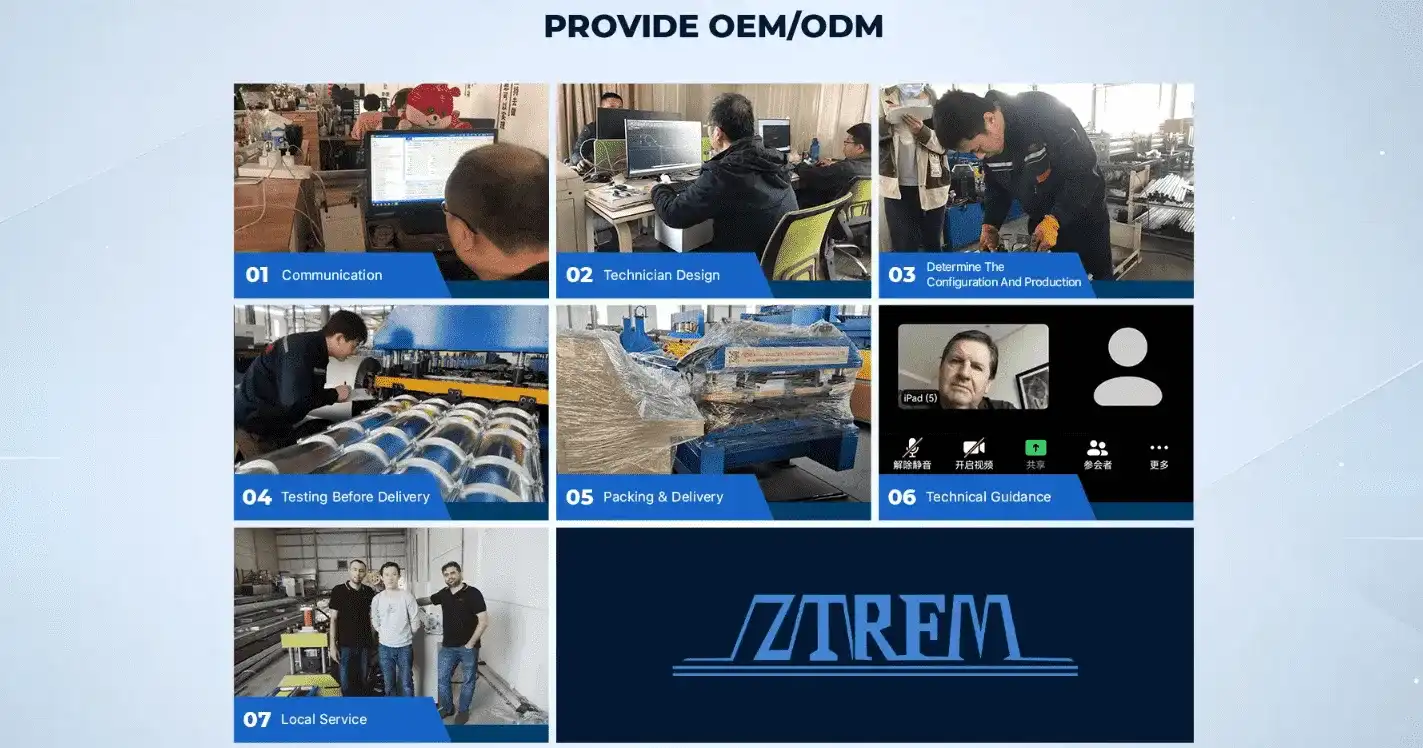
ZTRFM is ready to help you reach your industrial goals with full solutions that go beyond selling tools. Our team has been a master in cold roll making technology since 2014, and we bring that knowledge to every relationship with a client. Our R101 Roofing Sheet Making Machine model uses design improvements made possible by years of hearing from customers and using them in real work settings. When you work with ZTRFM, you can use equipment that is ISO9001 and CE approved, and our service network spans over 150 countries to help you. We offer flexible payment terms, full installation help, and ongoing technical advice because we know the unique problems that startups face. Our team offers thorough training materials to make sure that your workers get the most out of the machine from the very first production run. Contact our experts at zhongtuorollforming@gmail.com to talk about your unique production needs, get detailed quotes, and find out how our OEM and ODM services can help you with custom solutions that fit your business plan perfectly.
References
1. Johnson, Michael T. "Cold Roll Forming Technology in Modern Metal Fabrication." Journal of Manufacturing Processes and Equipment, Vol. 28, No. 3, 2022, pp. 145-162.
2. Anderson, Rebecca L. "Equipment Selection Strategies for Small-Scale Metal Fabrication Startups." Industrial Equipment Review, Vol. 15, No. 2, 2023, pp. 78-94.
3. Martinez, Carlos E. "Maintenance Best Practices for Roll Forming Machinery." Metalworking Technology Quarterly, Vol. 42, No. 4, 2023, pp. 201-218.
4. Thompson, David R. "Comparative Analysis of Roofing Profile Manufacturing Systems." Construction Materials and Equipment, Vol. 31, No. 1, 2024, pp. 56-73.
5. Williams, Jennifer A. "Cost-Benefit Analysis of Automated Metal Forming Equipment for Emerging Businesses." Small Business Manufacturing Review, Vol. 19, No. 3, 2023, pp. 112-129.
6. Chen, Robert K. "Quality Control Standards in Cold Roll Forming Operations." Precision Manufacturing Handbook, 8th Edition, Industrial Press, 2023, pp. 334-357.
_1750323743240.webp)