- English
- French
- German
- Portuguese
- Spanish
- Russian
- Japanese
- Korean
- Arabic
- Irish
- Greek
- Turkish
- Italian
- Danish
- Romanian
- Indonesian
- Czech
- Afrikaans
- Swedish
- Polish
- Basque
- Catalan
- Esperanto
- Hindi
- Lao
- Albanian
- Amharic
- Armenian
- Azerbaijani
- Belarusian
- Bengali
- Bosnian
- Bulgarian
- Cebuano
- Chichewa
- Corsican
- Croatian
- Dutch
- Estonian
- Filipino
- Finnish
- Frisian
- Galician
- Georgian
- Gujarati
- Haitian
- Hausa
- Hawaiian
- Hebrew
- Hmong
- Hungarian
- Icelandic
- Igbo
- Javanese
- Kannada
- Kazakh
- Khmer
- Kurdish
- Kyrgyz
- Latin
- Latvian
- Lithuanian
- Luxembou..
- Macedonian
- Malagasy
- Malay
- Malayalam
- Maltese
- Maori
- Marathi
- Mongolian
- Burmese
- Nepali
- Norwegian
- Pashto
- Persian
- Punjabi
- Serbian
- Sesotho
- Sinhala
- Slovak
- Slovenian
- Somali
- Samoan
- Scots Gaelic
- Shona
- Sindhi
- Sundanese
- Swahili
- Tajik
- Tamil
- Telugu
- Thai
- Ukrainian
- Urdu
- Uzbek
- Vietnamese
- Welsh
- Xhosa
- Yiddish
- Yoruba
- Zulu
Die Change Best Practices for Roll Forming Machines in Metal Panel Production
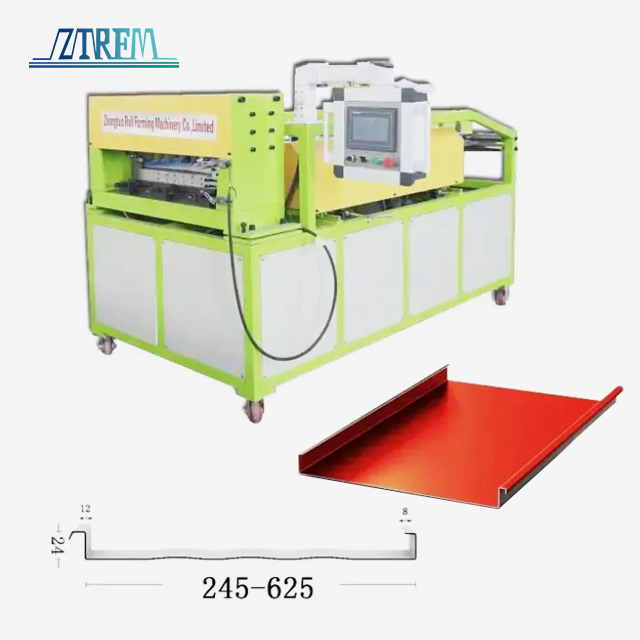
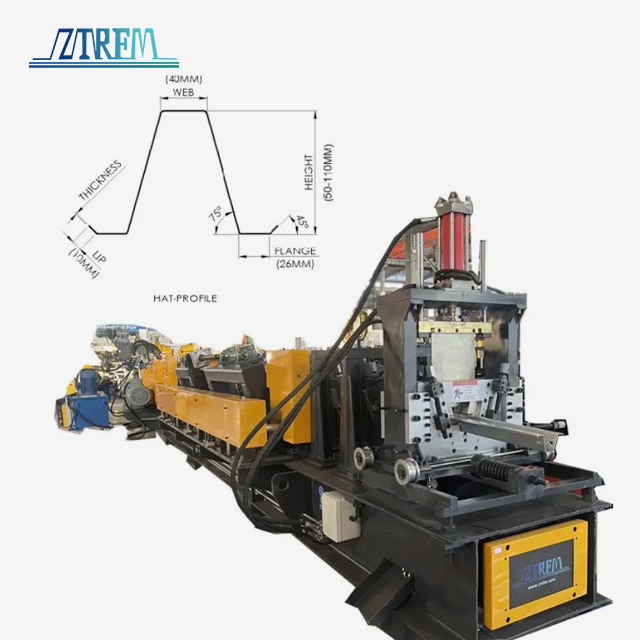
For metal panel-making businesses to be successful, they need to have efficient ways to change the dies. When using a roll forming machine, following the right steps for changing the dies has a direct effect on how quickly and well the products are made and how much money the business makes. Modern metal-making equipment needs die changes to be done in a planned way so that there is little downtime and uniform output. There are safety rules, precise alignment methods, and quality assurance steps that set high-performing manufacturing facilities apart from their rivals in today's market when it comes to die changes.
Understanding the Roll Forming Die Change Process
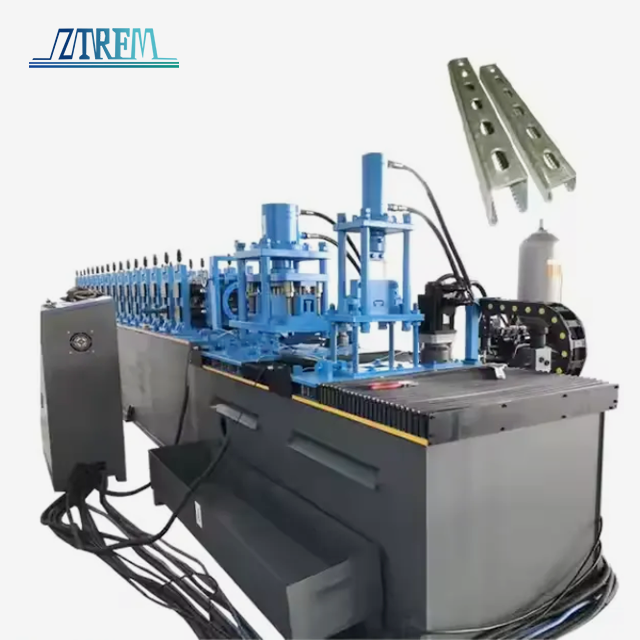
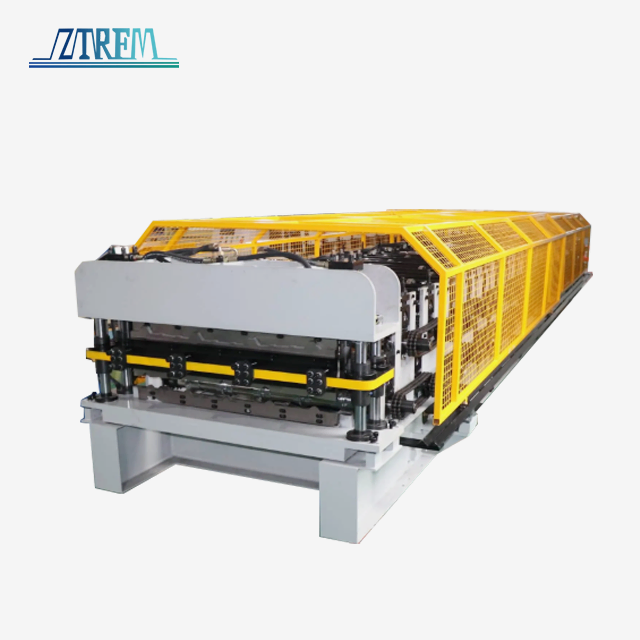
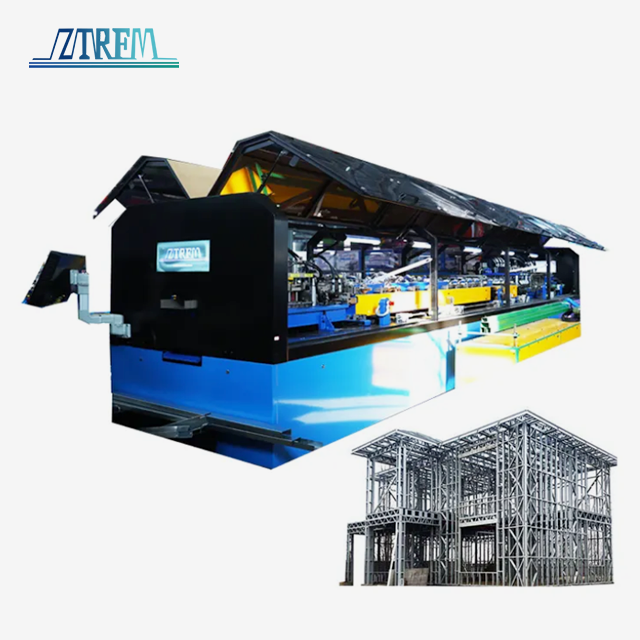
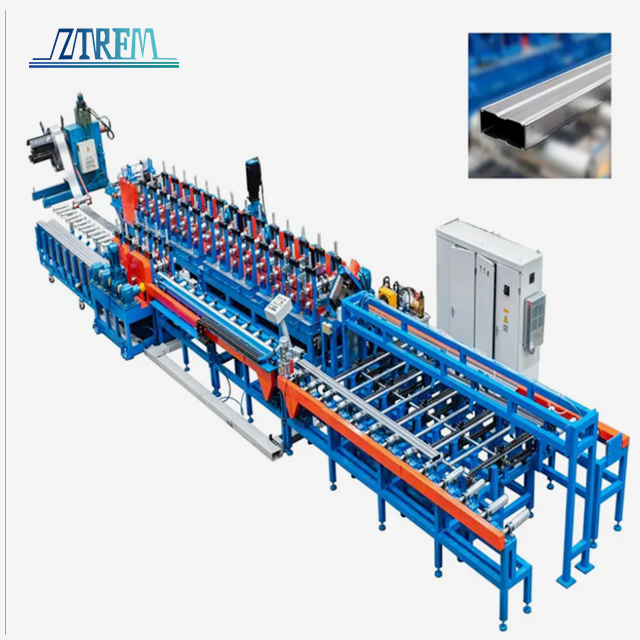
The die change process is the basis for making a wide range of metal panels, and it requires a deep understanding of both how machines work and how they should be used. When cold roll forming, dies are the main tools used for making flat metal coils into precise shapes. This is done through progressive forming stations.
Critical Components of Die Systems
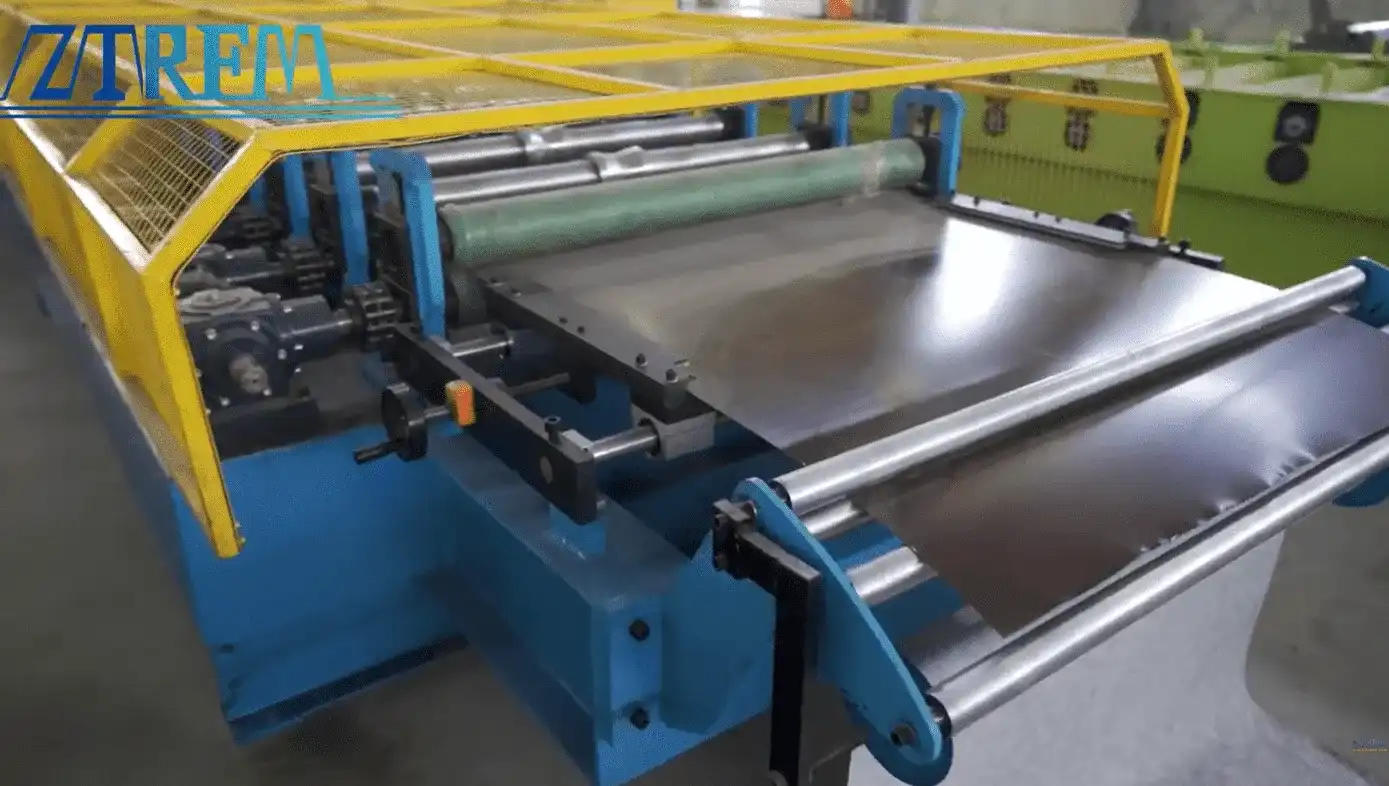
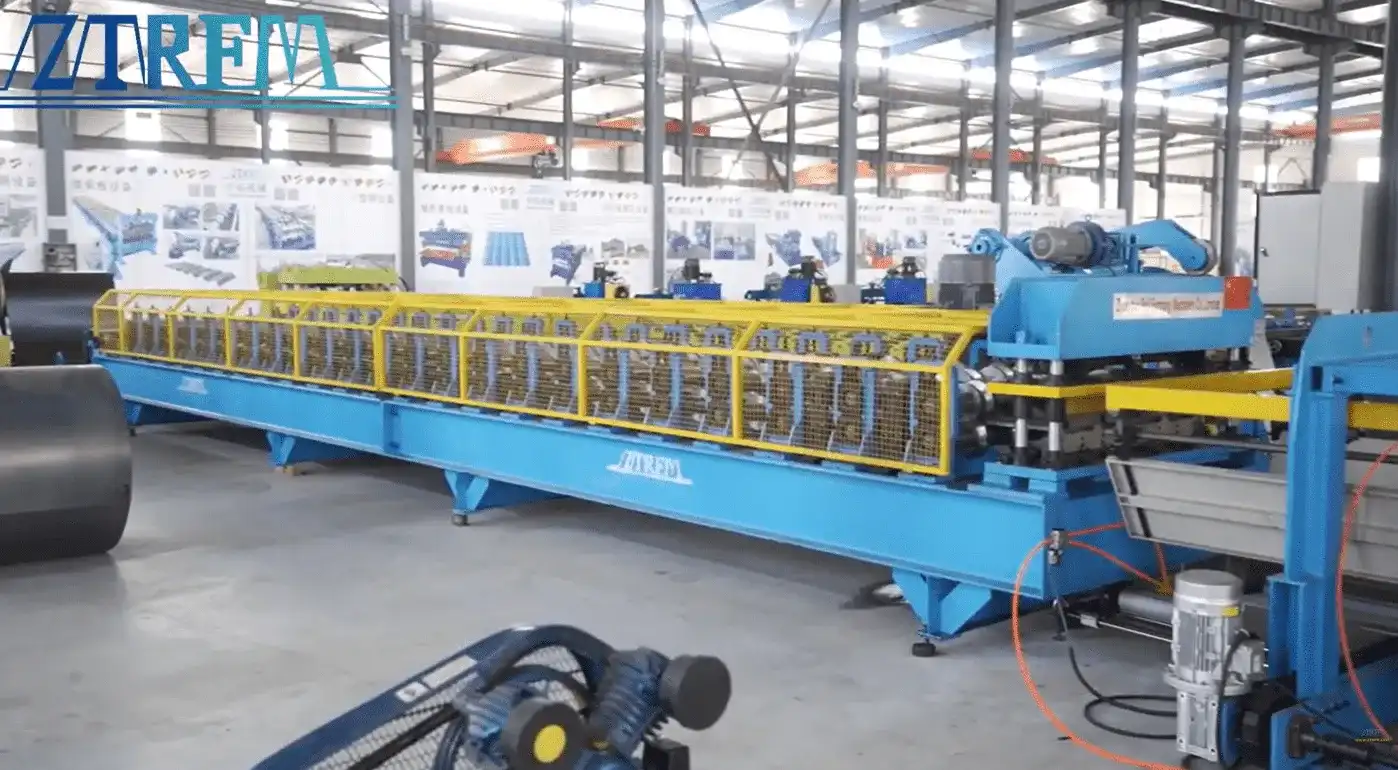
Modern die systems are made up of many parts that all work together in sync. In an 18-station arrangement, each making stand changes the moving material in a certain way by changing its shape. Hardened and chromed 40CR rollers last a very long time and keep their dimensions accurately even during long production runs. When these parts are put together, they have to line up properly so that the material doesn't change shape, get scratched, or have differences in size that lower the quality of the finished product.
The material make-up of the shaft, which is usually 42CR and has a width of 75 mm, provides strong power transfer while fitting the large forces that are created during making operations. This engineering method works well with a wide range of materials, such as PPGI, coated steel, aluminum-zinc alloys, stainless steel, and aluminum sheets that are 0.3 to 0.8 mm thick.
Manual Versus Automatic Die Change Systems
To change dies by hand, you need skilled workers who know how to precisely align the die and follow safety rules. These systems are a cheap way for factories that need to make a reasonable amount of goods or have a wide range of products that need to be switched out often. To make sure changes go smoothly, operators need to know a lot about torque standards, alignment steps, and quality assurance steps.
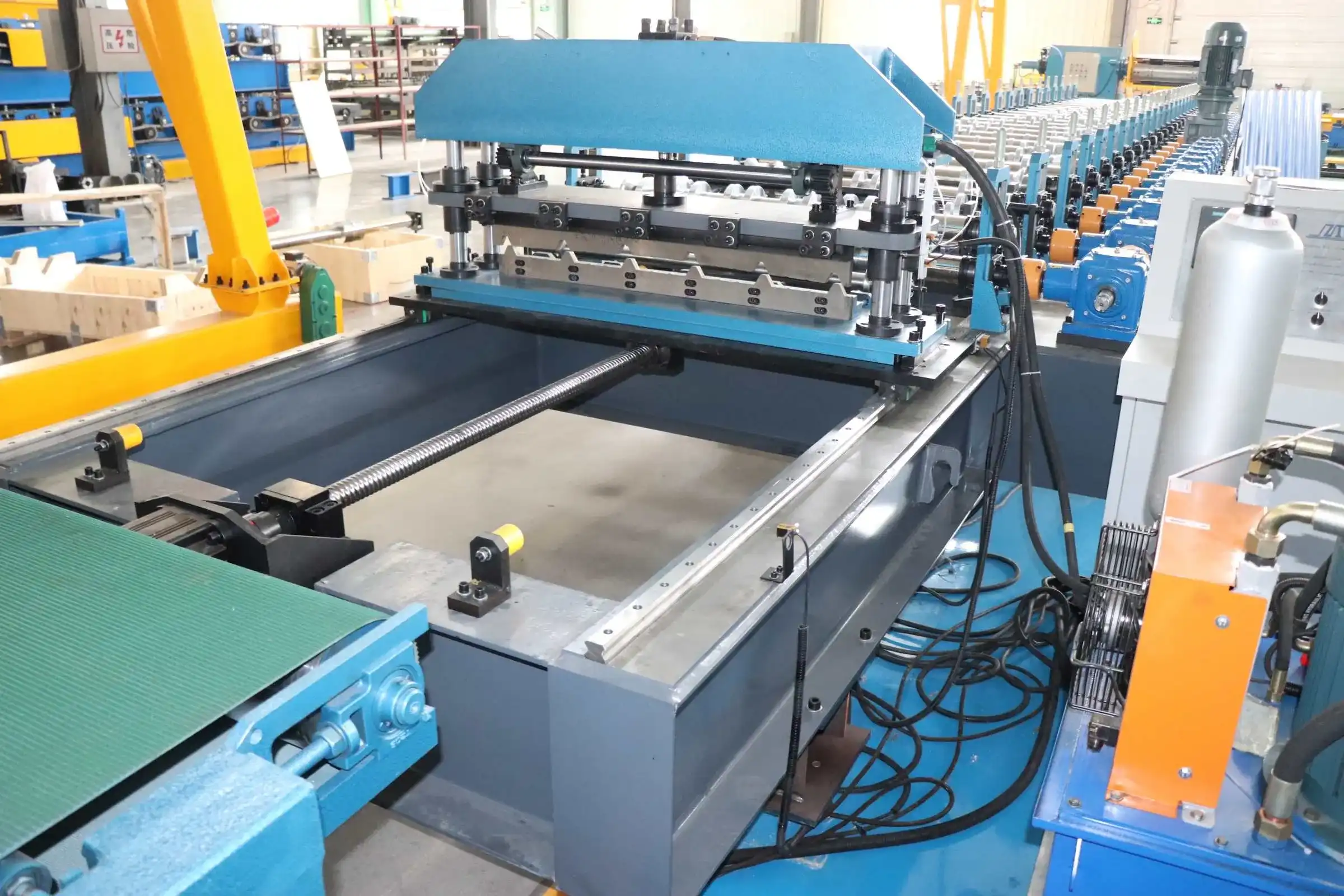
Automatic die change systems make production much more efficient by cutting the time it takes to switch between dies from hours to minutes. These high-tech systems have built-in safety interlocks, digital alignment proof, and hydraulic setting mechanisms. The 4kW hydraulic cutting power specification shows the strong engineering needed to support fast, accurate die positioning while still meeting safety standards. To choose the right slicing tools, you need to carefully consider the properties of the material, the amount of output needed, and the limitations of the process. This way of making decisions has a big effect on the long-term success and return on investment of industry.
Step-by-Step Best Practices for Efficient Die Change
Systematic die change procedures for roll forming machines minimize downtime while ensuring consistent quality outcomes. Professional manufacturing facilities implement standardized protocols for roll forming machines that prioritize operator safety, equipment protection, and production continuity.
Pre-Change Inspection and Safety Protocols
Comprehensive preparation prevents costly mistakes and safety incidents during die change operations. Begin each procedure by conducting a thorough equipment inspection, verifying hydraulic system pressure, and confirming proper function of all safety interlocks. The Siemens PLC control system provides diagnostic capabilities that identify potential issues before they impact production operations.
Operator safety equipment requirements include appropriate personal protective equipment, lockout/tagout procedures, and communication protocols with production supervisors. Establish clear work zones around the forming equipment, and verify that all personnel understand emergency shutdown procedures. The chain and gear transmission system requires specific attention during safety preparation, ensuring proper guarding and lubrication before beginning die change activities.
Precision Die Removal and Installation Techniques
Successful die removal demands a systematic approach that preserves equipment integrity while preparing for new die installation. Document the current die configuration through photographs or digital records, noting specific adjustment settings and alignment parameters. This documentation proves invaluable when reinstalling dies for future production runs.
Remove forming stands in reverse order of the forming sequence, beginning with the final shaping stations and progressing toward the entry end. Each station requires careful handling to prevent damage to precision surfaces or alignment mechanisms. The Omron encoder system provides position feedback that assists with accurate die positioning during both removal and installation procedures.
Installation procedures mirror removal steps but require enhanced attention to alignment verification. Each forming station must achieve precise positioning relative to adjacent stations, maintaining proper material flow paths and avoiding interference between components. The 7.5 kW motor power specification ensures adequate torque for proper die seating while accommodating various material resistance levels.
Verification and Calibration Steps
Quality verification represents the final critical phase of successful die change operations. Conduct comprehensive alignment checks using precision measuring instruments to confirm proper die positioning and gap settings. The production speed capability of 15-20 meters per minute depends entirely on accurate initial setup and calibration procedures.
Test runs with sample material validate die performance before committing to full production quantities. Monitor material flow characteristics, dimensional accuracy, and surface finish quality during initial forming passes. These verification steps identify potential issues while material waste remains minimal, protecting both quality standards and operational profitability.
Optimizing Die Change to Improve Production Throughput and Product Quality
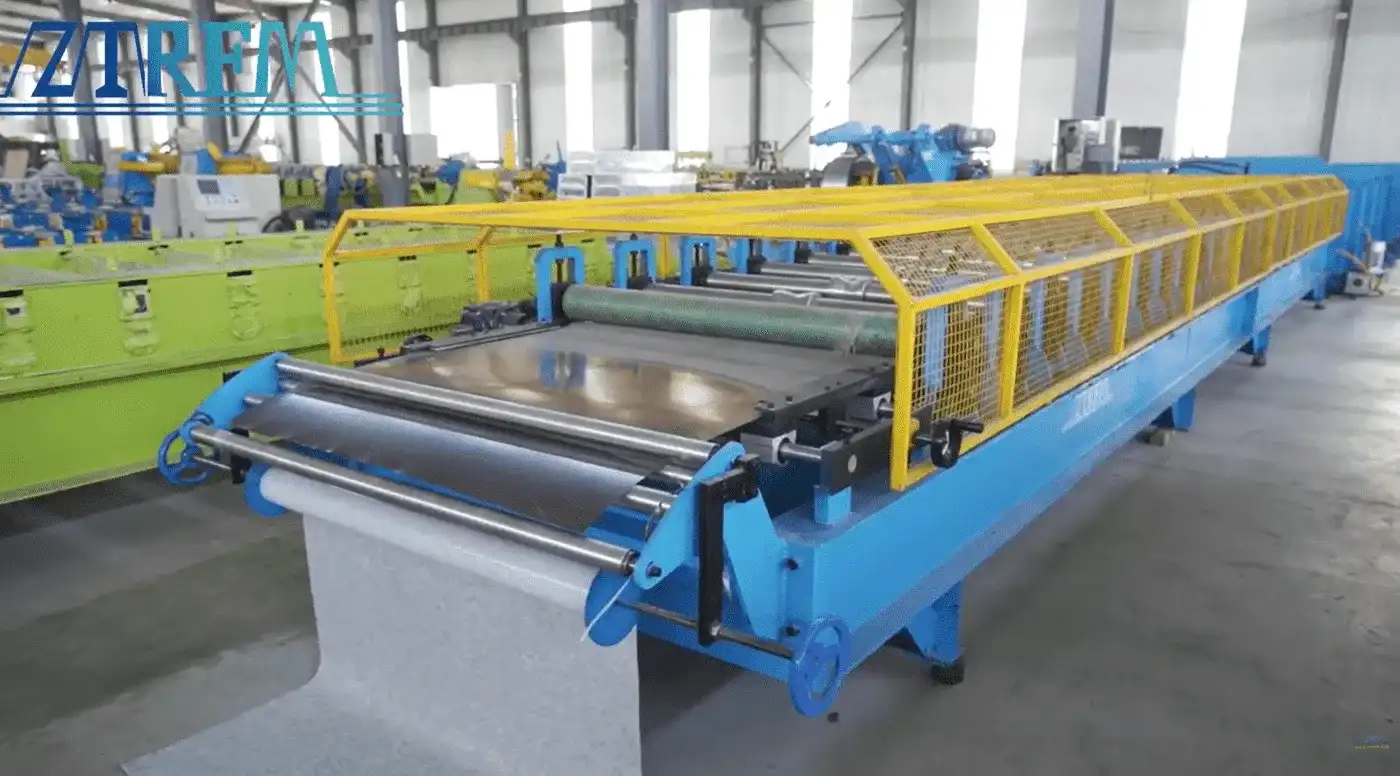
Production optimization requires systematic analysis of die change procedures combined with continuous improvement methodologies. Modern manufacturing facilities achieve competitive advantages through reduced changeover times and enhanced quality consistency.
Bottleneck Analysis and Lean Methodologies
Identify specific bottlenecks within existing die change procedures through detailed time studies and process observation. Common delay sources include inadequate tool preparation, insufficient operator training, and poor communication between shift personnel. Address these issues through structured improvement programs that emphasize standardization and skill development.
Lean manufacturing principles provide frameworks for eliminating waste and improving efficiency throughout die change operations. Implement 5S workplace organization methods to ensure proper tool availability and workspace preparation. Visual management systems help operators quickly identify correct dies, tools, and adjustment settings, reducing setup time while improving accuracy.
The integration of quick-change die technologies accelerates transition procedures significantly. These systems incorporate rapid-lock mechanisms, pre-aligned mounting systems, and automated positioning features that reduce manual handling requirements. When combined with proper operator training, these technologies can reduce changeover times by 60-80% compared to traditional manual methods.
Real-World Case Studies and Time Reduction Strategies
Manufacturing facilities implementing systematic die change improvements report substantial productivity gains and quality enhancements. One roofing panel manufacturer reduced average changeover time from 4 hours to 45 minutes through standardized procedures and quick-change tooling investments. This improvement increased daily production capacity by 25% while reducing material waste by 40%.
Another case study involving purlin manufacturers and roll forming machines demonstrated the importance of operator training and standardization. By implementing comprehensive training programs and documented procedures, this facility achieved a 90% reduction in setup-related quality issues while improving changeover consistency across all production shifts.
Selecting the Right Roll Forming Machine and Dies for Your Metal Panel Production Needs
Equipment selection directly influences die change efficiency, production capability, and long-term operational success. Understanding material compatibility, die design factors, and machine features enables informed procurement decisions that support business objectives.
Material Compatibility and Die Design Considerations
Different metal materials require specific die design approaches and machine capabilities. PPGI and galvanized materials benefit from chromium-plated roller surfaces that resist coating adhesion while maintaining surface finish quality. Stainless steel applications demand enhanced hardness specifications and precise gap control to prevent work hardening or surface damage.
Aluminum processing requires specialized considerations due to material softness and adhesion tendencies. Die surfaces must incorporate appropriate coatings or treatments that prevent material pickup while maintaining dimensional accuracy. The 40CR roller material provides excellent base properties that accept various surface treatments optimized for specific material applications.
Machine Features Supporting Quick Die Changes
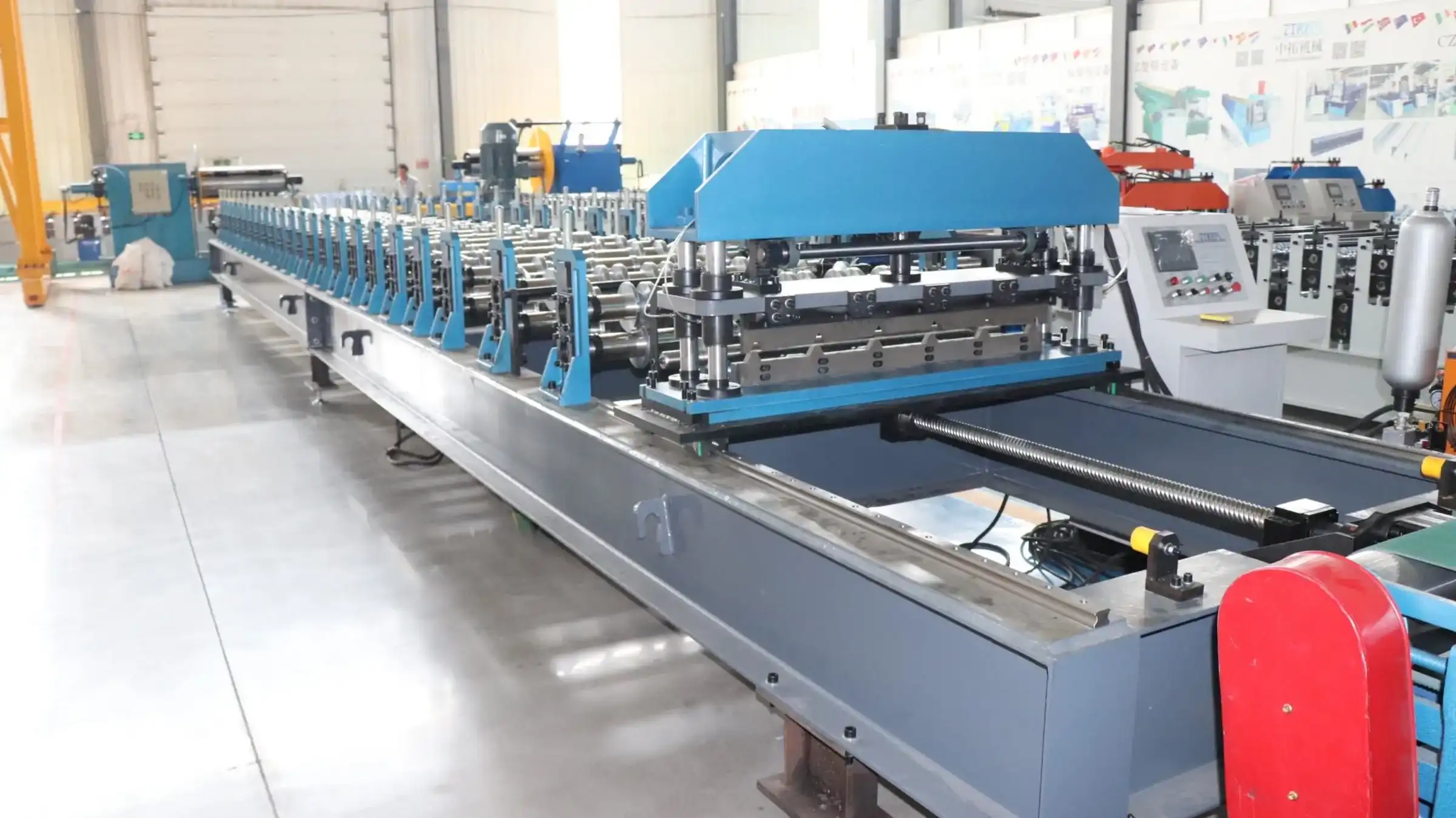
Modern forming equipment incorporates numerous features designed to accelerate die change procedures. Hydraulic die clamping systems provide consistent, repeatable force application while reducing manual labor requirements. Position feedback systems enable precise die alignment verification, ensuring consistent setup accuracy across multiple operators.
Modular die mounting systems simplify handling and positioning procedures while improving alignment consistency. These systems incorporate standardized interfaces that ensure proper die orientation and eliminate guesswork during installation. Combined with comprehensive operator training, these features significantly reduce setup time while improving quality consistency.
Maintenance and Safety Guidelines During Die Change Operations
Sustained roll forming machine performance requires comprehensive maintenance programs combined with rigorous safety protocol adherence. Preventive maintenance schedules protect equipment investments while ensuring consistent operational capability.
Routine Maintenance Schedules and Safety Protocols
Establish comprehensive maintenance schedules that address lubrication requirements, wear monitoring, and component replacement needs. The chain and gear transmission system requires regular lubrication and alignment verification to prevent premature wear or unexpected failures. Document all maintenance activities to establish performance trends and optimize replacement schedules.
Safety protocols must address the unique hazards associated with die change operations, including heavy lifting, pinch points, and hydraulic pressure systems. Provide comprehensive training programs that emphasize hazard recognition, proper lifting techniques, and emergency response procedures. Regular safety refresher training ensures consistent adherence to established protocols across all personnel.
Troubleshooting Common Issues
Die wear patterns provide valuable diagnostic information about forming conditions and maintenance requirements. Excessive wear on specific roller sections may indicate improper material guiding, incorrect lubrication, or alignment issues requiring immediate attention. Address these problems promptly to prevent quality degradation or equipment damage.
Misalignment issues often manifest as dimensional variations, material marking, or increased forming forces. Use precision measuring instruments to verify die positioning and adjust as necessary to restore proper operation. The Siemens control system provides diagnostic capabilities that assist with identifying alignment problems and monitoring correction effectiveness.
Conclusion
Implementing professional die change practices transforms metal panel production efficiency while ensuring consistent quality outcomes. Systematic approaches encompassing safety protocols, precision procedures, and continuous improvement methodologies enable manufacturing facilities to achieve competitive advantages through reduced downtime and enhanced productivity. Modern equipment features combined with comprehensive operator training create the foundation for successful die change operations that support long-term business growth and profitability.
FAQ
1. How long should a typical die change take?
Die change duration varies significantly based on equipment sophistication and operator experience. Manual systems typically require 2-4 hours for complete changeovers, while automated quick-change systems can accomplish transitions in 30-60 minutes. Proper preparation, standardized procedures, and operator training dramatically reduce these timeframes.
2. What efficiency gains are possible with automated die change systems?
Automated systems deliver substantial efficiency improvements, typically reducing changeover times by 60-80% compared to manual methods. These systems also improve setup consistency, reduce material waste, and minimize operator fatigue while enhancing safety performance throughout die change operations.
3. How do I select the best die materials for durability?
Die material selection depends on production volume, material types, and quality requirements. Hardened tool steels with appropriate surface treatments provide optimal durability for most applications. Consider factors including wear resistance, corrosion protection, and machinability when evaluating material options for specific production environments.
Partner with ZTRFM for Advanced Roll Forming Solutions
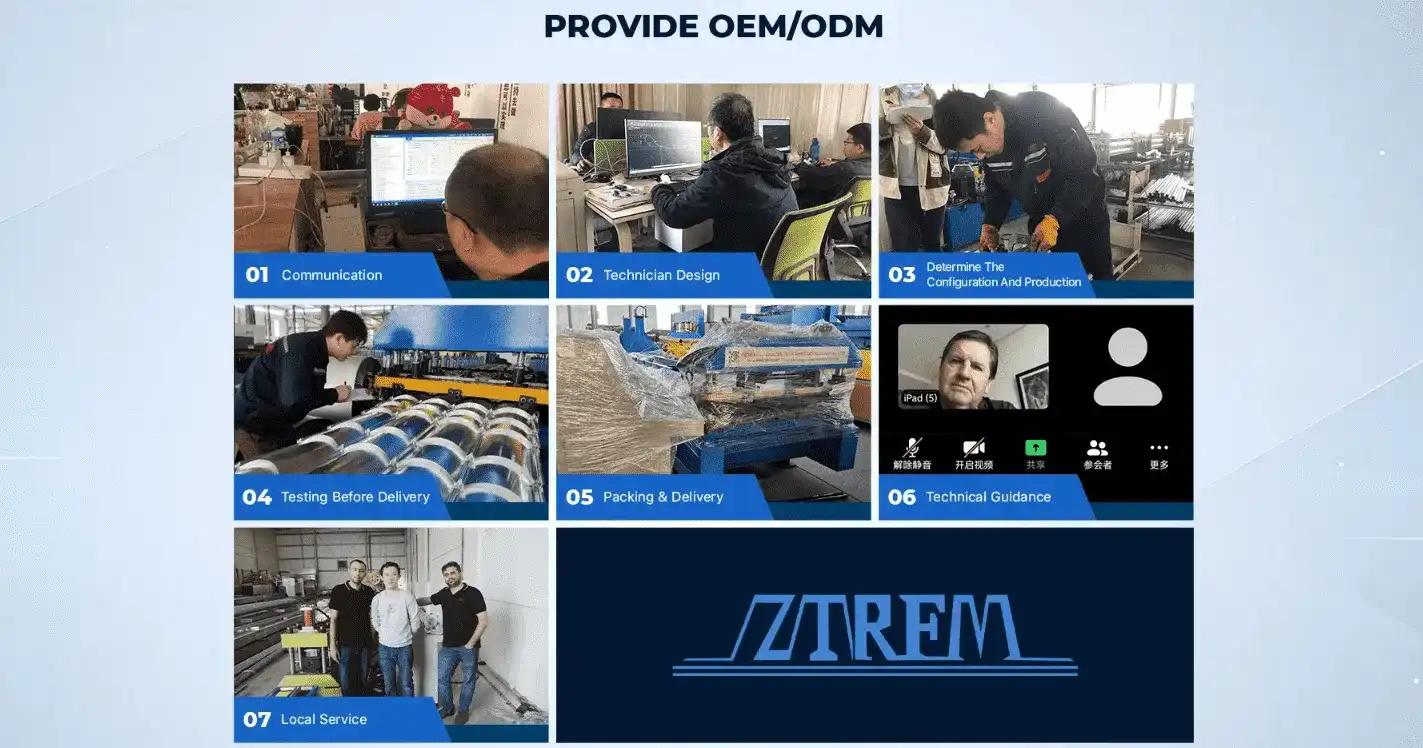
ZTRFM delivers cutting-edge metal forming equipment designed to streamline your die change operations and maximize production efficiency. Our advanced systems feature quick-change capabilities, precision controls, and comprehensive safety features that reduce downtime while ensuring consistent quality outcomes. As a leading roll forming machine manufacturer with ISO9001, CE, and CAS certifications, we provide complete solutions including equipment design, installation, training, and ongoing support services. Contact our technical team at zhongtuorollforming@gmail.com to discuss your specific requirements and discover how our innovative technologies can transform your metal panel production capabilities.
References
1. Smith, J.A. "Advanced Die Change Methodologies in Metal Forming Operations." Journal of Manufacturing Engineering, Vol. 42, 2023, pp. 156-173.
2. Chen, L. and Rodriguez, M. "Optimization Strategies for Roll Forming Equipment Efficiency." International Conference on Metal Processing Technologies, 2023.
3. Thompson, R.K. "Safety Protocols and Best Practices in Industrial Die Change Operations." Occupational Safety in Manufacturing, 2nd Edition, Industrial Press, 2023.
4. Williams, P.J. "Lean Manufacturing Applications in Roll Forming Production Systems." Manufacturing Technology Quarterly, Vol. 38, No. 2, 2023, pp. 89-106.
5. Anderson, K.L. "Material Considerations and Die Design for Multi-Metal Roll Forming Applications." Materials Engineering Review, Vol. 29, 2023, pp. 234-251.
6. Davis, S.M. "Automated Die Change Systems: Implementation and Performance Analysis." Industrial Automation Today, Vol. 15, No. 4, 2023, pp. 78-94.