- English
- French
- German
- Portuguese
- Spanish
- Russian
- Japanese
- Korean
- Arabic
- Irish
- Greek
- Turkish
- Italian
- Danish
- Romanian
- Indonesian
- Czech
- Afrikaans
- Swedish
- Polish
- Basque
- Catalan
- Esperanto
- Hindi
- Lao
- Albanian
- Amharic
- Armenian
- Azerbaijani
- Belarusian
- Bengali
- Bosnian
- Bulgarian
- Cebuano
- Chichewa
- Corsican
- Croatian
- Dutch
- Estonian
- Filipino
- Finnish
- Frisian
- Galician
- Georgian
- Gujarati
- Haitian
- Hausa
- Hawaiian
- Hebrew
- Hmong
- Hungarian
- Icelandic
- Igbo
- Javanese
- Kannada
- Kazakh
- Khmer
- Kurdish
- Kyrgyz
- Latin
- Latvian
- Lithuanian
- Luxembou..
- Macedonian
- Malagasy
- Malay
- Malayalam
- Maltese
- Maori
- Marathi
- Mongolian
- Burmese
- Nepali
- Norwegian
- Pashto
- Persian
- Punjabi
- Serbian
- Sesotho
- Sinhala
- Slovak
- Slovenian
- Somali
- Samoan
- Scots Gaelic
- Shona
- Sindhi
- Sundanese
- Swahili
- Tajik
- Tamil
- Telugu
- Thai
- Ukrainian
- Urdu
- Uzbek
- Vietnamese
- Welsh
- Xhosa
- Yiddish
- Yoruba
- Zulu
What is a light-gauge steel keel roll forming machine?
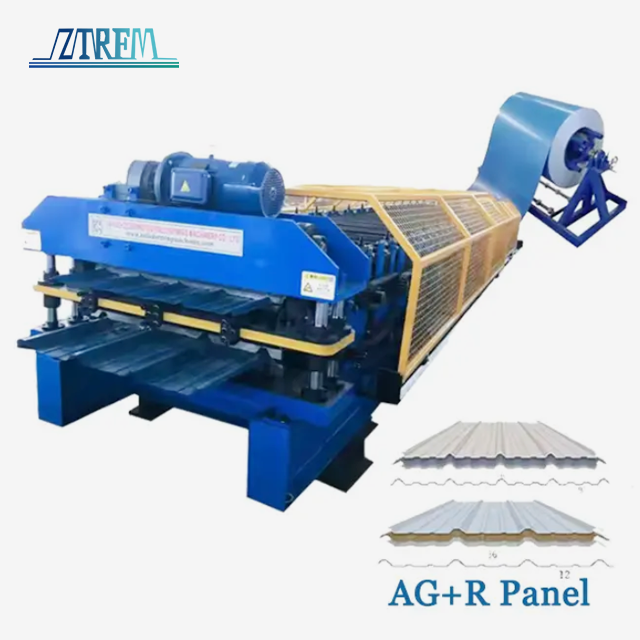
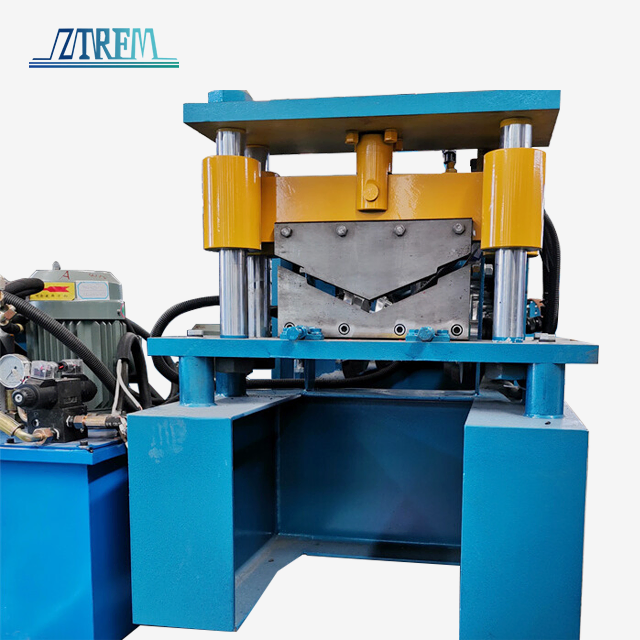
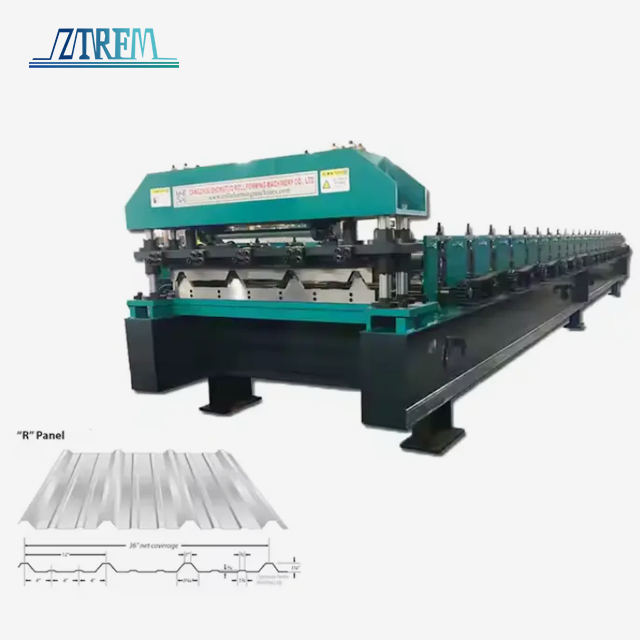
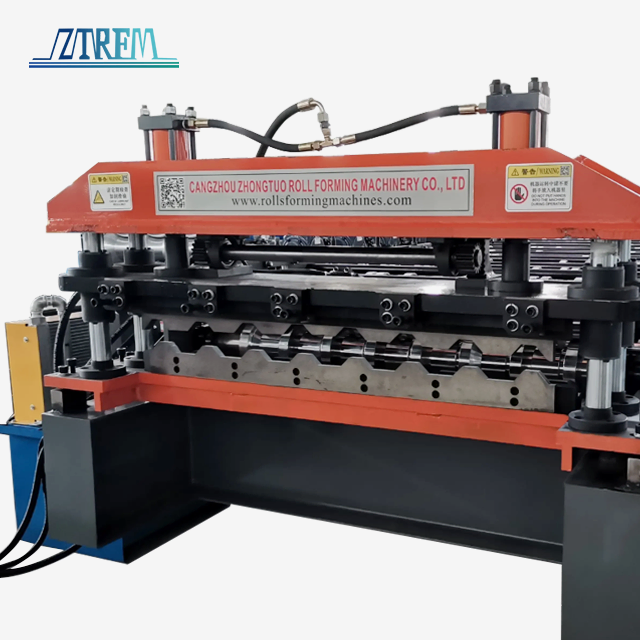
Light-gauge steel keel roll forming machines are a big step forward in the way buildings are made today. These specialised machines take thin coils of metal and turn them into structural parts that are used to support modern building interiors. There's a good chance that these advanced systems were used to build the suspended ceilings in office buildings, healthcare facilities, and housing developments across the United States. The ceiling T-grid roll forming machine is one of the most important variations. It makes the T-shaped profiles that hold up soundproof tiles and decorative ceiling panels. Knowing how these machines work, what technical features they have, and what to think about when buying them can have a huge effect on your bottom line and how efficiently you make things. This guide tells B2B buyers everything they need to know about investing in this important technology's equipment.
Understanding Light-Gauge Steel Keel Roll Forming Machines
What Makes These Machines Essential?
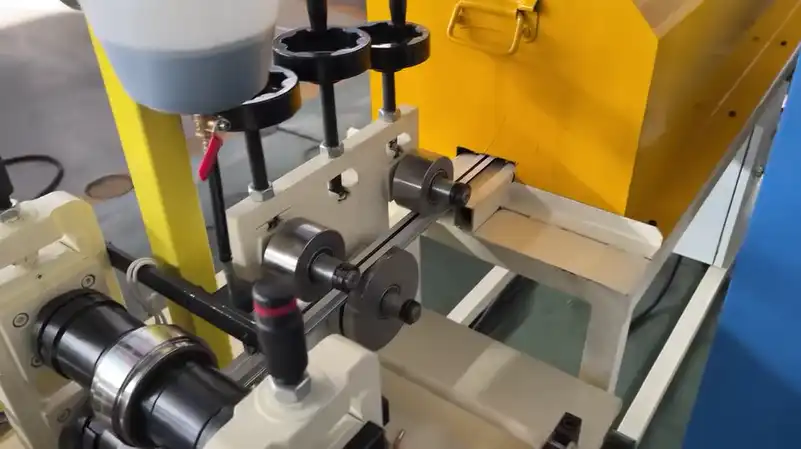
A machine made of light-gauge steel keel rolls out metal coils by cold-forming them over and over again. The machine takes strips of galvanised steel (GI) or pre-painted galvanised steel (PPGI) and gradually shapes them into precise shapes without using heat. This cold roll forming principle keeps the integrity of the material while making cross-sectional geometries that are very complicated. In this process, raw materials are fed through a series of roller stations. At each station, a new pair of rollers bends the steel slightly closer to its final shape. This method, unlike stamping or extrusion, keeps the protective zinc coating on galvanised materials and stops them from warping when heated.
Core Components and Technical Architecture
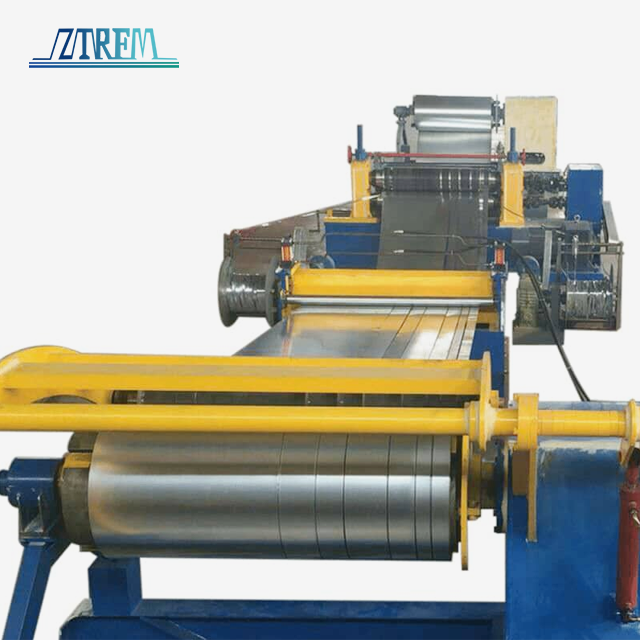
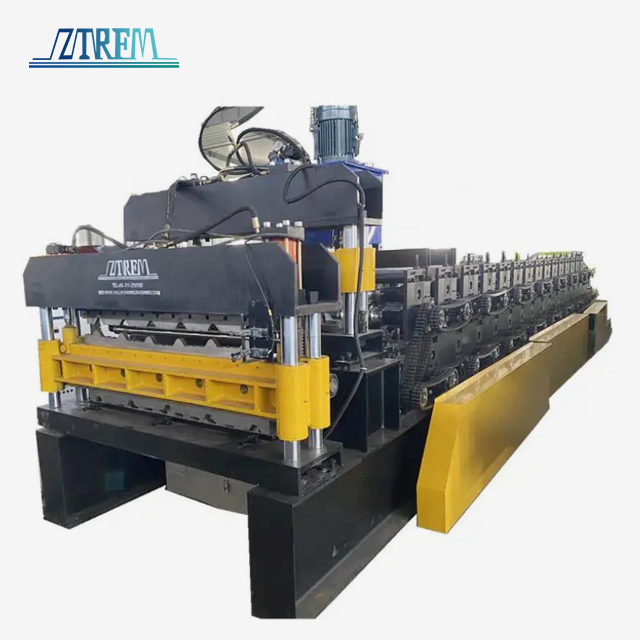
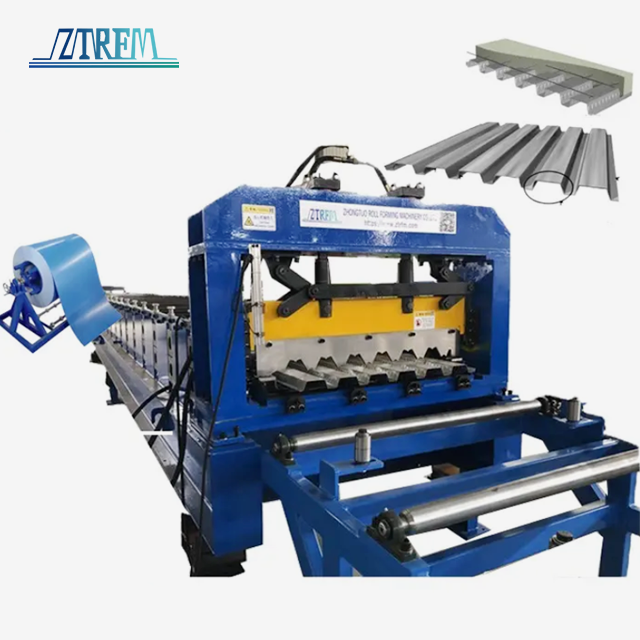
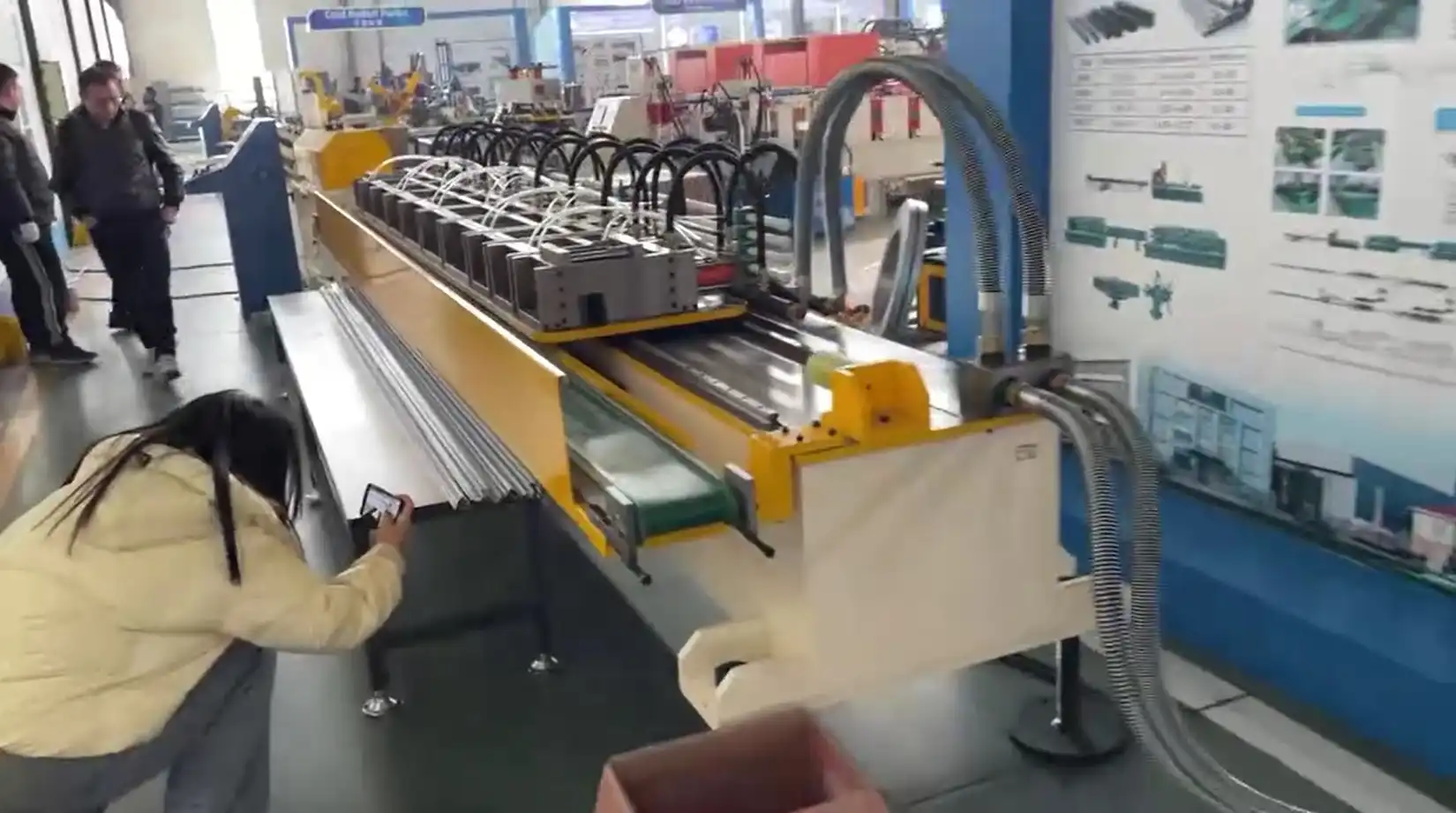
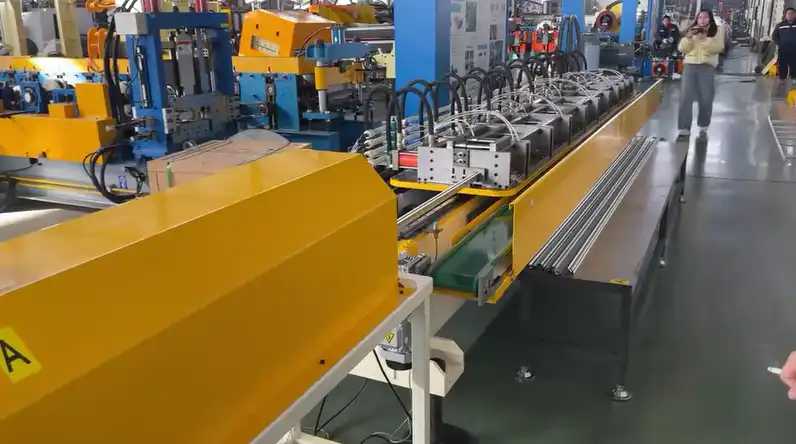
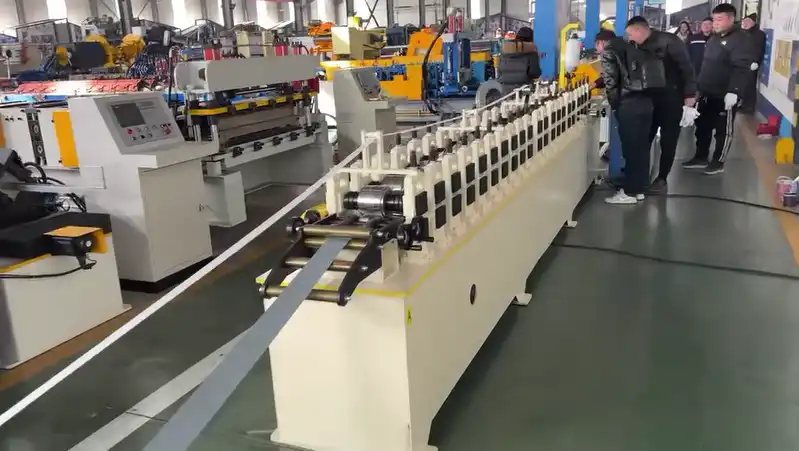
Modern light-gauge steel forming lines have several subsystems that work together. The decoiler section holds coils of raw materials. It can usually hold up to 1.5 tonnes of weight and coils with inner diameters of 450 to 550 mm. The 45# steel rolling shaft with a 50mm diameter makes sure that the material feeds steadily. Precision roller stations make up the main part of the system. There are usually 18 stations for main tee profiles and 16 stations for cross tee configurations. The GB-Cr12 tool steel used to make these rollers has been heat-treated to a hardness rating of between HRC 58 and 62. This means that even when they are used continuously, they won't wear out too quickly.
Integrated punching units make the exact hole patterns and connection features needed for putting together the ceiling grid between the forming stations. Servo-driven cutting mechanisms work at speeds that are in sync with the flow of the material, which ensures that the cut-to-length accuracy is within ±1.0mm. PLC control systems from well-known brands coordinate all of these parts, letting operators enter the lengths they want and having the production parameters changed automatically. When punching and cutting are going on, the normal work speed is between 0 and 20 metres per minute. This is done to balance throughput with the need for accuracy.
Material Specifications and Processing Capabilities
Depending on the part being made, the equipment can work with different thicknesses of material. The thickness of PPGI-based T-bar top material ranges from 0.1 to 0.3 mm, while galvanised steel-based bottom material usually ranges from 0.2 to 0.4 mm. This ability to use two different materials meets both aesthetic and structural needs. The painted top surface looks nice, and the thicker galvanised base gives it the rigidity it needs. The roller design of the machine can handle this range of thicknesses without requiring long changeover processes. This is helpful when production schedules need to be flexible.
Distinguishing Ceiling T Grid Applications
Standard structural keel shapes are not the same as the shapes made by the ceiling T-grid roll-forming machine. The main load-bearing parts of suspended ceiling systems are the main tees, which are usually 24 mm x 30 mm in cross-section and 3600 mm long. The perpendicular grid structure is made up of cross tees that are 600 mm and 1200 mm long. The anti-twist design of the machine counteracts the stresses inside thin-gauge steel, which makes sure that profiles stay straight during and after forming. This level of accuracy is very important in commercial settings where misaligned grids make defects visible and make installing panels more difficult.
Benefits and Applications for Global B2B Clients
Production Efficiency and Cost Performance
Automated roll forming works much better than making things by hand. When set up correctly, a line can make finished ceiling grid parts faster than traditional bending methods can keep up. Because the process is continuous, there are no start-stop inefficiencies that come with using a press brake. Computer-controlled cutting gets rid of mistakes in measuring made by hand, so the best use of materials is reached. When machines are properly calibrated, scrap rates usually drop below 2%. This saves a lot of money on raw materials over the life of the equipment. These improvements in efficiency directly lead to higher profit margins on contracted projects, especially for manufacturers that work with big commercial construction projects that need a lot of materials.
Dimensional Accuracy and Quality Consistency
When making ceiling grids, accuracy is very important. To make surfaces that look good and fit standard tile sizes, all of the parts must line up perfectly during field installation. Roll-forming machines with PLC controls can keep tolerances on sizes that are hard to achieve by hand when making thousands of pieces. The progressive forming action spreads stress evenly through the material, which stops it from thinning in certain places or developing flaws on the surface. When painting products, the Cr12 roller surfaces are chrome-plated to keep the pre-finished coating from getting scratched. This protects the look of the product and cuts down on costly rejection rates.
Industry Applications Across Market Segments
Ceiling grid parts are mostly bought for use in commercial office buildings. Large suspended ceiling installations are needed in government buildings, corporate headquarters, and financial centres to hide HVAC systems, electrical conduits, and structural elements while controlling noise. To meet this need, the ceiling T-grid roll-forming machine makes parts that meet ASTM C635 standards for size tolerances and load-bearing capacity.
Special needs come up in healthcare facilities. Hospitals and cleanrooms where drugs are made need materials and surface treatments that kill germs and can withstand strict cleaning procedures. Roll-forming machines can put stainless steel caps on galvanised cores without damaging the surface, making grids that won't rust and are good for these tough environments. The accurate punching features make ventilation holes and clip attachment points that meet the standards for infection control ventilation.
Building in seismic zones makes things even more complicated. In areas prone to earthquakes, buildings must have suspension systems that can handle structural movement without falling down. Because the machine can precisely punch, fire expansion notches can be made on the main tee webs. These built-in features help grids handle thermal expansion during fires and structural deflection during earthquakes. This helps them meet strict building code requirements in California and other high-risk areas.
A lot of ceiling grid systems are used in schools, shopping malls, and places where people gather. Each application values the combination of aesthetic versatility and usefulness that parts that are made correctly provide. Ceiling T-grid roll forming machines that can change between different profile types without a lot of downtime are useful for manufacturers that serve this wide range of markets.
Choosing the Right Light-Gauge Steel Keel Roll Forming Machine
Evaluating Production Capacity Requirements
Matching the capabilities of machines to the needs of production stops both underutilisation and bottlenecks. Based on contracted projects and market predictions, manufacturers should figure out how much they expect to produce each month. A line that runs at 15 metres per minute makes a lot of different things than one that runs at 20 metres per minute, especially when it is extended across multiple shifts. Think about whether the way you run your business focuses on long production runs of standard profiles or on making changes often for custom specifications. Faster lines with automated coil handling are better for companies that make a lot of things, but for custom fabricators, quick-change roller cassettes may be more important than maximum speed.
Automation Degree and Labour Considerations
Entry-level systems have manual decoiling and basic length measurement, so an operator has to be involved in many steps of the process. With mid-range equipment, hydraulic decoilers and automated cutting are added, which cuts down on labour needs and improves consistency. Premium configurations include fully automated material handling, quality monitoring in real time, and tracking of all production data from one place. Your choice should be based on how much labour costs in the area, how skilled the workers are, and your quality control goals. In the US market, where labour costs are a big part of operating costs, higher degrees of automation often lead to faster ROI, even though they require a bigger initial investment.
Brand Reputation and Technical Support
The profitability of manufacturing is directly affected by how reliable the equipment is. Machines from well-known brands like Cangzhou Zhongtuo have been used successfully in a wide range of industries and markets around the world. Since we started in 2014, installations in more than 150 countries have helped us improve our designs. Because of this experience, strong mechanical designs, control systems that have been tested to their limits, and detailed technical documentation are all possible. When looking at suppliers, check to see if they have the ISO9001, CE, or CAS certifications. These show that they follow quality management standards that are known around the world. It's also important that the supplier can provide quick technical support. Being able to communicate in English, being able to cover different time zones, and having spare parts on hand are all things that matter when production problems happen.
Price-Performance Analysis and Warranty Considerations
The market for ceiling T-grid roll-forming machines has a wide range of machines, from simple ones that cost around $6,500 to high-tech ones that cost over $42,500. Understanding why these prices are different helps buyers make smart choices. Options that are less expensive usually have simpler mechanical drives, fewer roller stations, and operations that have to be done by hand. They're good for new businesses or manufacturers who only make a small number of products. High-end systems have servo motors, advanced PLC programming, built-in quality inspection, and features for quick changeover. These features allow manufacturers who work on a large scale or meet strict quality standards to charge more.
The coverage of warranties varies a lot from one supplier to the next. Standard mechanical warranties usually last between 12 and 24 months and cover flaws in the manufacturing process and parts that break too soon. Check to see if electrical parts are covered separately, and make it clear what normal wear and tear is and what is considered a warrantable failure. Some suppliers offer longer service contracts that include preventative maintenance visits and priority technical support. These are helpful for businesses that lose a lot of money when their systems are down.
Customisation and OEM Collaboration
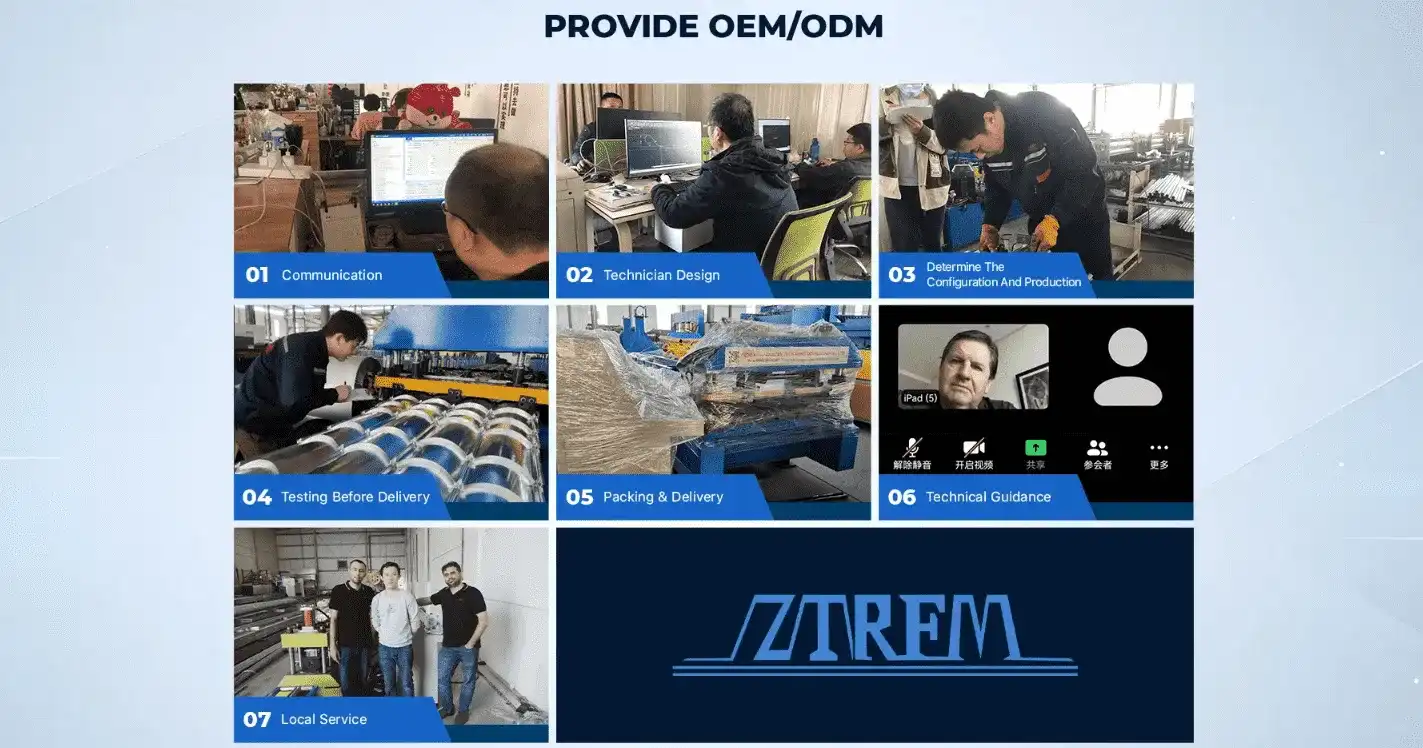
Common profile types can be handled by standard machine configurations, but many manufacturers need more specialised features like a ceiling T-grid roll forming machine. When an OEM works with an equipment manufacturer, they can change the designs of the rollers to fit specific profiles, add more punching stations for special connection features, or change the control systems so they can work with existing software for production management. You can get full OEM and ODM services from Cangzhou Zhongtuo. They work with clients from the first idea to installation and commissioning. This method works especially well for companies that are making new ceiling systems or products for niche markets where regular equipment doesn't work well.
Conclusion
Light-gauge steel keel roll forming machines are very useful for companies that make things for the construction industry. With this technology, raw materials can be turned into precisely engineered structural parts more quickly and consistently than with manual methods. To choose the right equipment, you have to weigh the needs for production capacity, the benefits of automation, the reputation of the supplier, and the total cost of ownership. When machines are made just for ceiling grid applications, they have special features that meet the needs of suspended ceiling systems. When you carefully look at technical specs, maintenance needs, and a supplier's support abilities, you can make buying decisions that make your business more competitive and profitable over the course of equipment's many years of use.
FAQ
1. How do I determine the right machine model for my production volume?
Figure out how much output you need each month by looking at current contracts and expected market demand. A machine that works at 15 metres per minute for eight hours each week makes about 7,200 metres each month. If you only need to decoil 5,000 metres a month, basic equipment that you do by hand may be enough. When you want to make more than 15,000 meters per month, you should invest in faster automated lines. Think about how your market changes with the seasons. For example, construction work often goes up and down, so check to see if equipment that can handle different profile types could help keep production on track during slow times.
2. What distinguishes automatic from semi-automatic machines?
Semi-automatic systems need help from an operator to load materials, measure lengths, and take out cut pieces. These machines work best in low-volume settings or where the cost of labour is low. Automatic machinery includes hydraulic decoiling, servo-controlled cutting that works with the production flow, and sometimes automatic stacking of finished goods. When operations have more than one shift, the difference in productivity gets bigger, but quality consistency gets better because people make fewer mistakes. Your choice should be based on how easy it is to find workers, how much they are paid where you live, and whether production workers can add value by doing other things while machines run themselves.
3. Can machines be customised for proprietary profiles?
Manufacturers of equipment like Cangzhou Zhongtuo often change the designs of rollers to make profiles that fit the needs of each client. The first step is to make detailed engineering drawings that show the cross-sectional shape, material requirements, and tolerances that must be met. Using CAD software, manufacturing teams plan the shapes of rollers and make prototypes of the tools before they are used in mass production. Customisation takes an extra 6 to 8 weeks on top of the normal time it takes to deliver machines. OEM partnerships are especially helpful for companies that are making new ceiling systems or that serve niche markets where unique profiles set them apart from competitors.
Contact ZTRFM for Your Ceiling T Grid Roll Forming Machine
Cangzhou Zhongtuo has been making high-quality ceiling t grid roll forming machines for ten years, so you can trust them. Our machines are a perfect mix of precise engineering and useful features that help manufacturers of ceiling grids and light steel structures solve real production problems. Our machines are certified by ISO9001, CE, and CAS, which means they meet international quality standards. They can also be customised in ways that standard suppliers can't. Our technical team can help you match the specifications of the machinery you need with your business's needs, whether you're adding new production capacity or improving the ones you already have. As a direct manufacturer of ceiling t grid roll forming machines, email us at zhongtuorollforming@gmail.com to talk about your project needs, get detailed technical specifications, and get competitive prices.
References
1. American Society for Testing and Materials. (2019). ASTM C635: Standard Specification for the Manufacture, Performance, and Testing of Metal Suspended Ceiling Systems. ASTM International, West Conshohocken, PA.
2. Chen, W., & Zhang, H. (2021). Cold Roll Forming Technology for Light-Gauge Steel Structural Members. Journal of Manufacturing Processes, 68(2), 245-258.
3. International Building Code. (2021). Chapter 13: General Mechanical System Requirements - Ceiling Suspension Systems. International Code Council, Washington, DC.
4. Liu, Y., & Anderson, K. (2020). Material Optimization in Roll Forming Operations for Architectural Components. Journal of Materials Processing Technology, 286, 116-127.
5. National Association of Architectural Metal Manufacturers. (2022). Technical Guidelines for Suspended Ceiling Grid Systems: Design, Manufacturing and Installation Standards. NAAMM Publication No. 542, Chicago, IL.
6. Roberts, M. (2023). Advanced Manufacturing Equipment for Commercial Construction Components: Selection and Implementation Strategies. Industrial Engineering Press, Boston, MA.