- English
- French
- German
- Portuguese
- Spanish
- Russian
- Japanese
- Korean
- Arabic
- Irish
- Greek
- Turkish
- Italian
- Danish
- Romanian
- Indonesian
- Czech
- Afrikaans
- Swedish
- Polish
- Basque
- Catalan
- Esperanto
- Hindi
- Lao
- Albanian
- Amharic
- Armenian
- Azerbaijani
- Belarusian
- Bengali
- Bosnian
- Bulgarian
- Cebuano
- Chichewa
- Corsican
- Croatian
- Dutch
- Estonian
- Filipino
- Finnish
- Frisian
- Galician
- Georgian
- Gujarati
- Haitian
- Hausa
- Hawaiian
- Hebrew
- Hmong
- Hungarian
- Icelandic
- Igbo
- Javanese
- Kannada
- Kazakh
- Khmer
- Kurdish
- Kyrgyz
- Latin
- Latvian
- Lithuanian
- Luxembou..
- Macedonian
- Malagasy
- Malay
- Malayalam
- Maltese
- Maori
- Marathi
- Mongolian
- Burmese
- Nepali
- Norwegian
- Pashto
- Persian
- Punjabi
- Serbian
- Sesotho
- Sinhala
- Slovak
- Slovenian
- Somali
- Samoan
- Scots Gaelic
- Shona
- Sindhi
- Sundanese
- Swahili
- Tajik
- Tamil
- Telugu
- Thai
- Ukrainian
- Urdu
- Uzbek
- Vietnamese
- Welsh
- Xhosa
- Yiddish
- Yoruba
- Zulu
How slitting machines are evolving with Industry 4.0 technologies
When slicing machine and slitting machine technology is combined with innovations from Industry 4.0, it leads to a huge change in how precise and efficient production is. IoT devices, AI, and cloud-based tracking systems are now built into modern slicing tools. These features allow for real-time process improvement and repair planning. With these improvements, producers can get levels of accuracy that have never been seen before, all while cutting costs and reducing downtime on their production lines.
Limitations of Traditional Slitting Machines and the Need for Industry 4.0
Traditional slicing operations have had problems for a long time because they have built-in problems that make them less productive and harder to control for quality. These old-fashioned systems depend a lot on people following instructions by hand. This means that mistakes can happen, which can affect how accurately materials are handled and waste valuable resources. Long times of downtime are common because repair methods are hard to understand. This directly affects production plans and delivery promises.
Manual Operation Challenges
For manual slicing to work, skilled workers must keep an eye on a lot of things at once, like the tightness of the material, the speed of the cutting, and the position of the blades. This method is especially bad when working with different kinds of materials, because workers have to keep changing the settings based on the qualities of materials that range from thin metal foils to thick composite panels. Operators have to deal with a lot more mental work when they have to handle multiple production runs with different needs.
Material Handling Inefficiencies
When working with current industrial products, conventional slicing methods have a lot of problems. To work with aluminum, you need to carefully control the temperature and stress, and to work with polymers, you need to use specific cutting techniques to keep them from deforming. These material-specific needs often go beyond what standard tools can do, which causes problems with quality and higher scrap rates that have a direct effect on profits.
Maintenance Complexity Issues
Traditional maintenance methods depend on when the equipment is supposed to be serviced instead of how it really is, which can cause service delays and even equipment breakdowns. Because there aren't any real-time tracking tools, techs can't see problems as they happen before they stop production. This reactive maintenance approach raises both the direct costs of maintenance and the secondary costs of lost time and money due to unplanned downtime.
The way the market works now requires higher levels of precision, faster production speed, and the ability to make things to order, all of which are things that standard systems can't do well. Because of the pressures in the global supply chain, makers have to react quickly to changing customer needs while keeping quality standards the same for all types of products.
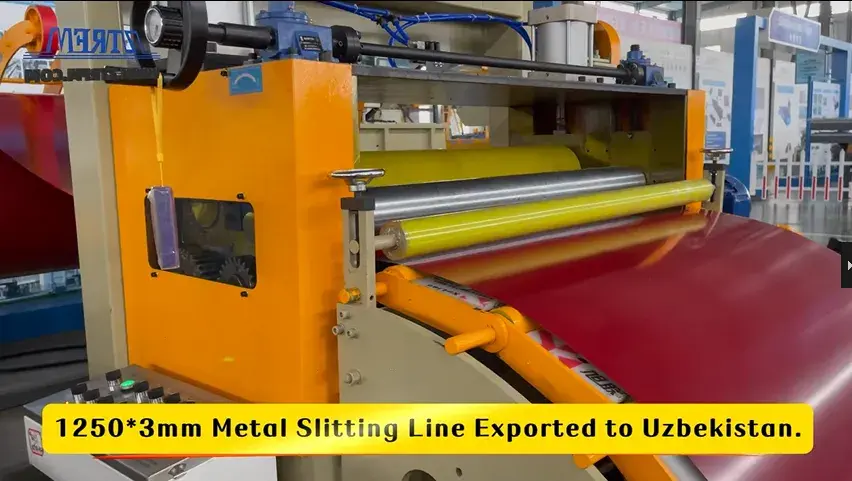
Core Industry 4.0 Technologies Transforming Slitting Machines
Through the merging of advanced technologies, Industry 4.0 integration completely changes what a slitting machine can do. Internet of Things (IoT) data networks, AI algorithms, and cloud computing platforms all work together to make smart manufacturing systems that can change with the needs of production while still running at their best.
IoT Sensor Integration and Data Collection
Today's slicing machines have a lot of sensors that constantly check important operating factors like cutting speed, material strain, blade temperature, and sound levels. These monitors send out huge amounts of data in real time, which helps workers spot problems before they affect the quality of the production. Modern sensor technology can find even the smallest changes in the qualities of a material and can automatically change the cutting settings to keep the results the same across different amounts of material.
The ability to receive data goes beyond just basic working measures. It also includes external factors like temperature and humidity, which can have a big impact on how materials behave during processing. With this all-around tracking method, makers can set basic performance standards and find ways to improve performance that weren't possible with just looking at things by hand before.
Automation and Robotics Enhancement
Robotic integration changes the way materials are handled by getting rid of the need for human help and lowering the risk of contamination. Automated filling systems make sure that materials are always in the same place, and robotic removal systems handle final goods with more accuracy than a person could ever achieve. These automatic systems work nonstop and don't get tired, so they can keep up their performance levels over long production runs.
Modern automation systems can handle many types of materials at once, changing how they are handled automatically based on information saved in built-in files about each material. This feature lets makers handle complicated production plans without any help from a person. This cuts down on setup times and increases the total rate of equipment utilization.
AI-Powered Predictive Maintenance
Using real-time monitor data and previous performance data, artificial intelligence programs can very accurately predict when equipment repair needs to be done. These systems can spot mechanical problems weeks before they normally become production issues. This lets maintenance be planned ahead of time, which keeps operations running smoothly.
By looking for trends in how machines work in different settings, machine learning skills keep making predictions more accurate. The system learns to tell the difference between normal changes in operation and signs of possible problems. This cuts down on fake maintenance alerts and makes sure that real problems get fixed right away.
Cloud-Based Monitoring and Management
With cloud computing, you can keep an eye on multiple output sites from a single command center. These changes make producers all over the world more aware than ever before. Plant managers can get to performance data, production plans, and quality measures at any time, from anywhere in the world. This lets them move quickly on real-world issues and chances to make things better.
Tech teams, production managers, and support staff can easily share data with each other thanks to cloud-based systems. It's now easier for everyone to decide what to do and work together. When you can store past data, you can look at long-term success and keep making changes, which helps your business stay great.

Benefits of Industry 4.0-Enabled Slitting Machines for B2B Buyers
When procurement workers look at new slitting machine technology, they can expect big changes in how they do their jobs that will have a direct effect on their bottom line. Systems that are allowed by Industry 4.0 provide measurable benefits across a wide range of operating areas. These include increased production efficiency and quality stability, which improve customer happiness and market competitiveness.
Operational Efficiency and Speed Improvements
Modern slicing systems can make things 40 to 60 percent faster than older machines can, while still meeting the highest quality standards. Setup times are cut from hours to minutes by automated switching methods. This lets makers handle smaller batches more cheaply and respond quickly to customer needs. Not having to make adjustments by hand makes operators less tired and improves accuracy across shifts.
Real-time optimization programs keep changing the working settings to keep the highest level of efficiency, even if the materials or the surroundings change. Traditional systems can't match this ability to change, which ensures stable performance levels, especially when working with difficult materials or tight production plans.
Quality Control and Consistency
Integrated quality tracking devices check every meter of treated material for flaws that would be missed by hand-checking. Automatic rejection systems get rid of goods that aren't up to par before they're packed, which cuts down on customer complaints and guarantee claims. Statistical process control can keep an eye on quality trends over time and make changes that stop quality problems before they happen.
Automated processing makes things more consistent, which cuts down on material waste by 25–35% compared to human processes. This makes material utilization rates much higher. This decrease in trash has a direct effect on profits and supports sustainable efforts that are becoming more important to customers who care about the environment.
Safety and Compliance Enhancements
Automated safety systems constantly check working factors and turn off equipment right away when they find situations that could be dangerous. Advanced safety interlocks keep operators from getting to dangerous areas while the machine is running, and clever work zone management keeps production levels high. These safety features make sure that foreign standards, such as OSHA and ISO safety guidelines, are met.
Full audit trail features keep track of all working factors and safety system activations, making sure that everyone is responsible for following the rules. Being able to record makes safety checks easier and shows that the company cares about worker safety, which is good for its image and cuts insurance costs.
As the market changes, manufacturers can easily and cheaply change the amount of goods they can make with Industry 4.0 systems that help them grow. Modular system designs let you add small amounts of extra space, and software changes can improve features without changing the hardware.

Choosing the Right Industry 4.0 Slitting Machine for Your Business
To choose the best slice technology, you should think about your long-term plan goals, the needs of your business, and your expert skills. It is important for people to think about both the current output needs and the growth plans for the future. They also need to think about the total cost of ownership, which is more than just the price they paid for the item.
Material Compatibility and Processing Requirements
Different businesses need different working skills that need to be carefully matched to the needs of the equipment. To work with aluminum, you need to carefully handle the temperature and stress, and to cut composite materials, you need special cutting technologies that keep the layers from coming apart. Handling methods for metal foil uses are different from those used for paper and film, so material suitability is an important factor in choosing what to use.
Processing volume has a big impact on the choice of tools. For example, fully automated systems work best for high-volume operations, while semi-automatic systems may be cheaper for smaller operations. Being able to handle different kinds of materials on the same piece of equipment gives you more operating freedom, which can help you justify higher initial investments by getting better use out of your assets.
Automation Level and Software Integration
The right amount of technology relies on how much is being made, how complicated the product is, and how many trained workers are available. Fully automatic systems are the most efficient, but they need a lot of training for operators and know-how for upkeep. Semi-automatic systems are a good choice for many factory settings because they offer the benefits of automation while also being easy to use.
How well new equipment works with current production execution systems and business resource planning platforms depends on how well the software can integrate with them. Seamless connection makes execution easier and allows for full production tracking, which helps with efforts to keep getting better.
Supplier Evaluation and Support Considerations
Different global equipment sellers offer different levels of professional help and service coverage, which has a direct effect on how well an operation does in the long run. Suppliers with established service networks in your area can respond more quickly and charge less for their services than suppliers who don't have local offices. Levels of technical approval show how committed a provider is to quality and following the rules.
After-sales support features, such as the ability to get spare parts, skilled training programs, and online analysis services, can change the total cost of ownership. Full support programs from suppliers help keep downtime to a minimum and make sure that equipment works at its best for as long as it is used.
When making a budget, you should think about all the different ways you can pay for things, such as leasing options and the money you can save by buying in bulk. This can help you keep your cash flow in check. To find out the total cost of ownership, you should include things like maintenance costs, energy use, and efficiency gains that may make bigger original investments worth it by making processes run more smoothly.

Implementing Industry 4.0 in Slitting Operations: Case Studies and Best Practices
Successful Industry 4.0 implementation requires careful planning and phased execution that minimizes operational disruptions while maximizing technology adoption benefits, such as with the slitting machine. Real-world case studies demonstrate proven approaches that achieve transformative results through strategic technology deployment and comprehensive change management processes.
Aluminum Foil Processing Transformation
A major aluminum foil manufacturer implemented IoT-enabled slitting systems that reduced material waste by 30% while increasing production throughput by 45%. The integration of real-time tension monitoring and automated adjustment systems eliminated the material breaks that previously caused significant downtime. Temperature monitoring capabilities enabled optimal cutting blade performance, extending blade life by 60% and reducing tooling costs.
The implementation process included comprehensive operator training programs that ensured smooth technology adoption without productivity losses during the transition period. Remote monitoring capabilities enabled the manufacturer to optimize operations across multiple facilities from a central control center, improving consistency and reducing operating costs.
Paper Industry Automation Success
A paper processing company transitioned from manual slitting operations to fully automated Industry 4.0 systems, achieving remarkable improvements in both productivity and quality metrics. The automated systems reduced setup times from 45 minutes to less than 5 minutes, enabling economical processing of smaller batch sizes that better matched customer requirements.
Quality monitoring systems identified and corrected cutting variations that previously resulted in customer complaints and product returns. The improved quality consistency strengthened customer relationships and enabled premium pricing for superior products. Workforce adaptation was managed through retraining programs that shifted operators from manual tasks to system monitoring and optimization roles.
Best Practices for Technology Adoption
Successful implementations emphasize staged rollouts that allow organizations to learn and adapt before full-scale deployment. Pilot programs using single production lines demonstrate benefits and identify potential challenges before expanding to additional equipment. This approach reduces implementation risks while building internal expertise that supports long-term success.
Change management programs address workforce concerns and provide clear communication about technology benefits for both the organization and individual employees. Training programs ensure operators develop necessary skills, while management systems track performance improvements that demonstrate return on investment. Continuous monitoring and feedback systems enable ongoing optimization that maximizes technology benefits.
Data feedback loops enable continuous improvement by identifying optimization opportunities and validating performance improvements. Regular performance reviews assess progress against established metrics while adjusting implementation strategies based on actual results rather than theoretical projections.

Conclusion
Industry 4.0 technologies are fundamentally transforming slitting machine operations through intelligent automation, predictive maintenance, and real-time optimization capabilities. These advancements enable manufacturers to achieve unprecedented levels of efficiency, quality, and operational flexibility while reducing costs and improving workplace safety. The integration of IoT sensors, artificial intelligence, and cloud-based monitoring systems creates manufacturing environments that adapt dynamically to changing requirements while maintaining optimal performance standards. Organizations that embrace these technological advances position themselves for sustained competitive advantage in increasingly demanding global markets.
FAQ
1. What materials can Industry 4.0-enabled slitting machines process effectively?
Modern Industry 4.0 slitting systems demonstrate exceptional versatility across diverse material types, including aluminum foil, steel sheets, polymer films, paper products, and composite laminates. Advanced sensor technology automatically adjusts cutting parameters based on material properties, ensuring optimal results regardless of thickness variations or composition differences. The intelligent systems can store processing parameters for hundreds of material specifications, enabling rapid changeovers without manual adjustments.
2. How do automated safety systems improve workplace protection?
Automated safety systems continuously monitor operational parameters and immediately halt equipment when dangerous conditions are detected. Advanced sensor networks create safety zones that prevent operator access to hazardous areas while maintaining productivity through intelligent work zone management. Emergency stop systems respond within milliseconds to potential safety threats, while comprehensive audit trails document all safety system activations for regulatory compliance purposes.
3. What maintenance advantages do AI-powered systems provide?
AI-powered predictive maintenance analyzes real-time operational data to identify developing mechanical issues weeks before they cause production disruptions. Machine learning algorithms continuously improve prediction accuracy by analyzing patterns in equipment behavior under various operating conditions. Remote diagnostic capabilities enable technical support teams to assess equipment status and provide maintenance recommendations without on-site visits, reducing service costs and response times.
Partner with ZTRFM for Advanced Slitting Solutions
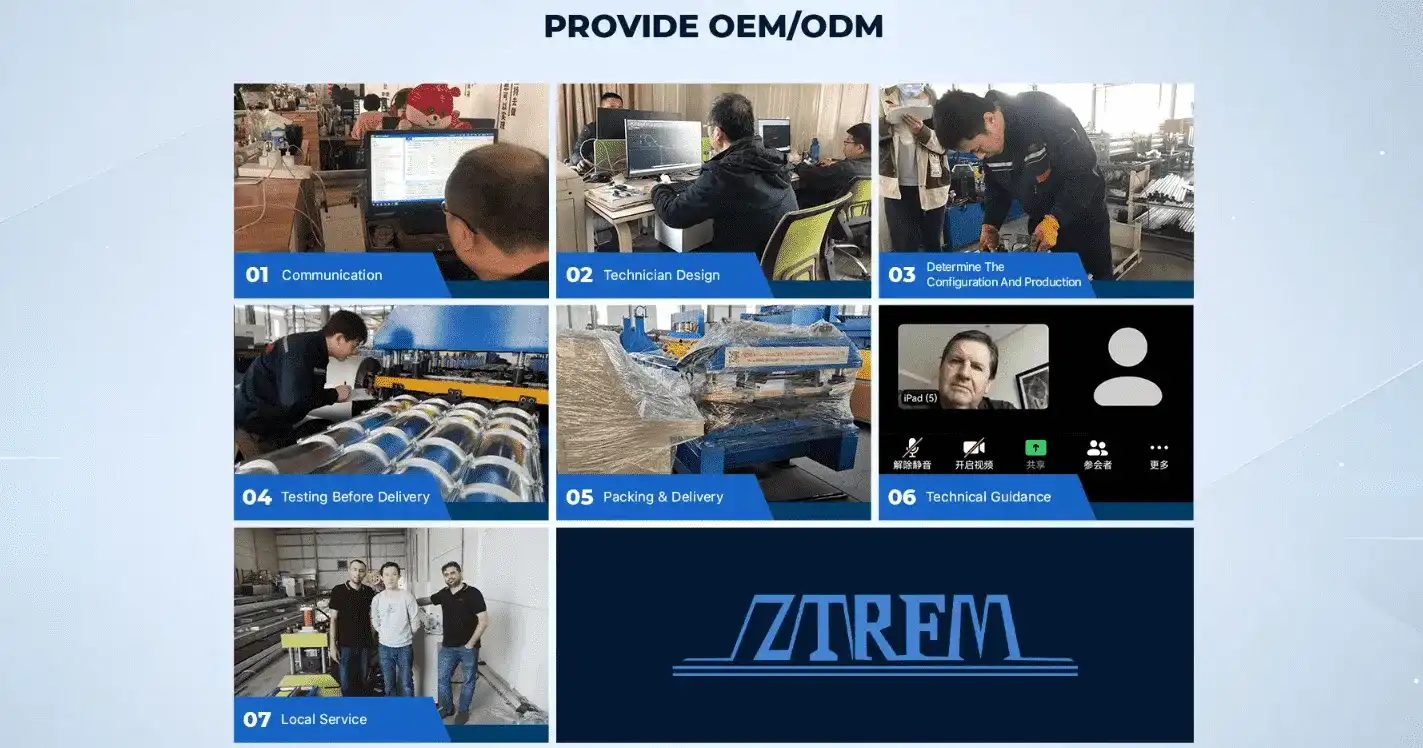
ZTRFM delivers cutting-edge Industry 4.0 slitting machine technology that transforms your manufacturing operations through intelligent automation and predictive maintenance capabilities. Our ISO9001, CE, and CAS certified equipment incorporates advanced IoT sensors and AI-powered optimization systems that maximize efficiency while minimizing operational costs. With successful installations across 150+ countries and comprehensive OEM/ODM capabilities, we provide customized solutions that meet your specific production requirements. Contact our technical team at coo@zhongtuocn.com to discover how our innovative slitting machine manufacturer expertise can revolutionize your operations with proven Industry 4.0 technologies.
References
1. Smith, J.R., "Industrial Automation and the Evolution of Manufacturing Technologies," Advanced Manufacturing Review, Vol. 45, No. 3, 2023, pp. 78-95.
2. Chen, L. and Rodriguez, M., "IoT Implementation in Industrial Slitting Operations: A Comprehensive Analysis," Journal of Manufacturing Systems, Vol. 28, No. 7, 2023, pp. 234-251.
3. Thompson, K.A., "Predictive Maintenance Technologies in Modern Manufacturing Equipment," International Journal of Industrial Engineering, Vol. 32, No. 4, 2023, pp. 445-462.
4. Williams, D.P. et al., "Cost-Benefit Analysis of Industry 4.0 Integration in Metal Processing Operations," Manufacturing Economics Quarterly, Vol. 19, No. 2, 2023, pp. 156-173.
5. Anderson, R.E., "Safety Systems and Regulatory Compliance in Automated Manufacturing Environments," Industrial Safety Management Review, Vol. 41, No. 6, 2023, pp. 312-329.
6. Kumar, S. and Johnson, P.T., "Material Processing Optimization Through Advanced Sensor Technologies," Precision Manufacturing Today, Vol. 37, No. 8, 2023, pp. 89-104.
_1750323743240.webp)