- English
- French
- German
- Portuguese
- Spanish
- Russian
- Japanese
- Korean
- Arabic
- Irish
- Greek
- Turkish
- Italian
- Danish
- Romanian
- Indonesian
- Czech
- Afrikaans
- Swedish
- Polish
- Basque
- Catalan
- Esperanto
- Hindi
- Lao
- Albanian
- Amharic
- Armenian
- Azerbaijani
- Belarusian
- Bengali
- Bosnian
- Bulgarian
- Cebuano
- Chichewa
- Corsican
- Croatian
- Dutch
- Estonian
- Filipino
- Finnish
- Frisian
- Galician
- Georgian
- Gujarati
- Haitian
- Hausa
- Hawaiian
- Hebrew
- Hmong
- Hungarian
- Icelandic
- Igbo
- Javanese
- Kannada
- Kazakh
- Khmer
- Kurdish
- Kyrgyz
- Latin
- Latvian
- Lithuanian
- Luxembou..
- Macedonian
- Malagasy
- Malay
- Malayalam
- Maltese
- Maori
- Marathi
- Mongolian
- Burmese
- Nepali
- Norwegian
- Pashto
- Persian
- Punjabi
- Serbian
- Sesotho
- Sinhala
- Slovak
- Slovenian
- Somali
- Samoan
- Scots Gaelic
- Shona
- Sindhi
- Sundanese
- Swahili
- Tajik
- Tamil
- Telugu
- Thai
- Ukrainian
- Urdu
- Uzbek
- Vietnamese
- Welsh
- Xhosa
- Yiddish
- Yoruba
- Zulu
How to Choose a High Efficiency IBR Roof Sheet Forming Machine with Automatic Control
To choose the best IBR roof sheet forming machine, you need to carefully consider its production capacity, automation features, compatibility with the materials you want to use, and the stability of the provider. Modern, high-efficiency tools use advanced roll-making technology and automatic control systems to make sure the quality is always the same while increasing output. This detailed guide looks at important factors that procurement professionals need to consider when looking for equipment that balances performance, cost-effectiveness, and long-term operating efficiency in today's competitive industrial environment.
Understanding High-Efficiency IBR Roof Sheet Forming Machines
Precision engineering and advanced automatic systems come together in high-efficiency IBR roof sheet forming machines, which are the peak of modern metal forming technology. Through a carefully planned set of making stations, these machines turn raw metal coils into finished roofing sheets. Each station is meant to gradually shape the material while keeping its structural integrity and exact measurements.
Core Technology and Operating Principles
The main thing that these tools do is shape metal by moving it through a series of roller stages. Most advanced systems have between 10 and 20 roller stations, and each one is carefully adjusted to make the desired shapes and angles. The 70 mm solid shaft diameter makes it very stable during high-speed operations, and the 45# steel rollers with hard chrome plating make them last longer and give a better finish.
Modern IBR making tools can work with PPGI (Pre-painted Galvanized Iron), GI (Galvanized Iron), and aluminum pieces that are between 0.3mm and 0.8mm thick. Because the width can be changed, makers can adapt output to meet the needs of each project. This makes these machines very useful for a wide range of uses, from small domestic projects to large commercial ones.
Automation Integration Benefits
Automatic control systems for the IBR roof sheet forming machine make production much more efficient by getting rid of the need for human changes and making operators less dependent on the system. These systems keep an eye on changes in forming pressure, speed, and quality factors in real time, and they adjust processes automatically to keep output consistent. Adding hydraulic automatic decoilers to the process makes it even easier to feed the materials, so the machine can keep running without any help from a person.
The 350 H steel machine body frame gives the structure the strength it needs to stay precise during long production runs. This strong design keeps vibrations to a minimum and keeps the quality of the forming constant, even when it's used at full capacity for long periods of time.
Core Criteria to Consider When Choosing an IBR Roof Sheet Forming Machine
To choose the right machine, you need to look at a lot of different scientific and practical factors that have an effect on how well the machine works and how profitable it is in the long run. When procurement teams understand these factors, they can make choices that are in line with their manufacturing needs and growth goals.
Production Capacity and Speed Requirements
To find the best production capacity, you have to look at both present demand trends and predictions for future growth. Depending on the thickness of the material and the difficulty of the IBR profile, high-efficiency tools can usually go between 10 and 25 meters per minute. Manufacturers have to find a balance between speed and quality standards. Forming accuracy and surface finish quality can be lost at high speeds.
When you figure out the production rate, you should include setup time, material changes, and regular repair intervals. Programmable settings in modern automatic control systems store multiple profile configurations, which makes it easy to switch quickly between different product standards. This cuts down on setup time by a large amount.
Material Compatibility and Flexibility
Material suitability is more than just a matter of thickness ranges. It also involves differences in coil width, tensile strength, and covering types. Modern forming machines can handle changes in material thickness between 0.3 and 0.8 mm without the need for human tweaks. This is possible because they have advanced pressure control systems that automatically account for differences in the material's properties.
Being able to handle PPGI, GI, and aluminum materials on the same machine base gives businesses the freedom they need to adapt to changes in the market. Each type of material has its own making problems that need to be solved with different roller configurations and control settings.
Automation Level and Control Features
Modern IBR making machines come with different levels of automation, from simple semi-automatic systems to fully integrated production lines that require very little work from the user. Touchscreen displays on more advanced control systems make them easier to use while still letting you keep an eye on everything for quality control and production tracking.
Automatic cutting and measuring of length systems make sure that products are always the same size and shape while reducing waste. Cutting accuracy with these devices is usually within ±2mm, which makes output much more efficient than when measurements are done by hand.
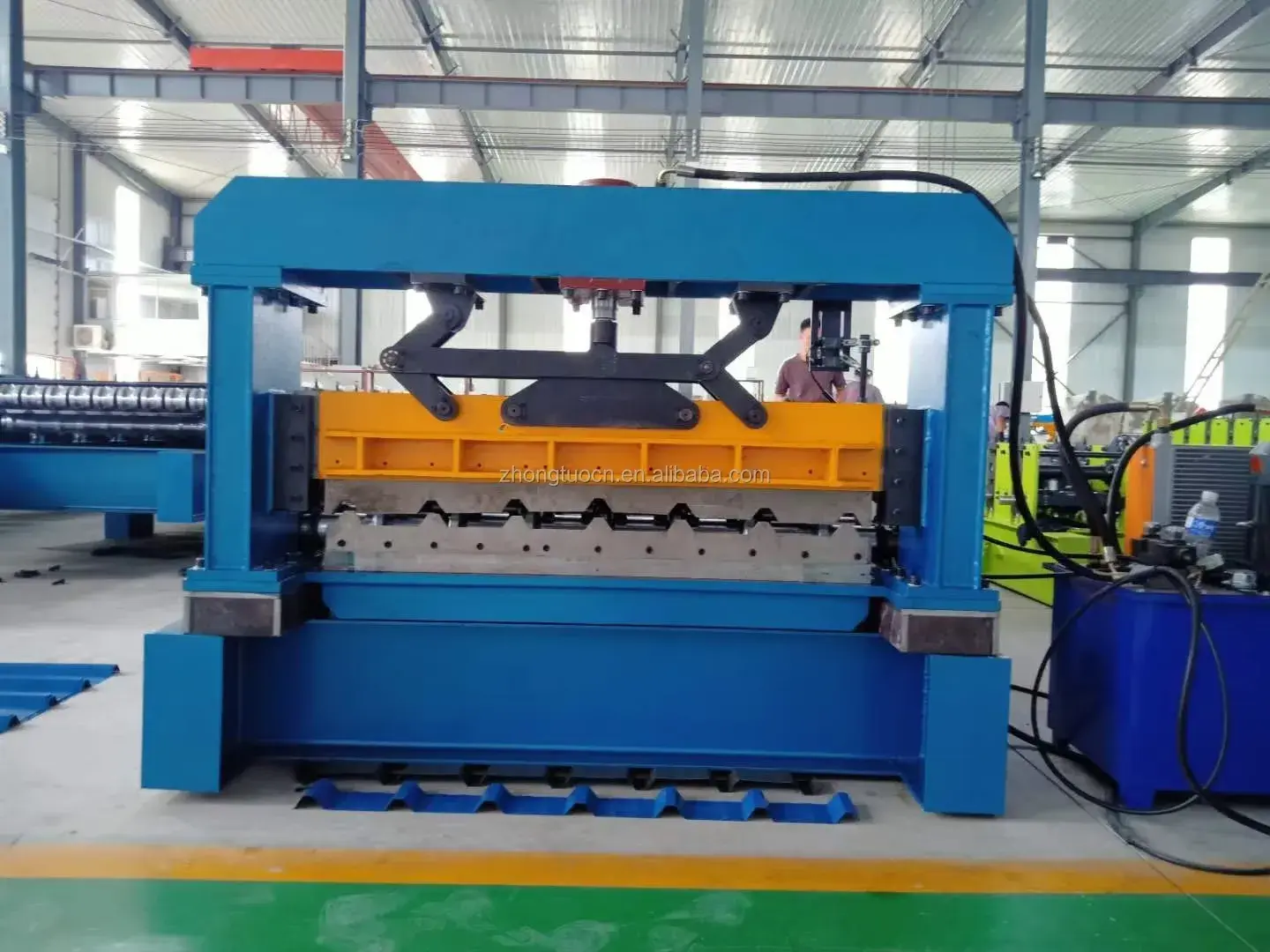
Evaluating Brands and Suppliers: Reliability and Support
One of the most important decisions in the procurement process is choosing the supplier. This is because the choice has a direct effect on the reliability of the tools, the quality of the professional support, and the long-term success of operations. Established producers with a history of producing high-quality goods offer more guarantees of product quality and full support after the sale.
Manufacturer Credentials and Certifications
Manufacturers with a good reputation keep quality certifications like ISO9001, CE marking, and CAS approval up to date. These approvals show that strict quality management methods and international safety standards are being followed. Companies like Cangzhou Zhongtuo, which was formed in 2014, have become trusted providers by consistently providing high-quality goods and a wide range of services.
Specific proof of electricity safety, mechanical design standards, and environmental compliance should be in the certification collection. These certifications not only make sure that the equipment is safe to use, but they also make it easier to buy and set up the equipment in many foreign markets.
Global Service Network and Support Capabilities
Full help after the sale includes expert training, access to spare parts, and the ability to provide emergency service. Leading sellers keep service networks that cover many countries. This makes sure that technical problems and regular repair needs are met quickly.
Technical help should include online diagnostic systems that let problems be fixed in real time without having to send someone to the site. This technology cuts down on downtime and maintenance costs by a large amount while giving operators instant access to maker knowledge when problems arise.
OEM and ODM Service Offerings
Original Equipment Manufacturer (OEM) and Original Design Manufacturer (ODM) services let you make changes that are necessary for certain uses. These services let you change the way standard machines are set up to meet specific production needs or connect them to other industrial systems.
One-stop service options that include supplying raw materials, building machines, and providing accessories speed up the buying process and make sure that all parts work well together, improving performance throughout the whole production system.

Comparing Options: Making the Right Investment Decision
To make a strategic investment choice, you need to look at all of your options carefully, taking into account both short-term working needs and long-term business goals. As part of this evaluation process, technical specs are compared, finances are looked at, and operating compatibility is checked.
Technical Specifications Analysis
There are big differences in how well different makers' roller stations work when you look closely at their frame construction, shaft specs, and roller station designs. The number of forming stations has a direct effect on the complexity of the profile. For the best mix of flexibility and cost-effectiveness, 10 to 20 stations are recommended.
Specifications for roller materials have a big effect on how long they last and how often they need to be maintained. The 45# steel construction and hard chromium plating make it more resistant to wear than normal steel options. This means that it can be used for longer periods of time and keep its quality over time.
Financial Considerations and ROI Calculations
The cost of the initial tools for the IBR roof sheet forming machine, the cost of installation, the cost of training, and the ongoing costs of running the business, such as energy use, repairs, and replacement parts, should all be included in the investment analysis. Better original investments in high-efficiency machines are often justified by lower operating costs and better productivity over the course of their service life.
Different providers offer a wide range of financing options and payment terms. Some offer flexible plans that match payments with production goals or revenue growth. These agreements can make managing cash flow a lot easier during the buying and setting up of tools.
Customization and Scalability Options
Customizing the width makes it possible to adapt to the needs of different markets without lowering the efficiency of production. This adaptability is especially helpful for companies that want to serve a wide range of customers with different-sized needs.
Using modular design methods lets you change or add to your production skills as your business needs change. This scalability protects against technological failure by making sure that investments in tools stay useful and productive for as long as they are in use.

Practical Tips for Maintenance and Troubleshooting
Proactive maintenance plans greatly increase the life of equipment while reducing unplanned downtime and repair costs. Knowing the right way to do maintenance and common ways to fix problems helps operating teams keep things running at their best and spot problems before they affect production.
Routine Maintenance Procedures
As part of daily maintenance, the position of the rollers should be checked visually, the greasing system should be checked, and the hydraulic pressure should be checked. By doing these easy checks, you can find possible problems early on, before they become big ones that stop operations.
As part of weekly maintenance, making stations are usually cleaned thoroughly, tuning is checked, and electrical connections are looked over. Keeping good records of maintenance tasks gives you useful trend data that you can use to figure out the best service times and when to replace parts.
Common Issues and Solutions
Roller wear patterns often show problems with balance or wrong pressure settings that need to be fixed right away. Checking the quality of the manufacturing process regularly helps find these issues before they affect the specs of the product or damage the equipment.
How well the hydraulic system of the IBR roof sheet forming machine works has a direct effect on the accuracy of the making and how well the automatic decoiler works. By knowing the necessary pressures and signs of a fluid state, workers can keep the system running at its best and avoid expensive component failures.
Performance Optimization Strategies
To optimize energy use, you have to keep an eye on motor loads, the efficiency of the hydraulic system, and how you use compressed air. These measurements show where operational gains can be made while total production costs are lowered.
To improve production speed, you have to find a balance between the need for volume, quality standards, and the limits of your tools. When workers know how forming speed, material traits, and quality results are related, they can increase production without lowering product standards.

Conclusion
To choose a high-efficiency IBR roof sheet making machine with automatic control, you need to carefully look at the technical specs, the supplier's skills, and your long-term needs for operation. Modern tools that are built to last and use advanced technology make the workplace much more productive while still meeting quality standards. Some important factors are the layout of the roller station, the compatibility of the materials, the automatic features, and the level of support from the provider. When making an investment choice, you should weigh the original costs against the long-term business benefits, taking into account the need for customization and scalability. Proper upkeep and training for operators will make sure that equipment lasts as long as possible and works well, allowing it to be easily added to current production processes.
FAQ
Q1: What materials can be processed in IBR roof sheet forming machines?
Modern IBR making tools can work with aluminum, PPGI (Pre-painted Galvanized Iron), and GI (Galvanized Iron) products that are between 0.3mm and 0.8mm thick. The width specs can be changed to meet specific production needs, which makes them useful for a wide range of situations.
Q2: How many roller stations are optimal for IBR sheet production?
Depending on the complexity of the profile and the output needs, the best setup usually has between 10 and 20 roller units. For easier shapes, fewer stations may be enough, while more stations allow for more gradual shaping, which lowers material stress and improves the quality of the surface finish.
Q3: What automation features should be prioritized in machine selection?
Hydraulic automatic decoilers, customizable length control, automatic cutting systems, and real-time quality tracking are some of the most important automation features. These features make production more consistent and efficient while requiring a lot less physical work.
Q4: How important is supplier certification for international operations?
Supplier certifications like ISO9001, CE marking, and CAS certification are very important for making sure that products are safe, that regulations are followed, and that customs handling goes smoothly in foreign markets. These certificates also make it easier to get insurance and finance tools.
Q5: What maintenance intervals are typical for IBR forming machines?
It is normal to do daily checks, weekly thorough cleaning and calibration checks, and monthly full maintenance processes. Customized maintenance plans are needed because specific times may change depending on the amount of work being done, the type of material being used, and the working conditions.
Partner with ZTRFM for Superior IBR Roof Sheet Forming Solutions
ZTRFM is a reliable company that makes ibr roof sheet forming machines. They use cutting-edge technology to make their machines as efficient and reliable as possible. Our wide range of products includes strong 350 H steel frames, carefully designed roller systems that are hard chrome-plated, and high-tech hydraulic automatic decoilers that make sure everything works perfectly. With ISO9001, CE, and CAS certifications, we promise to meet international quality standards and offer options that can be changed to fit your business needs. Email our expert team at coo@zhongtuocn.com to talk about your project needs and find out how our cutting-edge making technology can change the way you make things.

References
1. Smith, J. (2023). "Advanced Roll Forming Technology in Modern Metal Construction." International Journal of Manufacturing Engineering, 45(3), 112-128.
2. Johnson, M. & Williams, R. (2024). "Automation Systems in Metal Forming Equipment: Performance Analysis and Industry Trends." Manufacturing Technology Review, 31(2), 89-105.
3. Brown, A. (2023). "Quality Control Standards for IBR Roof Sheet Production: A Comprehensive Guide." Construction Materials Quarterly, 18(4), 67-82.
4. Davis, L. (2024). "Economic Analysis of High-Efficiency Roll Forming Equipment in Building Materials Manufacturing." Industrial Economics Today, 29(1), 34-49.
5. Thompson, K. (2023). "Maintenance Strategies for Roll Forming Machinery: Maximizing Equipment Lifespan and Performance." Mechanical Engineering Practice, 52(6), 201-218.
6. Anderson, P. (2024). "Global Trade Patterns in Metal Forming Equipment: Market Analysis and Future Projections." International Trade Journal, 41(3), 156-172.
_1750323743240.webp)