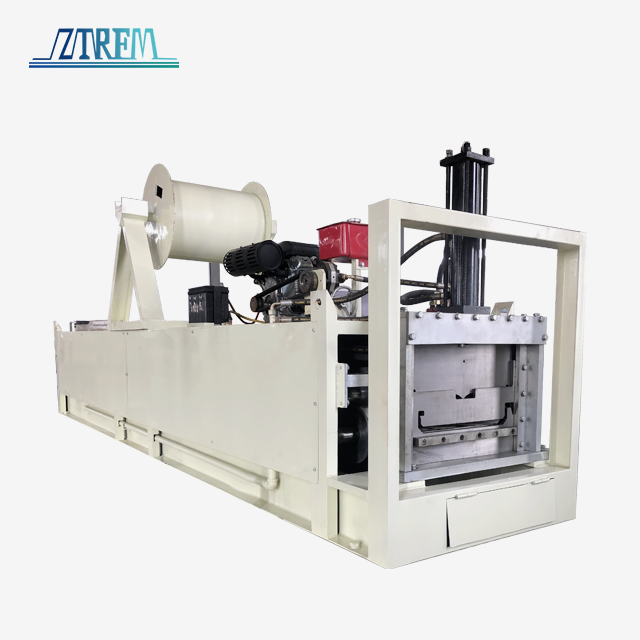
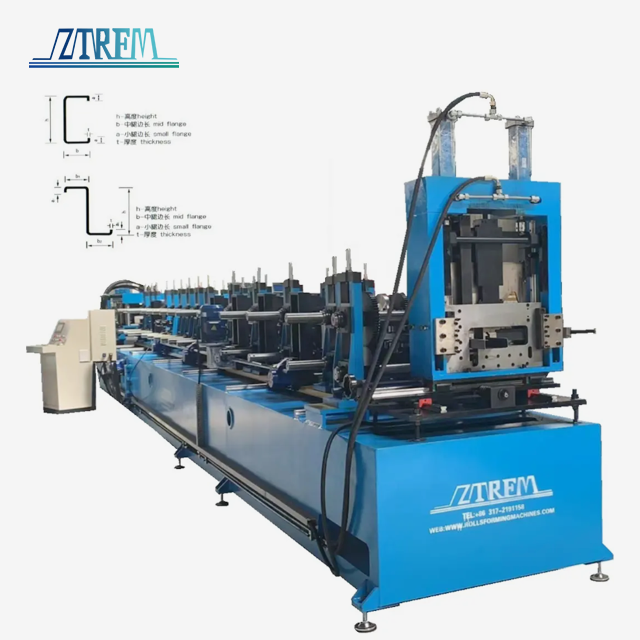
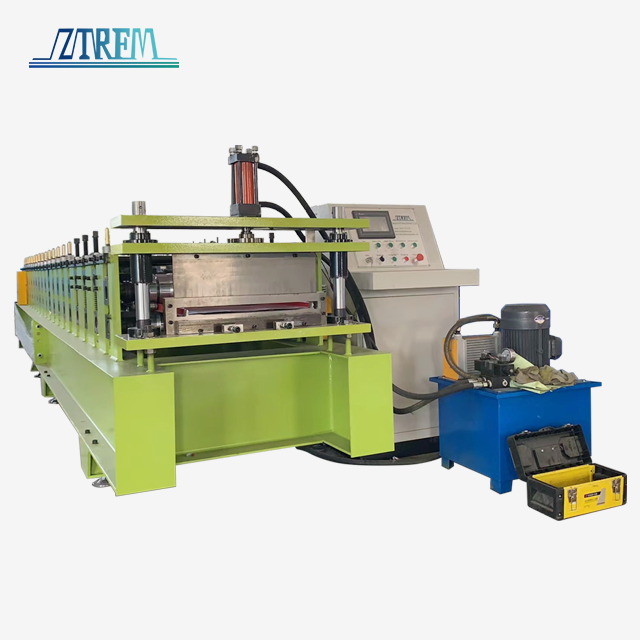
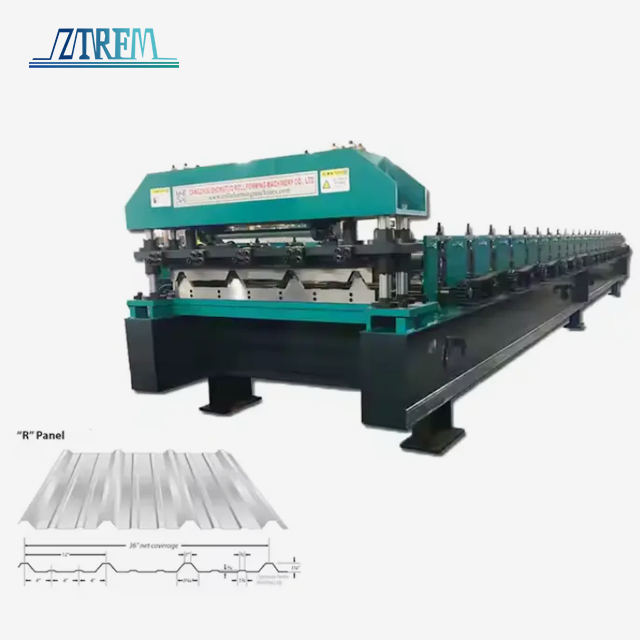
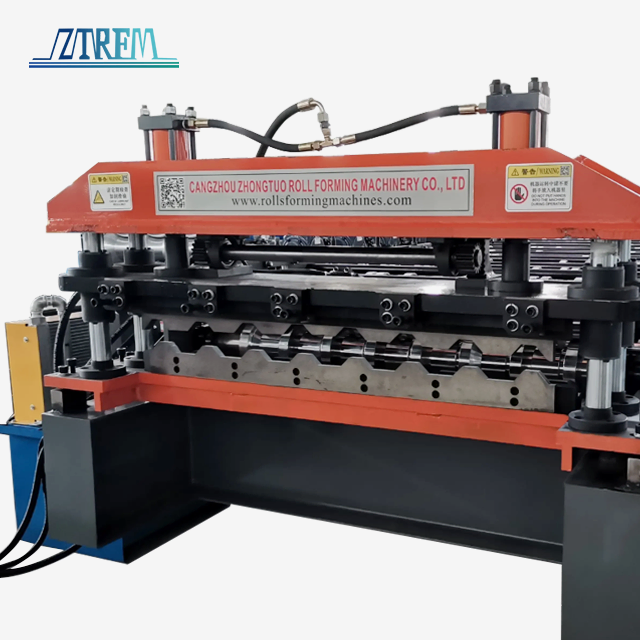
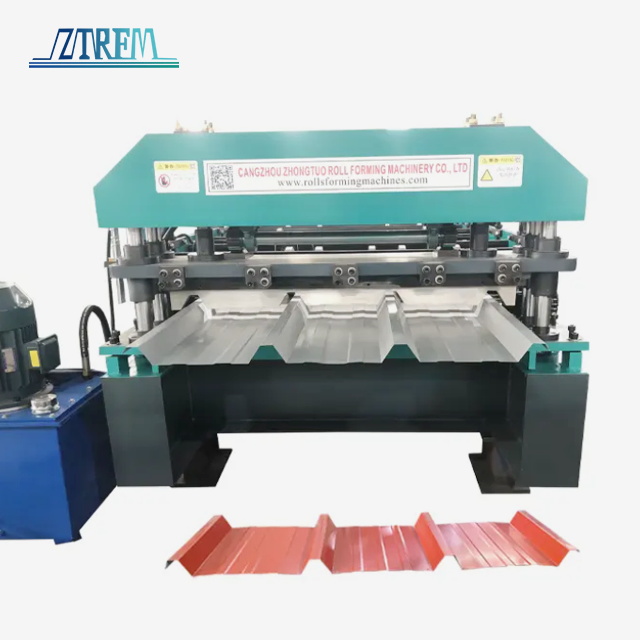
Choosing between the TR4 and TR5 double layer roll forming machine models has a big effect on the quality and speed of making car frame parts. TR4 systems usually have 16-station setups that work best for normal car profiles. TR5 machines, on the other hand, have better 18-station setups and more complex automation features. Both versions can work with materials like PPGI, galvanized steel, aluminum, and galvalume that are between 0.3 and 0.8 mm thick. They make precision-formed parts that are important for the structural integrity of vehicles. Manufacturers can choose equipment that meets their production volume and quality standards if they understand these basic differences.
Understanding TR4 and TR5 Double Layer Roll Forming Machines
Double layer roll forming technology changes the way car parts are made by using precision-engineered roller stations to treat multiple layers of material at the same time. These advanced systems have hydraulic decoiling mechanisms, strong main body frameworks, and complex driving systems that work together to make sure the quality of the output is always the same. The basic idea is to slowly shape metal sheets with a series of roller pairs, each of which is made to make certain geometric changes while keeping the material's integrity.
Modern automotive manufacturing demands exceptional precision and repeatability from forming equipment. TR4 and TR5 machines address these requirements through different approaches to roller station configuration and automation integration. Both systems utilize 80mm solid shaft construction with 45# steel rollers featuring hard chrome plating for extended service life. The substantial 350 H-steel machine body framework provides stability during high-speed operation, while chain transmission systems deliver reliable power distribution across all forming stations.
Material compatibility includes common choices including pre-painted galvanized steel, galvanized iron, aluminum alloys, and galvalume coatings. Width parameters allow for profiles of 1000mm and 1250mm, depending on the needs of the specific component. This makes them useful for a wide range of automotive applications.

Key Technical Differences Between TR4 and TR5 Machines
Technical specifications distinguish the TR4 and TR5 double layer roll forming machine models through roller station quantity, automation sophistication, and production capacity optimization. These differences directly influence manufacturing flexibility, throughput rates, and operational complexity.
The primary technical variations between these roll forming systems include several critical aspects that affect production outcomes:
- Roller Station Configuration: TR4 systems typically incorporate 16 forming stations, providing sufficient complexity for standard automotive profiles while maintaining operational simplicity. TR5 machines feature 18 stations, enabling more intricate profile geometries and enhanced forming precision through additional incremental shaping steps.
- Control System Integration: TR5 models often include advanced programmable logic controllers with touchscreen interfaces, facilitating rapid changeover between different profile specifications. TR4 systems utilize reliable but less sophisticated control mechanisms suitable for consistent production runs.
- Production Speed Capabilities: Enhanced roller station quantity in TR5 machines enables higher throughput rates while maintaining dimensional accuracy. The additional forming stages distribute shaping stress more evenly, reducing material work hardening and enabling faster line speeds.
- Automation Level: TR5 systems frequently incorporate automated measurement and adjustment capabilities, minimizing manual intervention requirements. TR4 machines rely more heavily on operator skill and experience for optimal performance.
These technical distinctions create distinct operational profiles suited to different manufacturing environments. TR5 machines excel in high-volume production scenarios requiring frequent profile changes, while TR4 systems provide cost-effective solutions for stable production requirements.

Application Scenarios and Suitability for Automotive Frame Components
The requirements for automotive frame components are very different depending on the type of vehicle, the number of vehicles being made, and the quality standards. Manufacturers can choose the right TR4 and TR5 machines for their purposes provided they know when to use them best.
When it comes to making medium-sized automobile parts, TR4 double layer roll forming machines work very well. When making structural parts like door frames, window channels, and reinforcement brackets that need to have constant geometry and guaranteed dimensional accuracy, these technologies work well. The 16-station setup is complicated enough for most conventional automotive profiles, but it's also simple enough for manufacturers with modest technical resources to use.
TR4 systems are generally perfect for the needs of manufacturing plants that make 500 to 2,000 parts every day. When changes are rare, like when production schedules vary every week or month, the machines do a good job of handling profile changes. Standard facility technical staff can still handle maintenance tasks, which lowers operational costs and training needed for specialized workers.
TR5 machines are made for high-volume automotive manufacturing settings that need a lot of flexibility and the ability to adjust quickly. These solutions are very useful for factories that make more than one type of car at a time or for manufacturers who work with a wide range of automotive clients with different component standards. The 18-station setup makes it feasible to create complex cross-sectional geometries that aren't conceivable with fewer forming stages. This greatly increases the number of possible uses for the components.
Automotive companies that process more than 3,000 parts every day benefit from the automation and throughput capabilities of the TR5 system. Advanced control systems make it easy to switch between profiles quickly, which cuts down on downtime between production runs and increases the amount of time equipment is used.

Comparative Analysis: TR4 vs TR5 Double Layer Roll Forming Machines
Investment decisions between the TR4 and TR5 double layer roll forming machine models require comprehensive evaluation of initial costs, operational expenses, and long-term return potential. This analysis examines critical factors influencing equipment selection and financial performance.
Initial capital requirements differ substantially between TR4 and TR5 systems. TR4 machines typically cost 20-30% less than comparable TR5 models, making them attractive for manufacturers with constrained capital budgets or uncertain production volume projections. The reduced station count and simplified control systems contribute to lower manufacturing costs and streamlined assembly processes.
Operating expense comparisons reveal nuanced differences affecting long-term ownership costs. TR5 machines often demonstrate superior energy efficiency per component produced, offsetting higher initial investments through reduced utility costs. Advanced automation reduces labor requirements, particularly for facilities operating multiple shifts or experiencing skilled operator shortages.
Maintenance considerations favor different models depending on facility capabilities and service requirements. TR4 systems utilize proven mechanical components with straightforward troubleshooting procedures accessible to general maintenance personnel. TR5 machines incorporate more sophisticated electronics requiring specialized technical knowledge but offering predictive maintenance capabilities reducing unexpected downtime.
Production flexibility advantages strongly favor TR5 systems in dynamic manufacturing environments. The ability to accommodate rapid profile changes and complex geometries provides competitive advantages when serving demanding automotive clients or pursuing diverse market opportunities.
Maintenance, Technical Support, and Training for TR4 and TR5 Machines
Effective maintenance strategies ensure optimal equipment performance, extended service life, and minimized production disruptions. Both TR4 and TR5 systems require systematic preventive maintenance programs tailored to their specific mechanical and electronic components.
Routine maintenance procedures include roller inspection and lubrication, drive system alignment verification, and hydraulic component service. TR4 machines benefit from simplified maintenance schedules focusing on mechanical systems requiring standard industrial maintenance tools and techniques. Monthly roller examination prevents premature wear while quarterly drive system service maintains optimal power transmission efficiency.
TR5 systems require additional electronic system maintenance including software updates, sensor calibration, and control system backup procedures. These requirements demand higher technical expertise but provide enhanced diagnostic capabilities facilitating proactive maintenance scheduling and component replacement planning.
Training programs ensure operators maximize equipment capabilities while maintaining safety standards and quality consistency. Comprehensive training covers machine operation, routine maintenance, troubleshooting procedures, and safety protocols. Advanced TR5 system training includes programming instruction for changeover procedures and automation feature utilization.
Technical support availability influences equipment selection decisions, particularly for manufacturers lacking extensive in-house technical capabilities. Responsive technical assistance minimizes downtime costs while ensuring optimal equipment performance throughout service life.

Conclusion
Selecting between TR4 and TR5 double layer roll forming machines requires careful consideration of production requirements, operational capabilities, and long-term strategic goals. TR4 systems provide cost-effective solutions for stable medium-volume production, while TR5 machines deliver advanced automation and flexibility for demanding high-volume applications. Both options process automotive-grade materials with exceptional precision, supporting diverse component geometries essential for modern vehicle manufacturing. Success depends on matching equipment capabilities with specific operational needs, ensuring optimal return on investment while maintaining quality standards and production efficiency.
Frequently Asked Questions
Q1: Which machine configuration provides better value for small automotive component manufacturers?
A: TR4 systems typically offer superior value for small manufacturers due to lower initial investment requirements and simplified operation. The 16-station configuration handles most standard automotive profiles effectively while maintaining manageable maintenance requirements and operational complexity suitable for facilities with limited technical resources.
Q2: How do energy consumption patterns differ between TR4 and TR5 machines?
A: TR5 machines often demonstrate better energy efficiency per component produced despite higher overall power consumption. The additional forming stations distribute shaping forces more evenly, reducing peak power demands and enabling higher production speeds. TR4 systems consume less total energy but may require more energy per component in high-volume applications.
Q3: What factors determine optimal changeover frequency for different machine types?
A: Changeover frequency depends on production volume, component complexity, and automation level. TR5 machines handle frequent changeovers efficiently through advanced control systems, making them suitable for daily or even hourly profile changes. TR4 systems perform optimally with weekly or monthly changeover schedules, allowing maximum utilization of setup investments.
Partner with ZTRFM for Superior Roll Forming Solutions
ZTRFM stands as your trusted TR4 and TR5 double layer roll forming machine supplier, delivering cutting-edge solutions tailored to automotive manufacturing excellence. As a nationally recognized high-tech enterprise established in 2014, we combine innovative engineering with proven manufacturing expertise to create equipment that exceeds industry standards.
Our comprehensive service portfolio encompasses consultation, custom machine configuration, installation, and ongoing technical support. ISO9001, CE, and CAS certifications validate our commitment to quality excellence, while successful deployments across 150+ countries demonstrate global reliability and performance consistency. Whether you require TR4 systems for cost-effective medium-volume production or TR5 machines for high-volume flexibility, our engineering team develops solutions matching your exact specifications.
Transform your automotive component manufacturing capabilities with ZTRFM's advanced roll forming technology. Our experienced technical specialists provide detailed consultations to identify optimal equipment configurations for your specific production requirements. Contact us at coo@zhongtuocn.com to discuss your project needs and discover how our TR4 and TR5 double layer roll forming machines can enhance your manufacturing operations. Visit rollformingmachinemanufacturer.com for comprehensive product information and technical specifications.
References
1. Smith, John A. "Advanced Roll Forming Technologies in Automotive Manufacturing." Journal of Industrial Manufacturing, vol. 45, no. 3, 2023, pp. 123-145.
2. Chen, Wei and Rodriguez, Maria. "Comparative Analysis of Multi-Station Roll Forming Equipment." International Conference on Metal Forming Processes, 2023, pp. 78-92.
3. Thompson, Robert K. "Cost-Benefit Analysis of Automated Roll Forming Systems." Manufacturing Engineering Quarterly, vol. 28, no. 2, 2023, pp. 201-218.
4. Anderson, Lisa M. "Quality Control in Automotive Component Roll Forming." Society of Manufacturing Engineers Handbook, 15th edition, 2023, pp. 456-478.
5. Williams, David P. "Energy Efficiency in Modern Roll Forming Equipment." Industrial Energy Management, vol. 32, no. 4, 2023, pp. 89-104.
6. Kumar, Pradeep and Johnson, Sarah. "Maintenance Strategies for High-Volume Roll Forming Operations." Production Management Review, vol. 19, no. 1, 2023, pp. 34-51.