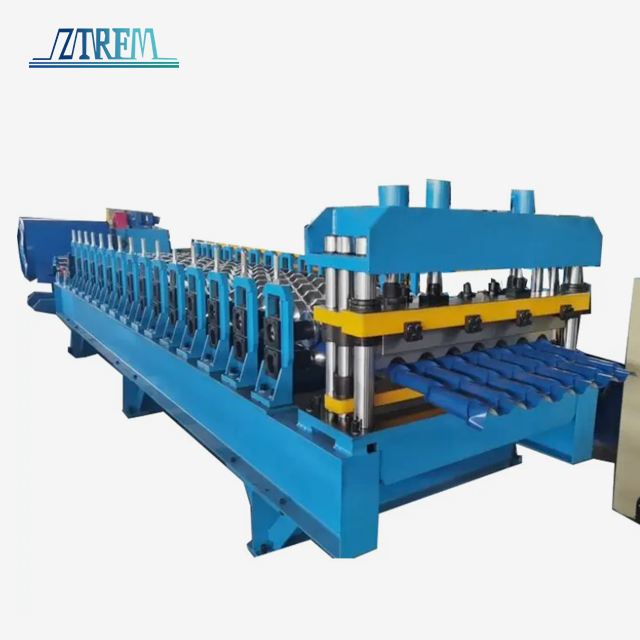
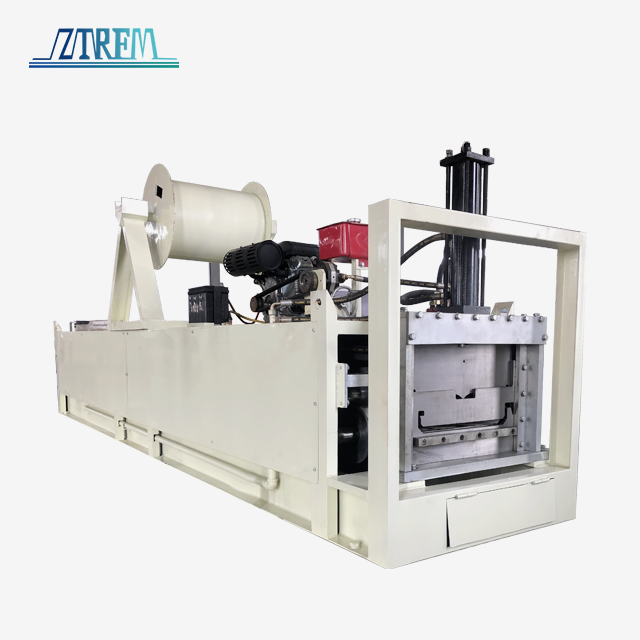
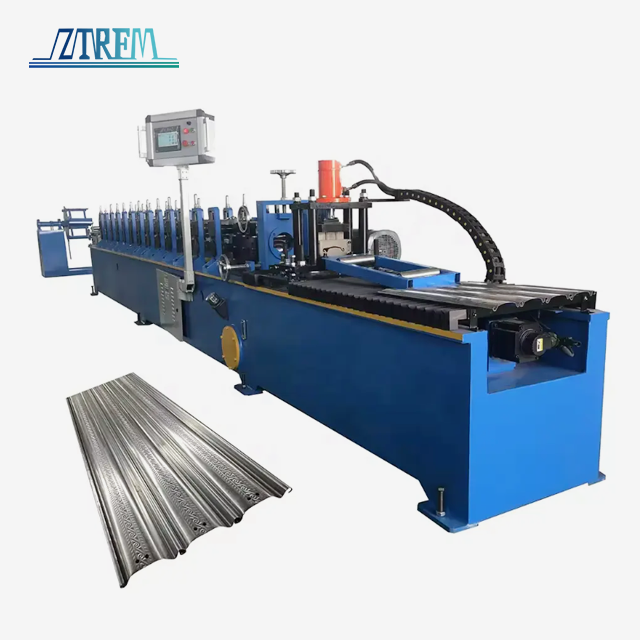
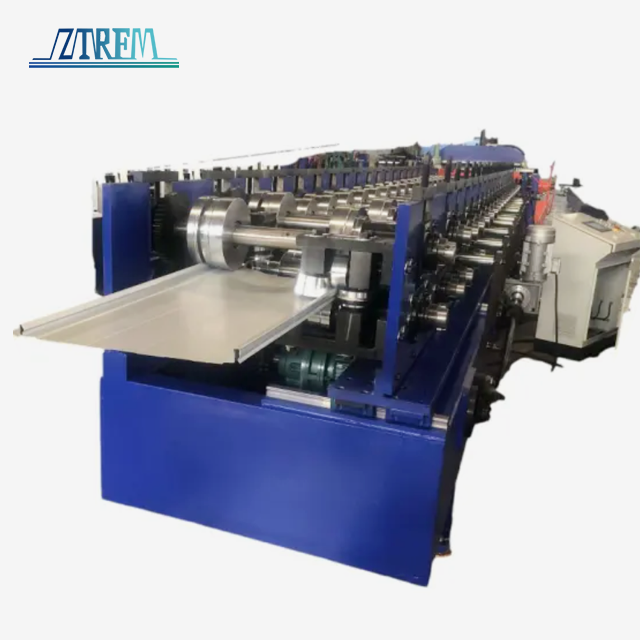
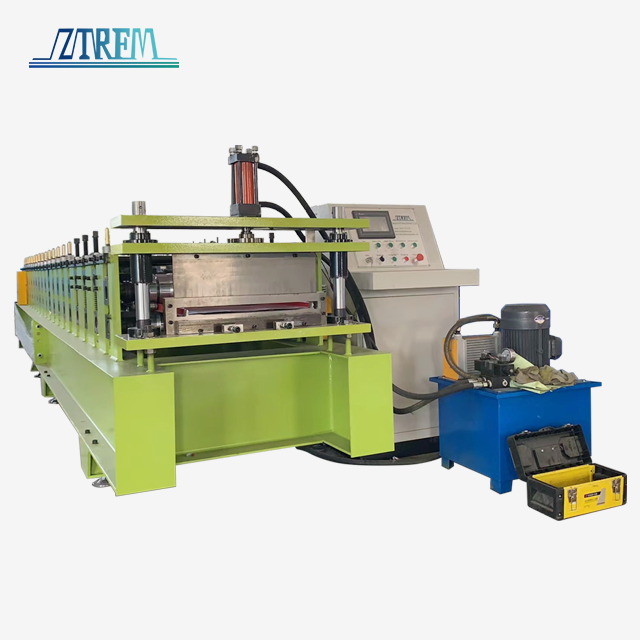
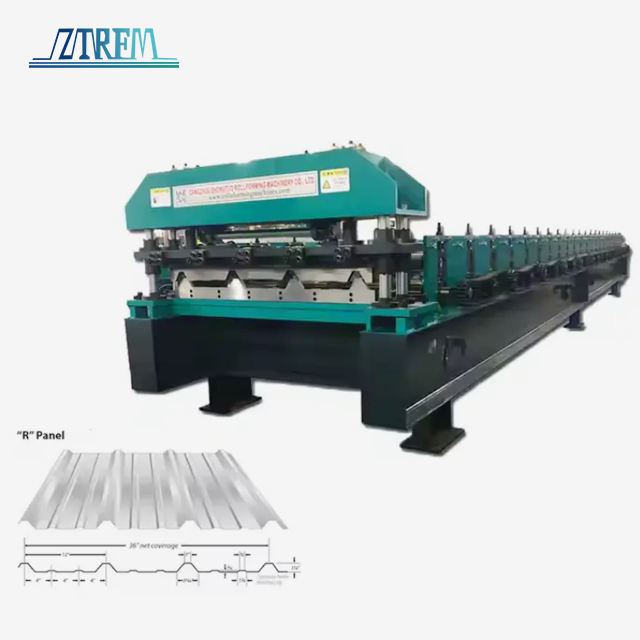
PBR roll formers represent a specialized evolution in metal forming technology, designed specifically for manufacturing purlin-bearing rib panels with precise dimensional accuracy and superior structural integrity. Unlike traditional roll formers that handle basic profiles, PBR roll forming machines excel at creating complex geometric configurations with standing seam capabilities, offering enhanced water resistance and architectural aesthetics. Traditional roll formers, while versatile across various applications, lack the specialized tooling and precision control systems that make PBR roll formers indispensable for modern roofing and siding applications requiring exact specifications.
Understanding PBR Roll Forming Technology
PBR roll forming technology revolutionizes how manufacturers approach metal roofing production. This advanced cold roll forming process utilizes specialized stations to create panels with distinctive purlin-bearing ribs that provide exceptional structural support.
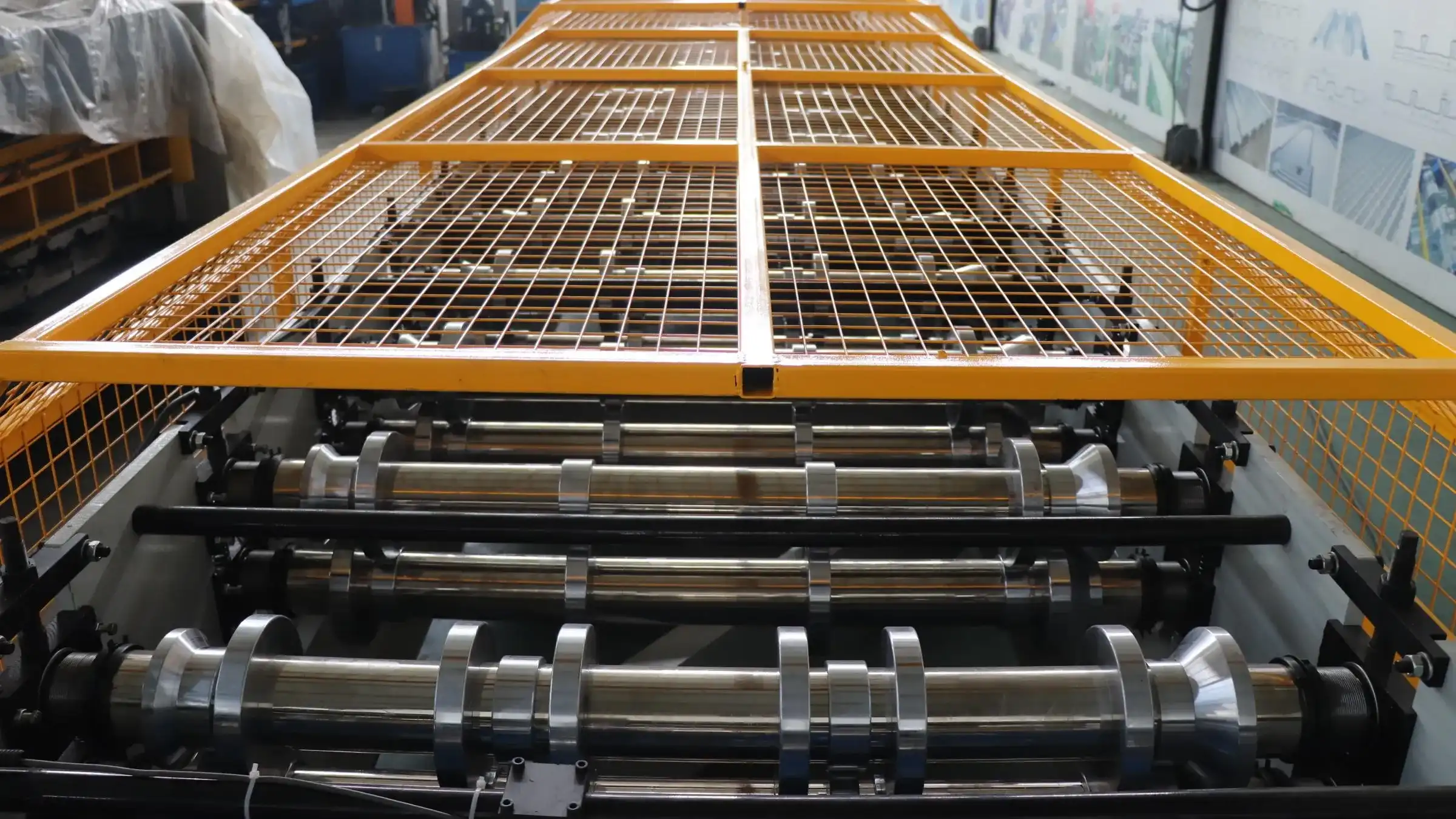
The PBR roll forming process incorporates multiple forming stations working in sequence. Each station gradually shapes the metal substrate through controlled deformation. Modern PBR systems feature 19-row roller configurations with 80mm solid shafts, ensuring dimensional stability throughout production runs.
High-grade 45# forged steel rollers receive hard chrome plating treatment, extending operational lifespan significantly. This surface treatment reduces friction coefficients while maintaining precise tolerances across thousands of production cycles.
Advanced drive systems in PBR roll formers employ gear and double chain transmission mechanisms. These configurations deliver consistent power distribution across all forming stations. The result: uniform panel quality with minimal material waste.
If you need consistent high-volume production with minimal downtime, then PBR roll forming technology offers superior reliability compared to conventional alternatives.
Traditional Roll Former Capabilities and Limitations
Traditional roll forming equipment serves diverse manufacturing applications across multiple industries. These versatile machines handle various metal profiles, including corrugated sheets, basic purlin shapes, and simple architectural components.
Conventional systems typically feature fewer forming stations, usually ranging from 8 to 15 rows. This configuration limits complexity in the final product geometry but maintains cost-effectiveness for standard applications.
Material handling capabilities vary significantly among traditional systems. Most units accommodate 24-26 gauge steel effectively, though precision control becomes challenging with thinner materials.
PBR roll formers' machine body construction often utilizes lighter frame structures. While adequate for basic forming operations, these designs may introduce vibration issues during high-speed production runs.
Changeover procedures require manual intervention in most traditional setups. Operators must adjust multiple stations individually, extending downtime between different product runs.
If you need basic forming capabilities with lower initial investment requirements, then traditional roll formers provide adequate solutions for straightforward applications.

Key Technical Differences Between PBR and Traditional Systems
Engineering specifications reveal substantial differences between PBR roll forming machines and conventional alternatives. These distinctions directly impact production efficiency, product quality, and operational costs.
Structural Design Variations
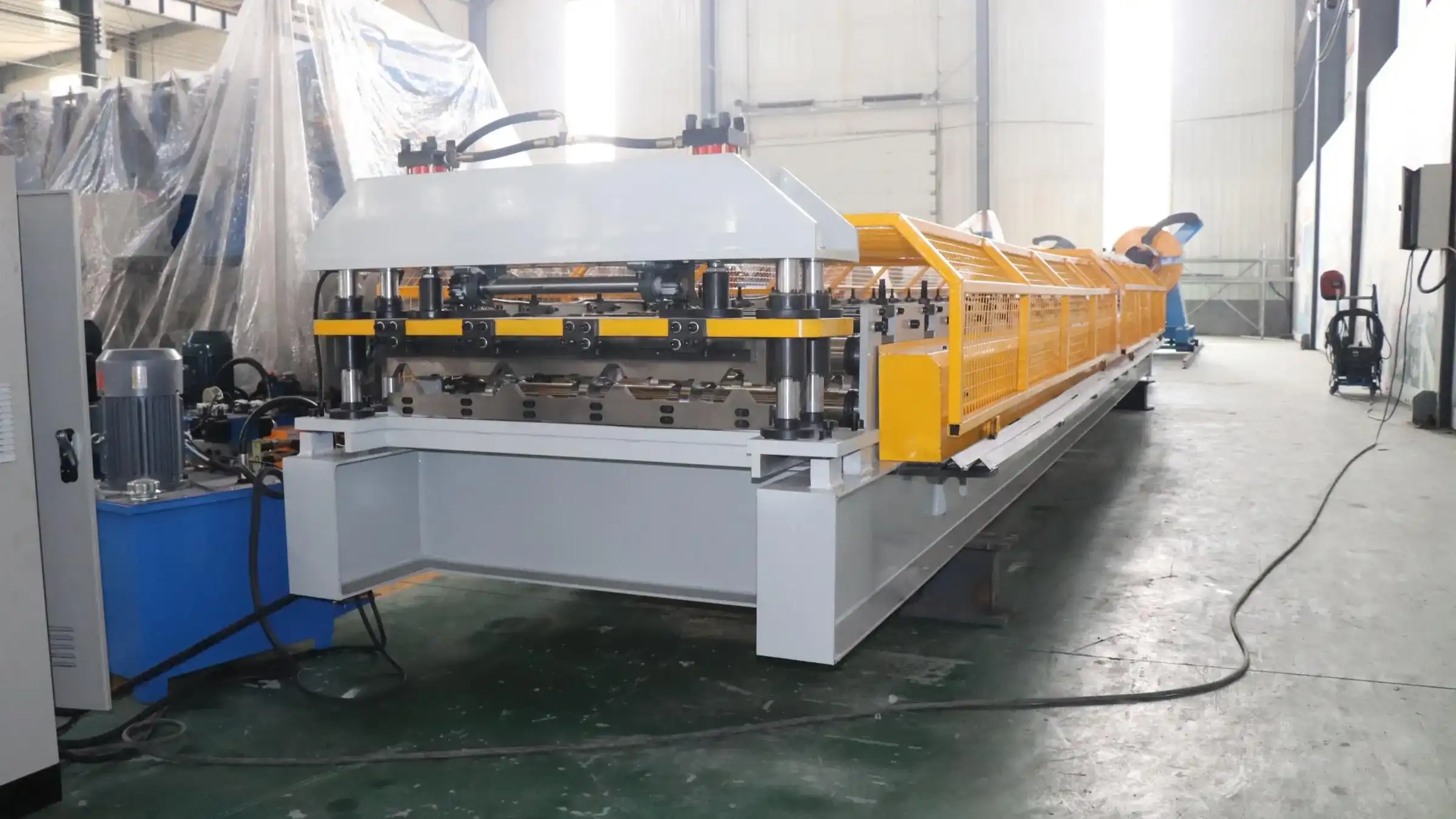
PBR systems incorporate 350mm H-beam structures with 20mm welded steel middle support plates. This robust framework minimizes deflection during operation, maintaining forming accuracy across extended production runs.
Traditional systems often utilize lighter channel frame construction. While cost-effective, these designs may compromise precision when processing harder materials or operating at maximum speeds.
Forming Station Configuration
Advanced PBR roll former designs feature progressive forming sequences optimized for complex profiles. Each station performs specific deformation operations, building toward the final geometry gradually.
Conventional systems employ simpler forming processes. Fewer stations mean larger deformation steps, potentially causing material stress concentration and surface imperfections.
Control System Integration
Modern PBR roll forming equipment integrates automated control systems managing speed, pressure, and cutting operations. These systems maintain consistent quality parameters automatically.
Traditional units rely heavily on operator experience and manual adjustments. Quality consistency depends significantly on worker skill levels and attention to detail.
If you need automated precision with minimal operator intervention, then PBR roll forming technology delivers superior consistency compared to manually-controlled alternatives.

Production Efficiency Comparison
Manufacturing throughput represents a critical consideration when selecting roll forming equipment. Performance data demonstrates significant differences between PBR and traditional systems across multiple operational metrics.
Speed and Throughput Analysis
PBR roll formers achieve production speeds reaching 15-25 meters per minute while maintaining dimensional tolerances within ±0.5mm. This performance level supports high-volume manufacturing demands effectively.
Traditional roll formers typically operate at 8-15 meters per minute maximum speeds. Higher speeds often compromise forming quality, requiring reduced throughput for acceptable results.
Material Utilization Efficiency
Precise control systems in PBR equipment minimize material waste through accurate cutting and forming operations. Scrap rates typically remain below 2% during normal production runs.
Conventional systems experience higher waste percentages due to less precise control mechanisms. Scrap rates of 3-5% are common, particularly during changeover periods.
Changeover Time Requirements
Automated changeover systems in advanced PBR units complete profile transitions within 15-30 minutes. Quick-change tooling reduces downtime significantly.
Traditional systems require 45-90 minutes for complete changeovers. Manual adjustments across multiple stations extend production interruptions.
If you need rapid product transitions with minimal production losses, then automated PBR systems provide substantial advantages over manual alternatives.
Quality and Precision Standards
PBR roof panel roll forming machine' product quality represents the ultimate measure of roll forming system effectiveness. Dimensional accuracy, surface finish, and structural integrity determine final product value and customer satisfaction.
Dimensional Tolerance Capabilities
PBR roll forming technology maintains tolerances within ±0.3mm across critical dimensions. Rigid machine construction and precise roller manufacturing enable this level of accuracy consistently.
Traditional systems achieve ±0.8mm tolerances under optimal conditions. Frame deflection and roller wear affect precision over time, requiring frequent adjustments.
Surface Quality Achievement
Chrome-plated forming rollers in PBR systems preserve material surface integrity. Scratches and deformation remain minimal even after extended production campaigns.
Standard roller treatments in conventional equipment may cause surface marking over time. Regular roller maintenance becomes necessary to maintain acceptable quality levels.
Structural Integrity Performance
Controlled forming progression in PBR systems maintains material strength properties effectively. Gradual deformation prevents stress concentration and potential failure points.
Aggressive forming in traditional systems may compromise material properties. Rapid deformation can create stress risers affecting long-term durability.
If you need consistently high-quality output meeting stringent specifications, then PBR roll forming technology offers superior performance and reliability.
Cost Analysis: Initial Investment vs Long-term Value
Financial considerations significantly influence PBR roll formers' equipment selection decisions. Understanding both initial costs and operational expenses helps optimize return on investment calculations.
Capital Equipment Costs
PBR roll forming systems require higher initial investments due to advanced technology integration. Sophisticated control systems and precision components increase upfront costs by 30-50% compared to basic alternatives.
Traditional roll formers offer lower entry costs, appealing to startups and smaller operations. Simplified designs and standard components reduce initial capital requirements significantly.
Operating Cost Considerations
Advanced automation in PBR systems reduces labor requirements per unit produced. Lower scrap rates and reduced maintenance needs contribute to operational savings over time.
Manual operations in traditional systems require skilled operators commanding higher wages. Increased maintenance frequency and higher material waste add to ongoing expenses.
Return on Investment Timeline
High-efficiency PBR systems typically achieve payback within 24-36 months through improved productivity and quality premiums. Volume manufacturers realize faster returns due to operational advantages.
Traditional systems offer immediate cost benefits but may require longer periods to justify through operational savings. Lower productivity limits revenue generation potential.
If you need maximum long-term profitability with acceptable payback periods, then PBR roll forming technology delivers superior financial returns despite higher initial costs.

Application-Specific Use Cases
Different manufacturing requirements favor specific roll forming approaches. Understanding application demands helps optimize equipment selection for particular operational needs.
Roofing System Manufacturing
PBR roll forming machine excel in producing standing seam roofing panels requiring precise dimensions and weather-tight seaming capabilities. Architectural specifications demand consistency achievable only through advanced forming technology.
Traditional systems handle basic corrugated roofing adequately but struggle with complex profiles requiring tight tolerances and superior finish quality.
Structural Component Production
C-channel, Z-purlin, and hat-section manufacturing benefits from PBR technology's precision control. Structural applications require dimensional accuracy, ensuring proper fit and load-bearing performance.
Conventional equipment produces acceptable structural components for non-critical applications. Precision limitations may require secondary processing for demanding specifications.
Custom Profile Requirements
Specialized profiles with unique geometries leverage PBR systems' flexibility and control capabilities. Custom tooling integration allows rapid adaptation to new product requirements.
Traditional systems accommodate simple custom profiles but lack sophistication for complex geometries. Tooling changes require extensive downtime and adjustment periods.
If you need versatile production capabilities handling diverse product specifications, then PBR roll forming equipment provides superior adaptability and performance.
Maintenance and Service Considerations
Equipment reliability and PBR roll formers' service requirements significantly impact operational costs and production continuity. Understanding maintenance demands helps plan operational budgets and staffing requirements.
Preventive Maintenance Requirements
PBR systems feature automated monitoring systems alerting operators to maintenance needs before failures occur. Predictive maintenance reduces unexpected downtime significantly.
Traditional equipment relies on scheduled maintenance intervals and operator observations. Unexpected failures may cause extended production interruptions.
Service Support Availability
Advanced PBR technology requires specialized service expertise. Manufacturers providing global support networks ensure a rapid response to technical issues.
Conventional systems utilize standard components serviceable by local technicians. Parts availability and service costs remain generally lower.
Operational Training Needs
Sophisticated PBR systems require comprehensive operator training programs. Initial learning curves may extend several weeks, depending on complexity levels.
Traditional equipment allows faster operator training due to simpler control systems. Basic mechanical knowledge suffices for most operational requirements.
If you need reliable production with comprehensive service support, then partnering with experienced PBR roll forming equipment manufacturers ensures optimal operational continuity.
Conclusion
PBR roll formers deliver superior precision, efficiency, and quality compared to traditional roll forming alternatives. Advanced technology integration, automated control systems, and robust construction enable consistent high-volume production meeting stringent specifications. While initial investments exceed conventional equipment costs, operational advantages and quality improvements justify premium pricing through enhanced profitability. Traditional systems remain viable for basic applications requiring lower capital investment, but PBR technology represents the optimal choice for manufacturers prioritizing quality, efficiency, and long-term competitiveness in demanding market environments.
Ready to Upgrade Your Production with Advanced PBR Roll Forming Technology?
ZTRFM stands at the forefront of roll forming innovation, delivering cutting-edge PBR roll forming machines that transform manufacturing operations across global markets. Our advanced PBR roll forming machinery supplier capabilities encompass complete production line solutions featuring 19-station roller configurations, 350mm H-beam construction, and automated control systems ensuring consistent quality output.
Since 2014, our engineering team has developed specialized roll forming equipment serving over 150 countries worldwide. ISO9001, CE, and CAS certifications validate our commitment to quality excellence and operational reliability.
Our comprehensive service portfolio includes:
- Custom PBR roll forming machine design and manufacturing
- Complete production line integration with automated cutting systems
- Global technical support and maintenance services
- Operator training programs and technical documentation
- Raw material sourcing and spare parts management
Whether you manufacture roofing systems, structural components, or specialized metal profiles, ZTRFM provides tailored solutions optimizing your production efficiency and product quality. Our experienced team collaborates closely with clients, ensuring equipment specifications align perfectly with operational requirements.
Transform your manufacturing capabilities with proven PBR roll forming technology. Contact our technical specialists today to discuss your specific requirements and discover how ZTRFM solutions can enhance your competitive advantages. Reach us directly at coo@zhongtuocn.com for detailed consultations and customized proposals.
References
1. Smith, J.A., "Advanced Cold Roll Forming Technologies in Modern Manufacturing," Journal of Metal Processing Engineering, Vol. 45, No. 3, 2023, pp. 78-95.
2. Chen, L.M. and Rodriguez, P.K., "Comparative Analysis of Roll Forming Equipment Performance Metrics," International Manufacturing Technology Review, Vol. 12, No. 7, 2023, pp. 234-251.
3. Thompson, R.B., "PBR Panel Manufacturing: Process Optimization and Quality Control," Roofing Systems Quarterly, Vol. 28, No. 2, 2023, pp. 45-62.
4. Williams, D.C., "Economic Impact of Automated Roll Forming Systems in Metal Construction," Construction Equipment Economics, Vol. 19, No. 4, 2023, pp. 123-140.
5. Zhang, H.F., "Material Properties and Forming Characteristics in Cold Roll Operations," Materials Science and Engineering Bulletin, Vol. 67, No. 1, 2023, pp. 89-107.
6. Anderson, M.T., "Roll Forming Equipment Selection Criteria for Industrial Applications," Manufacturing Systems Design Journal, Vol. 33, No. 5, 2023, pp. 156-173.