- English
- French
- German
- Portuguese
- Spanish
- Russian
- Japanese
- Korean
- Arabic
- Irish
- Greek
- Turkish
- Italian
- Danish
- Romanian
- Indonesian
- Czech
- Afrikaans
- Swedish
- Polish
- Basque
- Catalan
- Esperanto
- Hindi
- Lao
- Albanian
- Amharic
- Armenian
- Azerbaijani
- Belarusian
- Bengali
- Bosnian
- Bulgarian
- Cebuano
- Chichewa
- Corsican
- Croatian
- Dutch
- Estonian
- Filipino
- Finnish
- Frisian
- Galician
- Georgian
- Gujarati
- Haitian
- Hausa
- Hawaiian
- Hebrew
- Hmong
- Hungarian
- Icelandic
- Igbo
- Javanese
- Kannada
- Kazakh
- Khmer
- Kurdish
- Kyrgyz
- Latin
- Latvian
- Lithuanian
- Luxembou..
- Macedonian
- Malagasy
- Malay
- Malayalam
- Maltese
- Maori
- Marathi
- Mongolian
- Burmese
- Nepali
- Norwegian
- Pashto
- Persian
- Punjabi
- Serbian
- Sesotho
- Sinhala
- Slovak
- Slovenian
- Somali
- Samoan
- Scots Gaelic
- Shona
- Sindhi
- Sundanese
- Swahili
- Tajik
- Tamil
- Telugu
- Thai
- Ukrainian
- Urdu
- Uzbek
- Vietnamese
- Welsh
- Xhosa
- Yiddish
- Yoruba
- Zulu
Materials suited for slitting machines: film, foil, paper, metal
When picking which materials to put through a slicing machine or slitting machine, it's very important to know how they work with each other. These days, slicing tools can quickly and correctly cut film, foil, paper, and metal. The machine works better, cuts better, and lasts longer with different types of materials because of their unique qualities. Choosing the right materials is the only way to get the best product and the best return on your machine expenses.
Understanding Slitting Machines and Suitable Materials
When slitting machines are used, they have very accurate cutting tools that cut big rolls of material into thinner pieces. These machines have complex blade systems, tension controls, and rewinding devices that are designed to work with different types of material. The main purpose is to keep the material feed rates steady while making clean, exact cuts in materials of different sizes and makeup.
Core Components and Their Impact on Material Processing
The blade arrangement is the most important part of any slicing job. Different blade setups are best for different types of material. Razor slicing blades work best with thin films and papers, while shear cutting systems work best with metals and hard foils that are heavier. Tension control systems make sure that the material is handled correctly during the cutting process. In this way, the item doesn't get creases, tears, or size differences that could lower its quality.
These days, slicing tools have strong control systems that change the settings for cutting automatically based on the material. These systems watch the material's thickness, hardness, and flexibility, and they make changes right away to keep the cutting conditions at their best. The material stays in place thanks to web controlling devices. This keeps it from moving around and causing cuts or waste at random.
Material Characteristics That Define Processing Success
Be careful when you work with film goods because they can bend. They might also be different sizes. There are different ways to cut polyester sheets, vinyl films, and stacked materials so that they don't stick together, make static electricity, or get hot. People can choose the best blades and cutting speeds for the job if they know these things.
The shiny surface and thin walls of foils can make them difficult to work with in some ways. Carefully cut mixed foil laminates, aluminum foil, and copper pieces so they don't bend or break. A lot of the time, you have to switch the cutting setting and blade type to get clean cuts in metal.
Boxes, rolled paper, and other types of paper need to be handled perfectly. Need help choosing a blade? Is it supposed to be wet? Which way are the threads going to end? It should be possible to cut treated paper with the same blade without breaking or losing its shape.
The thick and hard nature of some metals can make them hard to work with. Some metals, like iron and steel, are hard to cut through without strong tools. Carefully consider the heat you create as you cut. You need the right tools to cut more slowly and keep the metal cool in order to do this.
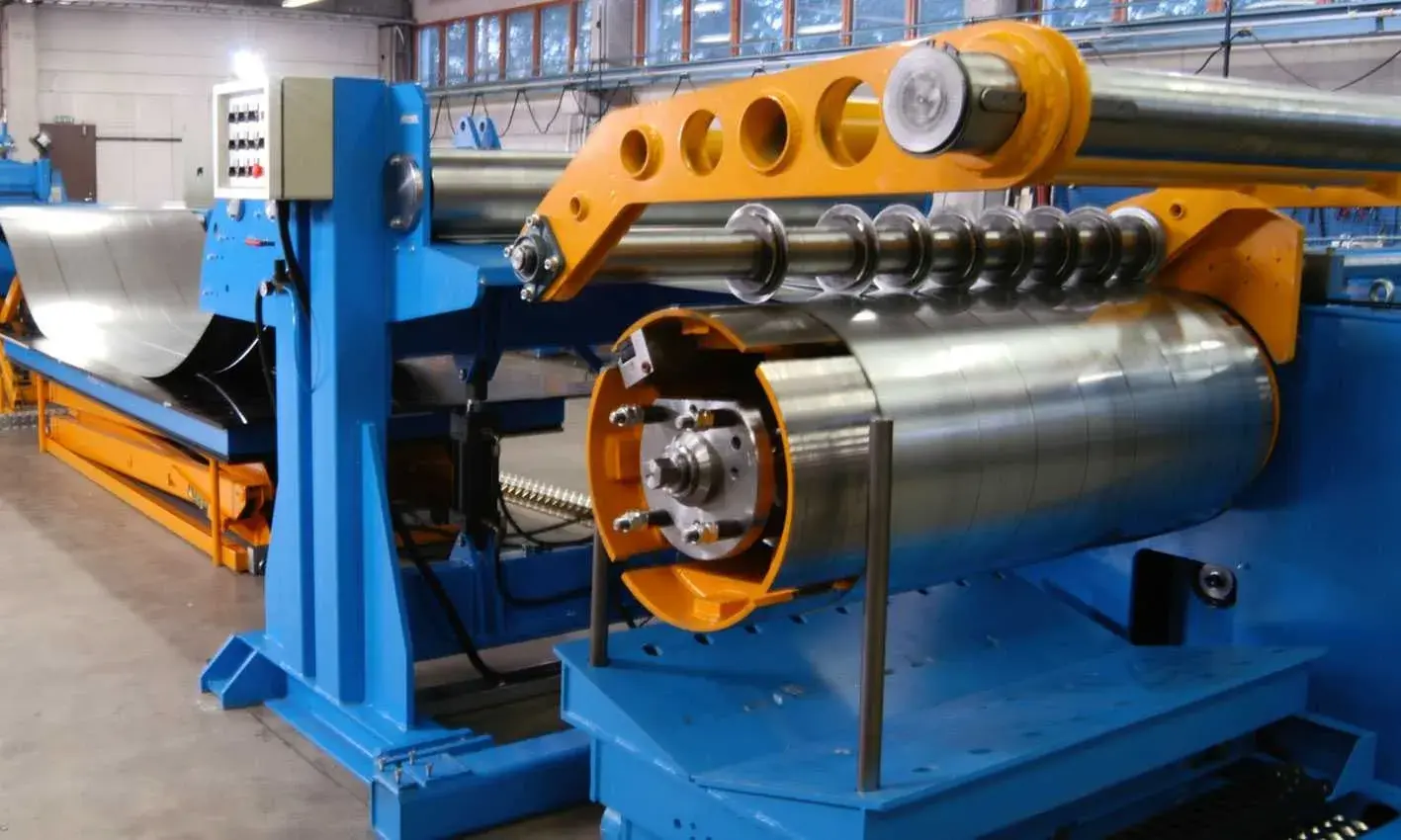
Dimensional Analysis of Materials Suited for Slitting Machines
The size of the material has a direct effect on the choice of slicing machine and slitting machine and their operating conditions. The right machine setup and handling abilities are determined by the different thicknesses, wide needs, and roll traits for good production outcomes.
Thickness Considerations Across Material Types
To cut films that are between 0.001 inches and 0.020 inches thick without twisting them, you need to use very little force and make sure the blade is set correctly. Sheets that are less than 0.005 inches thick are stiff and don't spread out well, which can make them hard to work with. For these things to work better, they need to be unwound with special tools and built in places where air flow can be managed.
Foils come in lengths between 0.0005 and 0.010 inches. Metal foil is the type that people use most often in their daily lives. It can be hard to make the sides look good and make metal parts stronger when the middle is small. This is important because the foil shouldn't tear or get rough around the edges. The blades should be very sharp.
Tissue sheets are only 0.002 inches wide, while thick boards are 0.030 inches wide. Because paper is stretchy, it cuts in different ways. Setting up the blades for cross-grain cutting is often different from setting up the blades for with-grain cutting. Coated papers are hard to use because they can come off and change how you cut.
What kind of metal it is and how strong it is determine how thick it can go through. With the right tools, you can work with steels like aluminum that are only 0.125 inches thick. For stronger things, though, it might need to be less than 0.060 inches thick. How big something is will show you how hard it is. This will have a direct effect on how well and how long a blade cuts.
Width and Roll Handling Specifications
The range of uses for a piece of slicing equipment is limited by its maximum working width. Industrial slicing tools can usually handle lengths between 6 inches and 120 inches, and some can handle materials that are even bigger. The link between the width and thickness of a material affects the choice of machine because thicker materials often need stronger structures to keep their cutting accuracy.
The roll width ability affects how well materials are moved and how flexible production can be. When it comes to high-volume uses, smaller rolls may not be as cost-effective because they need to be changed out more often. On the other hand, larger rolls can keep production going without stopping. When working with thick things like metals or papers, weight becomes very important when the rolls are bigger.
Flexibility and Tension Control Requirements
The flexibility of a material has a big effect on how a handling system is designed and how it works. To keep them from getting damaged during processing, rigid materials need strong support systems and controlled bending angles. Better tension control systems that can handle changing elastic qualities during the cutting process are good for materials that are flexible.
Controlling tension is especially important when working with materials that stretch in different ways. A lot of the time, films and foils behave in a stretchy way that needs dynamic tension adjustment to keep the cutting quality stable. Papers don't stretch as much as other materials, but they still need to be carefully managed to keep them from tearing or changing shape.

Comparing Different Types of Slitting Machines for Material Suitability
Different types of slicing machines are better for different types of materials and product needs. You can pick tools that will help your process go more easily and give you better results if you know these differences.
Manual vs. Automatic Slitting Systems
For low-volume jobs and making prototypes, manual slicing tools are a cost-effective option. These methods give you the most options for trying out different materials and making custom cuts. However, human tasks slow down output and may cause differences in quality compared to automatic options.
Semi-automatic systems combine cutting and moving materials by hand, making them more consistent while still allowing for working freedom. These setups work well for medium-volume tasks where the cost of fully automating may not be worth it. The steps for switching between materials are still pretty easy, and the accuracy of the measurements is better than with fully manual methods.
When making a lot of things, fully automatic slicing tools are the most efficient and consistent way to do things. These systems combine cutting, rewinding, and sending materials automatically, with little help from a user. Adaptive control features in more advanced automatic systems make the cutting settings the best based on the real-time conditions of the material.
Razor Slitting vs. Shear Cutting Technologies
When you slice with a razor, the very sharp edges cut through the material by putting all of the pressure on one spot. Sticky things like films, papers, and other thin, bendy things work best with this technology because it cuts them cleanly with little damage. The blades in razor systems need to be placed correctly and sharpened often so that they keep cutting well.
It's kind of like how knives work: two blades work together to cut through material by drawing opposite forces on it. As well as metals and heavy papers, this technology works well with other thick, hard things. Shear cutting systems generally have blades that last longer and don't change how sharp they are as easily as razor cutting systems.
The type of material and quality standards play a big role in deciding between knife and blade cutting. Razor slitting is usually the best way to cut thin materials, while shear cutting is usually best for cutting thick or hard materials. Some high-tech tools use both technologies to handle different types of materials in one system.
Specialized Equipment for Specific Applications
Rewinding slitters combine cutting and rewinding tasks into a single pass, which makes them more efficient for tasks that need specific roll shapes. These tools are great for working with materials like wrapping films and industrial tapes that need to be rewound right away after being cut.
Turret rewinders can keep working because they can automatically switch between rolls. These systems keep production going by moving from one place to another for winding without stopping the cutting process. Turret systems work especially well in high-volume settings where production stops have a big effect on efficiency.
Score cutting makes controlled weak spots in materials that don't separate completely. This makes it easy to separate by hand during later steps. A slitting machine with this technology works well with films and papers that don't need to be cut all the way through. To get uniform separate features, score cutting needs precise depth control.

Industrial Applications and Benefits of Slitting Machines for Different Materials
Slitting technology serves diverse industries through specialized material processing capabilities that enhance manufacturing efficiency and product quality. Understanding these applications helps identify opportunities for implementing slitting solutions within specific production environments.
Packaging Industry Applications
The packaging industry represents one of the largest consumers of slitting technology, processing films, papers, and foils for diverse packaging applications. Plastic films require precise slitting to create packaging materials with consistent dimensions and clean edges that facilitate downstream processing operations.
Flexible packaging applications often involve multi-layer materials that combine different film types with varying properties. These materials challenge slitting operations through potential delamination concerns and varying cutting characteristics across different layers. Successful processing requires careful parameter optimization and specialized blade configurations.
Aluminum foil processing for packaging applications demands exceptional edge quality to prevent contamination and ensure proper sealing characteristics. The combination of thin cross-sections and metallic properties requires precise cutting parameters and specialized handling systems to maintain material integrity throughout processing.
Automotive and Electronics Industries
Automotive applications increasingly utilize slitting technology for processing specialty films and metallic materials used in component manufacturing. EMI shielding materials, gaskets, and insulation components often require precise dimensional control that slitting operations provide effectively.
Electronics manufacturing relies heavily on slitting technology for processing flexible circuit materials, insulation films, and metallic foils used in component assembly. These applications often require extremely tight dimensional tolerances and contamination-free processing environments to meet industry quality standards.
The growing electric vehicle market creates new opportunities for slitting applications in battery separator films and thermal management materials. These specialized materials often exhibit unique properties that require customized slitting approaches and specialized handling systems.
Construction and Industrial Applications
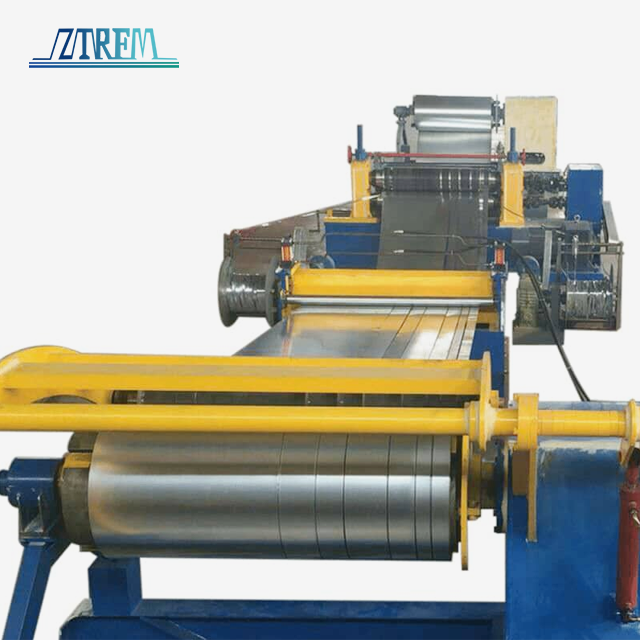
Metal slitting serves the construction industry through the processing of roofing materials, siding panels, and structural components. These applications often involve thicker materials that require robust cutting systems and enhanced safety considerations due to sharp edges and material handling challenges.
Industrial applications encompass diverse material processing requirements ranging from filtration media to specialty papers used in manufacturing operations. The variety of materials and specifications requires flexible slitting systems capable of handling multiple material types with quick changeover capabilities.
Here are the key benefits that slitting technology delivers across these industrial applications:
- Enhanced Production Speed: Modern slitting machines process materials at speeds exceeding 2,000 feet per minute, significantly improving throughput compared to alternative cutting methods while maintaining dimensional accuracy and edge quality standards.
- Precise Dimensional Control: Advanced slitting systems achieve tolerances within ±0.005 inches across material widths up to 120 inches, enabling consistent product dimensions that meet demanding application requirements and reduce downstream processing variations.
- Reduced Material Waste: Optimized cutting patterns and precise blade positioning minimize trim waste, with well-designed slitting operations achieving material utilization rates exceeding 95% while maintaining quality standards and reducing raw material costs.
- Cost-Effective Processing: Automated slitting operations reduce labor requirements while improving consistency, with typical payback periods ranging from 12 to 24 months depending on production volumes and material costs.
These benefits translate directly into improved manufacturing efficiency and enhanced competitiveness across diverse industrial applications.
Maintenance and Safety Considerations
Proper maintenance practices ensure consistent slitting performance and extend equipment life while maintaining safe operating conditions. Regular blade inspection and replacement schedules prevent quality degradation and reduce the risk of catastrophic blade failure during operations.
Safety protocols become particularly important when processing metallic materials due to sharp edges and the potential for injury during material handling operations. Proper training programs and safety equipment help minimize accident risks while maintaining productive operations.
Preventive maintenance schedules should address blade condition, tension system calibration, and control system functionality. Regular maintenance intervals help identify potential problems before they impact production quality or create safety hazards for operating personnel.

How to Choose the Right Slitting Machine Based on Material and Business Needs?
To choose the right slicing tools, you need to carefully consider the properties of the material, the amount of output needed, and the limitations of the slitting machine process. This way of making decisions has a big effect on the long-term success and return on investment of industry.
Material-Specific Selection Criteria
The width of the material is one of the main selection criteria that directly affects how the machine is set up and what its capabilities must be. Thin films less than 0.010 inches usually need precision razor slicing systems that can handle webs better, while thicker materials might need shear cutting systems that can cut with more force.
The width of the material determines the size and structure of the machine that is needed for processing. To keep the cutting quality the same across the whole width of a wide material, it needs to be harder and more precise. On the other hand, narrow materials may allow for smaller equipment setups with lower initial costs.
Expectations about processing speed affect how machines are built and how complex their control systems are. To keep quality at high working speeds, high-speed applications need sophisticated web handling systems and accurate tension control. Lower speed needs might make it possible to set up tools in a way that is easier and costs less.
Production Volume and Efficiency Factors
How much is produced each year has a direct effect on the choice of tools and the amount of technology needed. For applications with a lot of work, it's worth spending money on fully automated systems with lots of advanced features. For applications with less work, human or semi-automatic setups may work just fine.
Equipment design goals are affected by how often materials are changed. Systems that are easy to set up and fix are favored when materials change often. Applications that don't switch very often may put maximum efficiency ahead of ease of changeover.
Quality standards affect how precise the tools need to be and how complex the control system needs to be. Premium equipment setups are needed for jobs that need very tight specs and high-quality edges, while basic systems can be used for jobs that aren't as strict.
Budget and Financial Considerations
The prices of buying new tools change a lot depending on what the machine can do and how automated it is. Manual systems that are simple may cost less than $50,000, but fully automatic systems with lots of features can cost more than $500,000. Knowing how skills and prices relate to each other helps you choose the best tools for your needs while staying within your budget.
Operating costs include things like how much energy is used, how much upkeep is needed, and how much it costs to change blades. These continued costs can have a big effect on long-term profits, so they should be looked at along with the original buy price when choosing tools.
When figuring out the return on investment, you should take into account how cutting equipment increases output and quality and cuts down on waste. Payback times are usually between one and three years, but they rely on how much is being made and what the application needs.
Supplier Selection and Support Considerations
Long-term success with slicing operations depends on the name of the supplier and how much experience they have with certain kinds of material. Suppliers that have been around for a while and have a track record of success in similar situations offer useful advice and help throughout the lifecycle of the equipment.
When working with difficult products or putting in place new applications, technical help skills become very important. Suppliers with strong engineering support and local service skills help keep downtime to a minimum and performance at its best by providing ongoing technical support.
Training programs and the quality of the paperwork affect how well the equipment is set up and how skilled the operators are. Full training cuts down on starting time and helps you get to peak performance faster after installation.
Parts supply and service reaction time affect the cost of upkeep and the ability to keep making things. Suppliers with large stocks of parts and quick service networks keep production processes from being interrupted as little as possible.
Conclusion
Material selection for slitting operations requires careful consideration of physical properties, dimensional characteristics, and processing requirements specific to each application. Film, foil, paper, and metal materials each present unique challenges and opportunities that influence equipment selection and operational parameters. Understanding these relationships enables informed decisions that optimize processing efficiency, product quality, and return on investment. Successful slitting operations depend on matching appropriate equipment capabilities with specific material requirements while considering production volumes, quality standards, and budget constraints. The diverse range of available technologies ensures suitable solutions exist for virtually any material processing requirement, from simple manual systems to sophisticated automated configurations.
FAQ
1. Can one slitting machine handle multiple material types effectively?
Modern slitting machines can process multiple material types through adjustable cutting systems and changeable blade configurations. However, optimal performance typically requires parameter adjustments between different materials. Machines designed for versatility often incorporate quick-change blade systems and programmable controls that store optimal settings for different materials. The key consideration involves ensuring the machine's capability range encompasses all intended materials while accepting some efficiency compromises compared to material-specific equipment.
2. What safety measures are essential when slitting metal materials?
Metal slitting requires enhanced safety protocols due to the sharp edges and higher cutting forces involved. Essential measures include proper guarding around blade areas, emergency stop systems, and specialized material handling equipment to manage sharp-edged products safely. Operators need appropriate personal protective equipment, including cut-resistant gloves and safety glasses. Additionally, proper blade selection and maintenance prevent unexpected blade failures that could create safety hazards during operations.
3. How frequently do slitting machine blades require replacement?
Blade replacement intervals vary significantly based on material types and cutting conditions. Soft materials like papers and films may allow blade life exceeding 500,000 linear feet, while abrasive or hard materials might require replacement after 50,000 feet or less. Regular blade inspection helps identify wear patterns and optimize replacement timing. Maintaining sharp blades ensures consistent cut quality while preventing damage to processed materials that could occur with excessively worn cutting edges.
Partner with ZTRFM for Superior Slitting Solutions
ZTRFM combines decades of manufacturing expertise with cutting-edge technology to deliver slitting machine solutions that exceed industry standards. Our comprehensive understanding of material processing challenges enables us to provide customized equipment configurations that optimize performance across film, foil, paper, and metal applications. As an established slitting machine manufacturer, we offer complete support from initial consultation through ongoing technical assistance, ensuring your investment delivers maximum returns.
Our engineering team specializes in developing tailored solutions that address specific material handling requirements and production objectives. Whether you need precision film slitting capabilities or robust metal processing systems, ZTRFM provides the expertise and equipment quality that leading manufacturers depend on worldwide. Contact our technical specialists at coo@zhongtuocn.com to discuss your material processing requirements and discover how our proven slitting technologies can enhance your manufacturing operations.
References
1. Smith, J.A. "Advanced Materials Processing in Modern Manufacturing." Industrial Engineering Quarterly, Vol. 45, 2023.
2. Johnson, M.R. and Chen, L. "Precision Cutting Technologies for Thin Film Applications." Materials Processing Review, 2023.
3. Williams, K.P. "Mechanical Properties and Processing Characteristics of Industrial Foils." Metallurgy Today, Issue 8, 2023.
4. Brown, S.T. "Paper Converting Technologies: Current Trends and Future Developments." Converting Industry Journal, 2023.
5. Davis, R.L. "Metal Slitting Operations: Optimization Strategies for Production Efficiency." Manufacturing Technology Advances, Vol. 12, 2023.
6. Thompson, A.K. "Safety Protocols in Industrial Cutting Operations." Workplace Safety Engineering, 2023.