- English
- French
- German
- Portuguese
- Spanish
- Russian
- Japanese
- Korean
- Arabic
- Irish
- Greek
- Turkish
- Italian
- Danish
- Romanian
- Indonesian
- Czech
- Afrikaans
- Swedish
- Polish
- Basque
- Catalan
- Esperanto
- Hindi
- Lao
- Albanian
- Amharic
- Armenian
- Azerbaijani
- Belarusian
- Bengali
- Bosnian
- Bulgarian
- Cebuano
- Chichewa
- Corsican
- Croatian
- Dutch
- Estonian
- Filipino
- Finnish
- Frisian
- Galician
- Georgian
- Gujarati
- Haitian
- Hausa
- Hawaiian
- Hebrew
- Hmong
- Hungarian
- Icelandic
- Igbo
- Javanese
- Kannada
- Kazakh
- Khmer
- Kurdish
- Kyrgyz
- Latin
- Latvian
- Lithuanian
- Luxembou..
- Macedonian
- Malagasy
- Malay
- Malayalam
- Maltese
- Maori
- Marathi
- Mongolian
- Burmese
- Nepali
- Norwegian
- Pashto
- Persian
- Punjabi
- Serbian
- Sesotho
- Sinhala
- Slovak
- Slovenian
- Somali
- Samoan
- Scots Gaelic
- Shona
- Sindhi
- Sundanese
- Swahili
- Tajik
- Tamil
- Telugu
- Thai
- Ukrainian
- Urdu
- Uzbek
- Vietnamese
- Welsh
- Xhosa
- Yiddish
- Yoruba
- Zulu
Best Hat Channel Machine Uses for Steel Fabrication in the Industrial Sector
Hat channel machine tools are specialized pieces of steelworking equipment designed to make precise hat-shaped channels that are needed in many industries. These roll-making tools are great at turning stainless steel strips with a thickness of 0.3 to 1 mm into strong tubes that are used a lot in building, car assembly, and aircraft. Modern hat channel forming machines use high-tech technology to make sure the dimensions are always correct while serving high-volume production needs that meet the strict quality standards needed in today's competitive manufacturing environment.
Understanding Hat Channel Machines and Their Operating Principles
Using precise roll forming techniques, hat channel machines are high-tech steel production systems that make hat-shaped profiles. These special machines use a number of roller stations to gradually shape flat steel strips into the unique hat shape. This shape gives the structure great strength and flexibility in a wide range of situations.
Machine Configuration and Technical Specifications
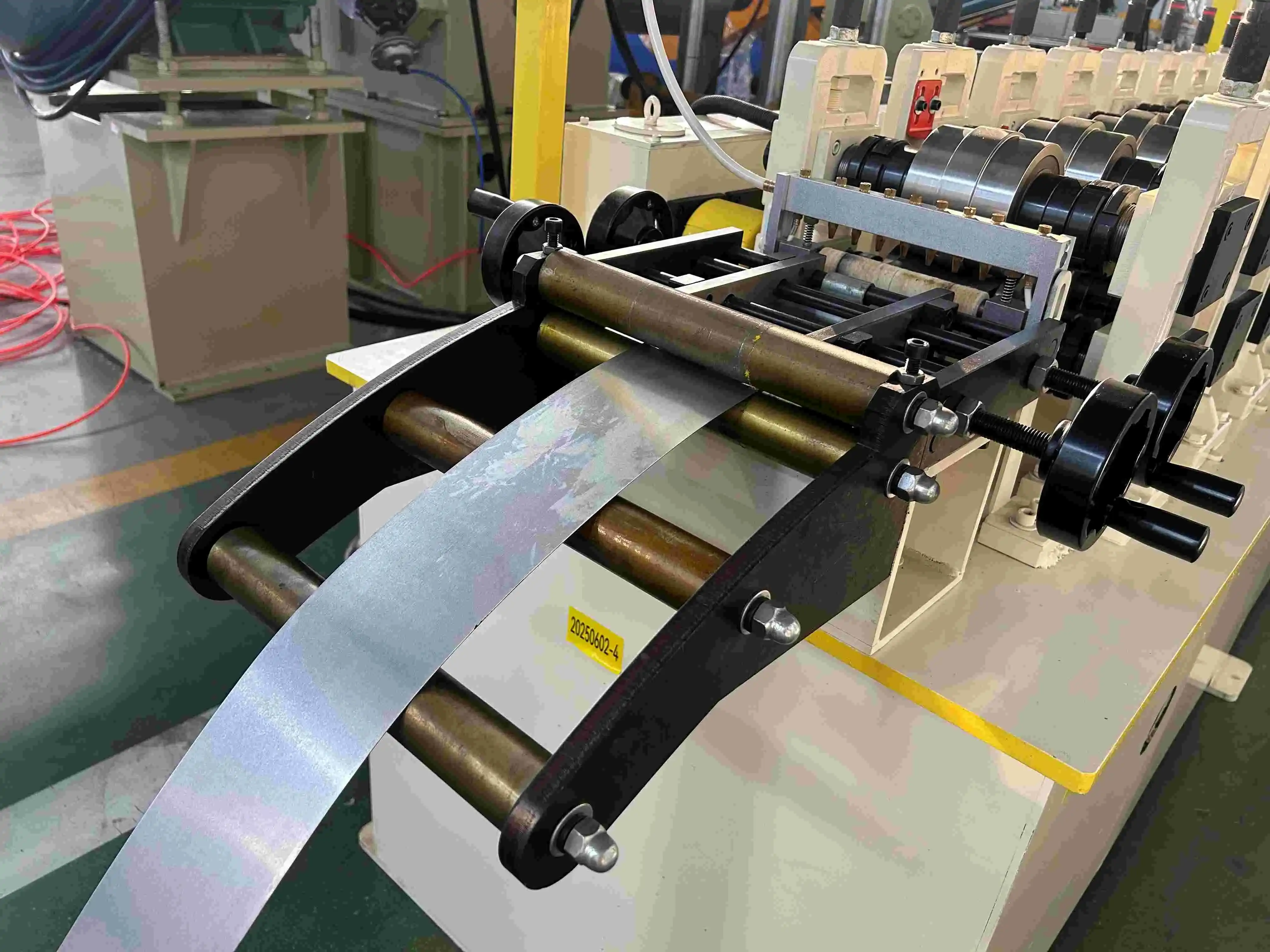
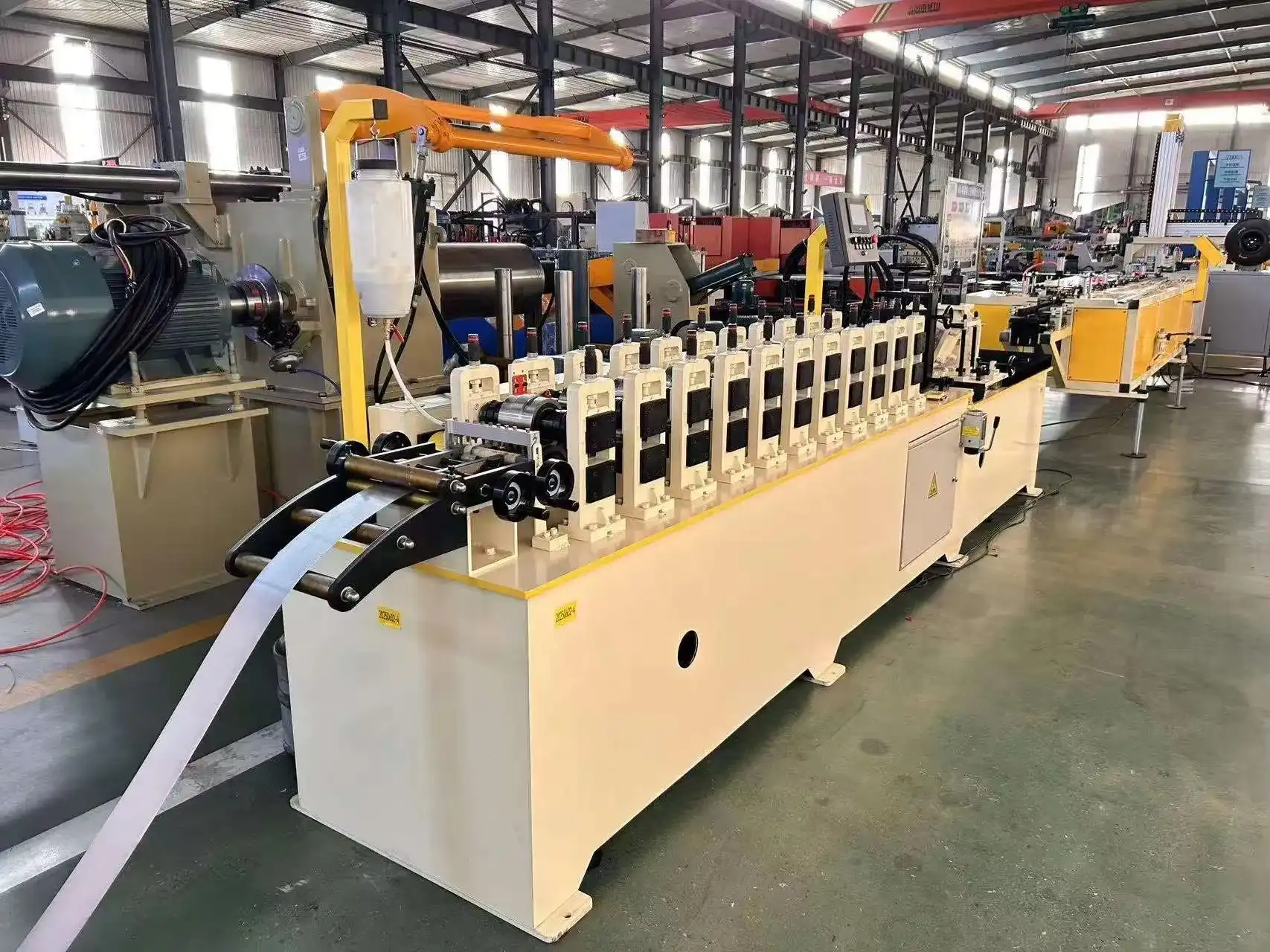
Modern tools for making hat channels use strong engineering principles to make sure they work well every time. A normal system has 14 roller stations that are placed in a way that makes the best forming process possible. Each station has a 50 mm solid shaft construction for added sturdiness. The rollers are made from 45# steel and have a hard chrome finish on them, which makes them very resistant to wear and gives them a longer life, even in harsh industrial conditions.
The frame of the machine body is made of welded metal steel, which makes it stable during high-speed operations and keeps the tolerances tight. Gearbox transfer systems in drive systems make sure that power is evenly distributed throughout the making process. This allows for smooth material flow and accurate shape development.
Decoiling and Material Handling Systems
The right decoiling tools that can handle different steel strip sizes and thicknesses are the first step to effective material handling. Hydraulic automatic decoilers let you precisely control the tension and keep the material feed rates constant, which is very important for keeping the quality of the product high during ongoing production runs. As an extra piece of equipment, many makers also offer hand decoilers. These can be used for smaller batch tasks or as a backup.
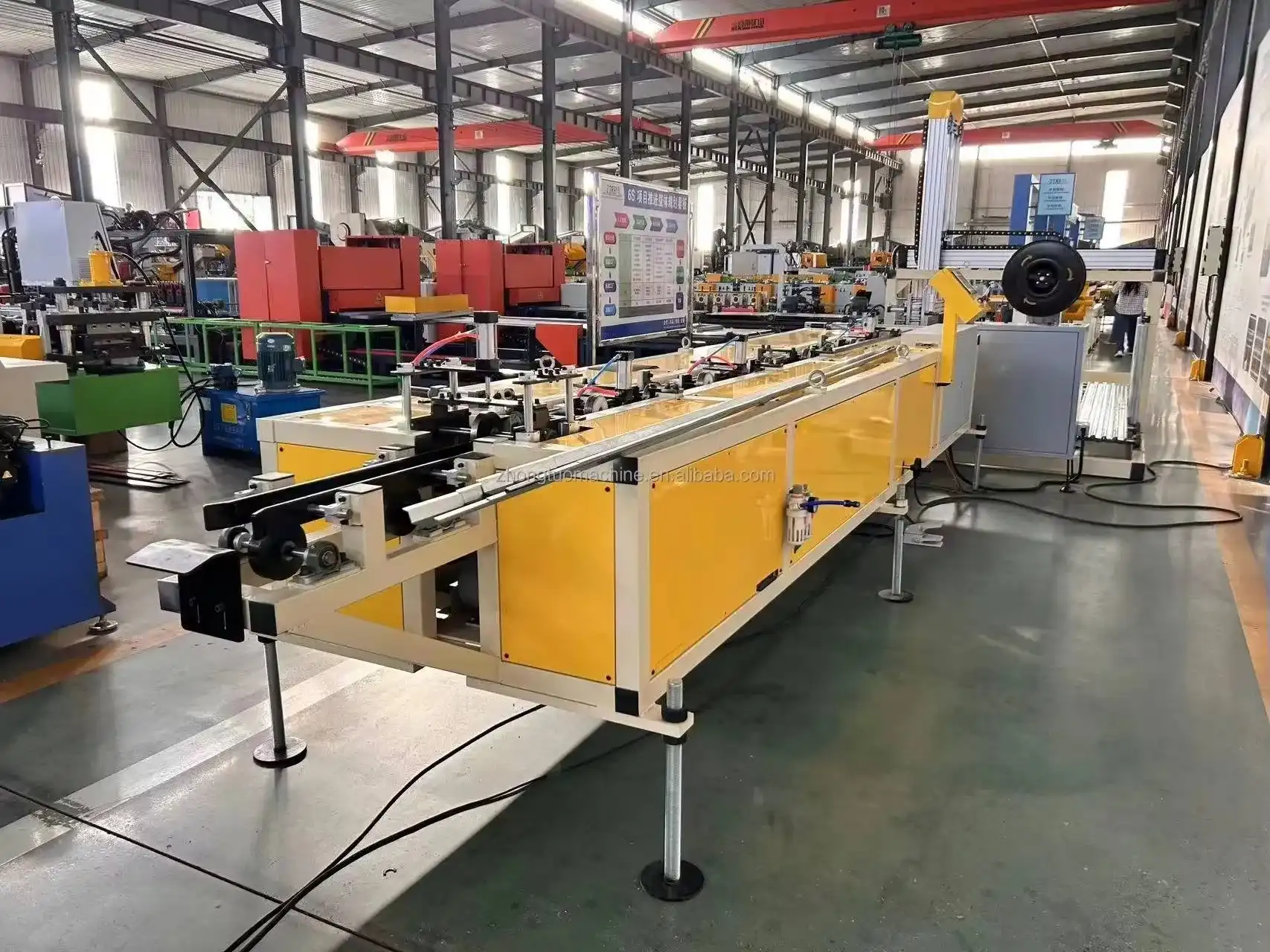
These systems work perfectly with the making stations to keep the flow of materials going smoothly. This cuts down on waste and makes production more efficient. With both automatic and human decoiling choices, producers can change how they do things based on the needs of the job and the amount of work they need to do.
Key Benefits of Using Hat Channel Machines in Industrial Steel Fabrication
It is very helpful to have a hat channel machine and hat channel making tools because it changes how steel is made in many different industries. Knowing about these benefits helps purchasing managers and production engineers make smart choices about buying equipment that has a direct effect on how well the business runs and how much money it makes.
Enhanced Production Efficiency and Speed
Modern hat channel machines can automate many tasks, which speeds up production cycles by a large amount compared to older ways of shaping. In order to meet tight project deadlines and keep quality standards, makers can handle larger amounts of material in less time when they have high-speed making capabilities. In difficult market settings, this higher output directly means more money to be made and a better place in the competition.
The continuous making process gets rid of the time-consuming setup steps that are usually needed for pressing operations. This lets production runs go without interruptions and makes the best use of the equipment. Modern control systems keep an eye on the making parameters in real time and change operating variables automatically to keep performance at its best during long production cycles.
Precision and Dimensional Accuracy
One of the best things about hat channel tools for commercial use is that they consistently produce accurate measurements. The multi-station making method shapes the material gradually, which protects the structure's stability while getting the exact standards needed for structural parts. This level of accuracy cuts down on the work that needs to be done later and the waste of materials that comes from rejecting parts.
Quality control systems built into modern machines constantly check the measurements of profiles and notify workers of any changes that might affect the product's specs. This proactive approach to quality management cuts down on expensive waste and redos while making sure that final goods meet strict industry standards.
Cost-Effectiveness and Return on Investment
Today's hat channel machines are made with energy-efficient design concepts that help lower running costs and support environmental efforts. Lowering the amount of energy used compared to other ways of shaping means lower power costs over the equipment's useful life. The cost-effectiveness is also improved by the fact that automatic systems require less work, which lowers costs linked to people.
Durability of well-designed tools guarantees longer service life with little upkeep needed, increasing return on investment through steady performance and less downtime. This dependability is especially useful in places that make a lot of things, because the availability of tools has a direct effect on making money.

Selecting the Best Hat Channel Machine for Your Business Needs
To pick the right hat channel-making tools, you need to carefully consider a number of things that are related to your short- and long-term business goals. Knowing these selection factors helps you make smart choices that lead to the best tool performance and financial gains.
Performance Comparison and Machine Types
Hat channel machines are better than other types of making tools, like C channel machines, in many ways, especially when specific profile shapes are needed. In some load-bearing situations, the hat shape offers better structural qualities, which makes it a better choice for some building and car parts.
Choosing between manual and automatic operation relies on how much is being made and how many skilled workers are available. Automatic systems work best in high-volume settings where steady output and little human input are important. For smaller processes or specialized tasks that need to switch between different profile specs often, manual methods may be a better choice.
Material Compatibility and Production Speed Considerations
Material suitability is one of the most important things to consider when making a choice, especially when working with different types and sizes of steel. Machines that can work with galvanized steel thicknesses ranging from 0.3 mm to 1 mm can make a wide range of products and keep the quality of the shaping process the same across all thicknesses.
The speed at which production can happen must match the expected amount of demand and the shipping schedule. Machines with more capacity are worth the extra money because they can handle more work at once. On the other hand, machines with a reasonable speed may be a better deal for businesses that don't need as much production.
Total Cost of Ownership Analysis
Cost analysis that looks at the whole picture includes more than just the original buy price. It also looks at things like energy use, operating labor needs, and upkeep costs over the equipment's useful life. Energy-efficient tools often provide better long-term value, even if they cost more at first, especially in places where energy costs a lot.
Different makers and machine types, like the hat channel machine, have very different maintenance needs. When considering choices, it is important to look at how easy it is to get parts, how good the service support is, and how complicated regular maintenance is. When it comes to working efficiency and total ownership costs, equipment with easy-to-find new parts and simpler upkeep processes usually wins.
Maintenance and Troubleshooting Tips to Maximize Machine Lifespan
Proper maintenance practices are fundamental to ensuring reliable performance and extended service life of hat channel machines in demanding industrial environments. Implementing systematic maintenance protocols prevents costly breakdowns while maintaining consistent product quality throughout the equipment's operational lifespan.
Routine Maintenance Best Practices
Scheduled maintenance programs should encompass regular inspections of critical components, including roller stations, drive systems, and control mechanisms. Proper lubrication of moving parts according to manufacturer specifications prevents premature wear and ensures smooth operation during high-speed production runs. Regular cleaning of forming stations removes accumulated debris that could compromise product surface quality or cause forming irregularities.
Component replacement schedules should follow manufacturer recommendations while accounting for actual usage patterns and operating conditions. Maintaining detailed maintenance records helps identify trends that may indicate developing issues before they result in production disruptions.
Common Issues and Troubleshooting Protocols
Misalignment problems typically manifest as dimensional inconsistencies in finished products and can often be resolved through systematic roller adjustment procedures. Wear patterns on forming rollers should be monitored regularly, with replacement scheduled before excessive wear compromises product quality or damages adjacent components.
Electrical system issues require qualified technician evaluation, but basic troubleshooting procedures can identify common problems such as sensor malfunctions or control system errors. Maintaining spare parts inventory for frequently replaced components minimizes production interruptions when repairs are necessary.
Operator Training and Safety Considerations
Comprehensive operator training programs ensure proper machine operation while promoting safety awareness in industrial environments. Training should cover normal operating procedures, routine maintenance tasks, and emergency shutdown protocols to protect both personnel and equipment during unexpected situations.
Emphasizing the use of OEM replacement parts during maintenance activities preserves machine performance characteristics and maintains warranty coverage. Generic replacement parts may offer cost savings but could compromise performance or create compatibility issues that result in increased maintenance requirements.
Procurement and After-Sale Support: What Industrial Buyers Need to Know?
Successful hat channel machine procurement requires careful supplier evaluation and a comprehensive understanding of support services that ensure long-term operational success. Industrial buyers must consider multiple factors beyond initial hat channel machine cost to secure reliable, productive forming solutions.
Supplier Selection and Pricing Considerations
Trusted suppliers demonstrate their reliability through transparent pricing structures, comprehensive technical documentation, and established track records in industrial equipment markets. Bulk purchase opportunities may provide significant cost savings for companies planning multiple machine installations or comprehensive facility upgrades.
Customization capabilities allow suppliers to tailor equipment specifications to unique operational requirements, potentially eliminating the need for additional processing equipment or workflow modifications. This flexibility can provide substantial value by optimizing integration with existing production systems.
Installation Services and Warranty Protection
Professional installation services ensure proper equipment setup while minimizing startup delays associated with new equipment deployment. Qualified installation teams understand the technical requirements for optimal machine performance and can address site-specific challenges that might affect operational effectiveness.
Comprehensive warranty coverage protects equipment investments while providing peace of mind during initial operational periods. Extended warranty options may offer additional value, particularly for critical production equipment where unexpected failures could significantly impact business operations.
Global Support and Logistics Management
International buyers require suppliers capable of managing complex logistics, including customs clearance, regulatory compliance, and efficient shipping coordination. Suppliers with experience in global markets understand the documentation and procedural requirements that ensure smooth international transactions.
Responsive technical support becomes particularly important for global installations where time zone differences and language barriers could complicate problem resolution. Suppliers offering multilingual support and local service networks provide significant advantages for international buyers seeking reliable long-term partnerships.

Conclusion
Hat channel machines serve as essential equipment for modern steel fabrication operations across diverse industrial sectors. These specialized forming systems deliver exceptional precision, efficiency, and reliability while supporting cost-effective production of structural components. Selecting appropriate equipment requires careful evaluation of operational requirements, supplier capabilities, and long-term support considerations. Proper maintenance practices and comprehensive operator training maximize equipment performance while ensuring safe, productive operations. Industrial buyers benefit from partnering with experienced suppliers who provide transparent pricing, customization capabilities, and global support services that ensure successful equipment deployment and long-term operational success.
FAQ
1. What distinguishes hat channel machines from C channel machines in terms of design and applications?
Hat channel machines create profiles with a distinctive hat-shaped cross-section featuring flanges that extend in opposite directions from a central web, providing enhanced structural properties compared to C channels. This configuration offers superior load distribution characteristics and improved connection versatility in construction and automotive applications. C-channel machines produce profiles with flanges extending in the same direction, which are better suited for specific mounting and support applications.
2. What essential maintenance routines ensure optimal hot channel machine performance?
Regular maintenance should include daily cleaning of forming stations, weekly lubrication of drive components according to manufacturer specifications, and monthly inspection of roller wear patterns. Additionally, quarterly alignment checks, annual electrical system evaluations, and prompt replacement of worn components using OEM parts maintain optimal performance. Detailed maintenance logs help identify trends and prevent unexpected failures.
3. Are automatic hat channel machines cost-effective for small-scale manufacturers?
Automatic hat channel machines can provide value for small-scale operations through improved consistency, reduced labor costs, and enhanced production capacity that supports business growth. However, the investment decision should consider production volumes, available skilled labor, and long-term expansion plans. Manual systems may be more appropriate for very low-volume operations or businesses with limited capital investment capacity.
Partner with ZTRFM for Advanced Hat Channel Manufacturing Solutions
ZTRFM stands ready to transform your steel fabrication capabilities with industry-leading hat channel machine technology designed for superior performance and reliability. Our comprehensive manufacturing solutions include customizable forming equipment featuring 14-station roller configurations, hydraulic automatic decoilers, and precision-engineered components that deliver consistent results across diverse industrial applications. With ISO9001, CE, and CAS certifications supporting our global reputation, ZTRFM provides complete technical support from initial consultation through installation and ongoing maintenance services. Contact our expert team at coo@zhongtuocn.com to discuss your specific requirements and discover how our advanced hat channel machine manufacturer expertise can enhance your production capabilities with competitive pricing and worldwide delivery support.

References
1. Smith, J.R. "Advanced Roll Forming Technologies in Modern Steel Fabrication." Industrial Manufacturing Quarterly, Vol. 45, No. 3, 2023, pp. 78-92.
2. Johnson, M.L. "Comparative Analysis of Channel Forming Equipment Performance in Automotive Manufacturing." Steel Processing Technology Review, Vol. 28, No. 2, 2023, pp. 156-171.
3. Williams, K.D. "Cost-Benefit Analysis of Automated Forming Systems in Construction Component Manufacturing." Industrial Equipment Economics Journal, Vol. 12, No. 4, 2023, pp. 234-248.
4. Anderson, P.C. "Maintenance Strategies for Roll Forming Equipment in High-Volume Production Environments." Manufacturing Reliability Today, Vol. 19, No. 1, 2024, pp. 45-59.
5. Thompson, R.A. "Global Trends in Steel Fabrication Equipment Procurement and Deployment." International Manufacturing Technology Review, Vol. 33, No. 6, 2023, pp. 112-127.
6. Davis, S.M. "Quality Control Systems in Modern Channel Forming Operations." Precision Manufacturing Standards Quarterly, Vol. 8, No. 2, 2024, pp. 89-103.
_1750323743240.webp)