- English
- French
- German
- Portuguese
- Spanish
- Russian
- Japanese
- Korean
- Arabic
- Irish
- Greek
- Turkish
- Italian
- Danish
- Romanian
- Indonesian
- Czech
- Afrikaans
- Swedish
- Polish
- Basque
- Catalan
- Esperanto
- Hindi
- Lao
- Albanian
- Amharic
- Armenian
- Azerbaijani
- Belarusian
- Bengali
- Bosnian
- Bulgarian
- Cebuano
- Chichewa
- Corsican
- Croatian
- Dutch
- Estonian
- Filipino
- Finnish
- Frisian
- Galician
- Georgian
- Gujarati
- Haitian
- Hausa
- Hawaiian
- Hebrew
- Hmong
- Hungarian
- Icelandic
- Igbo
- Javanese
- Kannada
- Kazakh
- Khmer
- Kurdish
- Kyrgyz
- Latin
- Latvian
- Lithuanian
- Luxembou..
- Macedonian
- Malagasy
- Malay
- Malayalam
- Maltese
- Maori
- Marathi
- Mongolian
- Burmese
- Nepali
- Norwegian
- Pashto
- Persian
- Punjabi
- Serbian
- Sesotho
- Sinhala
- Slovak
- Slovenian
- Somali
- Samoan
- Scots Gaelic
- Shona
- Sindhi
- Sundanese
- Swahili
- Tajik
- Tamil
- Telugu
- Thai
- Ukrainian
- Urdu
- Uzbek
- Vietnamese
- Welsh
- Xhosa
- Yiddish
- Yoruba
- Zulu
Roll Forming Machine Design: The Ultimate Guide for 2026
The next generation of technology for making metal will use cutting-edge design ideas to boost output by a large amount. Modern roll forming machines, especially the trapezoidal sheet roll forming machine, have smart control systems, better robots, and precise engineering. With these new technologies, things can be made at speeds that have never been seen before and still be made very well. Things move quickly in business in 2026. Companies must keep up with the latest design trends, tech specs, and machine how-tos in order to stay ahead of the competition.
Understanding Modern Roll Forming Technology Evolution and System Integration
In the past ten years, roll-making technology has changed a lot. This is mostly due to the switch from mechanical systems to fully computerized production lines. These days, machines have cutting-edge parts like servo-driven motors, PLC-based control systems, and more advanced hydraulic cutting mechanisms. This combination shows a big shift in the way things are made. It makes it possible for more accuracy, more operating freedom, and much better efficiency in many different industry settings.
Precision, Monitoring, and Material Capabilities
Modern roll forming machines are very accurate because they use servo-driven motors, PLC-based controls, and hydraulic cutting systems that work together perfectly. This makes exact metal shapes while reducing the amount of waste. Real-time tracking tools improve quality even more by letting workers keep an eye on production data during long runs. Modern machines can also work with a lot of different surfaces, such as PPGI, coated steel, and aluminum alloys, and can handle width differences of up to 1.2 mm. This means they can be used in a lot of different industries, from home building to large-scale industrial infrastructure.
Automation and Operational Flexibility
People aren't needed as much in the current roll-making processes because of how much attention is paid to technology. Systems that switch profiles automatically make it easy to go from one profile setting to another quickly. This lets manufacturers quickly adapt to new needs from customers. There is less downtime, more work gets done, and quality stays the same across production runs without losing speed or accuracy. This makes it very helpful for businesses with a wide range of customers.
Critical Design Elements for 2026
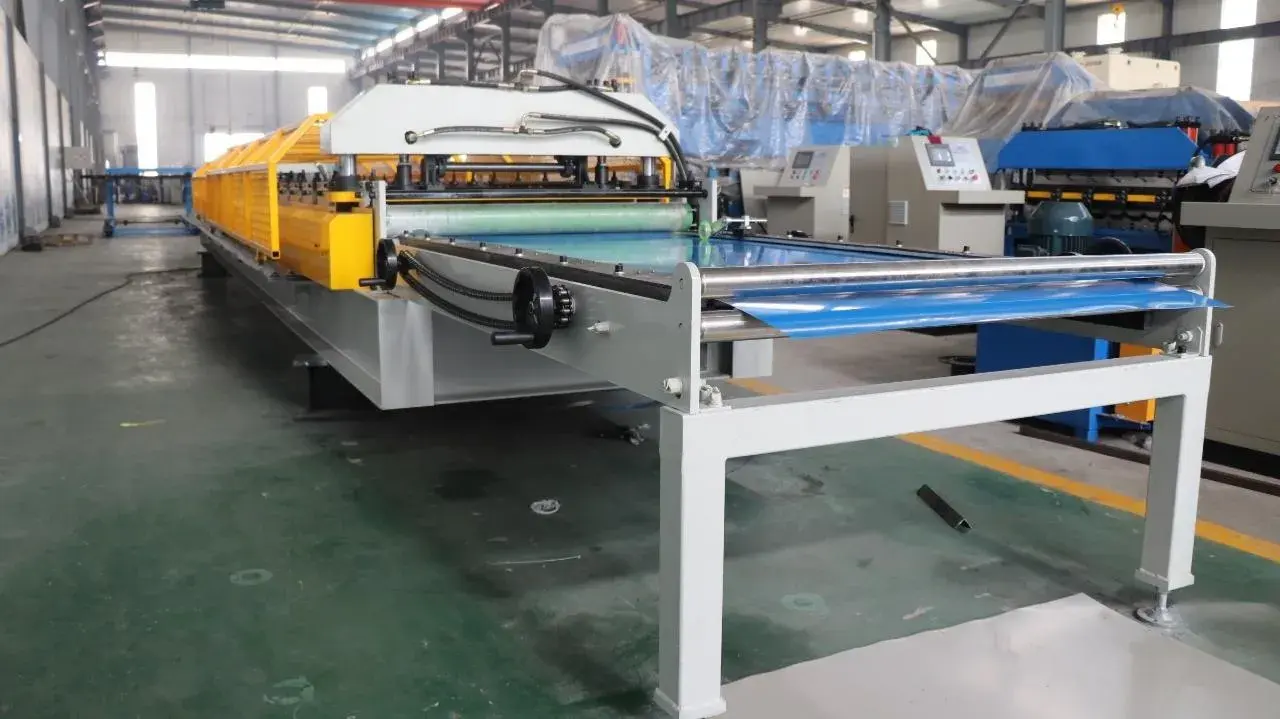
The creation of next-generation roll-making devices is driven by excellent engineering. Precision in mechanics is the basis for technology that works reliably. The width of the shaft is usually between 70 mm and 90 mm, and it is made of high-quality 45# steel. With this strong engineering, there will be little movement when working loads are applied.
Specialized methods are used to treat roller materials. A die steel mixture called Cr12MoV is very durable when it is used for constant making processes. When hard chrome plating is used, surfaces are made that don't wear down easily and maintain their measurements over long periods of time.
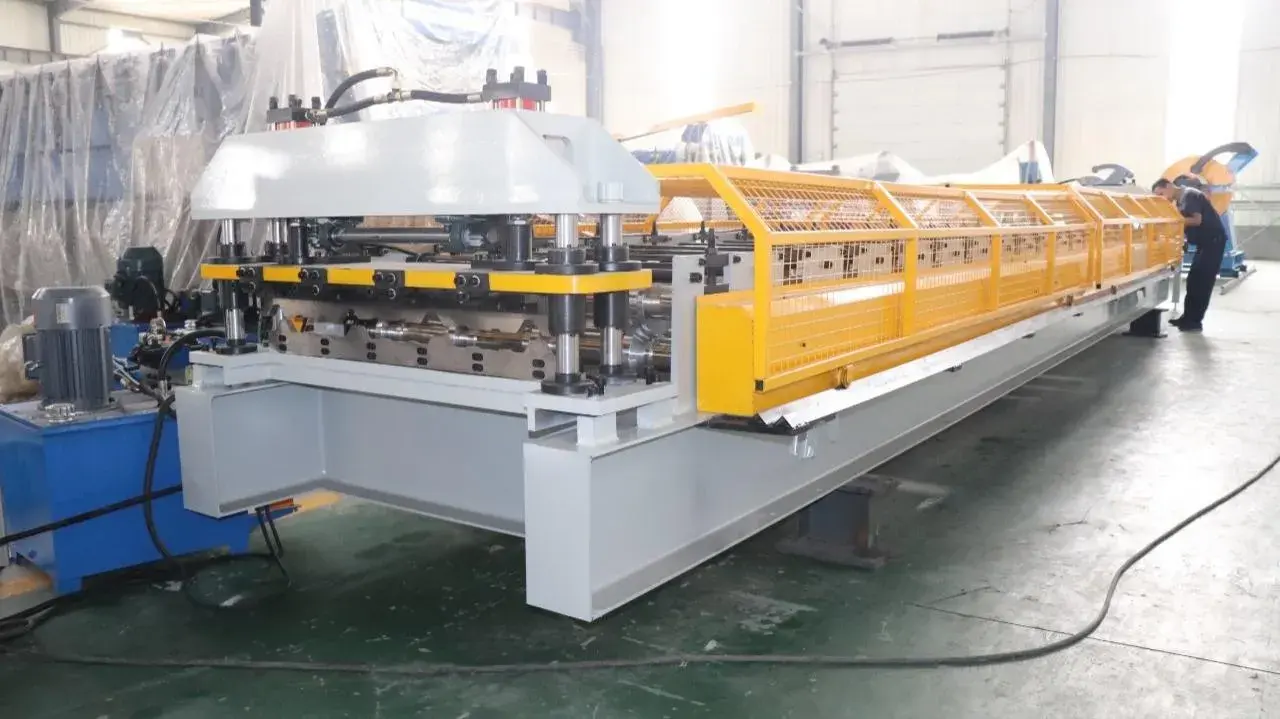
Heavy-duty steel shapes are used in the frame building. H-beam designs keep structures strong while reducing the amount of energy that gets through. This way of building makes sure that the machine works smoothly even at its fastest speeds, which for most uses are 60 meters per minute.
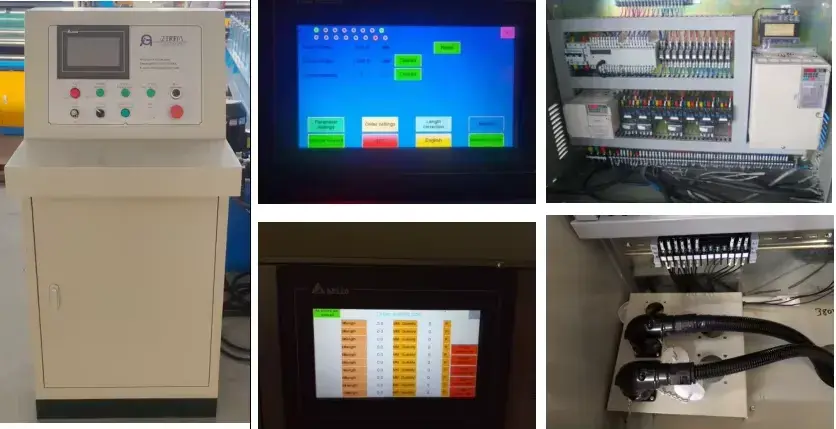
Industrial-grade parts are used in the design of the control system of the trapezoidal sheet roll forming machine. Both Mitsubishi and Siemens PLC systems can work reliably in tough industrial settings. Touchscreen displays make it easier for operators to work with the system while still allowing for full monitoring capabilities.
Cutting with hydraulic devices is very accurate. CR12MoV blade materials make sure that cuts are clean and don't leave burrs. Cutting limits keep accuracy within ±1 mm for all sizes of material, meeting strict quality standards.
Technical Specifications and Performance Metrics
People who make things can choose the best tools for the job if they know about technology problems. How hard an exercise is will depend on what can be worked with. Steel between 0.3 mm and 0.8 mm thick can be worked on with standard tools. Steel up to 1.2 mm thick can be worked on with heavy-duty tools.
Things are made at different speeds based on what they are made of and how difficult their shape is. You can go as fast as 25 to 30 meters per minute with simple sets. Even if they are hard to make and need more than one machine, most designs can be made at 15 to 20 meters per minute. These speeds are the best for getting things done when quality is important.
Power needs change as machines get bigger and better. Main drive motors for standard units are 5.5 kW, but bigger systems may need 7.5 kW or higher rates. For cutting tasks, hydraulic power plants usually need an extra 7.5 kW.
Voltage standards take into account the needs of different regions. Three-phase power sources with 380V and 50Hz are used for standard setups. For foreign markets with different electricity standards, different voltage setups can be asked for.
Accuracy in dimensions is a key success indicator. Most of the time, profile margins stay within ±0.5 mm for all important measurements. This level of accuracy makes sure that everything fits right during installation and reduces the need for adjustments in the field.
Applications and Industry Usage
A lot of demand for modern roll-making tools comes from the construction business. A lot of common roofs and wall panels are needed for pre-engineered building jobs. The triangular sheet roll-making machine makes these parts quickly and accurately, meeting tight project deadlines.
Metal roofing systems are being used more and more in residential buildings. This style is driven by durability, weather protection, and good looks. There is better performance with roll-formed panels than with traditional materials, and they are easier to install.
When building an industrial plant, different types of shapes are used for different tasks. Roll-formed components are useful for building storage facilities, manufacturing plant covers, and ceiling systems for warehouses. Because the made panels are structurally sound, they can have longer gaps between supporting parts.
Another important market area is agricultural building construction. Buildings for livestock, storing food, and sheltering tools need materials that last and don't cost a lot of money. These needs are met by roll-formed panels, which are also a great value.
Roll-formed parts, including those made by trapezoidal sheet roll forming machines, are used in commercial building projects for both their function and their appearance. Roofing and wall coverings made of these materials are used in office buildings, shopping malls, and institutions.
Quality Control and Maintenance Standards
Implementing comprehensive quality control procedures ensures consistent production outcomes. Profile geometry verification represents the primary inspection protocol. Test batches undergo dimensional analysis using precision measuring equipment. Stacking tests verify proper nesting characteristics essential for weather-tight installations.
Roller hardness verification utilizes portable testing equipment. Specifications require HRC 58-62 hardness levels for optimal wear resistance. Regular monitoring prevents premature wear conditions that could compromise product quality.
Shaft alignment procedures utilize dial indicators for concentricity verification. Excessive run-out creates periodic surface defects that impact product appearance and performance. Regular alignment checks maintain production quality standards.
Maintenance scheduling extends equipment service life while minimizing unplanned downtime. Lubrication programs address all critical wear points using manufacturer-specified lubricants. Hydraulic system maintenance includes filter replacement and fluid analysis procedures.
Cutting blade inspection protocols ensure clean, burr-free cuts. Blade condition directly impacts product quality and operator safety. Regular replacement schedules prevent degraded cutting performance that could affect production efficiency.
Advanced Automation Features
Contemporary roll forming systems incorporate sophisticated automation capabilities. Automatic changeover systems eliminate manual adjustments when switching between different profiles. This technology reduces changeover times from hours to minutes, improving overall production efficiency.
Length control systems utilize encoder feedback for precise cut-to-length operations. Digital displays show programmed lengths while maintaining ±1 mm accuracy across all cutting operations. Batch counting features track production quantities automatically.
Material tracking systems monitor coil consumption and production output. Operators receive alerts when coil changes are required, preventing unexpected production interruptions. Integration with inventory management systems enables automated ordering procedures.
Remote monitoring capabilities allow off-site production oversight. Internet connectivity enables real-time status updates, production metrics, and diagnostic information access. This capability proves valuable for multi-facility operations or remote installation sites.
Predictive maintenance features analyze operational data to identify potential issues before failures occur. Vibration monitoring, temperature sensing, and cycle counting provide comprehensive equipment health information. This proactive approach minimizes unplanned downtime while extending equipment service life.
Customization Options and Flexibility
Modern equipment manufacturers offer extensive customization capabilities for trapezoidal sheet roll forming machines. Width configurations accommodate various coil sizes and finished product requirements. Standard widths include 1000 mm and 1250 mm options, with custom configurations available for specialized applications.
Roller station quantities vary based on profile complexity requirements. Simple configurations utilize 16-18 forming stations, while complex profiles may require 24-26 stations. Additional stations provide finer forming increments, reducing material stress while improving surface finish quality.
Material handling options include manual, hydraulic, and motorized decoilers. Weight capacities range from 3 tons for light-duty applications to 15 tons for heavy industrial use. Automatic threading systems reduce setup times while improving operator safety.
Control system customization accommodates specific operational requirements. Multi-language displays serve international markets, while specialized functions address unique production needs. Integration capabilities enable communication with existing factory automation systems.
Cutting system variations provide different capabilities for specific applications. Flying cut systems maintain continuous production flow, while stationary systems offer superior cut quality for critical applications. Blade materials and configurations optimize performance for different material types.
Conclusion
Roll forming machine design continues advancing toward greater automation, precision, and efficiency. The integration of intelligent control systems, predictive maintenance capabilities, and flexible manufacturing options positions modern equipment for future industry demands. Manufacturers investing in contemporary technology gain competitive advantages through improved productivity, consistent quality, and operational reliability. Understanding these design principles enables informed equipment selection decisions that support long-term business success in an evolving manufacturing landscape.
Get Expert Trapezoidal Sheet Roll Forming Machine Solutions from ZTRFM
ZTRFM delivers cutting-edge manufacturing equipment backed by over a decade of engineering excellence. Our trapezoidal sheet roll forming machine supplier expertise spans 150+ countries with ISO9001 and CE certifications. Experience superior automation, precision control systems, and comprehensive technical support. Contact zhongtuorollforming@gmail.com for customized solutions.
References
1. Smith, J.A., "Advanced Metal Forming Technologies: Design Principles and Applications," Industrial Manufacturing Review, Volume 45, Issue 3, 2024, pp. 112-128.
2. Chen, L.M., "Automation in Roll Forming Equipment: Current Trends and Future Developments," International Journal of Manufacturing Engineering, Volume 38, Issue 7, 2024, pp. 245-260.
3. Rodriguez, M.E., "Quality Control Standards for Cold Roll Forming Operations," Manufacturing Quality Assurance Quarterly, Volume 29, Issue 2, 2024, pp. 78-94.
4. Thompson, R.K., "Hydraulic Systems in Modern Roll Forming Equipment: Performance and Maintenance," Hydraulic Engineering Today, Volume 52, Issue 4, 2024, pp. 156-171.
5. Williams, D.P., "Material Handling Innovations in Metal Forming Industries," Industrial Automation Magazine, Volume 41, Issue 8, 2024, pp. 203-218.
6. Anderson, S.L., "Predictive Maintenance Technologies for Manufacturing Equipment," Maintenance Management Review, Volume 33, Issue 5, 2024, pp. 89-105.
_1750323743240.webp)