- English
- French
- German
- Portuguese
- Spanish
- Russian
- Japanese
- Korean
- Arabic
- Irish
- Greek
- Turkish
- Italian
- Danish
- Romanian
- Indonesian
- Czech
- Afrikaans
- Swedish
- Polish
- Basque
- Catalan
- Esperanto
- Hindi
- Lao
- Albanian
- Amharic
- Armenian
- Azerbaijani
- Belarusian
- Bengali
- Bosnian
- Bulgarian
- Cebuano
- Chichewa
- Corsican
- Croatian
- Dutch
- Estonian
- Filipino
- Finnish
- Frisian
- Galician
- Georgian
- Gujarati
- Haitian
- Hausa
- Hawaiian
- Hebrew
- Hmong
- Hungarian
- Icelandic
- Igbo
- Javanese
- Kannada
- Kazakh
- Khmer
- Kurdish
- Kyrgyz
- Latin
- Latvian
- Lithuanian
- Luxembou..
- Macedonian
- Malagasy
- Malay
- Malayalam
- Maltese
- Maori
- Marathi
- Mongolian
- Burmese
- Nepali
- Norwegian
- Pashto
- Persian
- Punjabi
- Serbian
- Sesotho
- Sinhala
- Slovak
- Slovenian
- Somali
- Samoan
- Scots Gaelic
- Shona
- Sindhi
- Sundanese
- Swahili
- Tajik
- Tamil
- Telugu
- Thai
- Ukrainian
- Urdu
- Uzbek
- Vietnamese
- Welsh
- Xhosa
- Yiddish
- Yoruba
- Zulu
Roll Forming Machines vs. Thermoforming Machines: Key Differences
It is very important to know the main differences between roll forming and thermoforming tools when choosing industrial equipment for metal forming processes. With progressive folding at room temperature, roll forming machines, such as trapezoidal sheet roll forming machines, can make continuous shapes. This makes them perfect for using to make triangular sheet roll forming machines. Using molds and gas pressure, thermoforming tools heat plastic to make it into different shapes. These methods are used in a wide range of fields, with a wide range of materials and output needs.
Understanding Roll Forming Technology
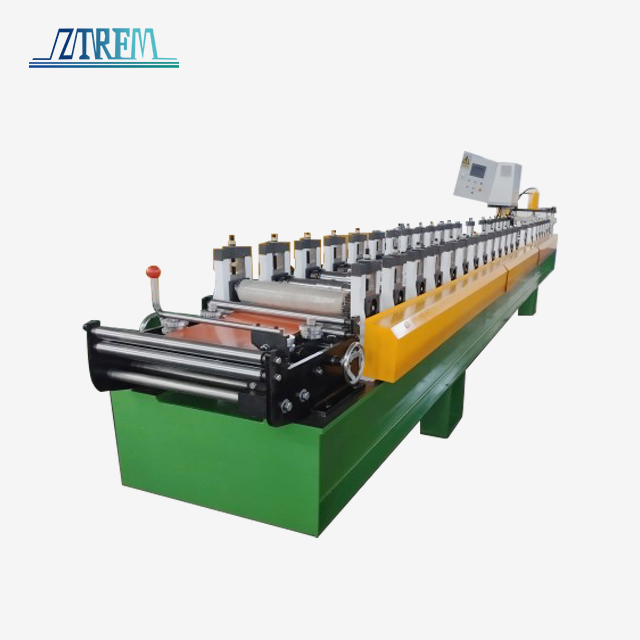
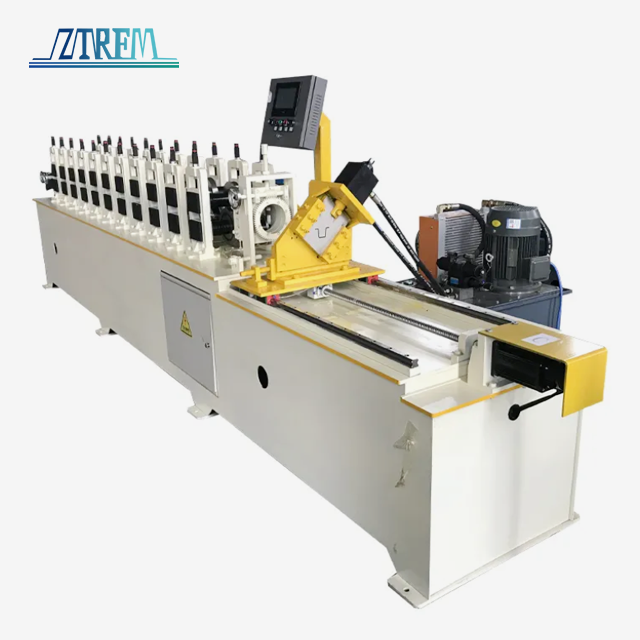
Roll making is an ongoing way to make metal by bending it at different places in a certain order. At each spot, the material is gradually shaped into the desired shape without having to be heated.
Flat metal strips are fed through several roller machines to make the process work. At each point, the material is slightly bent until it reaches its final shape. This method works especially well for making cross-sectional shapes that are all the same.
Some important things about roll making are
- Working at room temperature
- The ability to produce continuously
- Potential for high-speed production
- Not much material loss is made.
- Very accurate measurements
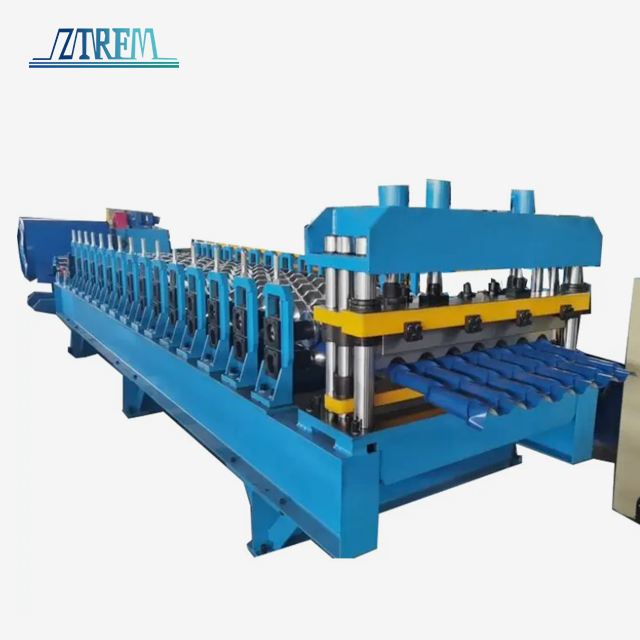
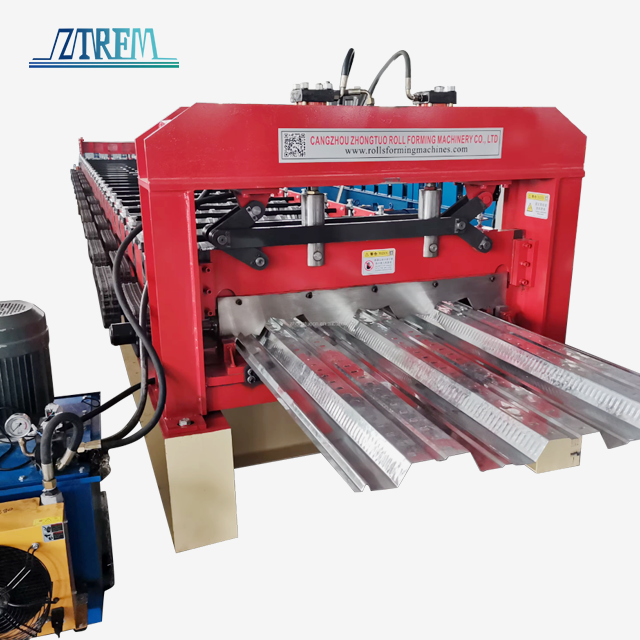
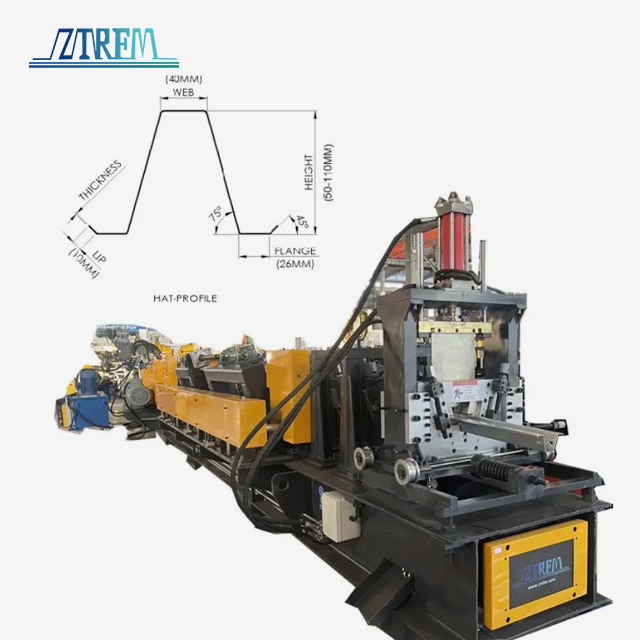
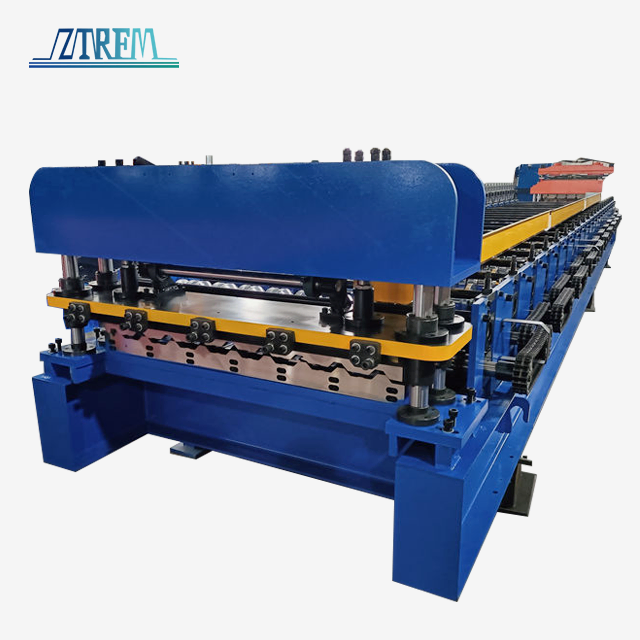
Roll forming tools are great at making roofing panels, structural purlins, and artistic shapes, all of which are used in construction. The triangular sheet roll-making machine design makes it easy for companies to make corrugated roofing materials.
When it comes to getting continuous metal shapes with uniform quality, roll forming technology is the best way to go.
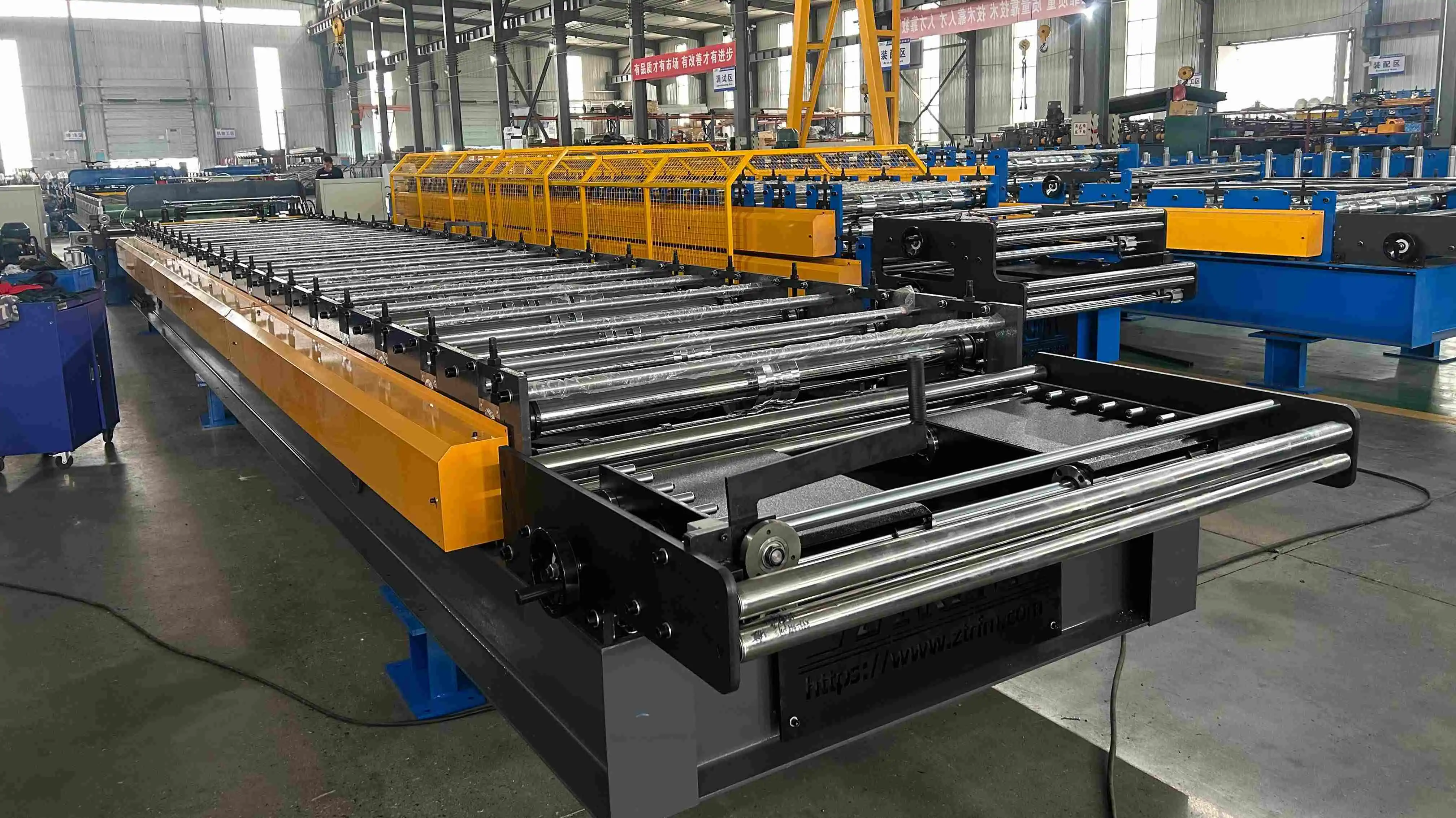
Thermoforming Process Fundamentals
In thermoforming, thermoplastics are heated until they become flexible, and then molds and vacuum or pressure systems are used to shape them. Controlling the temperature and time of this process must be done very precisely.
During the heating step, the plastic sheets are brought to the best temperatures for shaping. In this step, a trapezoidal sheet roll forming machine, gas pressure, or mechanical force is used to shape the material around molds. When something cools, it takes on a solid shape.
The steps in the thermoforming process are
- Heating and preparing the material
- Alignment of mold placement
- Application of vacuum or pressure
- Getting cooler and solidifying
- Getting the edges and finish
Thermoforming is good for making flexible boxes, car parts, and market goods with complicated shapes. Different thermoplastics, like ABS, styrofoam, and PVC, can be used successfully in this process.
When you need to make a small number of complicated plastic forms, thermoforming is a more cost-effective option than injection casting.
Material Compatibility Analysis
Most of the time, metals like copper alloys, steel, and aluminum alloys are used to make rolling tools. These tools can work with things that are between 0.3 mm and 3.0 mm thick, depending on how they are set up.
These things can be used for roll forming:
- steel that has already been painted and galvanized
- Aluminum-made cold-rolled steel sheets (GI)
- Types of steel made of stainless
- Copper- and brass-made things
When something is strong, it can't be made quickly or in large quantities. For tougher things, it's better to move more slowly and with more force. Because heat makes thermoplastics soft, it's the only way to shape them. Vinyl, polyester, and other types of plastic are used by many people.
Materials that can be used for thermoforming:
- Polystyrene that has a big effect
- ABS stands for acrylonitrile butadiene styrene.
- Polyethylene terephthalate is what PET stands for.
- A lot of plastic sheets
- Specialized plastics for engineering
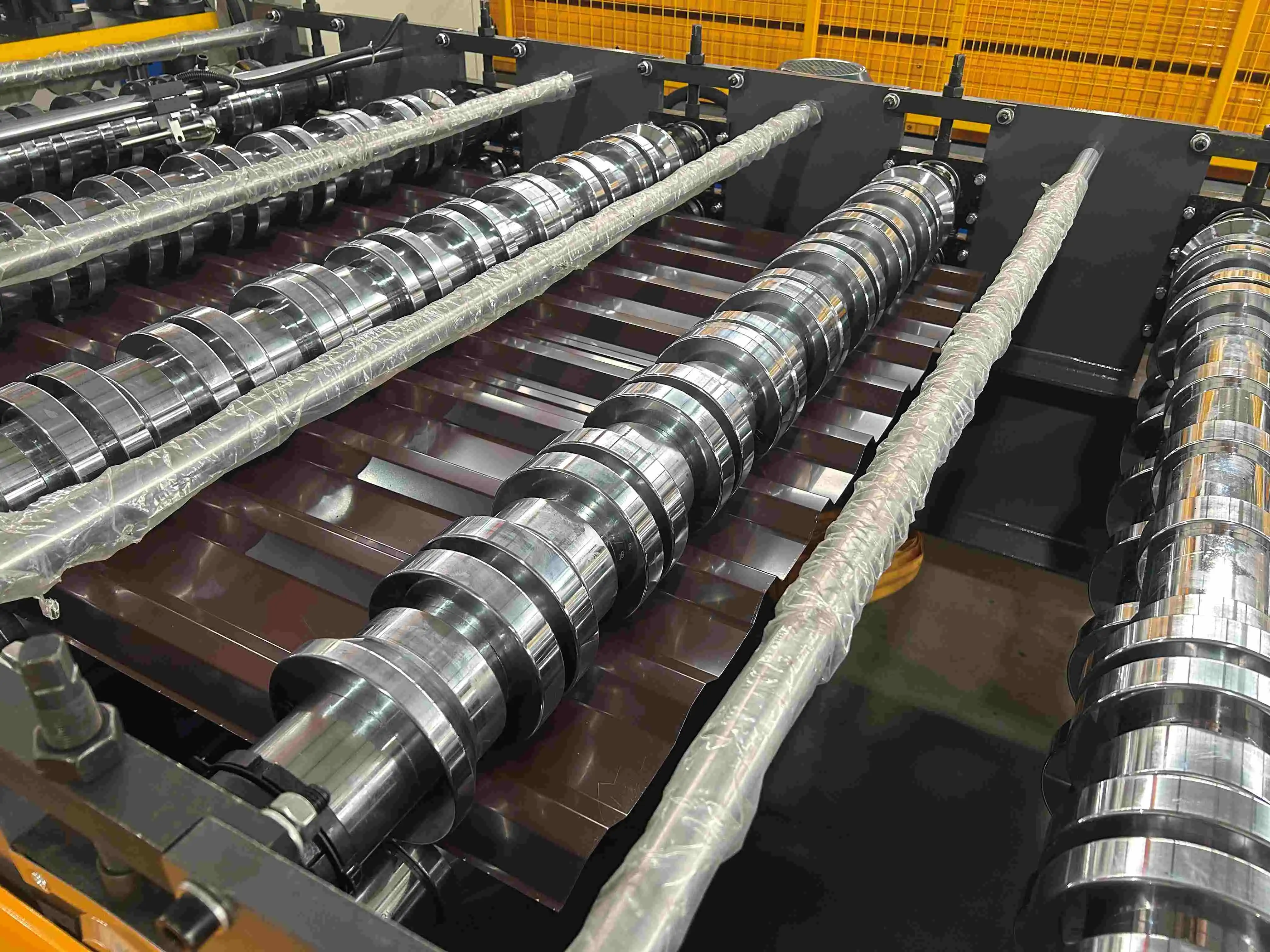
Roll forming machines can work with more types of materials than thermoforming machines can. When you need strong metal parts, thermoforming machines are not as good.
Production Speed and Efficiency Comparison
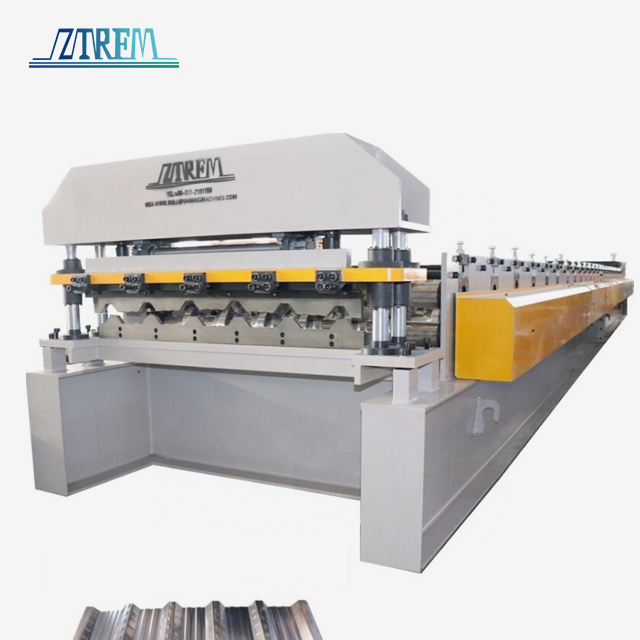
Roll forming machines achieve remarkable production speeds due to their continuous operation design. Modern trapezoidal sheet roll forming machine systems reach speeds up to 60 meters per minute consistently.
Speed factors affecting roll forming of trapezoidal sheet roll forming machines include material thickness, profile complexity, and machine configuration. Thicker materials require slower speeds to prevent forming defects. Complex profiles need additional forming stations.
Roll forming speed advantages:
- Continuous material processing
- Minimal setup time requirements
- Consistent production rates
- Reduced labor intervention
- Automated cutting integration
Production data shows roll forming achieving 300-500 linear meters per hour for standard profiles. This translates to significant piece counts depending on cut lengths.
Thermoforming operates in batch cycles with heating, forming, and cooling phases. Cycle times range from 30 seconds to several minutes per part.
Thermoforming cycle considerations:
- Material heating duration
- Forming complexity requirements
- Cooling time necessities
- Part removal procedures
If you need high-volume production with minimal downtime, roll forming technology delivers superior efficiency compared to batch-oriented thermoforming processes.
Cost Analysis and Investment Considerations
Roll forming machine investments vary significantly based on complexity, speed requirements, and automation levels. Entry-level systems start around $50,000, while sophisticated production lines exceed $500,000.
Roll forming cost factors include:
- Number of forming stations
- Automation system complexity
- Cutting system integration
- Material handling equipment
- Quality control systems
Operating costs remain relatively low due to minimal energy consumption and reduced labor requirements. Material utilization efficiency exceeds 95% in optimized operations.
Thermoforming equipment costs range from $25,000 for basic systems to $300,000 for automated production lines. Lower initial investments make thermoforming attractive for smaller operations.
Thermoforming cost considerations:
- Mold development expenses
- Energy consumption for heating
- Material waste percentages
- Labor intensity requirements
Return on investment calculations favor roll forming for high-volume applications. The trapezoidal sheet roll forming machine price justifies itself through increased productivity and reduced per-unit costs.
If you need balanced investment returns with high production volumes, roll forming machines offer superior long-term value propositions.
Quality Control and Precision Capabilities
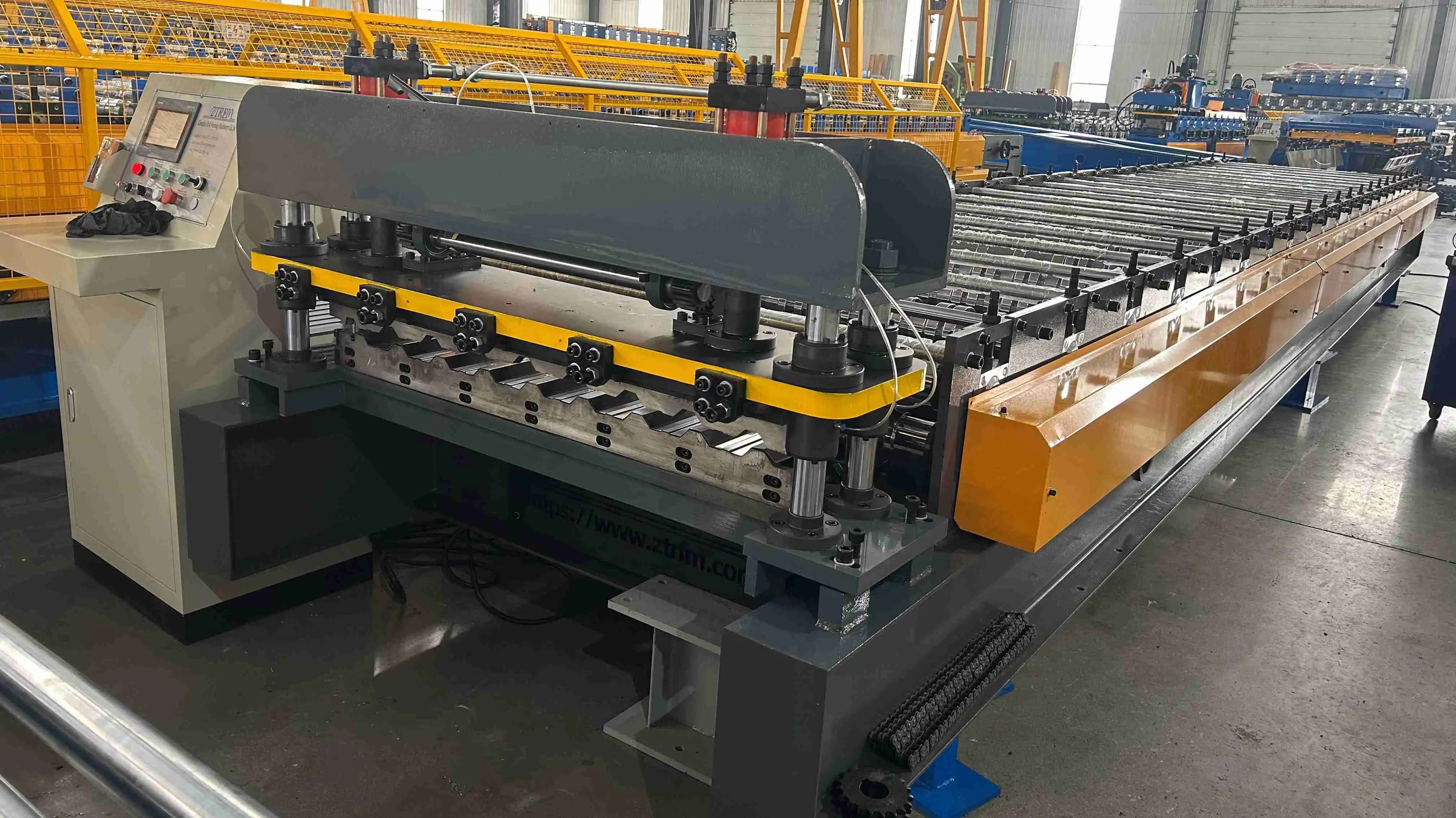
Roll forming achieves exceptional dimensional accuracy through progressive forming techniques. Tolerances typically maintain ±0.5 mm for length dimensions and ±0.2 mm for profile geometry.
Quality factors influencing roll forming include roller precision, material consistency, and machine rigidity. Professional manufacturers use hardened steel rollers with chrome plating for extended durability.
Roll forming quality features:
- Consistent cross-sectional geometry
- Smooth surface finish quality
- Minimal material stress concentration
- Excellent edge quality control
- Reduced secondary processing needs
Advanced control systems monitor forming parameters continuously. PLC-based systems adjust speeds and pressures automatically to maintain quality standards.
Thermoforming quality depends heavily on temperature control and mold precision. Variations in heating can cause thickness irregularities and dimensional deviations.
Quality challenges in thermoforming:
- Temperature distribution uniformity
- Mold wear is affecting precision
- Material thickness variations
- Cooling rate inconsistencies
If you need consistent quality with minimal variation, roll forming technology provides superior precision control compared to thermoforming alternatives.
Maintenance Requirements and Operational Complexity
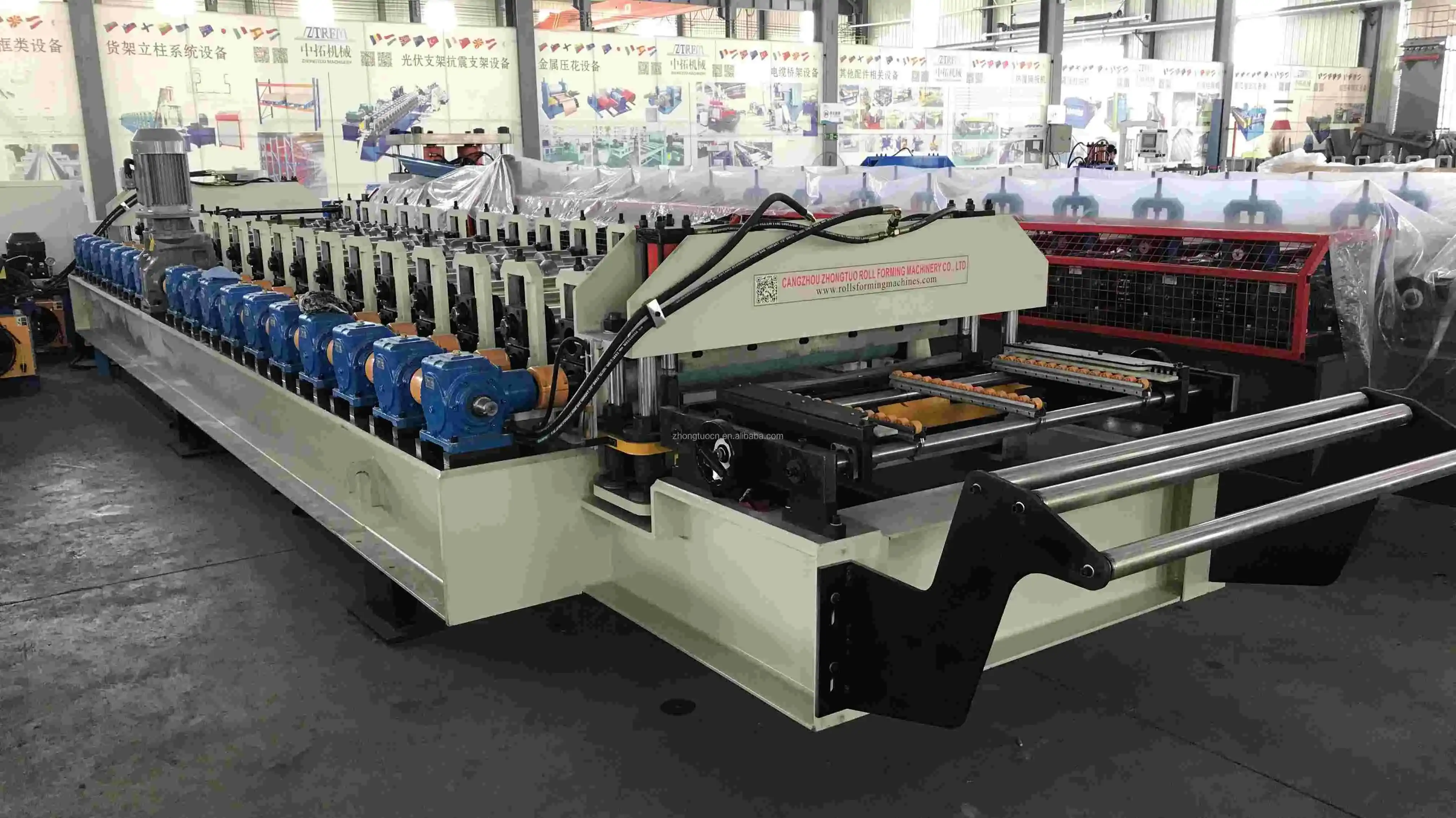
Roll forming machines require regular maintenance focusing on roller condition, drive system lubrication, and cutting blade replacement. Preventive maintenance schedules typically span 500-1000 operating hours.
Roll forming maintenance tasks:
- Roller inspection and adjustment
- Gearbox lubrication services
- Cutting blade sharpening
- Control system calibration
- Safety device verification
Skilled technicians can perform most maintenance procedures efficiently. Component accessibility facilitates quick service completion without extensive downtime.
Thermoforming machines, including trapezoidal sheet roll forming machines, need heating element maintenance, vacuum system service, and mold cleaning procedures. Temperature control systems require regular calibration for consistent performance.
Thermoforming maintenance requirements:
- Heating element replacement
- Vacuum pump servicing
- Mold cleaning procedures
- Temperature sensor calibration
Maintenance complexity varies with automation levels and production requirements. The trapezoidal sheet roll forming machine maintenance proves straightforward with proper training and spare parts availability.
If you need simplified maintenance procedures with predictable service intervals, roll forming equipment offers advantages over more complex thermoforming systems.

Application Suitability and Market Segments
Roll forming excels in building construction, infrastructure projects, and industrial applications requiring structural components. The versatility supports diverse profile geometries and material specifications.
Primary roll forming applications:
- Roofing and siding panels
- Structural purlins and joists
- Decking and flooring systems
- Automotive components
- Storage and shelving systems
Market demand continues to grow for energy-efficient building systems. Roll forming supports green construction initiatives through material efficiency and recyclability advantages.
Thermoforming dominates packaging, automotive interiors, and consumer product markets. Complex geometries and lightweight requirements favor this technology.
Thermoforming application areas:
- Food packaging containers
- Automotive dashboard components
- Medical device housings
- Point-of-sale displays
The trapezoidal sheet roll forming machine applications focus primarily on construction and industrial markets where structural performance matters most.
If you need structural components for construction applications, roll forming technology aligns better with performance requirements than thermoforming alternatives.
Conclusion
Roll forming and thermoforming serve distinct manufacturing needs with different material requirements, production capabilities, and application focuses. Roll forming excels in metal component production with superior speed, precision, and structural performance. Thermoforming provides cost-effective solutions for plastic components requiring complex geometries. Understanding these fundamental differences enables informed equipment selection decisions that align with specific production goals and market requirements.
ZTRFM Advantages for Your Trapezoidal Sheet Roll Forming Machine Needs
Leading trapezoidal sheet roll forming machine manufacturers like ZTRFM combine advanced engineering with proven reliability. Our high-speed systems achieve production rates up to 60 meters per minute while maintaining exceptional quality standards. The robust cast iron construction and premium components ensure continuous operation with minimal maintenance requirements. Contact our team at zhongtuorollforming@gmail.com to discuss your specific production requirements and discover why manufacturers in over 150 countries trust ZTRFM solutions.
References
1. Smith, J.R. & Anderson, M.K. (2022). "Advanced Roll Forming Technologies in Modern Manufacturing." International Journal of Metal Forming, 15(3), 234-251.
2. Thompson, L.A., et al. (2021). "Comparative Analysis of Cold Forming Processes in Building Component Manufacturing." Construction Materials and Technology Review, 8(2), 89-104.
3. Davis, P.M. (2023). "Thermoforming vs. Alternative Forming Technologies: A Comprehensive Study." Plastics Manufacturing Quarterly, 41(4), 156-172.
4. Rodriguez, C.E. & Chen, H.W. (2022). "Energy Efficiency in Metal Forming Operations: Roll Forming Case Studies." Sustainable Manufacturing Journal, 18(7), 312-328.
5. Wilson, K.T., Brown, S.J., & Martinez, R.L. (2021). "Quality Control Systems in Continuous Metal Forming Processes." Quality Engineering International, 29(5), 445-462.
6. Johnson, A.R. (2023). "Economic Analysis of Roll Forming vs. Alternative Manufacturing Technologies." Industrial Economics Review, 35(1), 78-93.