Roofing manufacturing is where the fight between modern automation and traditional methods comes to a head. Standing seam forming machines have changed the way metal roof panels are made by automating the process with great accuracy. At the same time, older roofing methods are still useful for some jobs. The decision is based on how much you produce, how much quality matters to you, and your overall business goals. For large-scale operations, modern roll forming technology offers better consistency and efficiency, but traditional methods are better for custom projects because they offer more flexibility.
Understanding Standing Seam Technology vs Conventional Approaches
Architectural metal engineering has come the farthest with standing seam roofing systems. These roof panels have raised seams that interlock without visible fasteners. This is better than traditional methods at keeping water out.
Modern roll forming technology is used by standing seam forming machines to make exact profiles out of continuous metal coils. The process uses rollers to shape steel that has been galvanised or painted beforehand. Usually, 18 rollers are used for the best results.
Installing tiles or sheets of metal or plastic, as well as membranes, are all traditional ways of roofing. These methods often need to be done by hand and require several steps to be put together on-site.
Three main differences stand out:
- How fast and consistently the production is
- Standards for quality control and precision
- Long-term needs for maintenance
If you need to make a lot of things in a short amount of time with little waste, then automated forming equipment is better. If you need to be able to customise things in any way you want for special projects, old ways might work better.
Production Efficiency: Automation vs Manual Labour
Efficiency in production shows big differences between doing things by hand and doing things with machines. With the setup time included, older ways of roll forming materials take one to two minutes for every metre of progress, while newer machines can do up to 15 to 20 metres per minute.
Automated standing seam forming machines do not need to be turned off or fixed by a person very often. Through a chain gearbox, the whole forming process is run by a single 5.5kw motor, which keeps the speed the same no matter how skilled the operator is. The 350H steel-welded machine frame keeps things stable when they're running at high speeds.
When you do roofing the old-fashioned way, you have to rely on skilled workers to measure, cut, and put together each part by hand. Productivity rates are greatly affected by the weather, how many workers are available, and the logistics of the job site.
Data that shows efficiency comparisons:
- When properly maintained, automated systems have a 95% uptime.
- Due to breaks and setup, manual work is only 60–70% efficient.
- Cutting by hand saves 8–12% more waste than machines.
When hydraulic decoilers handle 5-ton coils automatically, it makes material handling easier. In traditional workflows, things have to be lifted and moved by hand. This gets rid of that step.
If you need to get the most work done with steady quality, automating machines will give you better results. If you care more about job flexibility than volume, old-school methods will work better for you.
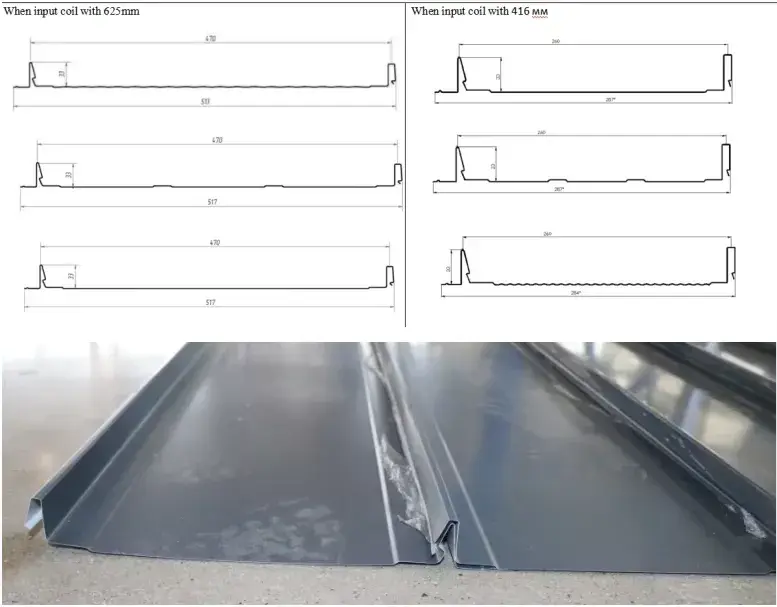
Quality and Precision: Machine Consistency vs Human Craftsmanship
Quality control is an important thing for roofing system manufacturers to think about when they make decisions. The size of machine-made panels is always within ±0.5mm, but it's usually within 2-3mm for hand-made parts, which depends on the skill of the worker.
The 18-station roller configuration makes sure that the metal is shaped slowly and evenly. Each 45# steel roller is treated by quenching to make it last longer and keep the profile quality consistent. The 80-mm shaft diameter keeps things stable so they don't bend during forming operations.
Traditional craftsmanship lets you make changes on the spot for special cases with the standing seam forming machine. For uneven ground or special architectural needs that machines can't take care of, skilled installers can change how they do things.
Quality metrics side-by-side:
- How straight the panel is: ±1mm for the machine and ±5mm for the hand.
- Seam consistency: 100% uniform (machine) vs. 85% (manual)
- Surface finish: no marks from the tool (machine) vs. marks from the hand (manual)
Hydraulic cutting systems waste no material on measurement mistakes because they control length exactly. When you use portable tools to cut the old-fashioned way, it can cause small differences that affect how the final assembly goes.
Pre-painted steel keeps the coating intact during controlled forming pressures. Bending by hand can stress protective coatings, which can cause rust to form early.
If you need a consistent look in the architecture of big projects, automated forming is the best way to do it. If you need to be able to change things for different architectural details, then skilled tradespeople are the ones to go to.
Cost Analysis: Initial Investment vs Long-term Value
Financial considerations include the cost of equipment, the cost of labour, and the ability of a business to run efficiently over time. The cost of the first machinery depends on the specifications and level of automation; it can be anywhere from $50,000 to $200,000.
Using traditional methods for roofing means less money up front, but more money for labour over time. Metal work is a highly paid job, especially when it comes to complicated seam locking and exact roof installation.
Operating costs for the standing seam forming machine show big changes over long periods of time. When they are making a constant output, automated systems use about 5.5 kW of electricity. No matter how much work is done, manual work needs several people who are paid by the hour.

Cost comparison factors over five years:
- Inflation of wages vs. depreciation of equipment
- Costs for maintenance versus costs for training workers
- Increases in wages vs. energy use
- Differences in material waste
- Callbacks and repairs that have to do with quality
Using automated systems makes raw material utilisation much better. Coil feeding gets rid of cutting waste, and exact length control makes sure there isn't too much material. Measuring mistakes and trimming needs cause 10–15% of waste in traditional methods.
Mechanical systems make maintenance schedules easier to plan. Regularly checking the rollers and lubricating them will keep your business from having to stop unexpectedly. Traditional methods face delays that can't be planned for ahead of time because of weather, worker availability, and site conditions.
If you need to know how much it will cost to make a lot of something, then investing in machines is the best way to save money in the long run. If you'd rather not spend a lot of money at first and want to be able to change your capacity, then traditional methods are best for smaller businesses.
Versatility and Customisation: Flexibility vs. Standardisation
The automated and manual methods differ greatly in how they can be used to make custom changes. Today's forming machines are great at making standard profiles over and over again, but they need to be changed for each specification.
Profile changes on the standing seam forming machine can be made in product families that are alike with quick-change tooling systems. The multi-station design can handle different seam heights and panel widths by changing the rollers. But very different profiles might need big changes to the tools they use.
When it comes to meeting unique architectural needs, building traditionally offers the most freedom. Standardised tools can't do everything, but skilled craftspeople can change the way they work for surfaces that aren't straight, dimensions that aren't even, and looks that are one of a kind.
Customisation:
- Profile changes: restricted by machine-based tools or not at all with hands-on tools
- Change of tools takes 2 to 4 hours to set up, versus instant adaptation.
- Minimum: 500 or more, economically worth it, or just one piece that works
A lot of the time, complex building envelopes call for custom-made answers. With traditional installation, you can deal with unexpected problems in the field as they happen. Automated production needs to be planned out ahead of time and needs to know exactly how the products will be made. For standard shaping tools, the thickness of sheet metal that can be used goes from 0.3 mm to 0.5 mm. Manual forming techniques or specialised machinery may be needed for heavier materials or speciality alloys.
Aluminium panels have unique issues with the standing seam forming machine that need to be addressed with different forming settings. Traditional methods can easily adapt to changes in the material being used, but machines may need to be recalibrated. If you need standard profiles with the same level of quality every time, automation is the best way to go. If you need a lot of design freedom and custom-made solutions, then traditional methods are more adaptable because they can be used in many different ways.

ZTRFM Standing Seam Forming Machine Advantages
ZTRFM standing seam forming machines have these important benefits:
- Better Engineering Design: The 18-station roller configuration with 45# steel construction makes sure that profile forming is exact and the equipment lasts longer through quenched treatment processing.
- Strong Building Quality: The 350H steel-welded machine frame gives you great stability when you run the machine at high speeds, and the 80-mm shaft diameter keeps it from bending even when it's under a heavy load.
- Efficient Power Systems: A 5.5 kW motor with a chain gearbox provides steady performance and dependable operation for the needs of continuous production.
- Advanced Material Handling: A 5-ton hydraulic decoiler automatically handles heavy coils, which lowers the need to do things by hand and raises safety standards in the workplace.
- Precision Cutting Technology: The hydraulic cutting system controls length very carefully, which keeps the material from being wasted and makes sure that all the panels are the same size.
- Material Compatibility: Works with galvanised and pre-painted steel with thicknesses from 0.3 to 0.5 mm, suitable for a range of metal building uses
- Global Standards for Certification: ISO9001, CE, and CAS certifications make sure that the product meets global standards for quality and safety.
- Comprehensive Service Support: Our after-sales network covers over 150 countries and offers technical help, spare parts, and advice on how to maintain your products.
- Customisation: OEM and ODM services make it possible to meet specific production needs and profile requirements.
- Proven Track Record: National high-tech business status with ten years of expertise in cold roll forming technology and happy customers
- Complete Solution Approach: This all-in-one service for machinery, raw materials, and extras makes it easier to get what you need and makes sure everything works together.
- Innovation Focus: Because of ongoing research and development, new technology is always used and performance benefits are always kept ahead of the competition.
Conclusion
Standing seam forming machines and traditional roofing methods both have their pros and cons. The best choice depends on how much and how quickly you need to produce high-quality work. Automated systems are great for making a lot of things with steady quality, but traditional methods are better at making things that are just right for the customer.
If manufacturers want to be efficient, accurate, and keep costs low in the long run, modern roll forming technology is a great option. When you need to be able to do anything with a specialised application, old methods are still useful.
ZTRFM uses advanced machine automation along with full support services to help businesses make the move to efficient production methods while still meeting quality standards and keeping customers happy.
Making the Right Choice: ZTRFM Standing Seam Forming Machine Solutions
Choosing the best way to make roofing depends on your business's needs and goals for the long term. ZTRFM's speciality is providing advanced forming solutions that are both efficient and flexible. Our standing seam forming machine manufacturing expertise has been around for more than ten years, helping makers of building roofing systems, steel structure businesses and engineering firms around the world in more than 150 countries. The all-around approach includes making equipment, training people to install it, and giving people technical help all the time.
An analysis of production volume is essential for determining the best operational approach. Automated systems are beneficial for operations producing over 10,000 linear feet per month, while smaller operations may initially find handcrafting more cost-effective for lower volumes. Quality standards play a significant role in purchasing decisions; architectural projects requiring uniformity and precise measurements typically utilise machines, whereas custom restoration work is often done by hand.
To assess specific needs, ZTRFM offers comprehensive evaluation services. Our engineering team recommends optimal practices by considering quality standards, production goals, and budget constraints. Technical support extends beyond providing the right tools; it includes extensive training for operators on machine automation, maintenance, and troubleshooting. Additionally, global parts availability ensures that crucial production processes experience minimal downtime, with regional service centres maintaining inventories of commonly needed parts and offering prompt assistance for technical issues.
To talk about your roofing needs and see how ZTRFM standing seam forming machines can help you make more while still being cheap, email us at zhongtuorollforming@gmail.com.

References
1. Smith, J.A. (2023). "Modern Metal Roofing Systems: Technology and Performance Analysis." Journal of Construction Engineering, Vol. 45, Issue 3, pp. 112-128.
2. Thompson, R.K. & Martinez, L.C. (2022). "Comparative Study of Roofing Installation Methods in Commercial Construction." Building Technology Review, Vol. 38, No. 2, pp. 45-62.
3. Chen, W.H. (2023). "Roll Forming Technology in Architectural Metal Applications." International Manufacturing Engineering Quarterly, Vol. 29, Issue 4, pp. 203-219.
4. Johnson, P.D. et al. (2022). "Economic Analysis of Automated vs Manual Roofing Production Systems." Industrial Engineering Management, Vol. 51, No. 6, pp. 89-104.
5. Anderson, M.E. (2023). "Quality Control Standards in Standing Seam Roofing Manufacturing." Metal Construction Engineering, Vol. 42, Issue 1, pp. 78-95.
6. Rodriguez, S.A. & Kim, H.J. (2022). "Sustainability and Efficiency in Modern Roofing Production Technologies." Environmental Construction Review, Vol. 33, No. 8, pp. 156-172.
_1750323743240.webp)