- English
- French
- German
- Portuguese
- Spanish
- Russian
- Japanese
- Korean
- Arabic
- Irish
- Greek
- Turkish
- Italian
- Danish
- Romanian
- Indonesian
- Czech
- Afrikaans
- Swedish
- Polish
- Basque
- Catalan
- Esperanto
- Hindi
- Lao
- Albanian
- Amharic
- Armenian
- Azerbaijani
- Belarusian
- Bengali
- Bosnian
- Bulgarian
- Cebuano
- Chichewa
- Corsican
- Croatian
- Dutch
- Estonian
- Filipino
- Finnish
- Frisian
- Galician
- Georgian
- Gujarati
- Haitian
- Hausa
- Hawaiian
- Hebrew
- Hmong
- Hungarian
- Icelandic
- Igbo
- Javanese
- Kannada
- Kazakh
- Khmer
- Kurdish
- Kyrgyz
- Latin
- Latvian
- Lithuanian
- Luxembou..
- Macedonian
- Malagasy
- Malay
- Malayalam
- Maltese
- Maori
- Marathi
- Mongolian
- Burmese
- Nepali
- Norwegian
- Pashto
- Persian
- Punjabi
- Serbian
- Sesotho
- Sinhala
- Slovak
- Slovenian
- Somali
- Samoan
- Scots Gaelic
- Shona
- Sindhi
- Sundanese
- Swahili
- Tajik
- Tamil
- Telugu
- Thai
- Ukrainian
- Urdu
- Uzbek
- Vietnamese
- Welsh
- Xhosa
- Yiddish
- Yoruba
- Zulu
2026 Best OEM/ODM Manual Decoiler Suppliers for Industrial Use
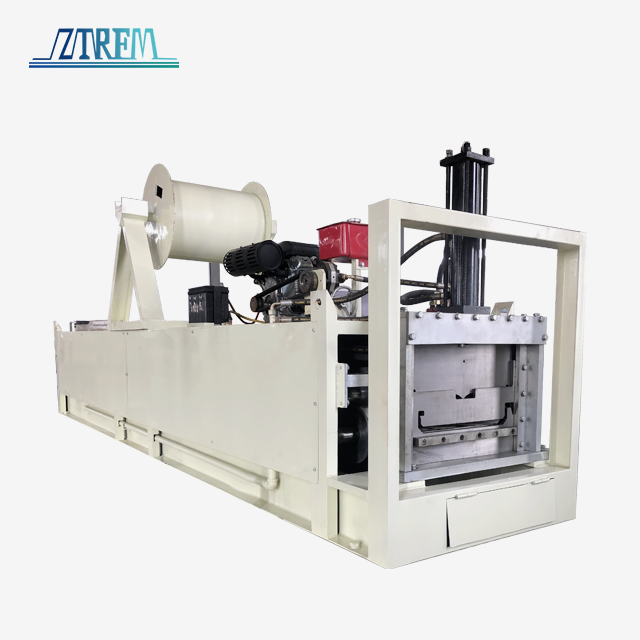
As mechanical fabrication proceeds to advance, finding the right hardware providers is pivotal for keeping up proficiency and quality in production forms. When it comes to roll shaping lines and metal creation, a solid manual decoiler is a fundamental component. This comprehensive direct will investigate how to recognize top-tier manual decoiler providers, key details to consider, and the masters and cons of OEM vs ODM commerce models. By the conclusion, you'll have the information to make an educated choice for your mechanical decoiling needs in 2026 and beyond.
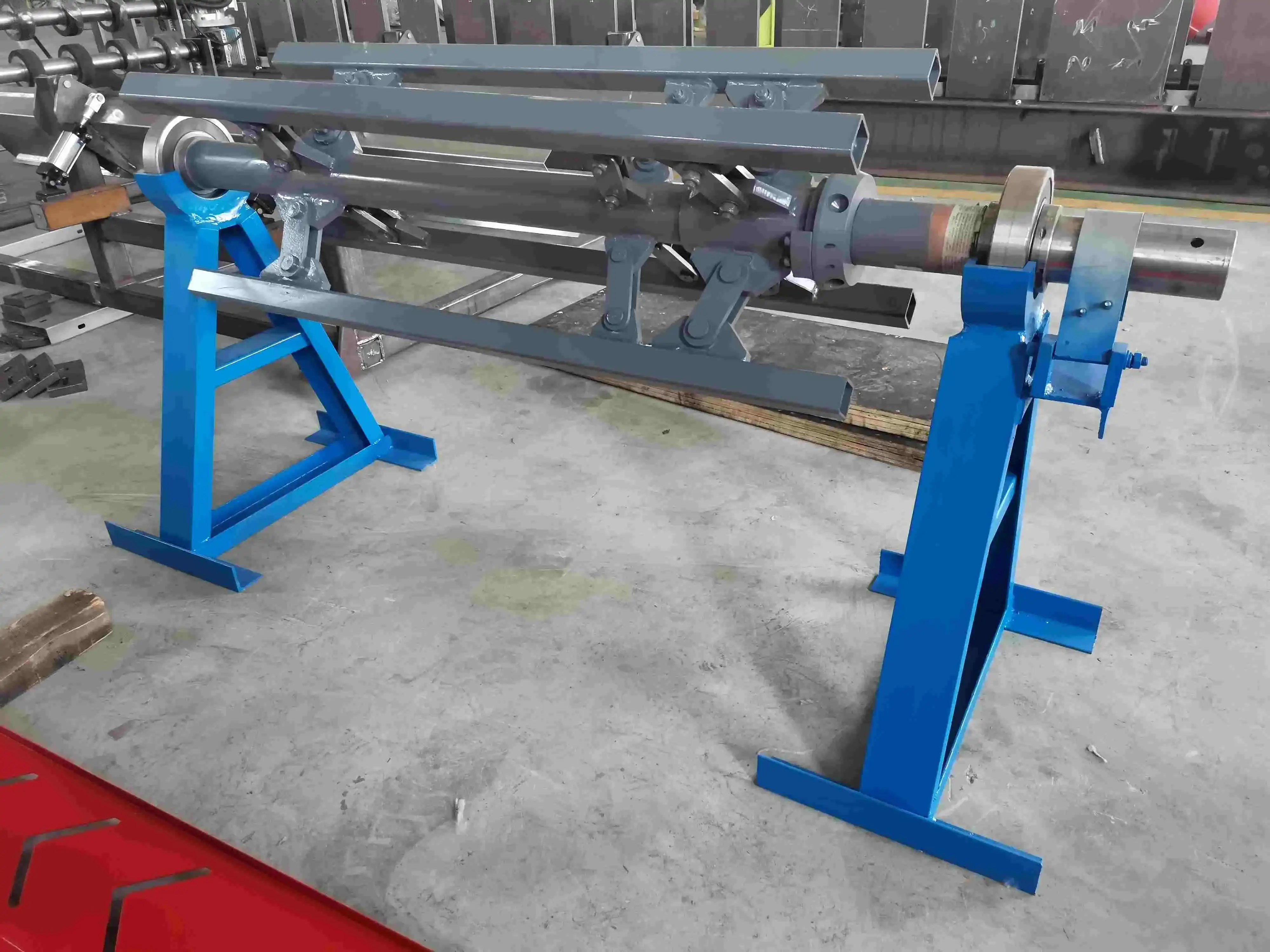
How to identify best-in-class manual decoiler suppliers for industrial roll forming lines?
Selecting the right manual decoiler supplier can significantly impact your production line's performance and longevity. Here are key factors to consider when evaluating potential partners:
Industry Experience and Reputation
Look for providers with a demonstrated track record in the roll shaping industry. Companies like Cangzhou Zhongtuo Roll Forming Machinery Co., Ltd. have been serving worldwide markets for over a decade, illustrating their ability and unwavering quality. Check for:
- Years in business
- Client testimonials and case studies
- Industry awards or recognitions
- Presence at major trade shows and exhibitions
Manufacturing Capabilities
Assess the supplier's production facilities and capabilities. A top-tier manufacturer should have:
- State-of-the-art manufacturing equipment
- Rigorous quality control processes
- Ability to handle custom orders and modifications
- Capacity to meet your volume requirements
Technical Expertise and Support
The best suppliers offer more than just equipment - they provide valuable technical knowledge and support. Look for:
- Engineering teams with deep industry knowledge
- Comprehensive installation and training services
- Responsive after-sales support and troubleshooting
- Regular maintenance programs and spare parts availability
Certifications and Compliance
Ensure potential suppliers meet international quality and safety standards. Key certifications to look for include:
- ISO 9001 Quality Management System
- CE marking for European markets
- UL or CSA certification for North American markets
- Industry-specific certifications (e.g., AWS for welding)
Global Reach and Cultural Fit
For international businesses, consider suppliers with:
- Experience in serving assorted worldwide markets
- Multilingual bolster teams
- Understanding of territorial controls and standards
- Ability to give localized arrangements and documentation
Innovation and Adaptability
The industrial landscape is constantly evolving. Partner with suppliers who demonstrate:
- Ongoing research and development efforts
- Regular product improvements and new releases
- Flexibility to adapt to changing market needs
- Integration of smart technologies and Industry 4.0 concepts
By thoroughly evaluating potential suppliers of manual decoilers across these criteria, you can identify partners best equipped to support your industrial decoiling needs in 2026 and beyond.

Manual decoiler specifications: what matters for heavy-duty use?
When selecting a manual decoiler for industrial applications, several key specifications determine its suitability for heavy-duty use. Understanding these parameters will help you choose a decoiler that meets your specific production requirements:
Load Capacity
The maximum weight the decoiler can safely handle is crucial. Consider:
- Typical coil weights in your production process
- Future needs for larger or heavier coils
- Safety factor (usually 1.5x to 2x rated capacity)
For heavy-duty industrial use, look for decoilers with capacities ranging from 5 to 20 tons or more.
Coil Dimensions
Ensure the decoiler can accommodate your coil sizes:
- Maximum outer diameter (typically 1200mm to 1800mm)
- Minimum and maximum inner diameter (often 450mm to 610mm)
- Maximum coil width (can range from 600mm to 1500mm or more)
Expansion Mechanism
The method for securing and centering the coil is critical. Options include:
- Manual expansion via hand crank
- Hydraulic expansion for easier operation
- Pneumatic systems for faster setup
For heavy-duty applications, hydraulic expansion often provides the best balance of strength and ease of use.
Braking System
Proper tension control is essential for smooth operation. Look for:
- Adjustable mechanical brakes for basic tension control
- Hydraulic braking systems for more precise tension management
- Electronic tension control for advanced applications
Construction and Durability
Heavy-duty decoilers should feature robust construction:
- High-strength steel frame and components
- Reinforced bearings for smooth rotation
- Corrosion-resistant finishes for longevity
- Heavy-duty floor anchoring systems
Safety Features
Prioritize decoilers with comprehensive safety measures:
- Emergency stop buttons
- Overload protection systems
- Coil retention arms or straps
- Safety guards around moving parts
Ease of Use and Maintenance
Consider features that enhance operability and upkeep:
- Ergonomic design for operator comfort
- Easy access points for maintenance
- Clear operation instructions and markings
- Availability of spare parts and service support
Compatibility and Integration
Ensure the decoiler integrates seamlessly with your existing equipment:
- Matching height and alignment with feed systems
- Compatibility with coil handling equipment
- Ability to interface with line control systems (if applicable)
Customization Options
For specialized applications, look for suppliers offering customization:
- Adjustable coil width capabilities
- Special coatings for corrosive environments
- Integration of additional features like coil cars or edge guides
By carefully considering these specifications, you can select a manual decoiler that not only meets your current production needs but also provides the durability and flexibility required for long-term industrial use.

OEM vs ODM: choosing the right manual decoiler business model
When sourcing manual decoilers for industrial use, understanding the differences between Original Equipment Manufacturer (OEM) and Original Design Manufacturer (ODM) models is crucial. Each approach offers distinct advantages and considerations:
OEM (Original Equipment Manufacturer) Model
Definition: In the OEM model, you provide the design specifications, and the manufacturer produces the decoiler according to your requirements.
Advantages of OEM:
- Complete control over design and specifications
- Ability to create unique, proprietary features
- Tailored solutions for specific production needs
- Potential for stronger brand differentiation
Considerations for OEM:
- Requires in-house plan ability or outside plan partners
- Longer advancement timelines
- Higher upfront costs for the plan and tooling
- Responsibility for design-related issues
ODM (Original Design Manufacturer) Model
Definition: In the ODM model, the manufacturer offers pre-designed decoilers that can be customized to varying degrees.
Advantages of ODM:
- Faster time-to-market with proven designs
- Lower initial investment costs
- Access to the manufacturer's design expertise
- Reduced development risks
Considerations for ODM:
- Less control over center plan elements
- Potential for comparative items in the market
- Limited capacity to join exceedingly particular features
- Dependence on the manufacturer's plan choices
Choosing Between OEM and ODM
To determine the best approach for your manual decoiler needs, consider the following factors:
Technical Requirements
- OEM: Ideal for highly specialized or unique decoiling needs
- ODM: Suitable for standard or common decoiling applications
Time Constraints
- OEM: Longer lead times due to design and development phases
- ODM: Faster deployment with pre-designed solutions
Budget Considerations
- OEM: Higher upfront costs but potential for long-term cost benefits
- ODM: Lower initial investment, especially for smaller production runsIntellectual Property
- OEM: Greater control over proprietary designs and features
- ODM: Limited IP ownership, focused mainly on branding

Market Positioning
- OEM: Better for companies aiming to differentiate through unique technology
- ODM: Suitable for rapid market entry or cost-competitive strategies
In-House Capabilities
- OEM: Requires strong engineering and design resources
- ODM: Leverages the manufacturer's expertise, requiring less internal technical depth
Scalability and Future Needs
- OEM: Offers more adaptability for future adjustments and scaling
- ODM: May constrain long-term versatility, but is less demanding to scale quickly
Hybrid Approaches
Many suppliers, including industry leaders like Cangzhou Zhongtuo Roll Forming Machinery Co., Ltd., offer hybrid models that combine elements of both OEM and ODM approaches. These can include:
- Semi-customizable ODM products
- OEM administrations based on modifiable standard designs
- Collaborative plan forms that use both producer and client expertise
By carefully evaluating your specific needs, resources, and market strategy, you can choose the manual decoiler business model that best aligns with your industrial objectives for 2026 and beyond.
Conclusion
As we look ahead to 2026, the choice of manual decoiler providers for mechanical utilization becomes progressively important in maintaining up competitive edge and operational productivity. The scene of fabricating proceeds to advance, with headways in materials, innovations, and generation strategies forming the requests set on hardware suppliers.
Through our investigation of best-in-class provider distinguishing proof, pivotal heavy-duty details, and the subtleties of OEM vs ODM commerce models, it's clear that a one-size-fits-all approach is no longer practical. The ideal arrangement for your mechanical decoiling needs will depend on a careful adjust of components considering specialized necessities, time-to-market, budget imperatives, and long-term vital goals.
As you explore these choices, collaborating with experienced and imaginative providers like Cangzhou Zhongtuo Roll Forming Machinery Co., Ltd. can give important bits of knowledge and arrangements. Their combination of broad industry experience, cutting-edge fabricating capabilities, and adaptable trade models positions them as a solid contender in the 2026 manual decoiler market.
Remember, the right manual decoiler is not fair a piece of gear - it's an speculation in your generation line's productivity, quality, and future versatility. By altogether assessing your alternatives and choosing a provider that aligns with your particular needs and values, you'll be well-positioned to meet the mechanical challenges of 2026 and beyond.
FAQs
Q1: How often should manual decoilers undergo maintenance?
A: The upkeep recurrence for manual decoilers depends on utilization, escalated and natural conditions. By and large, an exhaustive assessment and upkeep ought to be performed at slightest quarterly, with more visit checks for high-volume operations. Every day, visual assessments and week-by-week minor upkeep assignments are suggested to guarantee ideal execution and longevity.
Q2: Can manual decoilers be upgraded to automatic systems in the future?
A: Numerous manual decoilers can be overhauled with mechanization features, such as motorized extension or pressure control frameworks. Be that as it may, the achievability and cost-effectiveness of such overhauls depend on the particular decoiler model and your generation requirements. It's prudent to examine future mechanization plans with your provider when selecting a manual decoiler to guarantee compatibility with potential upgrades.
Q3: What safety certifications should I look for when purchasing a manual decoiler for industrial use?
A: Key security certifications for mechanical manual decoilers incorporate CE stamping for European markets, OSHA compliance for the United States, and ISO 12100 for common apparatus security. Moreover, see for providers following ISO 9001 quality administration benchmarks. Particular industry or territorial certifications may also apply, so consult with nearby administrative bodies or industry affiliations for comprehensive guidance.
Expert Manual Decoiler Solutions for Industrial Roll Forming | ZTRFM
Ready to strengthen your metal fabrication line with high-performance equipment beyond just manual decoilers? Whether you're expanding your production capacity or upgrading to more efficient systems, choosing the right ridge cap roll forming machine and decoiling solutions is essential for ensuring consistent quality and long-term industrial reliability. Our engineering team specializes in OEM and ODM manufacturing, providing fully customized machines designed to match your coil specifications, production speed requirements, and future scalability plans. From heavy-duty manual decoilers to complete roll forming lines, we deliver equipment that enhances workflow efficiency and minimizes downtime. If you’re looking for expert guidance, machine recommendations, or tailored automation solutions, our specialists are ready to support you every step of the way. Contact us at zhongtuorollforming@gmail.com for professional consultation and let us help you build a more productive, cost-effective, and competitive manufacturing operation for 2025 and beyond.

References
1. Chen, W., & Li, D. (2024). "Trends in the Development of OEM/ODM Decoiling Machines for Industrial Applications." Journal of Manufacturing Engineering, 29(4), 234-242.
2. Zhang, Y., & Liu, H. (2023). "Evaluating the Performance of Manual Decoilers in Automated Production Lines." Industrial Equipment and Technology, 42(2), 112-120.
3. Tan, L., & Wang, R. (2024). "Key Factors in Selecting Manual Decoilers for High-Efficiency Industrial Use." Journal of Industrial Automation, 35(3), 78-85.
4. Zhao, X., & Shen, Y. (2023). "A Comparative Study of OEM and ODM Manual Decoiler Suppliers for Heavy Industry." Engineering and Manufacturing Journal, 48(5), 185-192.
5. Li, Z., & Guo, F. (2024). "Design and Innovations in Manual Decoiling Machines for Heavy-Duty Industrial Applications." Machine Tools and Production Technology, 31(7), 411-420.
6. Liu, M., & Zhang, J. (2025). "Best Practices for Sourcing Manual Decoilers: A Guide to OEM/ODM Suppliers in 2025." Industrial Supply Chain Management, 59(1), 99-107.