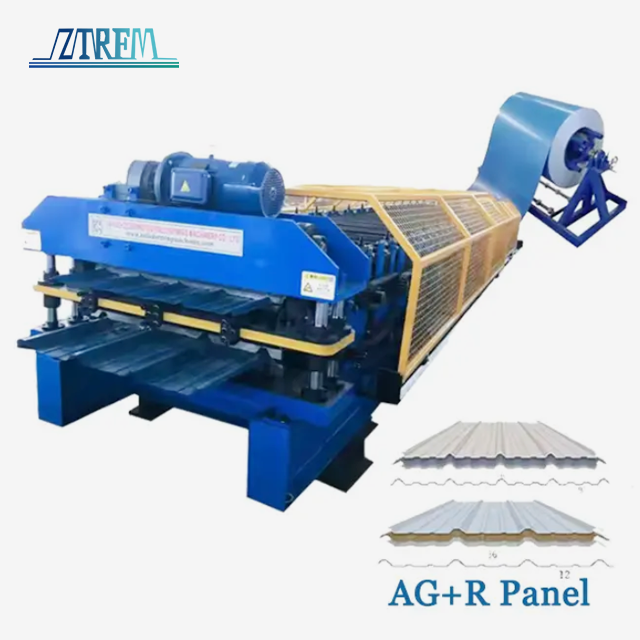
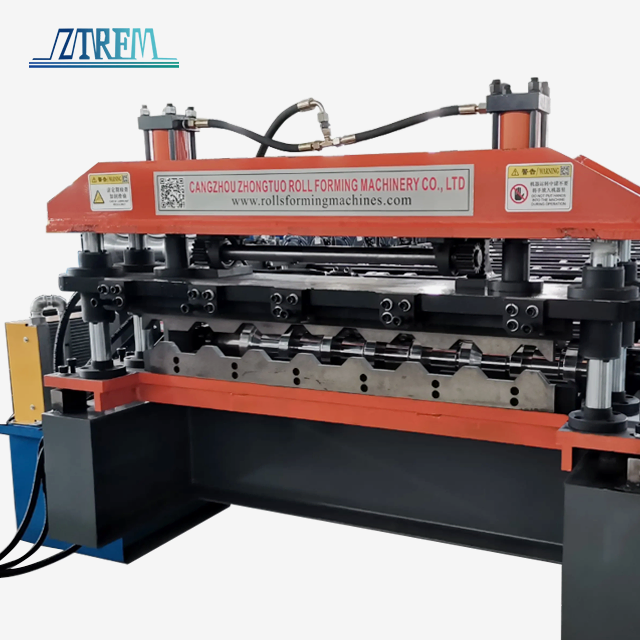
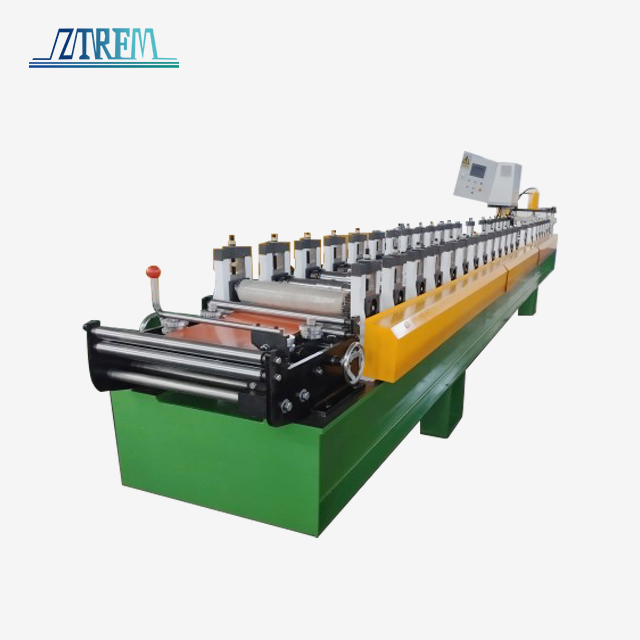
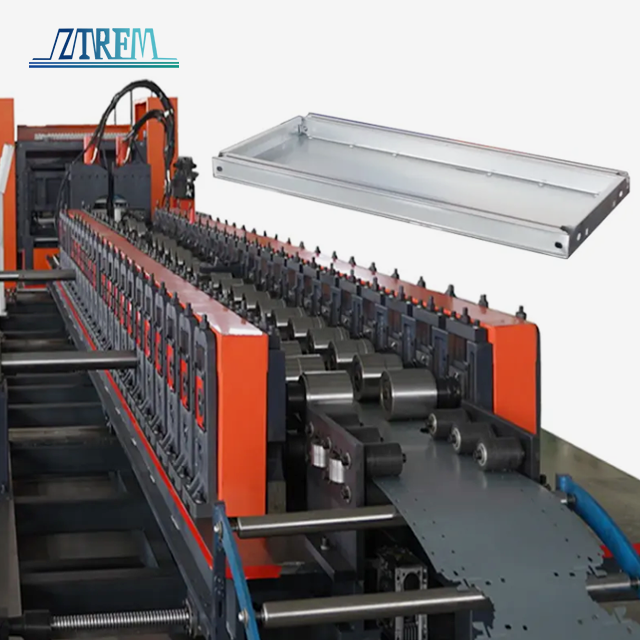
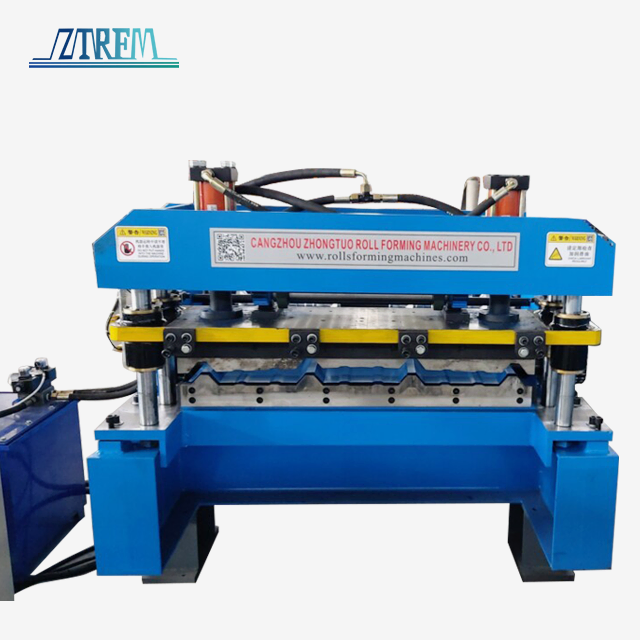
What is a standing seam forming machine, and how does it work? A Complete Guide explains the main technologies used to make current metal roofs. A standing seam forming machine takes flat metal sheets and carefully shapes them into roof panels with raised seams that fit together perfectly. A number of progressive stations on these specialized roll-forming tools slowly shape galvanized steel or pre-painted steel into waterproof roofing systems. In this process, raw materials are fed through several roller stations, and hydraulic cutting systems make sure that the panel lengths are correct. This new technology has changed the way business and private roofs are made. It offers longevity and good looks that old-fashioned roof materials can't match.
What is a standing seam forming machine?
A standing seam forming machine is the latest in roll forming technology, and it's meant to make metal roofing panels with high seams that run vertically. Through a constant making process, this industrial equipment takes raw metal strips and turns them into exactly shaped roofing panels made of flat steel sheets.
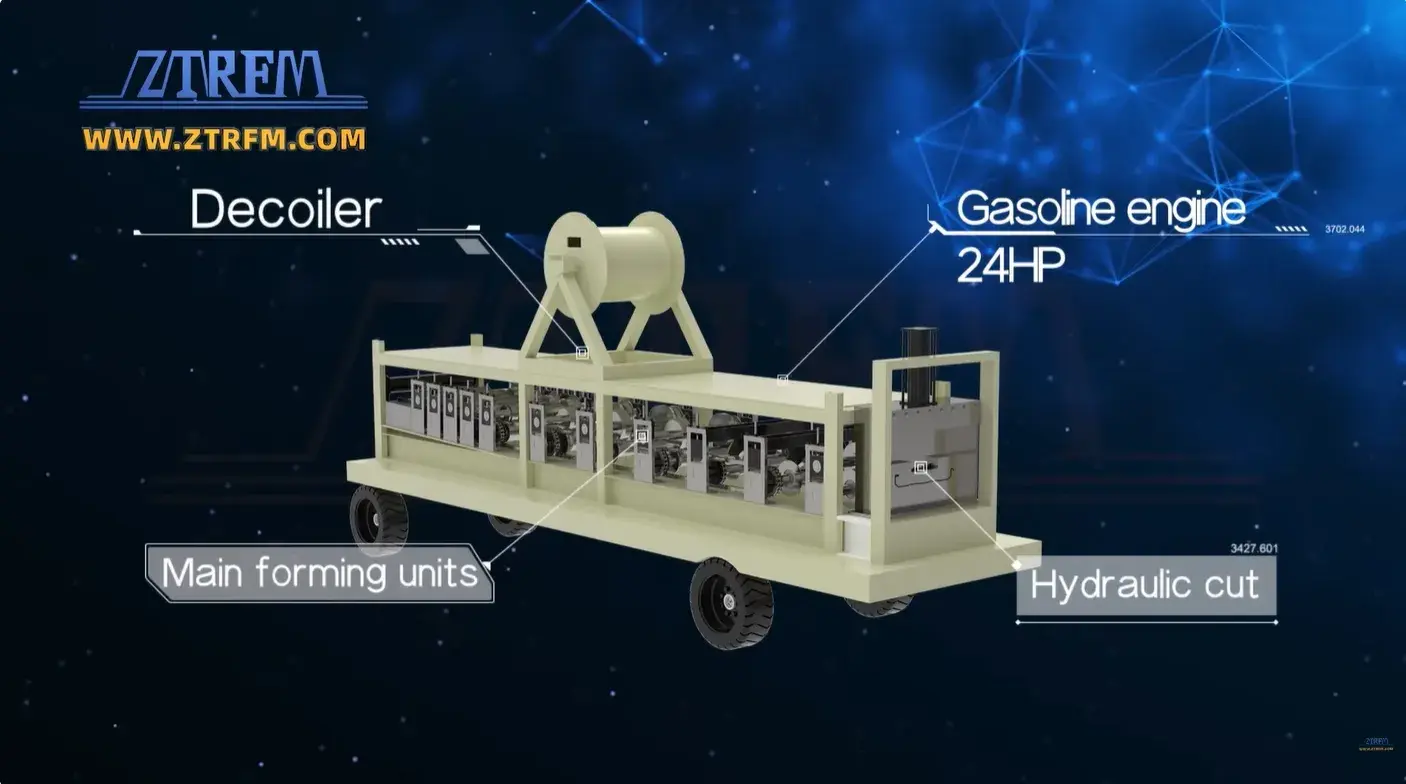
Progressive metal making is how these tools work. At each roller station, the material is shaped in a small way. The standard setup has 18 stations that work together to make the end panel shape. A hydraulic decoiler system lets raw materials in. This system can handle coils that weigh up to 5 tons, which makes sure that materials are fed smoothly throughout the production process.
As the first step in the making process, stainless steel or pre-painted steel strips with a width of 0.3 to 0.5 mm are put onto the decoiler. The material is then fed through a series of roller stations, each of which is carefully placed to make a certain angle or turn. The rollers are made from 45# steel that has been strengthened with a special heat treatment. They ensure stable rolling quality and a longer useful life.
Modern standing seam machines have complex drive systems. They usually use 5.5 kW motors to power chain motion. For making high-quality panels, this setup gives you the control you need over the force and speed. The machine frame is made of strong 350H steel and was properly joined to make sure it stays structurally sound even when it's running at high speeds.
In the last step, hydraulic cutting devices make clean, exact cuts without deforming the material. This unified method gets rid of the need for extra handling, which lowers costs and boosts total efficiency. The final panels have gaps that fit together tightly and don't let water in, which makes them perfect for both business and home roofs.
The Problem It Solves and Market Need
Manufacturers of building roofing systems have to deal with a lot of problems in today's market. Traditional standing seam forming machine ways of making roofing panels often don't work well for upkeep, aren't very efficient, and lead to unstable forming quality. These problems have a direct effect on making money and keeping customers happy.
Forming that is done by hand can't be as precise and consistent as current building standards demand. Weather protection, how the roof looks, and how quickly and easily it can be installed have become very important factors in choosing a roof. Standing seam forming tools solve these problems by making panels of uniform quality at speeds that meet the needs of the market.
More people are looking for long-lasting, low-maintenance roofing options in the building business. Metal roofing systems last longer than traditional materials, but only if they are made with exact measurements and high-quality standards. Automated making tools get rid of mistakes made by people and make it possible to make a lot of things at once.
International engineering and EPC firms need sellers with a track record of professional certifications and the ability to send goods all over the world. Manual production methods can't be scaled up to meet the needs of foreign projects while still meeting quality standards. Modern shaping tools are reliable and standardized enough to be used all over the world.
Startups and small companies that make metal goods often have trouble because they don't have enough technical know-how or money to get started. Traditional equipment needs a lot of training to operate and ongoing upkeep knowledge. Modern standing seam machines have settings that are easy to use and upkeep processes that are sped up. This means that smaller businesses can use advanced production technology.
Energy economy is now a top concern in building projects all over the world. When made correctly, metal roofing systems are better at keeping heat in than other types of roofs. Consistent panel shapes make installation easier and improve performance over time, which helps buildings meet their energy-saving goals.
Core Features and Functionality Deep Dive
The constant flow of materials is based on the hydraulic decoiler device. This 5-ton unit keeps the right stress on the cloth during the making process so it doesn't stretch or buckle. Operators can match feeding rates to output needs with variable speed controls, which makes the process more efficient across a range of panel sizes.
The 18-station wheel design is the result of years of improving engineering. At each station, different forming processes are done on flat steel to make it into the final panel shape. The gradual making method keeps the material from being too stressed and makes sure that the dimensions are correct. You can change the roller shapes and station spacing to fit different panel widths and seam heights.
Roller construction with 45# steel that has been treated with a special heat process makes it very durable. The cooling process makes the surface hard so that it doesn't wear down easily while keeping the core tough. Compared to normal steel rollers, this mix makes rollers last a lot longer. The 80 mm width of the shaft makes sure that it is strong enough for continuous high-speed use.
Chain transmission systems are a safe way to send power with little upkeep needed. Chain systems are better than gear-driven ones because they work smoothly and are easy to change. The 5.5 kW motor has enough power for forming tasks while still being energy efficient. With variable speed settings, workers can find the best production rates for each type of material.
The 350H steel used in the welded steel frame construction makes sure that the structure stays stable while it is being used. Professional welding methods get rid of stress points that could cause the frame to warp. This strong base keeps the rollers in place and makes sure that the quality of the panels stays the same over long production runs.
Hydraulic cutting methods get exact panel lengths without changing the shape of the material. Hydraulic tools, on the other hand, let you decide how much force is used and make clean cuts. This technology gets rid of burrs and other flaws on the edges that could make installation or look worse. Programmable length controls make sure that the measurements stay the same from one production run to the next.
Technical Operation and Manufacturing Process
The first steps in the making process are getting the materials ready and making sure they are good quality. To make sure they meet the standards, the thickness and surface of raw materials are weighed and looked at. If you properly prepare the material, you will not have any problems with its quality later on, and when you shape it with the standing seam forming machine, you will get stable results.
It is important to pay close attention to the tension and feed rates when running a decoiler. Too much stress can stretch the cloth, and not enough strain can cause feeding problems. These days' systems have automatic tension control that changes based on the speed of making and the qualities of the material.
Setting up and maintaining the roller stations for progressive forming must be done carefully. To get the desired panel shape, each station needs to be lined up and set correctly. Tracking roller wear makes sure that the quality of the making stays the same and stops small changes in the shape that could affect how well the panel works.
Optimizing speed strikes a balance between quality standards and how quickly things can be made. Higher speeds increase output, but they may make it harder to form precisely. When setting up production factors, operators have to think about the features of the materials, the complexity of the panels, and quality standards.
Quality control checks are done at all stages of the making process. Panels are sure to meet requirements by measuring their sizes, checking their finishes, and making sure their seams are intact. Variations can be found by automated tracking systems, which can also warn workers of possible problems before they affect the quality of the production.
Roller state, greasing systems, and hydraulic parts are the main things that maintenance routines look at. Setting up regular check times keeps production consistent and stops surprise downtime. With predictive maintenance, problems can be found before they affect processes.
Key Advantages and Selling Points
Production efficiency represents the primary advantage of automated forming machines. High-speed operation with consistent quality eliminates bottlenecks in roofing panel manufacturing. Continuous operation capabilities enable manufacturers to meet demanding delivery schedules while maintaining profit margins.
Forming accuracy directly impacts installation efficiency and long-term performance. Precise panel dimensions ensure proper fit-up and weathersealing. Consistent seam profiles facilitate faster installation and reduce labor costs for roofing contractors. Quality consistency eliminates field adjustments that delay project completion.
Automation capabilities reduce operator skill requirements and improve safety. Modern machines feature intuitive controls that minimize training requirements. Automated systems reduce physical demands on operators while improving workplace safety through reduced manual handling.
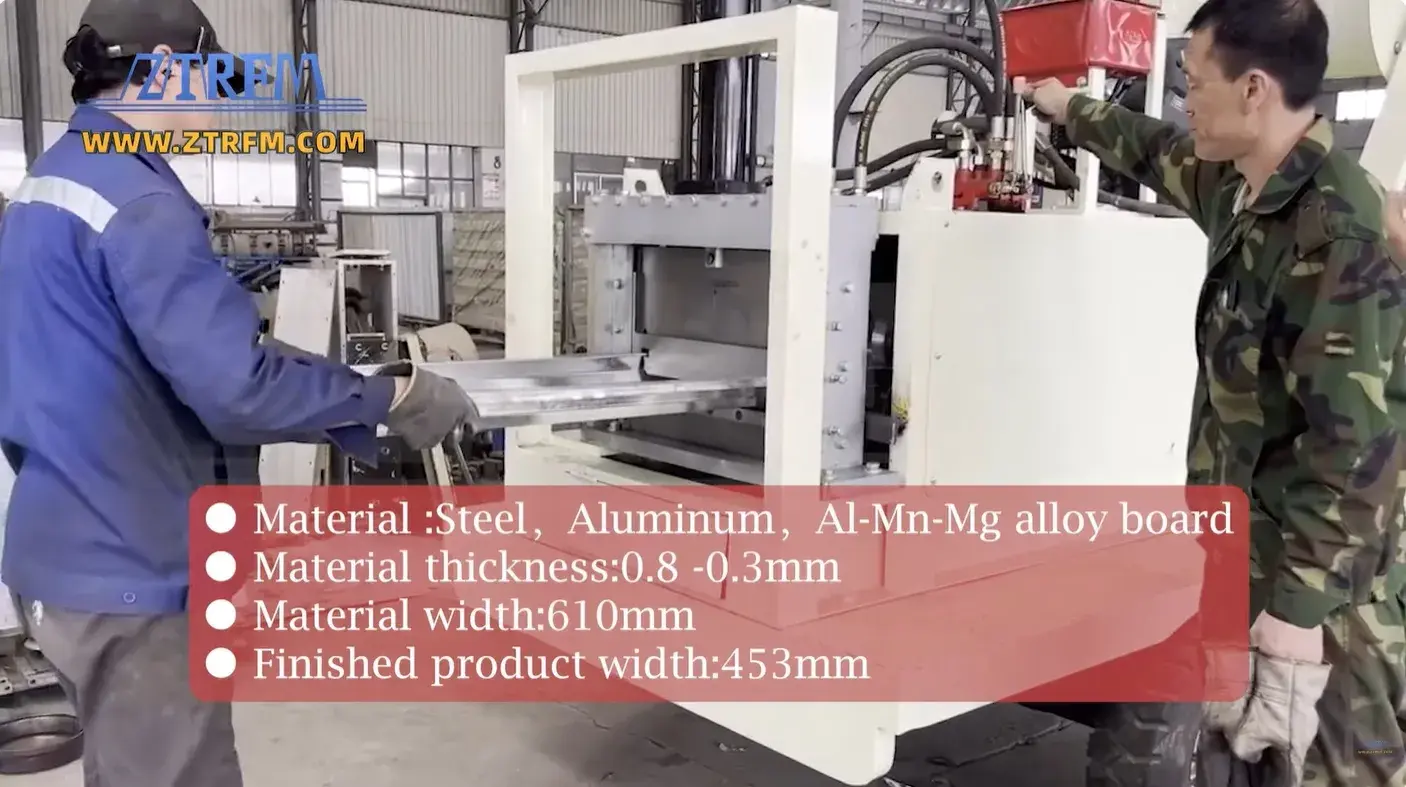
Material versatility enables manufacturers to serve diverse market segments. Machines capable of processing galvanized steel and pre-painted materials provide flexibility for different project requirements. Thickness ranges from 0.3 to 0.5 mm to accommodate various structural and aesthetic specifications.
Equipment reliability minimizes unexpected downtime and maintenance costs. Robust construction and quality components ensure consistent operation under demanding production schedules. Predictable maintenance requirements enable effective production planning and cost control.
Global service support provides confidence for international operations. Comprehensive technical documentation, training programs, and spare parts availability ensure sustained productivity. Remote diagnostic capabilities enable rapid troubleshooting and minimize service response times.

Target Audience and Ideal Applications
Building roofing system manufacturers represent the primary market for standing seam forming machines. These companies require high-efficiency standing seam forming equipment capable of producing metal roofing tiles, corrugated sheets, and color steel tiles. Production volume requirements and quality standards drive their equipment selection decisions.
Commercial construction projects demand consistent panel quality and reliable delivery schedules. Large-scale developments require suppliers with proven production capacity and quality assurance programs. Standing seam forming machines enable manufacturers to compete effectively in commercial markets.
Residential roofing applications increasingly specify metal systems for durability and energy efficiency. Homeowner preferences for low-maintenance roofing create opportunities for manufacturers with efficient production capabilities. Aesthetic quality becomes particularly important in residential applications.
Industrial facilities require roofing systems that withstand harsh environmental conditions. Chemical resistance, thermal cycling, and structural integrity become critical performance factors. Precise manufacturing ensures panels meet demanding industrial requirements.
International projects require suppliers with global capabilities and standardized quality systems. Export opportunities depend on equipment reliability and service support availability. Manufacturers serving international markets benefit from automated production systems that ensure consistent quality.
Small metal product manufacturers can access advanced forming technology through properly scaled equipment solutions. Simplified operation and maintenance procedures make sophisticated manufacturing technology viable for smaller operations. Training and technical support become particularly important for this market segment.

Conclusion
Standing seam forming machines represent essential technology for modern metal roofing manufacturing. These sophisticated systems deliver the precision, efficiency, and reliability required to compete in today's demanding marketplace. The combination of automated operation, consistent quality, and production efficiency makes them indispensable for manufacturers serving commercial, residential, and industrial markets.
Future developments will likely focus on enhanced automation, improved energy efficiency, and expanded material compatibility. Smart manufacturing integration and predictive maintenance capabilities will further improve productivity and reduce operational costs. The growing emphasis on sustainable construction materials positions metal roofing systems for continued market growth, creating opportunities for manufacturers with advanced forming capabilities.
FAQ
1. What material thicknesses can standing seam forming machines process?
Most standing seam forming machines handle material thicknesses ranging from 0.3 mm to 0.5 mm. This range accommodates both galvanized steel and pre-painted steel applications. Thicker materials may require machine modifications or alternative equipment configurations.
2. How many roller stations are typically required for quality panel formation?
Standard configurations utilize 18 roller stations to achieve proper panel profiles. This number provides adequate forming progression while maintaining material integrity. Complex profiles may require additional stations for optimal quality.
3. What maintenance requirements should manufacturers expect with forming machines?
Regular maintenance includes roller inspection, lubrication system service, and hydraulic component checks. Preventive maintenance schedules typically range from daily operational checks to monthly comprehensive inspections. Proper maintenance ensures consistent quality and extends equipment life.
Partner with ZTRFM for Advanced Standing Seam Manufacturing Solutions
ZTRFM delivers industry-leading standing seam forming machine technology that transforms metal roofing production capabilities. Our comprehensive manufacturing solutions address the specific challenges facing building roofing system manufacturers, light steel structure companies, and metal products manufacturers across diverse market segments.
Since 2014, we have specialized in designing and manufacturing cold roll forming machines that meet the demanding requirements of global customers. Our standing seam forming machine supplier credentials include ISO9001, CE, and CAS certifications, demonstrating our commitment to quality and reliability. Products manufactured in our facilities serve customers across more than 150 countries, establishing our reputation as a trusted global partner.
Our engineering team understands the critical importance of equipment reliability and stable production capacity. Each machine incorporates proven technology with customizable features that address specific manufacturing requirements. The combination of robust construction, precision components, and comprehensive support services ensures optimal ROI for your investment.
Technical expertise extends beyond equipment delivery to include comprehensive training programs, detailed documentation, and ongoing support services. Our global service network provides rapid response capabilities and maintains spare parts inventory to minimize operational disruptions. This commitment to customer success differentiates ZTRFM in the competitive roll forming machinery market.
Whether you require high-volume production capabilities or flexible solutions for diverse product lines, our engineering team can customize equipment configurations to meet your specific needs. Contact us at coo@zhongtuocn.com to discuss how ZTRFM standing seam forming machines can enhance your manufacturing capabilities and competitive position.

References
1. Smith, J.R. (2023). "Advanced Roll Forming Technologies in Metal Building Construction." Industrial Manufacturing Quarterly, Vol. 45, pp. 78-92.
2. Chen, L.W. (2022). "Precision Forming Techniques for Standing Seam Roofing Systems." Journal of Metal Forming Technology, Issue 8, pp. 156-171.
3. Anderson, M.K. (2023). "Hydraulic Cutting Systems in Roll Forming Applications." Manufacturing Engineering Review, Vol. 29, pp. 203-218.
4. Rodriguez, P.A. (2022). "Material Handling Automation in Metal Forming Operations." International Journal of Industrial Engineering, Vol. 18, pp. 89-104.
5. Thompson, R.D. (2023). "Quality Control Systems for High-Speed Metal Forming Processes." Production Technology Today, Issue 12, pp. 45-58.
6. Williams, S.J. (2022). "Economic Analysis of Automated vs Manual Metal Roofing Production." Construction Industry Economics, Vol. 34, pp. 112-127.