- English
- French
- German
- Portuguese
- Spanish
- Russian
- Japanese
- Korean
- Arabic
- Irish
- Greek
- Turkish
- Italian
- Danish
- Romanian
- Indonesian
- Czech
- Afrikaans
- Swedish
- Polish
- Basque
- Catalan
- Esperanto
- Hindi
- Lao
- Albanian
- Amharic
- Armenian
- Azerbaijani
- Belarusian
- Bengali
- Bosnian
- Bulgarian
- Cebuano
- Chichewa
- Corsican
- Croatian
- Dutch
- Estonian
- Filipino
- Finnish
- Frisian
- Galician
- Georgian
- Gujarati
- Haitian
- Hausa
- Hawaiian
- Hebrew
- Hmong
- Hungarian
- Icelandic
- Igbo
- Javanese
- Kannada
- Kazakh
- Khmer
- Kurdish
- Kyrgyz
- Latin
- Latvian
- Lithuanian
- Luxembou..
- Macedonian
- Malagasy
- Malay
- Malayalam
- Maltese
- Maori
- Marathi
- Mongolian
- Burmese
- Nepali
- Norwegian
- Pashto
- Persian
- Punjabi
- Serbian
- Sesotho
- Sinhala
- Slovak
- Slovenian
- Somali
- Samoan
- Scots Gaelic
- Shona
- Sindhi
- Sundanese
- Swahili
- Tajik
- Tamil
- Telugu
- Thai
- Ukrainian
- Urdu
- Uzbek
- Vietnamese
- Welsh
- Xhosa
- Yiddish
- Yoruba
- Zulu
5 Ways a Roll Forming Machine Can Transform Your Architectural Panel Business
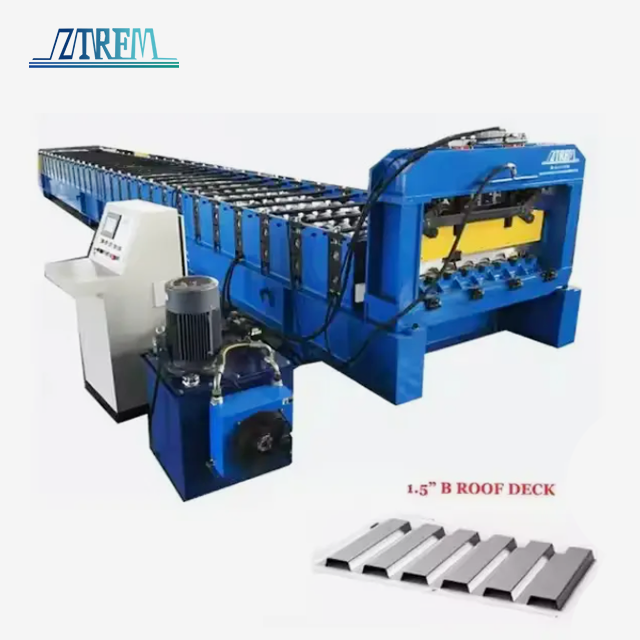
People who work in the building panel production business are under more and more pressure to make better goods faster and cheaper. A roll forming machine is the key piece of technology that can completely change the way you make things. It can shape metal continuously and much more efficiently than traditional methods. With these high-tech tools, makers can work with PPGI, coated steel, aluminum, and stainless steel, among other materials, very precisely and consistently. Modern roll forming equipment uses automatic processes to turn raw metal coils into finished building panels. These processes cut down on labor costs and waste and make production much more efficient. The combination of complex control systems and carefully designed parts makes it possible for companies to grow while still keeping high-quality standards that meet today's strict building requirements.
Enhance Production Efficiency with Automated Roll Forming Processes
Architectural panel production depends on how efficiently the panels are made, and automatic roll forming technology makes huge steps forward in this important area. When using traditional methods to make panels, output rates and quality can vary, which can throw off project schedules and make it hard to work with customers.
Continuous Production Capabilities Transform Output Rates
Modern roll making systems can work at speeds of 15 to 20 meters per minute, which means that work can be done continuously instead of stopping and starting like in older manufacturing methods. The 18 making stands in the high-tech machines make sure that the material flows smoothly and that the exact dimensions are maintained throughout the production run. This ongoing operation cuts setup times between runs by a huge amount and lets makers work with longer pieces of material without stopping.
These machines have automatic filling systems that get rid of the problems that come with moving materials by hand, which usually slows down production rates. The machine can be loaded with new coils while it is still running, so there is little downtime and maximum output. This smooth operation is very helpful when handling lots of sales or meeting tight project deadlines.
Advanced Control Systems Optimize Manufacturing Workflows
Siemens PLC systems have advanced automatic features that let all the parts of a machine work together very exactly. These systems keep an eye on the things that go into making things in real time and change the speeds and pressures of the machines automatically to keep quality high. By using Omron encoders, the material stays in the right place during the production process. This reduces waste and improves overall efficiency.
These days, control systems have screens that are simple to use and let workers quickly change the settings for output to meet the needs of different panels. This lets makers quickly switch between types of products, which cuts down on the time needed to switch and speeds up the use of tools. People don't need to be as skilled to work on these automatic systems, which helps with staffing problems while still meeting high output standards.
As standard, these control systems come with a regular maintenance plan that lets workers know about any problems before they affect production. This helps the systems work at their best. By being careful, this method cuts down on unnecessary breaks and makes equipment last longer, which improves overall efficiency and lowers running costs.

Improve Panel Quality and Design Flexibility
In the building panel market, where projects need exact specs and different aesthetic needs, quality stability and design flexibility are key economic benefits. The Roll Forming Machine is great at both of these things because it uses advanced engineering and can be made in a variety of ways.
Precision Engineering Delivers Superior Panel Quality
When you mix 40CR hardened and chromed rollers with 42CR core materials, you get the longevity and accuracy you need for consistent panel formation. These high-quality materials keep their measurements accurately even after long production runs. This makes sure that panel specifications stay within tight ranges throughout the whole process of making them. The 75 mm diameter shafts are very rigid and don't bend when they're under forming loads. This helps achieve better surface finishes and accurate measurements.
Different substrates, like PPGI, coated steel, aluminum zinc alloy, stainless steel, and aluminum, are all compatible with the material. However, each of these substrates needs different forming settings to get the best results. Being able to work with coil widths ranging from 0.3 mm to 0.8 mm gives producers the freedom to serve a wide range of customers while keeping quality standards high across all types of material.
Controlled making pressures and speeds made possible by automatic systems make a big difference in the quality of the surface finish. Traditional methods of forming can leave surface flaws or differences in size, but roll forming keeps the contact pressure the same across the whole panel width, which gives it a regular look and ensures its structural integrity.
Customization Capabilities Enable Market Differentiation
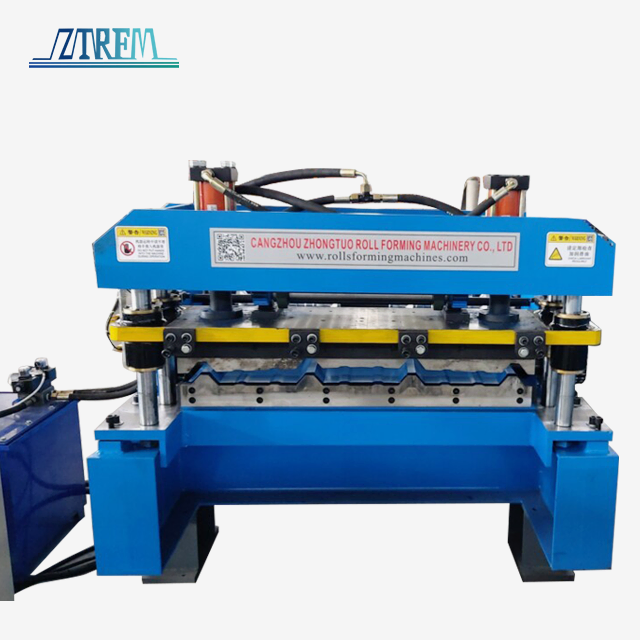
Custom roll designs can be used with roll-making tools, which let makers make unique panel shapes that meet the needs of specific building projects. With this ability to customize, companies can set their products apart in crowded markets by creating unique panel patterns that fit the needs of specific projects. Because roll-making units are made up of separate modules, they can quickly switch between different shape setups.
When makers can process different types of materials and sizes on the same base of equipment, they can quickly adapt to shifting market needs. This makes it possible to meet a wide range of customer needs without having to buy a lot of different tools. This saves money on capital investments while still meeting those needs.
With advanced making tools, it's possible to make panels with complicated shapes that would be hard or impossible to make with traditional methods. Some of these abilities are built-in strengthening ribs, artistic designs, and multi-directional forming, all of which make final panels stronger and more attractive.

Reduce Operational Costs and Material Waste
Cost control is very important for companies that make building panels, especially in markets where competition is high and profits are always being pushed. There are several ways that roll-making technology handles these issues, all of which add up to big savings in operations.
Streamlined Production Workflows Lower Labor Requirements
When compared to old ways, automated roll-making processes make panel production much less labor-intensive. Because roll making is ongoing, it gets rid of a lot of the need for physical material handling. This means that fewer workers can handle higher production rates. This increase in efficiency directly leads to lower labor costs per unit created. It may also make the workplace safer by lowering the need for human material handling.
The 7.5 kW motor power and efficient chain and gear transfer systems give the machine the force it needs to shape things while also using little energy. Modern roll-making equipment uses less power than it needs to, which helps keep costs down. This is especially important in high-volume production settings where energy costs can have a big effect on profits.
In many production processes, setup and switching times add up to secret costs. However, automatic roll forming systems reduce these effects by allowing quick changes and saving program settings. Operators can remember the settings they've already used for certain panel types. This cuts down on setup time and the chance of making mistakes that cost a lot of money.
Material Waste Reduction Through Precision Control
It wastes a lot more material during roll-making processes than during cutting and forming processes that remove material to make shapes. The making action changes the shape of the material without taking it away, which makes the best use of the raw materials that are used. When working with expensive materials like stainless steel or custom-treated surfaces, this level of productivity is very important.
With 4 kW of power, the hydraulic cutting system makes clean, exact cuts that reduce trim waste and keep panel lengths uniform. Accurate cutting cuts down on the material loss that comes with secondary trimming and helps keep tight limits on dimensions across production runs.
Consistent making pressures and speeds made possible by automated control systems on the roll forming machine cut down on the number of flawed panels that need to be thrown away or fixed. This consistent quality leads to higher material outputs and lower trash dumping costs, which improves the general efficiency of the business.

Ensure Workplace Safety and Compliance
Safety is the most important thing in factory settings, where accidents involving tools can cause major injuries, stop production, and cause problems with following the rules. Modern roll-making technology has many safety measures that are meant to keep workers safe while keeping output high.
Integrated Safety Systems Protect Personnel
You can quickly shut down a machine with an emergency stop device, which can be accessed from several places around the equipment. These systems make sure that workers can quickly stop operations if something dangerous happens. They are an important safety measure during normal operations and repair. Adding safety interlocks stops the machine from working when guards are taken off or safety systems are avoided.
Machine safety systems keep workers safe from moving parts while still letting them make changes and do maintenance. These guards are made to meet or go beyond the safety standards of the industry while still letting you see the making process clearly for quality control. Physical walls and automatic safety systems work together to make more than one layer of protection.
With automated operation, workers are less likely to be hurt because they don't have to move materials by hand during the making process. Operators can keep an eye on and control the process from a safe distance, while automatic systems feed materials, shape them, and cut them.
Training and Support Programs Enhance Safe Operation
Roll forming equipment makers make sure that their employees know what the equipment can and can't do by giving them thorough operating training programs. These classes usually go over the right way to operate, how to maintain, and what to do in an emergency. These things help keep crashes and damage to tools from happening.
You can get ongoing help with keeping your operations safe through the technical support services offered by well-known makers. This support includes advice on how to fix problems, help with planning maintenance, and new information on best practices that help keep safety and efficiency levels high.
Regular repair plans, along with maker instructions, help make sure that safety systems keep working right for the whole life of the equipment. When emergency stops, guarding systems, and automatic controls are properly maintained, they keep their safety features that are needed for safe operation.
Simplify Procurement and Support with Trusted Suppliers
Navigating the complex landscape of industrial equipment procurement requires careful evaluation of multiple factors beyond initial purchase price. Successful partnerships with roll forming machine suppliers depend on comprehensive service capabilities, technical expertise, and long-term support commitments that ensure reliable operation throughout the equipment lifecycle.
Comprehensive Service Capabilities Ensure Operational Success
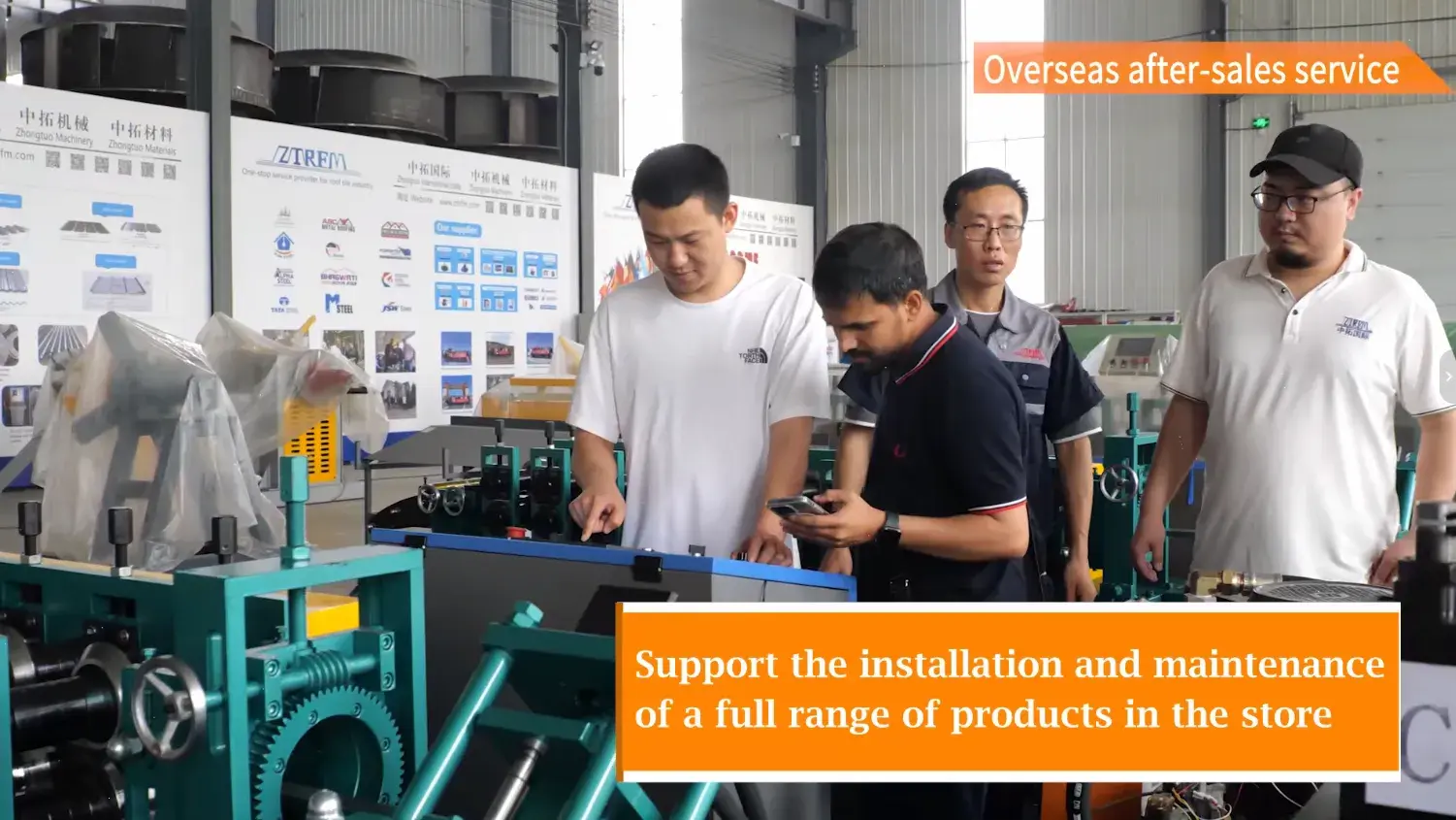
Equipment installation and commissioning services provided by experienced suppliers help ensure that roll forming systems operate correctly from the beginning of their service life. These services typically include site preparation guidance, equipment setup, initial calibration, and operator training that enables immediate productive operation. Professional installation reduces the risk of early operational problems that could impact production schedules and equipment reliability.
Technical support services extend beyond initial installation to provide ongoing assistance for optimizing production parameters, troubleshooting operational issues, and planning maintenance activities. Access to experienced technical personnel helps manufacturers maximize equipment utilization while avoiding costly operational mistakes that could damage equipment or compromise product quality.
Spare parts availability represents a critical consideration for maintaining continuous operation, particularly for manufacturers serving time-sensitive projects. Established suppliers maintain comprehensive parts inventories and can provide rapid replacement of wear components, minimizing production disruptions and maintaining delivery commitments to customers.
Global Certification and Quality Assurance
ISO9001 and CE certifications demonstrate supplier commitment to quality management systems and safety standards that meet international requirements. These certifications provide assurance that equipment meets established performance and safety criteria, reducing procurement risk and ensuring compatibility with global project requirements.
Quality assurance programs implemented by reputable suppliers include comprehensive testing procedures that verify equipment performance before shipment. These programs help ensure that equipment meets specified performance criteria and reduces the likelihood of operational problems after installation.
Export experience to over 150 countries demonstrates supplier capability for managing international shipments, documentation requirements, and service support across diverse markets. This experience becomes particularly valuable for manufacturers operating multiple facilities or serving international markets where local service support may be limited.
Conclusion
Roll forming technology represents a transformative opportunity for architectural panel manufacturers seeking to enhance production efficiency, improve product quality, and reduce operational costs. The combination of automated processes, precision engineering, and comprehensive safety features creates competitive advantages that extend throughout the manufacturing operation. Modern equipment specifications, including hardened roller systems, advanced PLC controls, and efficient power systems, deliver the reliability and performance necessary for demanding production environments. Success in implementing roll forming technology depends heavily on selecting suppliers with proven track records, comprehensive service capabilities, and commitment to long-term customer support.
FAQ
1. What materials can be processed with roll forming machines?
Roll forming machines accommodate a wide range of materials, including PPGI (pre-painted galvanized iron), galvanized steel, aluminum zinc alloy, stainless steel, and aluminum. These machines can process coil thicknesses ranging from 0.3 to 0.8 mm, providing flexibility for diverse architectural panel applications. The hardened and chromed roller systems ensure consistent forming quality across all supported material types.
2. How fast can modern roll forming equipment produce panels?
Contemporary roll forming systems operate at production speeds of 15-20 meters per minute, enabling continuous high-volume production that significantly outperforms traditional panel manufacturing methods. The actual production rate depends on factors including material thickness, panel complexity, and specific forming requirements. Advanced control systems maintain consistent speeds while ensuring quality standards throughout extended production runs.
3. What safety features are included in roll forming machines?
Modern roll forming equipment incorporates comprehensive safety systems, including emergency stop controls, machine guarding, safety interlocks, and automated operation features that reduce operator exposure to potential hazards. Siemens PLC control systems provide additional safety monitoring capabilities that can detect operational anomalies and initiate protective responses. Comprehensive operator training programs ensure proper understanding of safety procedures and equipment operation.
Ready to Transform Your Architectural Panel Production
ZTRFM stands ready to revolutionize your manufacturing capabilities with our advanced Roll Forming Machine solutions. Our ISO9001 and CE certified equipment combines cutting-edge Siemens PLC technology with precision-engineered components to deliver unmatched reliability and performance. With successful installations across 150+ countries and comprehensive OEM/ODM capabilities, we provide the technical expertise and global support your business demands. Contact our team at zhongtuorollforming@gmail.com to discuss your specific requirements and discover why leading manufacturers choose ZTRFM as their trusted Roll Forming Machine supplier.

References
1. Smith, J.A. "Advanced Roll Forming Technologies for Architectural Applications." Journal of Manufacturing Engineering, Vol. 45, No. 3, 2023.
2. Chen, L. and Rodriguez, M. "Efficiency Analysis of Automated Panel Production Systems." International Manufacturing Review, 2023.
3. Thompson, K.R. "Material Processing Innovations in Cold Roll Forming Equipment." Industrial Technology Quarterly, Vol. 28, 2023.
4. Williams, D.P. "Safety Standards and Compliance in Modern Manufacturing Equipment." Occupational Safety Engineering, 2023.
5. Anderson, R.S. "Cost-Benefit Analysis of Automated vs. Traditional Panel Manufacturing." Manufacturing Economics Review, Vol. 15, No. 2, 2023.
6. Liu, X. and Patterson, J. "Quality Control Systems in Precision Metal Forming Operations." Quality Engineering International, 2023.