- English
- French
- German
- Portuguese
- Spanish
- Russian
- Japanese
- Korean
- Arabic
- Irish
- Greek
- Turkish
- Italian
- Danish
- Romanian
- Indonesian
- Czech
- Afrikaans
- Swedish
- Polish
- Basque
- Catalan
- Esperanto
- Hindi
- Lao
- Albanian
- Amharic
- Armenian
- Azerbaijani
- Belarusian
- Bengali
- Bosnian
- Bulgarian
- Cebuano
- Chichewa
- Corsican
- Croatian
- Dutch
- Estonian
- Filipino
- Finnish
- Frisian
- Galician
- Georgian
- Gujarati
- Haitian
- Hausa
- Hawaiian
- Hebrew
- Hmong
- Hungarian
- Icelandic
- Igbo
- Javanese
- Kannada
- Kazakh
- Khmer
- Kurdish
- Kyrgyz
- Latin
- Latvian
- Lithuanian
- Luxembou..
- Macedonian
- Malagasy
- Malay
- Malayalam
- Maltese
- Maori
- Marathi
- Mongolian
- Burmese
- Nepali
- Norwegian
- Pashto
- Persian
- Punjabi
- Serbian
- Sesotho
- Sinhala
- Slovak
- Slovenian
- Somali
- Samoan
- Scots Gaelic
- Shona
- Sindhi
- Sundanese
- Swahili
- Tajik
- Tamil
- Telugu
- Thai
- Ukrainian
- Urdu
- Uzbek
- Vietnamese
- Welsh
- Xhosa
- Yiddish
- Yoruba
- Zulu
What are the Key Features of a Cable Tray Roll Forming Machine?
As an advanced industrial solution, a Cable Tray Machine is designed to make metal cable support systems using automated cold roll forming methods. These high-tech machines take raw metal coils and precisely cut them into cable management profiles like ladder-style arrangements, solid bottom channels, and trays with holes in them. The main features include high-precision roll forming stations, built-in hydraulic cutting systems, PLC automation controls, and the ability to change the width without having to change the rollers by hand. This eliminates the need for manual roller changes and keeps the dimensions within ±1mm tolerances for the best cable protection infrastructure.
Introduction to Cable Tray Roll Forming Machines
Modern electrical infrastructure is built around cable tray roll forming machines, which make essential cable management systems that keep electrical wiring in industrial and commercial settings organized and safe. These high-tech production lines combine several manufacturing steps into a single, continuous process that turns raw galvanized steel coils into precisely designed structures that hold cables. The main reason why cable tray systems are better than traditional conduit methods is that they are easier to use and can be expanded. When adding or changing cables in enclosed conduit systems, the whole system has to be taken apart. But with cable trays, engineers can just add more cables without messing up the installations that are already there. This adaptability is very helpful in fast-paced industrial settings where electrical systems are often upgraded or added to. Modern roll forming technology solves important problems that companies that make metal structures and roofing systems have. The accuracy of the dimensions is maintained over thousands of linear feet of cable tray production thanks to automated forming processes. This consistency directly affects how quickly and easily the trays are installed, since trays that are made the same way every time will line up perfectly during assembly, saving money on labor and time. The first step in making something is using high-quality steel coils that are usually between 1.2mm and 3.0mm thick, depending on how much weight they need to hold. The decoiling system of the machine feeds material through progressive forming stations. At these stations, special rollers slowly shape the flat steel into the tray profile that is needed. Each forming station uses the right amount of pressure to make bends that are smooth without affecting the quality of the material or the finish on the outside.
Advanced Automation Benefits
Purchasing managers know that investing in automated equipment to make cable trays is a much more efficient way to do business than making them by hand. Using servo-controlled systems takes away the chance of human error while keeping production speeds steady at over 15 meters per minute, depending on the perforation density needs. Quality control is done at every stage of production to make sure that the finished products meet the high standards for electrical safety that are needed in commercial and industrial settings. Automated roll forming reduces the amount of waste material while making cable trays with smooth edges that keep delicate cable jackets safe during installation and service life.

Core Components and Automation Features of Cable Tray Roll Forming Machines
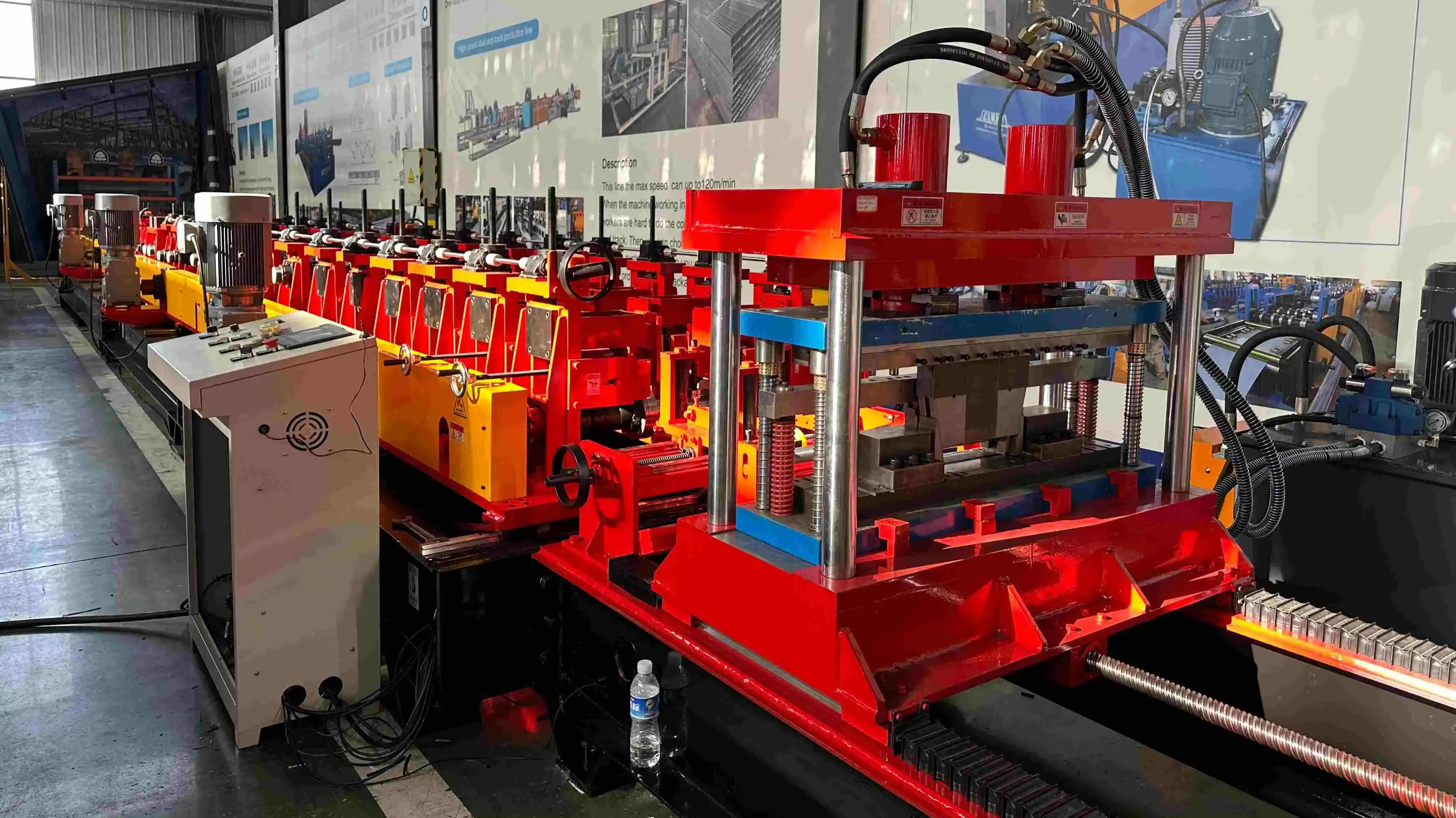
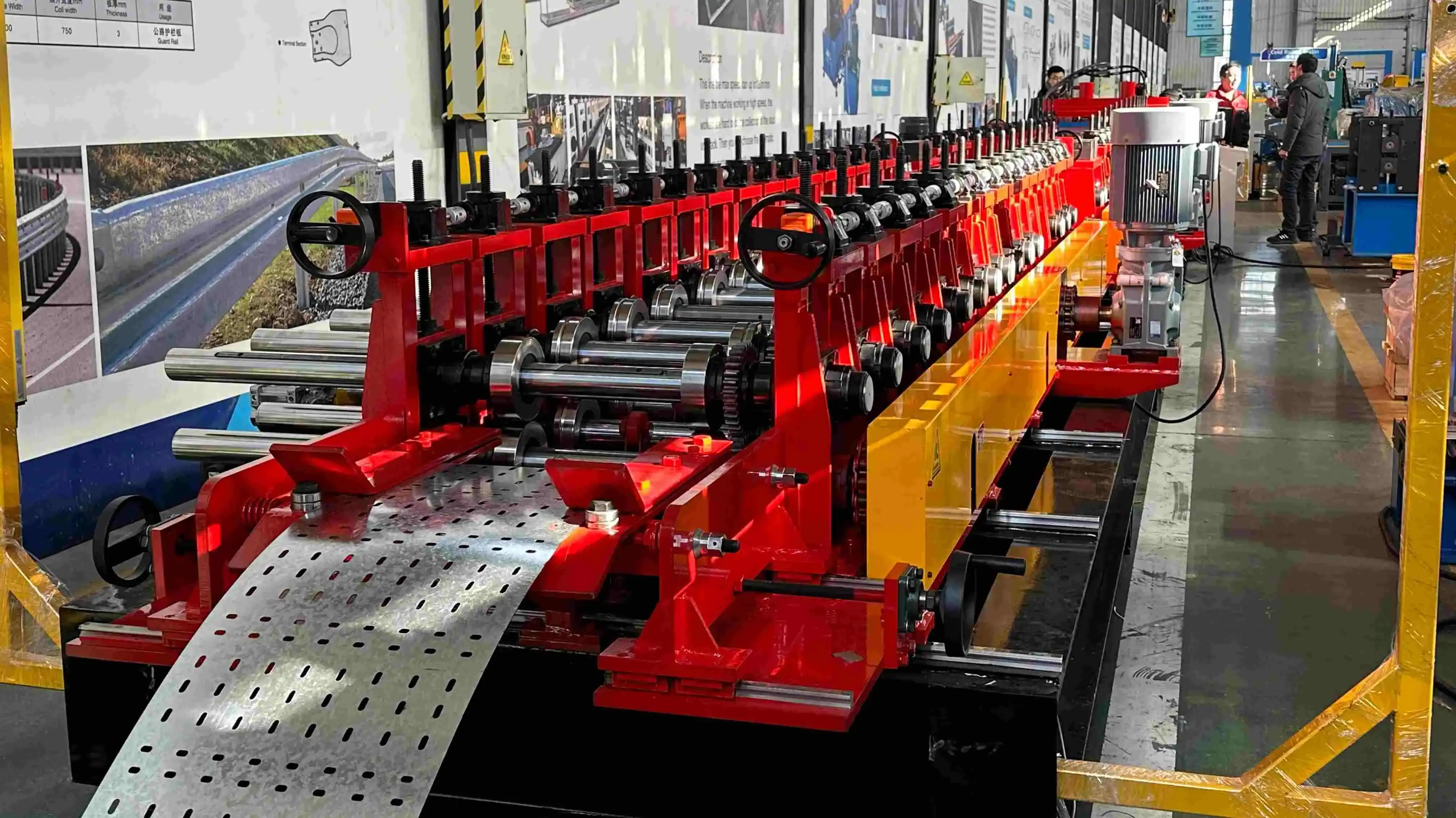
By understanding the mechanical structure of equipment used to make cable trays, you can see why these systems work better than other ways of making things. When precision-engineered parts are put together, they make a production environment that turns raw materials into finished cable management products very consistently. Any high-performance Cable Tray Machine starts with its uncoiling system, which usually has hydraulic or pneumatic expansion mandrels that can handle coil weights of up to 5 tons. The feeding device has handwheels for changing the thickness of the material, which ensures that the tension is controlled correctly during the forming process. This precise feeding mechanism keeps the line speed constant even if the steel gauge changes, so the material doesn't buckle.
Roll Forming Station Configuration
The 14 precisely engineered forming stations are the heart of the production system. Each one has rollers made from GCr15 bearing steel that has been heat-treated to an HRC 58–62 hardness level. The 85 mm diameter roller axis provides the best forming geometry, reducing material stress while achieving precise bend radii that are necessary for structural integrity. Progressive forming technology spreads the bending forces across several stations. This stops work hardening, which could make the material less flexible. At each station, small changes in shape are made to the steel, which lets it flow naturally into the final tray shape without putting stress on the inside that could cause cracks or changes in size over time. Hard-chrome plating processes are used to give the roller surface finish extra care. These processes make the surface very resistant to wear while keeping it smooth so that pre-finished materials don't get scratched. This treatment on the roller's surface makes it last a lot longer and keeps the quality of the product the same over long production runs.
Hydraulic Cutting System Excellence
The 5.5kW hydraulic power systems used in the cutting mechanism provide enough force to cut through heavy-gauge materials while leaving clean, burr-free cut edges. When the cutting blades are made from Cr12 steel and quench-treated to reach an HRC56–58 hardness, they perform exceptionally well and require less maintenance. One big benefit of the hydraulic cutting system is that it can be changed to make different-sized cable trays without having to replace the cutters. This versatility is very helpful for companies that want to serve a wide range of customers with different-sized needs. Cutting accuracy that stays the same over the life of the blade makes sure that finished products meet the necessary tolerances for proper assembly in the field.
PLC Control Integration
Industrial-grade PLC control systems, such as those made by Delta or Siemens, are at the heart of advanced automation capabilities. These platforms are known for being reliable in harsh manufacturing environments. The touchscreen interface makes it easy for operators to control production parameters like length settings, cutting sequences, and diagnostic information that helps plan ahead for maintenance. Real-time monitoring keeps an eye on production metrics like line speed, material use, and quality indicators that help the process keep getting better. The system's data logging features help meet the needs for quality documentation while also giving useful information for planning production and making it run more smoothly.

Types and Operational Modes of Cable Tray Machines
Different types of cable tray manufacturing equipment are made to meet the needs of different types of customers, ranging from small fabrication shops to large industrial manufacturers that sell their products all over the world. When procurement professionals know about these operational configurations, they can choose equipment that fits their production goals and budget. Startup manufacturers and small metal products companies that want to get into the cable tray market with little capital investment, like the manual operational modes. Although an operator is needed to load materials, measure lengths, and cut them, these systems still have the precision forming features that are needed to make good products. Less complicated automation means lower start-up costs and easier maintenance, which is good for businesses that don't have a lot of technical staff. Fully automatic production lines cater to high-volume manufacturers requiring maximum efficiency and consistency. These systems integrate automatic material feeding, servo-controlled punching, precise length measurement, and hydraulic cutting into seamless workflows that minimize labor requirements while maximizing throughput. The automation level particularly benefits large-scale operations where production consistency directly impacts profitability.
Cable Tray vs. Cable Ladder Distinctions
Making a cable tray or a cable ladder is fundamentally different because of how they are built and what they are used for. Cable trays have raised sides and solid or perforated bottom sections that keep cables inside and protect sensitive wiring from dirt and other things in the environment. The roll-forming process makes bottom surfaces that are continuous and spreads cable loads evenly across support structures. With their open rung design, cable ladders let the most air flow around the cables while still supporting heavy power cables. To make the side rail profiles and attaching points for the rungs, the manufacturing process needs different tooling configurations. To get the best quality and efficiency, many manufacturers have separate production lines for each product type to optimize efficiency and quality.
Scalability Considerations
Equipment scalability is an important factor for growing manufacturers who want to increase their production capacity or offer a wider range of products. It is possible to add features like automatic stacking, integrated punching systems, or multi-width forming to modular machines in a planned way, without having to replace the whole machine. Long-term market projections and possible product line expansions should be part of the investment strategy. The total cost of ownership is lower for machines that can be upgraded than for entry-level systems that might need to be replaced completely as the business grows. This forward-thinking approach works especially well for international engineering firms that sell their products to customers around the world with different needs.

Maintenance, Safety Standards, and Quality Assurance
Setting up thorough maintenance plans for a Cable Tray Machine will keep it running at its best for as long as it's possible, and it will also help keep unexpected downtime from messing up production schedules to a minimum. Because modern roll forming equipment is so complicated, preventative maintenance plans need to be well thought out and cover the needs of the mechanical, hydraulic, and electrical systems. As part of routine maintenance, bearing surfaces are usually oiled every day, hydraulic fluid levels are checked once a week, and the alignment of forming stations is checked once a month. Automatic lubrication systems built into high-quality machines cut down on the need for manual maintenance while making sure that critical wear points always get lubricant. These systems use central reservoirs that send exact amounts of lubricant to bearing locations. This keeps production quality high while extending the life of parts.
Safety Standard Compliance
International safety certifications, especially CE marking for European markets and UL listing for installations in North America, are necessary to buy equipment in industries that are regulated. These certifications show that machines meet strict safety standards for protecting operators, keeping electrical parts safe, and stopping mechanical hazards. As part of the certification process, all safety systems are tested thoroughly. These include emergency stop circuits, guard interlocking mechanisms, and procedures for electrical isolation. Manufacturers must show that they follow machinery directives that spell out the bare minimum of safety rules for using industrial equipment. This certification gives procurement managers peace of mind that the equipment they are buying meets all safety laws in the workplace. Operator training programs are an important part of keeping machines safe to use. They teach people how to properly start up machines, shut them down in an emergency, and spot hazards. Modern equipment for making cable trays is very complicated, so operators need to know a lot about both mechanical and electrical systems in order to spot potential safety problems before they become major dangers.
Quality Control Measures
Verifying the accuracy of the dimensions is an important part of quality control throughout the whole production process. Modern machines have inline measurement systems that keep an eye on the size of the product at all times and change the forming parameters automatically to keep the specs. These closed-loop control systems stop the production of products that don't meet standards and cut down on waste. Statistical process control techniques keep an eye on production trends that could show problems with quality before they affect the specifications of the finished product. The ability of PLC control systems to collect data is useful for finding patterns that could mean that maintenance is needed or that the process could be improved. In many fields, quality documentation rules require full production records that show where materials come from, how they were processed, and the results of each inspection for each batch of products. Modern machines can automatically log data, which meets these needs and cuts down on the work of keeping records by hand, which could lead to mistakes or missing information.
Selecting the Best Cable Tray Roll Forming Machine: Buyer's Guide
When buying equipment to make cable trays, you have to think about a lot of technical and business factors that will affect the long-term success of your business. When choosing new equipment, production speed requirements are often the most important factor. However, energy efficiency, maintenance costs, and the ability of the supplier to provide support are also very important for lowering the total cost of ownership. When planning production capacity, it's important to look at both current market demand and expected growth paths. Machines that can produce 15-20 meters per minute are good for medium-volume businesses, while systems that can produce more than 25 meters per minute are best for big companies that have a big presence in the market. The connection between production speed and the thickness of the material needs to be carefully looked at, since higher speeds may mean that gauge capabilities need to be lowered.As utility costs rise and environmental rules get stricter, thinking about how to save energy has become more important. Modern machines have variable frequency drives that adjust motor speeds based on production needs. This saves energy when the machine isn't working hard. The design of the hydraulic system has a big effect on how much energy it uses overall. Load-sensing systems are much more energy-efficient than fixed-displacement pump configurations.
Supplier Evaluation Criteria
To figure out how trustworthy a supplier is, you should first look at how well they've done in international markets and how well they can provide full technical support. Companies that have ISO9001 certification and CE compliance show that they are dedicated to quality management systems, which are necessary for delivering consistent products and providing ongoing support. It's important to have spare parts and technical service support on hand in order to keep production schedules, especially for companies that serve markets that need products quickly. For replacement parts, suppliers with established service networks in major manufacturing regions can respond more quickly and charge less for shipping. Training and installation services are important value-added features that affect how well the equipment is put to use. Comprehensive training programs should cover operational procedures, maintenance needs, and troubleshooting methods that allow technical staff to keep machines running at their best. Installation services should include details about the foundation, the utilities that need to be connected, and the steps that need to be taken to make sure that the equipment is set up correctly.
Financial Considerations
When planning a capital investment, you need to think about how much the whole system will cost, including setup, training, and the first stock of spare parts. Leasing equipment or extending payment terms are two ways to get money that can help you manage your cash flow and get advanced technology that you might not be able to afford right now. When figuring out the return on investment, you should look at both the direct cost savings that come from automating production and the indirect benefits, like better product quality and less need for labor. The analysis should also look at ways to grow the market that are made possible by more consistent products and higher production capacity.
Conclusion
To choose the best Cable Tray Machine, you need to carefully look at its technical specs, automation options, and supplier support to make sure that it will meet your needs and be successful in the long run. The main points of this guide show how important precision forming stations, hydraulic cutting systems, and advanced PLC controls are for making sure that the quality of the products is always the same. Modern machinery for making cable trays is much better than making them by hand because it is more accurate in terms of measurements, requires less work, and makes production faster. Investing in good roll forming technology pays off by lowering maintenance costs, making equipment last longer, and letting you serve a wider range of customers with different product needs.
FAQ
1. How does the cable tray roll-forming process maintain dimensional accuracy?
The progressive forming method distributes bending forces across 14 precision stations, each applying incremental shape changes that prevent material stress concentration. The 85mm diameter rollers, manufactured from heat-treated GCr15 steel, maintain consistent forming pressure while specialized monitoring systems track dimensional parameters throughout production.
2. What material thickness range can these machines process effectively?
Most cable tray manufacturing equipment handles steel thicknesses from 1.2 mm to 3.0 mm, with some heavy-duty models accommodating up to 4.0 mm materials. The handwheels on the feeding device make it easy to adjust to different thicknesses of material without having to make a lot of changes to the setup.
3. How does hydraulic cutting compare to mechanical cutting systems?
When compared to mechanical options, hydraulic cutting systems offer better control over force and better cutting edge quality. The 5.5kW hydraulic power system makes sure that the cutting performance is always the same, and the HRC56–58 hardness of the Cr12 blade material makes sure that the tool lasts longer and makes clean, burr-free cuts.
4. What safety certifications should buyers prioritize during equipment selection?
Important safety standards include CE marking for markets in Europe and UL certification for markets in North America. These certifications show that the machine meets the rules for electrical safety, worker protection, and avoiding mechanical hazards set by international machinery safety directives.
5. How do PLC control systems improve production efficiency?
Delta and Siemens PLC platforms offer real-time monitoring, automated length control, and diagnostic features that improve production parameters while lowering the need for operator input. The systems allow scheduling predictive maintenance and logging production data to make the process better all the time.
Contact ZTRFM for Premium Cable Tray Manufacturing Solutions
ZTRFM offers the best Cable Tray Machine technology, backed by a wealth of engineering knowledge and the ability to provide service all over the world. Our reliable production solutions for building roofing systems, metal structure fabrication, and electrical infrastructure projects are used by manufacturers in over 150 countries. Our equipment is ISO9001 and CE certified. Since 2014, you can trust us to be your reliable Cable Tray Machine supplier. We provide full OEM and ODM services, including raw materials, machinery, and technical support. You can email our engineering team at zhongtuorollforming@gmail.com or visit rollformingmachinemanufacturer.com to learn more about custom manufacturing solutions that will help you get the most out of your production and your investment.

References
1. International Electrotechnical Commission. "Cable Tray Systems and Cable Ladder Systems for Cable Management." IEC 61537:2013 Standard for Electrical Installations.
2. American Society for Testing and Materials. "Standard Specification for Steel Sheet, Zinc-Coated by the Hot-Dip Process." ASTM A653/A653M-20 Material Standards.
3. European Committee for Standardization. "Safety of Machinery - General Principles for Design." EN ISO 12100:2010 Machine Safety Directives.
4. National Electrical Manufacturers Association. "Cable Tray Installation Guidelines." NEMA VE 2-2013 Installation Standards and Practices.
5. Machinery Safety Institute. "Risk Assessment and Safety Integration for Industrial Roll Forming Equipment." Industrial Safety Manual 2023 Edition.
6. Global Manufacturing Research Center. "Automation Technologies in Metal Forming Industries: Productivity and Quality Analysis." Industrial Engineering Quarterly, Volume 45, 2023.
_1750323743240.webp)