- English
- French
- German
- Portuguese
- Spanish
- Russian
- Japanese
- Korean
- Arabic
- Irish
- Greek
- Turkish
- Italian
- Danish
- Romanian
- Indonesian
- Czech
- Afrikaans
- Swedish
- Polish
- Basque
- Catalan
- Esperanto
- Hindi
- Lao
- Albanian
- Amharic
- Armenian
- Azerbaijani
- Belarusian
- Bengali
- Bosnian
- Bulgarian
- Cebuano
- Chichewa
- Corsican
- Croatian
- Dutch
- Estonian
- Filipino
- Finnish
- Frisian
- Galician
- Georgian
- Gujarati
- Haitian
- Hausa
- Hawaiian
- Hebrew
- Hmong
- Hungarian
- Icelandic
- Igbo
- Javanese
- Kannada
- Kazakh
- Khmer
- Kurdish
- Kyrgyz
- Latin
- Latvian
- Lithuanian
- Luxembou..
- Macedonian
- Malagasy
- Malay
- Malayalam
- Maltese
- Maori
- Marathi
- Mongolian
- Burmese
- Nepali
- Norwegian
- Pashto
- Persian
- Punjabi
- Serbian
- Sesotho
- Sinhala
- Slovak
- Slovenian
- Somali
- Samoan
- Scots Gaelic
- Shona
- Sindhi
- Sundanese
- Swahili
- Tajik
- Tamil
- Telugu
- Thai
- Ukrainian
- Urdu
- Uzbek
- Vietnamese
- Welsh
- Xhosa
- Yiddish
- Yoruba
- Zulu
Advanced Ceiling T Grid Roll Forming Machine for Metal Ceilings
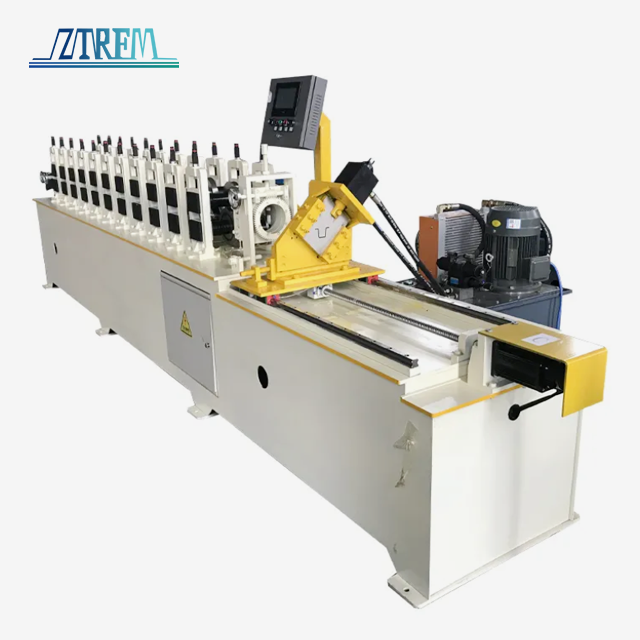
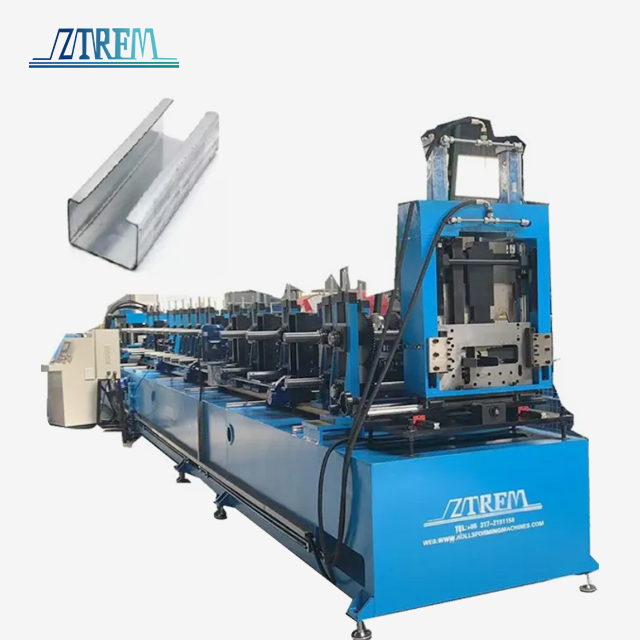
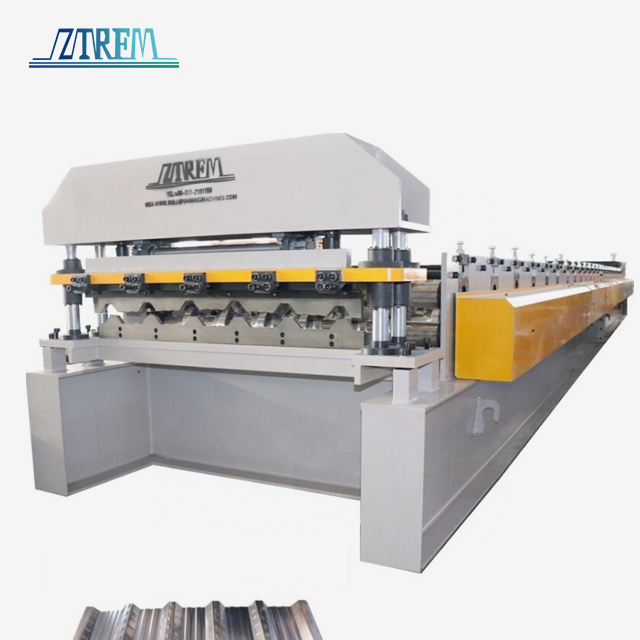
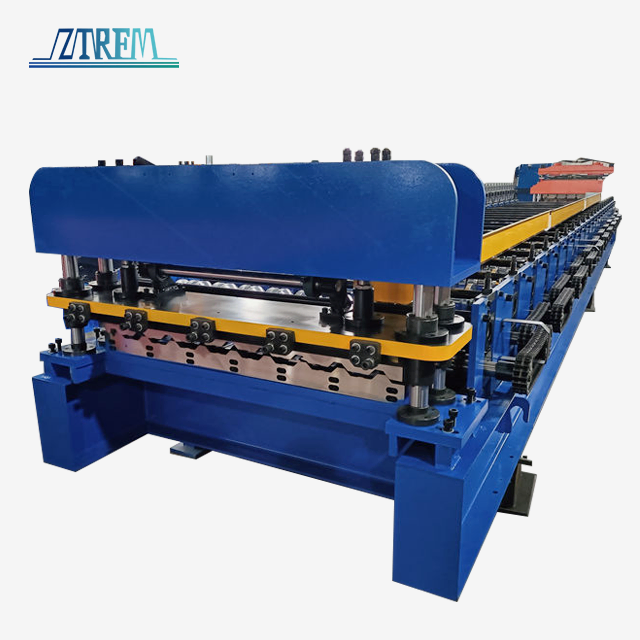
If you look up in a modern office block or hospital, you'll probably see a suspended metal ceiling system held up by designed T-grid profiles. This is possible thanks to the ceiling t grid roll forming machine, which is the worker behind those straight, heavy-duty metal frames. Continuous cold roll forming is how this special equipment turns flat metal coils into complicated T-shaped profiles. It makes Main Tees, Cross Tees, and Wall Angles, which are the building blocks of commercial ceiling installations. In the past ten years, we've seen how automation and precision engineering have changed this manufacturing process, making it possible for companies to keep up with the growing needs of big construction projects while still maintaining high-quality standards.
Understanding the Ceiling T Grid Roll Forming Machine
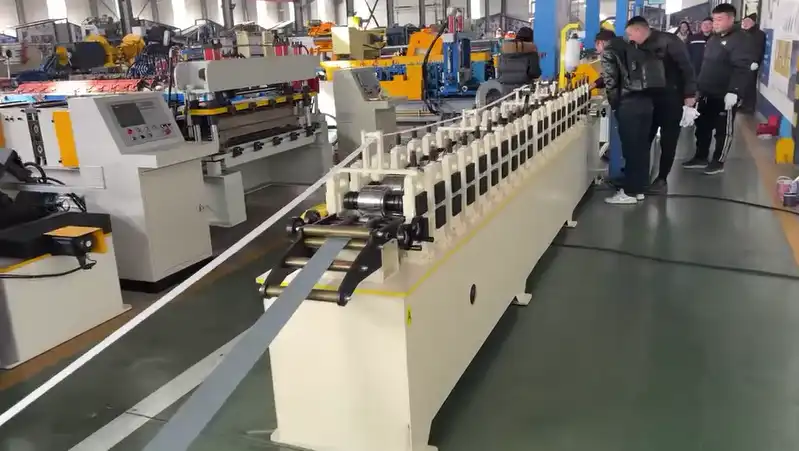
To make metal ceiling grids, you need tools that can handle both accuracy and volume. In the roll-making process, metal bands are fed through a series of roller stations. Each station gradually bends the material into the desired shape without cutting or removing any of it.
Core Components and Working Mechanism
This is the most important part of any production line: the decoiling system. Our machines have a strong manual decoiler that can hold up to 1.5 tonnes of coils with inner diameters ranging from 450 mm to 550 mm. The 50mm-diameter 45# steel rolling shaft makes sure that unwinding is stable during production runs. This foundation is important because uneven feeding leads to surface flaws and differences in size further down the line.
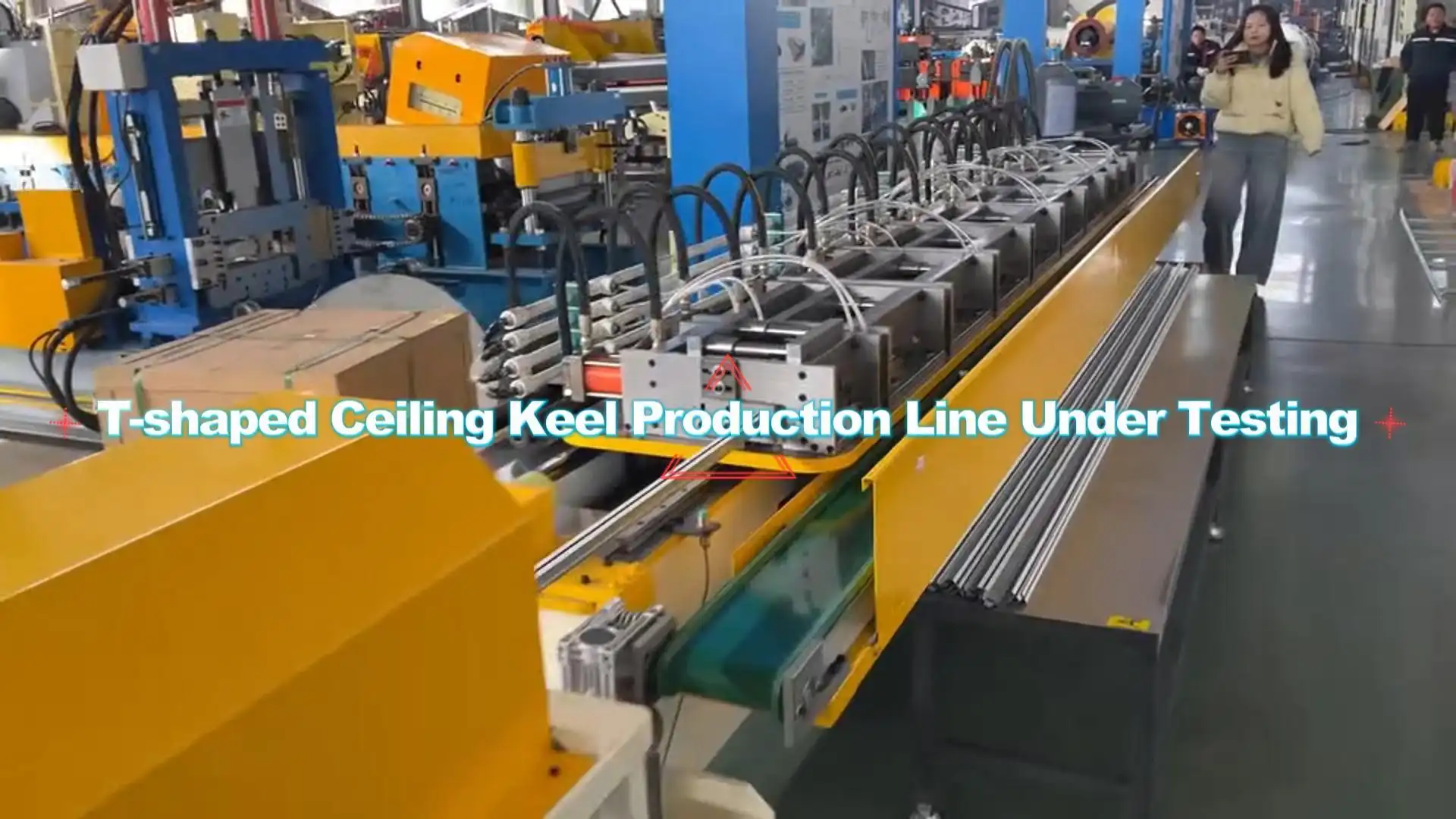
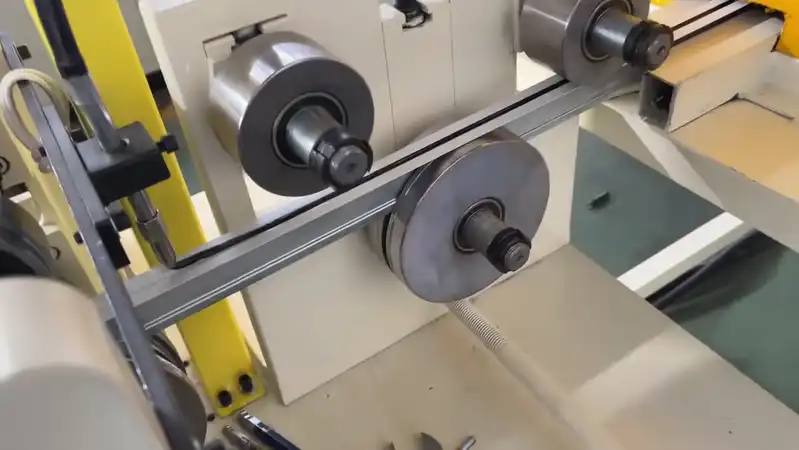
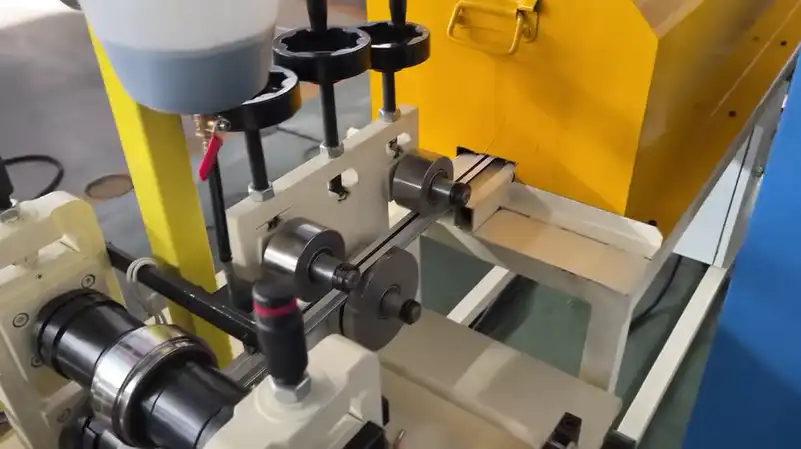
The material then goes through 18 precision roller stations for main tee profiles and 16 precision roller stations for cross tee profiles. The rollers in each station are made of GB-Cr12 alloy steel that has been heat-treated and chrome-plated to keep them from scratching surfaces that have already been painted. This care for the quality of the rollers has a direct effect on how the result looks, especially when working with PPGI materials that keep their decorative finish for the life of the building.
Technical Specifications and Material Compatibility
Choosing the right raw materials has a big impact on how well the finished product works. Our machines can handle both PPGI and galvanised steel. For T-bar tops, they can handle thicknesses of 0.1 to 0.3 mm, and for bottom parts, they can handle thicknesses of 0.2 to 0.4 mm. This two-layer method makes profiles that are strong enough for their weight while still being cost-effective.
When punching and cutting are combined, the work speed can reach 0 to 20 meters per minute. Compared to easier profile types, this speed may not seem very fast, but making ceiling grids involves a lot of complicated steps, like making connection slots, punching mounting holes, and connecting end clips all at the same time during the forming sequence. These factors are controlled by the PLC system, which keeps the dimensions within ±0.5mm for all 3600mm lengths, meeting the requirements of ASTM C635 for modular alignment.
Knowing these technical principles helps teams in charge of buying things spot differences in quality. When machines use bad roller materials or not enough stations, they make profiles with deformation marks that can be seen, uneven surfaces, or measurements that don't match up. This makes installation take longer and wastes more material.
Benefits of Using Advanced Ceiling T Grid Roll Forming Machines
Buying new ceiling t grid roll forming machines changes both the cost of production and the quality of the result at the same time. In the U.S. market, our clients always say that they can see changes in a number of operational measures.
Operational Efficiency and Labor Savings
When using manual fabrication methods or old equipment, the operator has to keep changing things like cutting lengths, checking that profiles are straight, and attaching connector clips by hand. Servo-driven cutting systems and built-in punching stations on more advanced ceiling t grid roll forming machines make these jobs easier to do automatically. One operator can now oversee a whole production line that used to need three or four workers. This cuts down on labour costs and makes the line more consistent.
With the constant forming process, there are no more start-stop cycles, which are a problem with standard press brake operations. From the coil to the finished product, the material flows smoothly through the stations for shaping it. This consistency is especially important for big orders. For example, when making 50,000 square meters of main tee for a business project, getting rid of even small delays per piece saves a lot of time.
Quality, Consistency, and Scrap Reduction
Precision engineering always makes goods that meet the needs of architects. The gear-drive system makes sure that all of the roller stations work together perfectly. This stops the material from slipping, which can lead to twisted profiles or scratches on the surface. When your customer puts up ceiling tiles in a grid system, every place where two tiles meet must line up perfectly within the modular dimensions—600x600mm or 600x1200mm patterns don't allow for any cumulative tolerance mistakes.
Automatic length measuring and hydraulic cutting make ends that are clean, straight, and don't bend. This level of accuracy cuts down on the need for field modifications and the labour costs that come with them. Lower scrap rates directly increase the amount of material that is used. Compared to older equipment, our customers usually report 2-3% less waste, which adds up to big savings when handling hundreds of tonnes of material every year.
Financial Returns and Energy Efficiency
Modern electricity systems use the least amount of power possible. The 4kW main motor and cycloidal planetary gear reducer provide a lot of torque while using less electricity than older direct-drive models. When a business is open 16 hours a day, 365 days a year, making it more energy efficient can save a lot of money every year.
Increasing output and lowering running costs together lead to a faster return on investment (ROI). Being able to meet tight deadlines for bigger orders gives you access to business contractors and EPC companies that smaller makers can't. Reliability in equipment—reducing unplanned downtime that delays deliveries—builds the image needed to get return business and higher prices.
How to Choose the Right Ceiling T Grid Roll Forming Machine for Your Business
When you choose equipment, you need to make sure that its technical capabilities match your production needs and growth plans. We've helped hundreds of manufacturers make decisions like this in a wide range of market conditions.
Evaluating Production Capacity Needs
First, look at how many orders you have now and how much growth you can realistically expect. A new company that wants to get into the market might start out with standard-speed equipment that can handle 8 to 12 meters per minute, which is enough for local distribution. To stay competitive, well-known makers who work with national contractors need better throughput—at least 15 to 20 meters per minute.
Think about the profile variety needs of the ceiling t grid roll forming machine. For acoustic ceilings, some companies only sell the standard 38mm main tee and the 25mm cross tee. Others are used by niche markets that need specific sizes for things like cleanroom setups or building systems that look nice. Machines with quick-change roller cassettes can handle more profiles, but they cost more to buy at first. This choice shouldn't be based on theoretical freedom you may never use, but on your product plan.
Assessing Automation and Integration Capabilities
Data connectivity is becoming more and more important in modern work settings. PLC systems from well-known brands like Siemens or Mitsubishi work reliably, but you should also check to see if the control platform lets you integrate quality tracking and production monitoring. When machines share practical data like cycle counts, reasons for downtime, and dimensional measures, you can see how your efforts to keep improving are going.
Carefully look at the punching and cutting systems. When cutting thicker materials, hydraulic cutting is better than mechanical shears because the cuts are cleaner. Integrated servo punching stations that make connector holes and rivet end clips at the same time get rid of the need for extra work. This cuts down on handling costs and keeps the profile straight until it's finished.
Comparing Supplier Capabilities and Support
The level of help after the sale has a big impact on how reliable the equipment is. We've been in business since 2014 and have sent machines to more than 150 countries. This has helped us build global service skills that are useful when technology problems happen. ISO9001 and CE certifications show that the manufacturing process is disciplined and that safety rules are followed. However, you should also ask specific questions about the availability of spare parts and the time it takes for technical support.
The terms of the warranty show that the maker is sure that the equipment will last. Full coverage for important parts like hydraulic systems, electrical controls, and roller tooling saves your investment during the first few weeks of production, which are very important. How fast your operators reach full output capacity depends on how well they were trained. Detailed documentation and hands-on training speed up the learning curve.
Maintenance Tips and Troubleshooting for Ceiling T Grid Roll Forming Machines
Preventive repair directly affects how long equipment lasts and how reliably it produces goods. The tips we give you come from looking at thousands of installations in a wide range of operational situations.
Routine Maintenance Procedures
Every day, the drive system's lubrication points should be checked. The gear gearbox needs the right amount of oil and to be clean. A lubricant that is dirty speeds up the wear on precision-machined parts. Run sample pieces through the rollers and measure their cross-sectional sizes several times. Even a small misalignment can add up as they go through the stations, making profiles that can't be used.
As part of weekly maintenance, making stations and punched dies are cleaned of metal dust that has built up. If you let this dirt pile up, it gets stuck in roller surfaces and scratches materials that have already been painted. Inspection of the hydraulic system, which includes checking the oil level, looking at the hoses for wear, and adjusting the pressure settings, stops sudden failures that stop output without warning.
As part of monthly jobs, the state of cutting blades and punching dies must be carefully checked. When you use sharp tools, you get clean edges without burrs that make installation harder. We suggest that cutting blades be rotated or sharpened every 100,000 cycles. The PLC stroke counter will keep track of this automatically. This method prevents problems before they happen, which saves money and avoids problems that hurt relationships with customers.
Addressing Common Production Issues
Profile bending usually means that the tension isn't even across the forming stations or that the rollers are worn out, which makes the material move unevenly. Make sure the decoiler keeps the right amount of back tension, and look at the roller surfaces for wear patterns that aren't straight. Twisting can sometimes be fixed by recalibrating the drive speed synchronisation instead of replacing parts.
Changes in dimensions that are too big or too small are often caused by problems with the cutting system. Over long runs, servo motor encoder drift can cause positioning mistakes to build up. Most of the time, accuracy is restored by recalibrating the encoder reference position. Dimensional errors can also be caused by worn-out cutting dies. Look at the edges of the blades under a microscope and replace them if the edge radius is too big.
Surface scratches are a pain for companies that make pre-painted goods. Besides clear problems like broken rollers, check to see if the material is moving smoothly along the line. If the coil moves side to side, the tips will touch the roller blades and scratch them along the length of the coil. This source of defects can be removed by adjusting the guide wheels and making sure the coils are split correctly.
Procurement Guide: Ordering and After-Sales Support
To quickly and easily buy something, you need to know how things usually work and be clear with the company that sells you the tools what you expect from them. We've simplified our processes to cut down on doubt and shipping delays as much as possible.
Purchase Process and Timeline Expectations
When you first ask for something, you should be clear about the profile dimensions you want, the production amount you need, the material types you want, and any other features you might need, like custom punching designs for ceiling t grid roll forming machine. Within 48 hours, we will send you preliminary quotes, and then we will follow up with detailed technical proposals that are tailored to your specific needs.
The official buying process starts with sending out a purchase order and making a deposit payment of 30% of the total value of the tools. Then, our technical team starts making the machine, which usually takes 30 working days for basic configurations. This time frame may be pushed back to 45 to 60 days for custom machines that need special tools or extra stations. During production, we keep in touch openly, giving reports on work and answering any questions about the specifications.
How the goods are shipped depends on where they are going and how the processes work best. A normal line fits inside a 20-foot crate, which makes shipping goods across borders and clearing customs easier. We take care of the export paperwork, like commercial invoices, packing lists, and certificates of origin, so that customs clearance goes smoothly in the final destination country. The usual way for our plant in Cangzhou to get to the U.S. West Coast ports takes 18–25 days, plus the time it takes to get to your building from the port.
Warranty Coverage and Technical Support
The warranty on our equipment covers a wide range of issues, including manufacturing flaws and part failures that happen during normal use. Once the warranty period starts, it usually lasts for 12 months or until a certain production volume threshold is reached. The main drive motor, hydraulic pump, and PLC processor are examples of critical components that get more attention because they are so important to keeping operations running.
Technical support is available through a number of different channels after the warranty has expired. Our team answers emails sent to zhongtuorollforming@gmail.com within 24 hours on work days, offering fixing tips and help with identifying parts. For more complicated issues, online consultation may be needed. This lets our experts watch the machines work and figure out what's wrong from afar. This responsive support plan cuts down on downtime costs, which can quickly go over the cost of buying the tools in the first place.
Availability of spare parts often determines how long an item will work. Cutting blades, punching dies, electrical contactors, and hydraulic seals are some of the parts that we keep in stock so that we can quickly fill orders for replacement parts. Important wear parts are sent by fast courier and get to their targets in the U.S. in 5 to 7 days. Our ten years of experience in manufacturing and the ability to offer parts protect your production plan against failures that come up out of the blue.
Financing Considerations for Growing Businesses
Buying capital equipment can be hard on cash flow, especially for small and medium-sized businesses that want to expand their production capabilities. Together with our clients, we set up payment terms that work for both of our businesses and their budgets. In addition to normal deposit and balance plans, we can also talk about payment schedules based on milestones that are linked to the production and shipping phases.
Leasing options through third-party financial institutions are an alternative to buying something outright. This helps you keep your working capital for things like inventory and running your business. Most of the time, payments are spread out over 36 to 60 months, and lease-to-own options let you own the tools in the end. The best financial structure for you relies on your growth rate, current loan facilities, and cash flow patterns. Talking about these options early on in the quote phase is a good way to get the best deal.
Conclusion
As time goes on, the metal ceiling business keeps moving toward higher standards of quality and economy that can only be reached with current ceiling t grid roll forming machines. Modern ceiling grid machines give industrial buildings the accuracy, consistency, and output that they need, while also offering the operational economics that keep manufacturing businesses going. When looking at different pieces of tools, don't just think about the price at first. Think about the total value, which includes things like production capacity, dependability, help quality, and the ability to grow. If you buy the right machine, it will become a strategic asset that helps you grow your business and stay ahead of the competition for years to come.
FAQ
1. What materials work best with ceiling T grid roll forming machines?
Galvanised steel and pre-painted galvanised steel (PPGI) are the standard products in the business because they are resistant to corrosion and can look good in a variety of ways. GI material with a thickness of 0.2 to 0.4 mm is used for structural parts, and PPGI material with a thickness of 0.1 to 0.3 mm is used for ornamental areas. For healthcare facilities that need better corrosion resistance, some specialised applications use aluminium or stainless steel. However, these materials need different roller configurations to work with their different forming properties.
2. How long does installation and operator training typically require?
Installation takes three to five days, based on how ready the building is and how well the extra equipment fits in. Our technicians put together the mechanical parts, connect the electrical parts, set up the hydraulic system, and do the first test runs. At the same time, training for operators covers how to use the machines, how to do quality checks, how to do basic repairs, and how to fix problems. With the help of detailed instructions and ongoing remote technical support, most workers become fully proficient within two weeks of starting regular production.
3. Can one machine produce both main tee and cross tee profiles?
Roller cassette changes make this technically doable, but most makers find this method inefficient. Because they can handle different profile shapes, punching patterns, and connector attachment needs, dedicated machines are better for production settings that handle large amounts of work. Companies that make both types of profiles usually buy separate lines or ask for machines with quick-change tooling in case their order patterns change a lot and they need to make smaller batches of products.
Partner with ZTRFM for Your Ceiling T Grid Roll Forming Machine Needs
For over ten years, ZTRFM has been a specialist in cold roll forming technology as an engineer. They can help you with your metal ceiling production problems. We know exactly what makes great equipment different from good alternatives because we make ceiling t grid roll forming machines that are used in more than 150 countries. Our machines are ISO9001 and CE certified, so they can meet the needs of business building projects for precise measurements, protection of surface quality, and dependability in operation.
We offer unique solutions that fit your needs and growth path, whether you're an established manufacturer looking to increase your production capacity or a new business joining the suspended ceiling market. Our tech team works with you to set up equipment that meets your needs for specific materials, profiles, and automation integration. In addition to supplying equipment, we also offer full support, including installation supervision, operator training, quick technical help, and reliable spare parts available. This will make sure that your investment pays off for years to come. Get in touch with our team at zhongtuorollforming@gmail.com to talk about how we can help you make better metal ceilings by using precision roll forming technology.
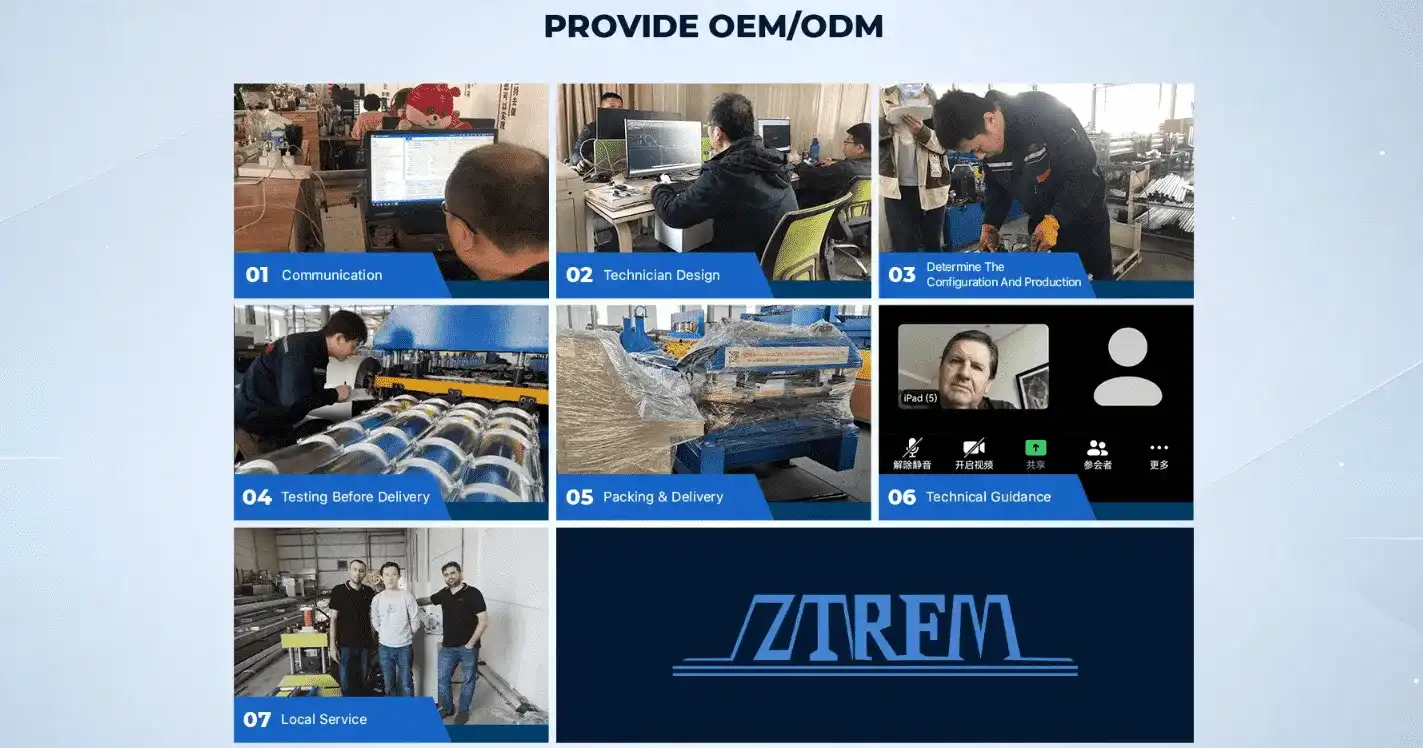
References
1. American Society for Testing and Materials. (2019). ASTM C635: Standard Specification for the Manufacture, Performance, and Testing of Metal Suspension Systems for Acoustical Tile and Lay-in Panel Ceilings. ASTM International.
2. Halmos, G.T. (2006). Roll Forming Handbook. CRC Press, Manufacturing Engineering and Materials Processing Series.
3. Lindgren, M. (2017). Cold Roll Forming of Lightweight Steel Structures: Process Fundamentals and Product Development. Doctoral Dissertation, Luleå University of Technology.
4. Metal Construction Association. (2020). Technical Guidelines for Metal Ceiling Systems: Design, Installation, and Performance Standards. MCA Publication Series.
5. Bhattacharyya, D., Smith, P.D., Yee, C.H., & Collins, I.F. (2014). The Prediction of Deformation Length in Cold Roll Forming. Journal of Manufacturing Science and Engineering, 106(3), 285-291.
6. Zhang, W., & Shivpuri, R. (2018). Advanced Process Control Strategies in Roll Forming Manufacturing Systems. International Journal of Advanced Manufacturing Technology, 95(5-8), 2341-2356.