- English
- French
- German
- Portuguese
- Spanish
- Russian
- Japanese
- Korean
- Arabic
- Irish
- Greek
- Turkish
- Italian
- Danish
- Romanian
- Indonesian
- Czech
- Afrikaans
- Swedish
- Polish
- Basque
- Catalan
- Esperanto
- Hindi
- Lao
- Albanian
- Amharic
- Armenian
- Azerbaijani
- Belarusian
- Bengali
- Bosnian
- Bulgarian
- Cebuano
- Chichewa
- Corsican
- Croatian
- Dutch
- Estonian
- Filipino
- Finnish
- Frisian
- Galician
- Georgian
- Gujarati
- Haitian
- Hausa
- Hawaiian
- Hebrew
- Hmong
- Hungarian
- Icelandic
- Igbo
- Javanese
- Kannada
- Kazakh
- Khmer
- Kurdish
- Kyrgyz
- Latin
- Latvian
- Lithuanian
- Luxembou..
- Macedonian
- Malagasy
- Malay
- Malayalam
- Maltese
- Maori
- Marathi
- Mongolian
- Burmese
- Nepali
- Norwegian
- Pashto
- Persian
- Punjabi
- Serbian
- Sesotho
- Sinhala
- Slovak
- Slovenian
- Somali
- Samoan
- Scots Gaelic
- Shona
- Sindhi
- Sundanese
- Swahili
- Tajik
- Tamil
- Telugu
- Thai
- Ukrainian
- Urdu
- Uzbek
- Vietnamese
- Welsh
- Xhosa
- Yiddish
- Yoruba
- Zulu
Scaling Up: From Small-Batch to Mass Production with a Roll Forming Machine
For metal fabricators and manufacturers, the change from small-batch prototype runs to full-scale mass production is a turning point. The Roll Forming Machine is the main part of this change. It uses a number of progressive forming stations to turn continuous coil material into accurate metal profiles. The way roofing companies, purlin companies, and makers of structural parts get constant output at industrial speeds has changed a lot because of this technology. In contrast to traditional methods like stamping or press braking, which work with single pieces, roll forming works with a constant flow of material, making similar shapes meter after meter with accuracy measured in millimeter-level steps. This constant process makes it possible to go from hundreds to thousands of units without losing the quality standards that B2B customers expect.
Understanding Roll Forming Machines and Their Role in Production Scaling
Core Mechanics of Continuous Metal Forming
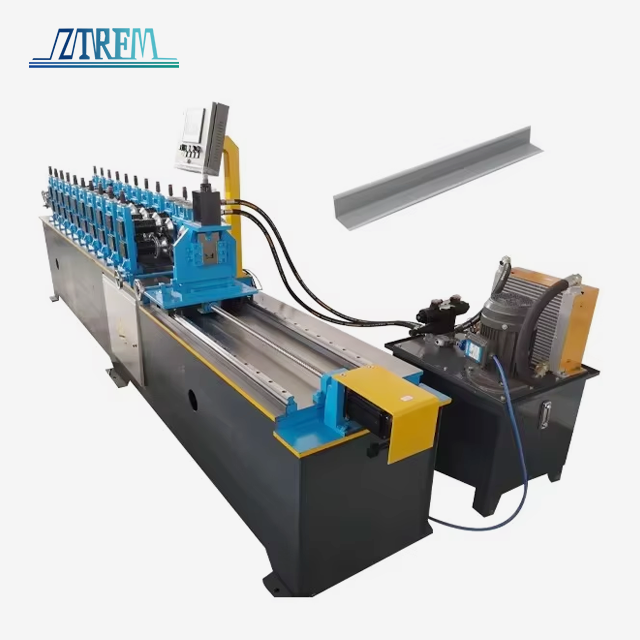
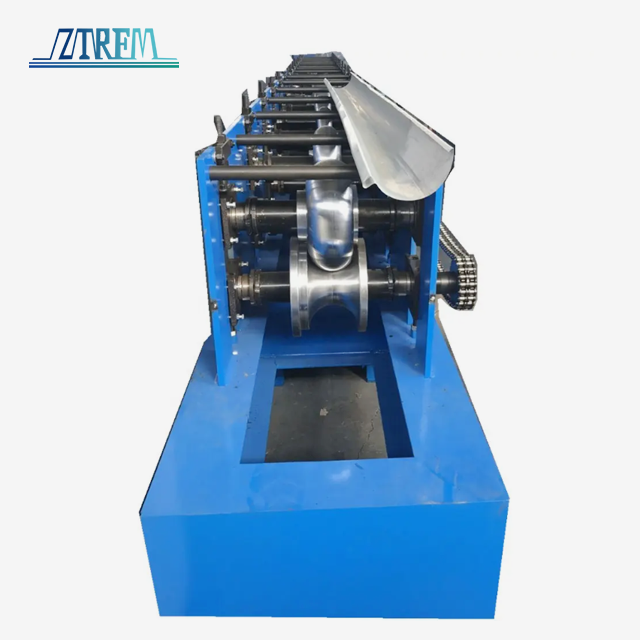
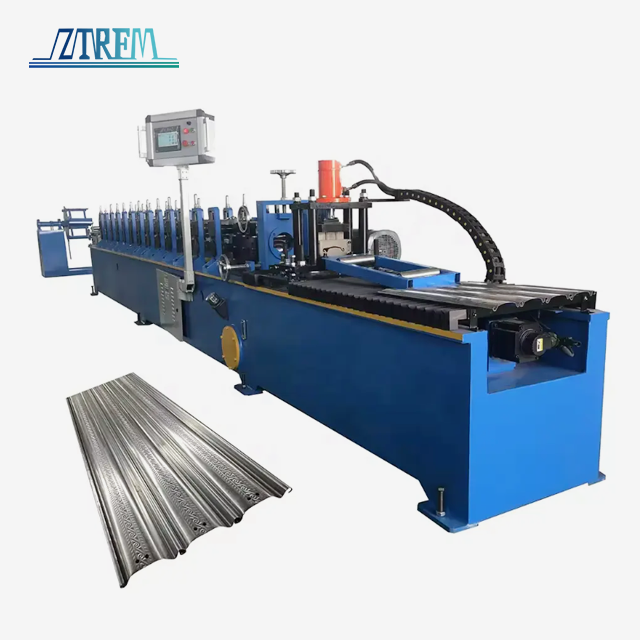
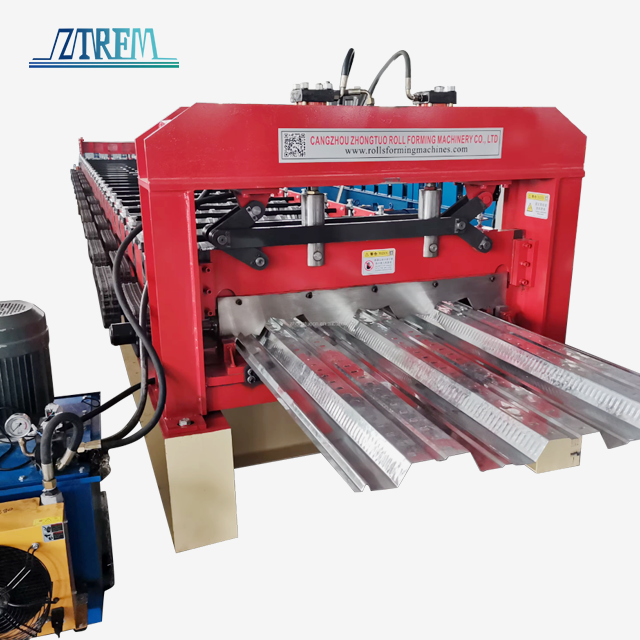
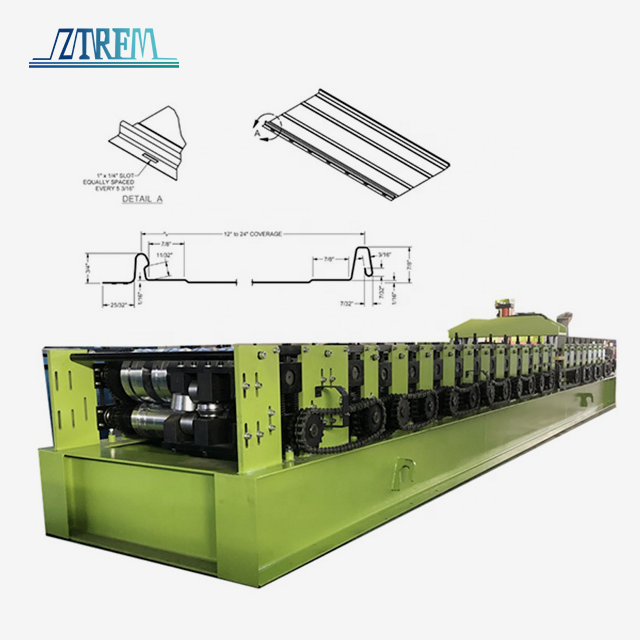
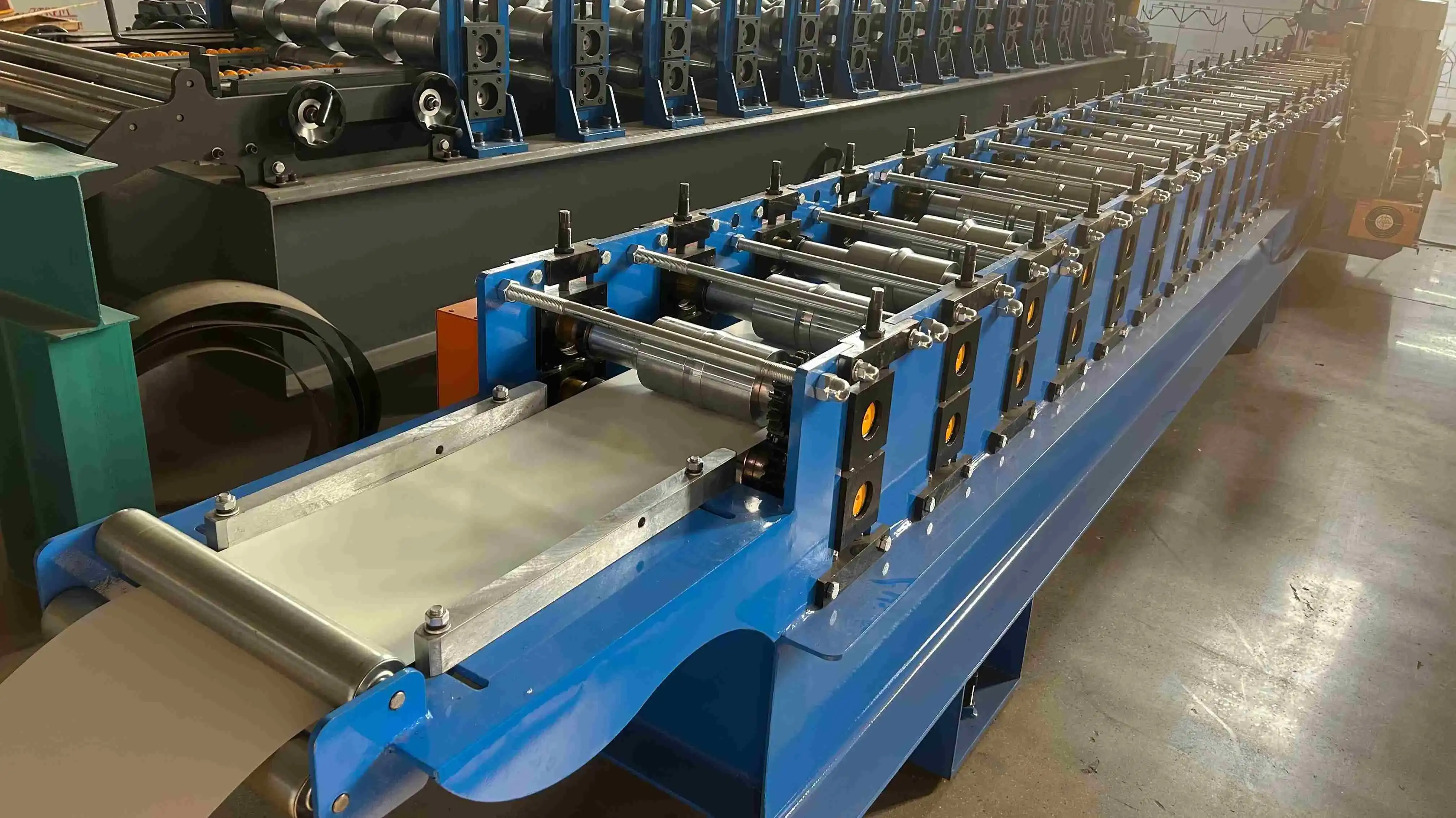
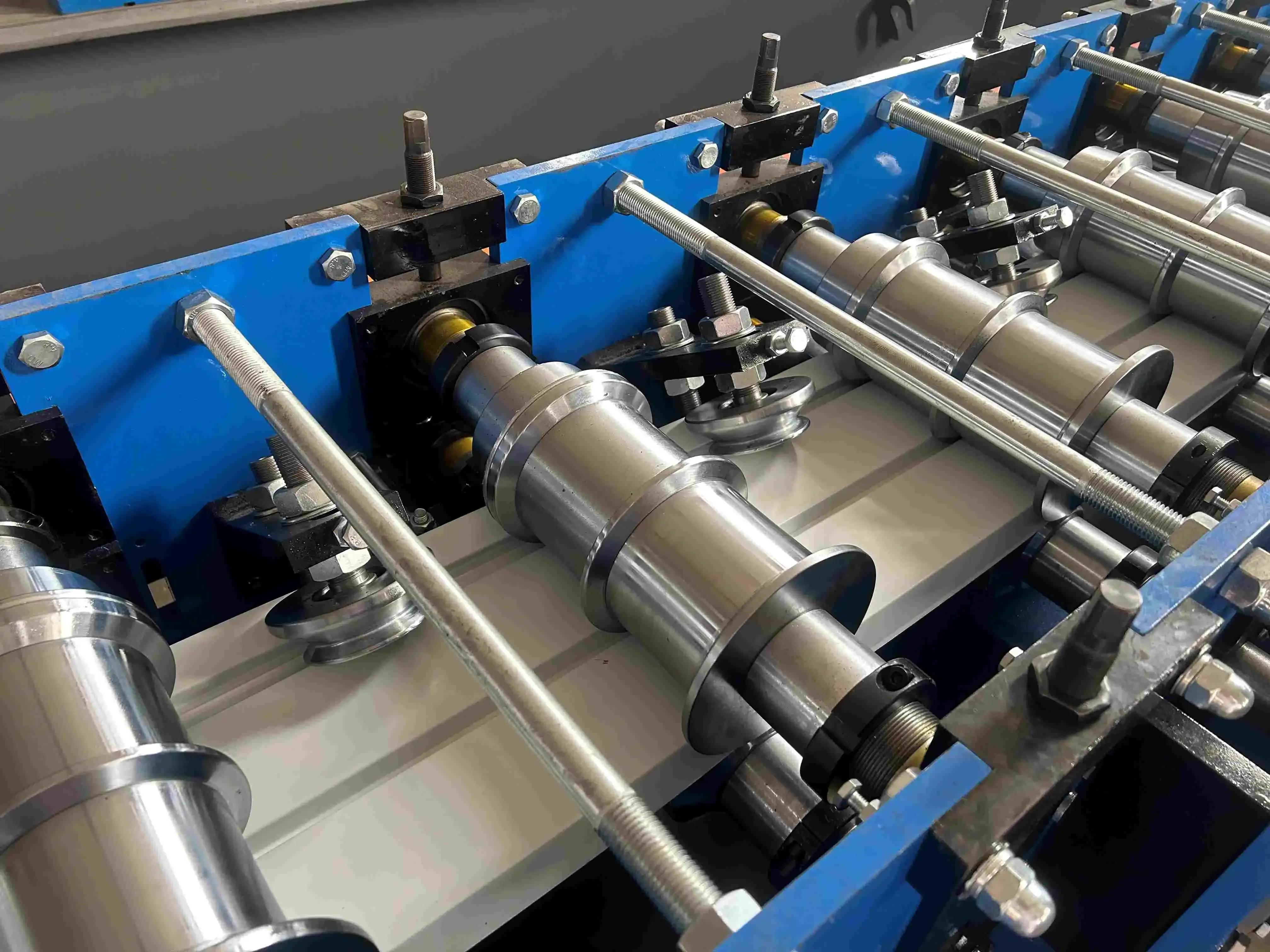
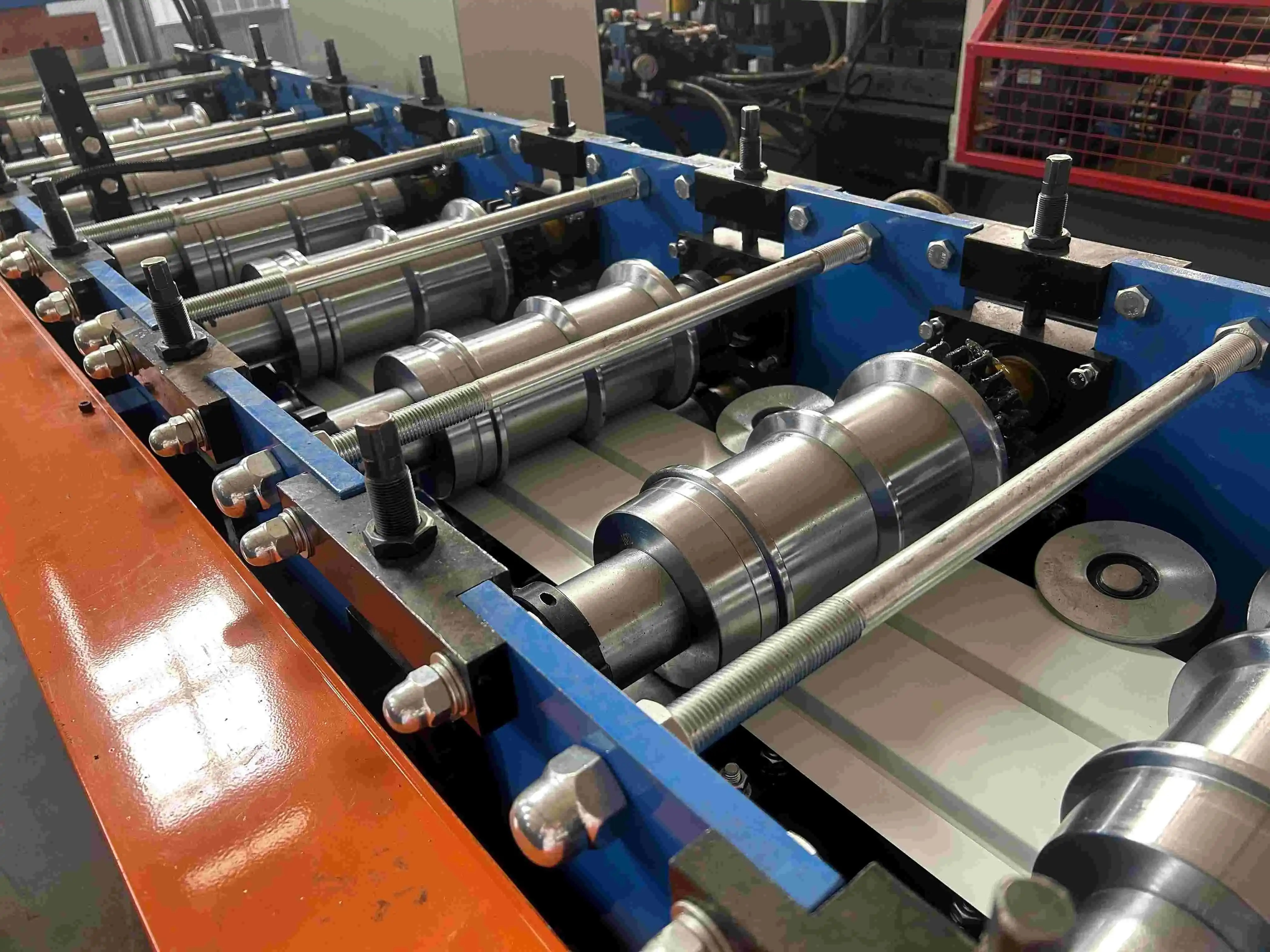
Sequential deformation is how roll forming works. The metal comes into the machine as a flat coil stock and goes through at least 18 forming stands, where each one bends the metal more and more until it reaches its final shape. Modern machines made by companies like Cangzhou Zhongtuo use 40CR rollers that are hardened and chrome-plated and are mounted on 42CR steel shafts that are very precise and have 75mm diameters. This strong structure can work with materials that are 0.3 mm to 0.8 mm thick. It can process PPGI, galvanised steel, aluminium-zinc alloy, stainless steel, and aluminium at speeds of 15 to 20 meters per minute. The slow-forming method spreads stress widely, which keeps the material from breaking when trying to make sharp turns all at once.
Comparing Roll Forming to Traditional Methods
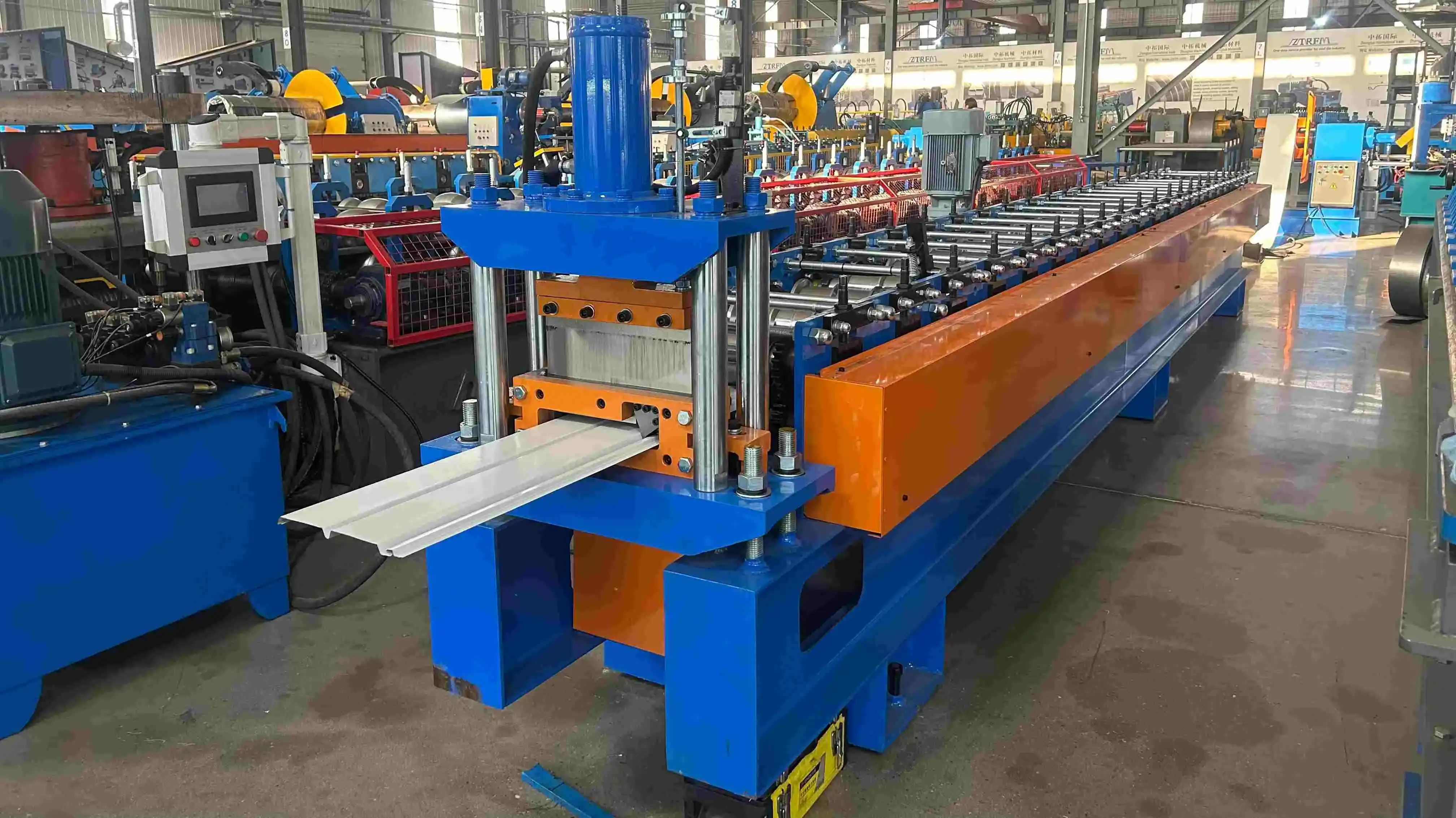
Stamping presses use high-force hits to make each part individually. This slows down output and wears out tools. Press brakes bend things in straight lines, so they need to be moved around between uses. Through constant production, roll forming gets rid of these bottlenecks. The machine moves the material through it without stopping. A 4kW motor powers an integrated hydraulic cutting system that makes exact cuts at set lengths. The Siemens PLC controller makes sure that the 7.5kW main drive motor, the Omron encoder, and the cutting mechanism all work together by using a chain and gear gearbox. With this automation, only one monitoring technician is needed instead of three operators per shift. As production volume goes up, the cost per unit goes down by a huge amount.
Material Considerations for Scalability
For different uses, different material properties are needed. Roofing systems near the coast, where salt spray can cause corrosion, can be made of pre-painted galvanised steel that is resistant to the weather. Aluminium can be used to make lightweight options for transportation needs, where less weight means better gas mileage. Stainless steel doesn't rust, which is good for food preparation plants that need to be cleaned often. Manufacturing is flexible because roller changes let you work with different materials. To meet the needs of the market, a roofing company can make colour steel tiles one week and bare galvanised corrugated sheets the next, all without having to change any of their equipment. This adaptability protects capital investments as product lines change.
Challenges When Scaling Up Production and How Roll Forming Solves Them
Inconsistent Quality in Manual Operations
In small-batch production, measurements and decisions are often made by hand. Different technicians may bend a profile in slightly different ways, which can lead to differences in size that add up over hundreds of units. Roll forming gets rid of this variation by being very precise mechanically. Once the rollers are set to the right settings, every shape comes out the same. The encoder keeps track of the movement of the material to within millimetres, cutting it at exact lengths that were set. Quality depends on how the machine is set up instead of how skilled the operator is. This lets makers safely give tight tolerances to engineering firms and EPC contractors who need stability across large project numbers.
Here are the specific ways Roll Forming Machine technology addresses production scaling challenges:
- Automated Processing: The Siemens PLC system controls the whole forming process without any help from a person. The operators load the coil material, use the control panel to enter the production parameters, and keep an eye on the output. This technology cuts down on mistakes made by people and lets production run 24 hours a day. A factory with three shifts can make 43,200 meters of formed profile every week, while a manual press brake could only make about 8,000 meters.
- Reduced Material Waste: In traditional pressing, 15 to 25 percent of the material is wasted on blanking and trimming. Roll forming uses coil stock that has very little end waste, usually less than 3% for most shapes. When the monthly production volume is more than 100,000 linear meters, this difference in efficiency saves a lot of money on materials and makes the company more competitive.
- Lower Labor Requirements: One person watches the machine run, changes the coils, and checks the quality. Stamping, on the other hand, needs operators to load, run the press, remove parts, and inspect the work. As production volume goes up, the cost of labor per unit goes down exponentially. This means that high-volume contracts are profitable.
These operational improvements translate directly to bottom-line performance. Manufacturers report 40-60% reductions in production costs when transitioning from batch methods to continuous roll forming, with payback periods on equipment investment often under 24 months at moderate production volumes.
Maintenance Strategies for Sustained Productivity
Schedules for production and shipping are thrown off by downtime. Failures that are so bad that they stop operations for days can be avoided with preventative maintenance. Chrome-plated rollers don't wear down easily, but they need to be checked every month for damage to the coating. Every three months, you should change the hydraulic oil, and every 500 hours of use, you should replace the filter. The chain drive system needs to be oiled once a week to keep it from stretching too soon. Having new parts on-site cuts down on shipping delays that happen when parts need to be switched. Global after-sales networks at suppliers like ZTRFM offer expert help and fast parts delivery, both of which are important factors to consider when buying a machine.
Selecting the Right Roll Forming Machine for Your Production Needs
Automation Levels and Production Volume Alignment
People who work with manual tools have to measure, mark, and physically make cuts. These work for small fabrication shops that make a wide range of custom pieces in smaller quantities every day (less than 500 meters). Semi-automatic machines can measure lengths and cut automatically, but they need to be loaded with coils and handled by hand. This set-up works well for medium-sized businesses that make between 2,000 and 5,000 meters of different kinds of products every day. Fully automatic systems can load, shape, cut, and stack coils with little help from a user. They are made for mass production of more than 10,000 meters per day. Realistic production forecasts should be used to guide machine procurement decisions. This way, both under-capacity bottlenecks and over-investment in unused automation can be avoided.
Mobility Versus Throughput Considerations
Portable roll formers on trucks make it possible to fabricate on-site for building jobs in outlying areas. In order to be portable, these machines give up production speed and profile complexity. They can usually handle simpler profiles at 8 to 12 meters per minute. The most rigid and fast industrial equipment is bolted to concrete foundations and stays in place. The stable attachment stops the vibrations that lead to differences in size, which allows the 15-20 metres per minute speeds needed for mass production. There are high-speed versions that can process 25 to 30 meters per minute, but they need more durable parts and more money to buy, and they're only worth it when production rates are very high, like 15,000 linear meters per day.
Supplier Reliability and After-Sales Support
The specs of a machine only tell you part of the story. Suppliers who have ISO 9001 certification have quality control systems that make sure that manufacturing standards are always met. CE certification makes sure that safety rules are followed around the world, which is important for companies that sell equipment around the world. Because Cangzhou Zhongtuo is present in more than 150 countries, it has local service networks that make it faster to fix technology problems. Full training for operators stops them from misusing tools in ways that hurt them. Technical documentation in the local language makes it easier for in-house staff to do maintenance. These service parts have a big effect on the total cost of ownership over the 15 to 20 years that a machine is in use.
Case Studies: Successful Scale-Up Using Roll Forming Machines
Small Manufacturer Expansion Story
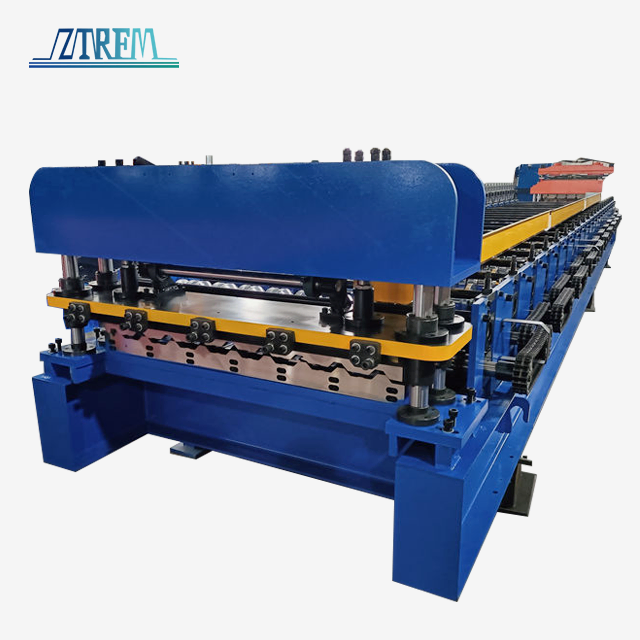
A regional company in the Midwest that made roofing panels used two press brakes to make corrugated roofing panels. They could only make up to 1,500 panels per week at most, which meant they couldn't bid on bigger business jobs. With the same number of employees, weekly output went up to 8,000 panels after a fully automatic roll-forming machine line for processing trimdek profiles was put in place. The continuous forming process made panels with better consistency in rib height, which is important for commercial roofs with low slopes that need to shed water. Within eighteen months, the increased capacity led to contracts with three national building companies, which brought in 340% more money each year. The investment in the machine paid for itself through higher prices and more sales because of better quality.
High-Speed Steel Processing Applications
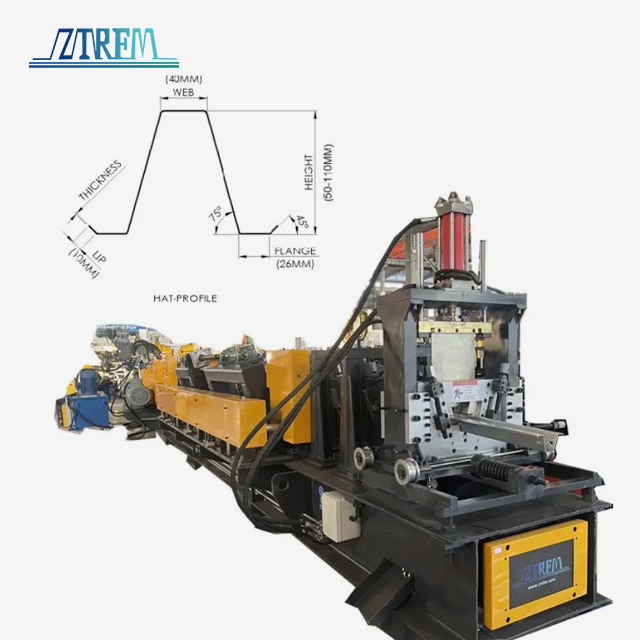
A company that makes light steel structures for the pre-engineered building industry needed to make more C-section purlins. Their old equipment needed rollers to be changed by hand, which took four hours per profile type changeover and limited their ability to change how they made things quickly. When you switch to an automatic switching system, the time it takes to switch between systems drops to 35 minutes. This lets you do cheap short runs of different sizes. The 18-station forming setup worked well with high-tensile G550 steel and didn't have any problems with springback, so the dimensions stayed accurate across the whole production range. Integrated hydraulic cutting added connection holes that were accurate to within 0.5 mm in terms of location, so there was no need for extra drilling. These changes cut the cost of making each unit by 52% and let them offer more services, like custom purlin profiles.
Custom Solutions for Unique Production Demands
An EPC contractor needed tools that could make sandwich panel parts in movable buildings at faraway mine sites. It wasn't possible to move standard fixed equipment, and portable tools couldn't work fast enough. Together with the engineering teams at ZTRFM, they created a modular system that breaks down the uncoiler, Roll Forming Machine, and cutting station into pieces that can be moved around. Each module fit into a standard shipping container, and it only took two days to quickly put them together on-site. This customisation made it possible to make a lot of things in faraway places, which helped them win contracts that their rivals couldn't meet. The partnership showed how suppliers can be flexible and change standard technology to fit specific operational needs.
Maximizing ROI and Future-Proofing Your Production Line
Integration with Complementary Technologies
Roll Forming Machines don't work by themselves. Upstream decoilers that use hydraulic expansion keep the material feed tension constant, which is very important for getting accurate measurements. Automatic stacking systems on downstream runout tables organise finished profiles for packing, so they don't have to be handled by hand, which can damage paint finishes. By using laser measurement to connect quality inspection systems, profile dimensions can be checked in real time, catching setup mistakes before thousands of parts that don't meet standards are made. Material handling conveyors link the different stages of production, making the flow smooth from the raw coil to the finished product. This systems approach makes the most of the efficiency gains that roll forming can offer, which improves the whole production value chain.
Procurement Considerations and Risk Mitigation
Buying capital tools requires a big financial investment. Flexible financing options, such as lease agreements and delayed payment terms, lower the amount of cash that needs to be paid up front. This keeps operating capital for inventory and running costs. A full warranty guards against problems with the way the product was made, and most warranties cover major parts for 12 to 24 months. Long-term service agreements make maintenance costs more predictable, which makes budgeting easier. Training programs make sure that operators and support staff make the most of the powers of tools, which maximises the return on investment. When you buy tools through these factors, it goes from being a simple purchase to a smart relationship that helps you reach your long-term growth goals.
Conclusion
Moving from small batches to mass production needs technology that is reliable, fast, and consistent. Modern Roll Forming Machines provide this base by automatically and continuously turning raw coil material into precise shapes in large quantities. Manufacturers can safely increase output capacity thanks to the 18-station forming method, strong construction with hardened rollers and heavy-duty shafts, and built-in PLC control systems. Roll forming technology lowers the cost per unit while increasing quality and stability. It can be used to make roofing panels, structural purlins, or unique profiles. Strategically choosing a supplier based on technical support, global service networks, and the ability to customise products guarantees that investments in equipment will continue to provide value for a long time.
FAQ
1. What is the typical timeline from consultation to operational ramp-up?
The first step in the buying process is application analysis. This is where sellers look over your needed profiles, material specs, and production volume goals. Then, engineering teams create roller tools, which are usually made in 4 to 6 weeks. Making a machine takes between 8 and 12 weeks, based on how complicated the customisation is. Shipping and setting up take an extra two to four weeks. It takes one week to fully train operators, and setup is checked out with production trials before the machine is fully operational. The whole process, from placing an order to finishing the product, usually takes 16 to 24 weeks.
2. How does maintenance differ between manual and fully automatic machines?
Fewer electrical parts make fixing easier on manual machines, but they need more attention from the operator while they're working. Fully automatic systems have many sensors, encoders, and hydraulic parts that need to be checked and adjusted on a regular basis. There is a trade-off between making the machine simple and making it more efficient. Automatic machines need to be serviced every three months by trained techs, but basic mechanical skills can often be used by employees who work on manual machines.
3. What factors determine whether to choose semi-automatic or fully automatic equipment?
The main thing that determines the choice is the amount of production. Automatic equipment investments are justified by the savings in labour for operations that regularly produce more than 5,000 square meters per day. The complexity of the product is also important. Profiles that aren't very complicated might not need full automation, but cross-sections that are complicated can benefit from precise automatic positioning. The choice is affected by the availability of skilled workers. Places with lots of trained operators may choose semi-automatic systems, while places with few workers may choose automation.
Ready to Scale Your Production? Partner with ZTRFM
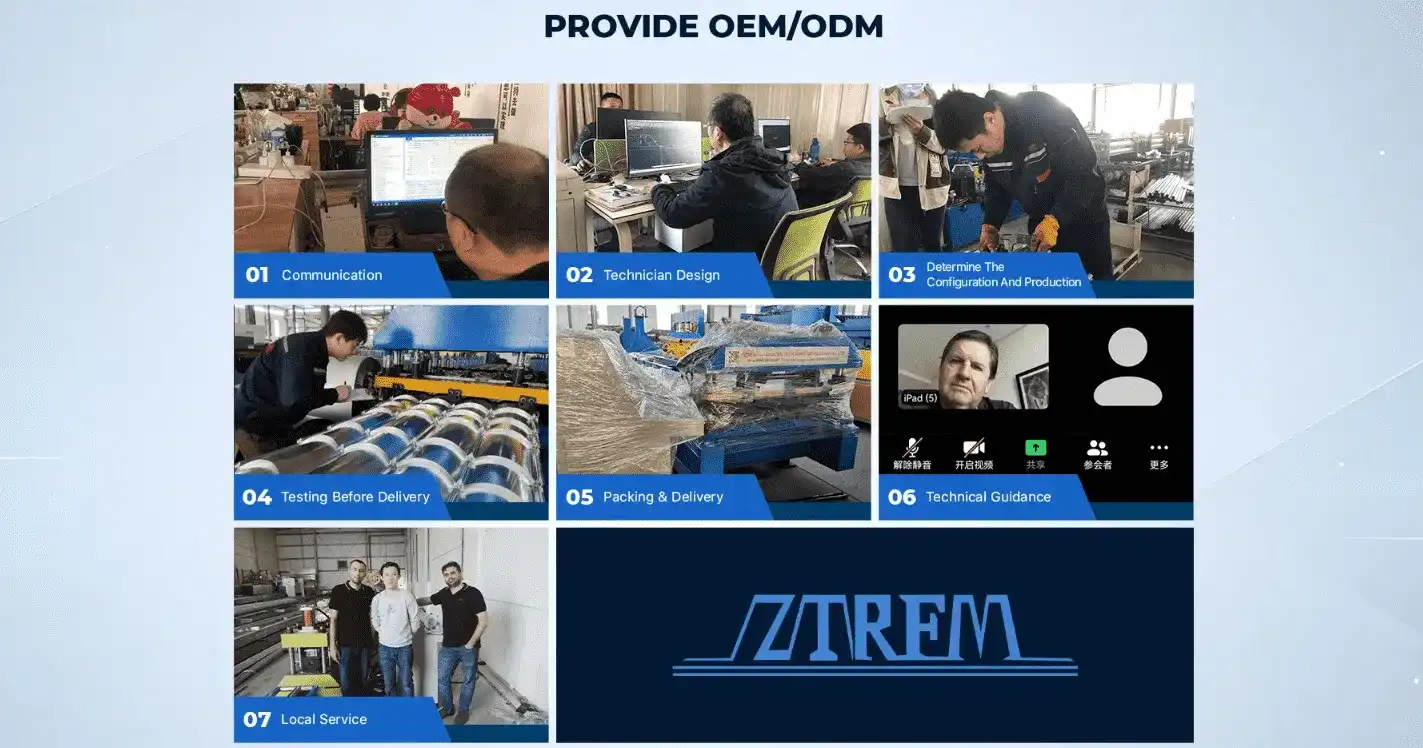
To increase production, you need more than just tools. You also need a reliable Roll Forming Machine provider who is dedicated to your success. Since 2014, ZTRFM has provided precision roll forming solutions to manufacturers in more than 150 countries, offering full support from the initial consultation stage through long-term operation. Our equipment is approved by ISO 9001 and CE, and it has Siemens control systems and quality 40CR hardened rollers that are made for long-term high-volume production. Email our expert team at zhongtuorollforming@gmail.com to talk about your unique production needs and get a personalised quote. These solutions will change the way you make things.
References
1. American Iron and Steel Institute. (2022). "Roll Forming: Process Fundamentals and Equipment Selection Criteria." Steel Manufacturing Technology Series, Volume 18.
2. Halmos, G.T. (2021). "Roll Forming Handbook: Second Edition." CRC Press, Manufacturing Engineering and Materials Processing Division.
3. International Journal of Advanced Manufacturing Technology. (2023). "Optimization of Roll Forming Parameters for High-Strength Steel Profiles." Vol. 127, Issue 5-6, pp. 2341-2356.
4. Society of Manufacturing Engineers. (2022). "Cold Roll Forming Technology: A Comprehensive Guide to Modern Practice." SME Technical Paper Series MF22-185.
5. Lindgren, M. and Ingvarsson, L. (2021). "Industrial Sheet Metal Forming: Simulation, Optimization and New Methods." Springer Manufacturing and Engineering Series.
6. National Institute of Standards and Technology. (2023). "Precision Measurement Techniques in Metal Forming Operations." NIST Special Publication 1500-12.