- English
- French
- German
- Portuguese
- Spanish
- Russian
- Japanese
- Korean
- Arabic
- Irish
- Greek
- Turkish
- Italian
- Danish
- Romanian
- Indonesian
- Czech
- Afrikaans
- Swedish
- Polish
- Basque
- Catalan
- Esperanto
- Hindi
- Lao
- Albanian
- Amharic
- Armenian
- Azerbaijani
- Belarusian
- Bengali
- Bosnian
- Bulgarian
- Cebuano
- Chichewa
- Corsican
- Croatian
- Dutch
- Estonian
- Filipino
- Finnish
- Frisian
- Galician
- Georgian
- Gujarati
- Haitian
- Hausa
- Hawaiian
- Hebrew
- Hmong
- Hungarian
- Icelandic
- Igbo
- Javanese
- Kannada
- Kazakh
- Khmer
- Kurdish
- Kyrgyz
- Latin
- Latvian
- Lithuanian
- Luxembou..
- Macedonian
- Malagasy
- Malay
- Malayalam
- Maltese
- Maori
- Marathi
- Mongolian
- Burmese
- Nepali
- Norwegian
- Pashto
- Persian
- Punjabi
- Serbian
- Sesotho
- Sinhala
- Slovak
- Slovenian
- Somali
- Samoan
- Scots Gaelic
- Shona
- Sindhi
- Sundanese
- Swahili
- Tajik
- Tamil
- Telugu
- Thai
- Ukrainian
- Urdu
- Uzbek
- Vietnamese
- Welsh
- Xhosa
- Yiddish
- Yoruba
- Zulu
Advanced Techniques in Omega Purlin machine for Enhanced Production Efficiency
Using an Omega Purlin machine to make output more efficient requires a smart mix of technical optimisation and operating discipline. To get the most work done with the least amount of trash, modern producers use advanced roll forming methods, automatic switching systems, and predictive maintenance procedures. These methods are designed to solve the unique geometric problems that come up with Omega-shaped profiles, which are also called "hat channels". These profiles need exact control over how material is fed, how the making stations are set up, and how punches are made in-line. Facilities that make structural parts for solar mounting systems, roofing battens, and light steel frameworks can increase throughput by more than 20% while keeping tight dimensional tolerances by combining servo-driven motors, PLC-based automation, and real-time quality monitoring.
Understanding Omega Purlin Machines: Key Components and Operation
What Defines an Omega Purlin Forming System
The cold roll-forming tools made for Omega profiles work by continuously deforming flat steel coils into complicated hat-channel shapes while rolling them. This technique, unlike press brakes, gets rid of camber and twist by using multi-station roller cycles. The machine works with standard G350 steel and other high-yield materials that are between 0.8 mm and 2.0 mm thick. It keeps the cross-sectional accuracy the same from one production run to the next.
Core Mechanical Components
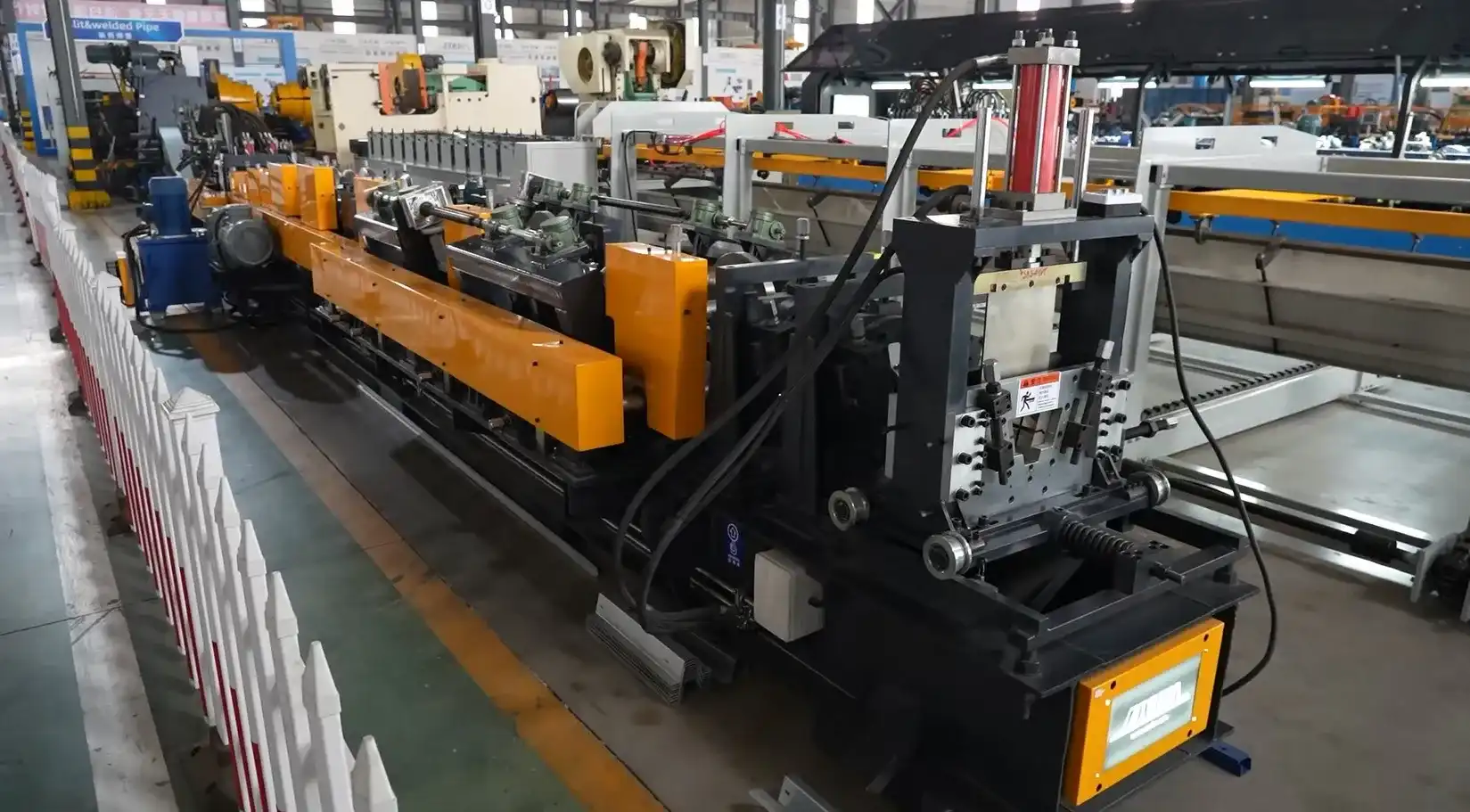
Dependable performance is built on a number of linked processes. Smoothly unwinding steel coils, a hydraulic decoiler feeds the material into precision servo-driven rollers made from heat-treated Cr12MoV tool steel that can handle high-tensile fodder without wearing down. The shaping stations, which are usually set up in groups of 12 to 16, shape the material slowly without putting too much stress on it. A hydraulic cutting device can shear with an accuracy of ±1 mm, and a combined punching station makes mounting holes at the same time as length measurements.
Our PLC control panel can read CAD drawings, so workers can set batch sizes, profile lengths, and hole shapes. The system runs on three-phase, 380V, 50Hz power that can be changed to meet local electricity norms. There are English and several other languages available in the language choices, making them accessible for activities around the world.
Automation and System Integration
These days, roll making lines work well with processes that come before and after them. Profile sizes can be changed automatically from 100 mm to 300 mm, so rollers don't have to be replaced by hand. This cuts setup time from hours to minutes. Usually, the control system keeps an eye on the making speed and changes it based on the thickness of the material and the complexity of the shape. This combination reduces the amount of work that needs to be done by an operator while keeping the dimensions the same over long production runs.
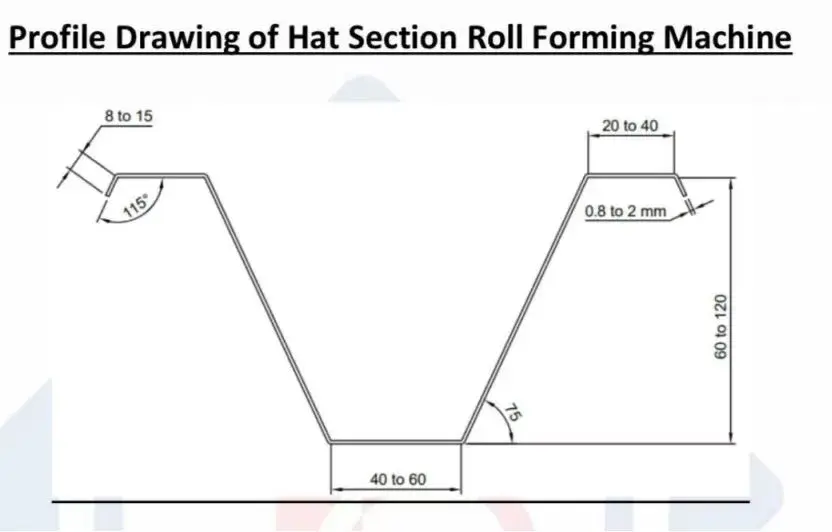
Identifying Production Bottlenecks and Challenges in Omega Purlin Manufacturing
Common Efficiency Barriers
Manufacturers often experience slowdowns in Omega Purlin machines caused by mechanical wear, inefficient material handling, and upkeep plans that are only done when they need to be. Degradation of the roller surface leads to uneven rolling pressure, which changes the shape and raises the rate of scrap. Leaks in the hydraulic system lower the cutting force, which leaves burrs that need to be fixed again. Changing between profile sizes by hand takes up important production time, especially for facilities that have to meet the needs of a wide range of projects.
Impact of Maintenance Delays
The most expensive bottleneck is unplanned downtime. When important parts break down during times of high demand, factories lose both the ability to make things right away and the ability to stick to their delivery schedules. Because worn-out cutting blades make rough edges, they have to be thrown out by quality control. Misaligned rollers cause finished profiles to twist, which hurts their structural performance in final uses like solar racking systems that need exact measurement limits.
Optimization Through Component Upgrades
To get past these problems, tailored solutions are needed. When you upgrade to servo-controlled feeding systems, material doesn't slip, so you can cut correct lengths. Putting real-time vibration sensors on roller systems lets workers know before major problems happen, which is called predictive maintenance. When proportional control units are used instead of normal hydraulic valves, the cutting pressure stays the same for all types of materials.
A company in the Midwest that makes steel structures put these improvements on its whole production line. After six months, they saw a 34% drop in unexpected downtime and a 19% rise in first-pass return rates. By investing in better roller materials, they were able to cut down on repair schedules from every three months to every six months, which greatly reduced running costs.
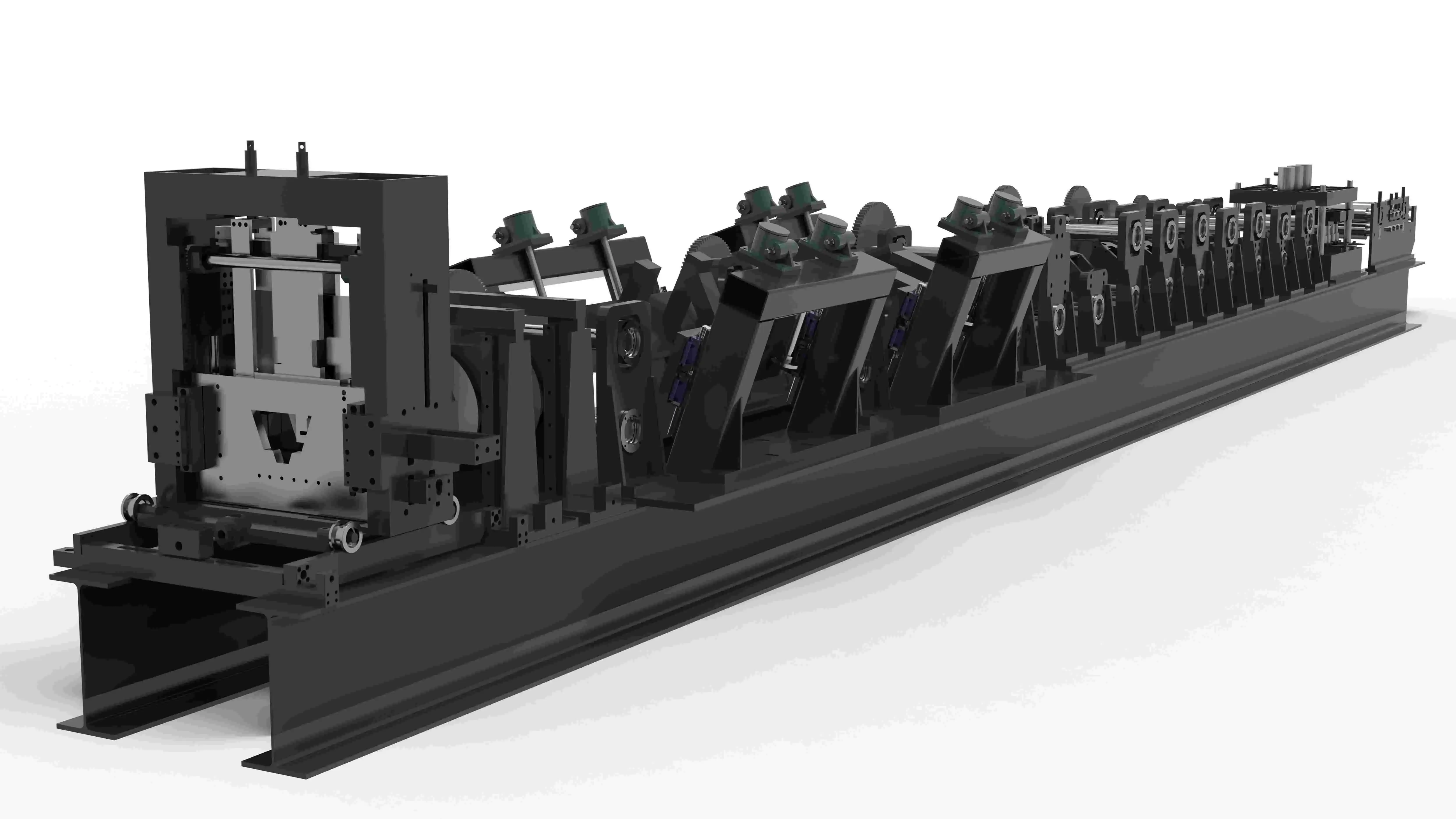
Advanced Techniques for Enhancing Omega Purlin Machine Efficiency
Establishing Performance Benchmarks
Clear analysis is the first step to long-term growth. Setting KPIs for throughput rates, dimensional tolerance adherence, and downtime regularity gives you clear starting points. By keeping track of the amount of material used, you can find ways to cut down on waste by finding the best cutting routines. By keeping an eye on how much energy is used per metre of formed profile, inefficient operating factors can be found and fixed.
Workflow Refinement Strategies
Streamlining the flow of materials from storing coils to putting out produced goods gets rid of handling that doesn't add value. Using just-in-time coil staging cuts down on crowding on the floor while keeping production going. Visual management systems that standardise how tools are changed cut down on variations in the time it takes to set up. Cross-training operators on simple adjustments makes them more flexible, so they can make quick changes to profile specifications without having to wait for specialised techs.
Technology Integration for Precision Control
Adding servo motor technology in the Omega Purlin machine changes the uniformity of the form. These motors perfectly match the speeds of the rollers, so the material doesn't stretch or shrink while it's being formed. CNC controls let you change the gap between the rollers down to the micron level, which is very important when working with high-tensile G550 steel that tends to spring back. IoT-enabled monitors send data to cloud-based analytics systems, which find small changes in performance before they become quality problems.
Predictive maintenance programmes look at patterns of shaking, changes in temperature, and changes in hydraulic pressure to predict when parts will break weeks in advance. This method changes upkeep from being reactive to being planned, which protects output plans and improves the management of parts inventory.
Continuous Improvement Culture
Without human involvement, technology alone can't keep up the gains in efficiency. Regular training on the machine's powers gives workers the confidence to suggest small changes that could make it work better. Displaying real-time performance measures on shop floor monitors creates data-driven feedback loops that hold shifts accountable and encourage friendly competition between shifts. Writing down what was learned from each production run builds institutional knowledge that can be used to improve the process in the future.
Over the course of 18 months, a light steel structure maker in the Southeast used lean concepts to cut their average changeover time from 3.5 hours to 47 minutes. Their approach to fixing problems as a team led to the discovery of 23 small process changes that raised monthly output by 27% without adding any new capital equipment.
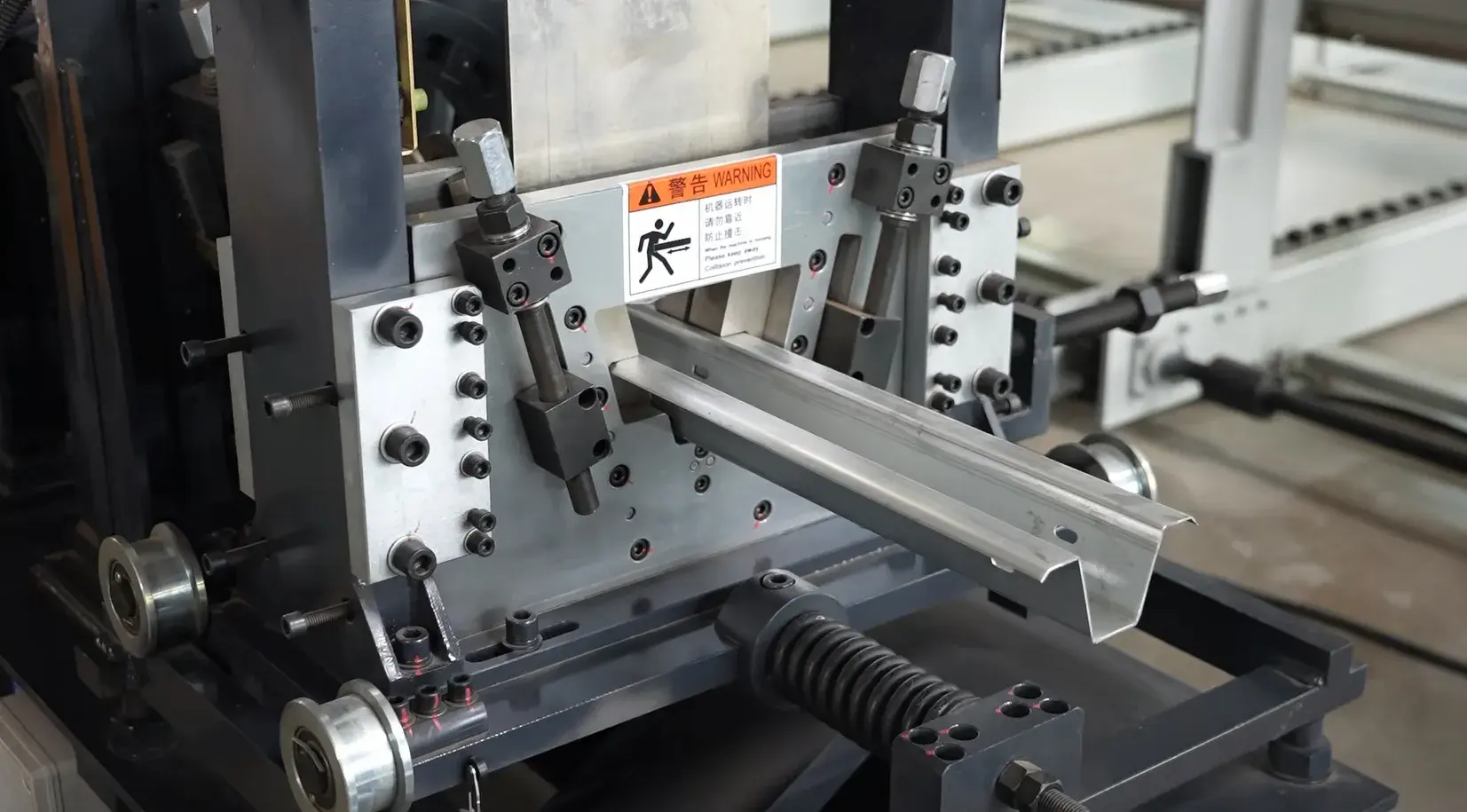
Choosing the Right Omega Purlin Machine: Comparing Types and Features
Machine Configuration Options
Standard models are good for factories that need to make the same things over and over again because they are reliable and don't cost too much. Customised systems can handle special profile shapes or cutting patterns needed by niche markets, such as sterile ceiling grids. Combining modular roller cassettes that allow profile family production without full custom engineering, hybrid designs strike a mix between freedom and cost-effectiveness.
Critical Selection Criteria
Buying decisions are based on more than just the original buy price. The required production capacity, which is given in linear metres per shift, must match the speed of the machine and its ability to stay up and running. The range of material thicknesses that can be used decides how versatile a project can be. The adaptability of the punching system affects its usefulness for projects that need different hole designs, like solar mounting lines that can be adjusted.
Durability factors include the types of roller materials, the strength of the frame, and the quality of the hydraulic parts. Heavy-duty frames keep machines from deflecting when they're under load, so the accuracy of the form stays the same over millions of production metres. Long-term running costs are directly affected by how easy it is to do maintenance, such as removing guards without tools and clearly labelling lubrication spots.
Comparative Analysis with Alternative Profiles
In some situations, Omega shapes are clearly better than C and Z purlins. The closed semi-tubular shape has better rotational stiffness, which is useful for uses with uneven loads. The wide top flange lets attaching tools fit without drilling first, which speeds up the fitting process. But wide C-sections use more material per square meter, which makes costs less competitive in markets where prices are important.
The right machine is chosen by comparing these trade-offs to the needs of the project. Omega-specific equipment is helpful for facilities that work with clients in the solar industry. On the other hand, diverse producers may value multi-profile capability through automatic changeover systems.
Recommended Specifications for 2024
The current market leaders have PLC systems with touchscreens that can accept CAD files and support parametric programming. Positioning accuracy is within ±0.5 mm for 12-meter lengths of servo feeding systems. Through better control of clearance gaps, hydraulic cutting assemblies keep blades working for more than 300,000 rounds. Integrated straightening units that use flexible Turk's Head designs fix post-forming stress-induced errors, making sure that shapes meet standards for building straightness.
With these skills, producers will be able to meet the higher quality standards set by EPC contractors and foreign engineering firms that want qualified suppliers with written process controls.
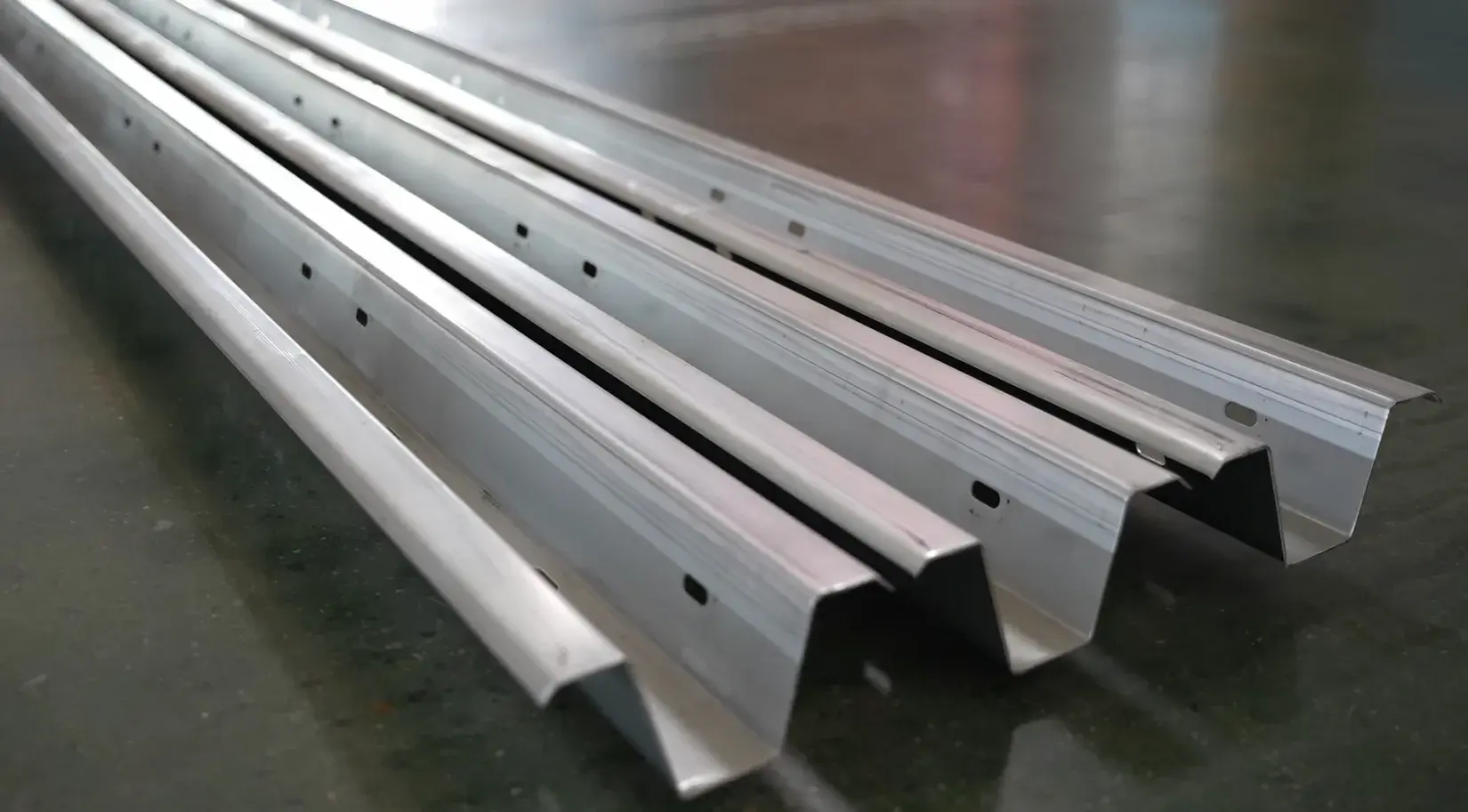
Procurement and After-Sales Considerations for Omega Purlin Machines
Supplier Evaluation Framework
There are more factors to consider than just equipment specs when choosing a manufacturing partner for an Omega Purlin machine. Suppliers who are financially stable and have enough production capacity can keep their delivery promises. The ISO 9001 certification shows that quality control systems are documented, and the CE marking shows that the product meets international safety standards. References from current customers in related fields can help you figure out how quick your post-sale support is.
Customization and Technical Support
Reliable providers offer engineering advice during the creation of specifications, making sure that the machine's capabilities match the production goals. Customization choices could include unique roller profiles for unique designs, better control systems for automating the whole plant, or stronger frames for 24 hours a day, seven days a week use. Full training for operators, both on-site and remotely, speeds up starting and improves their ability to fix problems on their own.
Logistics and Installation Planning
Lead times for delivery range from 45 days for basic setups to 90 days or more for systems that are designed and built just for you. Coordinating shipment with building readiness—that is, getting the foundations ready, setting up the electricity infrastructure, and getting material handling equipment ready—avoids costly delays. Technicians from the provider perform installation services that make sure the equipment is level, aligned, and tuned to its original settings. This sets the baseline performance for future operations.
Financial Considerations and Growth Pathways
Capital expenditure stresses are eased for startups and small makers by flexible payment arrangements, such as phased instalment plans linked to production goals. Leasing agreements help businesses keep their working cash and give them access to new technology. Upgrading equipment in stages lets you add things like automatic stackers, straight embossing stations, or extra punching units as production volume rises.
Partnering with makers that offer full aftermarket support, such as expert hotlines, remote tests, and regular performance checks, protects long-term investment value. These partnerships turn into strategic partnerships as sellers share information about new market trends and technological advances that help companies decide how to grow in the future.
Conclusion
To get the most out of those channel-forming tools, you need to take a comprehensive approach that includes careful mechanical work, strict process control, and smart partnerships with suppliers. Advanced robotic technologies, such as servo-driven feeding and IoT-enabled predictive repair, make it possible to get higher levels of output that were not possible with older systems. To be successful, you have to make sure that the machine's capabilities fit the needs of the output while keeping a constant eye on accuracy in measurements and dependability in operation. Roll forming technology is always getting better because the solar mounting, steel construction, and modular building industries are always changing their needs. Manufacturers who are open to growth and invest in tried-and-true tools will be rewarded.
FAQ
1. How does profile size changeover work on modern systems?
Modern tools use two different ways to change gears. Spacer adjustment systems move roller stations along the shaft to accommodate changes in profile dimensions between 100 and 300 mm. This can be done by hand or partially automatically, and the process takes 90 to 180 minutes. Cassette-based designs use roller sets that are already set up and can be switched out as whole units, which cuts down on the time needed for switching to less than 30 minutes. The gap method works best for factories that only make small changes to profiles, while cassette systems work best for factories that make a lot of different profiles to meet different customer needs.
2. What factors affect forming speed variations?
The thickness of the material directly affects the production rates that can be reached. For example, 2.0 mm steel needs slower speeds than 0.8 mm sizes to keep the rollers from getting too full and the material from cracking. Profile complexity is also very important. For example, to avoid surface stress marks, thicker return lips and tighter bend radii need more forming stations and slower speeds. The highest speed that a machine can keep going for a long time depends on its drive system design (gear-driven vs. chain-driven). Facilities that put performance first should specify servo motor setups and reinforced gears that can keep running at high speeds for a long time.
3. Can punching patterns be modified without replacing tooling?
Modern hydraulic punching systems with servo-controlled placement let you change the hole shapes without having to change the dies themselves. Through the PLC interface, operators choose the pattern sequences, hole spacing, and thickness. The system then carries out these orders by moving the adjustable punch head. This adaptability lets custom solar mounting needs and building requirements be met without having to keep large die stocks. But changing the width of a hole still needs a new punch and die, which can be done in less than 20 minutes with quick-change tooling methods.
Partner with ZTRFM for Your Omega Purlin Machine Requirements
ZTRFM has been helping producers in the US and more than 150 other countries with cold roll forming solutions for over 10 years. We are a national high-tech company that is approved by ISO9001, CE, and CAS. We make hat channel forming systems that are specifically designed for your work setting. As an Omega Purlin machine provider, we can do more than just sell equipment. We can also provide full turnkey solutions, from finding raw materials to coordinating the handling of spare parts. We back these up with international technical support and thorough user training programs. Our engineering team works with you to find the best machine setups, shift systems, and ways to integrate automation, whether you're making more solar racks or switching to light steel structures. You can email our experts at zhongtuorollforming@gmail.com to talk about how our tested technology and quick service can help you compete in tough B2B markets.


References
1. Johnson, M. & Peterson, R. (2023). Cold Roll Forming Technology: Modern Applications in Structural Steel Manufacturing. Industrial Press.
2. Williams, T. (2022). Predictive Maintenance Strategies for High-Speed Metal Forming Equipment. Journal of Manufacturing Systems, 64, 312-328.
3. Chen, L. & Rodriguez, A. (2024). Optimization of Purlin Production Through Servo-Driven Automation. International Journal of Advanced Manufacturing Technology, 131, 1847-1862.
4. Anderson, K. (2023). Solar Mounting Systems: Engineering and Installation Standards. Renewable Energy Publications.
5. Thompson, D. et al. (2022). Comparative Analysis of C, Z, and Omega Profile Performance in Light Steel Construction. Steel Construction Journal, 15(4), 276-291.
6. Martinez, S. & Zhang, W. (2024). Lean Manufacturing Implementation in Roll Forming Operations: Case Studies and Performance Metrics. Production Engineering Research and Development, 18(2), 445-460.
_1750323743240.webp)