- English
- French
- German
- Portuguese
- Spanish
- Russian
- Japanese
- Korean
- Arabic
- Irish
- Greek
- Turkish
- Italian
- Danish
- Romanian
- Indonesian
- Czech
- Afrikaans
- Swedish
- Polish
- Basque
- Catalan
- Esperanto
- Hindi
- Lao
- Albanian
- Amharic
- Armenian
- Azerbaijani
- Belarusian
- Bengali
- Bosnian
- Bulgarian
- Cebuano
- Chichewa
- Corsican
- Croatian
- Dutch
- Estonian
- Filipino
- Finnish
- Frisian
- Galician
- Georgian
- Gujarati
- Haitian
- Hausa
- Hawaiian
- Hebrew
- Hmong
- Hungarian
- Icelandic
- Igbo
- Javanese
- Kannada
- Kazakh
- Khmer
- Kurdish
- Kyrgyz
- Latin
- Latvian
- Lithuanian
- Luxembou..
- Macedonian
- Malagasy
- Malay
- Malayalam
- Maltese
- Maori
- Marathi
- Mongolian
- Burmese
- Nepali
- Norwegian
- Pashto
- Persian
- Punjabi
- Serbian
- Sesotho
- Sinhala
- Slovak
- Slovenian
- Somali
- Samoan
- Scots Gaelic
- Shona
- Sindhi
- Sundanese
- Swahili
- Tajik
- Tamil
- Telugu
- Thai
- Ukrainian
- Urdu
- Uzbek
- Vietnamese
- Welsh
- Xhosa
- Yiddish
- Yoruba
- Zulu
Why invest in a corrugated sheet making machine?
When you buy a corrugated sheet-making machine, you can increase the speed of your output, make your products better, and save a lot of money over time. Precision roll forming machines take galvanized steel and pre-painted steel and turn them into long-lasting curved sheets that meet strict industry standards. These machines are used by companies that make roofing materials and metal building systems. The equipment allows for consistent output at scalable numbers while cutting down on waste and the need for manual work. Whether you're expanding into new markets or building commercial roofing systems, modern roll forming technology solves important problems with production stability, changeover speed, and maintenance ease. This makes it a business asset that helps them stay competitive.
Understanding Corrugated Sheet Making Machines: Features and Processes
What Defines Modern Roll Forming Equipment
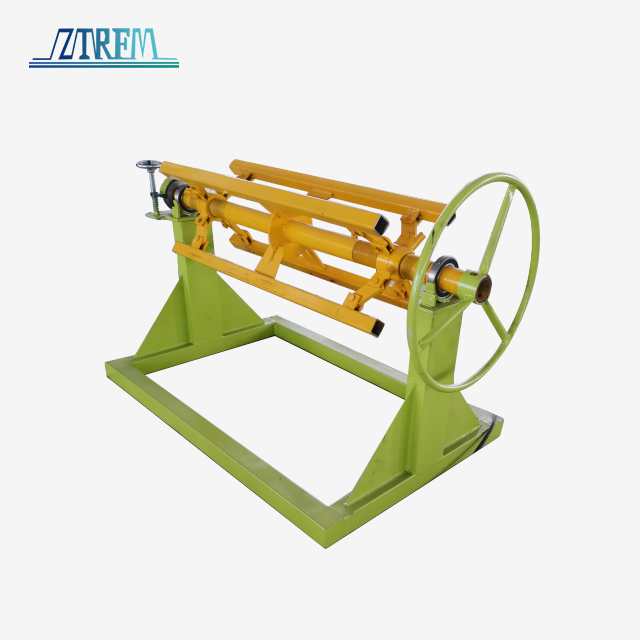
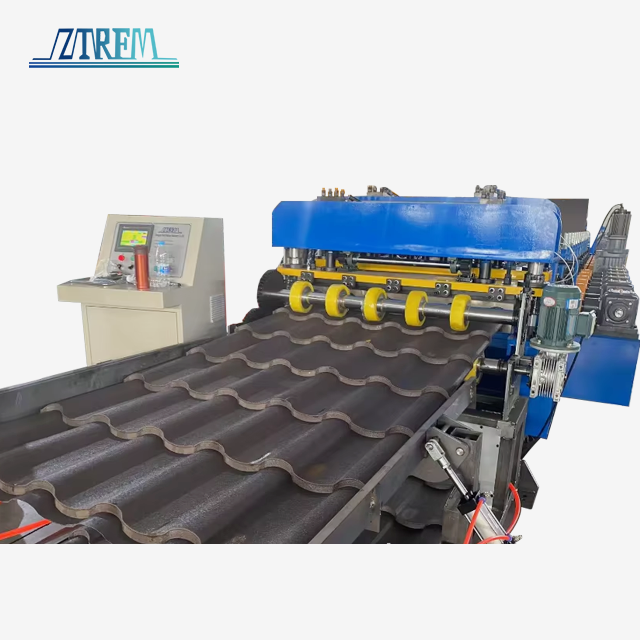
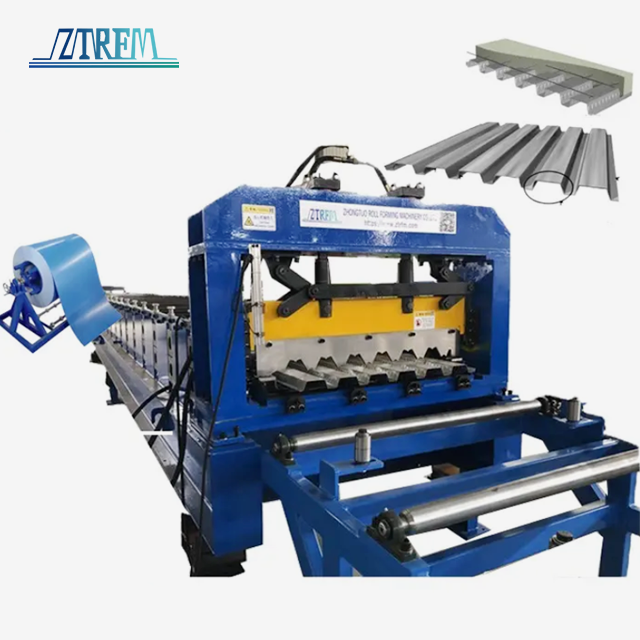
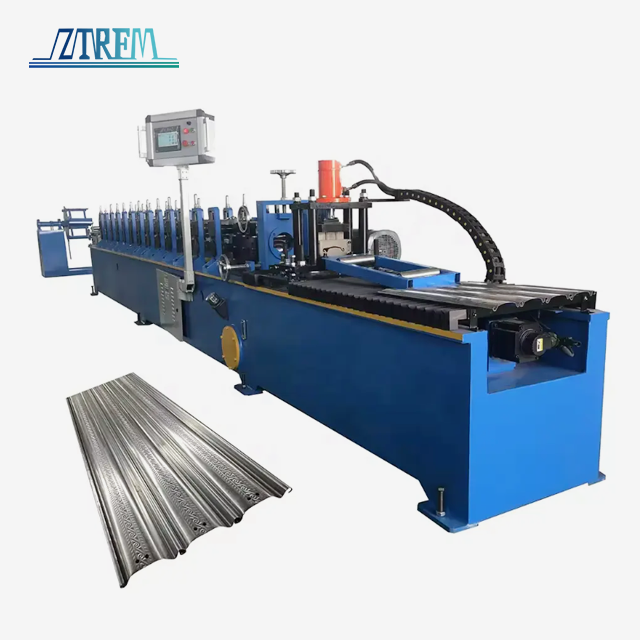
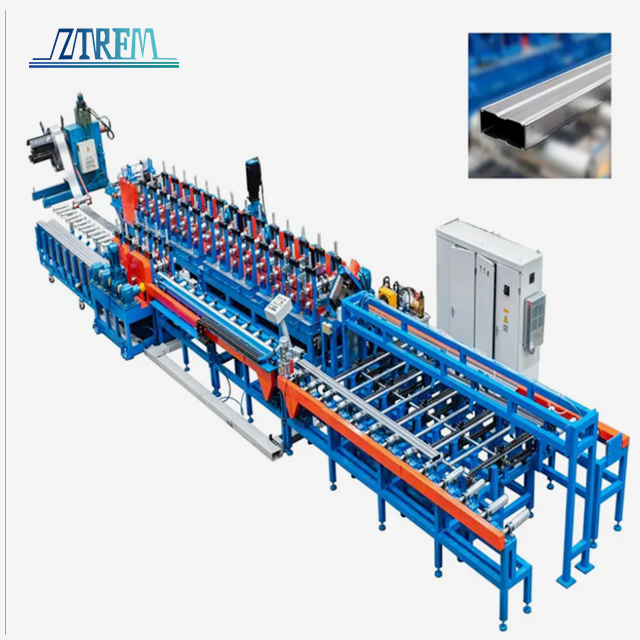
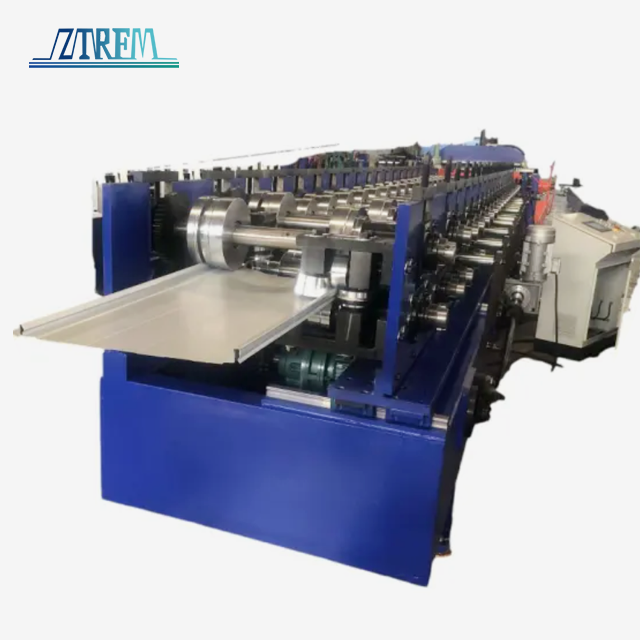
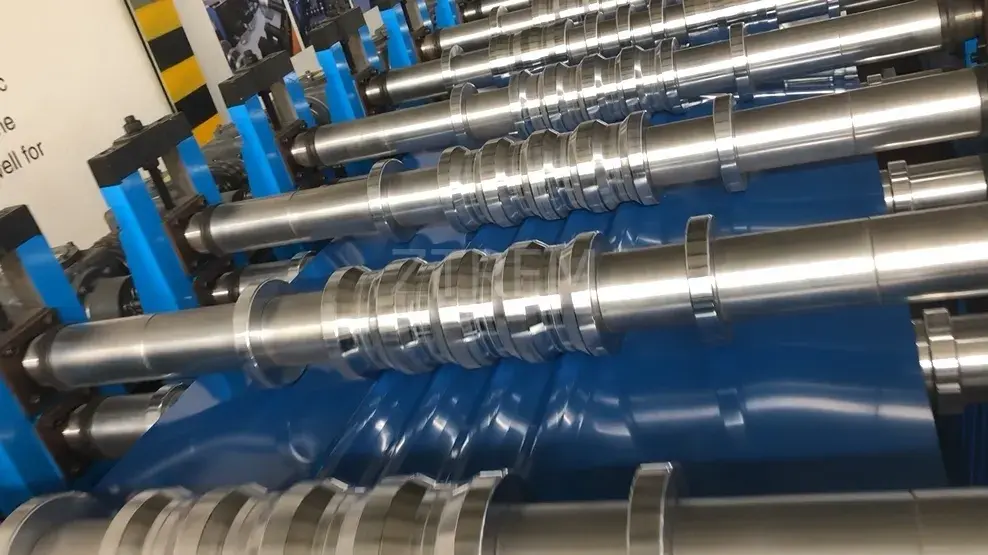
Roll forming equipment for corrugated sheets is a specialized type of production technology that carefully makes flat metal coils into corrugated panels with different shapes. The tools can work with galvanized steel, pre-painted steel, and other raw materials with thicknesses ranging from 0.3 mm to 0.5 mm. This makes them useful for both roofing and siding projects. A 5-ton hydraulic decoiler feeds material continuously through 18 roller stations. The metal is formed gradually without damaging its structure or surface finish.
Core Manufacturing Process Explained
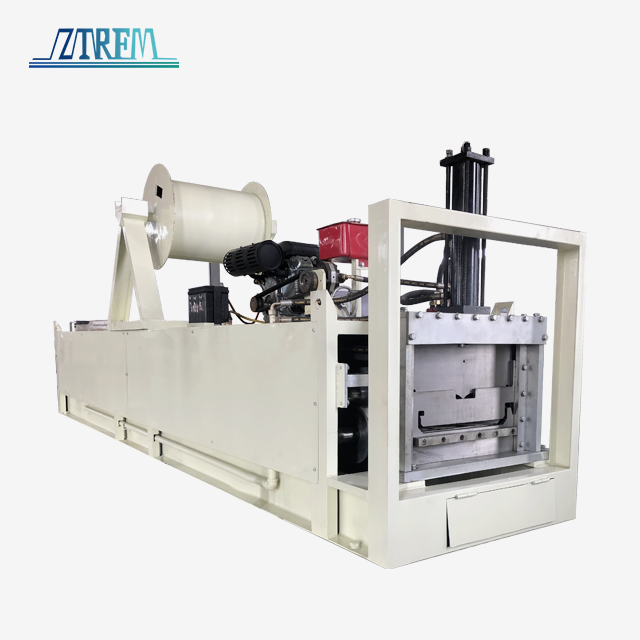
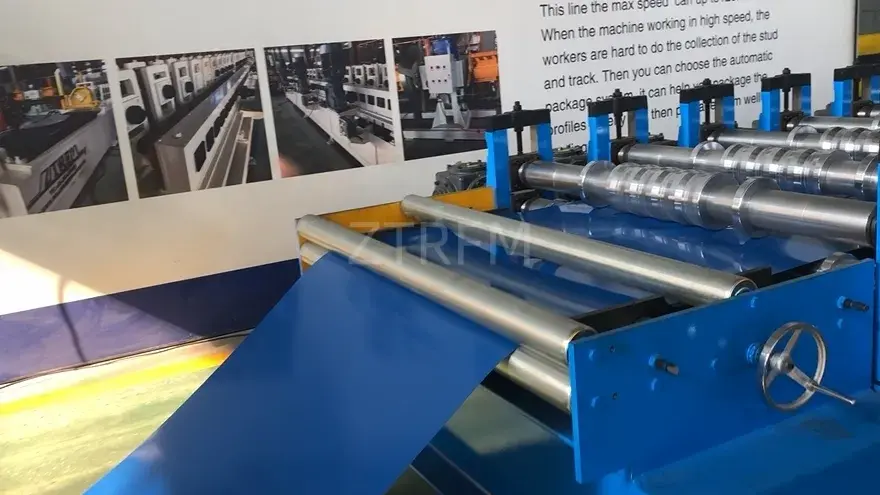
The production process starts when metal coils are fed onto the hydraulic decoiler. During feeding, the stress stays the same. The material moves through 18 stations that have wheels made of 45# steel that has been hardened to make them last longer. Each station bends the metal a little at a time into the curved shape that your equipment setup tells it to have. The 80mm diameter shaft, which is made of hardened 45# steel, keeps the spinning stable even at high speeds. The 350H steel-welded machine frame can handle working stress without deflection, and the 5.5kw motor's gearbox transfer makes good use of its power.
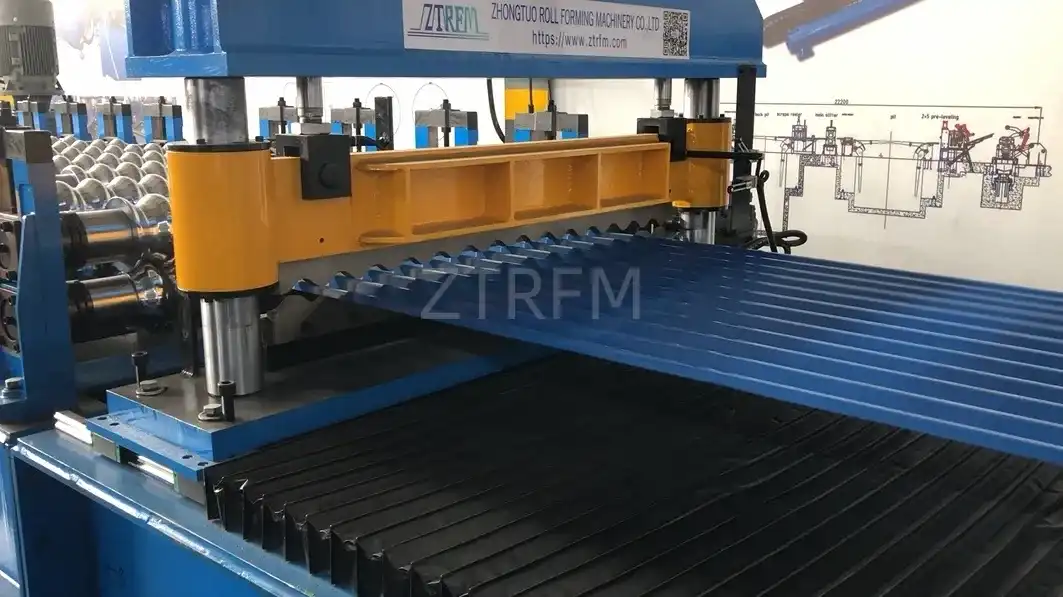
Separate 5.5 kW hydraulics power hydraulic cutting systems that make exact cuts along the length of panels while keeping up with the flow of production. Compared to cutting by hand, this technology requires less work from the user and produces less waste. During the whole process, tight specs are kept, which is important for later assembly in roofing projects.
Technical Specifications That Matter
Knowing the important specs of a corrugated sheet making machine helps purchasing teams match the skills of tools to the needs of production. The speed at which something can be made relies on the thickness of the material and the complexity of the shape, but with 0.4mm steel, machines can usually go 10-15 meters per minute. Thanks to motors that are the right size and mechanical transfer, energy use stays low. Depending on how it is set up, the equipment's footprint can be anywhere from 8 to 10 meters long, which means it can fit in most industrial sites without requiring major infrastructure changes.
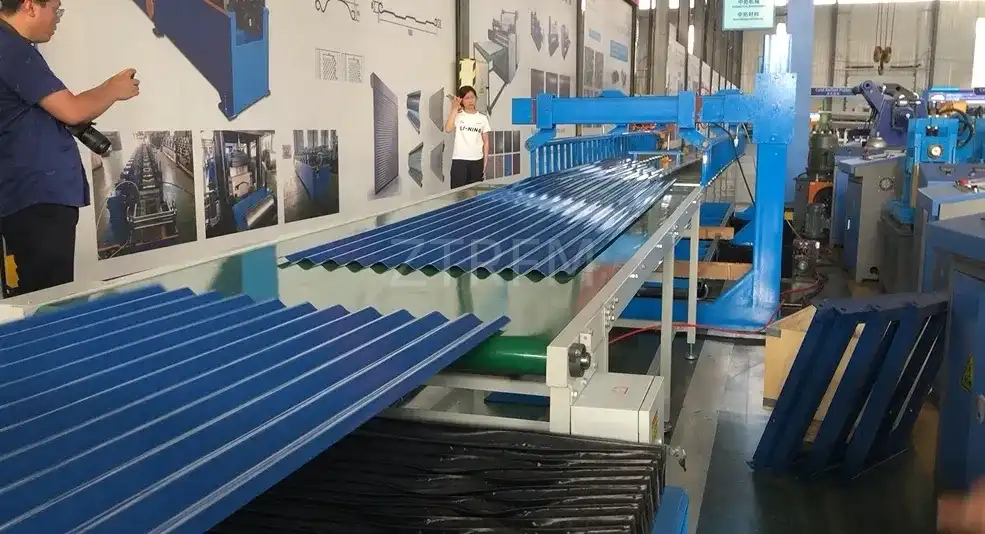
There are different levels of automation, from semi-automatic systems that need to be loaded and measured by hand to fully automatic lines that handle coils, measure them straight, and stack them. When choosing the level of automation, manufacturers should think about how much they make and how many workers are available.
The Business Value of Investing in Roll Forming Technology
Enhancing Production Efficiency and Quality
With roll forming tools, a lot more things can be made than with standard press brake ways. Continuous operation gets rid of the stop-and-start processes that are normal in press work. This makes it possible to get steady output that grows with the number of hours worked instead of the skill level of the operator. Repeatable precision improves product quality—each panel has the same exact measurements and profile, which cuts down on problems with fitting in the field and customer complaints.
By changing the roller tools on the same base machine, makers can make different corrugated shapes thanks to customization. This versatility is helpful for meeting the needs of different types of customers or adapting to new building styles without having to buy a lot of different tools.
Cost Efficiency Analysis
The initial investment in tools usually pays for itself in 18 to 24 months through a variety of savings methods. When fewer workers are in charge of higher output amounts, labor costs go down. Material waste drops to 2% to 3%, compared to 5 to 8% when production is done by hand. This directly increases the use of materials and sales margins. Operating costs are stable because motors and mechanical drives that use energy efficiently and are the right size keep costs down.
Maintenance costs are kept low when machines have high-quality parts like rollers that have been heat-treated and rods that have been sharpened. These materials are much more resistant to wear than regular steel, which means they need to be serviced less often and have less downtime. Manufacturers say that if you follow their service plans, upkeep costs should be only 3–5% of the annual production value.
Industry Applications and Market Demand
The main market section is roofing system manufacturers, who use corrugated sheets for buildings in residential, industrial, and agricultural settings. The building industry is moving toward pre-finished metal roofing because it is more durable, environmentally friendly, and looks better. This keeps demand high. Metal roofing systems are being used more and more on agricultural buildings, factories, and store buildings, which opens up new markets.
Global building spending forecasts show that areas will continue to grow as they improve their homes and infrastructure. Building rules are changing to favor metal roofing's fire protection and storm durability, which is good for the North American market. In this growing field, manufacturers who are set up with efficient production capacity can take advantage of the best possibilities.
Comparing Equipment Options: How to Choose the Best Fit
Evaluating Automation Levels
Manual systems of corrugated sheet making machine need workers to measure and cut panels, which works well for small businesses or new businesses that don't have a lot of money. Semi-automatic machines use hydraulic cutting and length settings to make them affordable while also making them more efficient, making them good for mid-volume makers. Fully automatic lines include systems for stacking, moving materials, and checking quality all in one. These lines are perfect for high-volume makers who put stability and throughput first.
The best choice will rely on your growth goals, the cost of labor in your area, and your output goals. Businesses that want to grow often choose semi-automatic equipment that can be upgraded to full automation as demand rises.
Manufacturer Selection Criteria
Reputable makers show they know a lot about engineering by providing clear specs, thorough technical documentation, and certifications that meet recognized standards. ISO9001 certification means that a company has quality control methods that make sure that the production process is always the same. When something has CE approval, it means it meets safety and performance standards for sales in other countries.
When machines slow down output, service dependability becomes very important. When it comes to expert help and spare parts delivery, manufacturers with established global service networks are faster to respond. People who have delivered goods in more than 150 countries have good transportation skills that keep installation delays and launch risks to a minimum.
Total Cost of Ownership Considerations
The purchase price is only the beginning of a cost study. The amount of energy the machine uses over its 15–20-year life has a big effect on running costs. Standard-operation equipment that uses 5.5kw uses about 44 kilowatt-hours of electricity over the course of an eight-hour shift. This means that monthly energy costs are reliable, which helps with planning.
Maintenance costs depend on the quality of the parts and how often they are used. When rollers are heat-treated and drives are the right size, machines don't need to change parts as often. Long-term costs are affected by the availability and price of spare parts from the maker. Suppliers that offer complete parts plans with clear pricing help keep costs from being a surprise.
Maintenance and Support: Ensuring Long-Term Performance
Preventive Maintenance Best Practices
Every week, there should be routine reviews to check the state of the hydraulic fluid, the alignment of the rollers, and the amount of lubrication. As part of the machine's monthly repair, the drive chains, gearbox operation, and cutting blade sharpness are all carefully checked. Electrical links, control system calibration, and tests of the structure's strength are all part of the quarterly service.
If you stick to these plans, small problems won't get worse and stop production. Keeping track of maintenance tasks makes service records that can help with finding problems and making warranty claims if necessary.
Warranty and After-Sales Service Value
Full guarantees that last between 12 and 24 months protect original investments against flaws in the manufacturing process and early component failure. To avoid surprises, warranty terms should spell out when expert help will be available, how parts will be replaced, and what the warranty does not cover.
Production efficiency is directly linked to the level of after-sales service. Manufacturers that offer online diagnosis, video-based troubleshooting, and fast shipping of parts keep downtime costs as low as possible. Training programs that teach workers and repair staff how to use machines correctly make them last longer and prevent damage that users cause.
Scalability Through Upgrades
As a company grows or enters a new market, its production needs change. Modular construction in equipment lets you add new features without having to update the whole thing. Automatic stackers, inline quality checking systems, or different roller sets for new shapes could be added as upgrades.
Manufacturers that offer customization services and technical help for changes add value long after the initial purchase. This partnership method keeps businesses from having to replace tools because their needs change.
Procurement Guide: Sourcing the Right Equipment
Identifying Qualified Suppliers
Before doing business with a seller of corrugated sheet making machine, you should check their qualifications by looking at their credentials and calling their references. Ask for proof of ISO9001, CE, and other industry-specific certifications that prove the company meets manufacturing standards. Talk to current users in similar fields to get feedback on how well the tools work and how good the service is.
Go to trade shows in your industry to see makers show off their tools and talk about their capabilities in person. These exchanges show more about engineering and customer service than studies that can only be done online.
New Versus Used Equipment Decisions
Businesses that plan to make a lot of things should pay more up front for new machines because they come with full guarantees, the newest technology, and the ability to be customized to exact specs. When you buy used equipment, you save money at first, but there are risks like not knowing how it was used before, possible secret wear, and limited guarantee coverage.
When looking at used machines, make sure they have clear parts availability information for older models, thorough service records, and checks by a third party. Check to see if higher upkeep costs and less dependability cancel out the savings from buying something new.
International Logistics and Bulk Purchasing
When you buy things from around the world, you need to know about shipping operations, customs procedures, and installation help in your area. Suppliers who have experience shipping goods internationally are better at managing paperwork and coordinating freight than those who mostly serve domestic markets.
When you buy a lot of machines or production lines at once, you can often get bulk savings and better service agreements. You should try to get price structures that reward loyalty while also getting good warranty and expert support terms.
Contract Negotiation Strategies
When you negotiate well, you find a mix between low prices, good service, and long-term support. Besides the purchase price, you should also talk about extended warranties, promises about the prices of extra parts, and any training that comes with the contract. Set clear payment terms that are in line with delivery goals and standards for accepting performance.
Service level agreements that spell out how long it will take to get technical help and tools will keep your business running. These parts of the contract are especially important when equipment is a production bottleneck, and downtime has a direct effect on income.
Conclusion
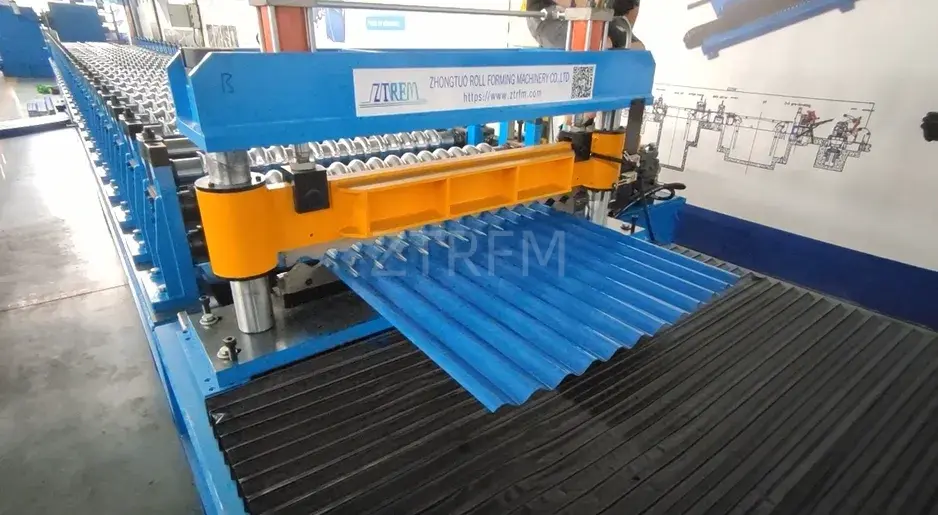
By investing in corrugated sheet making machine technology, you can improve the quality of your products, the speed of your production, and your cost management. Modern machines use little waste and a steady output to turn raw welded and pre-painted steel into precise perforated panels. When properly kept, equipment with heat-treated parts, strong hydraulic systems, and power transfer that works well will last for decades. Choosing makers with a track record of delivering goods around the world, large support networks, and quality certifications lowers the risks of buying and saves long-term value. If a company wants to grow or get into the metal roofing business, they need to make sure they have the right roll-forming equipment. This way, they can take advantage of growth possibilities while keeping costs low.
FAQ
1. What raw materials work best with roll forming equipment?
Galvanized steel and pre-painted steel that is between 0.3mm and 0.5mm thick are usually worked on by machines. These materials don't rust and have finishes that last a long time, making them good for roofs. With pre-painted choices, you don't have to do any extra finishing, which cuts down on costs and wait times.
2. How frequently should maintenance occur on hydraulic systems?
Every week, the fluid level in hydraulic systems needs to be checked, and every month, the hoses, fittings, and pressure settings need to be carefully looked over. The 5.5kw hydraulic power unit should be serviced every three months, which should include replacing the filter and checking the state of the seals to stop leaks and keep the cutting accurate.
3. Can one machine produce multiple corrugated profiles?
At the 18 making sites, roller tools need to be switched out in order to change profiles. Machines with quick-change roller systems can change profiles in two to four hours, based on how complicated the change is. To keep switching downtime to a minimum, manufacturers should keep multiple sets of tools on hand to meet the needs of a wide range of customers.
4. What factors influence machine longevity most significantly?
The quality of the parts determines how long they last. For example, 45# steel rollers and tempered rods last a lot longer than normal materials. Regular upkeep that is done according to the manufacturer's instructions and working within the width ranges given for the material helps prevent it from wearing out too quickly. Controlling temperature and keeping the work area clean are also environmental factors that make tools last longer.
Partner with ZTRFM for Advanced Roll Forming Solutions
Engineered corrugated sheet making machine solutions from ZTRFM are designed to solve the problems that roofing makers face every day. Our machines are built to last, with strong 350H steel frames and heat-treated roller stations. They also work efficiently, thanks to their optimized gearbox transmission and 5.5kw motor setups. Since we started in 2014, we've sold precision roll forming technology to customers in more than 150 countries. Our ISO9001, CE, and CAS certifications show that we meet high-quality standards.
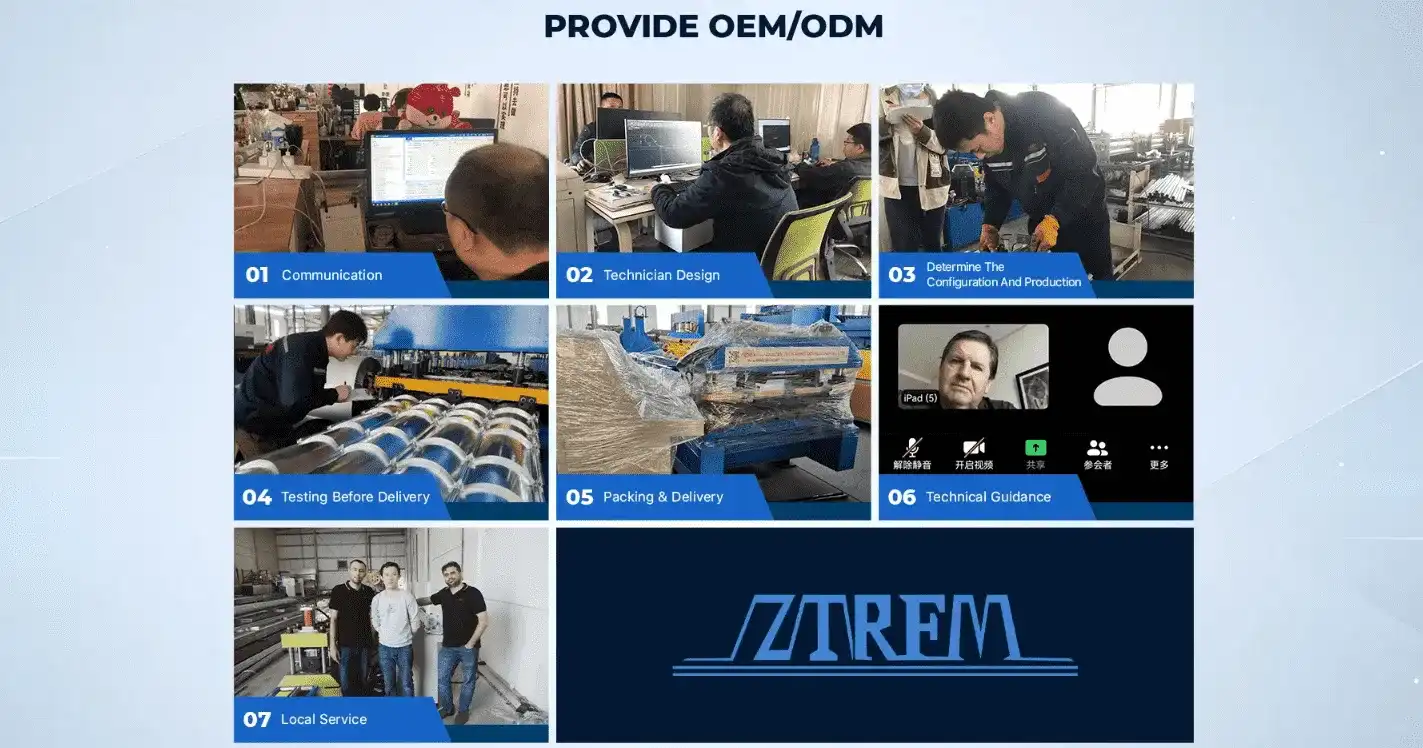
Our one-stop service method offers more than just machinery. It also includes finding raw materials, giving professional training, and quick help after the sale. Whether you need a reliable provider of corrugated sheet making machines for a single line or a fully designed production system, our engineering team can help you find solutions that fit your budget and capacity needs. Get in touch with our experts at zhongtuorollforming@gmail.com to talk about how our technology can help your business and put you ahead of the competition.
References
1. Modern Metal Roofing Manufacturing: Technology and Market Trends (2023), Industrial Equipment Research Institute.
2. Roll Forming Process Engineering: Principles and Applications (2022), American Society of Manufacturing Engineers.
3. Global Construction Materials Demand Forecast 2024-2030, International Building Materials Association.
4. Cost-Benefit Analysis of Automated Metal Forming Systems (2023), Manufacturing Technology Journal.
5. Quality Standards for Cold Roll Forming Equipment (2022), International Organization for Standardization Technical Committee.
6. Preventive Maintenance Strategies for Industrial Roll Forming Machinery (2023), Equipment Maintenance Quarterly.