- English
- French
- German
- Portuguese
- Spanish
- Russian
- Japanese
- Korean
- Arabic
- Irish
- Greek
- Turkish
- Italian
- Danish
- Romanian
- Indonesian
- Czech
- Afrikaans
- Swedish
- Polish
- Basque
- Catalan
- Esperanto
- Hindi
- Lao
- Albanian
- Amharic
- Armenian
- Azerbaijani
- Belarusian
- Bengali
- Bosnian
- Bulgarian
- Cebuano
- Chichewa
- Corsican
- Croatian
- Dutch
- Estonian
- Filipino
- Finnish
- Frisian
- Galician
- Georgian
- Gujarati
- Haitian
- Hausa
- Hawaiian
- Hebrew
- Hmong
- Hungarian
- Icelandic
- Igbo
- Javanese
- Kannada
- Kazakh
- Khmer
- Kurdish
- Kyrgyz
- Latin
- Latvian
- Lithuanian
- Luxembou..
- Macedonian
- Malagasy
- Malay
- Malayalam
- Maltese
- Maori
- Marathi
- Mongolian
- Burmese
- Nepali
- Norwegian
- Pashto
- Persian
- Punjabi
- Serbian
- Sesotho
- Sinhala
- Slovak
- Slovenian
- Somali
- Samoan
- Scots Gaelic
- Shona
- Sindhi
- Sundanese
- Swahili
- Tajik
- Tamil
- Telugu
- Thai
- Ukrainian
- Urdu
- Uzbek
- Vietnamese
- Welsh
- Xhosa
- Yiddish
- Yoruba
- Zulu
Affordable AG Panel Roll Forming Machine for Small Business
If you want to start or grow a small AG panel roll forming machine metal production business, you need equipment that is both effective and affordable. An AG panel roll forming machine is designed to make roofing and siding panels in the style of farming products, with repeating vertical ribs that are popular in the domestic metal roofing and post-frame building industries. Through a precise cold-forming process, these machines turn galvanizing or pre-painted steel strips into finished panels. This cuts down on the need for expensive outsourcing and keeps the panels' dimensions very accurate. Dedicated roll forming equipment, unlike general press brakes or manual bending tools, guarantees consistent panel quality, cuts down on material waste, and greatly speeds up production. This makes it an ideal starting point for new businesses, metal supply centers, and regional contractors who want to expand their product lines without spending a lot of money.
Understanding AG Panel Roll Forming Machines and Their Benefits for Small Businesses
What Is an AG Panel Roll Forming Machine and How Does It Work?
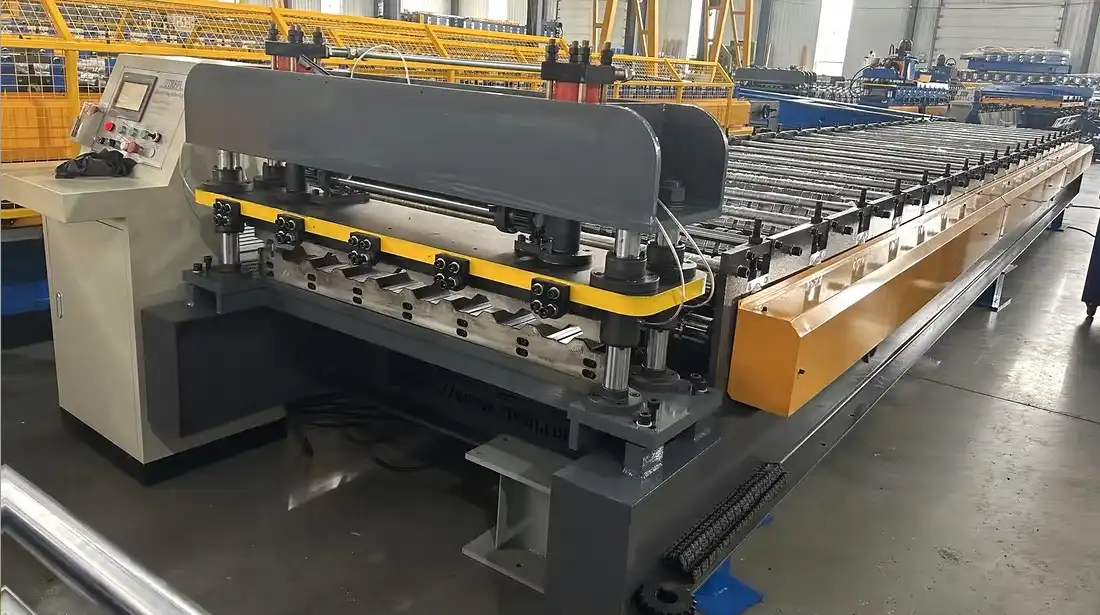
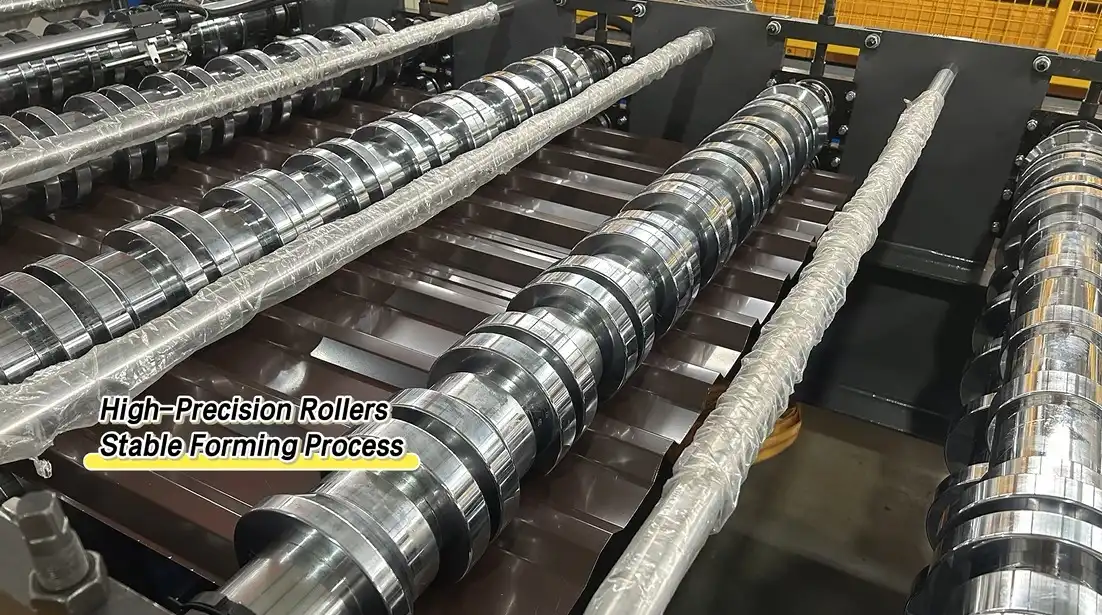
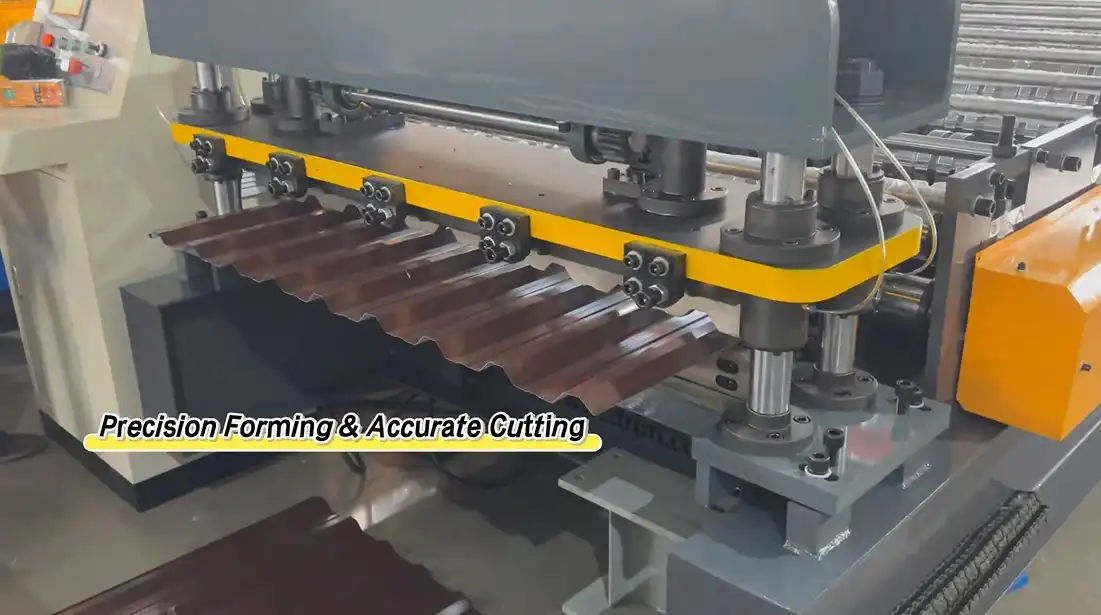
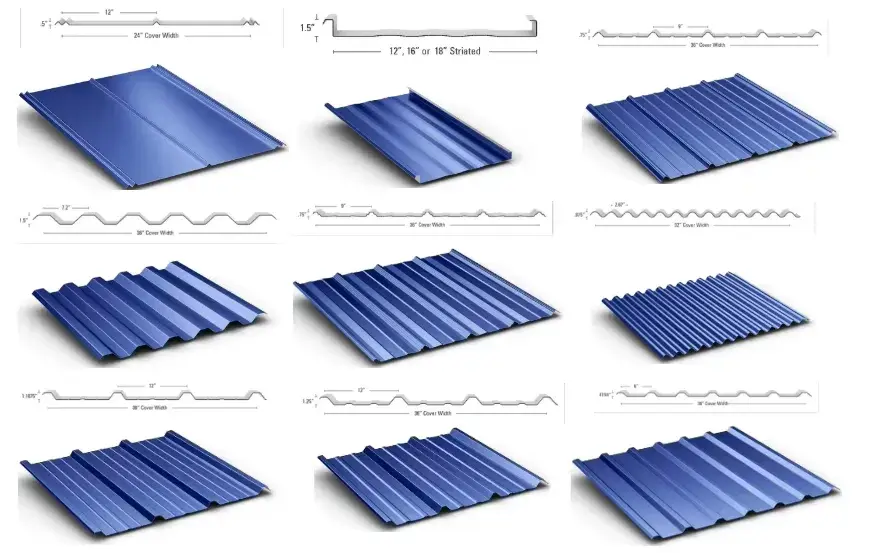
An AG panel roll forming machine is a specialized industrial system made to make metal roofing and wall panels in the style of farm buildings from coil stock. The "AG" name refers to a certain shape with three-quarter-inch vertical ribs that are nine inches apart, giving each panel a net coverage of 36 inches. All over North America, this profile is now the norm, especially in country building, pole barns, and modern barndominiums. The machine works by moving flat coil material through a series of perfectly aligned roller stations during a number of cold-forming steps. Each station slowly bends the steel into the rib shape that is needed without using heat or damaging the protected layer on materials that have already been painted. Rollers slowly make the major ribs, anti-siphon grooves, and flat pan sections as the coil moves forward. The last station has a hydraulic slicing tool that cuts each piece to the exact length it needs. This ongoing process lets a lot of work get done quickly while keeping limits for size very close, usually within one millimeter.
Core Advantages for Small-Scale Operations
Putting money into a specialized roll forming line has real benefits that help small manufacturers and building companies with their problems. Here are the main benefits that this equipment gives to new businesses. Cost-Efficiency and Reduced Per-Unit Production Costs: With roll making, you don't have to bend and measure things by hand as you do with standard press brakes. With fast line speeds of 30 to 60 meters per minute and automatic length control, one person can make hundreds of linear feet every day. Because the constant process increases coil output, there is a lot less loss. Startups say that the cost of each panel has gone down by up to 40 percent compared to outsourcing production. Better control over the quality and consistency of the product: When you bend something by hand, the ribs' height, spacing, and general straightness can change. Rollers in roll forming tools are hardened and chrome-plated so that the shape stays the same across thousands of panels. The PLC-based control systems use encoder feedback to keep track of length and make sure that every cut meets customer requirements. This consistency cuts down on mistakes, warranty claims, and customer AG sheet forming machine complaints, all of which are important for companies that want to build their image.
Comparing Roll Forming to Alternative Metal Shaping Methods
Roll making is good for small businesses because it is better than other methods when you know how it compares to them. Stamping and extrusion are two popular options, but each has its own problems when it comes to making panels. Stamping uses matching tools to press flat sheets into shape. It can be used for short runs and complicated shapes. Die prices, on the other hand, are too high for new businesses, and output speeds are slower than roll forming. Panels usually need extra cutting and finishing, which takes more time and work. Extrusion is a way to make things like window frames, where the metal is melted and pushed through a shaped hole. It needs a lot of energy and special alloys, so it can't be used for thin-gauge roofing panels where protecting the coating is important. Roll rolling can be done at room temperature, which keeps painted or metal surfaces from getting damaged by heat. Roll making is the best way to make large amounts of AG panels because it can work continuously, requires few tool changes, and works with standard coil materials. Small businesses can get professional-quality output without having to deal with the setup and cash requirements of pressing or extrusion.
How to Choose the Right Affordable AG Panel Roll Forming Machine for Your Small Business
Key Factors to Consider Before Purchase
Several technical and operational factors affect how well a machine works and whether it's right for a certain company plan. By looking at these things up front, you can avoid costly mistakes and future growth restrictions. Automation Level: Manual vs. Automatic Systems: With manual tools, workers have to measure, place, and cut each panel, which slows down production. Hydraulic cutting and digital measure counters are built into semi-automatic types, which make them both affordable and productive. Fully automatic lines have unwinders, levelers, motor cuts, and stackers built in. These lines produce the most but cost more. Startups usually start with semi-automatic settings and move up as their order numbers rise. Machine Types and Compatibility with AG Panel Profiles: Not all roll formers work the same way with AG profiles. Some machines made for curved sheets might not have the right roller depth and space for three-quarter-inch ribs. Make sure that the tools you're thinking about actually work with AG panels and have anti-siphon holes that keep water out during installation. Some makers make roller sets that can be switched out, which lets you make different shapes on a single chassis. This is a good choice for companies that want to make a wide range of products.
Evaluating Manufacturers and Budget-Friendly Models in 2024
There are many suppliers on the market, and each one has different product standards, customer service, and price structures. By comparing things carefully, you can find partners that offer more than just the buy price. Cangzhou Zhongtuo, which opened in 2014, is an example of a company that focuses on making products that are reliable and affordable for developing markets. Their AG panel lines have 16 to 22 making stations with rollers that have been strengthened with Cr12MoV. This makes sure that the quality of the profiles stays the same over long production runs. The machines have Mitsubishi or Siemens PLC controls that make them easy to use, even for workers with little experience. ISO 9001 and CE licenses show that a business meets foreign quality and safety standards, which is very important for companies that want to get money or sell their goods abroad. Entry-level AG panel roll forming machine models cost between $18,000 and $35,000, based on how automated they are and what extras come with them. Starting at about $18,000, semi-automatic types with hand decoilers and hydraulic cutting are good for businesses that don't need to cut more than 10,000 linear feet a month. Adding servo cuts, digital length screens, and built-in uncoilers to mid-level setups usually costs between $25,000 and $30,000. This strikes a good balance between speed and investment. High-capacity lines with automatic stackers and the ability to be monitored from afar cost $35,000, but they are used by businesses that want to get commercial contracts, AG sheet forming machine, and place a lot of orders.
Step-by-Step Guide to Implementing an AG Panel Roll Forming Machine in Your Small Business
Site Planning and Installation Preparation
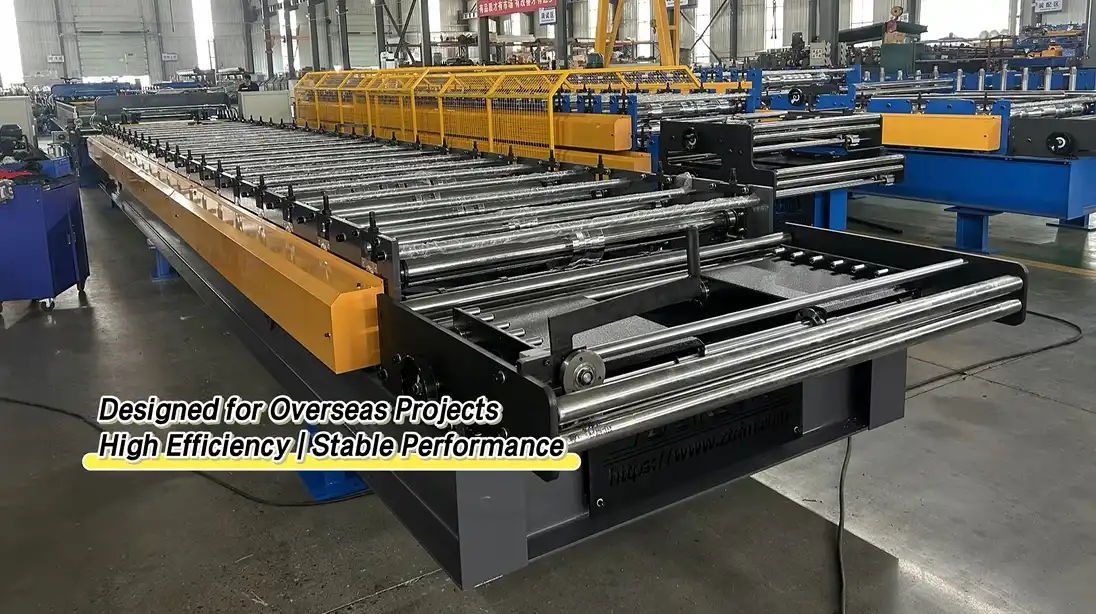
Before the equipment comes, checking to see if the building is ready and what logistics are needed keeps things running smoothly and avoids delays. Floor Space and Layout Considerations: AG panel roll forming machines are usually 16 to 20 feet long, plus extra space for adding coils, putting out panels, and giving operators access. Make sure there is at least 30 feet of clear floor space for the main line and places to store coils and finished goods. The machine weighs about 3,000 to 5,000 pounds, and the concrete floor must be able to hold that weight without sinking or breaking. Leveling the installation area to within a quarter-inch of perfection stops panels and rollers from not being lined up correctly. Electrical and Utility Requirements: Most tools need three-phase power sources that are either 220V, 380V, or 440V at 50 or 60 Hz, based on the standards in your area. Between 15 and 22 kilowatts of power are used by the main drive motor, the hydraulic pump, and the control system. Hire a professional electrician to set up separate lines with the right breakers and grounding. Some buildings may need new transformers to handle the extra load, which should be planned for in the budget early on in the planning process. Timeline from Order to Production: Lead times depend on the maker and the level of customization needed. Standard models usually ship four to eight weeks after an order is confirmed. Custom-built lines with unique roller shapes may take ten to twelve weeks. Think about how long shipping takes.
Operating the Machine Efficiently
Essential Operating Procedures and Safety Protocols: Operators need to be fully trained on how to start up machines, stop them in an emergency, and move materials. Before each shift starts, check the position of the rollers, the amount of the hydraulic fluid, and the sharpness of the cutting blades. Place the coils on the decoiler and feed the leading edge through the entry guides and the first forming station. Enter the length of the panel you want into the PLC processor to start the automatic cutting process. Wear safety glasses and gloves at all times, and keep your hands away from cutting areas and moving blades. There should be emergency stop buttons at several places along the line. Regular Maintenance Routines and Troubleshooting Tips: Preventive maintenance makes machines last longer and cuts down on unplanned downtime. Every week, use the grease that the maker recommends to lubricate the roller bearings, and every month, check the chain tightness to make sure it doesn't slip. When production levels are normal, hydraulic cutting blades need to be sharpened every six to eight months. Blades that are too dull cause burrs and panel distortion. If panels are peeling or "oil canning," make changes to the entry guide tension and check the roller gap settings.
Case Studies: Successful Adoption of Affordable AG Panel Roll Forming Machines by Small Businesses
Regional Metal Supply Center Expands Product Range
A family-run metal supply business in Texas was getting more AG panel roll forming machines and more requests for AG panels from local builders who were building pole barns and roofs for homes. In the past, they bought panels from a faraway source, which caused customers to be unhappy with the high freight costs and two-week wait times. The business bought a $28,000 semi-automatic AG panel roll forming machine from Cangzhou Zhongtuo. They chose a model with an integrated decoiler and servo cutting system. The installation took three days, and the maker trained two workers on-site. In its first year, the business made more than 100,000 square feet of panels, which cut costs by 35% per square foot compared to buying panels. Lead times went down to same-day or next-day delivery, which made partnerships with companies that valued quick turnaround stronger. The company hired two more people to handle more sales and output, which helped the local economy grow. The number of satisfied customers went up, and they liked the quality of the panels and how the rib spacing was always the same.
Startup Contractor Enters Barndominium Market
A new builder in Oklahoma saw the barndominium trend as a way to grow, but they didn't have the tools to make panels in-house. Outsourcing panels restricted the company's ability to make money and change the schedule of its projects. The contractor looked at a number of sources and ultimately bought an entry-level manual AG panel machine for $19,500. To keep the starting cost as low as possible, they chose a manual decoiler and hydraulic cutting. The machine's small size meant it could fit in a rented 1,500-square-foot workshop. The contractor finished four barndominium jobs in the first six months, making panels as needed as the frame went along. This got rid of the need for storage and made moving things around easier. By project three, the machine had already paid for itself, and the builder used the money he had saved to buy a semi-automatic upgrade the next year. The company has added three more crew members and now has contracts for two large farm buildings, in addition to doing work for homeowners. These case studies show that small businesses can take advantage of market possibilities, get a better handle on operations, and gain a competitive edge in regional markets by using affordable roll forming tools. Customers will stay loyal, and your business will make money if you offer lower prices, faster shipping, and steady quality.
Conclusion
Small companies that want to get into or grow in the metal roofing and building industries should buy affordable AG panel roll-forming machines. When it comes to cost-effectiveness, product consistency, and operating freedom, these machines solve some of the most important problems that startups, regional suppliers, and freelancers face. To ensure smooth integration and long-term profitability, it is important to understand the technology, carefully choose equipment that fits the needs of the business, and put in place organized operating practices. Small makers can compete by making high-quality panels for local markets and keeping costs and lead times low, as shown by real-life examples. Investing in specialized roll forming equipment sets companies up for long-term growth and market leadership as the demand for farm-style roofs continues to grow in residential, industrial, and agricultural settings.
FAQ
1. What Is the Typical Installation Timeline for an AG Panel Roll Forming Machine?
Installation times depend on how complicated the machine is and how ready the spot is. Standard semi-automatic types need between one and three days to set up, which includes leveling, connecting the power, and aligning the rollers. It could take up to five days for fully robotic lines with built-in uncoilers and stackers. Manufacturers often offer testing and user training on-site during installation to make sure the equipment works properly before the techs leave. Setting up the site—making sure there is power, that the floor is level, and that there is enough space—before arrival speeds up the process.
2. Can These Machines Handle Both Steel and Aluminum Coils?
Most AG panel roll forming machines can work with galvanized steel, steel covered with Galvalume, and steel strips that have already been painted without any changes. Because aluminum has a different spring-back behavior and a lower tensile strength, it needs to be adjusted. To keep cracks from appearing, operators must lower the pressure on the rollers and maybe add more making stations. Some makers make designs that are designed for aluminum and use roller profiles that are made for that material. Before buying, you should always check with the seller to make sure the materials will work together. This is especially important if you are making panels for seaside areas where aluminum is preferred.
3. Are Financing Options Available for Small Businesses?
More and more, manufacturers and companies that fund tools are offering flexible financing plans that are made to fit the cash flow of small businesses. There are different options, such as making payments over 24 to 60 months, leasing with buyout terms, or trading in old tools. Some sellers work with banks to offer lines of credit that are backed by the machines. When businesses look into these choices, they need less money up front, which lets them keep their working capital for things like raw materials and running costs while buying necessary production tools.
Partner with ZTRFM for Your AG Panel Roll Forming Machine Needs
We at ZTRFM are experts at giving small businesses and new manufacturers roll forming options that are both cheap and effective. Our AG panel roll forming machine lines are built to last with accurate engineering, solid construction, and easy-to-use settings. They will start producing reliably right away. We know how hard it is for startups and local suppliers to deal with tight funds, few technical tools, and the need for quick help. To keep your business going easily, we offer a wide range of services, such as help with installation, training for operators, and long-term technical support.
Our machines have met the standards of ISO 9001 and CE, and they have been used successfully in more than 150 countries. We can make custom setups that fit your output goals and growth path, whether you need an entry-level line that you operate by hand or a fully automatic system with servo cutting and remote tracking. We stand out as a reliable provider of AG panel roll forming machines because our prices are clear, our financing options are open, and we care about our customers' success.
Explore our complete product lineup at rollformingmachinemanufacturer.com, or reach out directly to discuss your specific requirements. Our team is ready to answer questions, provide technical specifications, and develop a solution that fits your budget and time frame. Contact ZTRFM today at zhongtuorollforming@gmail.com to request a detailed quote or schedule a virtual equipment demonstration. Let us help you confidently and quickly turn your coil stock into panels that will make you money.
References
1. Smith, J. (2023). Cold Roll Forming Technology: Principles and Applications in Modern Manufacturing. Industrial Press.
2. Miller, R., & Thompson, L. (2022). Metal Roofing Systems: Design, Installation, and Material Selection. Construction Publishing Group.
3. American Society for Testing and Materials. (2021). ASTM A792: Standard Specification for Steel Sheet, 55% Aluminum-Zinc Alloy-Coated by the Hot-Dip Process. ASTM International.
4. National Frame Builders Association. (2023). Post-Frame Building Design Manual: Standards and Best Practices. NFBA Publications.
5. Chen, W., & Davis, K. (2022). Small Business Manufacturing: Equipment Selection and Operational Strategies. Business Technology Press.
6. International Organization for Standardization. (2020). ISO 9001:2015 Quality Management Systems—Requirements. ISO Standards Catalogue.
_1750323743240.webp)