- English
- French
- German
- Portuguese
- Spanish
- Russian
- Japanese
- Korean
- Arabic
- Irish
- Greek
- Turkish
- Italian
- Danish
- Romanian
- Indonesian
- Czech
- Afrikaans
- Swedish
- Polish
- Basque
- Catalan
- Esperanto
- Hindi
- Lao
- Albanian
- Amharic
- Armenian
- Azerbaijani
- Belarusian
- Bengali
- Bosnian
- Bulgarian
- Cebuano
- Chichewa
- Corsican
- Croatian
- Dutch
- Estonian
- Filipino
- Finnish
- Frisian
- Galician
- Georgian
- Gujarati
- Haitian
- Hausa
- Hawaiian
- Hebrew
- Hmong
- Hungarian
- Icelandic
- Igbo
- Javanese
- Kannada
- Kazakh
- Khmer
- Kurdish
- Kyrgyz
- Latin
- Latvian
- Lithuanian
- Luxembou..
- Macedonian
- Malagasy
- Malay
- Malayalam
- Maltese
- Maori
- Marathi
- Mongolian
- Burmese
- Nepali
- Norwegian
- Pashto
- Persian
- Punjabi
- Serbian
- Sesotho
- Sinhala
- Slovak
- Slovenian
- Somali
- Samoan
- Scots Gaelic
- Shona
- Sindhi
- Sundanese
- Swahili
- Tajik
- Tamil
- Telugu
- Thai
- Ukrainian
- Urdu
- Uzbek
- Vietnamese
- Welsh
- Xhosa
- Yiddish
- Yoruba
- Zulu
PBR Roll Former Troubleshooting Guide for Common Problems
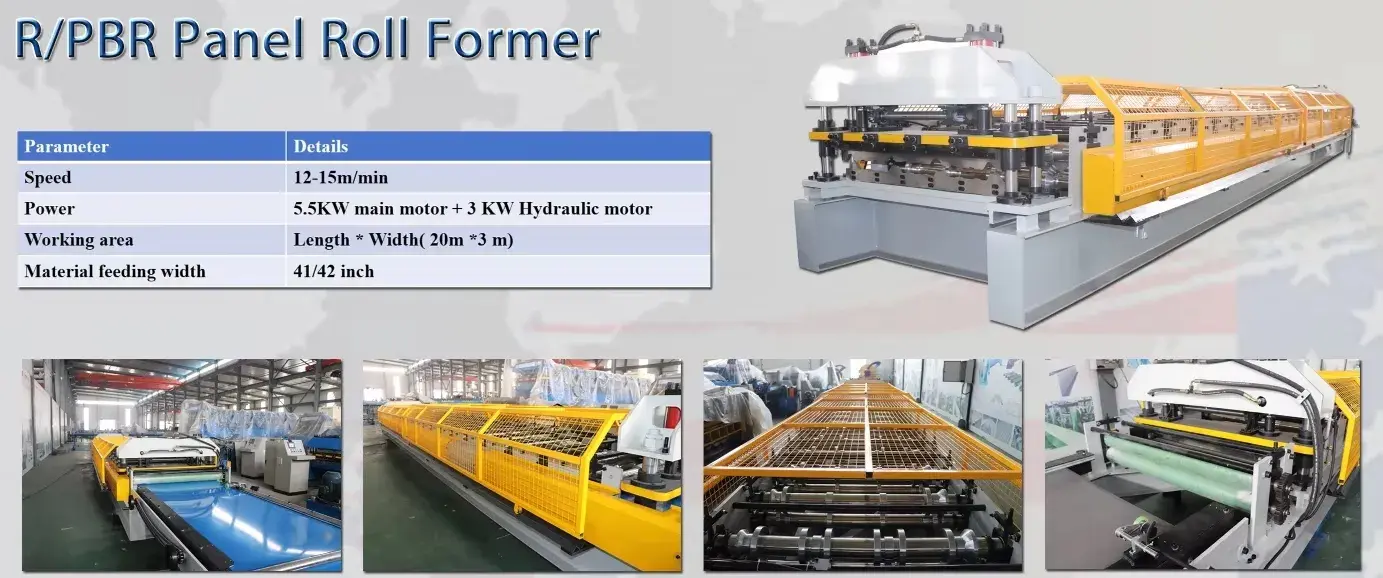
When your production line stops without warning, every minute of downtime means lost money and missed goals. A PBR roll former is made to precisely make Purlin Bearing Rib panels, but it has its own problems that can stop even the most efficient factories from working. At speeds of more than 15 meters per minute, these specialized machines, which usually have 19 roller stations and 80mm solid shafts, turn 24-26 gauge metal strips into structural roofing panels. Whether your facility can keep up with the competition in terms of production rates or has to deal with expensive interruptions depends on how quickly you can identify and fix common problems. This guide to fixing problems talks about real issues that companies that make roofs, light steel structures, and metal fabrication start-ups face every day. It gives you useful tips to keep your investment safe and limit downtime.
Understanding Common Problems in PBR Roll Former
Different problems can arise when running a metal panel forming line, based on the type of material used, how well the machine is set up, and the weather outside. If you catch these problems early, they can be fixed before they get worse and stop production.
Inconsistent Panel Profile Dimensions
Profile inconsistencies are one of the most annoying issues for producers who care about quality. When the panels come out of the making stations, they have different rib heights, cover widths that aren't the standard 36 inches, or leg sizes that aren't the same on the side that supports the purlin. These differences in size can be caused by a number of things, including old rollers that lose their original shape after working with thousands of meters of steel, rollers that aren't lined up correctly, which causes the profile to slowly shift, or different batches of material with different thicknesses. High-quality 45# forged steel rollers with a hard chrome finish tend to stay accurate longer than standard tools, but even high-quality parts need to be checked every so often. A European company that makes metal buildings found that when the temperature in their factory changed, the 350mm H-beam frame structure grew. This caused panels to be misaligned, which made them 2mm wider or thinner, which made installation difficult on job sites.
Material Feeding and Tracking Issues
When the material is fed unevenly, it throws off the whole process of forming, making panels with waves, camber, or twists that don't meet quality standards. The metal coil could move from side to side across the roller stations, making one edge get more shaping pressure than the other. This issue usually happens because the uncoiler system doesn't have enough tension control or because debris builds up on the guide wheels, making it hard for material to move smoothly. When moving between material sizes without properly adjusting the machine, feeding problems become very clear. The gear and double chain transfer method keeps the roller speed constant, but if the material comes into the first station at an angle, each station after that makes the mistake worse. People who work on the machine don't always check the state of the entry guides. They don't realize that a worn guide roller can PBR metal panel machine cause side movement that changes the whole 19-row forming process.
Step-by-Step Troubleshooting Principles
A systematic troubleshooting process that goes from simple observations to detailed technical analysis is needed to solve a problem in a way that doesn't waste time or money on fixes that aren't needed.
Initial Visual Inspection Protocol
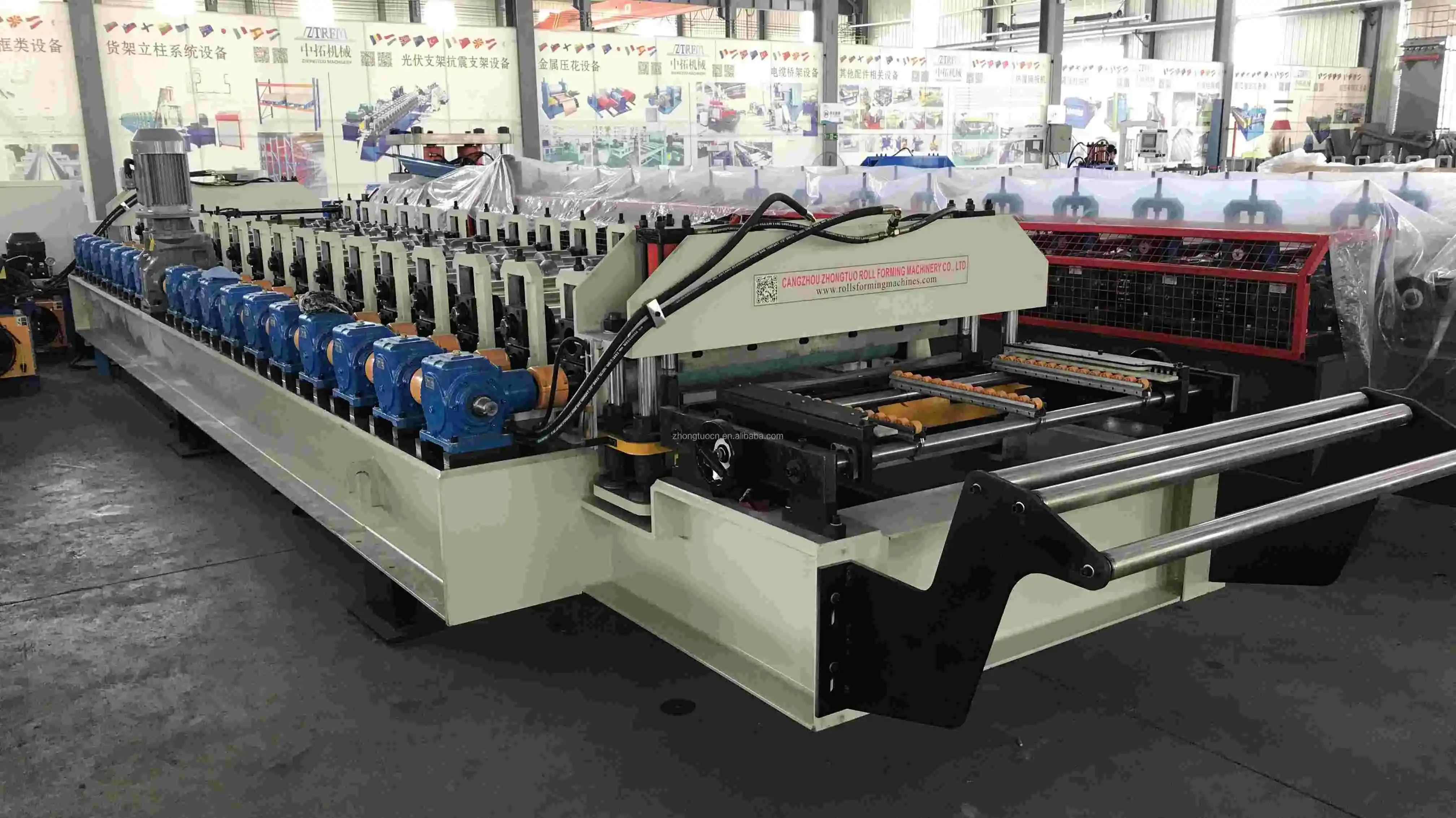
Before using the machine during any repair session, you should do a full eye inspection. Walk along the whole length of the roll former and look for damage, broken parts, or pieces of material stuck in the roller gaps. Check the 20mm welded steel middle support plate for cracks or other signs of damage that could mean the structure is under a lot of stress. Check the roller surfaces' hard chrome finishing for wear patterns, scoring, or material growth that could cause flaws to show up on the formed panels. Check the drive system's belt tightness and make sure the chain guards are still safely in place. A quick look often shows easy problems that can be fixed in minutes instead of hours, like a bolt that vibrated loose, a piece of scrap metal stuck between rollers, or a gas line that wasn't connected.
Systematic Component Testing Approach
Once the visual checks are done, move on to controlled practical tests. Low-speed runs of the machine without any material should be done to listen for strange sounds that could mean bearing wear, chain misalignment, or problems with the drive system. Bearing noise usually sounds like grinding or screaming sounds that change with speed. Chain noise sounds like clicking sounds that happen at the same time as the spinning. Use precise tools to check the alignment of the rollers; dial indicators placed at several places show run-out that is greater than the acceptable error of 0.05mm. Separately test the hydraulic cutting system by turning it on without any material, watching the blade move, and listening for changes in the pressure. To check the electrical sensors, physically set them off and make sure the control system acts correctly. This methodical technique narrows down problems to specific subsystems, so fixes are focused on fixing the real problem instead of the reasons that were thought to be there.
Maintenance Tips to Avoid Common PBR Roll Former Issues
Regular maintenance greatly lowers unplanned downtime and increases the life of equipment, giving a big return on the time and money spent on preventative care.
Daily and Weekly Inspection Routines
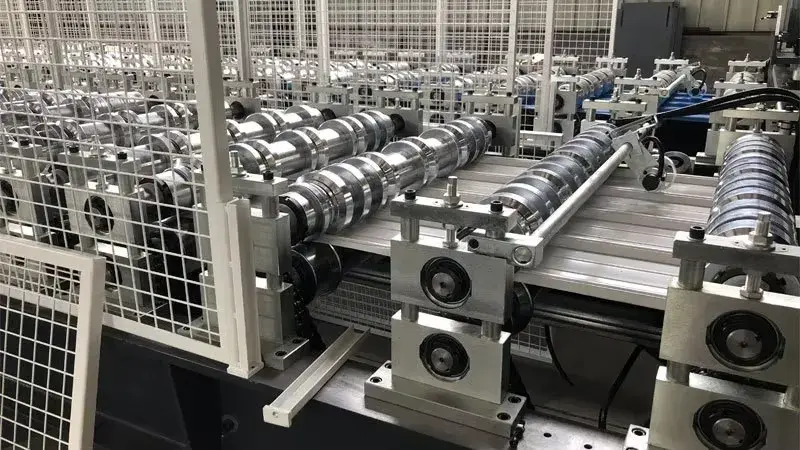
Maintenance should be done every day, just like starting output. At the start of each shift, roller bearings, chain drives, and other moving parts are oiled according to the manufacturer's instructions. To get rid of metal bits and leftover coil coats that build up during production, clean the roller surfaces and guide parts. Make sure that the safety guards stay in the right place and that the emergency stops work properly. Check the amount of hydraulic oil and look for leaks or damage in the lines. Every week, more thorough checks are done: the alignment of the rollers is checked at several points, the tightness of the belt and chain is checked, all electrical sensors are made sure to work properly, and the 350mm H-beam frame structure is checked for signs of stress or screws coming loose. Write down everything you see in a maintenance log that keeps track of the state of each part over time. This will show you trends of slow wear before they lead to failures.
Critical Spare Parts Inventory Management
Strategic stocking of extra parts combines the costs of keeping things in stock with the costs of possible downtime. It's important to keep spare rollers for the most worn-out positions (usually the first three and last two forming positions), replacement bearings that fit the 80mm shaft, hydraulic seals and filters, drive chains and connecting links, electrical sensors and proximity switches, and a set of Cr12MoV cutting blades on hand. When strange things go wrong, having ties with dependable suppliers who can speed up shipping of specialized parts is very helpful. Some makers work with nearby facilities that have similar equipment to share important spare parts inventories. This lowers the costs for each company and makes them more accessible in an emergency.
Lubrication Best Practices
80% of mechanical problems in roll forming equipment can be avoided with the right amount of lubrication on the PBR metal panel machine. Use lubricants that are made to work with metal-making machines. Regular oils might not protect well enough against the pressure and speed that these machines go through. Follow the instructions for applying oil to roller bearings, chain drives, and guide rails. Not lubricating them enough leads to earlier wear, and lubricating them too much attracts metal bits that make abrasive compounds. Pay close attention to the gear and double chain drive system, and make sure that all of the contact points are consistently oiled. Monitoring the temperature helps find the best lubrication schedule. Parts that are going hotter than usual mean they need more grease or are having mechanical problems. More frequent cleaning processes get rid of contaminants before they mix with oils and weaken protection in places where there is a lot of dust.
Comparing Traditional vs Modern Troubleshooting Methods
Moving from reactive repair methods to predictive maintenance strategies is a big change in how factory processes are managed. It has led to measurable gains in uptime and cost control.
Conventional Reactive Approaches
In traditional debugging, fixes aren't started until there are clear signs of a problem. When an operator sees that some panels are broken, production stops, and repair staff are called in. They start the analysis from scratch. This method has high costs: production stops right away, support teams are rushed to get things back up and running, and they may use short-term fixes instead of long-term solutions, and the root cause may not be fixed if the symptoms go away for a while. It's also hard for reactive maintenance to deal with problems that happen only sometimes and don't always show the same signs. This can lead to multiple service calls that don't get the problem fixed. Documentation is often uneven, which makes it hard to see patterns that could point out problems that are getting worse.
Smart Diagnostic Technologies
Modern roll forming machines have monitors built into both the mechanical and electrical systems that keep an eye on the factors of operation all the time. Vibration monitors find worn bearings before they break, so they can be replaced during planned breaks instead of having to be fixed quickly while production is going on. Temperature tracking shows that drive parts are having trouble with greasing or too much friction. Load sensors on the forming stations find worn rollers by noting the need for more forming pressure to get the right panel shape. These sensor networks are linked to analysis software that sets baselines for how things work and lets workers know when parameters start to move outside of their normal ranges. A metal panel maker in Ohio put IoT-enabled tracking on their forming lines and saw a 40% drop in unplanned downtime over the next year. They also saw a 25% drop in maintenance costs as planned fixes took the place of emergency repairs.
Choosing the Right PBR Roll Former for Minimizing Troubleshooting Needs
The choices you make when buying equipment have a big impact on how reliable it is in the long run and how much upkeep it needs. This has a much bigger effect on the total cost of ownership than the initial purchase price.
Build Quality and Component Specifications
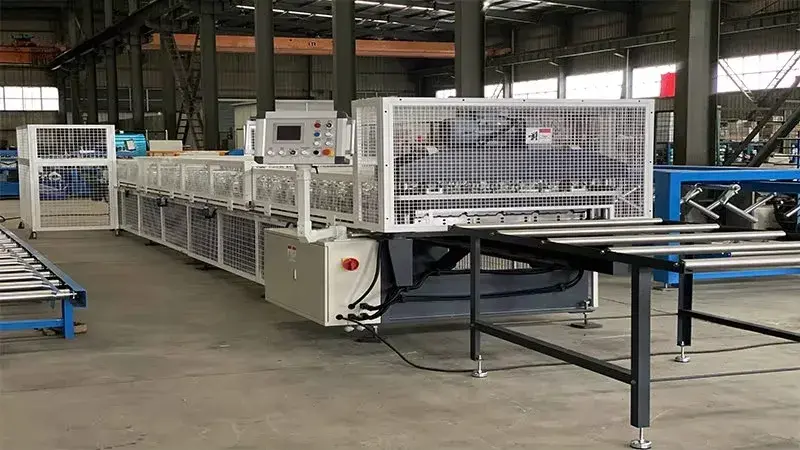
High-end machines are built with features that naturally lower problems. A solid shaft with an 80mm diameter is stiff and stays in place even when it's under heavy production loads. This is in contrast to thin shafts, which can bend and cause the profile to slowly move off-center. Rollers made of high-quality 45# forged steel and hard chrome finishing can be used thousands of times without losing their accuracy in size. A strong 350mm H-beam frame structure with a 20mm welded steel middle support plate stops bending and shaking that can make forming stations not line up properly. The automatic cutting system with Cr12MoV blades makes regular cuts without having to be sharpened very often. These specs aren't just marketing claims; they're actual engineering decisions that have a direct effect on how reliable the product is and how often it needs to be serviced.
Supplier Reputation and After-Sales Support
A lot of the time, having access to technical PBR roll former help is more important than having the lowest price. Reputable makers give their workers a lot of training that helps them understand how to set up machines properly, spot problems early on, and do regular maintenance the right way. Technical support is available by phone, email, and videoconferencing, so people can get help whenever they need it, no matter what time zone they are in. Suppliers that do business all over the world keep up parts distribution networks that speed up the delivery of parts and cut down on downtime caused by having to wait for replacements. Getting certifications like ISO9001, CE, and CAS shows that you follow safety and quality control systems. Standardizing tools across providers who consistently provide reliable and quick service is good for factories with more than one production line. When looking at possible suppliers, get references from current customers who have used similar products and ask how long it usually takes for suppliers to respond to requests for technical help and repair orders.
Total Cost Considerations
A full financial analysis looks at more than just the machine's original price. It also looks at the costs of setup, training, upkeep, part replacement, energy use, and possible downtime over the equipment's lifetime. A machine that costs 20% more than alternatives but needs 30% less upkeep and is up 15% more of the time quickly pays for itself through practical savings. If you want to increase your production capacity across multiple lines, you might want to look into financing options that match payment schedules with output income. Carefully look at the warranty coverage—extended warranties that cover major parts help you plan your budget and lower your risk during the crucial early production years when you're setting up operating patterns.
Conclusion
Systematic diagnostic methods and proactive maintenance practices are combined in effective troubleshooting to turn reactive crisis management into expected operational greatness. Knowing the most common issues with metal panel forming tools, like uneven profiles and feeding problems, as well as hydraulic and electrical faults, lets you act quickly and keep production running as smoothly as possible. Structured inspection routines, keeping critical extra parts on hand, and using current diagnostic technologies can help cut down on downtime and keep maintenance costs low. Making choices about what equipment to buy based on the quality of the build, the name of the supplier, and the availability of full support services sets the stage for reliable long-term performance. Manufacturers who put money into proper training, paperwork, and preventative care always get higher production rates and lower total running costs than those who don't think about maintenance at all.
FAQ
1. What causes wavy edges on panels from my roll former?
When metal goes into the forming stations, wavy edges usually happen because the material isn't properly tensioned, there is too much roller pressure, and the material is stretched beyond its elastic limits, or the edge rollers aren't lined up right, and they can't control the shape of the material while it's being formed. Check the tension settings on your uncoiler, use dial markers to make sure the rollers are lined up correctly, and make sure the thickness of the material fits the machine calibration settings.
2. How often should I replace rollers on a PBR panel machine?
When to change rollers depends a lot on how much is being made, the properties of the material, and how often it is being maintained. In normal situations, high-quality 45# forged steel rollers that have been hard chrome plated can usually handle 500,000 to 800,000 linear meters of work before they need to be replaced. Facilities that work with rough materials or at full capacity may need to replace them more often, while facilities that do a good job of cleaning and lubricating their equipment often last longer than these times.
3. Why does my cutting system leave burrs on panel ends?
Burrs mean that the blades are not aligned correctly, there is too much space between them, the cutting edges are dull, or there is not enough hydraulic pressure. Cr12MoV blades stay sharp longer than regular tool steel, but they will need to be re-sharpened or replaced at some point. Check the gap between the blades. For 24-26 gauge cloth, the right amount of space is between 0.1mm and 0.25mm. Make sure the hydraulic pressure is right according to the manufacturer's instructions and check the blades for damage or wear.
4. Can temperature affect machine performance?
The temperature of the environment affects the qualities of metal and the size of machines. Extreme heat can cause the frame structure to expand, which can change how the rollers are aligned. Cold materials have higher yield strengths, which means they need higher forming pressures. Climate control or letting machines reach a stable working temperature before starting production are helpful for places where temperatures change a lot.
Partner with ZTRFM for Reliable Metal Forming Solutions
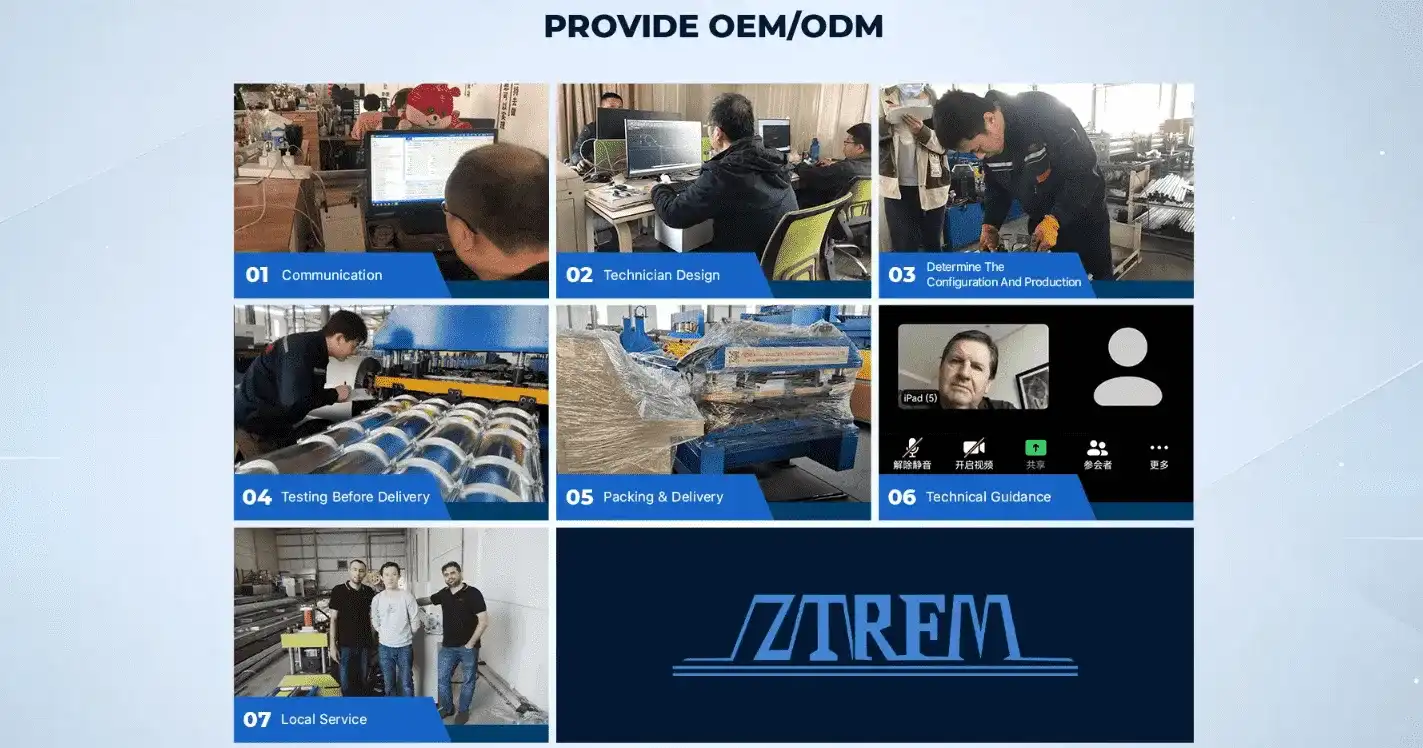
With ten years of experience, ZTRFM knows how to create and build precise PBR roll former equipment that solves the problems that metal makers face every day. Our credentials as a PBR roll former supplier include ISO9001, CE, and CAS certifications, as well as successful installations in more than 150 countries for roofing makers, structural steel producers, and metal fabrication businesses. Because we know that the dependability of your equipment has a direct effect on your profits, our machines are built with strong 350mm H-beams, 45# forged steel rollers that are precision-ground and hard chrome-plated, and reliable gear and double chain drive systems. In addition to selling you high-quality tools, we also offer full technical training, quick after-sales support, and solutions that are specifically designed to meet your production needs. Our team is ready to talk about how our metal panel-making technology can help your business run more smoothly, whether you're adding new production lines or increasing the capacity of the ones you already have. You can email us at zhongtuorollforming@gmail.com to learn about equipment choices that will keep your business running as much as possible while reducing the need for repairs.
References
1. Anderson, J.M., & Williams, R.K. (2021). Cold Roll Forming Technology: Process Engineering and Equipment Design. Manufacturing Press International.
2. Chen, L., & Martinez, P.E. (2020). Predictive Maintenance Strategies for Metal Forming Equipment. Industrial Engineering Quarterly, 45(3), 127-143.
3. Davidson, T.R. (2019). Quality Control in Metal Panel Manufacturing: Standards and Best Practices. American Society for Metals Technical Publication.
4. Hoffman, G.W., & Peterson, S.L. (2022). Hydraulic Systems in Roll Forming Machinery: Maintenance and Troubleshooting. Metalworking Technology Review, 38(2), 89-104.
5. National Roofing Contractors Association. (2020). Metal Panel Systems: Manufacturing Specifications and Installation Guidelines. NRCA Technical Manual.
6. Zhang, Y., & Thompson, D.K. (2021). Advanced Diagnostic Methods for Industrial Forming Equipment. Journal of Manufacturing Systems, 52(4), 201-218.
_1750323743240.webp)