- English
- French
- German
- Portuguese
- Spanish
- Russian
- Japanese
- Korean
- Arabic
- Irish
- Greek
- Turkish
- Italian
- Danish
- Romanian
- Indonesian
- Czech
- Afrikaans
- Swedish
- Polish
- Basque
- Catalan
- Esperanto
- Hindi
- Lao
- Albanian
- Amharic
- Armenian
- Azerbaijani
- Belarusian
- Bengali
- Bosnian
- Bulgarian
- Cebuano
- Chichewa
- Corsican
- Croatian
- Dutch
- Estonian
- Filipino
- Finnish
- Frisian
- Galician
- Georgian
- Gujarati
- Haitian
- Hausa
- Hawaiian
- Hebrew
- Hmong
- Hungarian
- Icelandic
- Igbo
- Javanese
- Kannada
- Kazakh
- Khmer
- Kurdish
- Kyrgyz
- Latin
- Latvian
- Lithuanian
- Luxembou..
- Macedonian
- Malagasy
- Malay
- Malayalam
- Maltese
- Maori
- Marathi
- Mongolian
- Burmese
- Nepali
- Norwegian
- Pashto
- Persian
- Punjabi
- Serbian
- Sesotho
- Sinhala
- Slovak
- Slovenian
- Somali
- Samoan
- Scots Gaelic
- Shona
- Sindhi
- Sundanese
- Swahili
- Tajik
- Tamil
- Telugu
- Thai
- Ukrainian
- Urdu
- Uzbek
- Vietnamese
- Welsh
- Xhosa
- Yiddish
- Yoruba
- Zulu
AG Panel Roll Forming Machine Cost vs ROI: Is It Worth It?
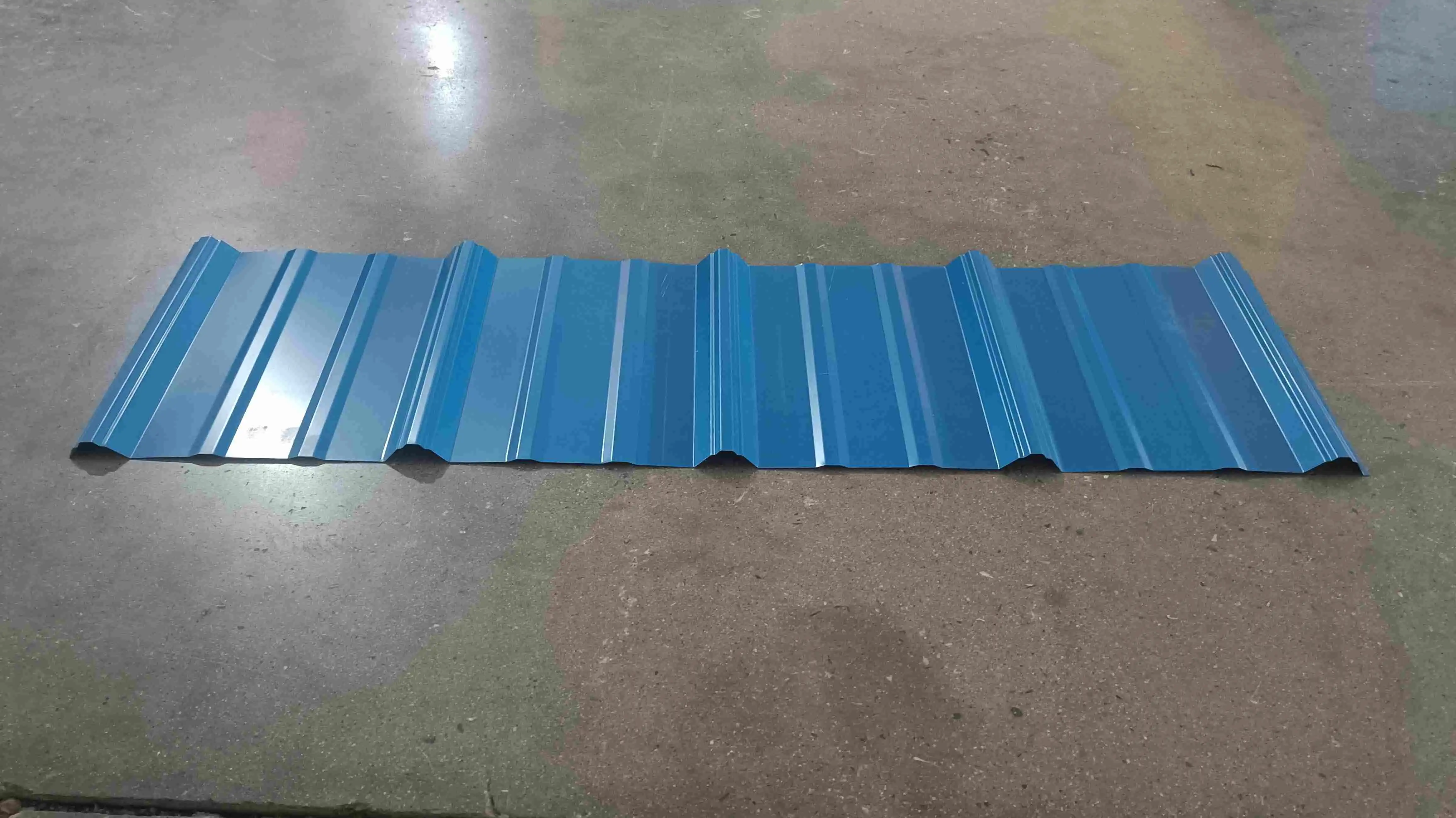
Investing in an AG panel roll-forming machine represents a strategic decision that balances initial expenditure against long-term productivity gains. The answer is yes—these specialized metal forming systems typically AG panel roll forming machine deliver robust returns when aligned with production demands. An AG panel roll forming machine transforms galvanized or pre-painted steel coils into the distinctive 36-inch coverage agricultural profile panels widely used in post-frame buildings, residential barndominiums, and industrial structures. The technology eliminates common defects like oil canning while producing weather-tight side-laps with anti-siphon grooves, addressing core pain points in the post-frame building industry. When evaluating whether this investment makes financial sense for your operation, understanding the complete cost structure alongside measurable returns becomes essential.
Understanding the Cost Structure of AG Panel Roll Forming Machines
To figure out how to pay for panel-making tools, you need to know about both the obvious and the less obvious costs. We've worked with hundreds of makers who were only interested in the purchase price at first, but then found out that the real cost of ownership is much higher than that.
Initial Capital Investment Components
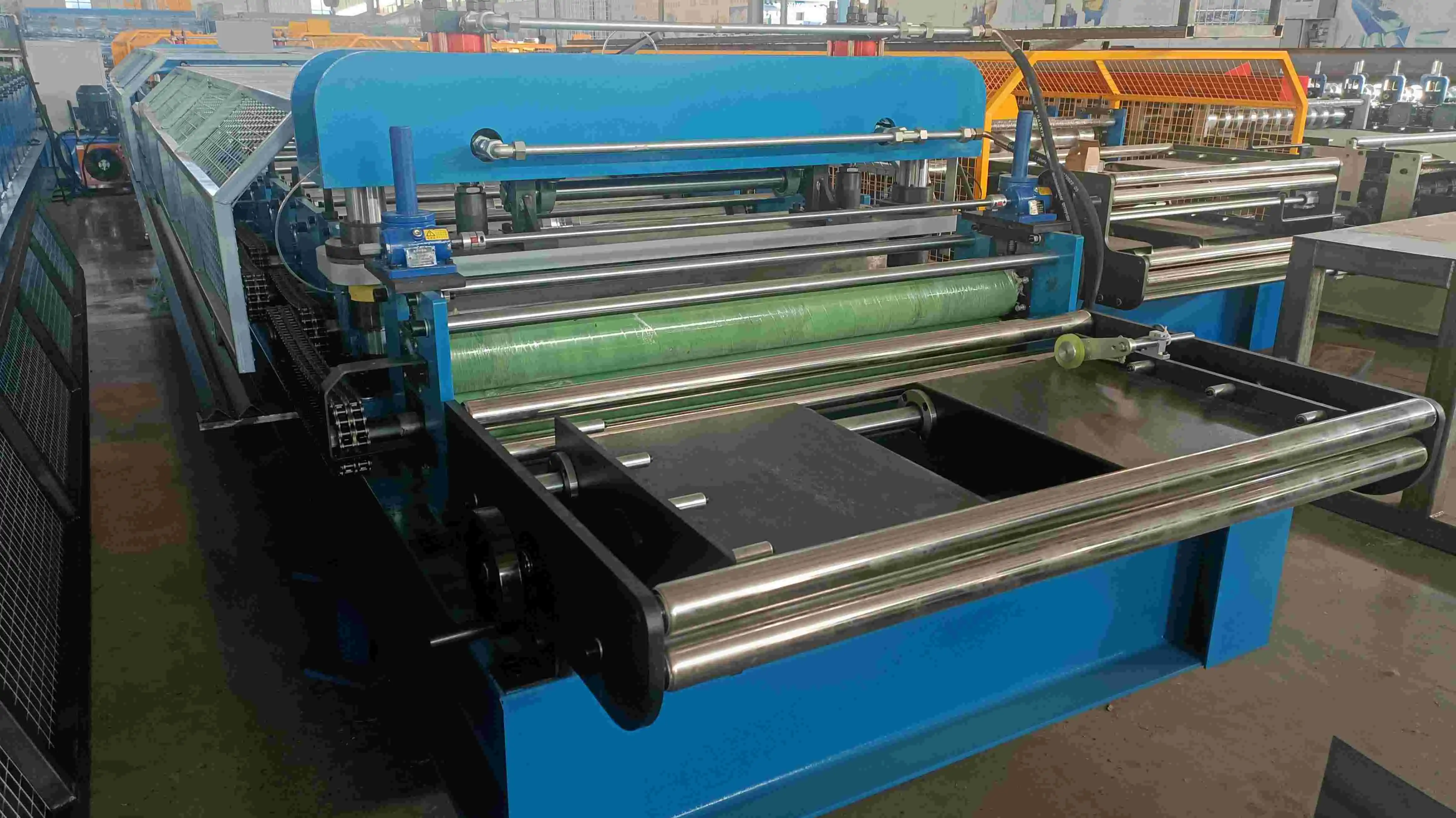
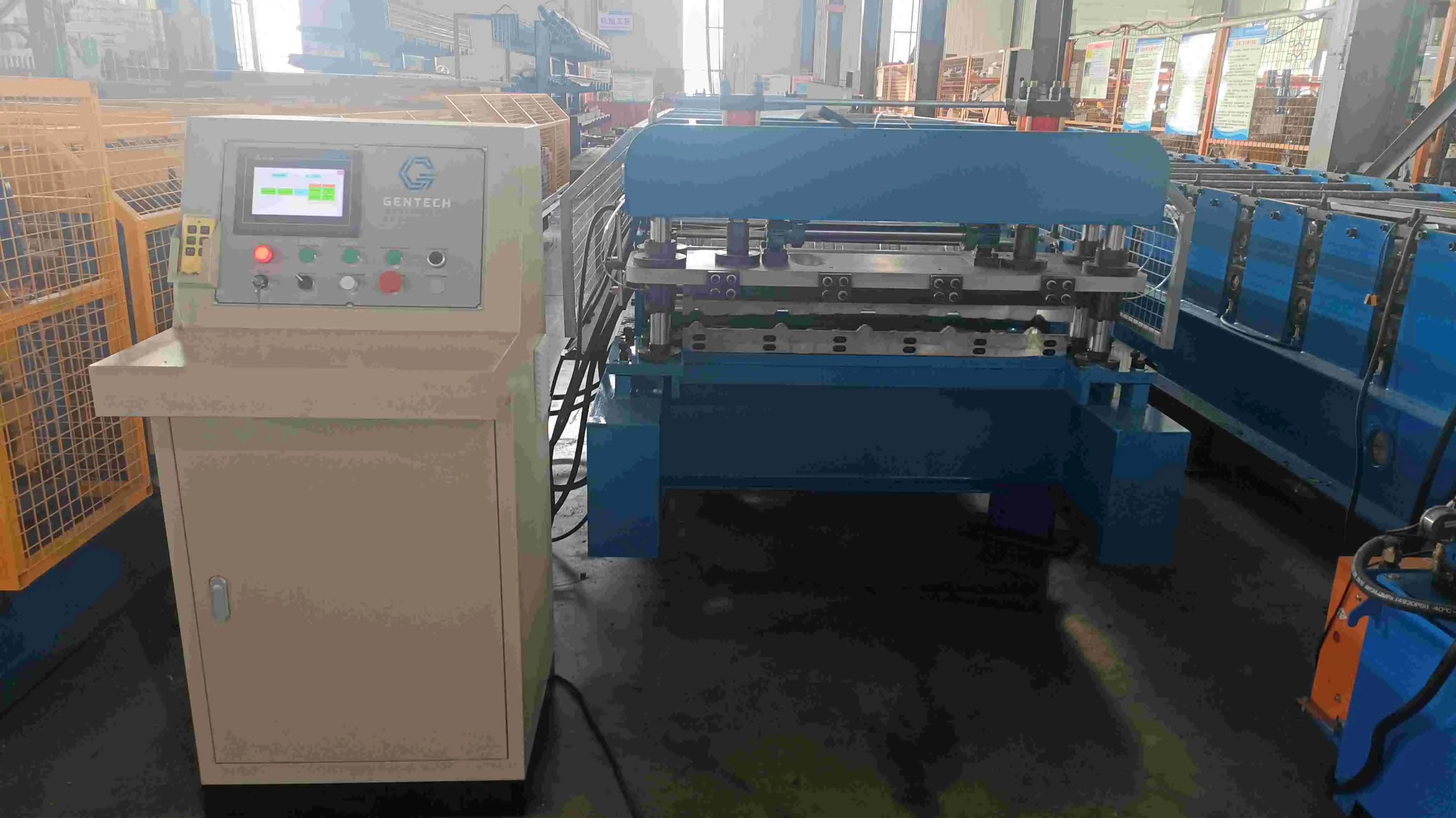
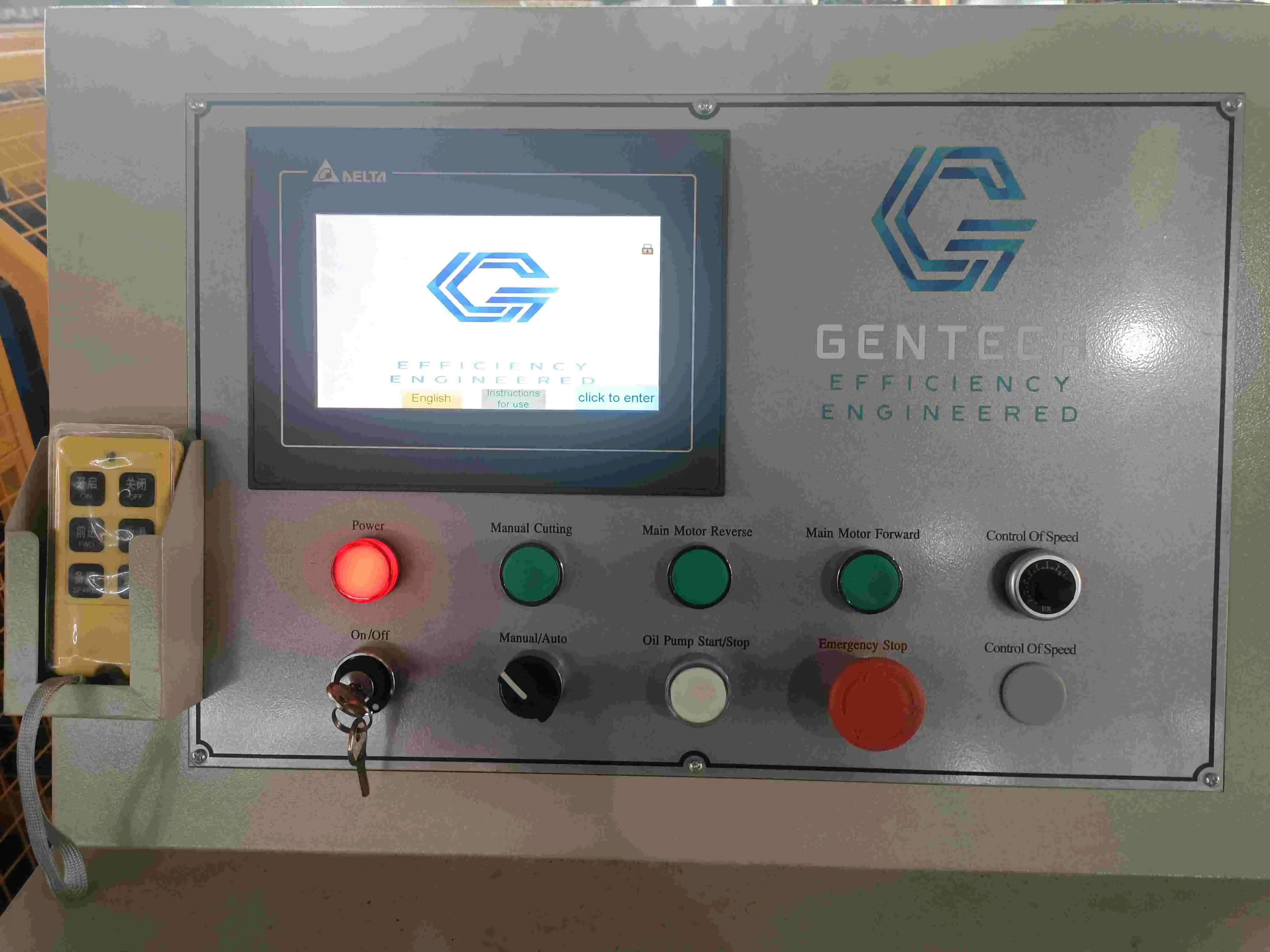
An industrial-grade AG panel roll forming machine usually costs between $45,000 and $120,000, but this depends on how it is set up. This difference is due to the different forming stations. Simple machines have 16 passes, while high-precision models have 22 stations that shape metal gradually without putting stress on the base. The roller material has a big effect on the price. High-quality 45# steel rollers last a fair amount of time. On the other hand, Cr12MoV heat-treated rollers with hard chrome finishing (0.05mm thickness) keep painting coils from getting scratches on their surfaces, but they cost between $8,000 and $12,000. Another choice point is choosing a drive method. Heavy-duty chain drives offer dependable alignment at a lower cost. On the other hand, gearbox motion systems improve accuracy and durability but require a 15-20% larger initial investment. Features that automate tasks have a big effect on the original cost. A Mitsubishi or Siemens PLC control system with encoder input makes sure that the cut-to-length is accurate to within ±1.0mm. This level of accuracy is important when making panels for big jobs, where small mistakes add up to make fitting hard. Standard manual control panels are $5,000 to $8,000 less expensive, but they don't provide the level of stability that skilled builders need.
Operating Expenses and Energy Considerations
Costs of doing business every day have a direct effect on your bottom line. Three-phase power (220V/380V/440V, 50/60Hz) is needed for a normal high-speed line. The main motor and hydraulic pump station uses between 15kW and 22kW of power. In the US, industrial energy rates average $0.10 per kWh. This means that running an 18kW system for eight hours a day costs about $14.40, or $3,744 a year based on 260 working days. Designs that use less energy and have variable frequency drives can cut use by 12 to 18%, which can save you $450 to $675 a year. When the right procedures are put in place, maintenance costs tend to follow a regular pattern. Under normal production conditions, hydraulic cutting blades made from Cr12MoV need to be sharpened every six to eight months, which costs $200 to $350 per repair cycle. Another $800 to $1,200 a year is spent on lubricants, new bearings, an AG sheet forming machine, and drive chain upkeep. The strong H-beam chassis design reduces vibrations and makes parts last longer, which cuts down on unnecessary repairs that delay production.
Evaluating ROI: Measuring the Value Beyond Price
Return on investment is more than just figuring out how much money you'll get back. It also includes things like increasing productivity, quality, and placing yourself in the market. We've seen producers get their money back in 14 to 36 months, based on how much they make and how the market is doing with their AG panel roll forming machine.
Productivity Gains Through Automation
When speeds range from 30 to 60 meters per minute, they change how much can be made. A medium-sized machine moving at 40 meters per minute makes about 19,200 linear feet in eight hours, assuming that it works at 80% efficiency after coil changes and tweaks. This amount is equal to about 533 screens that are 36 feet long. When you compare this to human brake press operations that make 80 to 120 panels per shift, you can see the automatic advantage: the throughput is four to six times higher. Lowering the cost of labor makes a big difference in ROI. One to two controllers are needed for automated roll making, while three to four workers are needed for the same amount of work on a brake press. If you replace two full-time jobs with ones that pay an average of $18 to $22 an hour, plus benefits, you can save $37,440 to $62,400 a year on labor costs. For medium-volume businesses, this estimate alone can pay for the equipment within two years.
Quality Output and Market Positioning
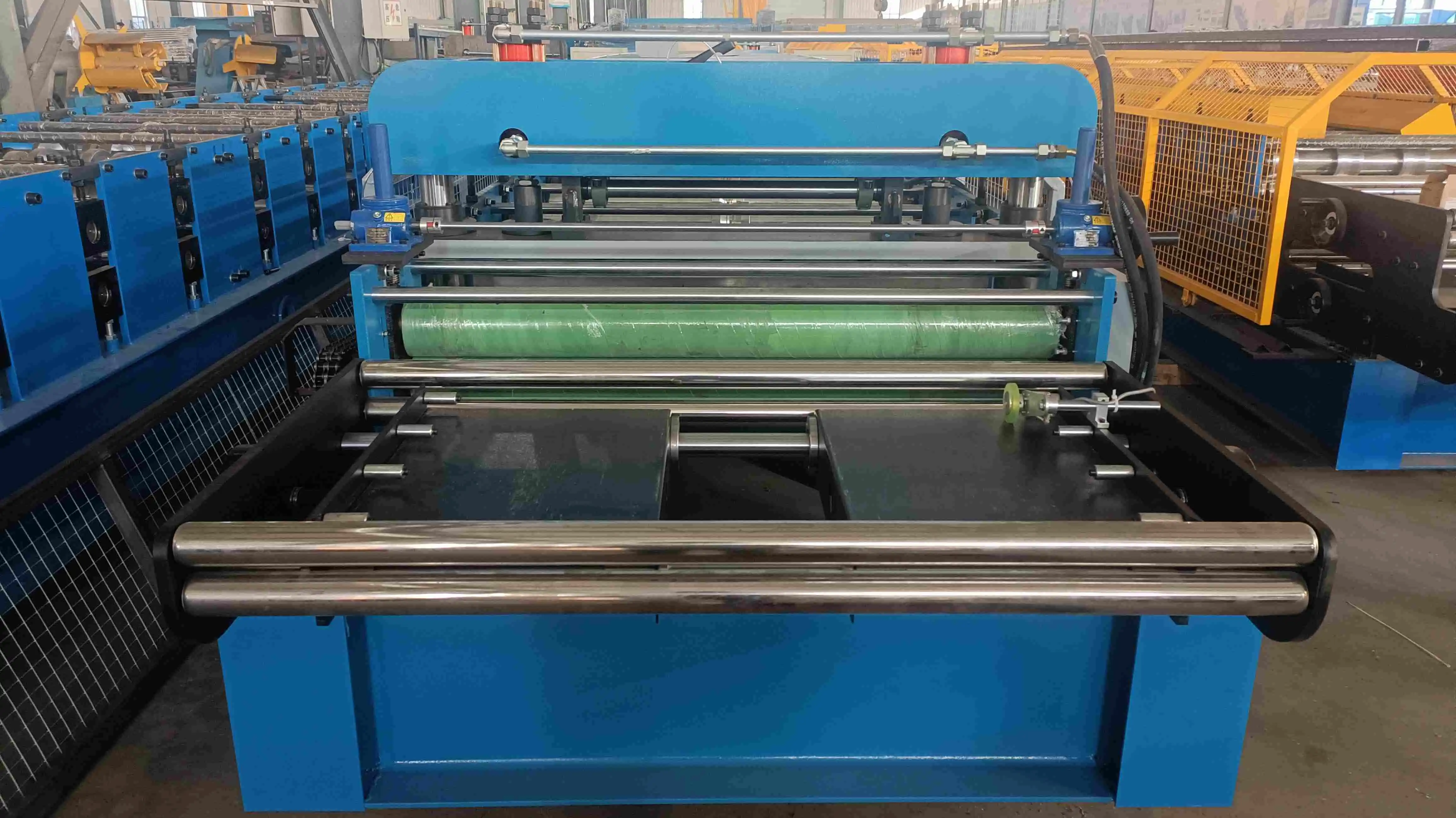
Professional making systems don't have the common flaws that happen with lower-quality production methods because they are built with precision engineering. Customers are annoyed by oil canning, which is the noticeable waviness on flat panel parts. It also hurts companies' names. This flaw is usually caused by too much roller pressure or uneven coil tension. This problem can't happen with good machines that have changeable entry guide tension brakes and finely tuned middle roller gaps. This lowers rejection rates from 8 to 12 percent to less than 2 percent. How well a job goes and how happy the customer is depend on how accurate the measurements are. Contractors can finish jobs faster and with less waste if they always stick to the 36-inch covering width and 3/4-inch rib height. The anti-siphon groove depth accuracy makes sure that gaps don't leak, which is a very important performance factor in farm buildings that protect valuable animals and tools. Because of these quality factors, premium pricing methods are possible. In competitive markets, top-tier panels can fetch 12–18% higher prices than commodity options.
Comparing AG Panel Roll Forming Machines to Alternatives
The strategic value proposition is made clearer by looking at how specialized AG panel roll forming machine equipment stacks up against other ways of making things. For different types of businesses and labor needs, different methods work best.
Roll Forming Versus Press Brake Operations
For special work with low volumes, press brakes are flexible, but they aren't very good at working efficiently at large volumes. A good brake press can make 10 to 15 panels per hour, which means that an eight-hour shift can make 80 to 120 panels. The efficiency gap is shown by roll-forming methods that make 533 panels in the same amount of time. The amount of work involved is very different. When using a brake press, the user has to keep their full attention on each bend sequence, but when roll making, they can watch over multiple processes at once. These methods are different because of the panel quality uniformity. People can bend at different angles and in different sizes when using press brakes. Even when workers are very skilled, panels can vary in size by ±2mm to ±4mm, which makes fitting difficult on big projects. With automated roll forming, the accuracy is kept at ±1mm for thousands of panels, making sure that every piece fits perfectly into the building system.
Automatic Versus Manual Roll Forming Systems
Because they don't have automatic cut-to-length processes, manual roll forming machines have simpler control systems that lower the initial investment by $15,000 to $25,000. This method works well for new businesses that don't have a lot of money or big production goals (above 50,000 square feet per month). Manual systems, on the other hand, need an extra person to measure and cut, and an AG sheet forming machine, which cuts down on the cost savings. The trade-off in accuracy is clear when you look at how consistent the cut lengths are: measurements taken by hand vary by ±3mm to ±8mm, but automatic systems managed by encoders only change by ±1mm. Speed limits make ROI comparisons even harder. For user cooperation reasons, manual systems usually run at 20–30m/min, which is 33–50% slower than automatic systems that run at 40–60m/min. For businesses that want to grow beyond startup levels, the automatic setup offers better long-term results, even though it costs more up front.
Procurement Considerations for B2B Clients
When buying strategic tools, you have to make sure that the technical specs match the operational needs while also making decisions about money and which seller to choose for your AG panel roll forming machine.
Matching Machine Capabilities to Production Demands
Decisions about specifications are based on estimates of how much will be made. High-speed setups that run 50 to 60 meters per minute and have automatic coil handling and inline stacking systems help operations that want to move 100,000 to 200,000 square feet per month. These features raise the base price by $20,000 to $35,000, but get rid of bottlenecks that slow down the flow. On the other hand, companies that make between 30,000 and 60,000 linear feet per month can get by with mid-range 35 to 40 m/min systems that use offline panel stacking and manual coil filling. Material suitability affects the shape of the rollers and the amount of power needed for the drive. Standard setups can easily handle coated steel from 29 gauges to 26 gauges. When working with high-tensile Grade 80 or G550 steel, operations need stronger rollers and more drive power to deal with the material's tendency to spring back. For handling aluminum coils, special roller pressure tweaks are needed, and extra forming stations are often needed to keep the material from cracking. These changes raise the base price by $8,000 to $12,000.
Financing Options and Budget Strategies
Capital equipment financing gives companies more options for controlling their cash flow. Leasing equipment spreads out the costs over 36 to 60 months, with monthly payments running from $900 to $2,400 for mid-range machines. This keeps your available capital for operations and stocking materials. Lease-to-own buildings let you eventually own them and get tax breaks by treating running costs differently. The total cost of interest on traditional equipment loans from commercial banks or specialized lenders is lower. Rates range from 5.5% to 8.5%, based on your credit score. When deciding whether to buy new or used equipment, you have to weigh the instant savings against worries about reliability. Quality used machines from reliable sources cost 40 to 60 percent less than new machines, but you can't be sure about their repair history or how long they will last. Used equipment often doesn't have the most up-to-date control technology, and it may need to be "retrofitted" in order to work with modern production management systems. Because of these things, used equipment is best for businesses that want to see if the market will work before committing to full-scale production infrastructure.
Maximizing ROI Through Effective Use and Maintenance
The returns on equipment investments rely a lot on how well it is used and on preventative repair programs that keep it working well and avoid costly downtime for the AG panel roll forming machine.
Operator Training and Skill Development
Comprehensive training programs lower the number of failed starts and speed up the learning of new skills. Good training includes ways to handle materials that keep coils from getting damaged, ways to change parameters for various sizes and coats, and ways to find problems with the quality of the materials before they are used in large production runs. The first training usually lasts three to five days, and as production methods change, it's best to have repeat classes every year. Common operating mistakes that can be avoided with training include using the wrong roller gap settings, which can lead to rippling flaws, using the wrong coil tension, which can lead to dimensional inconsistencies, and not allowing enough cutting blade clearance, which can result in rough edges with burrs. Each type of mistake creates scrap waste that costs between $300 and $800 per event. Structured training programs cut the number of mistakes by 60–75% in the first year of output, quickly AG panel roll forming machine repaying the $1,500–$3,000 spent on training.
Preventive Maintenance Protocols
Regular inspections keep small problems from getting worse and leading to major failures. As part of daily checks, the amounts of hydraulic fluid, the stress of the drive chain, and the accuracy of the cut-to-length process are all checked by measuring samples. As part of weekly maintenance, bearing points are oiled, wheel alignment is checked, and emergency stop systems are put to the test. As part of the monthly routine, electrical connections are checked, cutting blade clearance is measured, and encoder accuracy is confirmed. This methodical technique costs between $800 and $1,200 a year for materials and work, but it stops downtime that costs between $2,500 and $4,500 in lost production and repairs. Maintenance on cutting blades has a big effect on the standard of the product and how well the business runs. When blades are dull, they leave burrs that need to be removed by hand, which can scratch panel surfaces. Checking the quality of the cuts every day lets you rotate or sharpen the blades before they break. Keeping an extra set of blades on hand lets you replace them right away during production runs, and you can sharpen them when you're not using them to cut down on switching time.
Real-World Performance Examples
In early 2021, a company in the Midwest that makes farm buildings spent $78,000 on a medium-sized automatic roll-making system. Their old brake press business had three workers who made 95 panels every day. With two workers, the automatic system makes 485 panels per shift, which is 410 percent more work and saves $41,600 a year on direct labor costs. The amount of trash dropped from 7.2% to 2.4%, which saved an extra $7,680 on the $160,000 a year spent on steel. All of these changes paid for themselves in 18 months, and they continued to make a lot of money in the years that followed. A new panel maker that makes panels for private barndominiums chose a $52,000 manual roll forming method to keep their start-up costs low. With 35,000 square feet of production every month, they made enough money to switch to a robotic system after 28 months. This step-by-step process lets the market be tested before fully automating everything. This shows how choosing the right tools can fit with the stages of business growth.
Conclusion
The case for buying specialized AG panel roll forming machine equipment is based on improvements in quality, output, and operating efficiency that can be measured and last the entire duration of the equipment. For medium to high-volume businesses, automated systems that can produce four to six times as much as manual options while cutting labor costs by $37,000 to $62,000 a year are very appealing. By cutting material waste from 8% to 2%, real money can be saved, and consistent quality lets you charge more and keep customers. When looking at different choices, smart procurement weighs the original investment against expected production volumes, material needs, and plans for long-term growth. Getting the most value out of tools over their 15 to 20-year life is guaranteed by working with well-known makers that offer full support infrastructure.
FAQ
1. What factors most significantly influence machine pricing?
The main things that affect costs for the AG panel roll forming machine are the number of forming stations, the quality of the roller material, and how complex the control system is. When compared to 16-station systems with normal steel rollers and basic controls, machines with 22 forming stations that use Cr12MoV heat-treated rollers and Siemens PLC controls cost more. Base setups cost $15,000 to $30,000 more when automation features like automatic cut-to-length, hydraulic punching, and straight stacking are added. Depending on how complicated the engineering is, customizing for specific shapes or material handling needs adds to the cost.
2. How quickly can manufacturers expect investment payback?
Payback times are usually between 14 and 36 months, but they rely on how much is made, how much is saved on labor costs, and how prices change in the market. High-volume businesses that make more than 150,000 linear feet a month usually get their money back within 14 to 20 months by saving money on labor and making more space. Manufacturers who work between 60,000 and 100,000 square feet per month usually get their money back in 24 to 30 months. If your activities don't move more than 40,000 linear feet per month, the payback period could be longer than 36 months. This is why you need to do a thorough financial analysis before committing to special automation features.
3. What ongoing support should buyers expect from quality suppliers?
Reputable makers offer full commissioning support, user training, and written upkeep methods. Technical support should be able to do tests remotely and have quick contact routes for help with problems. When parts are available through area distribution networks, there is no need to wait for long periods of time for orders from other countries. Factory-trained techs do preventative repair once a year to make sure the machine works at its best and find any problems before they happen. These support elements set professional sellers apart from equipment brokers who don't have the right technical infrastructure.
Partner with ZTRFM for Superior Metal Forming Solutions
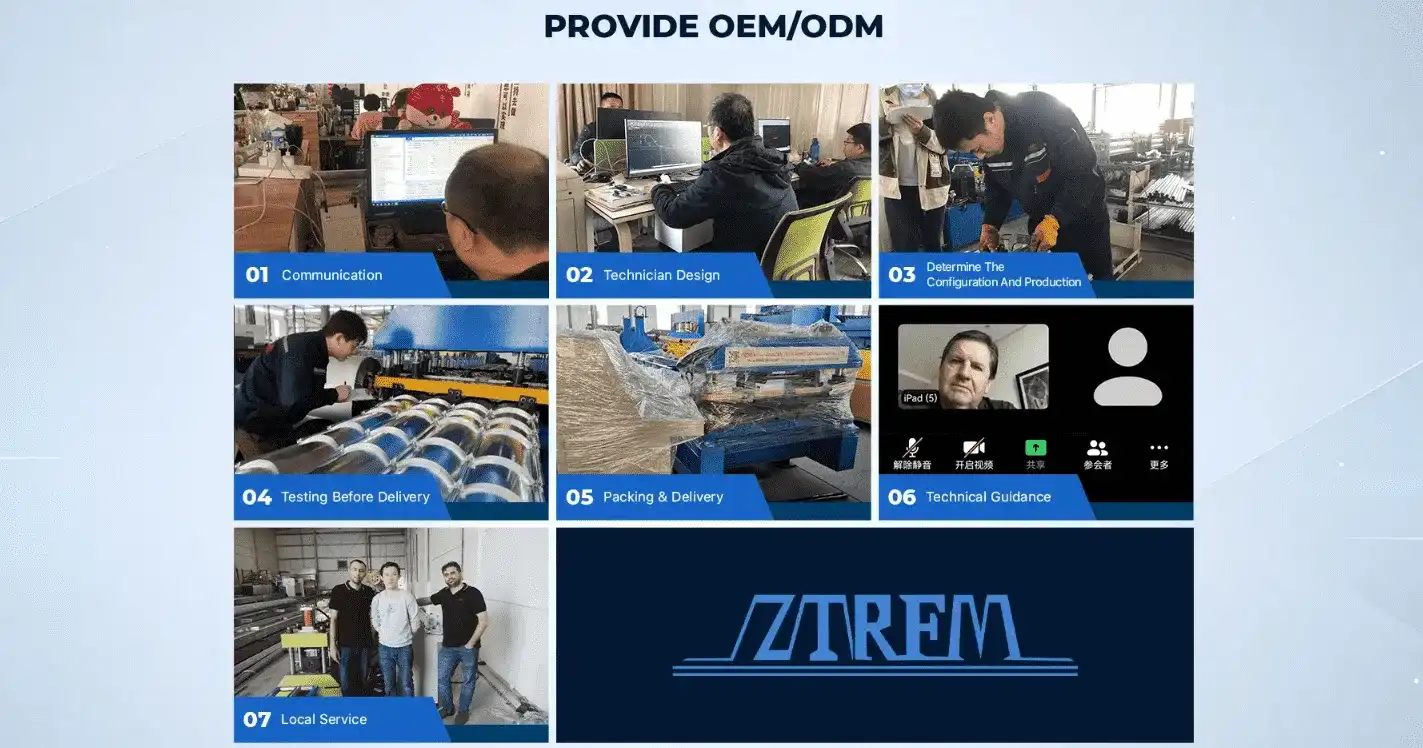
Because it is a national high-tech company focused on cold roll forming innovation, ZTRFM brings ten years of specialized technical knowledge to the panel forming business. Our AG panel roll forming machine solutions are trusted by roof system manufacturers, light steel structure manufacturers, and metal profile makers in 150 countries because they are both reliable and automated in the most cutting-edge ways. We know that buying tools is a big investment that needs faith in both the quality of the product and the quality of the supplier relationship.
As part of our all-around approach, we do a thorough study of the production process to make sure that the machine specs fit your volume needs, material properties, and quality standards. Our tech team creates solutions that meet your business needs, whether you need a fast automatic line that can make 60m/min or a flexible manual system for starting up. Our ISO9001, CE, and CAS certifications show that we are dedicated to making high-quality products, and our global service network guarantees quick expert help for the entire lifecycle of your equipment.
We want buying managers, production engineers, and business owners to talk to us about how our metal-making technology can help your company run more efficiently and make more money. You can email our technical team at zhongtuorollforming@gmail.com to set up a thorough consultation, get customized equipment offers, and learn more about how ZTRFM's experience as an AG panel roll forming machine maker can help you make money.
References
1. Anderson, K. (2021). Metal Panel Manufacturing: Efficiency Standards and ROI Analysis in Modern Roll Forming Operations. Industrial Press Association.
2. Chen, M. & Rodriguez, P. (2022). Cost-Benefit Analysis of Automated Metal Forming Equipment in the Post-Frame Building Industry. Journal of Manufacturing Technology, 38(4), 215-234.
3. Global Metal Forming Institute. (2023). Industry Benchmarks: Production Efficiency and Equipment Investment Returns in Panel Manufacturing. GMFI Annual Report.
4. Harrison, T. (2020). Cold Roll Forming Technology: Engineering Principles and Application Strategies. Manufacturing Sciences Publishing.
5. National Association of Roll Forming Manufacturers. (2022). Equipment Selection Guidelines for Agricultural Panel Production Systems. NARFM Technical Standards Committee.
6. Williams, J. & Thompson, R. (2023). Total Cost of Ownership Models for Industrial Metal Forming Equipment: A Comparative Study. International Journal of Production Economics, 147(2), 89-106.
_1750323743240.webp)