- English
- French
- German
- Portuguese
- Spanish
- Russian
- Japanese
- Korean
- Arabic
- Irish
- Greek
- Turkish
- Italian
- Danish
- Romanian
- Indonesian
- Czech
- Afrikaans
- Swedish
- Polish
- Basque
- Catalan
- Esperanto
- Hindi
- Lao
- Albanian
- Amharic
- Armenian
- Azerbaijani
- Belarusian
- Bengali
- Bosnian
- Bulgarian
- Cebuano
- Chichewa
- Corsican
- Croatian
- Dutch
- Estonian
- Filipino
- Finnish
- Frisian
- Galician
- Georgian
- Gujarati
- Haitian
- Hausa
- Hawaiian
- Hebrew
- Hmong
- Hungarian
- Icelandic
- Igbo
- Javanese
- Kannada
- Kazakh
- Khmer
- Kurdish
- Kyrgyz
- Latin
- Latvian
- Lithuanian
- Luxembou..
- Macedonian
- Malagasy
- Malay
- Malayalam
- Maltese
- Maori
- Marathi
- Mongolian
- Burmese
- Nepali
- Norwegian
- Pashto
- Persian
- Punjabi
- Serbian
- Sesotho
- Sinhala
- Slovak
- Slovenian
- Somali
- Samoan
- Scots Gaelic
- Shona
- Sindhi
- Sundanese
- Swahili
- Tajik
- Tamil
- Telugu
- Thai
- Ukrainian
- Urdu
- Uzbek
- Vietnamese
- Welsh
- Xhosa
- Yiddish
- Yoruba
- Zulu
Scaling Output with High-Speed Roofing Sheet Making Machine
To make roofing sheets on a larger scale easily, you have to get past problems like slow production, inconsistent quality, and high prices. High-speed machines, such as the R101 Roofing Sheet Making Machine, are very important for solving these problems because they make things reliably, quickly, and accurately. The R101 is the standard in its field and is designed to meet the strict requirements of current production lines. It lets companies make more without lowering the quality of their products. This guide talks about the R101 model and its features and benefits for B2B buying clients who want to improve production of the R101 Roofing Sheet Making Machine and grow in a way that lasts.
Understanding the R101 Roofing Sheet Making Machine What Makes the R101 a Strategic Asset for Manufacturers
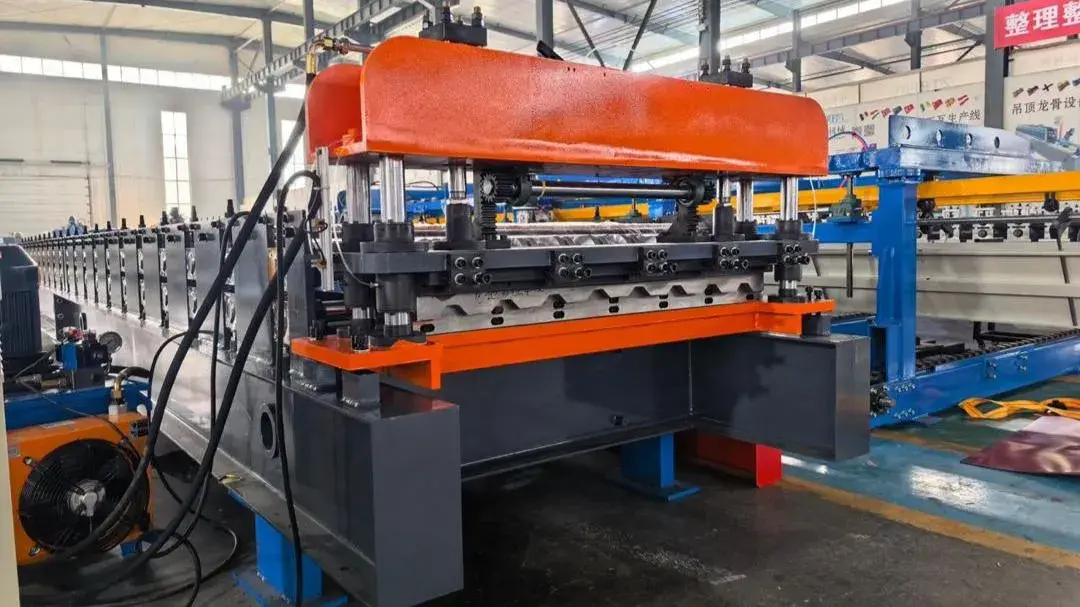
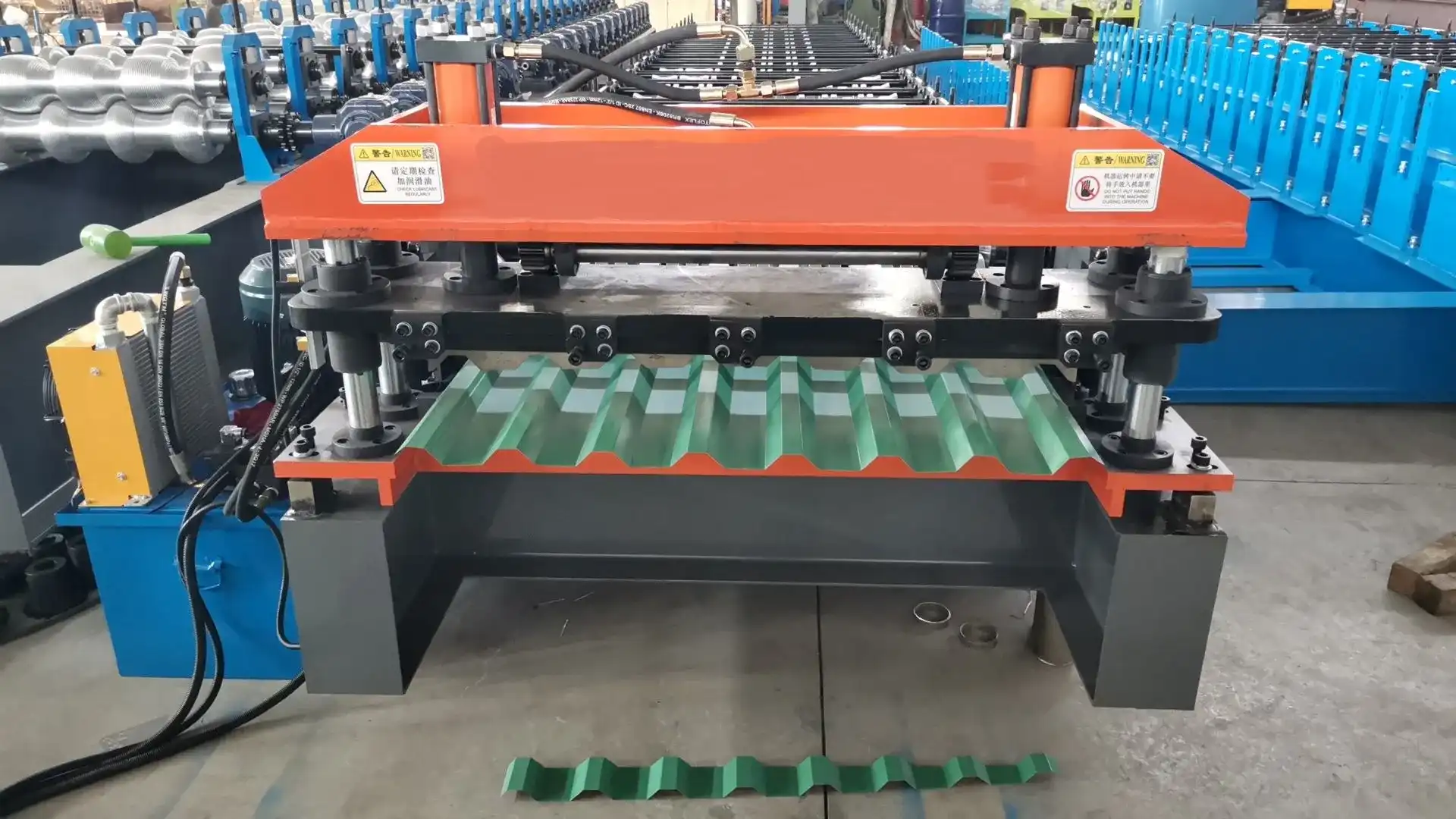
The R101 Roofing Sheet Making Machine is a big step forward in the technology of automatically shaping sheet metal. This machine is made to make the R-101 trapezoidal profile, which is a common shape for roofing sheets in North American commercial and domestic markets. It does this by using cold roll forming to shape flat metal coils into precise profiles without using heat. This method gets rid of the uneven sizes that come with making things by hand, and PLC-controlled, precise cutting greatly reduces the amount of material that is wasted.
Production Efficiency That Scales With Your Business
The speed with which the machine works is one of its best features. With a speed of up to 15 meters per minute, the R101 can turn coil stock into finished roofing panels quickly enough for both large commercial orders and smaller, more flexible jobs. The main motor with 5.5 kW and the hydraulic unit with 4 kW work together to keep the flow steady without affecting the structural integrity of the profiles that are made. This mix between speed and quality solves a problem that roofing system makers have had for a long time: their equipment either works quickly but doesn't always do a good job, or it works precisely but at too slow a speed to be useful. When we look at practical costs, the R101 shows benefits that can be measured. The machine's 380V three-phase source handles the total power draw efficiently, so it doesn't use a lot of energy even though it works very well. The mix of fewer work needs and lower scrap rates, according to manufacturers, leads to appealing cost-per-panel metrics. Once the output settings are set, the equipment doesn't need much help from the operator. This lets skilled workers focus on quality control and logistics instead of constantly adjusting the machines.
Maintenance Simplicity and Equipment Longevity
Here are the main benefits this tool brings to upkeep work:
- Accessible Component Design: The 16 mm wall-plate H-beam high-speed roofing sheet making machine frame design gives strong support while making it easy to get to important systems for regular maintenance and inspections.
- Durable Tools: Rollers made of GCr15 bearing steel with a hard chrome coating don't wear down easily, and cutting blades made of Cr12MoV mold steel heated to HRC 58–62 hardness levels last between 500,000 and 1 million cuts before they need to be sharpened.
- Standardized Hydraulic System: The hydraulic unit uses #46 oil, which is easy to find. It should be changed every year after the first six months to keep the valves from getting clogged and the seals from wearing out.
These care features cut down on downtime and keep equipment working well for as long as it's used. Manufacturers like it when service dates are predictable because it helps them plan output and budgets better than when equipment needs repair at random times.
Automation and Quality Consistency
The PLC control system gets rid of mistakes that people make when measuring length and placing cuts. Once a user types in the panel sizes they want using the touchscreen, the machine runs with a high level of accuracy. This automation is especially helpful for companies that make things for foreign engineering firms and EPC firms that need to keep records of quality assurance standards and dimensional compliance. The accuracy of the system meets the standards of ISO 9001 quality management and gives the production data needed for project documentation and client reports.
Comparing the R101 Against Other Roofing Sheet-Making Machines
Performance Benchmarking and Value Analysis
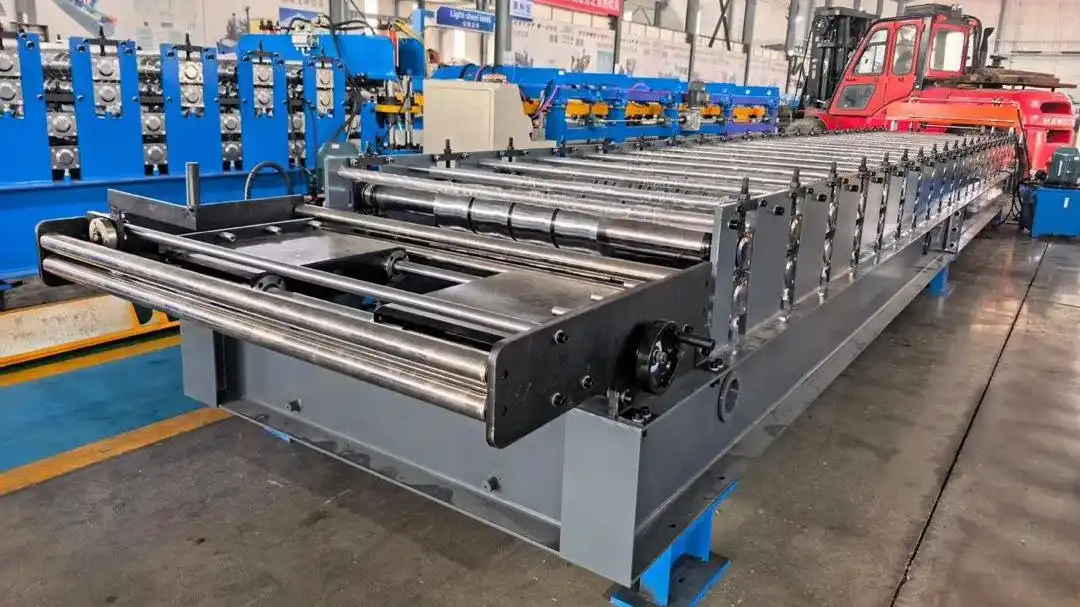
The R101 is clearly better than other roll-forming options in a number of important performance areas when compared to them. The 18-station forming design allows for more slow material bending compared to machines in the same price range. This lowers internal stress and spring-back problems that happen with machines that have fewer forming steps. This directly leads to better panel smoothness and geometric accuracy, especially when working with full-hard G550 steel types that are hard for machines that aren't very strong. The R101 is competitive in its market segment thanks to its line speed of 15 meters per minute. Some high-end models claim to be able to go as fast as 25 meters per minute, but real-world experience shows that speeds that fast often ruin the finish on prepainted materials. The calibrated speed of the R101 strikes the perfect mix between being fast enough to meet output goals and being gentle enough to protect the coating on color steel surfaces. This is a very important thing for makers to think about when they're making products for markets where looks are important to customers.
Total Cost of Ownership Considerations
When looking at the R101 over a five-year period of time, the return on investment estimates favor it. When you combine a modest original high-speed roofing sheet making machine capital spending with predictable upkeep costs and energy efficiency, you get good economics. Payback times for manufacturers switching from older equipment or manual processes are usually between 18 and 24 months, but they depend on the amount of output and the cost of materials. The machine's small footprint—about 6,200 mm long—allows placement in facilities with limited room, which could save money on building expansions that are needed for bigger production lines. In comments from customers, business stability is always mentioned as a key trait. Manufacturers say that once the R101 is properly set up, it doesn't need many adjustments between production runs. This security cuts down on the time it takes to set up when changing panel lengths or working with different amounts of material between 0.3 and 0.8 mm. The dependability factor is especially important for businesses that work multiple shifts or have just-in-time shipping contracts, because when equipment breaks down, it throws off schedules in a chain reaction.
Procurement Guide for the R101 Roofing Sheet Making Machine
Strategic Acquisition Planning
Accurately describing your business needs is the first step to successful buying. The basic design of the R101 can handle material widths up to 0.8 mm. If your product mix includes heavier gauge steel, talk to the seller about motor power upgrades and reinforced roller configurations before you buy. The decoilers, which come in 5-ton manual or automatic models, should work with the way you move materials and the weight requirements of the coils. Motorized decoilers make high-volume processes more efficient by cutting down on the time it takes to switch between coils. Delivery times and total landing prices are affected by the global supply chain. Reliable providers, like ZTRFM, provide clear shipping documents and help with the customs clearance process to get goods to you faster. The machine's small size and weight of about 3.5 tons make shipping it easier than with bigger production systems, but the site still needs to be properly prepared. To make sure the installation goes smoothly, you should check with your provider about the concrete base requirements and the electrical infrastructure needs before the equipment is shipped.
Customization and Technical Specifications
The R101 base can be changed in certain ways to meet the needs of each production. If the needs of your market go beyond the normal R-101 geometry for profile changes, talk to the technical teams about roller customization choices during the purchase phase. The machine's flexible design makes it easy to add extra features like automatic stackers, internal punching stations for making holes for fasteners, or embossing units for adding artistic texture. With these improvements, the basic production line becomes a full manufacturing system that is designed to help you stay ahead of the competition. Technical support infrastructure represents a critical procurement consideration beyond the equipment itself. Full launching services make sure that the machines are set up and calibrated correctly, which lowers the risk of output errors while the machines are still learning. Your team will be able to get the most out of their tools by going through training programs that cover operation, regular maintenance, and basic troubleshooting. Make sure that the English-language documentation your provider gives you is clear and includes things like electrical schematics, hydraulic diagrams, and PLC programming guides that will help you handle the equipment in the long term.
Building Trust with R101 Brand and Supplier Support
Manufacturer Credentials and Certifications
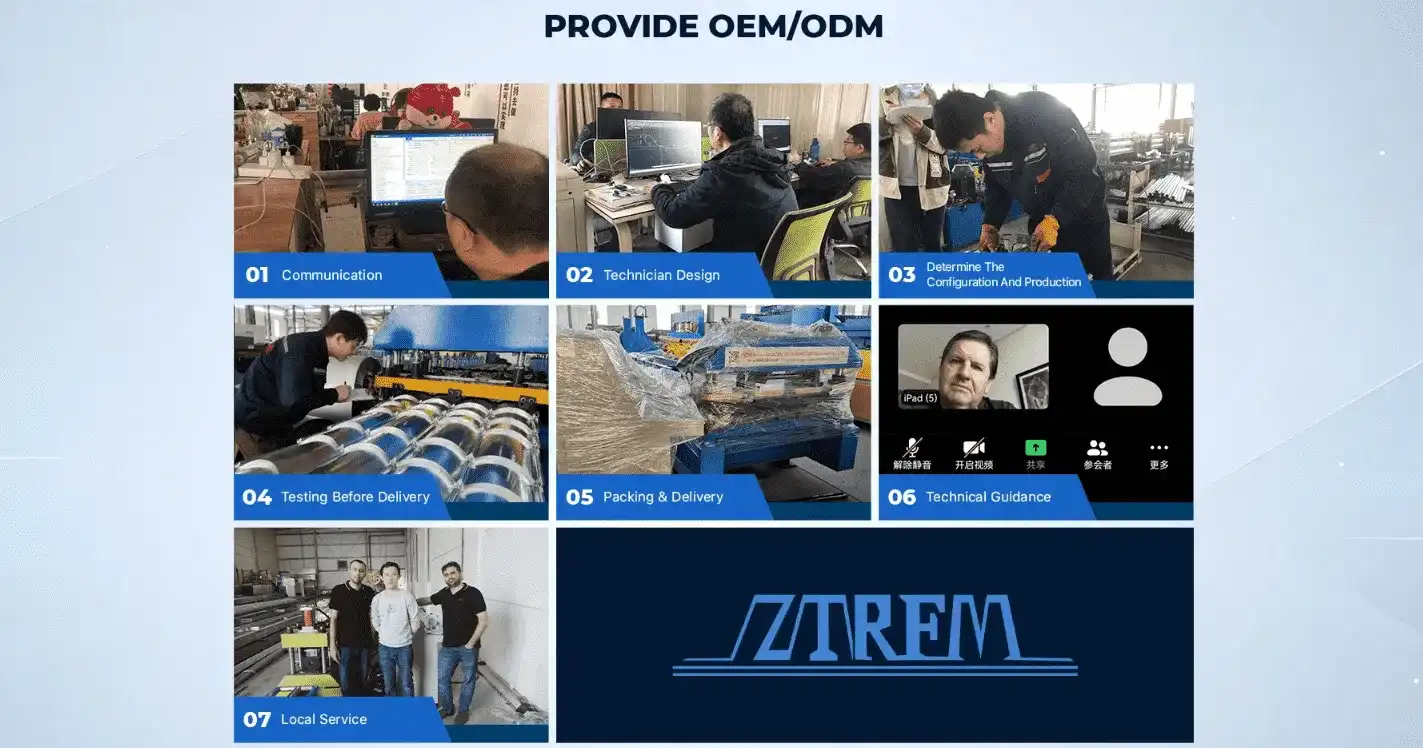
ZTRFM, which was founded in 2014 as Cangzhou Zhongtuo Roll Forming Equipment Co., Ltd., is an expert in cold roll forming technology, R101 Roofing Sheet Making Machine, that helps the metal fabrication business. As a national high-tech business, the company keeps its ISO 9001 quality management certification and CE compliance, which show that it follows foreign safety and performance standards. This framework for certification gives purchasing teams written proof that the design and production of tools meet the high-quality standards needed by the building and industrial sectors around the world. The company has exported to 150 countries, which shows that it knows how to deal with different regulatory settings and technology standards. This foreign experience has taught me a lot about how voltage is set up, how to make sure I'm following the rules, and how to put things in different places. Manufacturers that do business in the US benefit from providers who know about North American safety rules, electricity codes, and project paperwork requirements. This makes it easier for new equipment to fit into current facilities.
Comprehensive Support Infrastructure
After-sales support includes a lot more than just warranty coverage. It also includes ongoing professional help that keeps tools working well. ZTRFM has specific routes for contact, such as email help at zhongtuorollforming@gmail.com, so that practical questions or technical problems can be answered quickly. This makes things easier to get to, which is especially helpful during the ramp-up phases of production, when workers run into new situations or learn how to improve the process through experience. Genuine replacement parts are easy to find through established supply lines, so there isn't a lot of downtime when worn-out parts need to be replaced. Cutting blades, hydraulic seals, and electrical parts that are sold through the manufacturer's distribution network come with the right specs and quality guarantee, so you don't have to worry about the risks that come with generic alternatives. When makers have access to parts and clear instructions on how to maintain them, they can use predictive maintenance strategies to avoid unplanned downtime during key production times.
Conclusion
For companies that want to increase their production output while keeping quality high, the R101 Roofing Sheet Making Machine is a useful tool. Its 18-station forming layout, PLC automation, and precise hydraulic cutting solve some of the most important operating problems that roofing system makers, metal structure designers, and building component makers face. Businesses of all sizes can benefit from the equipment's mix of production speed, material versatility, and ease of upkeep. This is true for both established industrial operations and new manufacturers entering competitive markets. If you choose the right supplier and get full technical support, the R101 can be a solid production tool that helps your business grow and reach new markets.
FAQ
1. What material types can the R101 process effectively?
The machine can work with galvanized steel, color steel that has already been sprayed, Galvalume, and other covered materials that are between 0.3 and 0.8 mm thick. The chrome-plated wheels protect the surface coatings while the product is being formed, so there are no scratches or lines that make the product look bad. Because of this, producers can serve a wide range of customers without having to buy separate tools for each type of material.
2. How does energy efficiency compare to older equipment?
The main motor with 5.5 kW and the hydraulic unit with 4 kW use a lot less power than older machines that do the same job. The PLC control system makes the motor work better by drawing less energy when it's not in use and when it's adding materials. When manufacturers replace equipment made before 2010, the energy costs per panel they make usually drop by 20 to 30 percent.
3. What training and support accompany equipment purchase?
Full commissioning includes overseeing the installation on-site, teaching production staff how to use the equipment, and teaching expert staff how to do upkeep. Normal operation methods, routine repair plans, basic troubleshooting, and safety rules are all covered in training. English-language documentation includes operator instructions, repair guides, electrical diagrams, and PLC programming details that help with the long-term management of the equipment.
Partner with a Trusted R101 Roofing Sheet Making Machine Supplier
ZTRFM is ready to help you grow your business by using tried-and-true roll-forming technology, the R101 Roofing Sheet Making Machine, and a lot of technical know-how. As a well-known company with ISO 9001 and CE certifications, we offer equipment options that are custom-made to fit your production needs, material specs, and work surroundings. Our R101 design gives makers of building roofing systems, metal structures, and industrial parts the dependability and accuracy they need to make high-quality products every time. Email our technical team at zhongtuorollforming@gmail.com to talk about the details of your project, get full technical paperwork, or set up a time to see how the equipment works. We offer clear quotes, a range of customization choices, and global shipping support to make buying things easier for businesses in North America and beyond.
References
1. Smith, J.R. (2021). Cold Roll Forming Technology: Principles and Applications in Metal Construction. Industrial Press Publications.
2. Martinez, A.C. & Thompson, D.L. (2020). "Automation in Sheet Metal Fabrication: Productivity and Quality Analysis." Journal of Manufacturing Systems, 56, 234-248.
3. National Association of Steel Manufacturers (2022). Technical Standards for Roofing Sheet Production Equipment. NASM Industry Guidelines.
4. Chen, W. & Roberts, K.P. (2019). "Energy Efficiency Optimization in Roll Forming Operations." International Journal of Advanced Manufacturing Technology, 104(5-8), 2017-2031.
5. Industrial Equipment Buyers Guide (2023). Comparative Analysis of Roll Forming Systems for Metal Construction Components. IEBG Research Division.
6. Peterson, L.M. (2022). Maintenance Strategies for Industrial Forming Equipment: Extending Equipment Life and Reducing Downtime. Manufacturing Technology Press.
_1750323743240.webp)