- English
- French
- German
- Portuguese
- Spanish
- Russian
- Japanese
- Korean
- Arabic
- Irish
- Greek
- Turkish
- Italian
- Danish
- Romanian
- Indonesian
- Czech
- Afrikaans
- Swedish
- Polish
- Basque
- Catalan
- Esperanto
- Hindi
- Lao
- Albanian
- Amharic
- Armenian
- Azerbaijani
- Belarusian
- Bengali
- Bosnian
- Bulgarian
- Cebuano
- Chichewa
- Corsican
- Croatian
- Dutch
- Estonian
- Filipino
- Finnish
- Frisian
- Galician
- Georgian
- Gujarati
- Haitian
- Hausa
- Hawaiian
- Hebrew
- Hmong
- Hungarian
- Icelandic
- Igbo
- Javanese
- Kannada
- Kazakh
- Khmer
- Kurdish
- Kyrgyz
- Latin
- Latvian
- Lithuanian
- Luxembou..
- Macedonian
- Malagasy
- Malay
- Malayalam
- Maltese
- Maori
- Marathi
- Mongolian
- Burmese
- Nepali
- Norwegian
- Pashto
- Persian
- Punjabi
- Serbian
- Sesotho
- Sinhala
- Slovak
- Slovenian
- Somali
- Samoan
- Scots Gaelic
- Shona
- Sindhi
- Sundanese
- Swahili
- Tajik
- Tamil
- Telugu
- Thai
- Ukrainian
- Urdu
- Uzbek
- Vietnamese
- Welsh
- Xhosa
- Yiddish
- Yoruba
- Zulu
AG Panel Roll Forming Machine for Steel Roofing Sheets
An AG panel roll forming machine is a specialized piece of industrial equipment designed to make Agricultural profile roofing and siding panels from galvanized or pre-painted steel strips. This equipment is known for producing the standard 36-inch net coverage AG profile with 3/4-inch major ribs spaced 9 inches apart. It also gets rid of common production problems like oil canning in thinner gauge materials, ensures weathertight side-laps by precisely forming anti-siphon grooves, and increases coil yield efficiency—all of which are important benefits for manufacturers trying to save money in the competitive steel roofing industry.
Understanding AG Panel Roll Forming Machines and Their Working Process
An AG panel roll forming machine works by using cold-processing technology to make flat metal strips into finished roofing patterns step by step, without using heat. This method keeps the protection coatings on galvanized or Galvalume steel, which is important for outdoor uses because it keeps the steel's long-term rust resistance.
Fundamental Design and Core Components
Every high-quality production line has a number of important parts that move together in sync. To keep the material from warping, the uncoiler holds and releases steel coils with controlled compression. Before the coil goes into the making stations, which usually have between 16 and 22 progressive roll passes, entry guide systems make sure it is perfectly aligned. Each station bends the metal in small steps, spreading the stress evenly across the material to keep the surface from cracking or damaging the base. High-quality rollers made from 45# steel or Cr12MoV are hard chrome-plated and heated to make sure they won't scratch painted surfaces. Heavy-duty chain drives or gearbox transmissions connect all the making stations to the drive system. This keeps the whole line perfectly in time. Modern systems use PLC controllers from well-known brands like Siemens or Mitsubishi. These controllers provide encoder input that keeps the length error within ±1.0mm. This level of accuracy is very important for professional installation, where panels must line up perfectly during assembly.
Operational Workflow and Production Advantages
The material comes into the production line as a single coil. It goes through the decoiler and into the leveling unit, which flattens out any remaining coil curve. The steel is then moved through a series of stations where upper and lower rollers gradually make the shape of the AG profile. Integrated cutting stations let you add holes for fasteners or vents in the middle of the process without stopping work. The hydraulic cutting system with Cr12MoV blades precisely cuts panels to the right lengths based on PLC code. This makes it possible for customized production runs to happen without having to measure each one by hand. The benefits of this ongoing forming method are much greater than those of traditional pressing or press brake methods. There is a lot less waste because there are no more individual blanks to make. Instead, panels are cut straight from coil stock. In business settings, production speeds are usually between 30 and 60 meters per minute, which is much faster than batch processes. The slow forming action also makes panels that are flatter and have more uniform rib geometry, AG panel roll former, which means that workers don't have to come back to fix problems with the installation as often.

Types and Customization Options of AG Panel Roll Forming Machines
The size and level of automation needed by production facilities are very different, which is why there is a need for AG panel roll forming machine designs that meet specific operating needs. Learning about the different kinds of machines that are offered helps procurement teams make sure that capital investments are in line with output needs.
Classification by Automation Level and Production Scale
Small metal shops that want to get into the farm building market should use entry-level manual methods. These small machines usually measure lengths by hand, cut with a foot button, and need to be watched over by an operator during production runs. Production speeds are still slow, but they are appealing to businesses that work less than 50,000 square feet per month because they require less capital and are easier to maintain. Mid-range semi-automated lines have programmable length control and automatic cutting processes, but they still need an operator to load the coils and move the produced goods. These setups strike a mix between the cost of the investment and the speed of production, usually running at 35 to 45 meters per minute. This type of technology is successfully used by many metal supply shops in the area that serve post-frame builders. The most advanced type is fully automated industrial systems, which have features like automatic coil loading, internal quality check sensors, automatic stacking systems, and the ability to be monitored from afar. These lines always work at 50 to 60 meters per minute, making them perfect for large producers that sell to big-box stores or national building companies. When monthly output goes over 200,000 square feet, the higher capital costs are worth it.
Customization Opportunities for Specific Applications
Beyond standard setups, makers like ZTRFM offer a lot of customization options to meet the specific needs of each production run. Roll tooling can be designed to make non-standard rib patterns that match regional building styles or unique panel designs that set a manufacturer's products apart. Machine bed lengths can be changed depending on how much room is available on the plant floor. For example, for facilities with limited space, the bed can be as short as 8 meters, or it can be as long as 15 meters to accommodate stations for both punching and embossing. Variable speed control systems let processors find the best production rates based on the properties of the materials. For example, they can run premium PVDF-coated steel at controlled speeds to protect the finish while getting the most out of normal galvanized material. This adaptability has a direct effect on business revenue by cutting down on waste and minimizing production downtime during changes in materials. New technologies have made energy-saving choices available that should be considered when buying. Servo motor drive systems are 20–30% less power-hungry than standard hydraulic setups, but they make control more accurate and operation quieter. When a business runs multiple shifts, the higher original investment usually pays for itself in 18 to 24 months through lower power costs.

Selecting the Best AG Panel Roll Forming Machine for Your Business
Long-term choices about purchases affect production capacity, product quality, and upkeep costs for years after the AG panel roll forming machine purchase is made. Systematic review using specific criteria keeps expensive gaps between what the equipment can do and what it actually needs to do its job.
Assessment Criteria for Procurement Managers
The amount of production needed determines what equipment is chosen. Figure out how many linear feet you want to sell each month, taking into account the fact that yearly changes in demand are usual in the building market. When machines are running close to their maximum capacity, they wear out faster and cost more to maintain. That's why choosing equipment that's rated 20–30% above normal demand gives you a cushion AG panel roll former and increases the service life. Beyond basic gauge range specs, material suitability needs to be carefully thought through. Most high-end machines can handle normal farming gauges from 29 to 26 without any adjustments being made by hand. However, facilities that work with high-tensile steel grades like G550 or Grade 80 need strong roller assemblies and drive trains that are reinforced. Manufacturers along the coast or who work with the chemical industry often work with special coats like PVDF or Kynar that need special roller surface treatments to keep the finish from getting damaged while the parts are being formed. Through production uptime rates, operational efficiency has a direct effect on your bottom line. Instead of believing what possible providers say, ask for written mean time between failure (MTBF) data. Most of the time, equipment from well-known brands that is certified by ISO 9001 and CE is more reliable. This is because quality control happens throughout the whole manufacturing process, not just during the final review.
Comparison with Alternative Manufacturing Methods
Figuring out why roll making is better than other technologies helps financial partners understand why the investment is worth it. With traditional pressing tools, panels are made one at a time, which means that production rates are much slower and labor costs are higher per unit. Stamping needs expensive dies that can't be used for roll forming because changing the length of a panel on a roll former only requires writing a PLC, not changing expensive dies. Press brake making is flexible for one-of-a-kind projects, but it isn't fast or consistent enough for mass production. Different levels of skill in the operator cause differences in the quality, and the sequential bending process creates stress clusters that can cause panels to fail early in demanding situations. With roll forming, stress is spread out equally across several places, which makes panels that are stronger and last longer. Leading providers in the North American market include well-known brands like Bradbury and Formtek, as well as new companies like ZTRFM that offer low prices and service networks around the world. When looking at providers, give more weight to those that offer warranties that cover more than the usual one year. This shows that they are confident in the durability of their products. After-sales support is very important. Make sure that your area has an inventory of spare parts to avoid long periods of production downtime while you wait for foreign orders. ZTRFM is present in more than 150 countries and offers regional help that keeps production lines running even when parts need to be replaced.
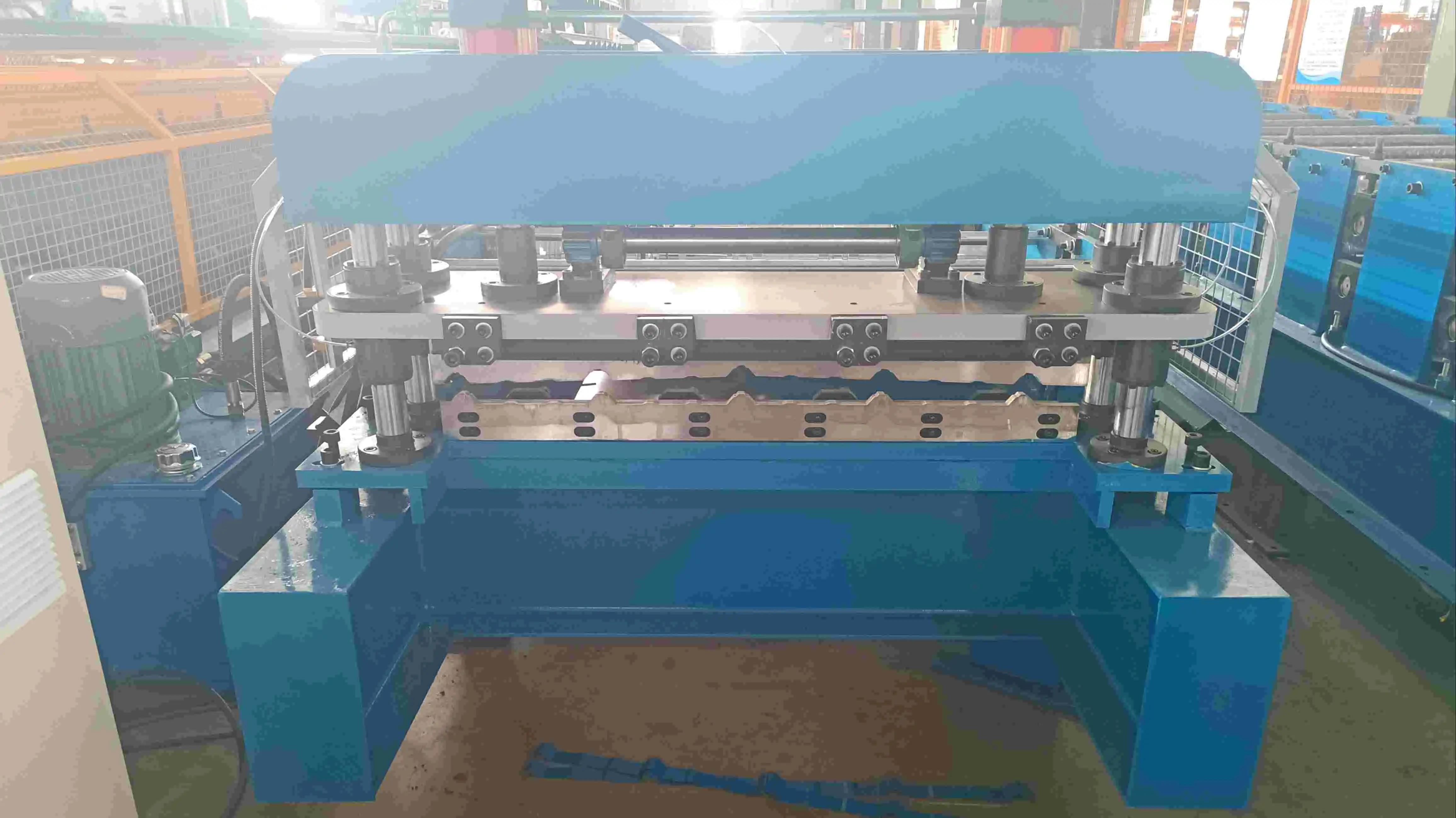
Maintenance Tips and Safety Guidelines for AG Panel Roll Forming Machines
Routine upkeep and strict safety rules are very important for keeping the AG panel roll forming machine in good shape and making sure that the quality of the products always stays high. If you don't do regular maintenance, your machines will break down at the worst possible times, during busy production times, and could become dangerous to operate.
Routine Care and Performance Optimization
Daily routines should include lubrication of all working parts, such as hydraulic cylinders, chain drives, and bearing systems. Using oils that are recommended by the maker keeps things running smoothly and stops wear from happening too soon. Modern machines often have automatic lubrication systems that send oil to key places at set times. This makes the job of the user easier while still making sure that the oil is applied consistently. Roller inspection is the most important upkeep task that affects the standard of the product. Visual checks should be done once a week to find any surface scoring, covering buildup, or misalignment problems before they become obvious panel flaws. When working with high-tensile materials, most facilities plan to remove the rollers and have them professionally reconditioned every 6 to 8 months. When working mostly with softer galvanized steel types, this time frame is longer. Maintenance on hydraulic cutting blades has a direct effect on both the quality of the cuts and the speed of production. Rough panel edges are caused by dull blades, which raises the number of scraps and customer complaints. When working regular 8-hour shifts, Cr12MoV blades usually need to be professionally sharpened every 6 to 8 months. This time frame gets shorter when processing thicker gauges or harder steel types. Keeping the blades sharp also keeps the cutting tool and drive motor from breaking, which can cost a lot of money.
Troubleshooting Common Production Issues
Many workers get frustrated when flat panel parts ripple or oil can, especially when working with thinner 29-gauge material. Most of the time, this flaw is caused by either too much roller pressure, which crushes the metal instead of slowly shaping it, or not enough coil tension at the uncoiler, which lets material feed widely. To fix the problem, the roller gap adjustments on the middle stations need to be fine-tuned, and the uncoiler brake tension needs to be set to the right level for the coil weight and steel grade being handled. When panels come out of the machine out of alignment, it's often because of where the entry guides are placed. Even a small change in angle at the input gets bigger as more stations are added, making panels whose edges don't run parallel to the ribs. Most alignment issues can be fixed by using precision squares to check things over and adjusting the guide rollers. This can be done without having to change the roller station.
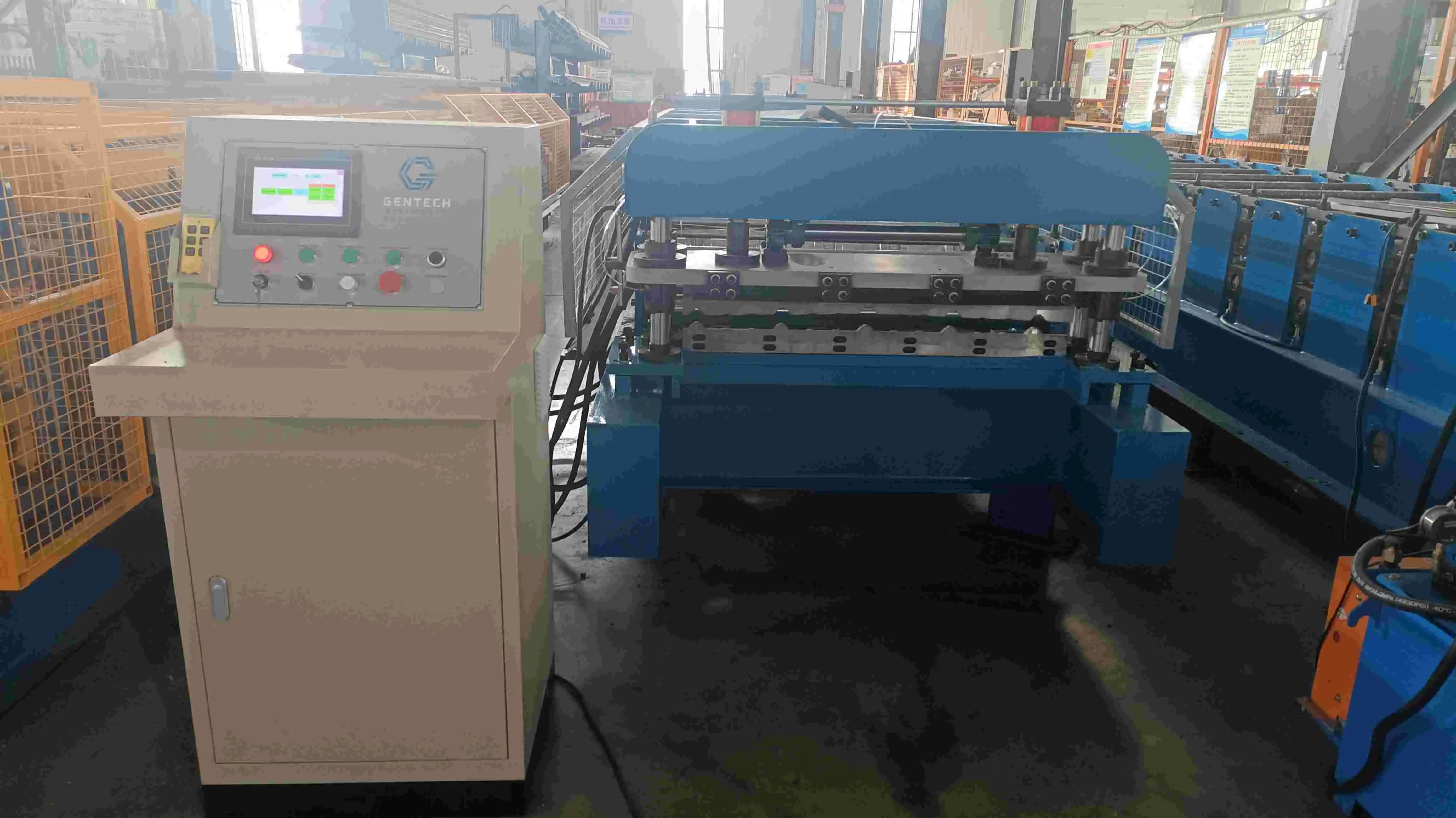
Buying Guide and Procurement Insights for AG Panel Roll Forming Machines
Planning for finances and logistics has a big impact on the success of buying an AG panel roll-forming machine. Knowing all the costs and the different ways to buy something lets you make smart choices that meet both work needs and budget constraints.
Comprehensive Cost Considerations
The price of buying the equipment is only the beginning expense. New machines from reliable brands usually cost between $35,000 and $180,000 for an AG panel roll forming machine. The most expensive ones have built-in punching and stacking systems and are fully automatic. Used equipment is cheaper to buy, but it comes with risks, such as not knowing how it was maintained in the past, the possibility of hidden damage, and limited or nonexistent guarantee coverage. A lot of used machines also don't have the current safety and control systems that are now standard in the business. When production needs non-standard shapes, longer machine lengths, or special automatic features, customization costs are added to the base price. Set aside an extra 15 to 25 percent of the base price for major customization work. The cost of installation depends on the type of foundation needed, any changes to the electrical service, and whether factory-trained experts do the commissioning or local workers do the setup. Professional installation by a maker agent usually costs an extra $3,000 to $8,000, but it makes sure that the product works perfectly from the start and protects the warranty. Shipping is another high cost that people often don't account for when they make their budgets. Freight within the US for standard machines costs between $2,000 and $4,000, based on how far it needs to go and whether liftgate work is needed. International shipping from companies like ZTRFM includes ocean freight, customs clearance, and interior delivery. This usually adds $4,000 to $9,000 to the landed costs, but the total price is still lower than that from domestic providers.
Financing Alternatives and Deployment Support
Traditional equipment loans from banks or credit unions are a simple way for businesses that have been around for a while and have good credit to get money. Lease choices are good for new businesses or companies that want to keep some cash on hand for inventory and running costs, but the total cost over the lease time is higher than the price of a straight purchase. When you first start looking for a maker, you might want to look into their dealer credit programs. Some of them have cheap rates and easy approval processes. Delivery times affect how production plans are made and how committed customers are. Standard setups from stock usually ship within two to four weeks. Custom builds that need special tools may take eight to fourteen weeks from the time of the order to the time of delivery. International packages take longer to get to their destination, usually 4 to 6 weeks by ocean freight from Asian makers. Making delivery schedules clear during talks will help you keep your promises to customers who are looking for finished panels. When you hire a professional installation service, you don't have to guess or make the mistakes that can happen when your own staff sets up tools without the right training. Factory-certified workers not only put the machine together and make sure it's aligned properly, but they also train the operator, show them how to do maintenance, and make sure that the first production runs meet quality standards. This thorough testing process usually takes two to three days on-site and transfers important knowledge that will be useful for the life of the equipment.
Conclusion
When looking for the right AG panel roll forming machine, you need to think about a lot of things, such as your output needs, the compatibility of the materials, the level of automation, and how long you will need help in the future. When compared to other ways of making things, the constant cold-forming process is more efficient and produces more consistent products, so the initial investment is worth it for businesses that want to make a lot of them. Follow strict safety rules and do regular repairs to protect both the tools and the people who work on them. Working with well-known makers that have strong support networks and a history of reliability will keep your production running when customers are counting on on-time deliveries.
FAQ
1. How often should roller reconditioning occur to maintain optimal panel quality?
Maintenance times for rollers vary a lot on how much they are used and what kind of material they are made of. Professional roller reconditioning is usually done every 10 to 12 months at facilities that process mostly 29-gauge galvanized steel at modest amounts. When using high-tensile Grade 80 steel or working with multiple shifts, rollers should be checked every 6 to 8 months and reconditioned if they show signs of coating buildup or small cutting on the surface. Reconditioning before rollers hurt expensive pre-painted coil stock costs a lot more than fixes that need to be done right away.
2. Can standard machines process both galvanized and aluminum coils?
Most good farm panel formers can work with galvanized steel, Galvalume, and steel that has already been finished without any changes. Because aluminum has a different spring-back behavior and lower tensile strength than steel, it needs to be processed in a certain way. Roller pressure needs to be lowered, and some facilities set up extra forming stations to get the right shape geometry without breaking the lighter material. If processing metal is going to be a big part of your planned production, talk to your seller about it when you're buying things.
3. What warranty coverage should buyers expect from reputable manufacturers?
Standard warranties in the industry cover flaws in the way the product was made for one year after installation. This includes both the parts and the work needed to repair the part. Premium providers like ZTRFM often extend warranties to 18 to 24 months, which shows that they trust the equipment to last. The warranty should clearly cover important parts like drive motors, hydraulic systems, PLC controls, and forming wheels. Find out if plant technicians are needed for warranty service or if qualified local service providers can do covered fixes to keep production running as smoothly as possible.
Partner with ZTRFM for Reliable Agricultural Panel Forming Solutions
With ZTRFM's tried-and-true AG panel roll forming machine technology and full support, your production will run easily year after year. Since our start in 2014, we've sold farm panel roll forming machine systems to companies in over 150 countries. We are a national high-tech company that is approved to ISO 9001, CE, and CAS standards. Our engineering team can completely customize your order, including making unique profile designs, integrating punching configurations, and setting the amount of automation to fit your budget and production needs.
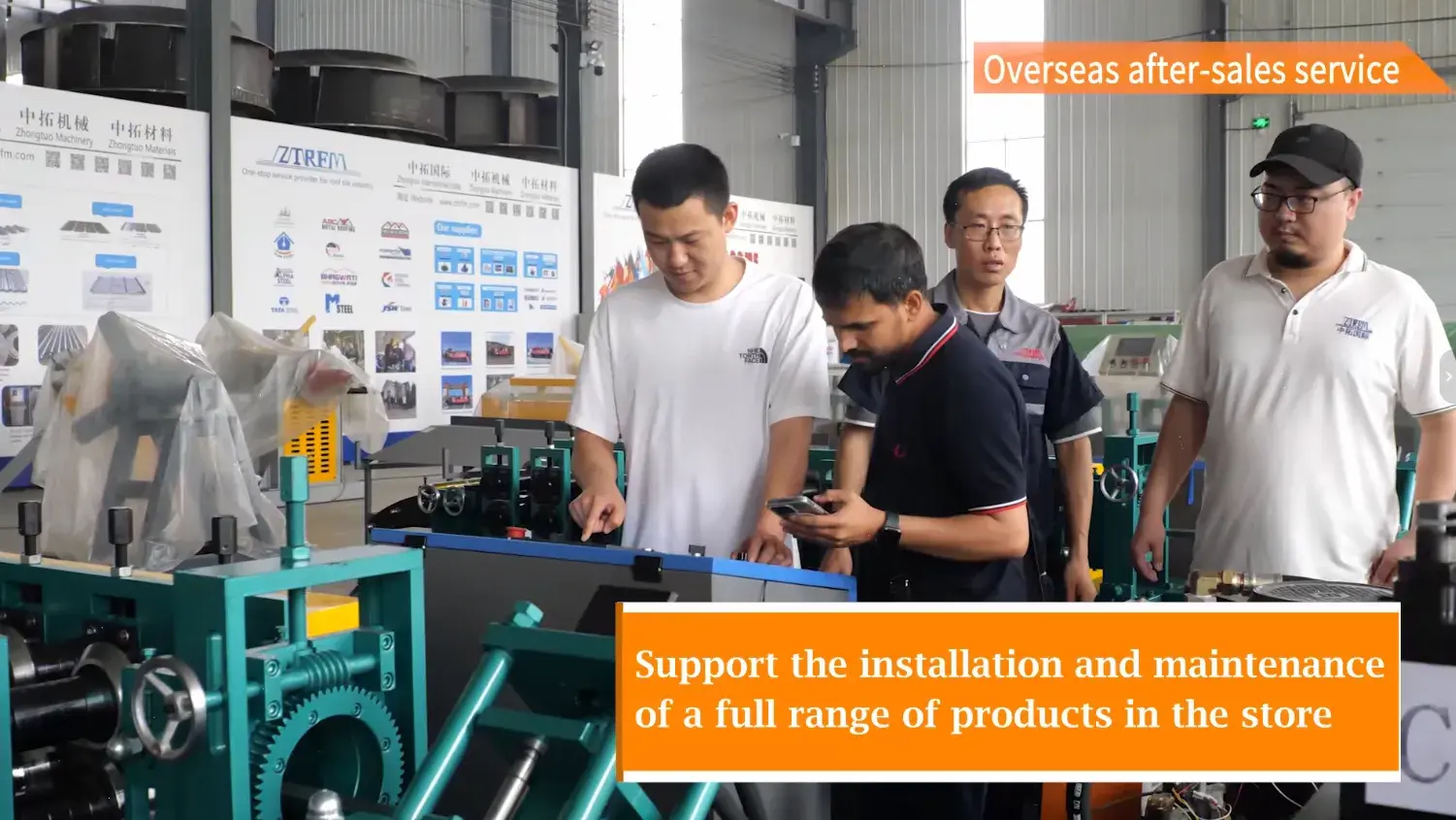
The purchase of tools is only the start of our connection with clients, as we know. When it comes to getting raw materials, setting up machines, and providing ongoing expert help, ZTRFM does it all. No matter where your building is located, our global service network makes sure that extra parts are always available and that you can get quick help with problems. We'll set up the best production option for your business, whether you're an established roofing manufacturer looking to increase your capacity or a new company joining the post-frame building supply market.
You can email our expert team at zhongtuorollforming@gmail.com for full specs, personalized quotes, and help with application engineering. As a reliable provider of AG panel roll forming machines, we want you to be successful in the long term by giving you equipment with stable quality, little downtime, and the production efficiency your customers want.

References
1. Metal Construction Association. (2022). Agricultural Panel Design and Installation Guidelines. MCA Technical Bulletin Series.
2. American Iron and Steel Institute. (2021). Cold-Formed Steel Framing Design Guide. AISI Standards Development.
3. Sheet Metal Forming Processes and Die Design. (2020). Advanced Roll Forming Technology and Applications. Industrial Press Manufacturing Engineering Series.
4. National Frame Building Association. (2023). Post-Frame Building Design Manual: Standards for Agricultural Structures. NFBA Technical Publications.
5. Halmos, G. T. (2021). Roll Forming Handbook: Precision Metal Forming Through Progressive Roller Systems. CRC Press Manufacturing Engineering Series.
6. Fabricators & Manufacturers Association International. (2022). Quality Standards for Metal Roll Forming Operations. FMA Technical Standards Guidebook.
_1750323743240.webp)