- English
- French
- German
- Portuguese
- Spanish
- Russian
- Japanese
- Korean
- Arabic
- Irish
- Greek
- Turkish
- Italian
- Danish
- Romanian
- Indonesian
- Czech
- Afrikaans
- Swedish
- Polish
- Basque
- Catalan
- Esperanto
- Hindi
- Lao
- Albanian
- Amharic
- Armenian
- Azerbaijani
- Belarusian
- Bengali
- Bosnian
- Bulgarian
- Cebuano
- Chichewa
- Corsican
- Croatian
- Dutch
- Estonian
- Filipino
- Finnish
- Frisian
- Galician
- Georgian
- Gujarati
- Haitian
- Hausa
- Hawaiian
- Hebrew
- Hmong
- Hungarian
- Icelandic
- Igbo
- Javanese
- Kannada
- Kazakh
- Khmer
- Kurdish
- Kyrgyz
- Latin
- Latvian
- Lithuanian
- Luxembou..
- Macedonian
- Malagasy
- Malay
- Malayalam
- Maltese
- Maori
- Marathi
- Mongolian
- Burmese
- Nepali
- Norwegian
- Pashto
- Persian
- Punjabi
- Serbian
- Sesotho
- Sinhala
- Slovak
- Slovenian
- Somali
- Samoan
- Scots Gaelic
- Shona
- Sindhi
- Sundanese
- Swahili
- Tajik
- Tamil
- Telugu
- Thai
- Ukrainian
- Urdu
- Uzbek
- Vietnamese
- Welsh
- Xhosa
- Yiddish
- Yoruba
- Zulu
How to Choose a High-Precision Trapezoidal Metal Sheet Machine for Your Manufacturing Needs
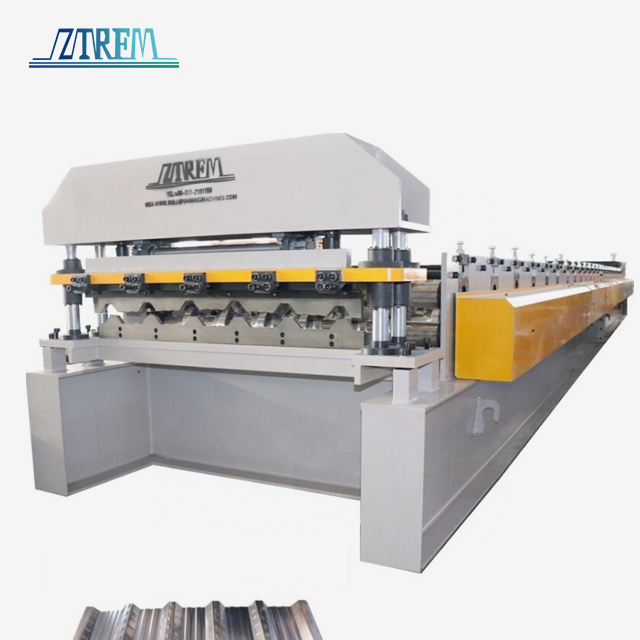
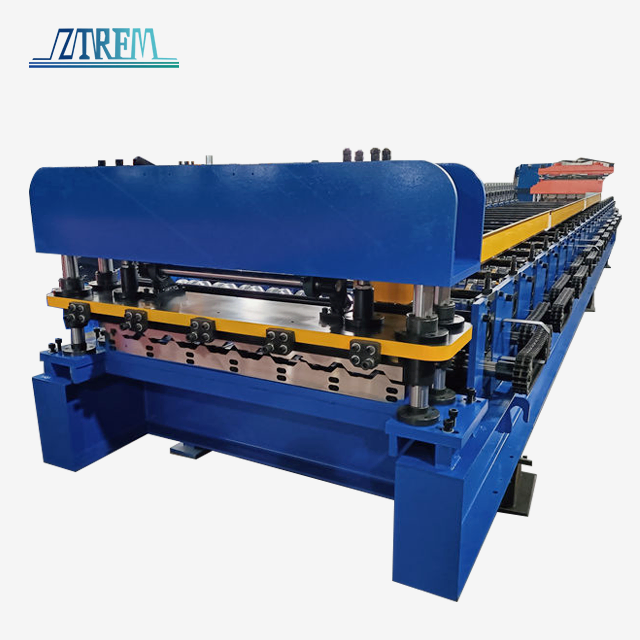
Before you buy a high-precision trapezoidal sheet roll forming machine, you need to know what you want to make, how the material will be used, and where the machine will be used. Through constant cold-forming processes, these specialized tools turn flat metal coils into structural wall and roof panels with unique trapezoid shapes. Modern machines have PLC controls, hydraulic cutting systems, and roller configurations that can be changed to fit different thicknesses of material (0.3 mm to 1 mm) and speeds of up to 60 meters per minute. These are important performance standards to look at when choosing a machine for making roofing panels, industrial cladding, or structural parts.
Understanding the Core Requirements for Your Manufacturing Needs
Before looking at equipment sellers, we always tell our clients to make a list of all the things they need to make. This basic step keeps machines from being unable to meet the needs of the business, which could be expensive.
Defining Your Production Volume and Profile Specifications
Your daily output goals have a direct effect on which machine you choose. Manufacturers of building roofing systems that work on big projects often need tools that can keep running at a high speed for a long time. On the other hand, startups may value flexibility over maximum output. It doesn't matter what the profile measurements are; panels used in structural uses need specific rib geometry to be able to hold their weight. We've seen that companies that make custom-length panels from 3 feet to over 20 feet need tools with flexible measurement methods that can form panels accurately, no matter what length they are.
Material Compatibility and Thickness Range
Different projects need various kinds of supplies. For artistic uses where color stability is important, PPGI-coated steel works well, while galvanized steel is better for coastal settings because it doesn't rust. Aluminum is good for projects that need to be moved around because it is light. The machine you choose must be able to handle all the thicknesses your business needs. For roofs, this is usually between 0.3mm and 1.0mm, but some structural parts may need heavier gauges. The roller material and surface treatment have a direct effect on how well the machine works with pre-painted finishes and how little damage is done to protective coats.

Essential Criteria to Evaluate High-Precision Trapezoidal Sheet Roll Forming Machines
Equipment that is made to trapezoidal sheet roll forming machine high standards is needed for precision manufacturing. Over thousands of hours of use, the difference between good and great tools becomes clear.
Roller Station Configuration and Material Quality
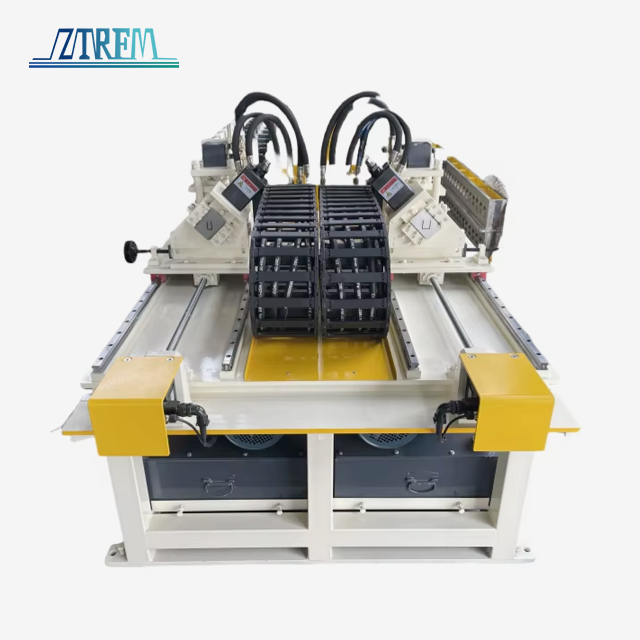
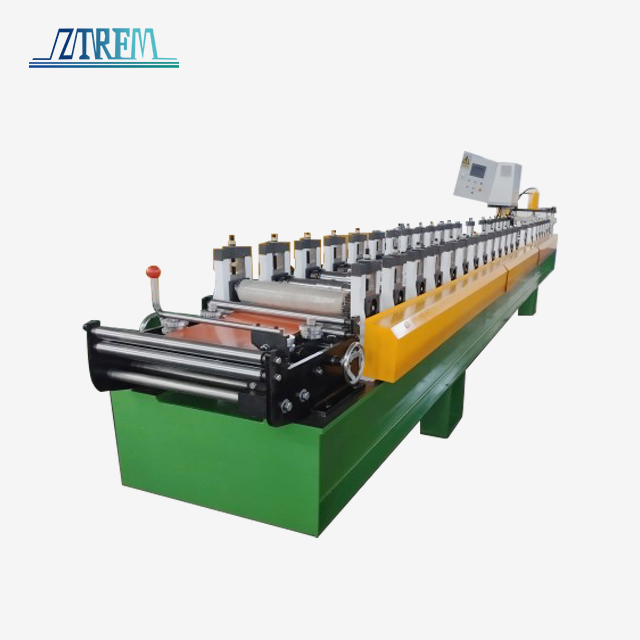
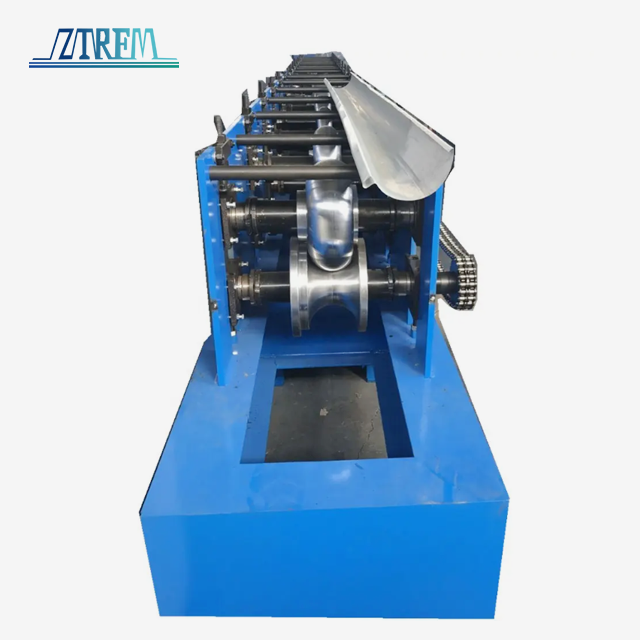
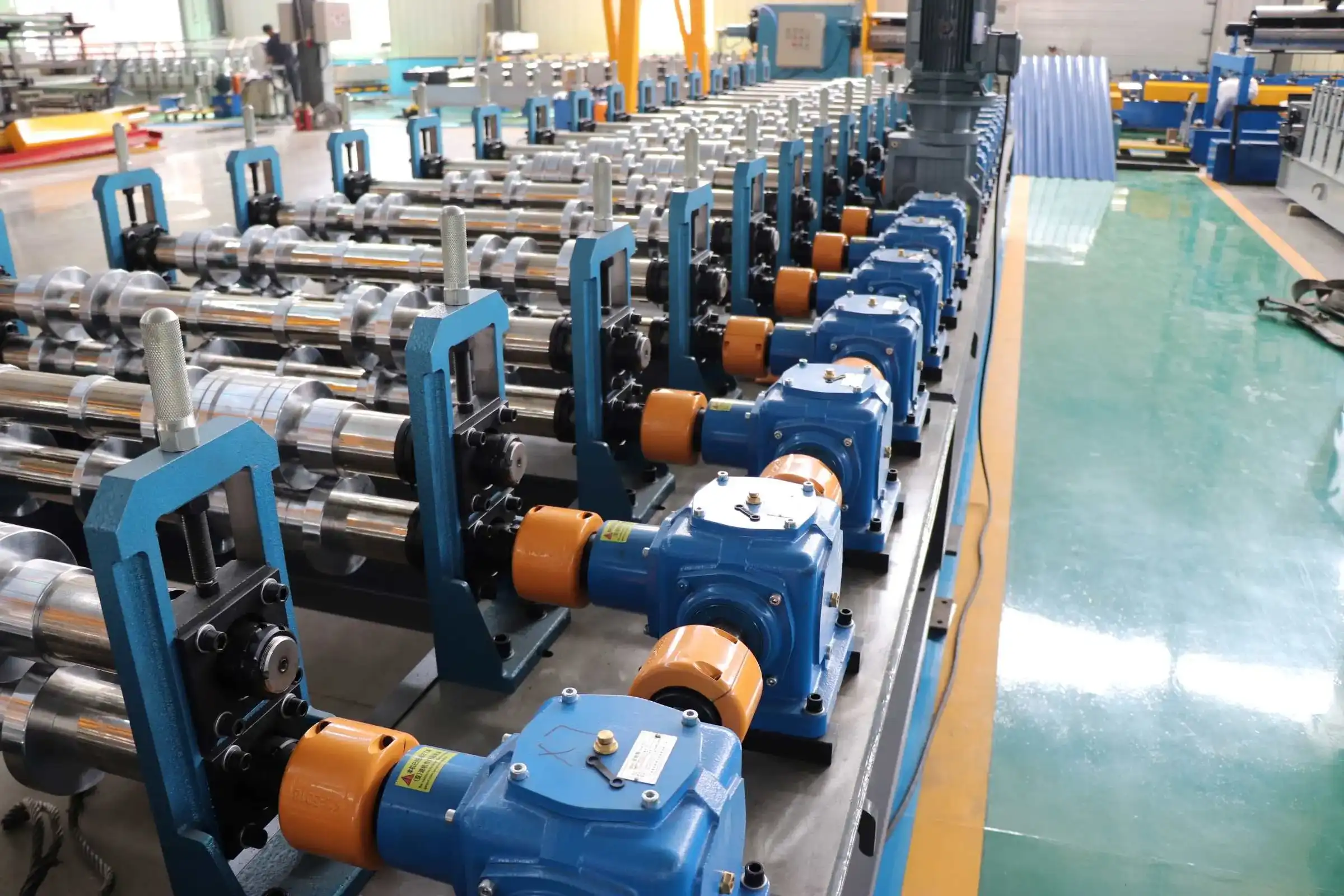
These are the roller stations that make up the heart of any trapezoidal sheet roll forming machine. Most high-performance tools have between 16 and 26 forming stations, with each one shaping the metal in a different way. The quality of the roller material can't be lowered. 45# forged steel that has been hardened to HRC 58-62 and finished with hard chrome finishing doesn't wear down and keeps its dimensions. The width of the shaft, which is usually 70mm to 80mm of solid steel, must not bend when loads are put on it. If the rollers wear differently or the shafts bend while the machine is running, the panel sizes will be off, and the surface will have flaws that make quality control hard and result in the loss of material.
Cutting Technology and Precision Standards
When it comes to edge quality, hydraulic cutting methods are better than mechanical ones. The material of the cutting blade, especially CR12MoV tool steel, stays sharp over long production runs and makes lines that are free of burrs within ±1mm accuracy. This level of accuracy is important when panels need to fit together properly during installation—even small differences can make it hard to keep water out or put panels together on the job site. We choose hydraulic systems with enough power, usually 7.5kW, to make clean cuts through the thickest materials without warping or damaging the edges.

Comparing Different Types and Brands to Make an Informed Decision
The market has a lot of different setups and provider choices. Instead of just comparing prices, smart buying teams carefully consider different options based on a set of objective criteria.
Profile Type Considerations
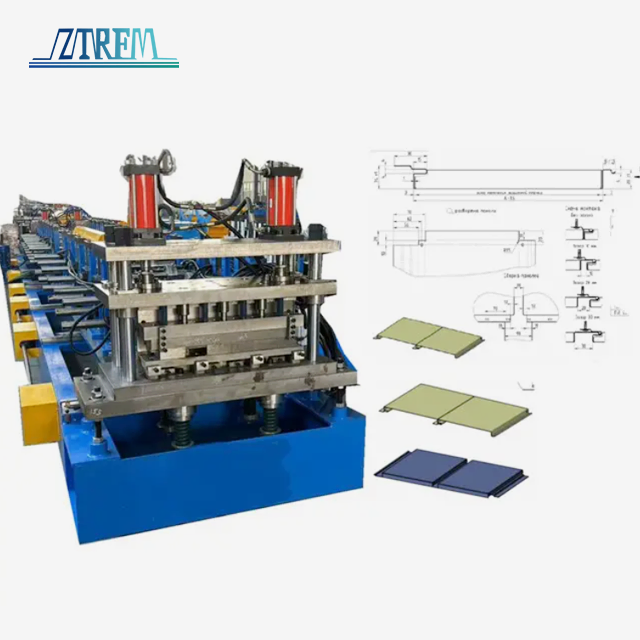
Trapezoidal shapes are not the same as curved or standing seam systems in terms of how they are built and what they can be used for. The trapezoidal shape is very strong for its weight, which makes it perfect for wide-span roofs where panels need to span long distances between support purlins. The profile's straight lines make it useful for both commercial and building uses. Some trapezoidal sheet roll forming machines have multi-profile features that let you change between different wave patterns or even make panels with different effective widths by changing the feed width. For example, a 914mm coil width makes a certain layout, while a 1220mm coil width makes a different panel count. This adaptability makes the best use of tools for a wide range of project needs.
Evaluating Manufacturer Credentials
When buying capital tools, the name of the supplier is very important. We give more weight to producers who have ISO9001 quality certifications and CE safety compliance, which show that they follow international standards for production. If a company has a lot of experience exporting to more than 150 countries, that means they have strong tech that can adapt to different electrical standards, environmental conditions, and customer needs. Getting a national high-tech company designation is often linked to continuing investments in research and development (R&D) and new technologies. When looking at possible providers, you should look at their project portfolio, customer reviews, and ability to give you verifiable examples from setups that are similar to what you want to do.
Installation, Safety, and Support: Ensuring Seamless Integration into Your Production Line
Delivering tools is only the first step in a successful operation. Your investment will only work as well as it was intended if it is installed correctly, meets safety standards, and gets ongoing support.
Site Preparation and Installation Requirements
Before the equipment comes, your building has to meet certain conditions. Preparing the foundation makes sure that the weight is evenly distributed and that vibrations are absorbed. The electrical system needs to provide enough power with the right voltage and phase setup. For industrial tools, this is usually 380V three-phase, but different standards can be met by customizing the system. Enough space around the machine makes it easier to move things, do upkeep, and keep it running safely. Accurate leveling and alignment during installation set the standard for accurate shaping. We involve facility engineers early on in the planning process to deal with issues like limited room, the flow of materials, and how to connect new and old decoilers and receiving tables.
Commissioning and Initial Trial Runs
During the testing step, the equipment is checked to make sure it works as expected. Before starting production trials, technicians try each part in a planned way. They check the alignment of the rollers, the hydraulic pressure, the accuracy of the cuts, and the speed of the control system. The first runs with your real materials will show you what changes need to be made for the best results. This time gives workers a chance to get used to the controls, learn how to do repairs, and feel more confident using the equipment. Manufacturers who offer on-site setup help shorten this learning curve and make sure you get the most out of your system from the start.

Making the Final Choice: Tailoring Your Selection to Long-Term Business Success
The tools you choose should help with both current output needs and future growth of your business. For strategic selection to work, present limitations and expected changes must be balanced.
Scalability and Future Expansion Options
As a business grows, it often needs to add more products, such as a trapezoidal sheet roll forming machine, or improve its capacity. Modular equipment can be upgraded by adding roller units for new profiles, making the equipment more automated, or adding more processes after the initial steps. Understanding these paths for growth during original selection keeps things from becoming outdated too soon. Smaller companies that want to get into the metal forming business might start with simple setups that have been shown to be reliable and easy to use. They would then plan to update as their production volumes and levels of complexity rise. Companies that are already in business and are adding more products can benefit from platforms that can handle different types without having to buy all new tools.
Real-World Performance Verification
Case studies from systems that are related can teach us a lot. A company that makes roofing panels that work with PPGI-coated steel at 45 meters per minute meets performance standards. Pay attention to production settings that are similar to yours, such as seaside sites that have to deal with corrosive atmospheres, high-volume operations that run multiple shifts, or precision applications that need very close tolerances. If you can, go see sites that are already in use or ask for sample panels that were made on the tools you're thinking about buying. Specifications alone can't show quality features that can be seen through physical inspection.

Conclusion
To choose the best trapezoidal sheet roll forming machine, you need to carefully consider your production needs, carefully evaluate the equipment, and form a smart relationship with your provider. We've listed the most important things—from the quality of the roller material and the accuracy of the cut to the complexity of the control system and the availability of after-sales support—that set good equipment apart from great machinery. Your investment should give you steady quality, reliable operations, and the freedom to meet long-term business goals. Cangzhou Zhongtuo has spent years improving its manufacturing processes and support systems to take these decision factors into account. It now helps companies all over the world improve their metal forming operations by providing reliable equipment that works well in a wide range of settings and applications.
FAQ
1. What maintenance practices maximize machine lifespan?
Maintenance includes lubricating moving parts on a regular basis, checking rollers for wear patterns on a regular basis, and checking the pressure in the hydraulic system. We suggest cleaning every day to keep things from piling up, checking the alignment every week, and checking the power lines every month. Problems later on can be avoided by replacing old cutting blades before they affect the quality of the edge. Keeping thorough service logs helps find trends of wear and set up preventative replacements before they fail. With proper care, equipment can usually last longer than 10 to 15 years.
2. How do I decide between manual and automatic operation?
Choice is based on the availability of labor, the amount of work to be done, and the level of accuracy needed. When making a lot of things, automatic methods are worth the extra money because they save time and make things more consistent, which cancels out the starting cost. Manual or semi-automatic setups work well for businesses with changing production plans, skilled workers who are good at measuring things, or tight budgets that want to save money on purchases. Take a look at your usual batch sizes and how often you switch between them. Full automation works better for dedicated high-volume production runs than for high-mix, low-volume settings.
3. What are typical lead times and warranty conditions?
Reputable makers usually need 45 to 60 days for normal setups, and up to 90 days for customized equipment, based on how complicated the changes are. Most warranties cover important parts for 12 to 24 months, but not parts that wear out quickly, like cutting blades. Make it clear what the guarantee covers, such as parts only or parts and labor, on-site help or factory repair, and how long the company promises to respond. Extended warranty choices or service contracts offer extra security for important production equipment that loses a lot of money when it's not working.
Partner with ZTRFM for Precision Roll Forming Solutions
Cangzhou Zhongtuo Roll Forming Machinery (ZTRFM) blends technical know-how with top-notch manufacturing to provide trapezoidal sheet roll forming machine options that are custom-made to your needs. Our ISO9001 and CE-certified equipment is used in more than 150 countries by companies that make building roofs, structural parts, and metal fabrications. We offer full help, from the first consultation through installation and ongoing expert support, as well as a wide range of spare parts. You can email our engineering team at zhongtuorollforming@gmail.com to talk about your production goals and get full specs that fit your needs. As a well-known company that sells trapezoidal sheet roll forming machines, we can offer you reasonable prices, easy customization, and a track record of reliability that will change the way you make things.

References
1. Smith, J. & Anderson, M. (2022). Cold Roll Forming Technology: Principles and Applications in Modern Manufacturing. Industrial Press.
2. Chen, H. (2021). "Quality Control Standards for Metal Forming Equipment in Construction Applications." Journal of Manufacturing Systems, 58, 234-248.
3. Rodriguez, P. (2023). Precision Metal Fabrication: Equipment Selection and Process Optimization. McGraw-Hill Professional.
4. Thompson, R. & Wilson, K. (2022). "Total Cost of Ownership Analysis for Industrial Roll Forming Systems." International Journal of Production Economics, 245, 108-121.
5. European Committee for Standardization (2023). Safety Requirements for Roll Forming Machinery: EN ISO 12100 Compliance Guidelines. CEN Publications.
6. Zhang, L. & Kumar, A. (2021). Advanced Roll Forming Processes: Design, Manufacturing, and Industrial Implementation. Springer Engineering Series.