- English
- French
- German
- Portuguese
- Spanish
- Russian
- Japanese
- Korean
- Arabic
- Irish
- Greek
- Turkish
- Italian
- Danish
- Romanian
- Indonesian
- Czech
- Afrikaans
- Swedish
- Polish
- Basque
- Catalan
- Esperanto
- Hindi
- Lao
- Albanian
- Amharic
- Armenian
- Azerbaijani
- Belarusian
- Bengali
- Bosnian
- Bulgarian
- Cebuano
- Chichewa
- Corsican
- Croatian
- Dutch
- Estonian
- Filipino
- Finnish
- Frisian
- Galician
- Georgian
- Gujarati
- Haitian
- Hausa
- Hawaiian
- Hebrew
- Hmong
- Hungarian
- Icelandic
- Igbo
- Javanese
- Kannada
- Kazakh
- Khmer
- Kurdish
- Kyrgyz
- Latin
- Latvian
- Lithuanian
- Luxembou..
- Macedonian
- Malagasy
- Malay
- Malayalam
- Maltese
- Maori
- Marathi
- Mongolian
- Burmese
- Nepali
- Norwegian
- Pashto
- Persian
- Punjabi
- Serbian
- Sesotho
- Sinhala
- Slovak
- Slovenian
- Somali
- Samoan
- Scots Gaelic
- Shona
- Sindhi
- Sundanese
- Swahili
- Tajik
- Tamil
- Telugu
- Thai
- Ukrainian
- Urdu
- Uzbek
- Vietnamese
- Welsh
- Xhosa
- Yiddish
- Yoruba
- Zulu
AG Panel Roll Forming Machine Maintenance Tips for Long Life
Your AG panel roll forming machine can be maintained easily. If you maintain these tools and check on them, they should provide years of reliable, high-quality work. By investing in systematic maintenance, you safeguard your tools, production plan, and bottom line. This book provides proven strategies for making machines last longer, cost less to replace, and maintain precision for creating roofing panels, siding, and other fabricated metal products.
Understanding the Importance of Maintenance for AG Panel Roll Forming Machines
Regular maintenance ensures product quality and prevents costly work disruptions. Without the AG panel making machine maintenance, rollers, bearings, and cutting blades wear out faster. Wear and tear causes delays, uneven panel profiles, and greater scrap rates, hurting earnings and customer relationships.
How Does Neglect Impact Production and Costs?
Delayed maintenance affects the whole process. Worn rollers can cause greasing or distort panel surfaces, resulting in rejected batches. Forming stations that aren't aligned produce panels with the improper rib spacing or side-lap forms, making the installation less weatherproof. In addition to quality issues, unanticipated breaks disrupt production, delaying orders and pressuring customers to maintain promises. Emergency repairs cost two to three times more than scheduled preventative treatment. Rush parts orders, and extra cash piles up rapidly.
Financial Benefits of Preventive Maintenance Programmes
Organized preventative maintenance yields a tangible return. According to metal forming industry studies, scheduled maintenance saves four dollars in emergency repairs and lost productivity. Longer machine lifetimes and consistent output quality save waste and rework. When calculating the total cost of ownership, procurement teams that incorporate maintenance expenses always achieve better equipment performance and more accurate budgets than those that simply consider the purchase price.

Key Maintenance Practices for Long Life of AG Panel Roll Forming Machines
An efficient maintenance routine requires cleaning, lubricating, and inspecting. These approaches prevent early part failure and maintain AG panel-making machine accuracy.
Systematic Cleaning Protocols
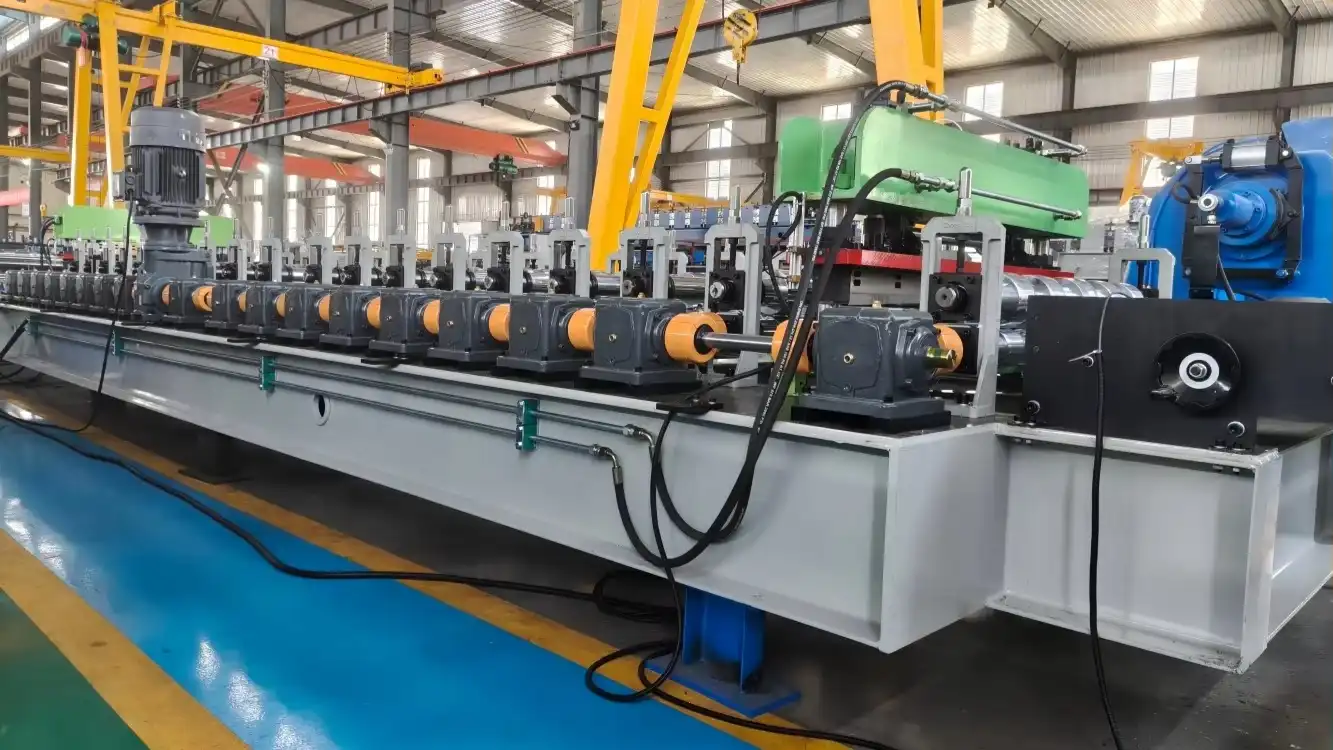
Metal shavings, dust, and grease accumulate fast during panel production. Impurities wear precision surfaces faster and make roller contact uneven, lowering panel quality. Clean roller surfaces, guide tracks, and cutting regions daily using compressed air and soft brushes to remove visible dirt. Weekly comprehensive cleaning should degrease chain drives and wipe out hydraulic components. Coated materials like PVDF or Kynar finishes must be handled carefully to avoid coating particles getting lodged in roller surfaces and moving to the next coil.
Targeted Lubrication Strategy
Proper oil prevents precise parts from bending due to heat and friction. High-grade lithium-based grease should be used every 200 hours for bearing systems and ISO 150 gear oil for chain drives every 100 hours. To ensure enough oil flows through enclosed bearings, roller shaft lubrication spots should be examined monthly. Use the manufacturer's recommended lubricants to maintain your warranty and ensure part compatibility. Over-lubrication collects dust and contaminates the hydraulic system; therefore, controlling quantities is as vital as regularity.
Routine Inspection and Component Replacement
Early wear pattern detection prevents costly production pauses and catastrophic failures. These basic review goals have yielded the best outcomes for all our customers:
- Roller Surface Condition: Check chrome for cracks, flaking, and zinc pickup every 500 hours. Rollers require replacement quickly since panel finishes show surface faults immediately.
- Cutting Blade Sharpness: Check scrap cuts on blade sides monthly. If the blade has burrs, warping, or inconsistent cuts, sharpen or replace it. For typical output, Cr12MoV blades need servicing every 6-8 months.
- Drive Chain Tension: Too much slack makes forming speeds unequal between stations and wears the sprockets faster. It should be checked weekly. The chain's core may move an inch with proper tension.
- Alignment Verification: Every three months, use precision measuring equipment to assess station-to-station alignment. Even tiny misalignments pile up throughout production, changing the coil's form and material stress and breaking it.
These inspection techniques define regular replacement schedules for the AG panel roll-forming machine, so you may buy several components at once and prepare for breaks in sluggish output. Being careful prevents emergencies that hinder production and boost expenses.
Precision Calibration and Alignment Maintenance
The machine form must be monitored for correct measurements. Over time, temperature, pressure, and working stress shift parts. Dial indicators and laser alignment tools calibrate and position all manufacturing stations every three months. Pressure must be adjusted in hydraulic cutting systems when seals wear out, and internal gaps vary. Encoder feedback systems in PLC-controlled equipment should be tested against physical measurements for drift before it affects panel length accuracy. When quality issues arise, calibration records assist in identifying the cause. This helps repairmen locate issues faster.
Troubleshooting Common AG Panel Roll Forming Machine Problems
Well-maintained AG panel-making machines might have issues that need expert diagnosis and repair. When maintenance workers notice symptom trends, they may intervene promptly.
Identifying Mechanical Warning Signs
Strange sounds often indicate a problem. Rollers clicking in time generally indicate worn bearings or a peculiar manufacturing technique. Grinding noises indicate a lack of lubricant or misaligned pieces creating metal-to-metal contact. If the machine shakes more as it speeds up, the rollers may be out of balance, the mounting bolts loose, or the driving parts worn out. Take care of these indicators immediately to avoid additional damage that makes repairs harder and more expensive.
Resolving Panel Quality Deviations
Panels with irregular thickness, wavy surfaces, or improper form parameters are frequently caused by machine setup or equipment. Too much roller pressure or unequal coil tension at the entry guide causes flat sections between ribs to be greased. Adjusting the tension brake and decreasing middle pressure usually cures the issue. Roller gaps are unequal when the profile height changes across the panel width. Measure and adjust gaps at all forming sites to solve this. Most side-lap fitting issues are caused by worn edge-forming rollers that can't generate acute anti-syphon gaps. To restore weathertightness, replace the rollers.
Case Study: Rapid Recovery from Forming Inconsistencies
Our OEM client with a high-speed line saw a rise in 29-gauge zinc panel scrap. Even with unchanged settings, panels rippled sometimes. An analysis found that yearly temperature variations expanded the machine frame, slightly changing roller spacing. The repair team rechecked all 18 manufacturing station gap settings with feeler gauges. They adjusted three stations that moved 0.002–0.003 inches. In two shifts, scrap dropped from 8% to 2% after calibration. This taught me how vital it is to consider the environment when drafting maintenance plans and how crucial proper measurement equipment is when diagnosing problems.

Investing in Advanced Maintenance Solutions for Enhanced Performance
Modern technology helps us foresee problems and maximize maintenance resources. Smart maintenance increases uptime and lowers costs, giving organizations an edge.
IoT-Enabled Monitoring and Predictive Analytics
Installing sensor networks on critical machine parts enables you to monitor temperature profiles, shaking patterns, and hydraulic pressures continuously, such as on an AG panel making machine. Machine learning algorithms search this data for modest changes before problems arise. This allows them to send maintenance notifications days or weeks before production issues arise. Vibration analysis detects worn bearings before they generate noise or cause quality issues. Motor winding temperature tracking alerts you about electrical issues. Maintenance shifts from reactive to proactive with these systems. Fixes can be done during scheduled breaks instead of emergencies.
Selecting Comprehensive Service Partners
Provider support is crucial to machine longevity. Equipment companies with expert training, rapid online diagnostics, and global shipping should be prioritized. ZTRFM's ISO9001 and CE certifications demonstrate our commitment to quality standards that ensure new parts meet or exceed requirements. Since 2014, we've delivered to over 150 countries, so our supply chain can keep your AG panel roll-forming machine production moving anywhere. Our experts provide video consultations, on-site training, and comprehensive maintenance paperwork so your staff can do common chores while we manage more sophisticated ones.
Emerging Trends in Roll Forming Maintenance
The corporate sector is heading towards fully integrated digital support infrastructures. Augmented reality software helps techs tackle difficult repairs by showing parts locations and torque requirements on their phones. Cloud-based maintenance management solutions analyze data from numerous tools and buildings to optimize designs and repair schedules. Software upgrades are fixing performance issues that used to need mechanical adjustments as machines utilize more servo-driven parts and computer numerical control. Keeping up with technology advancements will provide your organization with a long-term advantage.

Building a Maintenance Culture to Maximize AG Panel Roll Forming Machine Lifespan
Technology and practices are the foundation, but organizational drive makes maintenance programmes function. Developing a tool-care mindset requires many steps to protect your AG panel-making machines.
Operator and Technician Training Programmes
All gear handlers receive extensive instruction on how to maintain it. Operators must learn how to clean the machine daily, load materials appropriately to avoid damaging coil edges, and identify issues that require professional care. Clear instructions on setting up and fixing panel-forming machine parts help maintenance staff accomplish their tasks effectively. Cross-training increases flexibility and group knowledge. Regular review sessions and hands-on machine installation training improve confidence and ability, which improves machine upkeep.
Implementing Structured Maintenance Schedules
Working maintenance plans are consistent, but intermittent efforts are not. From spreadsheets to computerized maintenance management systems, digital technologies assist in planning, tracking, and documenting task results. Based on use, calendars should modify event frequency for machines that operate numerous shifts versus one shift. Automated notes can help you remember things, and digital paperwork may be utilized for warranty claims and house value increases. Plan downtime using maintenance schedules in production planning to minimize output disruption.
Measuring Effectiveness Through Key Performance Indicators
Quantifying maintenance impacts for the AG panel making machine permits growth and justifies resource utilization. Monitor average time between failures, repair cost per hour, planned vs. unplanned downtime, and scrap rate variations. These signals indicate if present approaches are functioning or need to be altered. Comparing the performance of similar technologies in your facility might reveal best practices and problem areas. Repair crews are held accountable and praised when KPI results are shared, which encourages excellent behaviour. Regularly meeting performance targets supports equipment purchases and maintenance, boosting confidence for future expenditures.

Conclusion
You must regularly maintain your AG panel-making machine and create a work culture that prioritizes equipment maintenance to maximize its performance. Maintaining cleanliness, lubrication, inspection, and replacement of broken parts protects your investment and ensures good production quality. Modern tracking tools and complete provider assistance give users time to avoid costly mistakes, strengthening their efforts. When operators, techs, and procurement managers know how to maintain equipment, maintenance becomes a strategic advantage that yields quantified returns through improved efficiency, reduced waste, and longer machine life.
FAQ
1. How often should comprehensive maintenance be performed on panel forming equipment?
Daily cleaning and eye exams should be done after each shift. Most high-speed parts should be lubricated weekly, and less critical ones monthly. Alignment, calibration, and wear testing should be done every three months. Annual teardowns are advised for high-volume operations. How much you produce, what materials you use, and how things are in your structure affect the amount.
2. What signs indicate urgent repair needs?
Rapid noise changes, odd noises, visible smoke or burning, hydraulic fluid leaks, and rapid quality loss require immediate care. Panels that recur generally indicate tooling difficulties that need immediate attention. Any safety system failure or emergency halt must be investigated before production may resume.
3. Can regular maintenance genuinely extend equipment lifespan?
Preventive maintenance can extend equipment life by 40% to 60% compared to reactive maintenance. Good upkeep should keep your equipment running for 15–20 years. If not, they must be repaired or replaced within 8–10 years. Saved downtime and production quality over the equipment's service life increases the financial benefit.
Partner with ZTRFM for Expert Maintenance Support and Quality Equipment
Find a reliable AG panel roll forming machine vendor that cares about your long-term success to safeguard your output capacity. ZTRFM combines cutting-edge innovation with a comprehensive range of support services to keep your equipment functioning smoothly for as long as possible. Our experts can help with maintenance, troubleshooting, and sourcing genuine accessories for the original equipment. Whether you require entire operating manuals, video training materials, or maintenance program guidance, we can help quickly with ten years of expertise. Visit rollformingmachinemanufacturer.com to examine all of our roll forming possibilities or email zhongtuorollforming@gmail.com to discuss how our OEM and ODM services may fulfill your production needs. We provide high-quality tools and a long-term connection to maximize your equipment investment.

References
1. Smith, J.R. & Martinez, L.K. (2021). Preventive Maintenance Strategies for Cold Roll Forming Equipment. Industrial Manufacturing Press.
2. Anderson, T.W. (2022). "Total Cost of Ownership Analysis for Metal Forming Machinery." Journal of Manufacturing Economics, 45(3), 178-195.
3. Chen, Y.H., Roberts, P.D., & Williams, S.E. (2020). Predictive Maintenance in Modern Manufacturing: IoT Applications and ROI Analysis. Technical Publishing International.
4. National Roll Forming Association. (2023). Best Practices Guide for Roll Forming Equipment Maintenance. NRFA Standards Committee.
5. Davidson, M.J. (2021). "Component Wear Patterns in Agricultural Panel Production Lines." Metal Forming Technology Quarterly, 28(2), 64-79.
6. Thompson, R.A. & Liu, X.Q. (2022). Equipment Longevity Through Systematic Maintenance: Case Studies from the Metal Forming Industry. Engineering Research Publications.