- English
- French
- German
- Portuguese
- Spanish
- Russian
- Japanese
- Korean
- Arabic
- Irish
- Greek
- Turkish
- Italian
- Danish
- Romanian
- Indonesian
- Czech
- Afrikaans
- Swedish
- Polish
- Basque
- Catalan
- Esperanto
- Hindi
- Lao
- Albanian
- Amharic
- Armenian
- Azerbaijani
- Belarusian
- Bengali
- Bosnian
- Bulgarian
- Cebuano
- Chichewa
- Corsican
- Croatian
- Dutch
- Estonian
- Filipino
- Finnish
- Frisian
- Galician
- Georgian
- Gujarati
- Haitian
- Hausa
- Hawaiian
- Hebrew
- Hmong
- Hungarian
- Icelandic
- Igbo
- Javanese
- Kannada
- Kazakh
- Khmer
- Kurdish
- Kyrgyz
- Latin
- Latvian
- Lithuanian
- Luxembou..
- Macedonian
- Malagasy
- Malay
- Malayalam
- Maltese
- Maori
- Marathi
- Mongolian
- Burmese
- Nepali
- Norwegian
- Pashto
- Persian
- Punjabi
- Serbian
- Sesotho
- Sinhala
- Slovak
- Slovenian
- Somali
- Samoan
- Scots Gaelic
- Shona
- Sindhi
- Sundanese
- Swahili
- Tajik
- Tamil
- Telugu
- Thai
- Ukrainian
- Urdu
- Uzbek
- Vietnamese
- Welsh
- Xhosa
- Yiddish
- Yoruba
- Zulu
Roofing Sheet Making Machine in Modern Material Production
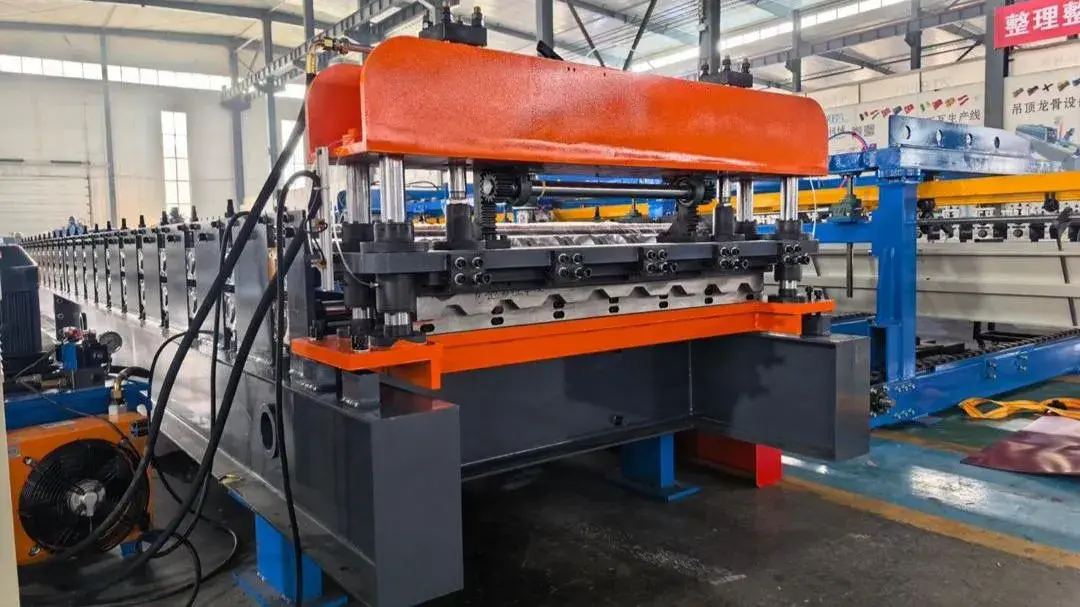
Modern manufacturing and building businesses depend on roofing sheet fabrication tools to be consistent and profitable. These machines painstakingly mould raw metal coils into roofing panels that fulfil architectural criteria and protect structures from adverse weather. The R101 roofing sheet making machine advances this sector. It creates the trapezoidal R-101 profile utilized in commercial, farming, and home operations. With its powerful engineering, automated controls, and consistent output, the R101 answers global roofing company production difficulties. This technology helps businesses enhance productivity, reduce waste, and maintain accurate measurements for competitive B2B procurement.
Understanding the R101 Roofing Sheet Making Machine
How does the machine operate?
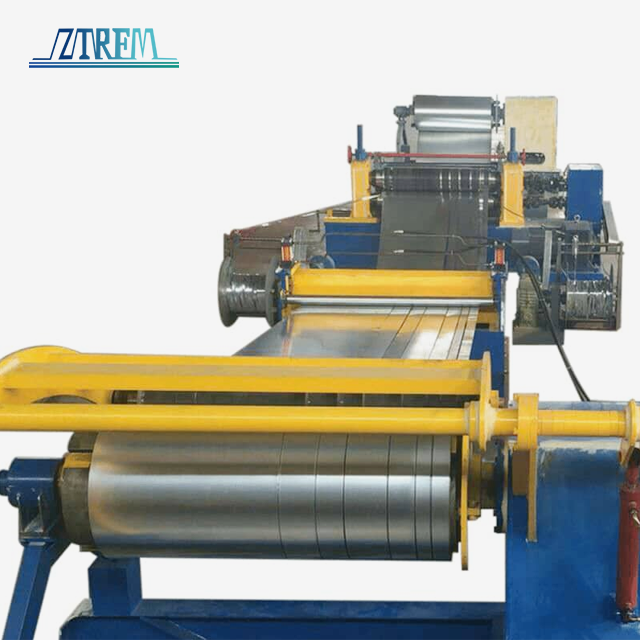
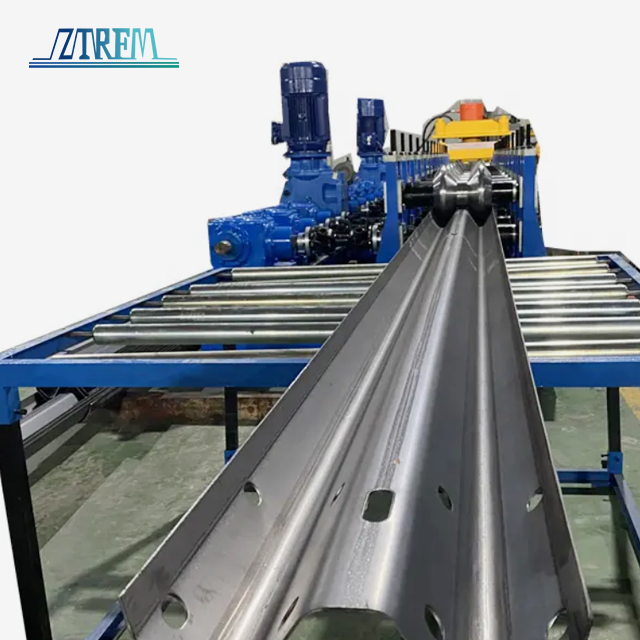
R101 cold-rolls. Flat metal coils—usually galvanized, prepainted steel, or Galvalume—move through exactly matched rollers in this operation. The material is gradually bent into the R-101 trapezoidal shape without heat at each of the 18 manufacturing locations. This process retains protective coatings on pre-painted materials and eliminates uneven sizes from hand-making. A 5-tonne decoiler, controlled manually or by motor, feeds material through forming stations, and a hydraulic shear cuts sheets to ±2 mm lengths.
Core Technical Components
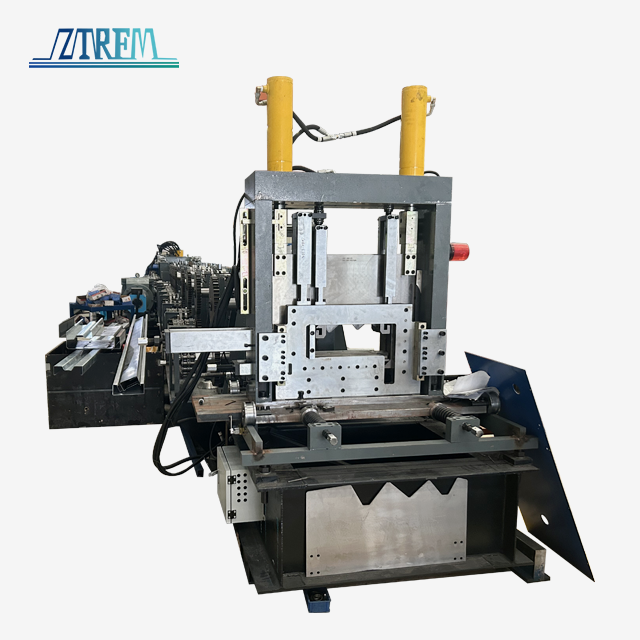
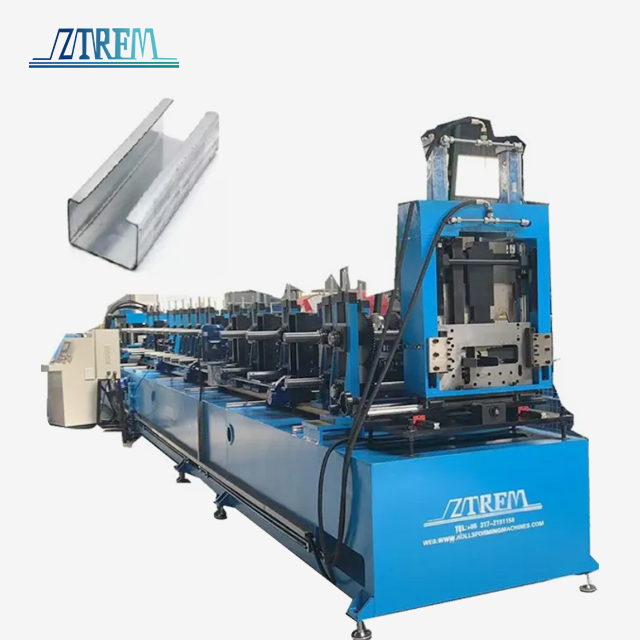
The machine base is a 16 mm wall-plate H-beam frame. This offers it structural strength for continuing manufacturing. The 70 mm solid steel shafts are manufactured of high-quality 45# or GCr15 bearing steel and have a strong chrome finish (0.05 mm thick) to prevent wear and corrosion. This design can accommodate 0.3 to 0.8 mm material thicknesses; thus, manufacturers can utilize sizes 22–30. The 5.5 kW primary motor can move manufacturing stations 15 metres per minute. A 4 kW hydraulic unit powers the cutting system. When using a Delta PLC and a 5.7-inch tablet, operators may program sheet length and item count. This "set-and-forget" automation reduces production operator workload.
Material Compatibility and Output Applications
Three market segments that value climatic resistance and construction stability employ the R101 profile. Cost-conscious corporations supply stores and factories with wide-span roofs and the largest purlin spacing in industrial pre-engineered structures. The equipment works with protective layers such as heavy zinc and aluminum-zinc alloys without destroying them, making it helpful in farming infrastructure. Barns, poultry coops, and grain bins are corrosive due to ammonia and humidity. The layer must remain robust during formation. In Mexico and Central America, affordable social and private housing complexes use the R-101 profile. Its durability and ease of installation make it perfect for tropical climates and heavy rain.
Maintenance Protocols for Sustained Performance
Maintaining output requires systematic repair programmes. After six months of "break-in" use, change the hydraulic oil, generally grade #46. After that, replace it annually to prevent valve clogging and seal deterioration. Every 500 hours of manufacturing, roller surfaces must be examined for wear patterns that might affect sheet quality. The hydraulic cutting blades are heat-treated Cr12MoV mould steel to HRC 58–62. They can perform 500,000 to 1 million cuts before needing sharpening or replacement, depending on material thickness. Operators should align the cutting blades and review the PLC error logs monthly for issues with forming speed and cutting process sync. These solutions extend equipment life while maintaining consumer expectations for industrial roll-producing equipment size.

Comparing the R101 with Other Roofing Sheet-Making Machines
Performance Enhancements Over Previous Models
The R101 outperforms prior tools in three key areas. Older models could only run 10–12 metres per minute, but the R101 can go 15 because of greater motor control and roller design. This 25–40% speed enhancement increases daily work without impacting profile accuracy. The specially designed 5.5 kW main motor and 4 kW hydraulic unit consume 30% less power per metre of end product than earlier 7.5 kW systems. New systems are more energy-efficient. With its 3.5-tonne weight and 6,200×850×1,500 mm footprint, the machine may be placed in areas with limited floor space, typically overlooked until procurement teams prepare accordingly.
Feature Evaluation Against Market Alternatives
The 18-station forming configuration balances slow material deformation and machine length well. When using full-hard G550 steel, competing systems with 14–16 stations generate material stress fractures, while 22 stations make the equipment too lengthy for regular jobs. The R101 Roofing Sheet Making Machine fits this configuration. Delta PLC control systems are cheaper than Siemens or Mitsubishi and more reliable. Makers in booming marketplaces should consider it. The hydraulic cutting mechanism has a precision of ±2 mm, superior to mechanical shears that require frequent blade replacements (±3-5 mm). These dimensions are crucial for delivering roofing panels for projects with rigorous design standards, where sheet length discrepancies make installation tougher.
Cost Analysis and Return on Investment
Cold roll-forming equipment prices depend on its initial cost and long-term savings. The R101's typical pricing falls between entry-level single-profile workstations and high-end multi-profile systems that automatically swap profiles. Manufacturers of 200,000 to 500,000 linear metres find the R101 sufficient without preset roller control systems. Buyers should include the machine's energy usage (9.5 kW total load), running expenses (one trained worker each shift), and maintenance costs (2% to 3% of the machine's worth per year) when calculating the total cost of ownership. Production centres often achieve a return on investment (ROI) within 18–24 months when replacing manual manufacturing or slower older technology.
User Feedback from Production Environments
Manufacturers using R101 systems, including those using the R101 Roofing Sheet Making Machine, report industry-standard uptime. Well-maintained systems have less than 2% unplanned downtime. Coil changes cause most of these breakdowns, not mechanical issues. Touchscreen control panels are easy to operate, and training new operators takes four hours instead of eight with text-based screens. The machine's usual sound level is below 75 dB; thus, it may be put near dwellings without soundproofing. Several agricultural roofing vendors believe the equipment can handle 8–10-tonne coils uninterrupted throughout the busy summer months without recalibrating for each material. This operating consistency can reassure businesses considering their first automated forming system or upgrading outdated equipment.

How to Choose the Right Roofing Sheet Making Machine for Your Business?Assessing Production Scale Requirements
When selecting an R101 roofing sheet making machine, your daily production targets determine suitability. For single-shift operations, the R101's 15 m/min pace delivers 500–1,500 linear metres per day. Manufacturers needing over 2,000 metres daily should consider two R101 lines or a high-speed alternative. Multiply average order size by annual customer volume, then add 20% for seasonal peaks and business growth. This avoids the common mistake of undersized equipment causing issues within 12–18 months. The R101 handles material thicknesses between 0.3 and 0.8 mm, covering most roofing applications. Some architectural projects require a 1.0 mm gauge, available in heavy-duty R101 variants.
Material Specifications and Profile Versatility
The industry standard R-101 shape's 1,250 mm covering width maximizes material consumption while maintaining load capability. Consider how panel width impacts customer installation costs when comparing designs. Wider panels require fewer fasteners but may be tougher to install on complex roofs. The roofing sheet-making machine works with galvanized, prepainted, and aluminum-zinc-coated steel, so it can satisfy a wide spectrum of consumers, from farmers who want to save money by utilizing naked galvanized steel to high-end homeowners who want finishes that match the steel. Ensure that your key material suppliers supply coils in machine-friendly sizes. Custom sliced coils cost 8–15% more, reducing profits.
Budget Constraints and Total Cost Analysis
Purchasing an R101 Roofing Sheet Making Machine involves setup, training, and operational costs beyond the machine price. Allocate 5–8% of the R101's cost for shipping and installation, especially when importing. Invest in two- to three-day operator training to teach PLC programming, hydraulic replacement, and fault diagnosis. The R101 requires 380V/50Hz/3-phase power, standard at most industrial sites. North American facilities may need a 220V/60Hz or 440V supply. Account for hydraulic oil replacement (annually), roller chrome plating (3–5 years), and cutting blades (500,000–1,000,000 cuts). These recurring expenses enable accurate margin calculations for the R101.
Support Services and Technical Partnerships
Equipment reliability depends on the manufacturer's after-sales support. Favour suppliers with comprehensive warranties, which run 12–24 months for construction items and 6–12 months for electrical systems. Look for spare parts through regional distribution networks. Shipping foreign emergency components can halt manufacturing for two to four weeks. Access to technical support is crucial. Multilingual manufacturers' email, phone, and videoconferencing support helps workers swiftly address problems they don't understand. The R101 is utilized in over 150 countries, resulting in a lot of literature and online operator groups that discuss best practices, troubleshooting advice, and ideas to improve things. Learning new systems and solving production issues is faster with this unified knowledge base.
Procurement Process and Logistics for the R101 Roofing Sheet Making Machine
Step-by-Step Ordering Procedures
International procurement begins with checking the machine's specs to ensure it meets your facility's power, material, and space requirements. Ask for a formal price that includes the equipment's characteristics, accessories (such as the decoiler and PLC brand), guarantee conditions, and delivery date. You usually pay 30% when you approve the purchase, 60% before shipping, and 10% after installation and operational testing. Bank wire transfers and letters of credit for larger purchases safeguard buyers and sellers throughout the payment procedure.
Shipping Options and Lead Time Management
Standard manufacturing and delivery durations for the roofing sheet making machine are 35–45 days from deposit to ship arrival. Custom installations might take 55–65 days. Shipping methods depend on the package's destination and speed. Sea freight is the cheapest alternative for the R101's 3.5-tonne weight, and 20-foot containers may carry the roofing sheet-making machine and spare parts. Air freight speeds shipment to 7–10 days but boosts costs by 300–400%. Only expensive production delays justify this increased expense. Suppliers should supply business invoices, packaging lists, certificates of origin, and technical instructions to simplify customs processing. Work with skilled freight forwarders who can bring in industrial machinery to speed up the process and prevent costly customs delays.
Installation Support and Commissioning Services
Professional installation ensures the equipment operates well from the start, preventing issues that might degrade product quality or violate the warranty. Tool setup, power and hydraulic system connections, forming station adjustments, and test runs with your production materials take three to five days on-site. During commissioning, the operator should learn basic maintenance, fault codes, and regular modifications. Record calibration settings and performance measures during commissioning. This will help you identify potential issues. After installation, several manufacturers provide remote assistance packages with video advice for little difficulties and delivery for large technical issues that need to be resolved on-site.
Volume Discounts and Long-Term Supply Partnerships
Manufacturers with several facilities or who wish to boost output, including those using roofing sheet making machines, can ask suppliers about volume price structures that account for multiple unit guarantees. Combining shipping and making the sales process faster will save you 8–12% when buying two or three computers at once. Long-term partnerships with equipment producers, such as roofing sheet making machine suppliers, can provide cheaper spare parts, faster technical assistance, and early access to better parts or new profile tools. Established providers know what you need and may propose arrangements that work well in new locations, making these partnerships extremely valuable when growing. Regular communication and on-time payments build confidence, allowing everyone to handle practical challenges together.

Conclusion
Makers of trapezoidal roofing sheets, common in various building sectors, have employed the R101 roofing sheet making machine effectively. Its robust engineering, computerized controls, and proven performance in harsh environments make it appropriate for a variety of organizations, from established ones boosting capacity to new ones starting production. By reading this book and knowing the technical specs, operational demands, and long-term support points, you can make sensible purchases that balance capability, investment, and growth. As technology and environmental concerns influence roofing sheet production, equipment choices now will affect the industry's competitiveness in the future.
FAQ
1. Can the R101 Roofing Sheet Making machine process full-hard G550 steel?
For most roofing operations, R101 setups operate well with soft to medium-hard steel (G300 grade). To handle full-hard G550 material's springiness, you need better manufacturing stations with stronger roller blades and higher motor power (typically 7.5 kW). If your clients need high-tensile steel for particular purposes, inform the producer during procurement so they may modify the equipment. G550S cost 12–18% more than regular machines.
2. How frequently does the hydraulic cutting system require blade maintenance?
Heat-treated Cr12MoV steel cutting blades may make 500,000 to 1,000,000 cuts before needing sharpening. Their durability relies on material thickness and hardness. Thicker materials (0.7–0.8 mm) wear down faster than 0.3–0.4 mm. Check edge burrs and measurement accuracy to determine cut quality. If they worsen, service the blade. Expert sharpening can restore blade geometry for 15% to 20% of the cost of a new blade. Regular maintenance is cheaper than premature blade replacement. Maintaining two sets of blades lets work continue while one is serviced.
3. What causes profile twisting during production runs?
Uneven roller pressure or material entrance produces twisting or bowing profiles. The R101 features levelling units at the material entry point and fine-tuning tools at the end production stations to remedy these issues. Systematic fixing comprises ensuring the coil is flat before going into the decoiler, that the roller gap is the same across the machine, and that the forming stations bend slowly and sequentially. Material behaviour can also be affected by production site temperature. Stable environments reduce these discrepancies. Experienced operators create material-specific calibration techniques. The change parameters that consistently create straight profiles are recorded in these procedures.
Partner with ZTRFM for Your Roofing Sheet Production Needs
ZTRFM has helped industrial, agricultural, and home roofing companies with cold roll forming for 10 years. We have R101 Roofing Sheet Making Machine suppliers in over 150 countries. ISO9001, CE, and CAS standards ensure device reliability and safety on the network. We understand the challenges roofing manufacturers face with delayed production, uneven quality, and complicated maintenance. That's why we built the R101 with sturdy build, simple controls, and easy support. Rollformingmachinemanufacturer.com has detailed technical specs, case studies from factories like yours, and an extensive resource library. Contact our technical staff at zhongtuorollforming@gmail.com for customized manufacturing, material, and construction guidance. Our rates are customized to your volume and delivery preferences. Thus, you may ensure that your investment matches your business goals. Create a virtual equipment presentation to understand how the R101 works and discuss how our OEM and ODM services may help your roofing business develop in a competitive industry.

References
1. Metal Construction Association (2022). Cold-Formed Steel Roofing Systems: Design and Installation Standards. Cleveland: MCA Publications.
2. Thompson, R. & Martinez, L. (2021). Roll Forming Technology: Principles and Industrial Applications. Manufacturing Engineering Series, Vol. 47.
3. International Building Code Council (2023). Structural Metal Roofing Requirements for Commercial and Residential Construction. Washington D.C.: ICC Press.
4. Chen, W. (2020). Advances in Cold Roll Forming: Automation and Quality Control. Journal of Manufacturing Processes, 58, 234-251.
5. Garcia, M. & Patel, S. (2023). Sustainable Manufacturing in Metal Forming: Energy Efficiency and Material Optimization. Green Technology Review, 15(3), 112-128.
6. National Roofing Contractors Association (2022). Metal Roofing Installation and Performance Standards. Rosemont: NRCA Technical Publications.