- English
- French
- German
- Portuguese
- Spanish
- Russian
- Japanese
- Korean
- Arabic
- Irish
- Greek
- Turkish
- Italian
- Danish
- Romanian
- Indonesian
- Czech
- Afrikaans
- Swedish
- Polish
- Basque
- Catalan
- Esperanto
- Hindi
- Lao
- Albanian
- Amharic
- Armenian
- Azerbaijani
- Belarusian
- Bengali
- Bosnian
- Bulgarian
- Cebuano
- Chichewa
- Corsican
- Croatian
- Dutch
- Estonian
- Filipino
- Finnish
- Frisian
- Galician
- Georgian
- Gujarati
- Haitian
- Hausa
- Hawaiian
- Hebrew
- Hmong
- Hungarian
- Icelandic
- Igbo
- Javanese
- Kannada
- Kazakh
- Khmer
- Kurdish
- Kyrgyz
- Latin
- Latvian
- Lithuanian
- Luxembou..
- Macedonian
- Malagasy
- Malay
- Malayalam
- Maltese
- Maori
- Marathi
- Mongolian
- Burmese
- Nepali
- Norwegian
- Pashto
- Persian
- Punjabi
- Serbian
- Sesotho
- Sinhala
- Slovak
- Slovenian
- Somali
- Samoan
- Scots Gaelic
- Shona
- Sindhi
- Sundanese
- Swahili
- Tajik
- Tamil
- Telugu
- Thai
- Ukrainian
- Urdu
- Uzbek
- Vietnamese
- Welsh
- Xhosa
- Yiddish
- Yoruba
- Zulu
What is a Stud and Track Roll Forming Machine and How It Works?
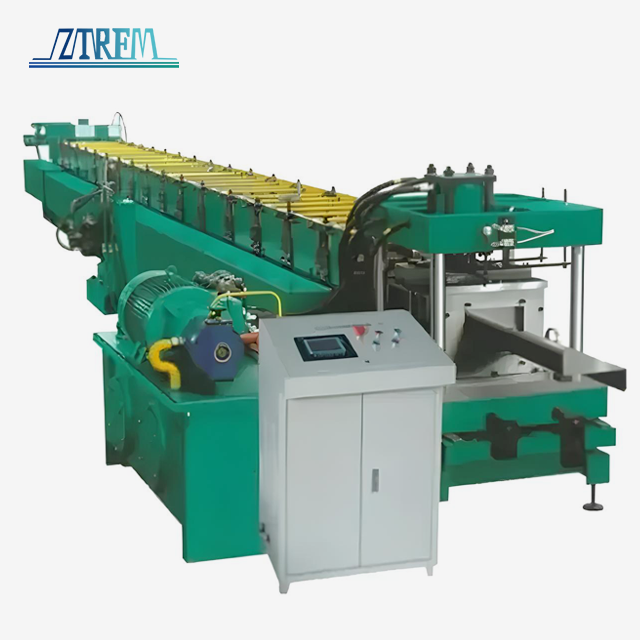
A stud and track roll forming machine transforms flat coils of metal, generally stainless steel, into C-shaped studs and tracks. These profiles make up light-gauge steel frame (LGSF) systems used in industrial structures, modular dwellings, and inner walls. To measure accurately without heat for welding or cutting, the machine cold-forms steel through many roller stations. Automated production ensures constant consistency, producing profiles with tolerances of ±0.5mm. This makes it crucial for fast, uniform, and material-efficient modern building projects.
Introduction to Stud and Track Roll Forming Machines
Modern buildings must be efficient without sacrificing quality. Steel framing has supplanted wood constructions in corporate and residential projects. Steel resists fire, holds its form, and is faster to build. This transition is driven by stud and track roll forming machine technology, which creates standard frame pieces.
Core Components of Roll Forming Equipment
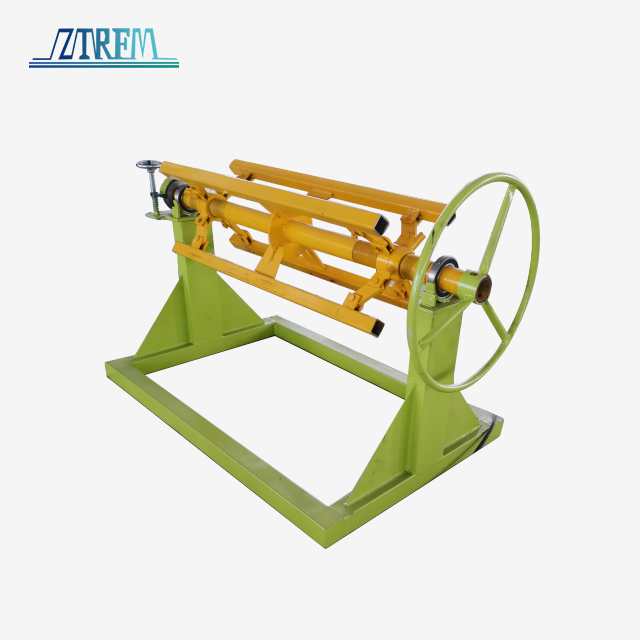
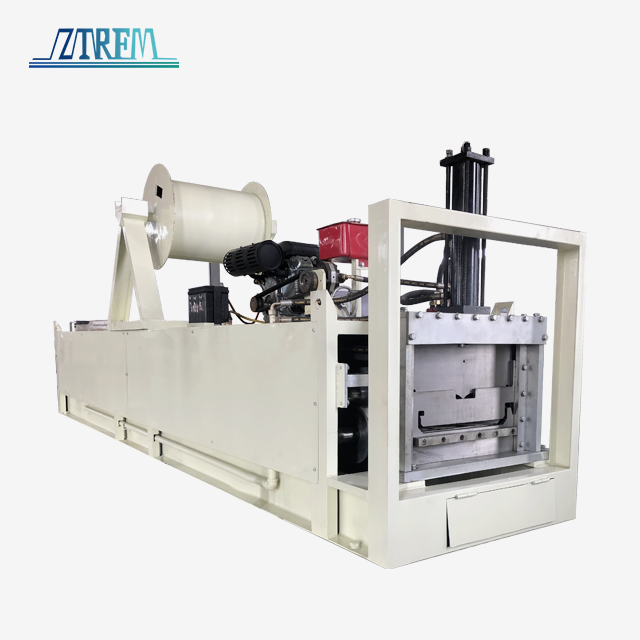
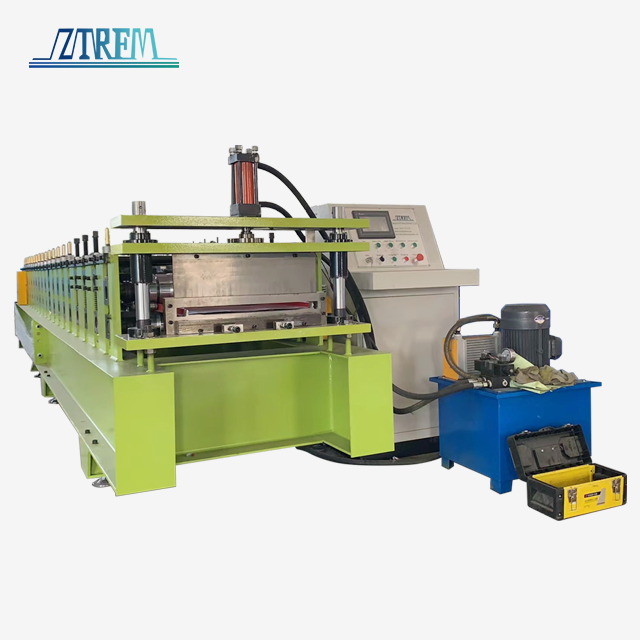
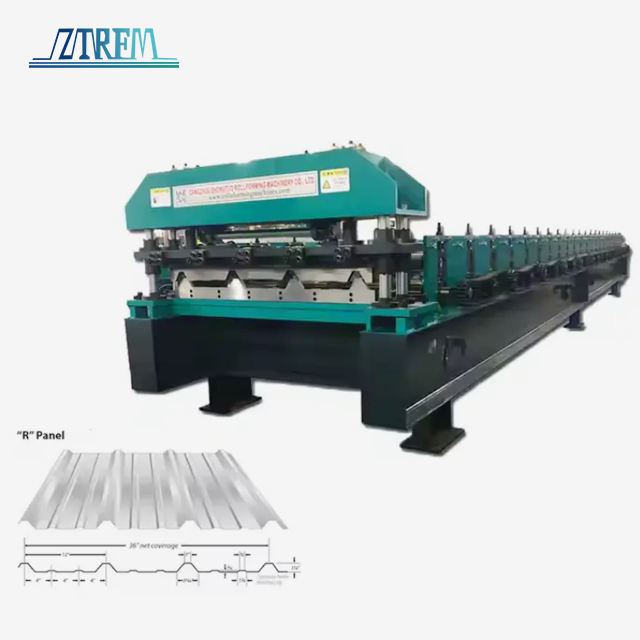
Knowing how a stud and track roll forming machine is assembled helps buyers assess its quality and competence. Several interconnected sections make up the system. Decoilers support and unwind 2.5 tons of steel coils, feeding material into the leveling station. Flat material can enter the manufacturing section after a seven-axis leveling mechanism removes coil memory and surface tension. The production station features 12–13 heat-treated 45# high-grade steel roller supports. Each stand bends the material more toward the final profile. Hydraulic punching stations manufacture pipe and electrical tube utility holes precisely. PLC management ensures speed, length measurement, and cutting occur simultaneously. A hydraulic shearing tool with CR12 steel blades cuts final profiles to predetermined lengths with ±1mm precision. The run-out table holds finished items for packing and shipping.
Differentiating Machine Types
Stud and track roll forming machines have varying automation levels to fit production demands and budgets. Manual machines are useful for job shops that manufacture many bespoke lengths since operators set and start cuts. Semi-automatic systems measure length and cut materials automatically using PLC controls, although decoiler and material fitting may be done manually. CAD/CAM software in fully automatic lines lets workers enter building drawings and have the machine punch service holes, calculate lengths, and utilize the least amount of material. For firms that create many standard profiles, high-speed versions may reach 15–20 meters per minute. Which arrangement you pick depends on how much you want to make, how much effort it costs, and how intricate your order is.
Industry Applications and Importance
Different types of buildings employ light-gauge steel frames, each with its specific demands. Tall partition walls in commercial office buildings employ 16-gauge studs for structural integrity and soundproofing. Cost and convenience of construction are prioritized in residential modular housing's 20–22 gauge walls that don't support weight. Data centers and cleanrooms need perfect web punching profiles for wire management and HVAC integration. Ceiling support systems employ furring and hat channels built on comparable stud and track roll forming machines. Knowing these differences between applications helps customers pick tools with the correct thickness, punching strength, and production speeds for their markets.

How a Stud and Track Roll Forming Machine Works?
A properly organized set of mechanical operations from flat coil to completed form improves product quality.
The Roll Forming Process Explained
Flat strips enter the stud and track roll forming machine from the decoiler. Servo motors maintain tension, preventing material bend or stretch during processing. Leveling rollers bend the strip alternately. This relieves coil winding tension. After moving ahead, the two wheels slowly bend the material in the forming region. The initial station may spin 10 degrees either way. The curve angles steepen at each stop, from 20 degrees to 35 degrees to 60 degrees, until the profile is C- or U-shaped. Slow growth preserves surface polish and material integrity. Each roller station is properly aligned; 0.2 mm can generate wavy edges or dimension shifts. Work and material movement are ideal at 8–10 meters per minute forming speed. This stops thin gauges from buckling or rollers from wearing down rapidly.
Material Selection and Its Impact
Choose between hot-rolled steel and coated steel to adjust stud and track roll forming machine setup and product performance. Galvanized steel, coated with zinc to prevent rust, is standard for industrial framework exposed to water or the outdoors. The roller pressure must be carefully controlled from G60 to G90 to protect the zinc coating during rolling. Hot-rolled steel is suitable for heavy-duty structures due to its yield strength. Material thickness requires varying roller gap settings and producing force from 22 gauge (0.8mm) to 16 gauge (1.6mm). Bend progressions must be gradual and feed rates slower to prevent springback in thicker materials. Knowing these factors about the material helps customers pick machines with enough motor power and roller spacing to handle a variety of thicknesses without compromising profile accuracy.
Technical Specifications That Matter
Production speed affects worker wages and order volume. In an eight-hour shift, 8- to 10-meter-per-minute stud and track roll forming machines frame 480 to 600 linear meters of walls after reducing trash and switching. About 80 square meters of wall framing daily. 0.3mm to 1.2mm thickness capacity makes machines versatile for home (lighter gauges) and industrial (heavier gauges) sectors. When satisfying a wide range of consumers, profile width adaptability is key. Equipment that handles 3–6-inch widths can work on standard residential studs (3.625 inches) and deeper business studs (6 inches). Flange depth (1.25, 1.625, or 2 inches) affects stud stiffness and screw capacity. With ±0.5mm dimension precision, studs fit perfectly into tracks during assembly, saving installers time and money on returns. The highest yield strength, 80ksi at 16 gauge for excellent machines, allows it to operate with high-strength steel grades that fulfill structural engineering regulations for taller walls and seismic zones.

Benefits and Advantages of Using Stud and Track Roll Forming Machines
Stud and track roll forming machine technology cuts expenses and gives your firm an edge.
Operational Efficiency Gains
Stud and track roll forming utilizes material better than pressing or press brake processes. 15–25% of stamping material is wasted as junk between components. Roll forming continuously from a coil limits waste to the leading and following ends and best cut lengths, with less than 5% loss common. This efficiency reduces raw material costs, the most expensive portion of steel frame production. Labor production increases greatly when one operator oversees an automated line that does goods that three people would accomplish by hand. Integrated punching and cutting occur in line, thus there is no time to handle between processes. Less touching reduces product damage and workplace accidents. This approach utilizes less energy per linear meter than press methods, which need a lot of power for each motion. The combined impact produces a 30–40% cheaper cost per completed meter than other methods.
Maintenance and Reliability Considerations
Modern stud and track roll forming machines with high-quality parts last for years with appropriate maintenance. Heat-treated forming rollers don't wear very readily, thus shape measurements remain constant over millions of linear meters. Chain drive systems need to be oiled and tensioned regularly, but they don't have gearbox gear failure points. The manufacturer recommends changing clean oil and filters every 2,000 hours for hydraulic pumps, cylinders, and valves. PLC control systems seldom break down, but they need backup plans to minimize downtime if they need to be replaced. Roller misalignment due to loose mounting nuts may be rectified by examining the machine monthly, and dull cutting blades can be rotated or replaced every 50,000 to 100,000 cuts, depending on material hardness. Preventative maintenance and stocking essential worn parts reduces unnecessary downtime, protecting job promises and customer relationships.
Environmental and Sustainability Benefits
Steel can be recycled, making stud and track roll forming machine and the overall stud and track roll forming eco-friendly. Trim end scrap is remelted in steel mills in closed-loop material processes. Cold-forming utilizes less energy than hot-rolling or extrusion, which heats the material. Powder-coated or pre-painted steel tubes reduce VOC emissions and harmful waste by eliminating on-site painting. Light-gauge steel framing minimizes building weight, foundations, and transportation fuel, making it ecologically beneficial. A steel frame doesn't house mold or termites, extends building service life, and its dimensional consistency reduces installation returns and waste. Sustainable companies use stud and track roll forming machines to acquire LEED certifications. This attracts environmentally conscious clients and construction owners who prefer sustainable materials.

Choosing the Right Stud and Track Roll Forming Machine for Your Business
Technical, financial, and supplier aspects must be considered when choosing stud and track roll forming machine technology for your business and growth goals.
Assessing Your Production Requirements
Look at your purchase habits and predicted volume first. Custom home work shops that change lengths often might benefit from semi-automatic stud and track roll forming machines that are easy to set and swap quickly. For less than 200,000 square meters a year, $35,000 to $65,000 equipment with manual decoilers and simple PLC controllers is sufficient. Prefabrication enterprises that build commercial or tract homes require additional technology to swiftly process identical orders. Annual quantities above 500,000 square meters require fully automatic lines with CAD integration, punching pattern programming, and high-speed features. These lines cost $80,000–$150,000, depending on customization. Consider your items. A machine that just creates standard home profiles will be easiest to operate and have the highest uptime. Quick-change tools for varied sizes and flange lengths are needed to service several commercial clients. This complicates things but expands your market. Find the number when technology saves more labor and materials than equipment costs.
Evaluating Supplier Credentials and Support
Supplier evaluation is crucial for long-term performance since stud and track roll forming machine quality varies by company. An ISO 9001 certification implies that your quality management system and process regulations are documented. Products with the CE certification satisfy European safety requirements. US customers like this because it indicates thorough engineering. Request samples from customers in comparable sectors and production levels. Current users can tell you how well the product performs in the real world, how dependable it is, and how quickly assistance responds. Examine technological support infrastructure. Does the provider have US-based service professionals or merely international internet support? How long do technical questions or part issues normally take to resolve? Read the warranty carefully. Full one-year guarantees on main parts demonstrate that the manufacturer believes the equipment to last. Inquire about where to get replacement parts and their prices. Certain manufacturers charge more for proprietary parts, which might boost your long-term expenditures. Quality training is crucial; a comprehensive on-site setup with operator and maintenance training speeds up operation and reduces costly trial-and-error learning.
Understanding Market Options and Pricing
US manufacturers, European brands, and emerging Chinese suppliers provide stud and track roll forming machines with different value propositions. Cangzhou Zhongtuo highlights how Chinese manufacturers are improving their low-cost, high-quality offerings. We employ Panasonic PLCs and Taiwan hydraulic systems to make our machines as reliable as more expensive ones. These machines range from $40,000 for basic manual units to $120,000 for fully automated lines with many capabilities. Growing enterprises can finance automation through equipment leasing companies or manufacturer payment programs. When comparing estimates, normalize the specs: roller material quality, control system names, included equipment, delivery and installation expenses. Initial discounts might mask the cost of "optional" elements that are essential. To compare prices, get bids for the machine, tools, shipment, installation, and training. Instead of merely considering the purchase price, consider the five-year total cost of ownership, including maintenance parts, energy utilization, and output efficiency.

Conclusion
A stud and track roll forming machine is an expensive investment that will affect your production, pricing, and customer satisfaction for years. Understanding the technology, operational concepts, and strategic considerations here can help you buy well. Modern roll forming equipment uses materials effectively, works swiftly, and ensures product quality. You must ensure that your equipment fulfills your output demands, thoroughly examine your suppliers, and develop long-term operational excellence connections. Companies that prepare, determine their needs, honestly compare their choices, and prioritize overall value above initial price always succeed.
FAQ
1. What materials can these machines process?
These stud and track roll forming machines deal with various steels and finishes. Zinc-coated galvanized steel is utilized in industrial and domestic framing because it doesn't corrode. Hot-rolled steel is strongest for structural usage. Pre-painted or powder-coated steel doesn't need finishing. Material thickness ranges from 0.3mm (26 gauge) to 1.2mm (16 gauge). Heavy gauges require stronger roller stands and shaping tools.
2. How often does the equipment require maintenance?
Visual inspection and lubrication of drive chains occur every day. Electrical connections, hydraulic oil levels, and roller position must be checked monthly. Change the hydraulic oil and examine the rollers every 2,000 hours. Changing or rotating cutting blades every 50,000 to 100,000 cuts depends on material hardness. Following the manufacturer's repair plans should provide 95% uptime.
3. Can machines produce custom profile dimensions?
Adjusting the roller gap takes 30–60 minutes on standard machines to handle different flange thicknesses and widths. Changes in profile form from C-channel to hat channel need roller replacement. This normally takes 4–6 hours. Depending on complexity, bespoke roller designs take two to three weeks and cost $3,000 to $8,000. Companies often create simple accounts to avoid specialized tool costs.
Partner with ZTRFM for Your Steel Framing Production Needs
Cangzhou Zhongtuo (ZTRFM) has designed and manufactured stud and track roll forming machines for the global building industry for over 10 years. Our equipment is the right combination of precision engineering and practical features for frame producers with production issues. We provide profile widths from 3" to 6", material thicknesses from 22 gauge to 16 gauge, and dimensional precision of ±0.5mm to ensure your items satisfy tight-fitting standards. We are ISO 9001, CE, and CAS-certified suppliers of equipment that satisfies worldwide quality and safety requirements. From specification to installation and maintenance, our technical staff provides complete assistance. Contact us at zhongtuorollforming@gmail.com to discuss your production needs and receive a price. We welcome inquiries from suppliers, manufacturers, and end users of stud and track roll forming machines that desire reliable, long-lasting equipment.

References
1. American Iron and Steel Institute. (2018). Cold-Formed Steel Framing Design Guide. Washington, DC: AISI.
2. Halmos, G. T. (2006). Roll Forming Handbook. Boca Raton: CRC Press.
3. Yu, W. W., & LaBoube, R. A. (2010). Cold-Formed Steel Design (4th ed.). Hoboken: John Wiley & Sons.
4. Steel Framing Industry Association. (2020). Technical Guide for Cold-Formed Steel Framing Products. Washington, DC: SFIA.
5. Bhattacharyya, D., & Smith, P. D. (2012). Advanced Manufacturing Processes for Steel Profiles. Materials and Design, 33(1), 356-367.
6. National Association of Home Builders. (2019). Steel-Frame Construction: Best Practices for Residential Building. Washington, DC: NAHB BuilderBooks.