- English
- French
- German
- Portuguese
- Spanish
- Russian
- Japanese
- Korean
- Arabic
- Irish
- Greek
- Turkish
- Italian
- Danish
- Romanian
- Indonesian
- Czech
- Afrikaans
- Swedish
- Polish
- Basque
- Catalan
- Esperanto
- Hindi
- Lao
- Albanian
- Amharic
- Armenian
- Azerbaijani
- Belarusian
- Bengali
- Bosnian
- Bulgarian
- Cebuano
- Chichewa
- Corsican
- Croatian
- Dutch
- Estonian
- Filipino
- Finnish
- Frisian
- Galician
- Georgian
- Gujarati
- Haitian
- Hausa
- Hawaiian
- Hebrew
- Hmong
- Hungarian
- Icelandic
- Igbo
- Javanese
- Kannada
- Kazakh
- Khmer
- Kurdish
- Kyrgyz
- Latin
- Latvian
- Lithuanian
- Luxembou..
- Macedonian
- Malagasy
- Malay
- Malayalam
- Maltese
- Maori
- Marathi
- Mongolian
- Burmese
- Nepali
- Norwegian
- Pashto
- Persian
- Punjabi
- Serbian
- Sesotho
- Sinhala
- Slovak
- Slovenian
- Somali
- Samoan
- Scots Gaelic
- Shona
- Sindhi
- Sundanese
- Swahili
- Tajik
- Tamil
- Telugu
- Thai
- Ukrainian
- Urdu
- Uzbek
- Vietnamese
- Welsh
- Xhosa
- Yiddish
- Yoruba
- Zulu
AG Panel Roll Forming Machine vs Corrugated Machine: Which Better?
When choosing between an AG panel roll forming machine AG panel roll forming machine and a corrugated machine, understanding your production priorities makes all the difference. AG panel forming machines excel in creating architectural-grade panels with precise standing seam profiles, offering superior weather resistance and aesthetic appeal for modern roofing projects. Corrugated machines, conversely, specialize in producing wavy sheets ideal for cost-effective industrial applications. If your focus centers on premium architectural projects requiring long-lasting durability and customization flexibility, AG panel equipment typically delivers better value despite higher initial investment costs.
Understanding the Core Differences Between AG Panel and Corrugated Forming Systems
These two metal forming technologies serve distinct market segments, though both utilize cold roll forming principles to shape steel coil into finished products.
Three core distinctions define these machines:
- Profile complexity - AG panel systems create standing seam connections with concealed fasteners, while corrugated machines produce simpler wave patterns with exposed fastening systems.
- Material handling precision - AG panel equipment requires tighter tolerances (±0.3mm typical) compared to corrugated systems (±0.8mm acceptable), directly impacting automation requirements and quality control.
- Production speed versus customization - Corrugated lines often run at 15-25 meters per minute for standardized profiles, whereas AG panel machines operate at 8-18 meters per minute but accommodate diverse panel widths and seam heights.
Testing data from manufacturing facilities shows AG panel systems maintain consistent forming accuracy across 200+ continuous hours of operation, with scrap rates below 2% when properly calibrated. Corrugated machines achieve similar uptime but with slightly higher material waste (3-4%) due to faster processing speeds. If your production demands architectural-grade finishes for commercial buildings, AG panel technology better serves those requirements. Manufacturers focused on agricultural structures or temporary installations may find corrugated systems more economically sensible.
Technical Specifications: How These Machines Actually Differ
Roll station configuration
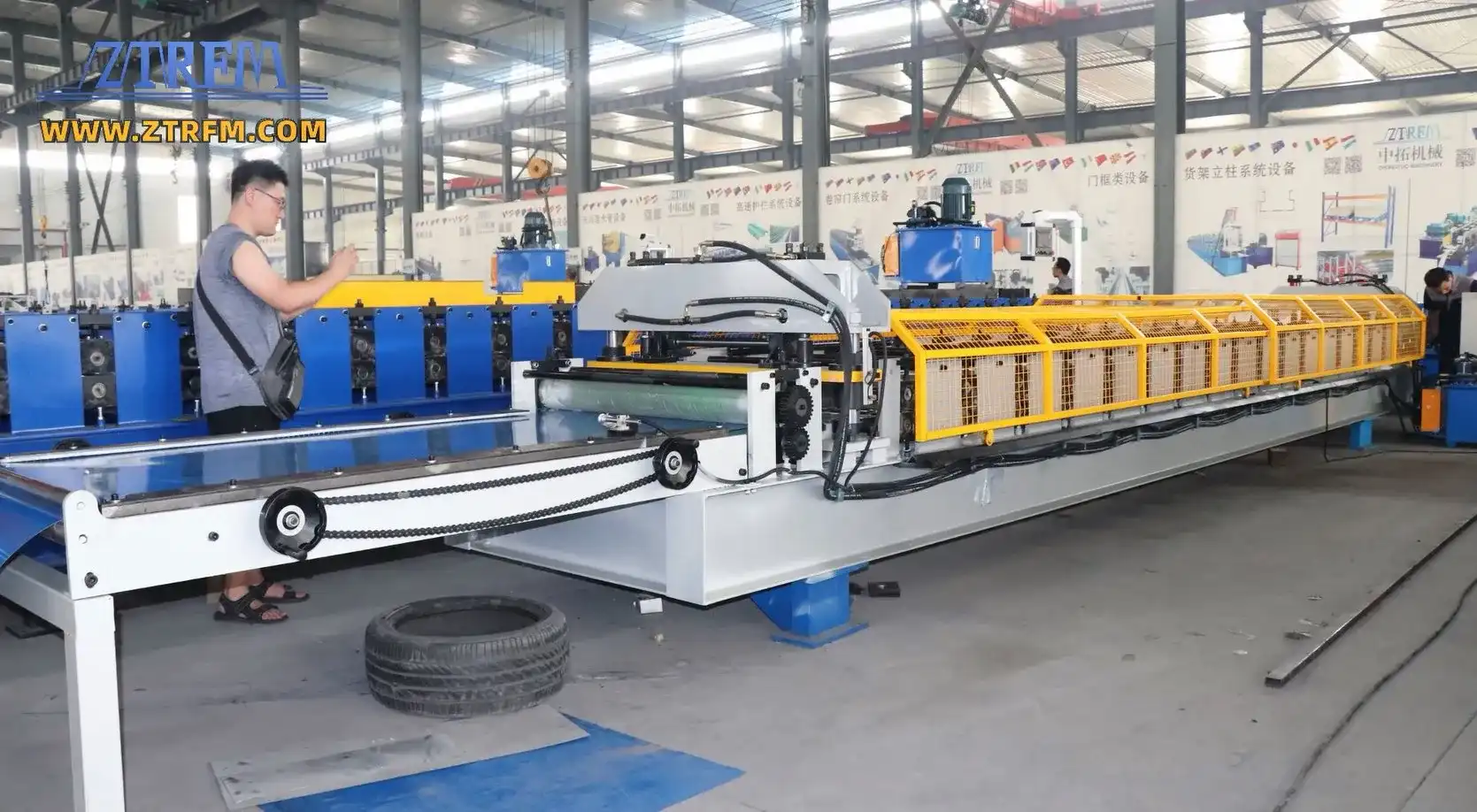
AG panel machines typically employ 18-24 forming stations to gradually shape the standing seam profile without stressing the metal. Corrugated systems achieve their simpler wave pattern using 10-14 stations, reducing equipment footprint and mechanical complexity.
Tooling and changeover
Modern AG panel equipment from manufacturers like ZTRFM incorporates automatic changeover systems, enabling profile adjustments in 15-20 minutes. Corrugated machines require manual roll changes, taking 30-45 minutes, though the simpler tooling costs 40% less to replace.
Power requirements
AG panel systems demand 25-35 kW for the main AG panel forming machine drive motors, handling the precise forming process. Corrugated machines operate efficiently with 18-25 kW motors, translating to lower operational energy costs over time.
Material compatibility
Both systems process galvanized steel, aluminum, and pre-painted coils. AG panel machines handle 0.4-0.8mm thickness ranges with exceptional surface finish preservation. Corrugated equipment accommodates wider thickness variations (0.3-1.2mm) but may leave minor tooling marks on softer materials. Real-world measurements from production environments indicate AG panel machines maintain panel flatness within 2mm across 6-meter lengths. Corrugated sheets typically show 4-6mm variance, acceptable for their intended applications but unsuitable for architectural projects. If rapid changeover between multiple profiles drives your business model, AG panel technology with automated adjustment capabilities significantly reduces downtime. Operations running high-volume single-profile production benefit more from corrugated systems' straightforward design.
Production Efficiency and Output Quality Comparison
Speed versus precision trade-offs
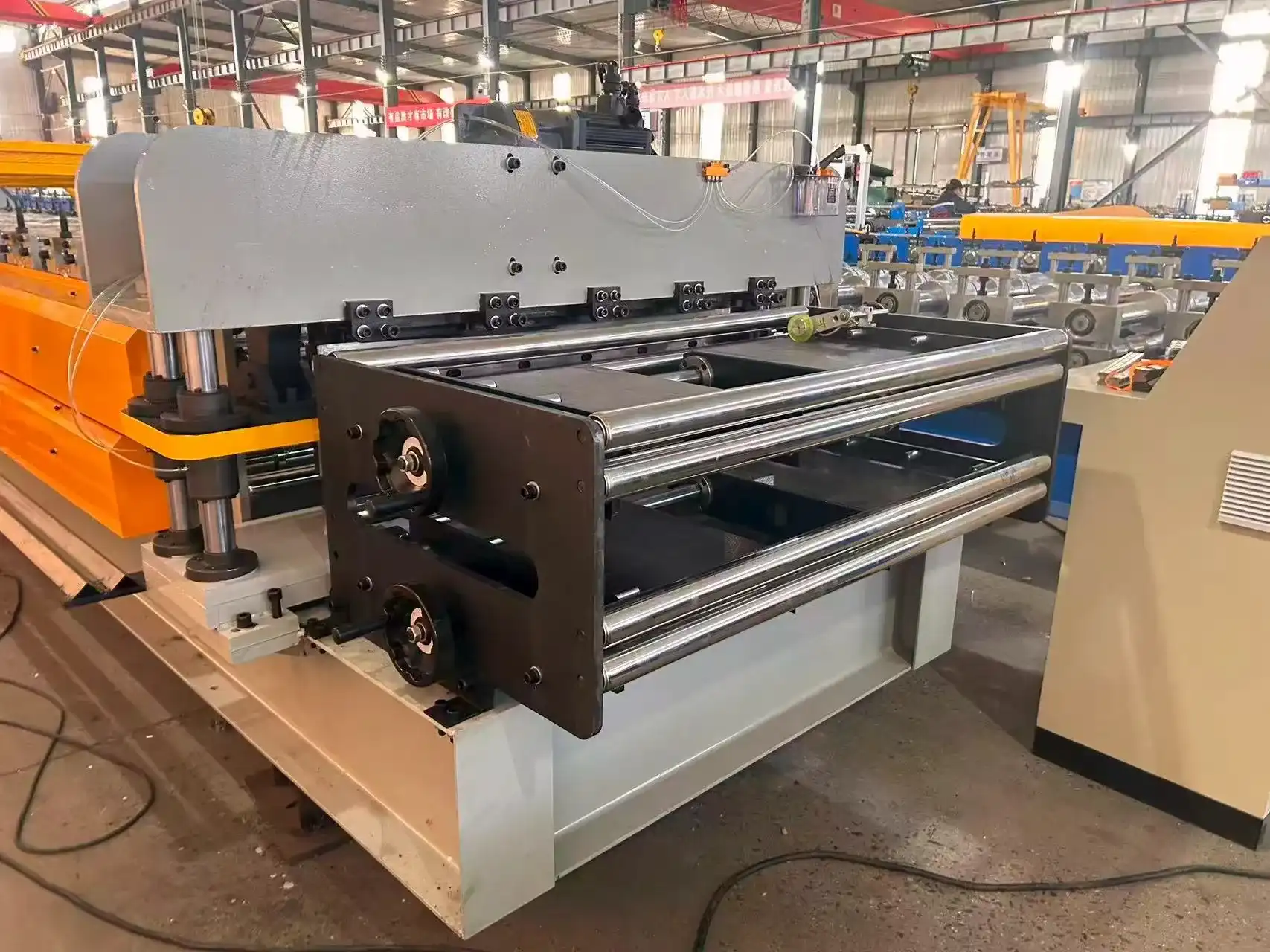
Corrugated machines achieve higher linear production rates, potentially outputting 120-150 meters per hour. AG panel equipment produces 80-110 meters hourly, but with tighter quality control and fewer rejected pieces.
Quality metrics that matter:
- Surface finish consistency: AG systems preserve coating integrity 98% of the time; corrugated equipment achieves 92-94%
- Dimensional accuracy: AG panels maintain ±0.5mm width tolerance; corrugated sheets vary ±1.2mm
- Edge straightness: AG panels show 1.5mm maximum bow over 6 meters; corrugated sheets typically exhibit 3-4mm
Labor requirements
Modern AG panel lines with integrated coil feeders and servo cutting systems operate effectively with one skilled technician per shift. Corrugated production often requires two operators—one monitoring forming, another managing cutting and stacking.
Maintenance intervals
AG panel machines need precision alignment checks every 500 production hours to maintain tight tolerances. Corrugated systems run 800-1000 hours between major maintenance cycles due to simpler mechanical demands. Data from multi-year operations show AG panel equipment maintains consistent output quality across 5+ years with proper maintenance schedules. Corrugated machines demonstrate similar longevity but may require more frequent roller resurfacing in high-volume environments. If your customer base values premium appearance and long-term weather sealing, the quality advantages of AG panel production justify slower speeds. Cost-sensitive markets prioritizing quick installation over aesthetics favor corrugated products' efficiency.
Investment Analysis: Initial Costs and Long-Term Returns
Financial considerations often determine which technology makes practical sense for your business.
Capital expenditure breakdown
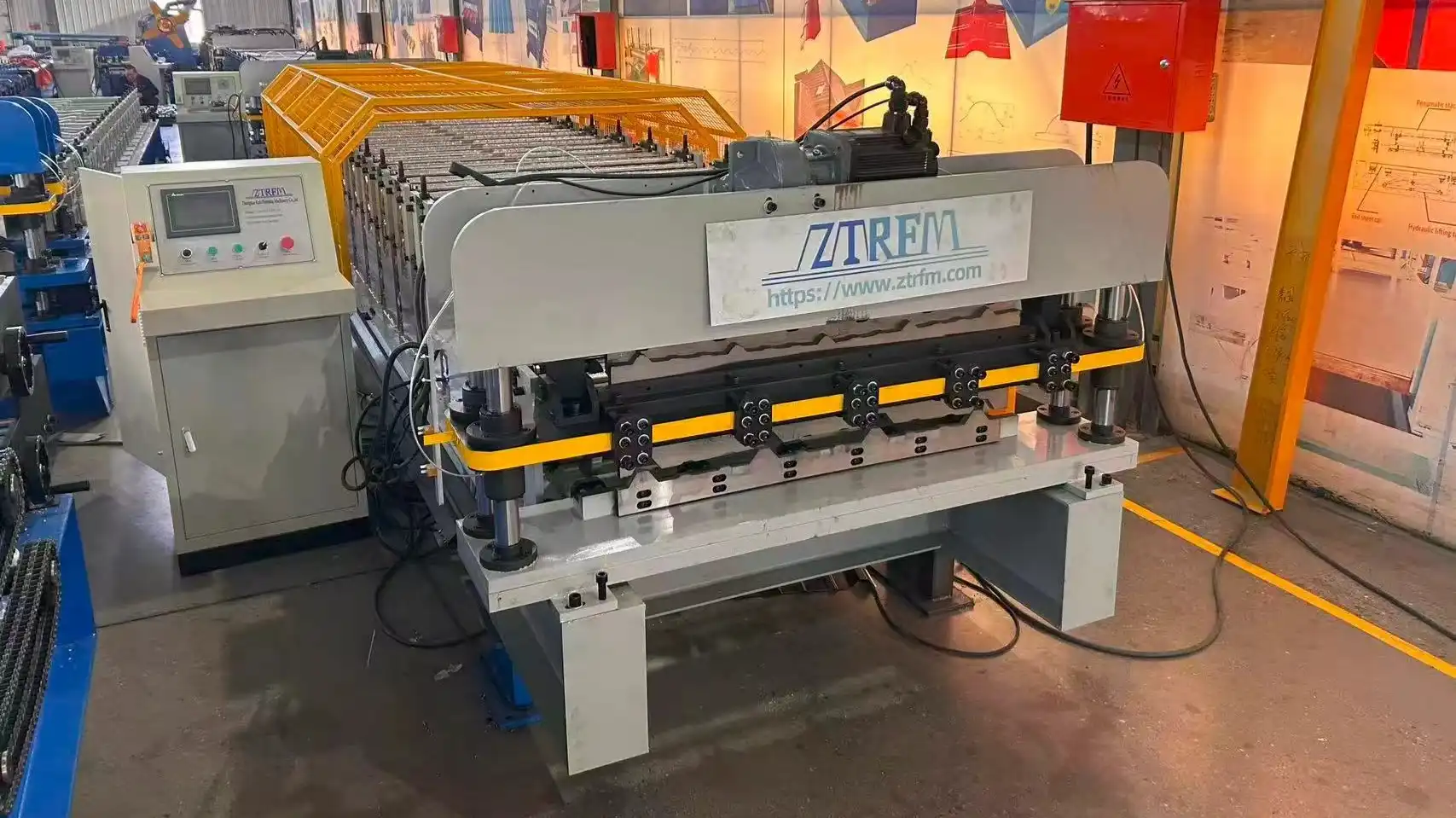
Entry-level corrugated machines start around $35,000-$55,000 for basic manual systems. Comparable AG panel equipment begins at $65,000-$95,000, reflecting the precision engineering required for standing seam profiles. Fully automated production lines shift these figures substantially. Complete corrugated systems with automatic stacking reach $120,000-$180,000. Advanced AG panel lines with integrated punching and seamless changeover capabilities range from $180,000-$280,000.
Operating cost considerations:
-
Energy consumption: Corrugated systems use 15-20% less power during operation
- Tooling replacement: Corrugated rolls cost $3,000-$5,000 per set; AG panel tooling runs $8,000-$12,000
- Maintenance labor: AG systems require technicians with AG panel forming machine higher skill levels, potentially increasing service costs by 25-30%
Revenue potential
AG panels command 40-60% higher selling prices in architectural markets due to superior aesthetics and performance. A manufacturer producing 500,000 linear meters annually generates $180,000-$240,000 additional revenue by choosing AG technology over corrugated products.
Based on typical production volumes:
- Corrugated equipment: 18-24 months payback targeting industrial/agricultural markets
- AG panel systems: 24-36 months payback serving commercial/residential roofing sectors
If immediate cash flow concerns limit your investment capacity, corrugated machines offer faster market entry. Businesses positioned to serve premium construction segments realize better long-term profitability with AG panel technology despite extended payback timelines.
Application Suitability: Matching Machine Type to Your Market
Different end-use applications clearly favor one technology over the other.
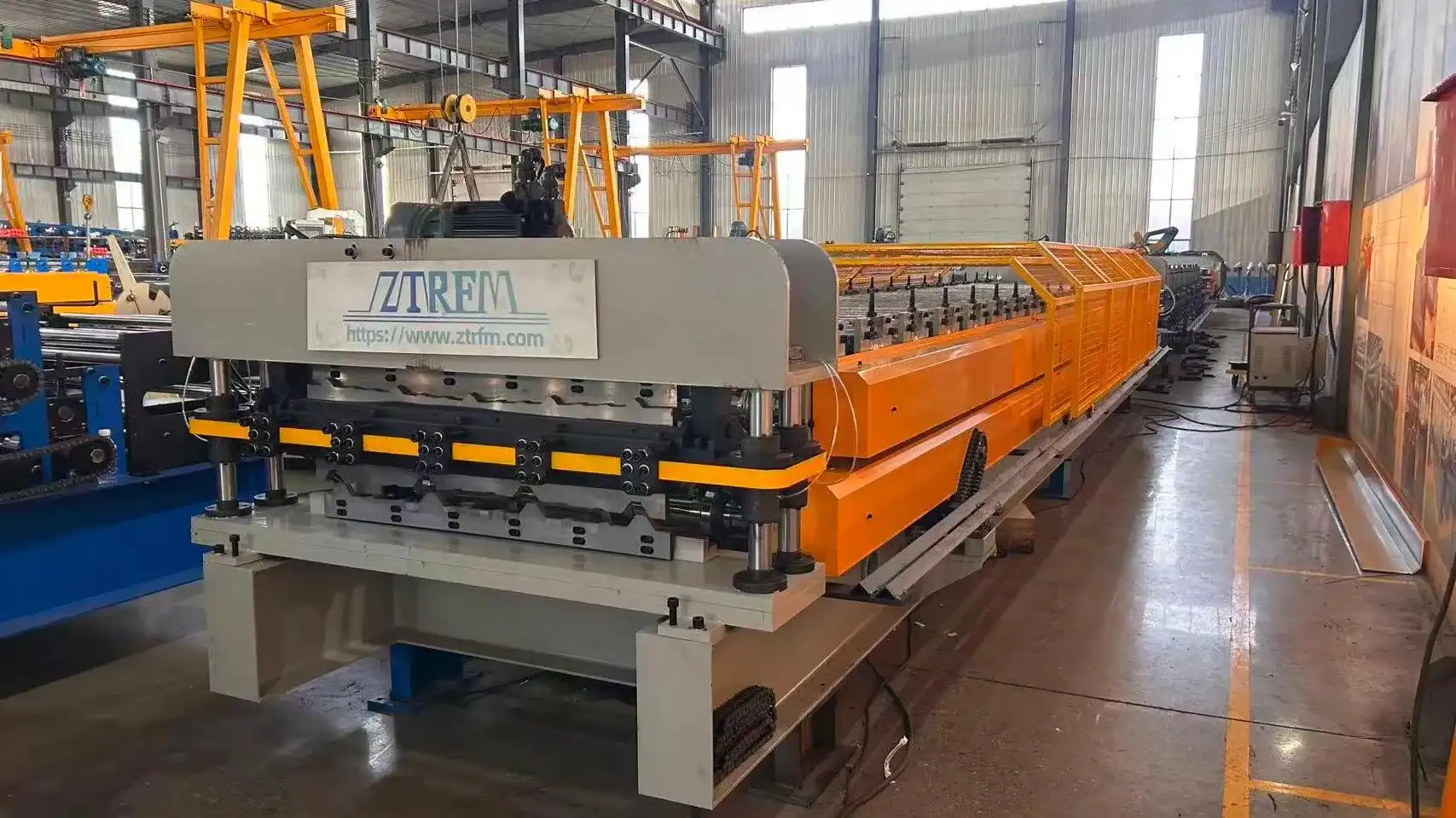
Ideal applications for AG panel systems:
- Commercial roofing projects requiring 20-30 year warranties
- Architectural facades where concealed fasteners create clean aesthetics
- Residential metal roofing in premium market segments
- Structures demanding superior water infiltration resistance
Best uses for corrugated machines:
- Agricultural buildings prioritize cost efficiency over appearance
- Industrial warehousing with functional rather than aesthetic requirements
- Temporary structures and portable shelters
- Regions with budget-conscious construction markets
Geographic and climate factors
Testing in coastal environments shows AG panel standing seams significantly AG panel roll forming machine outperform corrugated sheets in salt-air corrosion resistance. The concealed fastener design prevents water pooling that accelerates deterioration in exposed-screw corrugated installations. Regions experiencing extreme temperature fluctuations benefit from AG panels' thermal expansion accommodation through floating clip systems. Corrugated sheets with rigid fastening may develop stress cracks after repeated expansion-contraction cycles.
Market positioning advantages
Manufacturers offering AG panel products differentiate themselves in competitive markets where numerous suppliers provide standard corrugated options. The specialized capability attracts architects and building owners willing to pay premium prices for enhanced performance. If your business strategy targets high-value construction projects with specification requirements, AG panel manufacturing capabilities open doors that corrugated production cannot access. Companies serving price-driven industrial markets maximize returns with corrugated equipment's lower costs and higher throughput.
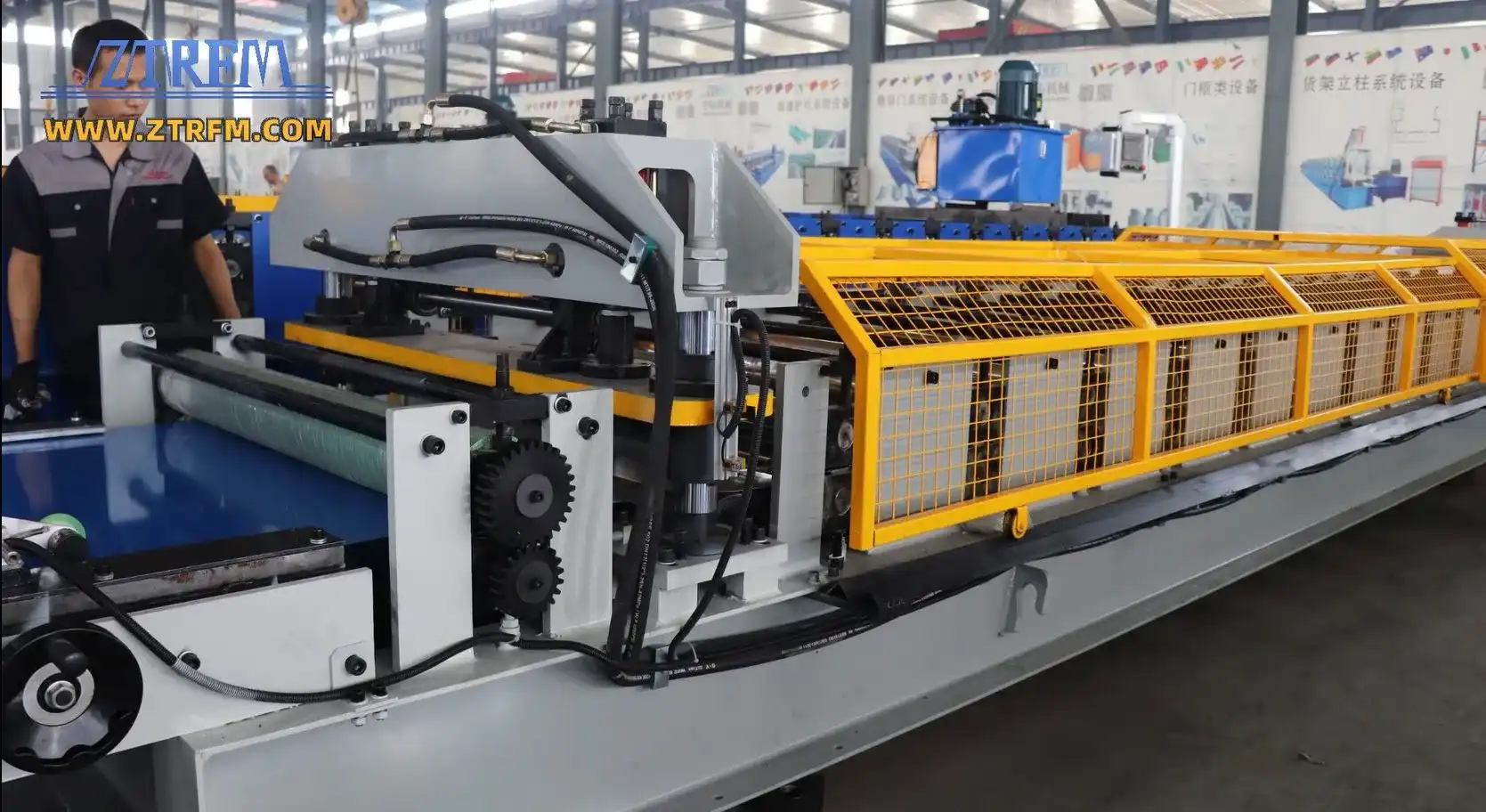
Why ZTRFM's AG Panel Roll Forming Machine Stands Out
Selecting the right equipment manufacturer proves as critical as choosing the technology itself. ZTRFM combines engineering excellence with practical support systems that keep production running smoothly.
Technical advantages built into ZTRFM systems:
- Precision roll tooling manufactured with CNC grinding - Maintains forming accuracy within 0.2mm tolerances across 100,000+ meters of production before requiring adjustment
- Servo-driven cutting systems - Eliminates length variations, reducing material waste by 30-40% compared to hydraulic cutters in competitive equipment
- Automated profile changeover technology - Switches between different AG panel configurations in under 15 minutes, maximizing production flexibility
- Integrated quality monitoring - Real-time sensors detect forming deviations and trigger automatic adjustments before defective panels reach the cutting station
- Heavy-duty frame construction - Welded steel base provides vibration-free operation essential for maintaining tight tolerances during high-speed forming
- User-friendly PLC control interface - Simplifies operation for technicians while storing unlimited profile recipes for instant production changeover
- Comprehensive safety systems - Emergency stops, safety guards, and interlock mechanisms exceed international standards, protecting operators throughout the production process
- Energy-efficient drive systems - Variable frequency drives reduce power consumption by 18-22% compared to fixed-speed motors in older equipment designs
- Global component sourcing - Critical components from ISO-certified suppliers ensure consistent reliability across all machine systems
- Modular design philosophy - Allows capacity upgrades and feature additions without replacing entire production lines as your business grows
Support infrastructure that protects your investment
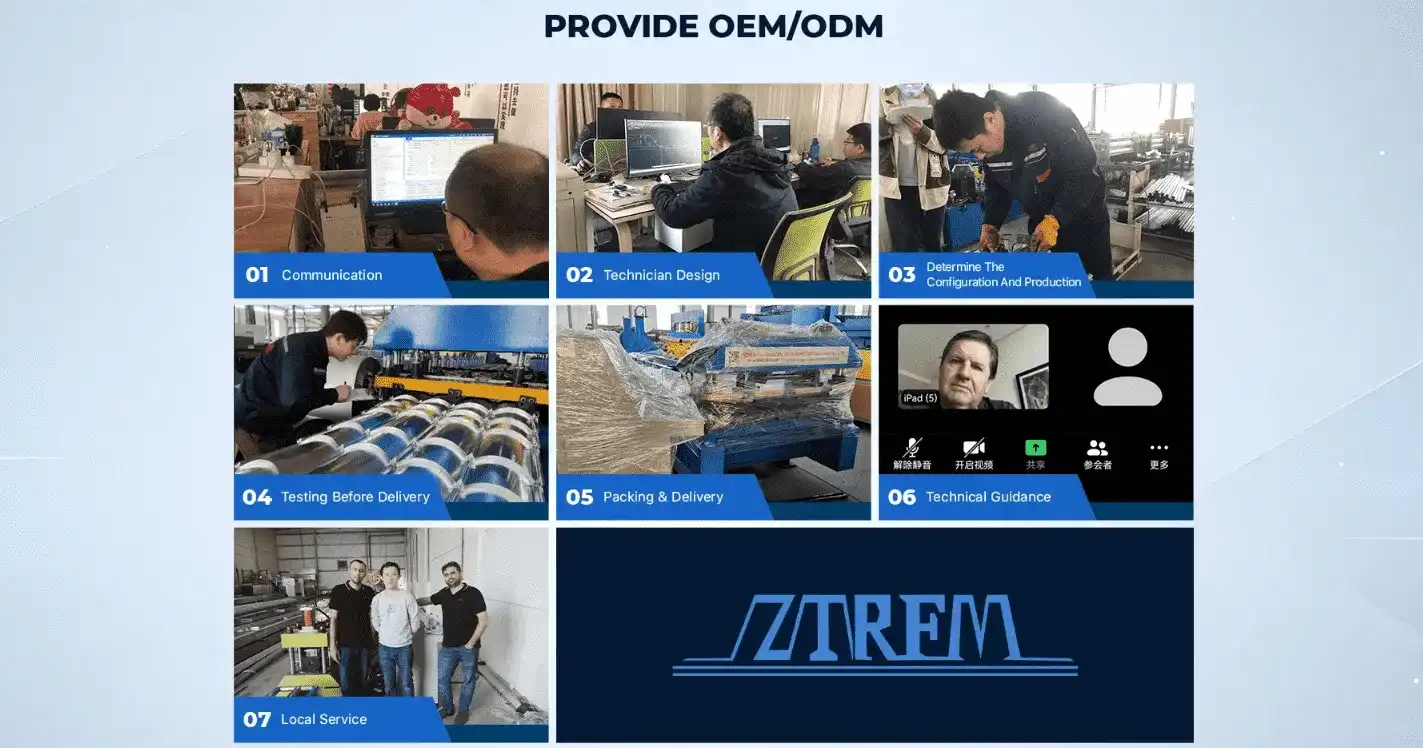
ZTRFM's certification portfolio (ISO9001, CE, CAS) demonstrates a commitment to manufacturing standards that ensure equipment performs as specified. With delivery experience spanning 150+ countries, the company understands diverse operational environments and regulatory requirements. Comprehensive training programs equip your team with skills to maximize equipment capabilities. Technical documentation in multiple languages removes communication barriers that complicate troubleshooting and maintenance.
Conclusion
The choice between AG panel and corrugated forming technology ultimately reflects your market positioning and customer expectations. AG panel systems deliver premium quality, architectural aesthetics, and long-term durability that command higher prices in commercial construction markets. Corrugated machines offer cost-effective production for industrial applications where speed and economy outweigh appearance considerations. Evaluate your customer base, production volumes, and quality requirements carefully before committing capital. Both technologies have earned their place in metal forming manufacturing—the key lies in matching equipment capabilities to your specific business strategy and growth objectives.
Partner with ZTRFM for Superior AG Panel Roll Forming Solutions
Choosing the right AG panel roll forming machine supplier AG panel roll forming machine determines whether your investment delivers expected returns or becomes a source of ongoing frustration. ZTRFM has manufactured precision metal forming equipment since 2014, accumulating real-world expertise that translates into reliable production systems. Our engineering team designs machines matching your specific production requirements, whether you need standard profiles or custom configurations for unique architectural applications. Reach out to zhongtuorollforming@gmail.com to discuss how our AG panel roll forming machine capabilities can elevate your manufacturing operations and open new market opportunities.
References
1. Thompson, R. (2021). Cold Roll Forming Technology: Modern Applications in Metal Panel Manufacturing. Industrial Press Publishing.
2. Martinez, L. & Chen, W. (2020). "Comparative Analysis of Standing Seam versus Corrugated Metal Roofing Systems." Journal of Architectural Metal Systems, 34(2), 145-162.
3. European Committee for Standardization (2022). Metal Forming Equipment: Performance Standards and Quality Metrics. CEN Technical Report 187.
4. Blackwell, S. (2019). Investment Strategies for Metal Fabrication Equipment: A Practical Guide for Manufacturers. Manufacturing Insights Press.
5. International Association of Roll Forming Professionals (2023). Annual Industry Report: Trends in Architectural Metal Panel Production. IARFP Publications.
6. Kumar, P. & Schmidt, H. (2021). "Precision Requirements and Quality Control in Automated Roll Forming Systems." International Journal of Manufacturing Technology, 58(4), 892-911.
_1750323743240.webp)