- English
- French
- German
- Portuguese
- Spanish
- Russian
- Japanese
- Korean
- Arabic
- Irish
- Greek
- Turkish
- Italian
- Danish
- Romanian
- Indonesian
- Czech
- Afrikaans
- Swedish
- Polish
- Basque
- Catalan
- Esperanto
- Hindi
- Lao
- Albanian
- Amharic
- Armenian
- Azerbaijani
- Belarusian
- Bengali
- Bosnian
- Bulgarian
- Cebuano
- Chichewa
- Corsican
- Croatian
- Dutch
- Estonian
- Filipino
- Finnish
- Frisian
- Galician
- Georgian
- Gujarati
- Haitian
- Hausa
- Hawaiian
- Hebrew
- Hmong
- Hungarian
- Icelandic
- Igbo
- Javanese
- Kannada
- Kazakh
- Khmer
- Kurdish
- Kyrgyz
- Latin
- Latvian
- Lithuanian
- Luxembou..
- Macedonian
- Malagasy
- Malay
- Malayalam
- Maltese
- Maori
- Marathi
- Mongolian
- Burmese
- Nepali
- Norwegian
- Pashto
- Persian
- Punjabi
- Serbian
- Sesotho
- Sinhala
- Slovak
- Slovenian
- Somali
- Samoan
- Scots Gaelic
- Shona
- Sindhi
- Sundanese
- Swahili
- Tajik
- Tamil
- Telugu
- Thai
- Ukrainian
- Urdu
- Uzbek
- Vietnamese
- Welsh
- Xhosa
- Yiddish
- Yoruba
- Zulu
Roofing Sheet Making Machine Cost Breakdown for New Buyers
Understanding the full financial picture is more important than just the sticker price when you're thinking about buying a R101 Roofing Sheet Making Machine. This trapezoidal profile roll forming is made for making a lot of roofs, and it usually R101 Roofing Sheet Making Machine comes with up-front equipment costs, tooling costs, installation fees, and ongoing operating costs. Many owners don't think about things like how much energy something uses, how often it needs to be maintained, and how much it costs to train new employees. A detailed analysis shows that the total cost of ownership can include the original investment plus operating costs for three to five years. This means that careful planning is needed to get the best return on investment.
Understanding the Total Cost of Ownership for Roofing Sheet Making Machines
Industrial roll forming tools like the R101 Roofing Sheet Making Machine cost a lot of money in more than one way, starting with the initial buy. Buyers who only look at the price of the machine often find that their budgets are stretched in ways they didn't expect during the first year of use. Putting these costs into clear groups helps purchasing managers correctly predict costs and make sure that investments are in line with long-term output goals.
Initial Purchase Price and Equipment Configuration
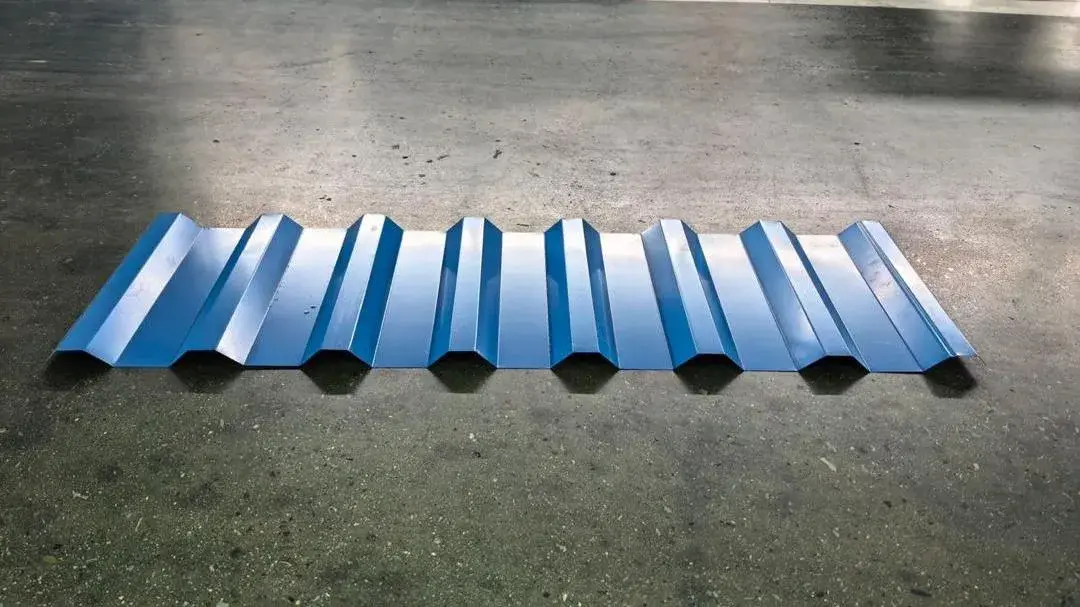
The basic cost of a trapezoidal roofing sheet roll former relies on the design you choose and the technical details. There are 18 making stations, a 5.5 kW main motor, and a 4 kW hydraulic unit in our R101 model, which is made to make the common 1,250 mm effective width shape. The strong 16 mm wall-plate H-beam frame keeps the machine stable even when it's moving at 15 meters per minute. The entry-level price is affected by whether the decoiler is manual or automatic and can handle 5-ton coils. The 5.7-inch touchscreen and Delta PLC control system make it easy to use, and the hydraulic shears system keeps the cutting accurate to within ±2 mm. With these features, the equipment is effective for companies that make things for industrial pre-engineered buildings, farming infrastructure, and residential housing all over North America. The machine's small size (6,200 x 850 x 1,500 mm) and light weight (3.5 tons) make it easier to integrate into the plant floor. For power needs, a normal 380V/50Hz/3-phase supply is needed. However, it is possible to make the supply fit different area standards. When looking at quotes, make sure that the price includes basic machining sets, roller materials (which are usually high-grade steel that has been chrome-plated), and the first sets of blades for the hydraulic cutting system.
Installation, Commissioning, and Training Expenses
Professional fitting makes sure that the machine works within its design parameters and stops errors from causing it to wear out too quickly. Technicians with a lot of experience level the machines, make sure the uncoiler and forming line work together, set the PLC's settings correctly, and test-run sample sheets to make sure the dimensions are correct. This process usually takes two to four days, but it depends on how ready the building is and how well the power supply is set up. Another important investment that many buyers forget about when they are making their first budget is training. It is important for operators to get hands-on training in how to load coils, change profiles (if needed), adjust hydraulic pressure, and fix common problems like material springback or cutting blade wear. Full training classes cut down on the amount of scrap that happens while people are learning and on the time it takes to make things because of mistakes made by operators. Cangzhou Zhongtuo has delivered in more than 150 countries and offers training tools and online lessons in multiple languages in addition to commissioning on-site. One of the biggest problems for foreign buyers is making sure that technology transfers smoothly, even when there are language barriers and time zone differences. This global after-sales help framework solves that problem.

Technical and Operational Features Influencing the Cost of the R101 Machine
It's easier to see how technical specs and prices are related to the roofing sheet making machine when you know how design choices affect both short-term costs and long-term value. The R101 Roofing Sheet Making Machine engineering is based on decades of experience with roll making in the tough North American building market.
Production Capacity and Throughput Analysis
There is a direct link between line speed and return on investment in high-volume production settings. The R101 can go as fast as 15 meters per minute, which is about 900 meters per hour when it's running all the time. This throughput ability works well for medium- to large-sized roofing companies that have jobs for warehouse complexes, farm buildings, and housing projects. The 18-station forming process makes sure that the material changes slowly, which stops stress cracks that happen in machines that aren't well-designed. This method of progressive forming works with thicknesses ranging from 0.3 mm (about 26 gauge) to 0.8 mm (about 22 gauge) without affecting the quality of the profile. If the buyer only works with thin materials, they might want to consider fewer stations. On the other hand, buyers who work with high-tensile G550 steel will benefit from the extra manufacturing steps. The strong 70 mm diameter shaft system can handle the power needs of thicker materials and keep the rollers in place during long production runs. This strong construction lowers wear caused by vibrations and helps the machine's reputation for consistent dimensions over millions of square meters.
Material Versatility and Coating Protection
One of the best things about the machine is that it is very gentle with protective coats. Agricultural clients really like this feature because heavy zinc or aluminum-zinc alloy coats are needed for settings with a lot of ammonia to keep things from rusting. The evenly spread wheels and smooth chrome-plated surfaces keep the coating from getting scratches that would make it less effective in the weather. The machine can work with a number of popular substrate types used in industrial construction, such as galvanized steel (Z120–Z275 coating weights), prepainted steel in different color systems, and Galvalume (an aluminum-zinc alloy). Because of this, producers can serve a wide range of customers without having to keep up different forming lines. The flexibility of the material's thickness handles another important buyer worry. There is no need for different light-gauge and heavy-gauge tools when one machine can handle 0.3 to 0.8 mm. The Delta PLC system keeps track of several production recipes, which makes it easy to change parameters when changing the specs of different materials.

Comparing R101 Roofing Sheet Making Machine Costs and Benefits with Alternative Options
To make smart buying choices, you need to know where the R101 Roofing Sheet Making Machine fits in the bigger picture of the market. The best place for certain types of buyers to buy the equipment can be found by comparing its technical specs, price, and how it works with other options.
Price-Performance Benchmarking Against Similar Models
The market for trapezoidal shape roll forming equipment has a wide range of options, from simple semi-manual systems that cost less than $20,000 to fully automatic production lines that cost more than $100,000. The R101 is in the middle. It offers PLC automation and hydraulic cutting at a price that is about a third of that of fully automated systems. Basic tools don't have all the features that are needed for long-term efficiency. Measuring lengths by hand and cutting metal by hand slow down production and create more waste. Because the controls aren't programmable, workers have to change settings by hand for every production run. This takes time and can lead to mistakes. Higher-level systems have extra features like automatic stacking, built-in punching stations for bolt holes, and servo-driven forming to make the profiles more complicated. These features work well for businesses that do a lot of work, but they come at extra costs that smaller manufacturers have a hard time justifying with small gains in efficiency. The 18-station design of the R101 gives better profile quality than cheaper options with 12 or 14 stations. By spreading the work across more stations, more passes lower material stress, reduce problems with springback, and increase roller life. This choice in design pays off in the form of cheaper upkeep costs and more accurate measurements every time.
Return on Investment Calculation Framework
To figure out payback times, you have to compare the machine's output to options like doing the work by hand or hiring someone else to do it. In a typical situation, a company that makes roofs buys formed sheets from a toll maker for $0.80 per square meter. When the R101 is run at 10 meters per minute for six hours every day, it makes 3,600 meters, which is worth $2,880 in processing value. If you take out the costs of power ($15–25 per shift), labor ($20–30 per hour), and proportional upkeep ($10–15 per shift), you can save about $2,000–2,400 per day compared to outsourcing. This figure shows that the tools will pay for themselves in 12 to 18 months for medium-volume operations. After that, the production will be cheaper than before. The research is different for companies that use older or less powerful tools. Higher line speeds, lower scrap rates, and shorter setup times all make it possible for more work to be done, which increases output capacity rather than straight cost replacement. These improvements in operations often roofing sheet making machinemake it worth it to buy new tools, even if the old ones are still working.

Procurement Process and Additional Cost Factors for New Buyers
To get around in the foreign market for industrial equipment, you need to know how to buy things and how much they will cost, in addition to the equipment itself. Strategic buyers use their links with suppliers and the chance to negotiate to get the best deal on their total investment.
Identifying Qualified Suppliers and Evaluating Credentials
Manufacturers ranging from small shops in small towns to large global companies are in the roll forming tools market. Buyers can avoid problems with quality and support by telling the difference between trustworthy sources and shady dealers. First, check the business's qualifications, such as its licenses, tax filing, and history of running a business. Cangzhou Zhongtuo was established in 2014 and was later named a national high-tech business. This shows that the company has a strong position in the market and strong technical skills. Third-party approval of quality management systems and product safety standards is given by ISO 9001 and CE certifications. Ask for specific customer references from people in your target market. A supplier that knows a lot about building tools for farms might not know much about making a lot of home panels. Not only should the references talk about the quality of the equipment, but also how quickly expert help responds, how easy it is to get replacement parts, and how well problems are solved. Even though factory trips are expensive, they give buyers of big-ticket items a lot of useful information. When you watch how things are made, how they are checked for quality, and how they are managed, you can see skills that aren't shown in sales pitches or handouts. To get the most out of their trip budget, many buyers combine visits to factories with training chances.
Logistics, Shipping, and Import Considerations
When you buy tools internationally, the processes are more complicated than when you buy them in your own country. The R101's size (about 6,200 x 850 x 1,500 mm) and weight of 3.5 tons make it possible to ship it in a container, which makes it easier to handle than large equipment that needs to be transported in a special way. Costs for ocean freight depend on the path, the season, and the number of available containers. Typical travel times from factories in China to the U.S. West Coast ports take 18 to 25 days, plus extra time for clearing customs and moving goods within the country. Freight costs should be between $2,500 and $4,500, and customs taxes should be between $500 and $1,200, based on where the goods are going and the current tariff schedules. The tax rates that apply are based on the customs classification. Harmonized System codes in the 8455 series are usually used to import roll forming machinery. Import rates range from 0% to 4.4%, based on the type of machine and the place of origin. To make the customs process go more smoothly, experienced sellers provide all the necessary paperwork, such as business invoices, packing lists, and bills of lading. Transporting goods from the port to the building by land costs more. Specialized lifting companies use trucks or cranes that can handle gear that weighs more than 20 tons to move and unload equipment. This service usually costs between $800 and $1,500, but it depends on how far away the spot is and how easy it is to get to.
Best Practices for Maximizing Value from Your R101 Roofing Sheet Making Machine Investment
Smart operational practices protect your cash investment, keep product quality high, and extend the life of your tools. These tactics can help you whether you're a new company making metal goods or an established one that's adding more capacity.
Installation Best Practices and Site Preparation
When something is installed correctly, it will work reliably for years to come. The R101 Roofing Sheet Making Machine needs a 6.2-meter-long concrete pad that is level and has a flat surface within 2 mm all the way across. Uneven roots put stress on the frame, speed up the wear on the bearings, and make profile dimensions change. The placement of the anchor bolts must exactly match the design for fixing the machine. Many workers would rather cast threaded inserts while the concrete is being poured than make anchor holes afterward. This method makes the attachment stronger and cuts down on the time needed to set up the equipment once it comes. When connecting to the power grid, you should use specialized circuit breakers that can handle the steady motor load plus a 25% safety margin. The three-phase power balance between the legs should stay within 2% so that the motor doesn't get too hot and break down early. Before the first power-on, you need to use a tester to check the grounding lines. The part that decoils needs enough room for coil handling tools, like powered trucks or manual pallet jacks. Setting aside 3 meters of space around the decoiler ensures safe coil loading and lets workers check the material before it goes through the making stations.
Preventive Maintenance Schedules and Procedures
Daily repair tasks don't take long, and the R101 Roofing Sheet Making Machine keeps big problems from happening. Operators should clean the rollers and tracks of any metal shavings that have built up, check the amount of hydraulic oil, and look at the state of the cutting blades. These quick checks find problems as they start to happen before they stop production. As part of weekly maintenance, the emergency stop features must be tested, the drive chains must be oiled, and the rollers must be lined up correctly. The PLC touchscreen shows troubleshooting data about motor currents, hydraulic pressure, and cycle numbers, which help figure out when repair is needed. Deep reviews are done once a month to look for wear patterns in the roller chrome plating, check the state of the hydraulic hoses, and make sure that the electrical connections are tight. Thermal imaging of electrical panels and motor housings finds hot spots that are starting to form before a component fails. During the break-in phase, the six-month maintenance interval includes replacing the hydraulic oil, inspecting and tightening the drive belt, and measuring the total roller gap. When these measures are compared to the original setup specs, they show wear patterns and help with making the necessary changes.
Optimizing Production Parameters for Different Materials
To get the most out of the machine, you need to know how the qualities of the material affect the forming factors. Higher speeds are better for soft materials like G300 galvanized steel, but slower speeds may be needed for high-tensile G550 types to avoid springback problems. The PLC system keeps track of several production recipes, which makes switching between material requirements very easy. Smart operators create parameter sets by trying them in a planned way and writing down the best speeds, hydraulic pressures, and roller gaps for each mix of coil grade and thickness. Many workers don't realize how much the temperature of the material affects how it forms. Cold coils that have been stored outside form differently than materials that have been kept at a steady temperature in the shop. Consistency is better when coils are left to settle overnight before they are used, especially for prepainted materials whose coatings change shape when heated and cooled.

Conclusion
When buying tools to make metal roofing profiles, you need to think about a lot of costs that go beyond the initial purchase price. With its 18-station forming precision, Delta PLC automation, and hydraulic cutting accuracy, the R101 Roofing Sheet Making Machine can meet the needs of middle and big manufacturers in a wide range of building sectors. When buyers think about running costs, upkeep needs, and supplier support systems, they make better long-term investment choices. The machine can work with different types of materials and thicknesses, which gives the company more output options. Its small footprint and tried-and-true design also make it easier to integrate into the building. To buy the right equipment, you need to weigh the costs up front against the worth of the equipment over its lifetime. This can be done with the help of thorough training, regular maintenance, and access to global expert support networks.
FAQ
1. What is the typical energy consumption of the R101 Roofing Sheet Making Machine?
The R101 Roofing Sheet Making Machine has a main motor that is 5.5 kW and a hydraulic unit that is 4 kW. Together, they make up a 9.5 kW load during production. This is equal to about 0.63 kW per meter of finished profile at the fastest line speed of 15 meters per minute. The amount of electricity used each day depends on the work plan, but an 8-hour shift running at 80% capacity uses about 60–70 kWh. The real costs rely on the industrial energy rates in your area and whether your business is open during peak or off-peak hours.
2. How does the R101 compare to fully automatic roofing sheet-making systems?
Fully automatic systems usually cost two to three times as much as the R101, but they have extra features like built-in cutting, automatic stacking, and servo-driven forming. The extra spending makes sense for businesses that use hundreds of thousands of meters of water every month. The R101 is made for companies that make between 50,000 and 200,000 meters of material every month. PLC control and hydraulic cutting make these systems very productive without the high cost of capital. Material processing is still done by hand or with some automation, which works for businesses that already have workers in place.
3. What warranty and after-sales services does ZTRFM provide?
Cangzhou Zhongtuo backs the R101 with full protection that covers manufacturing flaws in the structural parts, electrical systems, and hydraulic units. After-sales support includes expert advice via email at zhongtuorollforming@gmail.com, help with video troubleshooting, and the provision of extra parts. The company has delivered to more than 150 countries, which makes it possible for professional help to be provided across time zones. Buyers get help with installation, tools for teaching operators, and continued access to engineering knowledge for as long as the equipment is in use.
Partner With a Trusted R101 Roofing Sheet Making Machine Supplier
ZTRFM can help you with your metal roofing production problems because they have been making things for over ten years. Our ISO 9001 and CE-certified equipment consistently produces high-quality profiles and comes with full expert support. The R101 Roofing Sheet Making Machine model blends tried-and-true 18-station forming technology with up-to-date PLC automation at a price that works for both new and established makers. Our one-stop service includes customizing the equipment, putting it together, commissioning it, and teaching the user. You can email our technical team at zhongtuorollforming@gmail.com to talk about your production needs, get full specs, or look into ways to buy in bulk with good payment terms.

References
1. Smith, J. & Anderson, R. (2021). Industrial Roll Forming: Technology and Applications in Modern Manufacturing. Metal Processing Institute Press.
2. Chen, L. (2020). "Cost Analysis Frameworks for Sheet Metal Forming Equipment Procurement." Journal of Manufacturing Systems, 56, 234-248.
3. Martinez, D. (2022). The Complete Guide to Cold Roll Forming Machinery: Selection, Operation, and Maintenance. Industrial Equipment Publishing.
4. Thompson, K. et al. (2023). "Total Cost of Ownership Models for Capital Equipment in Metal Fabrication." International Journal of Production Economics, 245, 108-122.
5. Williams, P. (2021). Metal Building Systems: Materials, Equipment, and Production Methods. Construction Technology Press.
6. Zhang, H. & Kumar, S. (2022). "Automation and Efficiency in Profile Roll Forming: A Comparative Analysis." Manufacturing Technology Today, 21(3), 45-62.
_1750323743240.webp)