Regular maintenance on a roll forming machine, like lubrication plans, alignment checks, and electrical system repairs help keep performance levels high. Monitoring systems that are more advanced can keep an eye on the performance factors of equipment and let workers know about problems before they affect production. This proactive method cuts down on unplanned downtime and makes the best use of repair resources."
English
- English
- French
- German
- Portuguese
- Spanish
- Russian
- Japanese
- Korean
- Arabic
- Irish
- Greek
- Turkish
- Italian
- Danish
- Romanian
- Indonesian
- Czech
- Afrikaans
- Swedish
- Polish
- Basque
- Catalan
- Esperanto
- Hindi
- Lao
- Albanian
- Amharic
- Armenian
- Azerbaijani
- Belarusian
- Bengali
- Bosnian
- Bulgarian
- Cebuano
- Chichewa
- Corsican
- Croatian
- Dutch
- Estonian
- Filipino
- Finnish
- Frisian
- Galician
- Georgian
- Gujarati
- Haitian
- Hausa
- Hawaiian
- Hebrew
- Hmong
- Hungarian
- Icelandic
- Igbo
- Javanese
- Kannada
- Kazakh
- Khmer
- Kurdish
- Kyrgyz
- Latin
- Latvian
- Lithuanian
- Luxembou..
- Macedonian
- Malagasy
- Malay
- Malayalam
- Maltese
- Maori
- Marathi
- Mongolian
- Burmese
- Nepali
- Norwegian
- Pashto
- Persian
- Punjabi
- Serbian
- Sesotho
- Sinhala
- Slovak
- Slovenian
- Somali
- Samoan
- Scots Gaelic
- Shona
- Sindhi
- Sundanese
- Swahili
- Tajik
- Tamil
- Telugu
- Thai
- Ukrainian
- Urdu
- Uzbek
- Vietnamese
- Welsh
- Xhosa
- Yiddish
- Yoruba
- Zulu
Feb 10,2026
Architectural Metal Panel Roll Forming: Custom Profiles and Design Flexibility
Architectural Metal Panel Roll Forming revolutionizes modern construction by delivering unparalleled custom profiles and design flexibility for diverse building applications. Advanced Roll Forming Machine technology transforms standard metal coils into precisely engineered architectural panels, offering manufacturers exceptional control over profile geometry, material properties, and surface finishes. This continuous bending process enables architects and engineers to achieve complex design visions while maintaining cost-effectiveness and production efficiency in commercial, residential, and industrial projects worldwide.
Understanding the Roll Forming Process for Architectural Metal Panels
Through several carefully placed forming stations, the roll forming process turns flat metal strips into complex architectural panel profiles. It is a clever way of continuous bending. This way of making things works by slowly shaping metal loops through many pairs of rollers, with each pair adding a small bend until the desired cross-sectional shape is achieved.
Material Compatibility and Specifications
Modern roll-making tools can work with a wide range of materials that are needed in architecture. PPGI (Pre-Painted Galvanized Iron), galvanized steel, aluminum-zinc alloy, stainless steel, and aluminum strips with thicknesses from 0.3 to 0.8 mm give builders a wide range of materials to choose from. Both PPGI and stainless steel have their own benefits. PPGI is resistant to rust and looks good, while stainless steel lasts a long time in tough environments.
The precise engineering behind roll forming machines makes it possible to work with a wide range of materials consistently without losing any of their dimensions. Modern roller materials, like 40CR hardened and chromed parts, keep the surface quality while making the machine last longer. This longevity is important for makers who work on multiple projects every day and process thousands of linear meters.
Production Efficiency and Quality Control
Modern roll-making systems can make things at speeds of 15 to 20 meters per minute while keeping very tight limits on dimensions. With the addition of 18 forming stands, complicated profile forms that could only be made using multiple production methods are now possible. Each forming station makes a different geometry change, eventually adding more complexity to keep material stress from building up in one place.
Modern systems, including a roll forming machine, have built-in quality control mechanisms that constantly check the measurements of profiles and change settings automatically to keep things consistent. This real-time tracking feature cuts down on waste while making sure that every panel meets building codes. With its ability to produce large quantities of panels quickly and accurately, roll making is a great choice for big building projects that need a lot of them.
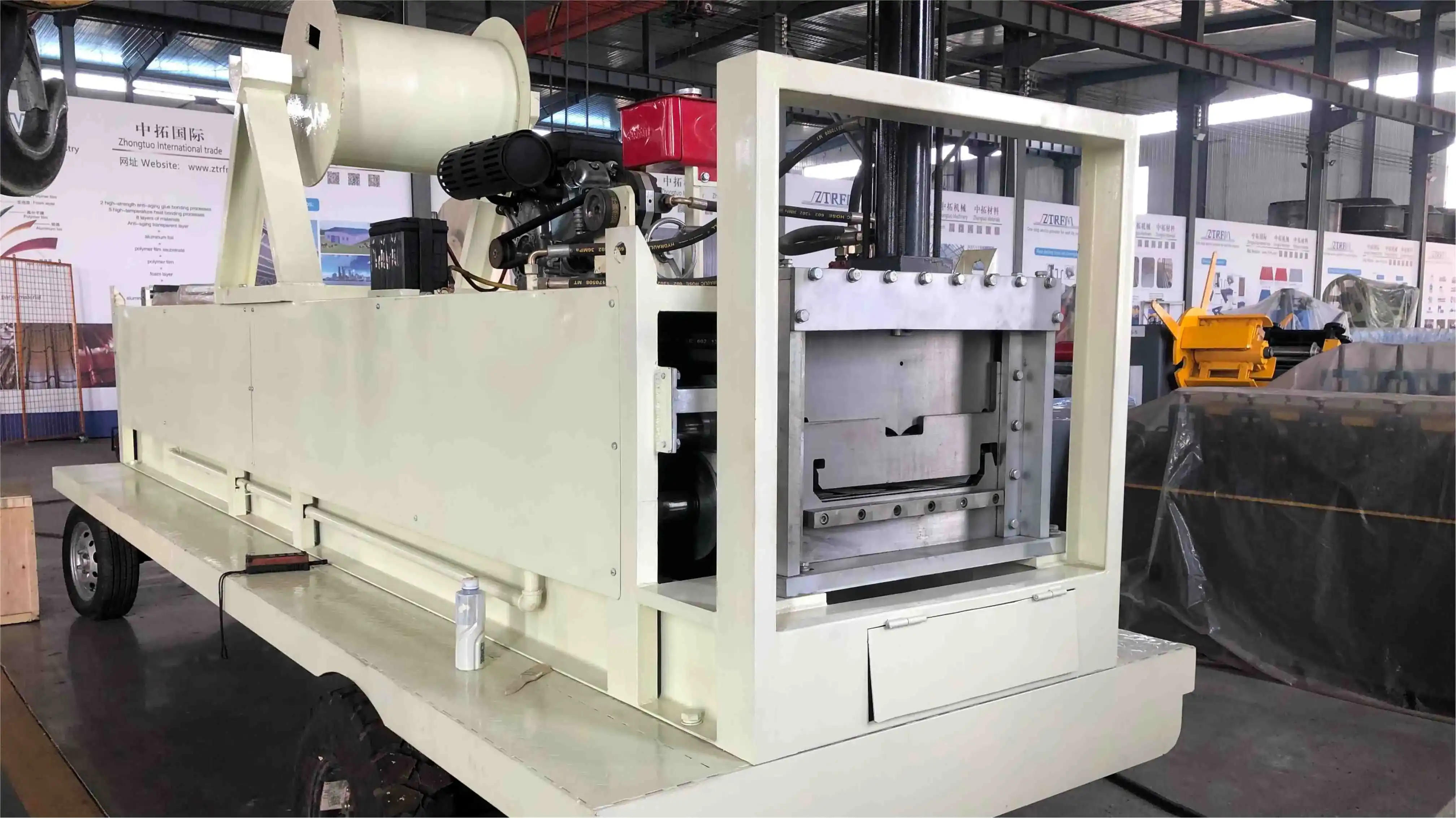
Custom Profiles and Design Flexibility
Traditional ways of shaping things aren't very good at meeting the needs of a wide range of architectural styles. Roll forming is a great way to make custom shapes that fit the needs of any project, from everyday business uses to one-of-a-kind art pieces that need complex forms.
Profile Complexity and Design Innovation
Because roll forming is ongoing, it can make complicated profiles that can't be made with stamping or press braking. By changing the way the rollers are set up smartly, the same basic process can be used to make standing seam panels, curved sheets, twisted shapes, and even unique designs. Because of this, builders can choose from a wide range of panel shapes that improve both the look and the strength of the structure.
When making a custom profile, useful parts are often added straight to the forming process. Water draining ducts, stiffening ribs, and interlocking devices are built into the shape instead of being added on as extras. This method of integration makes the system work better, generally in demanding design applications, while reducing the complexity of the assembly.
Material Optimization and Performance Enhancement
Design freedom with a roll forming machine includes more than just geometric factors; it also includes methods for making the best use of materials. Different structural needs can be met by different thickness areas within a single shape while using as little material as possible. Advanced making methods create specific strengthening features where panels connect to structural elements. This means that extra support parts are not needed.
In business settings, the ability to add logos or artistic elements during the forming process is very useful. Embossed designs, company names, or architectural details become fixed profile features instead of applied decorations. This makes the building last longer and requires less upkeep over its lifetime.
Selecting the Right Roll Forming Machine for Architectural Metal Panels
Before buying roll forming tools, you need to carefully look at the technical specs, the production needs, and the long-term operating issues. By understanding these factors, you can choose the best tools to meet your current goals and plan for future growth.
Technical Specifications and Performance Criteria
Before choosing equipment, it's important to figure out how much material needs to be moved and how much is being made. Most building needs can be met by machines that can handle coil thicknesses between 0.3mm and 0.8mm, and a 7.5kW motor power is enough to form tough materials. Hydraulic cutting tools with 4kW of power make sure that panel lengths are clean and accurate without the need for extra trimming.
Precision is needed for design uses on a roll forming machine, and advanced control systems with Siemens PLC technology and Omron encoders make that possible. Together, these parts keep the same dimensions across production runs and make it easy to switch quickly between different profile shapes. The dependability of these control elements has a direct effect on how well and consistently the products are made.
Automation Integration and Operational Efficiency
Modern building projects need to be able to be made quickly without lowering the quality standards. Chain and gear transmission systems reliably move power and can meet the exact timing needs of activities that form multiple stations. The 75 mm diameter 42CR shaft material makes sure that it is strong enough for continued use under different load situations.
Features of automation have a big effect on how efficiently operations run and how much work is needed. Automated systems for cutting, measuring profiles, and moving materials around make things safer and more consistent while reducing the need for human intervention. These features are especially helpful for makers who work on several architectural projects at the same time, each with different profile requirements and production rates.

Procurement Insights for Roll Forming Equipment Investment
When making strategic purchasing choices, it's important to look at a supplier's skills, the specs of their equipment, and their long-term support infrastructure. By understanding these factors, you can make smart business choices that maximize return while minimizing practical risk.
Supplier Evaluation and Partnership Considerations
Finding reliable equipment makers involves looking at more than just the price of the equipment. Having ISO9001, CE, or CAS licenses shows that you are committed to high standards and following the rules. Manufacturers who have shipped goods to more than 150 countries show that they have the organizational skills needed for foreign projects.
Cangzhou Zhongtuo has been a specialist in designing and making cold roll forming tools for ten years, which shows the level of skill needed for building uses. Their full range of services, which includes OEM, ODM, and one-stop solutions for raw materials, tools, and extras, makes buying easier and makes sure that all of the parts work together in the production system.
Investment Analysis and Financial Considerations
When deciding what equipment to buy, including a roll forming machine, you have to weigh the initial cost of the equipment against its long-term usefulness. When it comes to value, high-quality machinery with better component specs usually wins out because it lasts longer and needs less upkeep. The long-lasting nature of strengthened and chromed rollers, strong shaft materials, and high-quality control systems all play a big role in figuring out the total cost of ownership.
Financing choices and payment terms can affect when to buy things and how to spend money. Manufacturers that offer flexible payment plans make it possible for smaller businesses to get modern tools that would normally need a lot of cash. This ease of access encourages the whole production business to use better technologies.
Installation and Commissioning Requirements
Proper installation and commissioning processes are very important for the success of putting tools into use. Professional construction teams make sure that the machinery works according to the manufacturer's instructions and teach staff the best ways to use it. This sharing of information is necessary to get the most out of the tools and keep quality standards high.
During the first part of production, when operators are getting used to the new tools, the technical support system becomes very important. Manufacturers that offer thorough training programs and ongoing technical support help keep learning curves as short as possible while also increasing production efficiency from the start of a project.
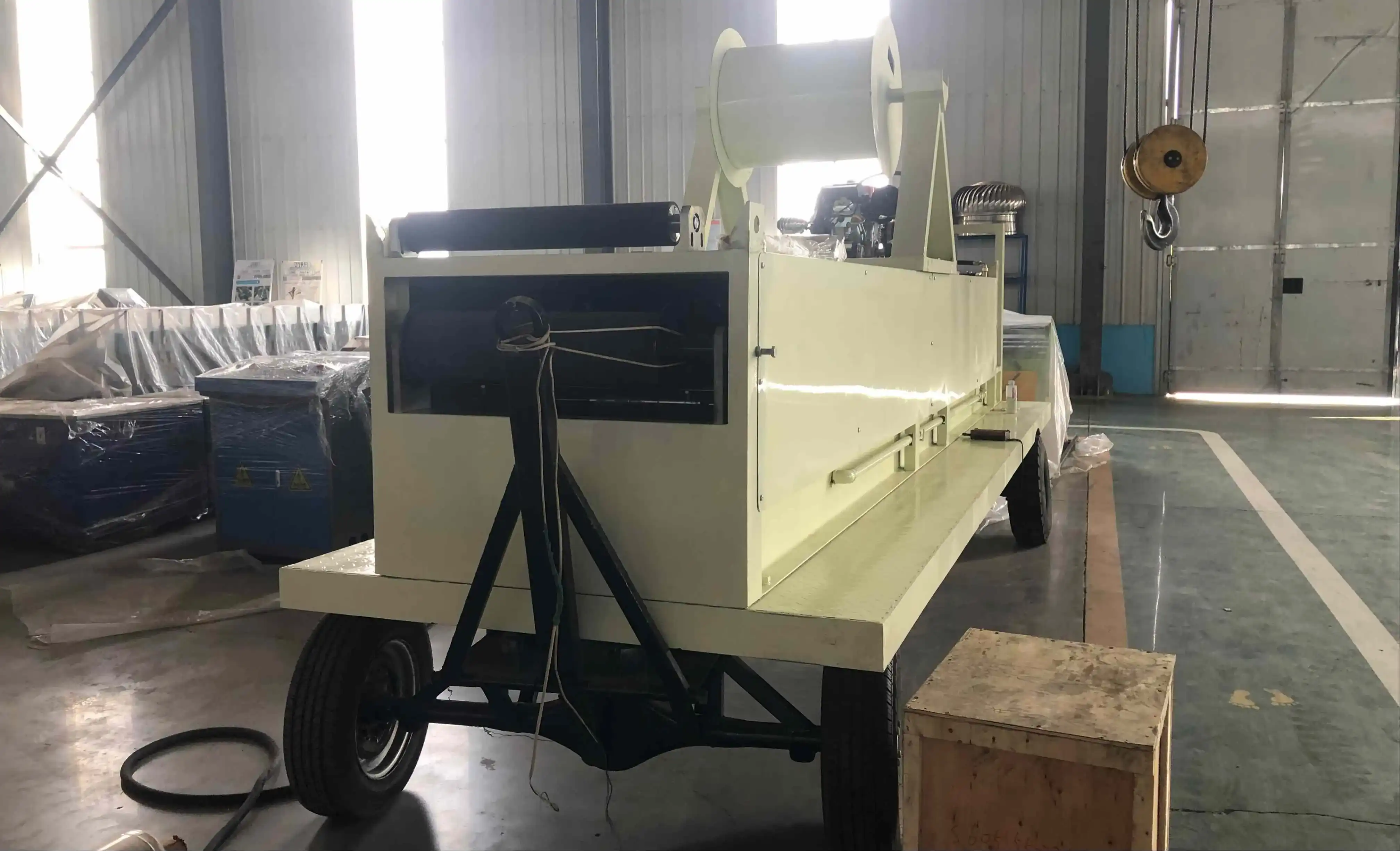
Optimizing Roll Forming Operations for Maximum Efficiency
To get the best results from roll forming tools, you need to know the best ways to run them, how to keep them in good shape, and how to make improvements all the time. These parts work together to make sure that quality is always uniform while increasing productivity.
Maintenance Strategies and Equipment Longevity
Preventive maintenance plans have a big effect on how reliable technology is and how much it costs to run. Checking the roller surfaces, shaft bearings, and gearbox parts on a regular basis keeps small problems from turning into big ones that need a lot of downtime. The hardened and chromed roller specs make them very resistant to wear, but regular upkeep extends their useful life.
Quality Control and Process Optimization
To keep the quality of the product the same, the profile measurements, surface finish, and material features must be carefully watched over the course of production runs. Statistical process control methods help find patterns that could mean that equipment needs to be adjusted or maintained. Calibration of measuring tools on a regular basis makes sure that quality ratings are correct.
To get the most out of a process, process optimization often means fine-tuning the steps for making, moving materials, and cutting. Advanced operators come up with ways to quickly switch between different profile settings so that setup time between runs is kept to a minimum. When working on different building jobs with different needs, these skills come in very handy.

Conclusion
Roll-forming architectural metal panels gives current building projects more design options and faster production times than ever before. Precision control systems and strong component materials are just two of the advanced machinery specs that allow makers to meet a wide range of architectural needs while keeping costs low. Making smart choices about what tools to buy, along with carefully evaluating suppliers and following the right installation steps, is the key to running a successful business that can adapt to changing market needs.
FAQ
Q1: What materials work best with architectural roll forming equipment?
Architectural roll-making tools can work well with aluminum sheets, galvanized steel, PPGI, stainless steel, and alloys of aluminum and zinc. The width ranges from 0.3mm to 0.8mm. Each type of material has its own benefits. PPGI is very resistant to rust and can look good in a variety of settings. Stainless steel is very durable, and aluminum is light and good for specific uses.
Q2: How long does roll forming equipment installation typically require?
Professional installation and testing usually take between one and three weeks, but this depends on how complicated the equipment is and how it needs to be customized. This time frame includes installing the mechanical parts, connecting the electrical parts, setting the control system, and giving the person full training. Installing something correctly makes sure it works well and lasts as long as possible.
Q3: Can roll forming machines produce completely custom architectural profiles?
Modern roll-forming devices that can connect to CNC machines give you a lot of options for making unique profiles. The 18-station forming feature lets you make complicated shapes with built-in useful features like drainage lines and stiffening ribs. Modern control systems make it easy to switch quickly between different profile shapes while keeping the measurements correct.
Partner with ZTRFM for Advanced Roll Forming Solutions
ZTRFM offers state-of-the-art roll forming equipment made just for making high-quality ornamental metal panels. Our all-encompassing method combines high-quality equipment specs with a large global support network to ensure the best performance for your individual production needs. Get in touch with our knowledgeable staff at coo@zhongtuocn.com to learn more about how our customized Roll Forming Machine maker services can help you make building panels better.

References
1. Smith, J.R. "Advanced Roll Forming Technologies in Modern Architecture." International Journal of Metal Forming, Vol. 45, No. 3, 2023, pp. 78-92.
2. Anderson, M.K. "Architectural Metal Panel Systems: Design and Manufacturing Considerations." Construction Technology Review, Vol. 28, No. 7, 2023, pp. 156-171.
3. Chen, L.W. "Precision Control Systems in Cold Roll Forming Applications." Manufacturing Engineering Quarterly, Vol. 19, No. 2, 2023, pp. 34-48.
4. Thompson, R.D. "Material Selection for Architectural Roll Forming Applications." Metals and Materials Processing, Vol. 52, No. 4, 2023, pp. 203-218.
5. Williams, S.A. "Quality Control Methodologies in Continuous Metal Forming Operations." Industrial Manufacturing Standards, Vol. 31, No. 8, 2023, pp. 89-104.
6. Martinez, E.P. "Economic Analysis of Roll Forming Equipment Investment in Construction Manufacturing." Building Industry Economics Review, Vol. 16, No. 5, 2023, pp. 245-262.
Contact Us
ZTRFM | Global Expert in Intelligent Roll Forming Solutions We are
your one-stop supplier of full cold roll forming systems. Backed by
Siemens Cloud IoT and AI remote maintenance, we deliver stable
equipment and worldwide support. Adopting innovative forming
technologies, we offer reliable, cost-effective customized solutions
for global clients.
_1750323743240.webp)