- English
- French
- German
- Portuguese
- Spanish
- Russian
- Japanese
- Korean
- Arabic
- Irish
- Greek
- Turkish
- Italian
- Danish
- Romanian
- Indonesian
- Czech
- Afrikaans
- Swedish
- Polish
- Basque
- Catalan
- Esperanto
- Hindi
- Lao
- Albanian
- Amharic
- Armenian
- Azerbaijani
- Belarusian
- Bengali
- Bosnian
- Bulgarian
- Cebuano
- Chichewa
- Corsican
- Croatian
- Dutch
- Estonian
- Filipino
- Finnish
- Frisian
- Galician
- Georgian
- Gujarati
- Haitian
- Hausa
- Hawaiian
- Hebrew
- Hmong
- Hungarian
- Icelandic
- Igbo
- Javanese
- Kannada
- Kazakh
- Khmer
- Kurdish
- Kyrgyz
- Latin
- Latvian
- Lithuanian
- Luxembou..
- Macedonian
- Malagasy
- Malay
- Malayalam
- Maltese
- Maori
- Marathi
- Mongolian
- Burmese
- Nepali
- Norwegian
- Pashto
- Persian
- Punjabi
- Serbian
- Sesotho
- Sinhala
- Slovak
- Slovenian
- Somali
- Samoan
- Scots Gaelic
- Shona
- Sindhi
- Sundanese
- Swahili
- Tajik
- Tamil
- Telugu
- Thai
- Ukrainian
- Urdu
- Uzbek
- Vietnamese
- Welsh
- Xhosa
- Yiddish
- Yoruba
- Zulu
Slitting machine applications in packaging and converting industries
Slitting machines are an important part of modern packaging and converting operations because they cut rolls of raw materials into perfectly cut pieces that are needed for further production steps. These high-tech cutting tools can quickly and accurately cut a wide range of materials, such as flexible films, paper webs, metal foils, and laminated materials. Slitting machines are essential for making labels, converting flexible packaging, and other specialized industrial uses that happen all along the world's supply lines because they allow manufacturers to get the most out of their materials while still keeping high-quality standards.
Understanding Slitting Machines and Their Core Applications
Modern slicing equipment is based on basic ideas that make sure the material is precisely separated while the web stays intact during the cutting process. Synchronized blade systems are at the heart of the mechanism. They make clean, burr-free edges that are necessary for high-quality packing uses.
Working Principles and Essential Components
Modern slicing systems use more than one cutting technology to work with different types of materials and thickness needs. The main parts are unwinding stations, tension control systems, cutting units, and rewinding devices. All of these parts work together perfectly to get consistent results.
Controlling tension is an important part of slitting because too little or too much strain on the web can cause material warping, uneven cuts, or web breaks. Load cells and feedback devices are used in more advanced systems to keep the tension at the right level throughout the whole process. This ensures better edge quality and accurate measurements.
The cutting system changes based on the job. Razor slitting, shear cutting, and crush cutting are some of the cutting methods that can be used. Each has its own benefits for different types of material. Razor slicing works best with thin films and fragile substrates, while shear cutting works best with thicker materials that need clean, straight lines.
Material Handling Capabilities and Industry Applications
A huge variety of materials that are widely used in the packing and converting industries can be slit. Precision cutting is used for many things, but the main ones are plastic films made of polyethylene, polypropylene, and custom barrier films. These films are used to make bags, labels, and flexible packages.
Slitting paper and paperboard is used for many things, like making labels, changing packing materials, and processing specialty paper for food service. Modern slitting equipment is flexible for a wide range of paper turning tasks because it can handle both coated and bare materials while keeping the quality of the edges.
Advanced slicing systems, including a slitting machine, deal with the unique problems that come up with laminated materials by using different cutting methods and blade arrangements. When cutting multi-layer designs for barrier packaging, medical device packaging, and industrial uses, it's important to be very careful about the cutting parameters to avoid delamination or edge flaws.
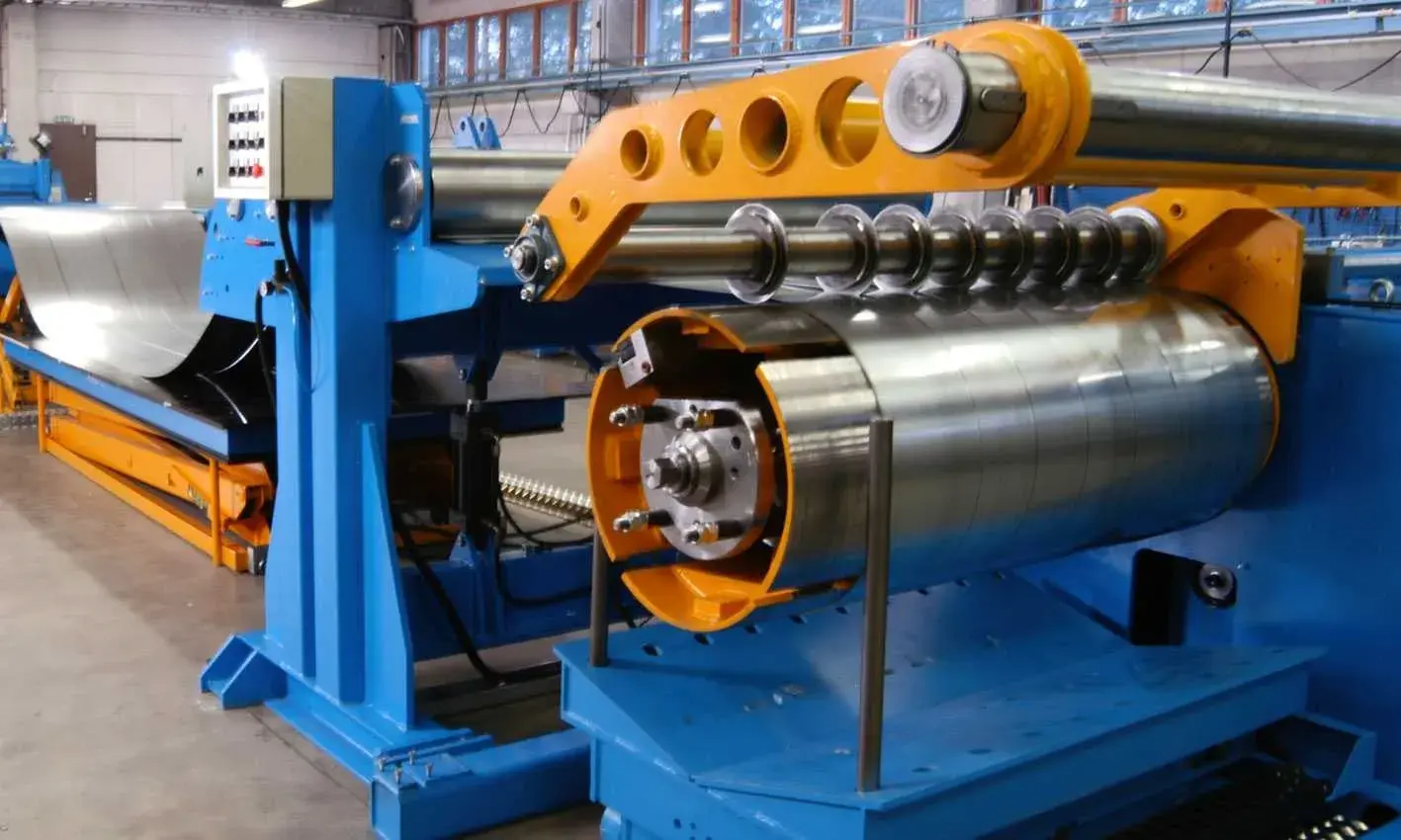
Types of Slitting Machines and Their Suitability for Packaging and Converting
The production needs, material properties, and quality standards that define successful packing and converting processes have a lot to do with choosing the right equipment. Knowing the specific benefits of each cutting technology helps you make smart choices about what to buy.
Rotary and Linear Cutting Technologies
Rotary slitting systems use circular blades that cut continuously. This makes them perfect for high-speed production settings where flow needs to be maximized. When properly kept and set, these systems work great with materials that are all the same thickness and produce excellent edges.
Linear cutting uses straight blades that move perpendicular to the material web. This gives you more control for specific tasks that need very accurate edge qualities. This method works especially well with materials that don't like being heated or that don't need a lot of cutting force.
Choosing between rotary and linear methods is often based on the qualities of the material and the amount that needs to be made. When it comes to productivity, rotary systems tend to be better, while linear systems are more flexible for specific cutting tasks.
Manual versus Automatic Operation Considerations
For smaller production runs or specific uses that need to change the setting often, manual slitting equipment is a cost-effective option. These systems give workers direct control over the cutting settings and take less money to set up, making them good for new packaging businesses.
Semi-automatic systems are between fully automated and fully manual. They use motors to move the web and have cutting patterns that are handled by a user. Compared to systems that are only operated by hand, this method strikes a good mix between operating freedom and better consistency.
Fully automatic slitting lines, including a slitting machine, have complex control systems that handle the web, set the cutting routines, and check the quality with little help from the user. Through exact control algorithms, these systems get the most work done and keep things consistent while also cutting down on worker needs and waste.
Hydraulic and Mechanical System Advantages
It is possible to cut through thick materials or meet very exact requirements with hydraulic slicing systems because they have a lot of cutting force and can be controlled very precisely. The constant force application and smooth operation support better edge quality for a wide range of materials.
Mechanical drive systems are reliable and easy to maintain, which makes them appealing to businesses that value stability and ease of service. Most of the time, these systems take less money to buy up front and work reliably for normal slitting tasks with packaging materials.
When choosing between hydraulic and mechanical systems, it's common to have to weigh performance needs against operational tastes and the factory's ability to perform repairs.

Maintenance, Safety, and Troubleshooting for Optimal Slitting Machine Performance
Comprehensive repair programs make sure that equipment works consistently, lasts longer, and has less unexpected downtime that affects output schedules. When it comes to return on investment, proactive repair methods beat reactive ones.
Routine Inspection and Component Replacement Protocols
As part of daily inspections, the state of the blades, the tension system, and the web path should all be checked to find problems before they affect the quality of the production. Regularly checking the blade keeps the edge quality from getting worse and cuts down on the waste of material that comes from bad cutting.
To keep things running smoothly and avoid premature wear, lubrication plans for bearings must match what the producer suggests and the working conditions. Proper lubrication increases the life of parts and makes sure that the web handling works the same way throughout production runs.
Maintenance on a drive system, including a slitting machine, includes checking the tension of the belt, making sure the couplings are lined up correctly, and keeping an eye on the motor's performance to stop technical breakdowns that could damage materials or put people in danger. Scheduling preventive repair cuts down on unexpected problems and increases the availability of equipment.
Safety Protocols and Operator Training Requirements
Full safety training programs make sure that workers know the right way to handle blades, follow lockout/tagout rules, and shut down in an emergency. Getting the right training lowers the risk of getting hurt and keeps tools from getting damaged during repair tasks.
Personal protective equipment (PPE) includes gloves that won't cut, safety glasses, and the right clothes to keep you from getting hurt during normal operations and upkeep. Clear safety rules set standards and encourage a safety mindset in the workplace.
Possible dangers that could make things dangerous include blade breaks, material web breaks, and equipment malfunctions that need to be covered in emergency reaction plans. Regular safety drills make sure that workers know what to do in an emergency.
Common Issues and Resolution Strategies
Problems with edge sharpness are often caused by worn blades, incorrect tension settings, or dirty cutting surfaces. Systematic processes for troubleshooting help workers quickly find the root causes of problems and fix them.
Mechanical imbalance or worn parts are often to blame for web handling problems like wrinkles, changes in tension, or tracking issues. Regular testing and adjustment processes keep web handling equipment working at its best for as long as it lasts.
To figure out what's wrong with an automatic electrical system, you need to know how the control system works and how the sensors work in order to fix it. With the right paperwork and diagnostic processes, problems can be fixed quickly, and output delays are kept to a minimum.

How to Choose the Best Slitting Machine for Your Packaging and Converting Needs?
To choose the right equipment, you need to carefully look at the production needs, material requirements, and operational limits that make up good packing and converting processes. A thorough review makes sure that success and return on investment are at their best.
Production Requirement Analysis and Material Compatibility
The amount of volume needed directly affects the size, speed, and level of automation of the equipment that is needed for it to work efficiently. Accurately predicting output lets you choose the right size of equipment without over-investing or exceeding capacity limits.
The right cutting methods and blade configurations are based on the material's thickness, width, and surface qualities. A lot of tests on the materials make sure that the tools chosen give the right edge quality and size accuracy for the job.
Quality standards for edge features, width tolerances, and surface finish need help choosing the right tools and set it up correctly. Clear quality standards make it possible to evaluate tools objectively and check their performance.
Specification Criteria and Energy Efficiency Considerations
The size of the motor and the details of the drive system of a slitting machine must match the needs of production while also leaving enough room for future growth. The right specifications make sure that the system works reliably and doesn't use too much energy.
When thinking about energy efficiency, things like motor efficiency rates, regenerative braking, and idle power consumption all play a role in how much the equipment costs to run over its lifetime. Modern systems have features that save energy, which is better for the environment and saves money on running costs.
The powers of a control system affect how flexible it is to use, how well it can check quality, and how well it can work with other production systems. The more advanced control tools allow for tuning and collecting data for ongoing efforts to make things better.
Brand Reputation and Customization Options
Established makers with a history of success in packing and turning applications give customers trust in the support and stability of their equipment. A brand's image is based on its history and how happy its customers are with it in a variety of settings.
Customization choices let you get the most out of your tools for certain uses while also meeting the needs of your facility or your material handling needs. Flexible design methods help operations run more smoothly while meeting specific needs.
Long-term operational success is affected by the provision of service support, such as spare parts, expert help, and training programs. Comprehensive support programs keep technology running at its best for as long as it is in use and reduce downtime.

Future Trends and Innovations in Slitting Machines for Packaging and Converting
As technology keeps getting better, slicing equipment keeps getting better by adding digital technologies and automation features that make it work better while making operations simpler. Innovation makes businesses that package and change things more efficient and environmentally friendly.
Automation and Digital Technology Integration
Industry 4.0 principles allow tracking and data collection in real time, which helps with projects like predictive repair and process optimization. Connected technology gives you information about how things work and lets you do troubleshooting and performance analysis from afar.
Some uses of AI are automatic quality checks, predictive repair schedules, and process optimization tools that make operations run more smoothly. The ability of machines to learn lets them keep getting better while requiring less help from humans.
Digital twin technology lets you model and simulate virtual equipment, which helps with teaching operators, improving processes, and planning maintenance. These features cut down on the time needed for setup and allow for more advanced debugging and performance analysis.
Energy-Saving Innovations and Sustainability Features
Variable frequency drives make motors work better for different types of production needs while using less energy when they're not working hard. Instead of always running at full capacity, smart motor control systems change how much power they send based on how much load they are actually seeing.
Regenerative braking systems collect energy when the vehicle slows down and send it back to the building's electrical systems. This lowers the total amount of energy used and raises the efficiency of operations. These systems are especially helpful for businesses that change speeds often or have production trends that change over time.
Automatic edge trim removal, material recycling systems, and optimized cutting designs that use the least amount of raw material are some of the features that help cut down on waste. Sustainability programs lessen the damage they do to the earth and make businesses more profitable by lowering the costs of materials.
Predictive Maintenance and Real-Time Monitoring Capabilities
Sensor technologies on a slitting machine keep an eye on important factors like sound, temperature, and cutting force to spot problems early on, before they affect the quality of production or the availability of equipment. Proactive tracking stops failures before they happen and makes the best use of repair schedules.
Cloud-based tracking systems let you keep an eye on your equipment from afar and get expert technical help, which speeds up the time it takes to fix technical problems. Connected readings help solve problems quickly and allow people from different places to share what they know.
Data analytics systems look at operational data to find ways to improve things, guess when repairs will need to be done, and compare performance to industry standards. These insights help with making smart decisions about buying new tools and making changes to how things are done.
Conclusion
Slitting machines are essential tools in the packing and converting industries because they allow exact material processing that serves a wide range of uses further down the line. Automation and digital integration are two ways that technology is still changing and improving performance while also helping to meet green goals. To choose the right tools, you need to know the production needs, material properties, and operating limits that determine the best performance. Investing in good equipment from reputable companies and teaching operators on how to use it properly will give you a great return on your money and make sure the equipment works well for a long time.
FAQ
Q1: What materials can slitting machines handle in packaging applications?
Plastic films (polyethylene, polypropylene, and PET), paper products, metal foils, and multi-layer laminates are just some of the materials that modern slitting equipment can handle. These materials are widely used in flexible packaging, label production, and specialty conversion.
Q2: How do I choose between manual and automatic slitting systems?
Automatic systems are better for large-scale production because they have higher flow and are more consistent. Manual systems are better for low-volume operations or specialized uses that need to change the setup often. For uses with a medium output, semi-automatic choices offer balanced solutions.
Q3: What factors affect slitting machine pricing and lead times?
Prices and shipping times are affected by how complicated the equipment is, how much customization is needed, and where the maker is located. Standard designs usually have shorter lead times than personalized systems, which need more time for planning and production.
Q4: How important is after-sales support for slitting machine operations?
Long-term operating success is greatly affected by comprehensive support, which includes having access to spare parts, expert help, and user training. Reliable help cuts down on downtime and makes sure that equipment works at its best for as long as it is used.
Partner with ZTRFM for Advanced Slitting Machine Solutions
ZTRFM offers state-of-the-art slitting machines designed to meet the needs of the packing and turning industries around the world. Our equipment is ISO9001 and CE certified, and it has advanced automation features while still meeting the high standards for accuracy and dependability set by global makers. We offer complete solutions, from the initial consultation to ongoing technology help, and have served customers in more than 150 countries. Our expert engineering team creates unique slitting systems that make your output more efficient while also ensuring the highest quality edges and exact measurements. Contact our technical experts at coo@zhongtuocn.com to talk about your unique slitting machine provider needs and find out how our new products and services can improve your packing and converting processes with tried-and-true technology and dedicated support.

References
1. Smith, J.A. & Williams, R.B. (2023). "Advanced Web Processing Technologies in Modern Converting Operations." Industrial Packaging Technology Journal, 45(3), 127-142.
2. Chen, L., Rodriguez, M., & Thompson, K.E. (2024). "Precision Cutting Systems for Flexible Packaging Applications: Performance Analysis and Optimization Strategies." Converting & Package Engineering Review, 58(2), 89-105.
3. Anderson, D.P., Kumar, S., & Liu, X. (2023). "Automation Integration in Web Slitting Operations: Impact on Quality and Efficiency." Manufacturing Technology Quarterly, 31(4), 203-218.
4. Miller, R.J., Park, H.S., & Garcia, A.M. (2024). "Sustainability in Material Converting: Energy-Efficient Slitting Technologies and Environmental Impact Assessment." Green Manufacturing Perspectives, 12(1), 34-52.
5. Brown, K.L., Zhang, Y., & Patel, N.R. (2023). "Maintenance Optimization Strategies for Web Processing Equipment: A Comprehensive Industry Analysis." Industrial Maintenance and Reliability, 67(5), 156-171.
6. Johnson, E.T., Martinez, C.A., & Wong, S.P. (2024). "Future Trends in Converting Equipment: Digital Integration and Industry 4.0 Applications." Advanced Manufacturing Systems, 29(3), 78-94.
_1750323743240.webp)