- English
- French
- German
- Portuguese
- Spanish
- Russian
- Japanese
- Korean
- Arabic
- Irish
- Greek
- Turkish
- Italian
- Danish
- Romanian
- Indonesian
- Czech
- Afrikaans
- Swedish
- Polish
- Basque
- Catalan
- Esperanto
- Hindi
- Lao
- Albanian
- Amharic
- Armenian
- Azerbaijani
- Belarusian
- Bengali
- Bosnian
- Bulgarian
- Cebuano
- Chichewa
- Corsican
- Croatian
- Dutch
- Estonian
- Filipino
- Finnish
- Frisian
- Galician
- Georgian
- Gujarati
- Haitian
- Hausa
- Hawaiian
- Hebrew
- Hmong
- Hungarian
- Icelandic
- Igbo
- Javanese
- Kannada
- Kazakh
- Khmer
- Kurdish
- Kyrgyz
- Latin
- Latvian
- Lithuanian
- Luxembou..
- Macedonian
- Malagasy
- Malay
- Malayalam
- Maltese
- Maori
- Marathi
- Mongolian
- Burmese
- Nepali
- Norwegian
- Pashto
- Persian
- Punjabi
- Serbian
- Sesotho
- Sinhala
- Slovak
- Slovenian
- Somali
- Samoan
- Scots Gaelic
- Shona
- Sindhi
- Sundanese
- Swahili
- Tajik
- Tamil
- Telugu
- Thai
- Ukrainian
- Urdu
- Uzbek
- Vietnamese
- Welsh
- Xhosa
- Yiddish
- Yoruba
- Zulu
Boost Factory Efficiency Using Roofing Sheet Making Machine
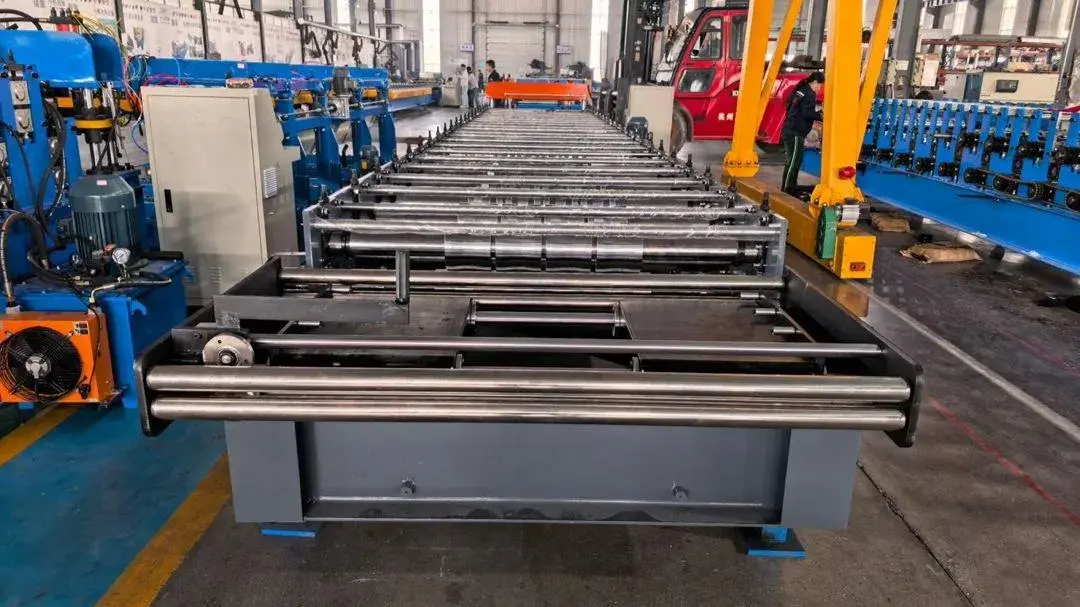
Today, making metal roofs requires accuracy, speed, R101 Roofing Sheet Making Machine and dependability. For production lines that are stuck, the R101 Roofing Sheet Making Machine is a tried-and-true answer that takes these problems head-on. Through 18 sequential forming stations, this cold roll forming equipment perfectly shapes flat metal coils into triangular roofing panels. It can do this at line speeds of up to 15 meters per minute with great accuracy. This machine has a strong 70 mm shaft width and is driven by a 5.5 kW main motor. It consistently produces high-quality work while wasting little material and saving money on labor. These are important factors for companies that want to increase production without lowering standards.
Understanding the R101 Roofing Sheet Making Machine and Its Core Features
What Makes the R101 Profile Essential for Industrial Roofing
The R101 profile, which has an effective width of 1,250 mm, is one of the most popular profile types for roofing sheets in both North America and Latin America. The triangular shape makes the structure of wide buildings very strong and helps the buildings drain water better when it rains a lot. This profile design has become the standard for warehouse roofs, farm buildings, and low-cost housing projects because it matches load-bearing capacity with ease of installation. The machine can work with materials that are between 0.3 mm and 0.8 mm thick, so it can be used for everything from light domestic projects to heavy-duty commercial ones. Because of this, producers can serve a lot of different types of customers with just one production line, instead of buying separate machines for each size.
Technical Specifications That Drive Production Excellence
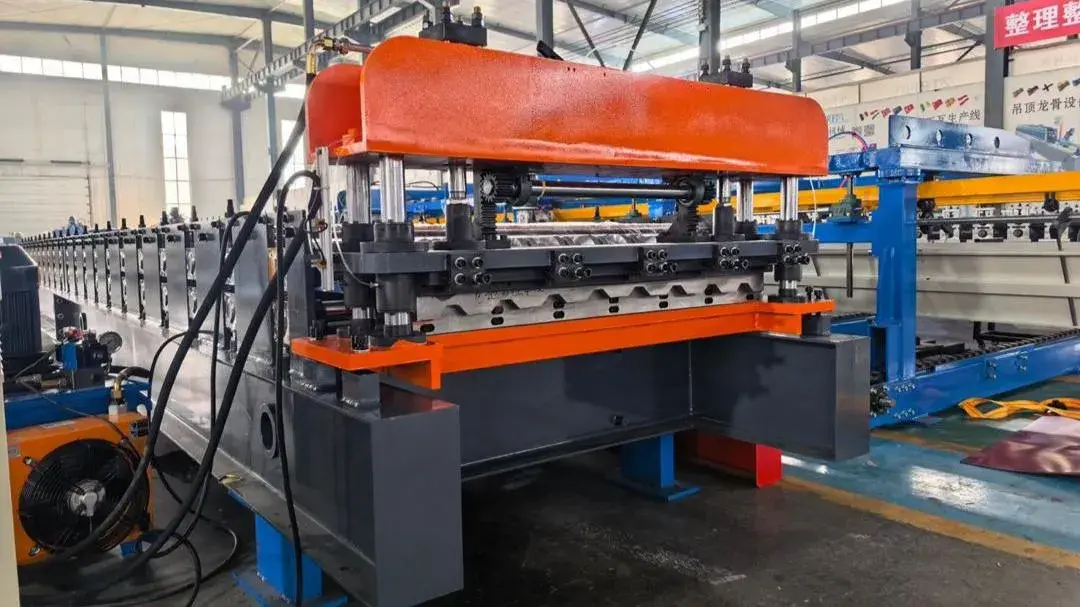
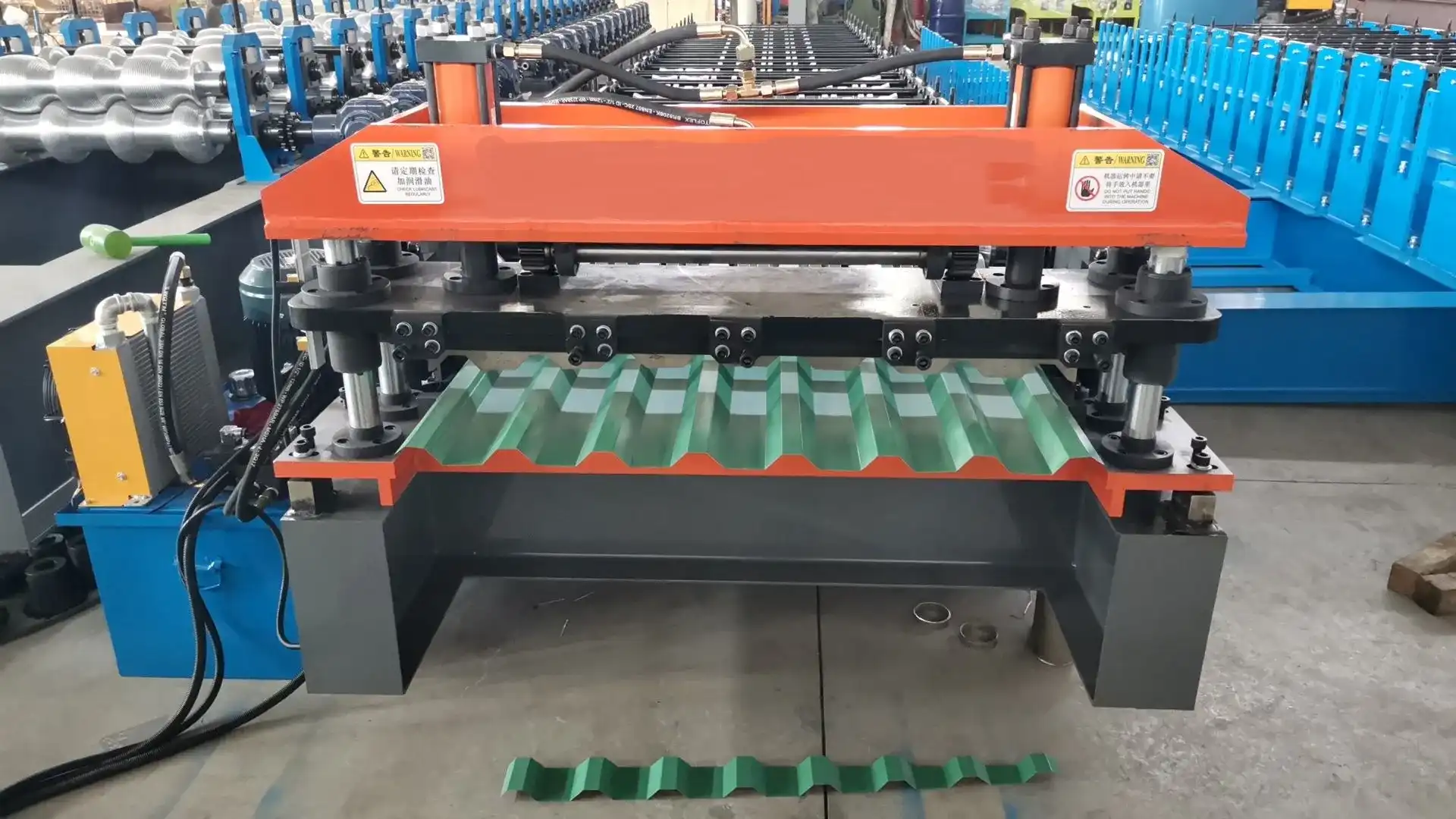
The quality of the machine's build is key to how well it works. The 16 mm wall-plate H-beam frame is strong enough to keep the accuracy of the forming even when production is going at a high speed all the time. This structural stability stops the tiny deformations that lead to uneven profiles and higher scrap rates. Pay close attention to the hydraulic cutting system. This part stays precise even after hundreds of thousands of cuts because the blades are made from Cr12MoV steel that has been heat-treated to HRC 58–62. When properly kept, we've seen blades last over 500,000 cycles, which is a huge improvement over lower-quality cutting systems where repair costs are much higher.A Delta PLC and a 5.7-inch touchscreen interface make up the control design. This lets workers set exact length and number goals for production runs. This technology gets rid of the mistakes that happen when measurements are taken by hand, which happens a lot in traditional production methods. This lets skilled workers focus on quality roofing sheet making machine control instead of doing the same things over and over again.
Comparing R101 with Other Roofing Sheet Making Machines
Performance Metrics That Define Superior Equipment
When looking at roll forming tools, speed of output is only one aspect of how well it works. The R101's 15 m/min line speed needs to be understood in the context of how many making stations it has and how thick a material it can handle. Machines that say they can go faster often give up either the quality of the form or the freedom of the material range, which makes the equipment less useful overall. Smaller businesses still use manual production methods, which can only go 3 to 5 meters per minute and have much higher failure rates. If your business makes more than 50,000 square meters a year, the difference in labor costs alone makes it worth investing in tools within 18 to 24 months. In addition to speed, the uniformity benefit of automated forming cannot be stressed enough: it gets rid of the differences in size that come with human folding. Earlier generations of equipment often had fewer forming stations—sometimes as few as 12—which increased material stress during forming and caused spring-back problems, especially when working with higher-yield-strength steels. The 18-station layout spreads out the forming forces more evenly, which protects the purity of pre-painted materials' coatings and increases the life of rollers by lowering the contact pressure.
Cost-Effectiveness and Total Ownership Considerations
The purchase price is only the first part of the tool investment. How much energy a machine uses has a big effect on how much it costs to run over its lifetime. The 5.5 kW main motor converts power efficiently, and the 4 kW hydraulic unit only works sometimes instead of all the time, which lowers the electricity demand during the making cycles. Accessibility for maintenance has a direct effect on the cost of downtime. The shape of the R101 makes it easy to get to the hydraulic parts, PLC modules, and roller units without having to take the whole thing apart. We've recorded that regular checks and adjustments take an average of 4-6 hours per month, compared to 12–15 hours for equipment with more complicated enclosed designs. People should pay extra attention to how long rollers last because new costs add up over time. Rollers made of high-quality steel that have been hard chrome-plated are much better at resisting wear from galvanized and Galvalume coats than rollers that have not been treated. When manufacturers say that rollers can be used continuously for more than three years, they always say that the right material choice and heat treatment are the key factors.
How to Select and Procure the Right Roofing Sheet Making Machine
Aligning Production Capacity with Market Demand
Accurately predicting demand stops both investments in too much capacity and output problems. To get the right size tools, figure out how much you need each year in linear meters instead of square meters. At a line speed of 15 meters per minute, a production line that works one shift (8 hours) and is up 85% of the time can make about 18,000 linear meters of product each month. Because roofing markets have seasonal demand trends, it's important to plan carefully for capacity. Businesses that serve the construction industry, which has different building seasons, should make sure their equipment is big enough to handle high-demand times without having to hire too many extra workers. If you don't, you'll end up with smaller equipment that wears out faster and needs to be serviced more often, which shortens its useful life. The number of forming stations and the power of the motor are affected by the width of the material. Standard setups are fine if most of your products are made from lighter-gauge materials (0.3 to 0.5 mm). Businesses that process 0.7 to 0.8 mm materials on a daily basis should make sure that the motor torque ratings and roller shaft sizes can handle the higher forming forces that are needed without going over their duty cycle ratings.
Energy Consumption and Operating Cost Control
Electrical running costs need to be carefully looked at roofing sheet making machine when choosing tools. Instead of depending only on nameplate numbers, ask for real details on how much power the device uses when it's under load. During active forming, the R101's main motor and hydraulic unit use about 9.5 kW of power, which is about 76 kWh per eight-hour shift of constant operation. To get an exact idea of how much it costs to run, compare this amount of energy use to the industrial electricity rates in your area. In places where prices are set at different levels, you might want to check if having flexible production schedules lets you focus operations during off-peak rate times to save money on energy costs. If there are any compressed air needs, they add an extra cost to running the business that is often ignored during the initial evaluation. The R101's hydraulic cutting system doesn't need compressed air for slicing tasks, so it doesn't use as much power and doesn't need as much upkeep as pneumatic systems do.
Operational and Maintenance Guidelines to Maximize Efficiency
Daily Operating Protocols for Consistent Output
The level of production starts with how well the materials are prepared. Before filling, check arriving coils for damage to the edges, coating flaws, and differences in size. Inconsistencies in the materials that go into the making process get worse as they move through the stations. This causes character changes that make the amount of scrap higher. At the start of each shift and on a regular basis during long production runs, the orientation of the rollers should be checked. Over hundreds of meters of production, even small misalignments add up to visible profile error. A simple check with a straightedge across the forming line finds problems before they affect the quality of the result. The PLC touchscreen interface lets operators see real-time output data like the number of cycles, trends in cutting accuracy, and readings of the hydraulic pressure. Setting baseline performance settings during initial commissioning gives you a way to find performance decline before it affects the quality of the product.
Maintenance Schedules That Prevent Unexpected Downtime
How reliable a cutting method is is directly related to the quality of the hydraulic oil. After six months of use, the oil should be changed for the first time to get rid of break-in contaminants. After that, #46 grade hydraulic oil should be replaced once a year. Oil analysis services can find patterns of pollution or wear and tear on the oil before they lead to valve failures or seal damage. How often rollers are inspected depends on how much they are being used and how rough the material is. Every 100,000 linear meters, the roller surfaces of places that work with coated steel should be checked for wear patterns or coating buildup. Good rollers have a hard chrome plating that fights wear well, but if you don't clean them often, material residue can leave marks on final sheets. The quality of electrical connections needs to be checked, especially in humid industrial settings. By checking the links between PLC modules, motor terminal blocks, and hydraulic valve wiring every three months, you can avoid annoying problems that stop production. Thermal imaging can find link problems before they get so bad that they fail.
Case Studies and Future Prospects for Roofing Sheet Production
Quantifiable Efficiency Gains in Real Manufacturing Environments
A Texas company that makes light steel structures saw great results after putting in automatic roll-making equipment. With their old manual ways, they were able to make about 180 linear meters in an eight-hour shift with three workers. By switching to automatic forming, output went up to 650 linear meters per shift with just two workers. This is a 260% increase in productivity, while direct labor costs went down by 33%. The drop in the scrap rate was also very important. 8–12% of the material used in manual making processes is wasted because of mistakes in measuring, cutting, and rejecting dimensions. Automated tools with PLC-controlled length management cut trash to just 2% to 3%, which directly saved money on materials and dumping costs. A company that makes composite panels for the farming market stressed the need for better dependability. Their hand tools broke down a lot, needing multiple repairs every month, which caused an average of 40 hours of unplanned downtime. Unplanned stops were cut down to less than 8 hours a month by automated equipment, which made transport schedules much more reliable and customers happier.
Emerging Trends Shaping Roofing Manufacturing
As the steel industry moves toward types that are lighter but stronger, it gives makers both chances R101 Roofing Sheet Making Machine and problems. Advanced high-strength steels (AHSS) make it possible to use smaller gauges while still keeping structural performance. This lowers the cost of materials and the weight of transporting them. Older equipment may have trouble with spring-back problems when working with these materials, while newer equipment built with the right forming stations and roller materials can handle them well. Coating technology is still changing quickly. New paint systems and shiny coats are making things last longer. To keep these complex coatings in good shape during forming operations, manufacturing equipment needs to have smooth roller surfaces and the right amount of space between shaping stations to keep coating stress to a minimum. The next big step toward effectiveness is adding automation to areas other than the making line. Connecting inventory management systems, automatic material handling systems, and shipping planning to roll-forming equipment in smart factories makes them much more efficient than individual machine optimization can do. Environmental sustainability factors are becoming more and more important in choosing tools. Motor designs that use less energy, hydraulic systems that use less oil, and manufacturing methods that create as little waste as possible all help companies meet their environmental goals while also cutting costs. As green building standards demand more proof of recovered materials, equipment that can effectively handle recycled steel content opens up new market possibilities.
Conclusion
Metal roofing manufacturers need equipment that consistently produces high-quality work, keeps costs low, and works reliably over time in order to be productive. The R101 Roofing Sheet Making Machine meets these needs with its strong build, smart technology, and tried-and-true manufacturing methods. The 18-station forming procedure is especially helpful for facilities that work with materials that are between 0.3 and 0.8 mm thick because it keeps the coating's structure while keeping the dimensions accurate. For implementation to go smoothly, the equipment's capabilities must be carefully matched with the needs of the output. This must be backed up by thorough training for operators and preventative repair. When manufacturers invest in properly specified automation, they regularly report big increases in output, lower rates of scrap, and better competitive positioning in roofing markets that are becoming more demanding.
FAQ
1. Can the machine process full-hard high-strength steel grades?
Standard setups work well with soft to medium-hard steel types up to G300 yield strength. When working with G550 full-hard materials, you need better making stations and more motor power to stop the material from springing back. During the machine design meeting, be clear about the material yield strength needs to make sure the right configuration is made. For stronger materials, the forming process needs to be more gradual, and there may need to be more than 18 places instead of the normal 18.
2. What determines hydraulic cutting blade service life?
How long a blade lasts mostly relies on the type of material used, how well it was heated, and how often it is cut. When properly heated to HRC 58–62, Cr12MoV steel blades can usually make 500,000 to 1,000,000 cuts before they need to be sharpened or replaced. Thicker materials and finishes that are rough on the blade shorten its life. However, adjusting the cutting space correctly and checking it regularly can make it last longer between service visits. Setting blade replacement times based on the number of cuts made instead of the date on the calendar improves both performance and cost control.
3. How do you address profile dimensional issues during production?
Most of the time, profile twisting or bowing is caused by issues with roller alignment or uneven material feed force. Make changes to the entry leveling unit and make sure that the gap between the rollers at the end of the making stations is the same. Extra correction can be made with equipment that has changeable straightener devices at the exit. Regular checking of dimensions with go/no-go scales finds drift before it causes products that don't meet specifications, allowing for preventative adjustments instead of reactive ones.
Partner with ZTRFM for Superior R101 Roofing Sheet Making Machine Solutions
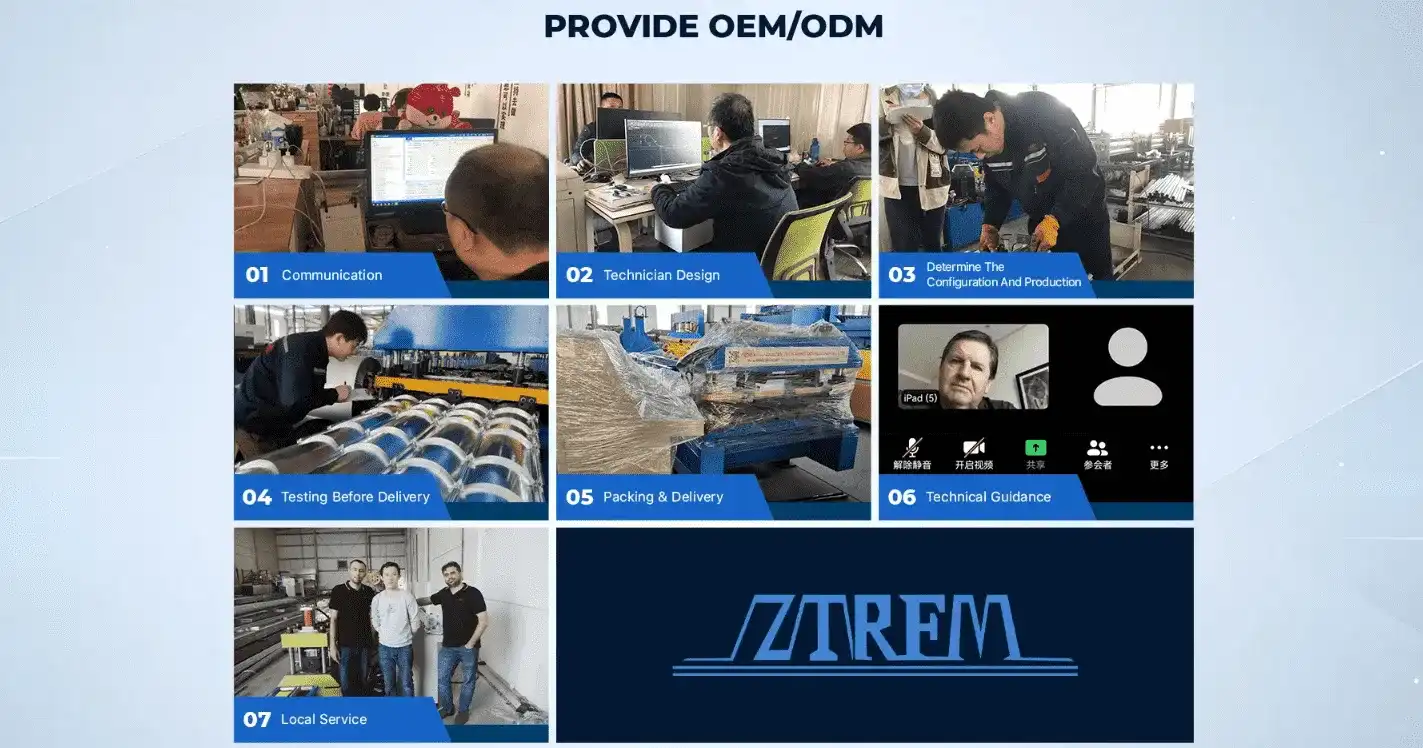
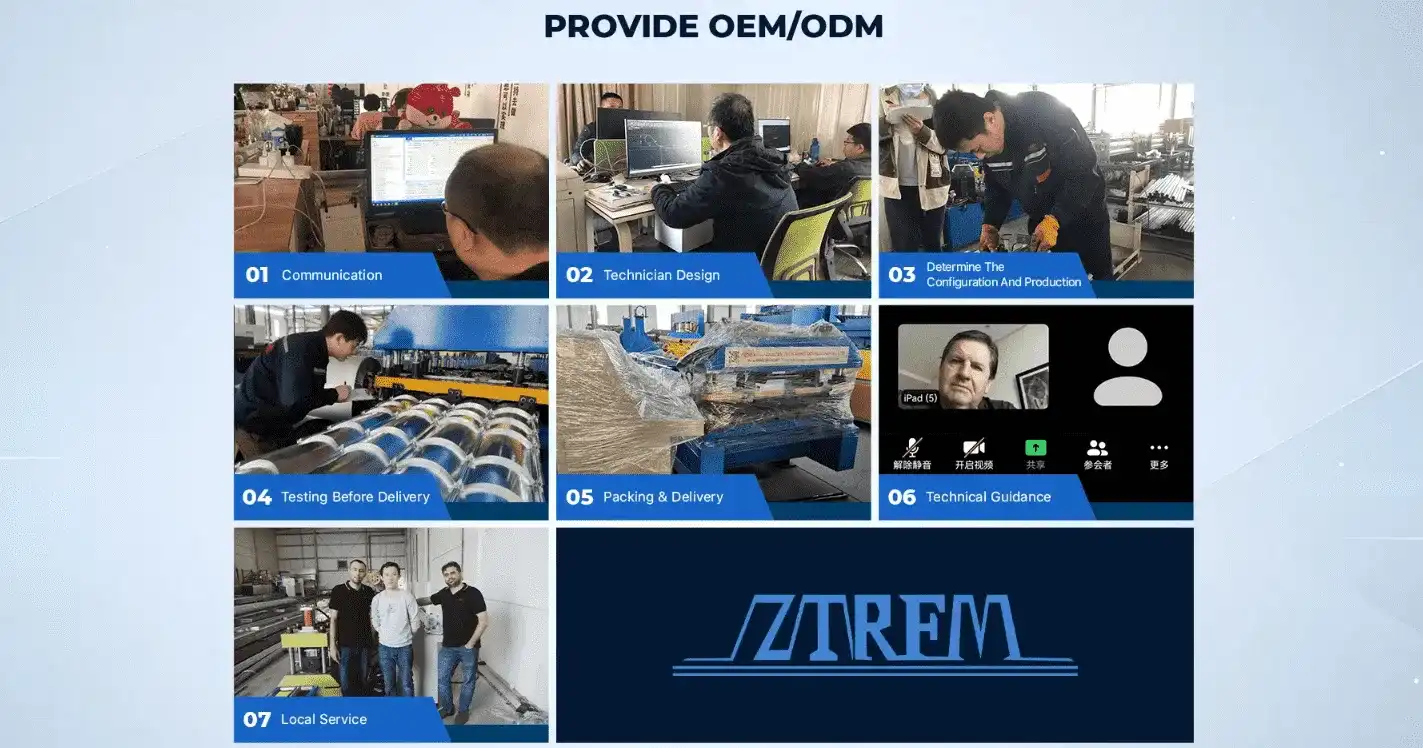
ZTRFM has decades of experience building cold roll forming tools that can handle the tough needs of modern metal roofing production. Our experience as a R101 Roofing Sheet Making Machine maker includes full system integration, from moving raw materials to stacking final products, so that the machine works smoothly from the start. We know what problems makers of building roofing systems have to deal with, like uncertain forming quality, problems with upkeep, and not enough production efficiency to keep up with rising demand.
Our tech team builds equipment that fits the needs of your output, so your business doesn't have to change to fit generic machines. ZTRFM offers customized solutions backed by ISO 9001, CE, and CAS certifications, whether you're a new company looking for a cheap way to start making metal roofs or an established company looking to increase your production capacity. We offer a global after-sales support system that keeps your production going easily. Our installations have been successful in more than 150 countries. Get in touch with us at zhongtuorollforming@gmail.com to talk about how our R101 Roofing Sheet Making Machine seller services can help you make your business more efficient.
References
1. Smith, J. & Anderson, M. (2023). "Cold Roll Forming Technology: Principles and Applications in Metal Roofing Manufacturing." Industrial Press, New York.
2. Thompson, R. (2024). "Comparative Analysis of Automated vs. Manual Metal Forming Processes in Construction Materials Production." Journal of Manufacturing Systems, Vol. 68, pp. 145-162.
3. Martinez, L. & Chen, W. (2023). "Energy Efficiency Optimization in Roll Forming Equipment: A Comprehensive Study." International Journal of Advanced Manufacturing Technology, Vol. 125, pp. 2341-2358.
4. Johnson, K. (2024). "Quality Control Standards for Cold-Formed Steel Roofing Products in North American Markets." Construction Materials Research Institute, Chicago.
5. Patel, S. & O'Connor, D. (2023). "Maintenance Strategies for Industrial Roll Forming Equipment: Reducing Downtime and Extending Service Life." Manufacturing Engineering Quarterly, Vol. 42, No. 3, pp. 78-94.
6. Williams, A. (2024). "Market Trends and Technology Innovation in Metal Roofing Production Systems." Building Materials Technology Review, Vol. 31, pp. 210-228.
_1750323743240.webp)