- English
- French
- German
- Portuguese
- Spanish
- Russian
- Japanese
- Korean
- Arabic
- Irish
- Greek
- Turkish
- Italian
- Danish
- Romanian
- Indonesian
- Czech
- Afrikaans
- Swedish
- Polish
- Basque
- Catalan
- Esperanto
- Hindi
- Lao
- Albanian
- Amharic
- Armenian
- Azerbaijani
- Belarusian
- Bengali
- Bosnian
- Bulgarian
- Cebuano
- Chichewa
- Corsican
- Croatian
- Dutch
- Estonian
- Filipino
- Finnish
- Frisian
- Galician
- Georgian
- Gujarati
- Haitian
- Hausa
- Hawaiian
- Hebrew
- Hmong
- Hungarian
- Icelandic
- Igbo
- Javanese
- Kannada
- Kazakh
- Khmer
- Kurdish
- Kyrgyz
- Latin
- Latvian
- Lithuanian
- Luxembou..
- Macedonian
- Malagasy
- Malay
- Malayalam
- Maltese
- Maori
- Marathi
- Mongolian
- Burmese
- Nepali
- Norwegian
- Pashto
- Persian
- Punjabi
- Serbian
- Sesotho
- Sinhala
- Slovak
- Slovenian
- Somali
- Samoan
- Scots Gaelic
- Shona
- Sindhi
- Sundanese
- Swahili
- Tajik
- Tamil
- Telugu
- Thai
- Ukrainian
- Urdu
- Uzbek
- Vietnamese
- Welsh
- Xhosa
- Yiddish
- Yoruba
- Zulu
How to Choose the Right Solar Strut Channel Roll Forming Machine Supplier
There are three things that you must look for in a Solar Strut Channel Roll Forming Machine supplier: technical ability, service reliability, and a good mix between cost and performance. The best manufacturers have a track record of success with cold roll forming technology, offer full after-sales support, such as installation training and spare parts availability, and offer solutions that can be changed to fit your unique production needs. In addition to price, you should look at their certifications, production capacity, and track record of working with clients in your market segment. The green energy sector is still growing quickly, which is creating a huge need for photovoltaic mounting infrastructure. Industry studies say that the number of solar installations around the world will hit 400 GW per year by 2027. This will open up a huge market for companies that make parts for mounting solar panels. At the center of this supply chain is specialised machinery that can turn raw steel into structural profiles that are precisely designed. Solar support channel roll formers are one of these. They are used to make the standard strut systems that hold up millions of solar panels around the world.
Why China Dominates Solar Strut Channel Equipment Manufacturing
Integrated Industrial Ecosystem
Chinese companies have supply lines that are vertically integrated, which means that they handle everything from processing raw steel to precision machining parts. In cities like Cangzhou, Botou, and Wuxi, there are industrial clusters where companies that make roll forming tools work with companies that make hydraulic systems, PLCs, and tooling. This geographic concentration lowers the cost of parts by 30–40% compared to production in Europe or North America. It also makes fast prototyping and customisation possible.
Advanced Technical Capabilities
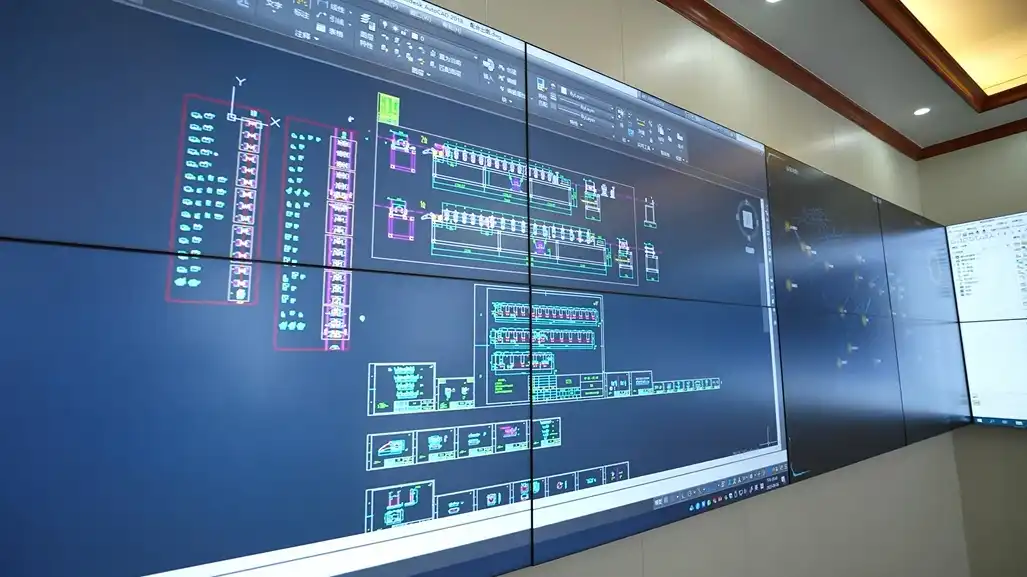
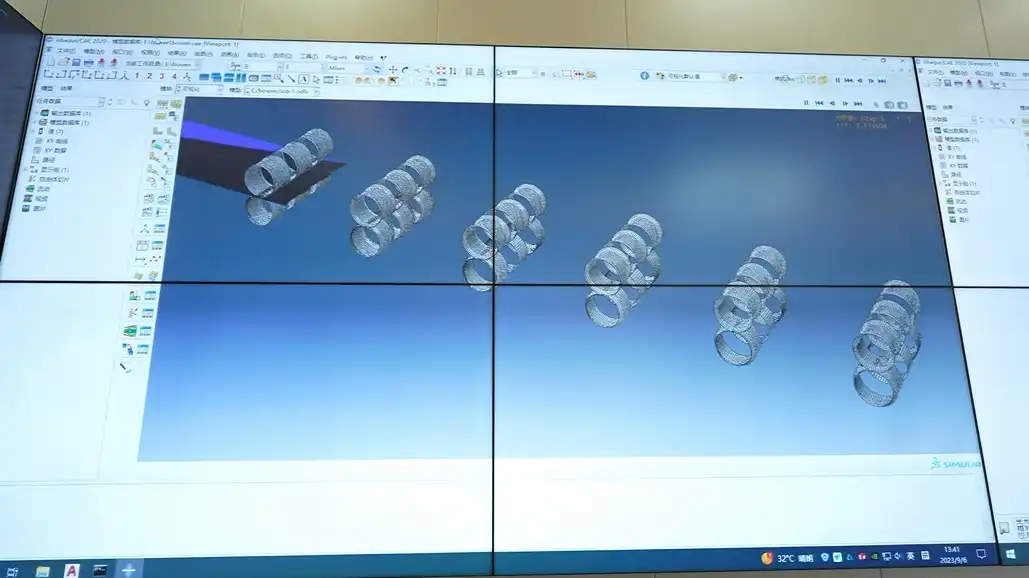
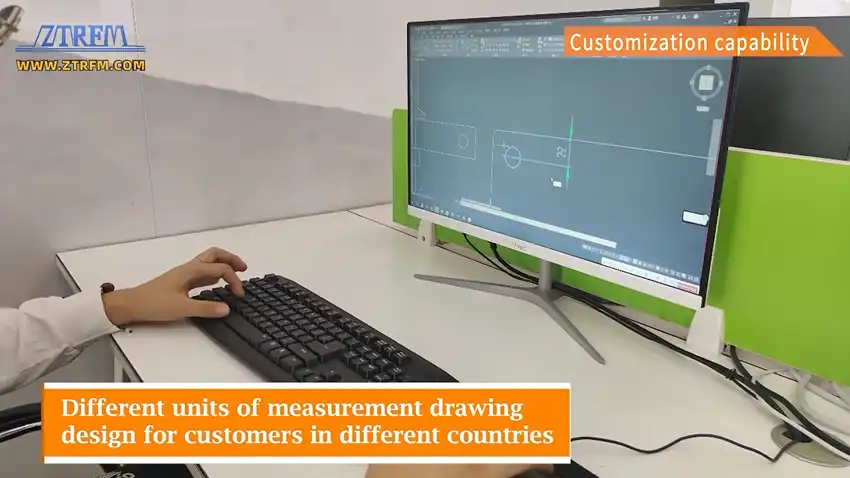
Top Chinese factories have engineering teams that know how to use specialised tools like AutoCAD design, SolidWorks 3D modelling, and COPRA roll forming simulation. With these features, you can make accurate profiles for complicated shapes like slotted channels, reinforced beams, and structural parts that are made up of more than one dimension. Manufacturers like ZTRFM have research and development (R&D) teams that are always improving roller designs, making forming sequences more efficient, and creating quick-change tooling systems that cut the time it takes to switch between tools from hours to minutes.
Cost-Performance Advantages
Usually, Chinese automated roll forming equipment is 40–60% less expensive than similar types from Europe or Japan, but it works 85–95% as well. This difference in prices is caused by lower labour costs, competitive local material prices, and economies of scale in manufacturing. A standard production line for solar racking parts that includes punching might cost USD 35,000 to USD 50,000 from Chinese suppliers, but USD 90,000 to USD 120,000 from Western makers.
Export Experience and Standards Compliance
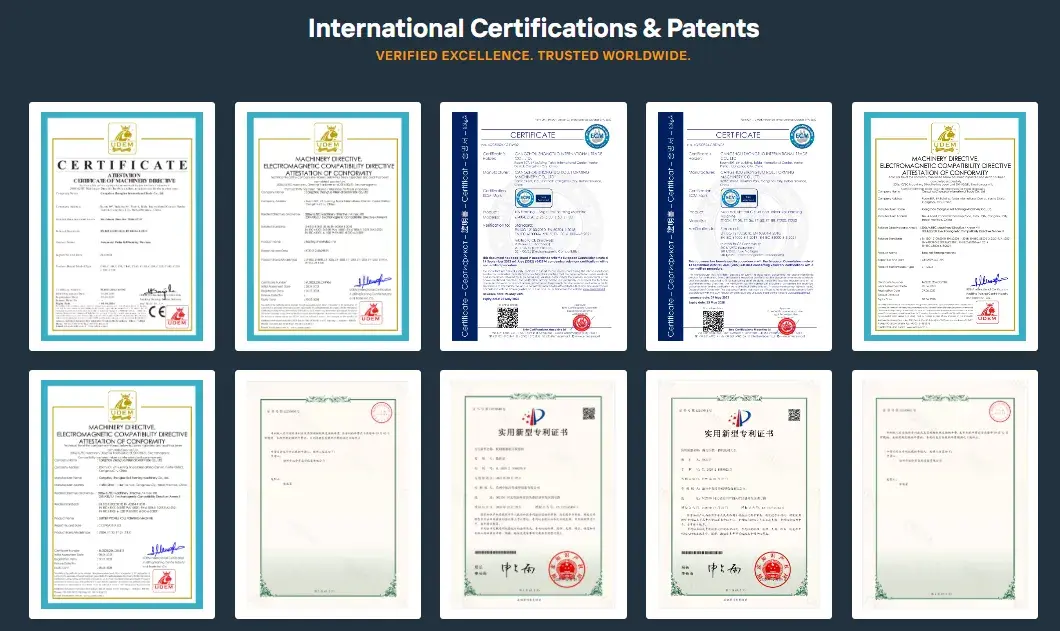
Top-tier Chinese manufacturers have accumulated extensive international delivery experience, shipping equipment to over 150 countries across six continents. This global exposure has forced quality improvements, Solar support channel roll former, and standards adoption. Reputable suppliers maintain ISO 9001 quality management systems, CE safety certifications, and increasingly offer equipment designed to North American electrical codes (UL/CSA) or Australian standards (AS/NZS).
Evaluating Manufacturer Credibility: Seven Practical Assessment Methods
Factory History and Specialization Depth
Find out when the business opened, who owns it, and what kind of products they make. Manufacturers that have been in business since at least 2010 have seen many market shifts and learned how to fix problems. Check the level of specialisation by asking for customer lists in the solar mounting sector. Generalist companies that make metal-forming equipment might not have the specialised knowledge needed to control the exact dimensions of channels and integrate automated punching.
Technical Documentation Quality
Ask for detailed electrical schematics, CAD drawings, and technical specs. Professional makers provide detailed information, such as roller station layouts, material flow diagrams, and control system designs. Poor documentation shows that the tech team isn't very good. Check to see if the specs include important details like the consistency of the forming speed, the range of tolerances (0.5mm vs. 1.5mm), and the types of roller material (Cr12MoV vs. standard tool steel).
Production Facility Assessment
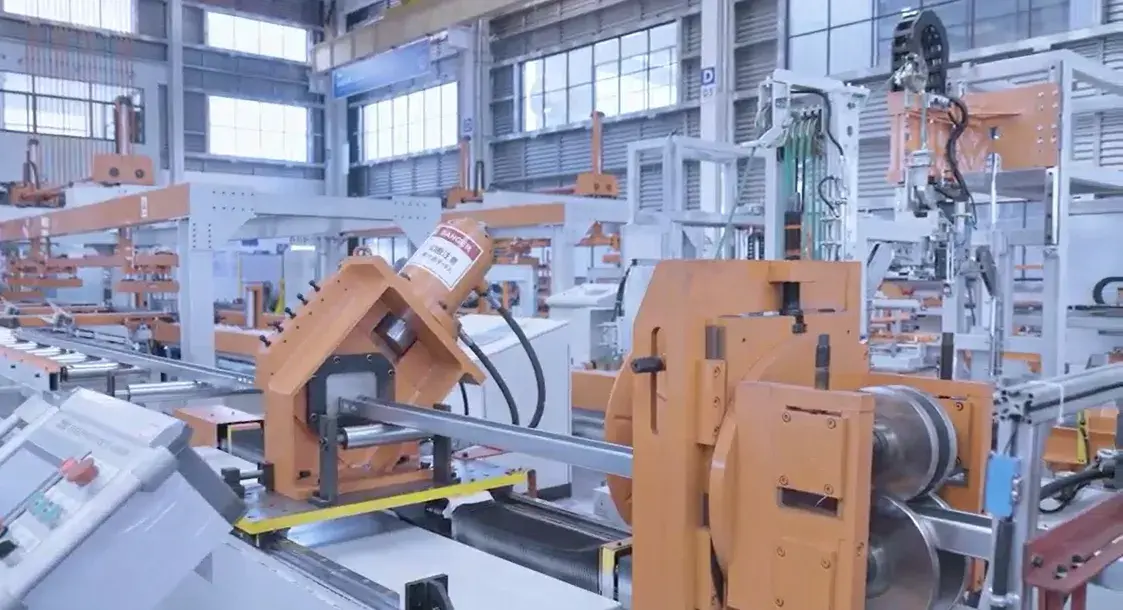
Do virtual or in-person audits of the factory, focused on the inventory of equipment, the organization of output, and the infrastructure for quality control. Look for CNC machining centers (which show that they can make rollers in-house), coordinate measuring machines (which show that they can check measurements), and well-organised parts stocking systems. Inconsistent products are likely to come from factories that are disorganised and have old machines.
Client Reference Verification
Ask for the contact information of three to five recent customers who have used similar tools. Talking to someone directly can show real performance data, how responsive the service is, and any hidden costs. Enquire about how often the machine breaks down, how long it takes to get replacement parts, and how good the technical help is. Manufacturers who are sure of their goods are happy to give you contact information for references; those who refuse to do so should be taken with a grain of salt.
Certification Standards: Understanding What Matters
ISO 9001 Quality Management
When a company gets ISO 9001 certification, it means that they have documented quality control methods in place for design, production, inspection, and delivery. This certification doesn't promise better goods, but it does show that the company uses systematic management methods instead of haphazard production methods. Ask about the scope of the certification—certification that covers the whole building is more important than credentials that only apply to one product.
CE Safety Compliance
CE marking demonstrates conformity with European health, safety, and environmental protection standards. This certification requires equipment design review, risk assessment documentation, Solar support channel roll former, and often third-party testing. CE compliance particularly matters for European buyers but also signals attention to safety engineering that benefits all customers.
Export Licensing and Customs Documentation
Verify manufacturers possess required export licenses and can provide complete customs documentation, including commercial invoices, packing lists, and certificates of origin. Experienced exporters smoothly handle international shipping logistics; inexperienced suppliers create delays and unexpected costs.
Industry-Specific Standards
Some applications require adherence to solar industry standards or structural codes. Inquire whether equipment can produce profiles meeting specific load ratings, corrosion resistance classifications, or dimensional tolerances required by your target markets. Manufacturers serving utility-scale solar projects typically understand these requirements better than those focused on general construction channels.
Sourcing Platforms and Direct Engagement Strategies
B2B Marketplaces: Advantages and Limitations
Platforms like Alibaba, Made-in-China, and Global Sources provide access to hundreds of suppliers with built-in communication tools and transaction protection mechanisms. These marketplaces excel for initial market research and price benchmarking. However, they attract both legitimate manufacturers and trading companies, requiring careful verification. Use marketplace platforms for discovery, then conduct direct due diligence before committing to purchases.
Trade Shows and Industry Exhibitions
Events like the China International Hardware Show, Solar Power International, and regional metalworking exhibitions enable face-to-face manufacturer evaluation. Direct conversations reveal technical depth and communication capabilities more effectively than email exchanges. Trade shows also facilitate comparison shopping across multiple suppliers within compressed timeframes.
Direct Manufacturer Contact
Reaching manufacturers directly through their corporate websites often yields better pricing and communication quality than marketplace inquiries. Direct contact connects you with engineering teams rather than sales intermediaries, improving technical discussion quality. Search for manufacturers maintaining informative websites with detailed product specifications, case studies, and technical resources—indicators of professional operations.
Industry Associations and Referral Networks
Contact industry groups like the China Metal Forming Machine Tool Industry Association or regional manufacturing associations for supplier recommendations. Peer referrals from non-competing companies operating in adjacent markets provide valuable insights. Networking within solar industry forums and LinkedIn groups often surfaces supplier evaluations unavailable through public channels.
Navigating OEM and ODM Partnerships
Defining Project Scope and Specifications
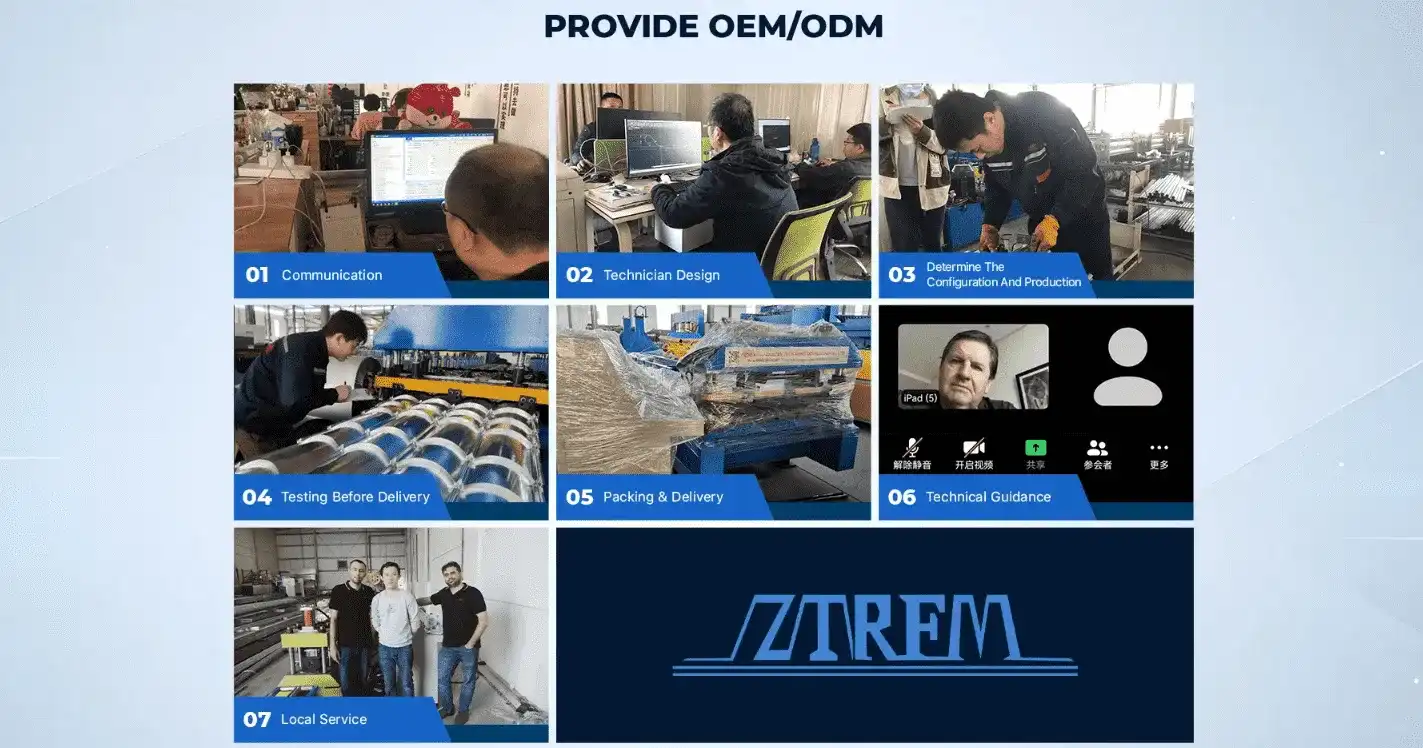
Successful OEM/ODM relationships begin with crystal-clear specifications covering profile dimensions, material thickness ranges, production speed requirements, and quality standards. Provide reference samples when possible. Detailed specifications minimize misunderstandings and enable accurate quotations. Include functional requirements (tolerance levels, surface finish standards) alongside dimensional parameters.
Intellectual Property Protection
Address IP concerns upfront through non-disclosure agreements and, where applicable, design registration. Chinese manufacturers increasingly respect IP rights, particularly established companies serving international markets. However, clearly define ownership of custom tooling designs, roller configurations, and proprietary modifications. Document agreements in contracts with specific language covering confidentiality and usage rights.
Prototype Development and Testing Protocols
Structure OEM projects with prototype stages, allowing design validation before full production. Establish clear acceptance criteria, including dimensional verification procedures, load testing protocols, and production speed confirmation. Insist on factory acceptance testing (FAT) with documented results before equipment shipment.
Payment Terms and Risk Mitigation
Negotiate payment structures, balancing manufacturer risk and buyer protection. Common arrangements include 30% deposit, 60% upon production completion, and 10% retention after installation and commissioning. Consider letter of credit arrangements for large purchases, providing security for both parties. Avoid suppliers demanding full payment before production or shipping.
Price Negotiation: Balancing Cost and Value
Understanding Cost Structures
Equipment pricing reflects material costs (typically 40-50%), labor and overhead (25-30%), and profit margins (15-25%). Manufacturers operate with limited pricing flexibility on materials and labor but may adjust margins for strategic opportunities. Understanding these dynamics helps set realistic negotiation targets.
Volume Leverage and Long-Term Commitments
Suppliers offer better pricing for multi-unit orders or commitments to ongoing spare parts purchases. If planning facility expansion, discuss future equipment needs during initial negotiations. Manufacturers value long-term relationships and often provide preferential pricing to customers demonstrating growth potential.
Comparing Total Cost of Ownership
Evaluate pricing beyond the initial purchase price. Factor in installation costs, operator training expenses, expected maintenance requirements, and spare parts availability. Equipment priced 15% lower but requiring expensive imported components may cost more over its operational life than slightly more expensive machines using standard, locally available parts.
MOQ Flexibility for Startups
Established manufacturers typically maintain standard models available in single-unit quantities, making minimum order quantity restrictions less relevant than in other product categories. However, customized configurations may require minimum commitments. Startups with limited capital should focus on proven standard models rather than highly customized solutions.
Factory Audit Essentials and Quality Verification
Pre-Purchase Inspection Priorities
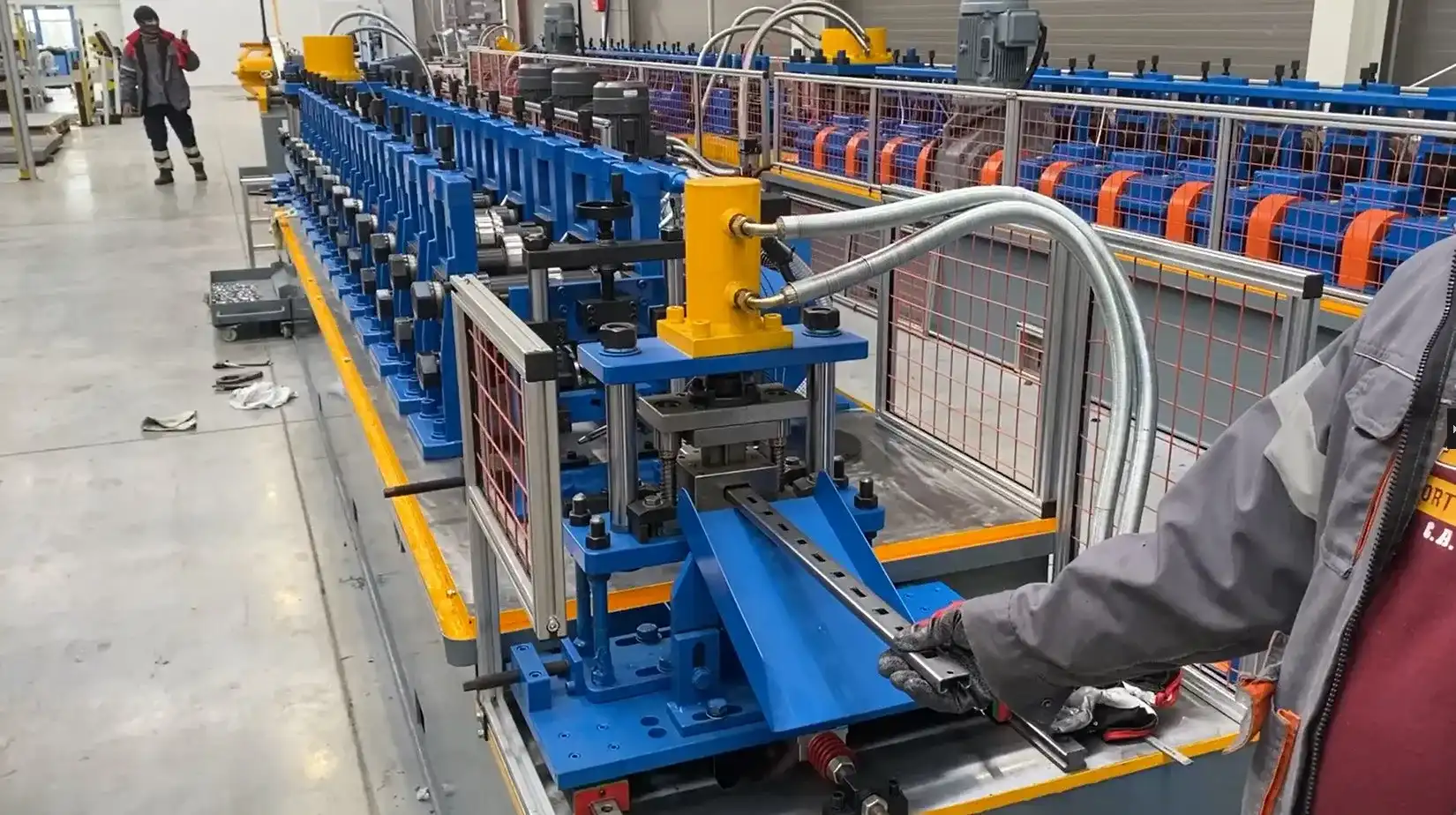
Focus on production consistency signs when auditing, whether you do them yourself or hire a third-party service to do them. Check out a number of machines at different stages of creation. Check the quality of the roller surface; a smooth finish without any cutting marks means the machine was used precisely. Check the quality of the welds on machine frames and other structural parts. Check the cleanliness of the hydraulic system and the order of the electrical cabinet.
Testing and Performance Validation
Watch as materials that meet your needs are used in production trials. Compare the actual output to the claimed specs for speed of forming, accuracy of dimensions, and quality of surface finish. Check the accuracy of the punching if there are built-in punching systems. Ask for copies of records from past production runs that were used for quality control.
Supplier Quality Management Systems
Review the written quality processes that cover inspecting new materials, checking for quality during production, and final testing. Manufacturers with well-established quality systems test the hardness of the rollers, check the dimensions at various forming stations, and validate the control system before letting the equipment go.
Third-Party Inspection Services
Consider engaging inspection companies like SGS, Bureau Veritas, or TÜV for independent verification, particularly Solar Strut Channel Roll Forming Machine for large capital investments. These services provide objective assessment reports covering mechanical condition, safety compliance, and performance testing, adding confidence to purchasing decisions.
Distinguishing Leading Suppliers in 2026
Digital Integration and Smart Manufacturing
Industry 4.0 technologies like remote monitoring systems, predictive maintenance algorithms, and production data analytics are being used by top makers more and more. IoT-connected equipment lets you track performance in real time and lets manufacturer workers fix problems remotely, which cuts down on downtime.
Modular Design Philosophy
Modern providers make machines with modular designs that let them add more capacity, form stations, or automation features in the future without having to replace whole production lines. This way to upgrade keeps your equipment investments safe as work needs change.
Energy Efficiency and Sustainability
Leading makers make sure that their machines use as little energy as possible by using variable frequency drives, hydraulic systems that work well, and servo motors that brake themselves. Designs that are energy-efficient cut down on running costs and help companies meet their sustainability goals.
Customer-Centric Service Models
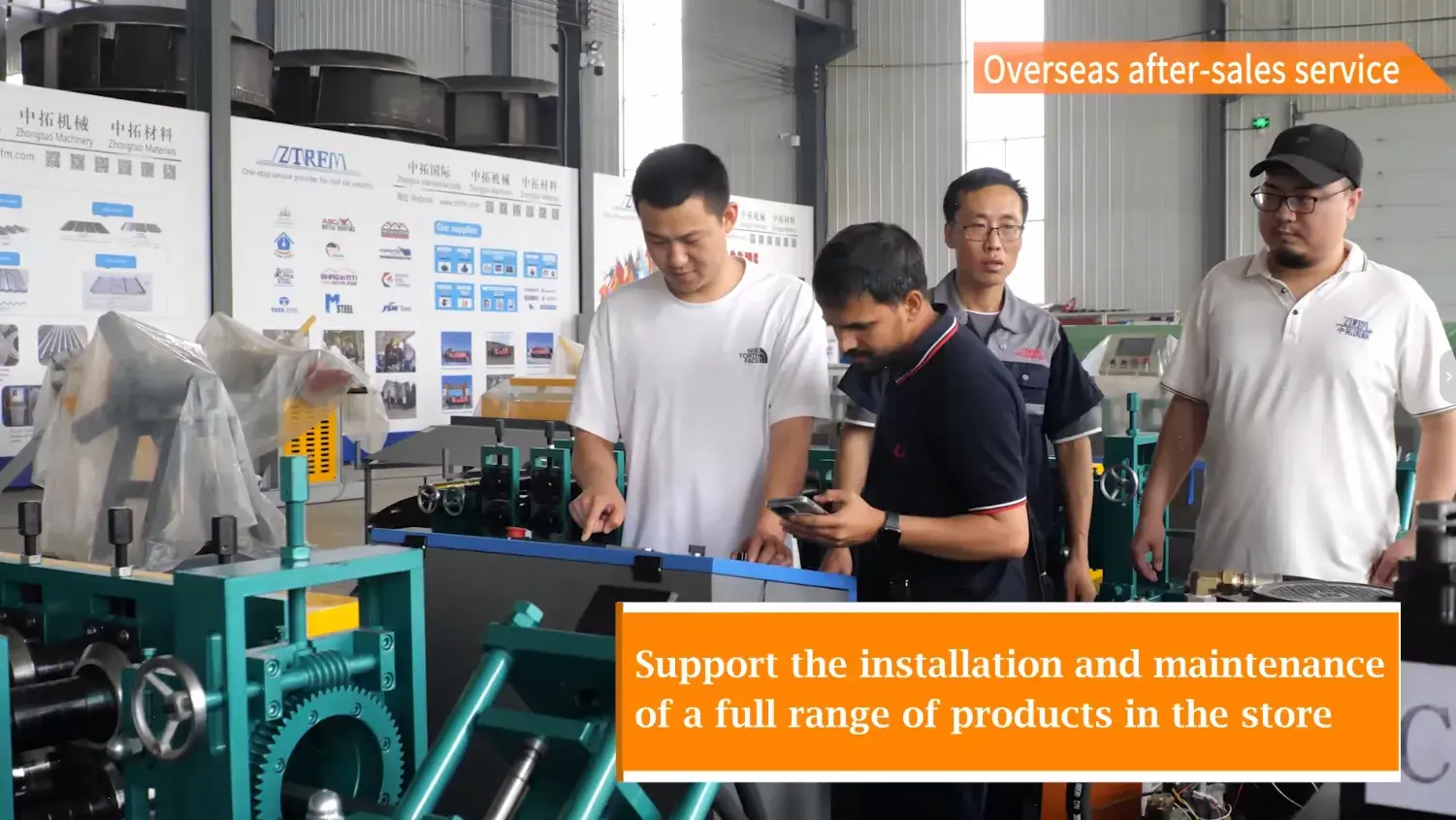
Premier suppliers move from transactional to partnership models, providing help for application engineering, training programs for operators, and advice on how to make improvements all the time. They keep databases of customer equipment so that proactive suggestions for part replacement and upgrade alerts can be made.
Conclusion
To find the best solar strut channel roll forming equipment maker in China, you need to carefully weigh their technical skills, customer service, and pricing. The way things are made in China is very cheap, but suppliers need to be carefully chosen. Give more weight to makers that can show they have specialised knowledge in continuous roll forming, well-documented quality systems, and the ability to provide service all over the world. Before making a final commitment, check the credentials by doing factory audits, calling references from past clients, and performance testing. Partnerships work best when both sides put in the time to communicate clearly, provide full specifications, and understand each other's expectations. The tools you choose now will affect your ability to make things for decades to come, so carefully evaluating suppliers is an investment, not a cost.
FAQ
1. What thickness range can solar strut channel machines process?
Most industrial equipment handles material thickness from 1.5mm to 3.0mm, with specialized heavy-duty models accommodating up to 4.0mm. Thicker materials require more forming stations and robust drive systems. Standard solar mounting applications typically use 2.0mm to 2.5mm galvanized steel, balancing structural strength with forming efficiency.
2. How long does equipment delivery typically take?
Standard models ship within 30-45 days after order confirmation. Customized configurations requiring special tooling or non-standard features extend lead times to 60-90 days. Factor in ocean freight transit (typically 30-45 days to North America, 25-35 days to Europe) and customs clearance when planning production timelines.
3. What warranty terms should I expect?
Reputable manufacturers provide 12-24 month warranties covering mechanical components and electrical systems. Wear items like cutting blades and forming rollers typically receive shorter coverage (3-6 months). Clarify warranty terms regarding on-site service, parts replacement procedures, and coverage for damage during installation.
4. Can one machine produce multiple profile sizes?
Advanced designs incorporate quick-change tooling systems or servo-adjustable forming stations, enabling production of multiple profiles (such as 41x21mm, 41x41mm, and 41x62mm channels) on a single machine. Changeover time varies from 30 minutes to 4 hours, depending on system sophistication. Discuss multi-profile requirements early in specification development.
Partner with ZTRFM for Your Solar Strut Channel Production Needs
ZTRFM brings over a decade of specialized expertise as a Solar Strut Channel Roll Forming Machine supplier, delivering precision equipment to solar mounting manufacturers across 150+ countries. Our engineering team designs integrated production solutions combining decoiling, servo punching, continuous roll forming, and hydraulic cutting systems optimized for photovoltaic bracket fabrication. With ISO 9001 and CE certification, comprehensive training programs, and lifetime technical support, we provide the reliability that growing solar manufacturers require.
Contact our technical team at zhongtuorollforming@gmail.com to discuss your specific production requirements. We'll provide detailed equipment recommendations, ROI analysis, and connect you with reference clients in your region.
References
1. Chen, W., & Liu, X. (2023). Cold Roll Forming Technology for Photovoltaic Structural Components. Beijing: Metallurgical Industry Press.
2. International Renewable Energy Agency (2024). Global Solar Supply Chain Report: Manufacturing Capacity and Equipment Markets. Abu Dhabi: IRENA Publications.
3. Zhang, H., Wang, S., & Li, M. (2022). "Precision Control Methods in Multi-Station Roll Forming Systems." Journal of Manufacturing Processes, 78, 412-428.
4. European Commission Joint Research Centre (2023). Quality Assessment Framework for Imported Metalworking Equipment. Luxembourg: Publications Office of the European Union.
5. Thompson, R.J. (2024). Procurement Strategies for Solar Manufacturing Equipment: A Buyer's Guide. Boston: Industrial Equipment Publishing.
6. China Machine Tool Industry Association (2023). Annual Report on Roll Forming Equipment Manufacturing Sector. Beijing: CMTIA Research Department.
_1750323743240.webp)