- English
- French
- German
- Portuguese
- Spanish
- Russian
- Japanese
- Korean
- Arabic
- Irish
- Greek
- Turkish
- Italian
- Danish
- Romanian
- Indonesian
- Czech
- Afrikaans
- Swedish
- Polish
- Basque
- Catalan
- Esperanto
- Hindi
- Lao
- Albanian
- Amharic
- Armenian
- Azerbaijani
- Belarusian
- Bengali
- Bosnian
- Bulgarian
- Cebuano
- Chichewa
- Corsican
- Croatian
- Dutch
- Estonian
- Filipino
- Finnish
- Frisian
- Galician
- Georgian
- Gujarati
- Haitian
- Hausa
- Hawaiian
- Hebrew
- Hmong
- Hungarian
- Icelandic
- Igbo
- Javanese
- Kannada
- Kazakh
- Khmer
- Kurdish
- Kyrgyz
- Latin
- Latvian
- Lithuanian
- Luxembou..
- Macedonian
- Malagasy
- Malay
- Malayalam
- Maltese
- Maori
- Marathi
- Mongolian
- Burmese
- Nepali
- Norwegian
- Pashto
- Persian
- Punjabi
- Serbian
- Sesotho
- Sinhala
- Slovak
- Slovenian
- Somali
- Samoan
- Scots Gaelic
- Shona
- Sindhi
- Sundanese
- Swahili
- Tajik
- Tamil
- Telugu
- Thai
- Ukrainian
- Urdu
- Uzbek
- Vietnamese
- Welsh
- Xhosa
- Yiddish
- Yoruba
- Zulu
Ceiling T Grid Roll Forming Machine for Beginners: Everything You Need to Know
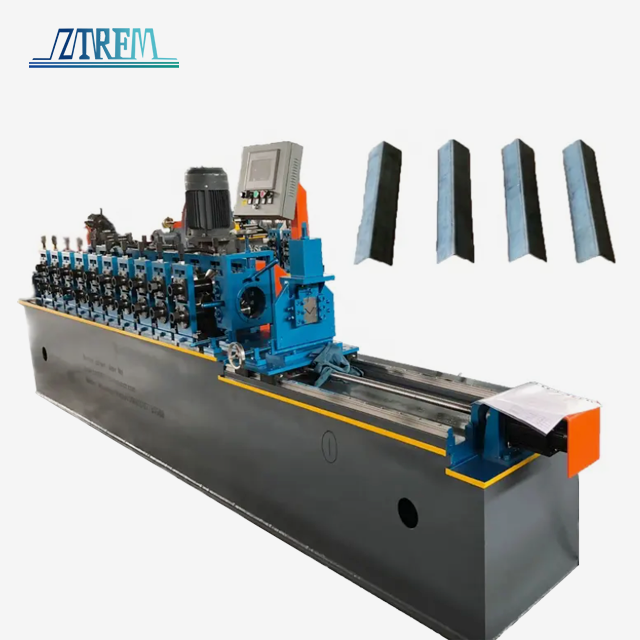
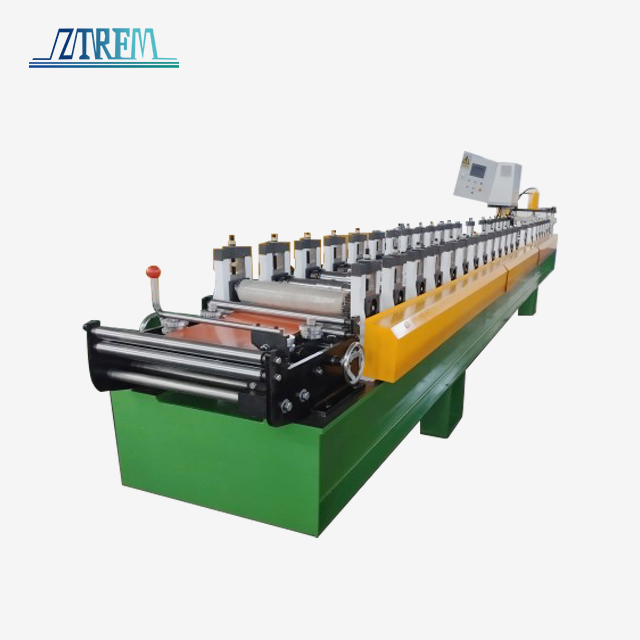
Industrial cold roll forming lines that create structural framework pieces for hanging ceiling systems are called ceiling T-grid roll forming machines'. With perfectly machined roller stations, this machinery makes complicated T-shaped profiles for commercial ceiling installations from galvanised steel and pre-painted steel strips. Knowing about this technology helps purchase managers, engineers, and producers speed up production and maintain ceiling grid quality.
Introduction
Current ceiling framework systems must follow tight design criteria; thus, current construction requires dependable equipment. Buying managers, engineers, dealers, and OEM clients may discover everything about ceiling T-grid roll-forming machine production technologies from this handbook. Roll forming machines do more than make things. They directly impact manufacturing line efficiency, product quality, and business profitability. This equipment may help roofing system manufacturers with low production efficiency and unsteady manufacturing achieve stable high-speed solutions. Light steel structure manufacturers may switch products easily, and new enterprises can acquire low-cost investment options with technical support. Choosing the proper roll-forming equipment to keep ahead of the competition and achieve tight industry requirements is crucial as more worldwide building projects require precision-engineered ceiling elements.
What Is a Ceiling T Grid Roll Forming Machine and How Does It Work?
Core Function and Purpose
Ceiling T-grid roll-forming machines convert flat metal coils into precise ceiling framework pieces using continuous plastic deformation. These systems can use PPGI and GI as raw materials. For T-bar profiles, they typically process material thicknesses ranging from 0.2 mm to 0.6 mm. Machines replace manual bending, which causes uneven grids, and ensure that modular tolerances for laying acoustic tiles are satisfied.
Technical Specifications and Design Features
Decoiler frames on our machines can hold 1.5 tonnes and handle 450–550 mm coils. The 50 mm rolling shaft is composed of 45# steel, and the rollers are GB-Cr12 for durability. There are 18 main tee stations and 16 cross tee stations in the manufacturing configuration. Punching and cutting occur simultaneously at 0–20 m/min. Purlin manufacturers face several cross-sectional forms. This design overcomes such issues while maintaining accuracy.
Production Workflow and Quality Control
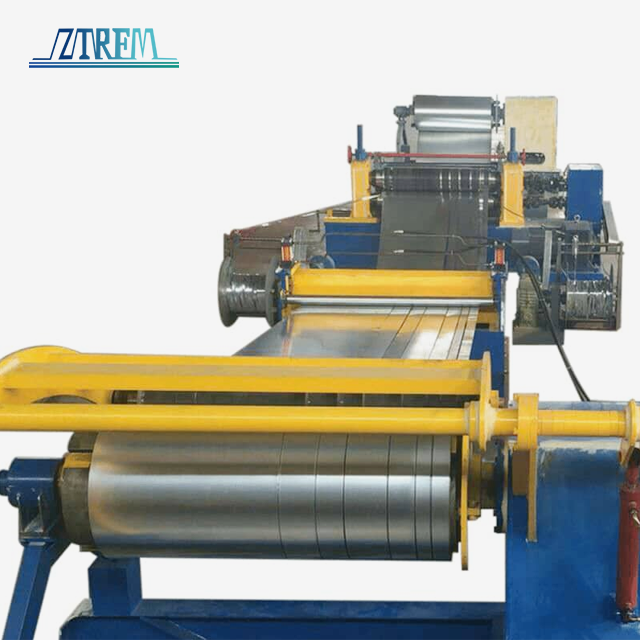
Material goes through the decoiler to start manufacturing. The material is then produced individually at roller stations. Automated punching machines produce mounting and connecting holes as the metal strip is increasingly formed at each station. Flying cut technology allows hydraulic cutting 24/7, reducing downtime and cut end damage. Continuous quality control inspections and PLC control systems ensure dimensions are exact within ±0.5mm throughout the process. This rigors approach reduces material waste and ensures product quality. This solves composite sandwich panel manufacturers' manufacturing efficiency concerns.

Types and Key Components of Ceiling T-Grid Roll Forming Machines
Automation Level Classifications
Three basic technologies are used to roll-form ceiling T-grid roll-forming machines. Manual methods allow small enterprises with limited capital to feed and cut materials by hand. Semi-automatic machines need human supervision despite their powered rollers and programmed cutting mechanisms. Cost reduction and output gain are balanced. Fully automatic lines feature servo-driven controls, automated punching, and flying cut systems that function 24/7 without supervision. Each arrangement offers distinct output. Fully automated options can achieve 40 m/min, whereas regular lines can only reach 15-20 m/min.
Essential Machine Components
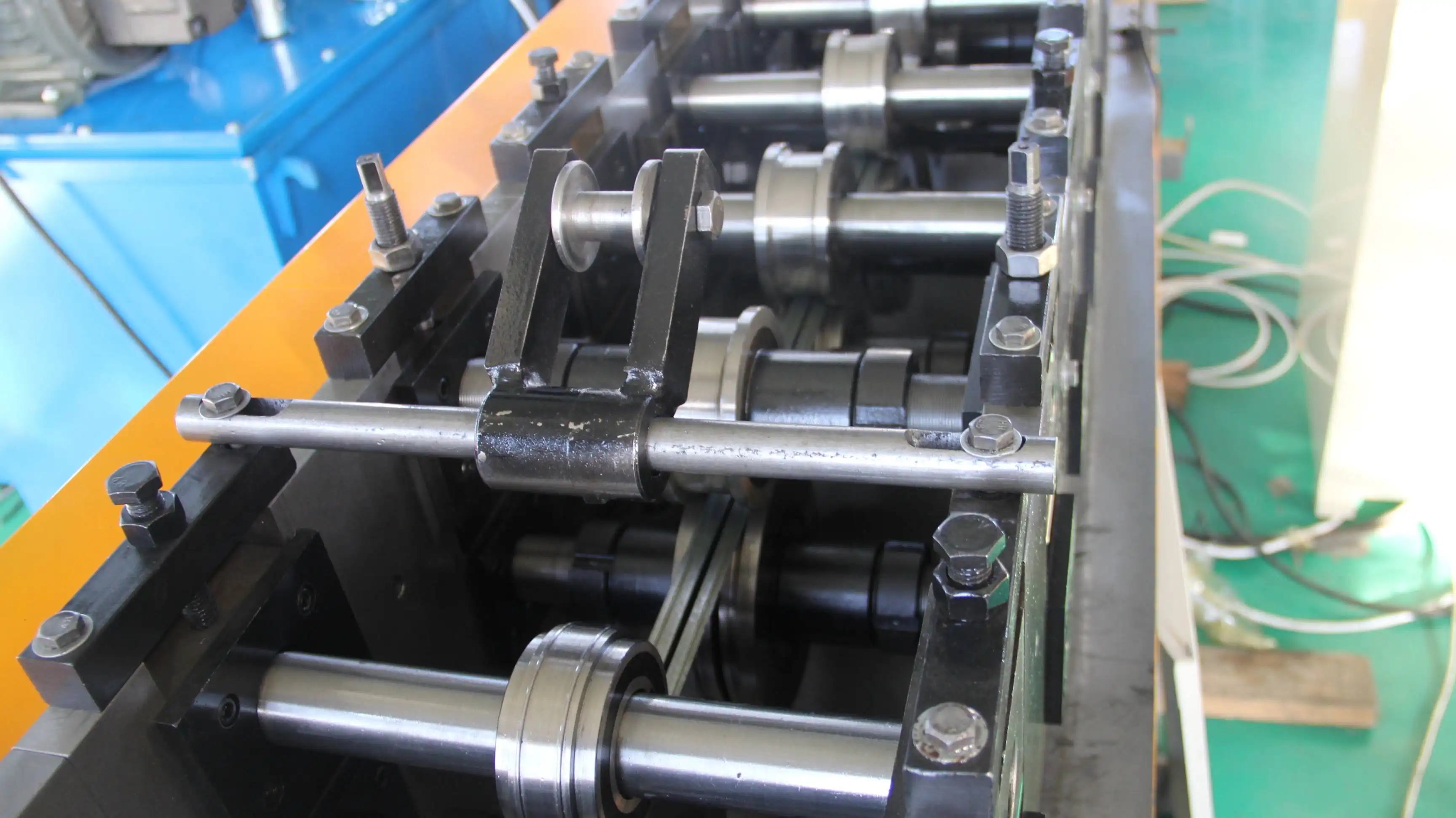
The machine relies on Cr12MoV mould steel precision rollers. To prevent paint scratching, these rollers are vacuum-heated to HRC 58–62 hardness and chrome-plated. Servo motors in feeding systems move materials in sync for exact placement throughout production. Hydraulic cutting tools create burr-free edges at predetermined lengths. Control displays contain Siemens or Mitsubishi Delta-inverter PLCs. Precision cutting and real-time production tracking are provided by these technologies.
Comparative Performance Analysis
Leading machine types vary in energy usage, production, and reliability. High-speed variants are useful for mass manufacturing since they require more power but can do more. Standard models utilise less energy, making them excellent for flexible work schedules. Roller material quality affects maintenance frequency and surface finish. High-quality Cr12MoV rollers last 300–400% longer than steel ones. Modern machines automatically rivet alloy steel hook connections with built-in clip operations and servo-driven punching moulds. This increases pull-out strengths above 100 kg compared to human crimping.
Benefits of Using a Ceiling T Grid Roll Forming Machine in Your Production Line
Operational Efficiency Gains
Automation eliminates tedious manual tasks. This reduces labour by 40–60% and improves production consistency. With modern technologies that can manufacture 30 to 45 metres per minute, continuous forming may attain production speeds that older methods cannot. This outcome overcomes the building roofing system producers' issue of inefficient production. Computerised controls on equipment maintain thousands of unit sizes accurately, reducing errors. This ensures every part satisfies installation standards without costly repairs.
Cost Savings and ROI Timeline
Cutting material waste is important for the economy since precision cutting and shaping equipment can obtain scrap rates below 2%, whereas human techniques may get 8–12%. Labour expenses decrease when fewer personnel are needed, and basic production operations don't require experienced operators. In industrial environments with many products, energy-efficient designs save operational expenses. By cutting supply, labour, and quality expenses, most producers receive their full ROI in 18–24 months. These cost advantages are especially useful for metal structure and profile manufacturers who must punch and cut several product requirements.
Quality Standards and Compliance
Our precision engineering ensures compliance with ASTM C635 ceiling grid system requirements, ensuring profile measures within ±0.1 mm. The production process's automated quality control tests fulfil ISO9001 requirements. Dimensional correctness and surface polish are documented for each production run. This compliance feature is very important to international engineering organisations that need suppliers with technical certificates and global shipping. Surface integrity examination showed few roller marks and no pre-painted layer flaking. Because the Salt Spray Test is consistent, rust resistance is steady.

How to Choose the Best Ceiling T Grid Roll Forming Machine for Your Business?
Assessing Production Requirements
Calculate the optimal ceiling t grid roll forming machine size by looking at your present and future production. Semi-automated systems may work for businesses producing less than 500 square metres per day, while centres producing 2000 or more need fully automatic systems. Consider product mix requirements. Main and cross-tee factories need movable tools or different manufacturing lines. The 18-station main tee and 16-station cross tee manage varied shaping complexity. Despite costing more, separate lines generally outperform cassette switching systems.
Evaluation Criteria for Equipment Selection
Machine longevity depends on frame structure, roller material requirements, and hydraulic system reliability. Examine roller materials carefully. GB-Cr12 works well, although chrome-finished Cr12MoV resists scratches better for PPGI processing. Long-term success depends on after-sales support. With complete training, professional installation, and fast technical support, suppliers reduce costly downtime. Sellers with established distribution networks are preferable to those who must transport common parts abroad since spare parts are essential for production planning. Energy efficiency scores greatly impact equipment lifetime costs. Older designs utilise 15–25% more energy than variable frequency motors and improved hydraulic systems.
Supplier Credibility and Partnership Value
Technically proficient manufacturers have ISO9001, CE, and CAS certifications. Delivering packages to over 150 countries demonstrates you're organised and respect international rules. Warranty durations normally last 12–24 months and cover all product issues, including manufacturing defects and broken parts. Prices vary, and you must consider both the original purchase price and the overall cost of ownership. Authorised dealers provide superior regional assistance, but working directly with the producer allows for more flexibility. Partnerships go beyond tool purchases. They can also be utilised for professional cooperation, spare component supply, and production improvement advice.

Maintenance Tips and After-Sales Support for Optimal Machine Performance
Routine Maintenance Checklist
The producers recommend daily lubrication of moving parts using high-quality lubricants. Roller bearings and hydraulic cylinders require particular attention. Roller surfaces should be examined weekly for damage or wear patterns that might mark treated materials. Full hydraulic fluid, electrical connection, and cutting blade sharpness tests are done monthly. Punching dies are stressed and need to be sharpened every 100,000 strokes to prevent burrs in final items. PLC stroke counters alert staff to maintenance. Systematic tool maintenance extends tool life and maintains output quality.
Training and Installation Support
Professional installation ensures the machine is level, the electrical wires are safe, and the roller stations are aligned. Comprehensive user training covers troubleshooting, working methods, and quality assurance. Well-trained staff may notice technological faults early, preventing production from being halted. Installation by skilled experts reduces blunders that might harm equipment or endanger personnel in the initial few hours.
Warranty Coverage and Repair Services
Mismade structural parts, hydraulic systems, and electrical operations are covered by standard warranties, including for the ceiling T-grid roll-forming machine. Extended warranties provide you with peace of mind for crucial business items. Spare parts for cutting blades and punching dies are accessible through certified service networks, making replacement easy. To reduce downtime, repair services should include remote diagnostics, on-site professional advice, and speedy part shipment. Using these resources before they break down keeps machines working well and protects production plans from equipment failures.
Conclusion
Companies building ceiling frameworks must invest in ceiling T-grid roll-forming machines to be competitive. By understanding a machine's features, automation, and operational requirements, you can pick the correct tools to build your firm. The technology handles industrial issues, including output efficiency, quality, and cost management. To succeed, you need reputable sources that can aid with installation, maintenance, and parts. New roll-forming technology can help enterprises profit as long as the building industry demands precisely manufactured ceiling elements.

FAQ
1. When working properly, how long does a ceiling T-grid roll-forming machine last?
With careful care, high-quality tools may last 15–20 years. How often it's used, what materials are utilised, and if the maintenance requirements are performed determine its lifespan. Rollers may need replacement every 5–7 years in high-volume applications. Well-maintained structural frames and hydraulic systems endure longer.
2. Can the machine suit other ceiling grids besides standard ones?
Most producers let you adjust their profile designs, but clients must order bespoke roller tools. Customising involves reviewing the profile design, creating tools, and verifying dimensions. The cost of custom casting depends on the shape's complexity and the number of forming stations and takes 6–10 weeks.
3. What shipping options do international customers have?
Export documentation, container loading monitoring, and global shipment coordination are provided by reliable vendors. Installation services range from phone support with detailed instructions to manufacturer specialists installing your equipment on location. Sellers often have local service partners for installation and training. This reduces transportation costs and ensures equipment setup.
Partner with ZTRFM for Your Roll Forming Solutions
Cangzhou Zhongtuo Roll Forming Machinery (ZTRFM) develops well-designed ceiling t grid roll forming machines with 10 years of expertise. Our technologies can handle all types of production difficulties, from startups that require low-cost ways to start to overseas engineering corporations that need approved systems for global usage. Serving customers in over 150 countries, we maintain ISO9001, CE, and CAS certifications. This proves our reliability in many workplaces. Our entire spectrum of services includes OEM and ODM, customizable feature designs, and full production line integration from raw materials to final items. As a national high-tech corporation, we provide experienced assistance, rapid access to spare parts, and helpful after-sales service to keep production operating smoothly. Contact our technical team at zhongtuorollforming@gmail.com to discuss your needs and get quotations from suspended ceiling T grid roll forming machine suppliers.
References
1. Thompson, R. & Martinez, J. (2021). Cold Roll Forming Technology in Modern Construction Equipment Manufacturing. Industrial Press Publishing.
2. Chen, W. (2020). "Precision Engineering Standards for Ceiling Grid Production Systems," Journal of Manufacturing Technology and Innovation, Vol. 34, Issue 2, pp. 145-168.
3. International Building Components Association. (2022). Technical Guidelines for Suspended Ceiling Framework Manufacturing. IBCA Standards Committee Report.
4. Peterson, K. (2019). Metal Forming Machinery: Selection, Operation, and Maintenance Strategies. Engineering Publications Group.
5. Global Construction Equipment Research Institute. (2023). Market Analysis of Roll Forming Equipment in Architectural Applications. Annual Industry Report.
6. Williams, D. & Zhao, L. (2021). "Automation Advances in Profile Roll Forming Systems," Advanced Manufacturing Processes Quarterly, Vol. 28, No. 4, pp. 312-335.