- English
- French
- German
- Portuguese
- Spanish
- Russian
- Japanese
- Korean
- Arabic
- Irish
- Greek
- Turkish
- Italian
- Danish
- Romanian
- Indonesian
- Czech
- Afrikaans
- Swedish
- Polish
- Basque
- Catalan
- Esperanto
- Hindi
- Lao
- Albanian
- Amharic
- Armenian
- Azerbaijani
- Belarusian
- Bengali
- Bosnian
- Bulgarian
- Cebuano
- Chichewa
- Corsican
- Croatian
- Dutch
- Estonian
- Filipino
- Finnish
- Frisian
- Galician
- Georgian
- Gujarati
- Haitian
- Hausa
- Hawaiian
- Hebrew
- Hmong
- Hungarian
- Icelandic
- Igbo
- Javanese
- Kannada
- Kazakh
- Khmer
- Kurdish
- Kyrgyz
- Latin
- Latvian
- Lithuanian
- Luxembou..
- Macedonian
- Malagasy
- Malay
- Malayalam
- Maltese
- Maori
- Marathi
- Mongolian
- Burmese
- Nepali
- Norwegian
- Pashto
- Persian
- Punjabi
- Serbian
- Sesotho
- Sinhala
- Slovak
- Slovenian
- Somali
- Samoan
- Scots Gaelic
- Shona
- Sindhi
- Sundanese
- Swahili
- Tajik
- Tamil
- Telugu
- Thai
- Ukrainian
- Urdu
- Uzbek
- Vietnamese
- Welsh
- Xhosa
- Yiddish
- Yoruba
- Zulu
CZ Purlin Roll Former: Provide Precision Form for Your Pre-engineering Building Engineering
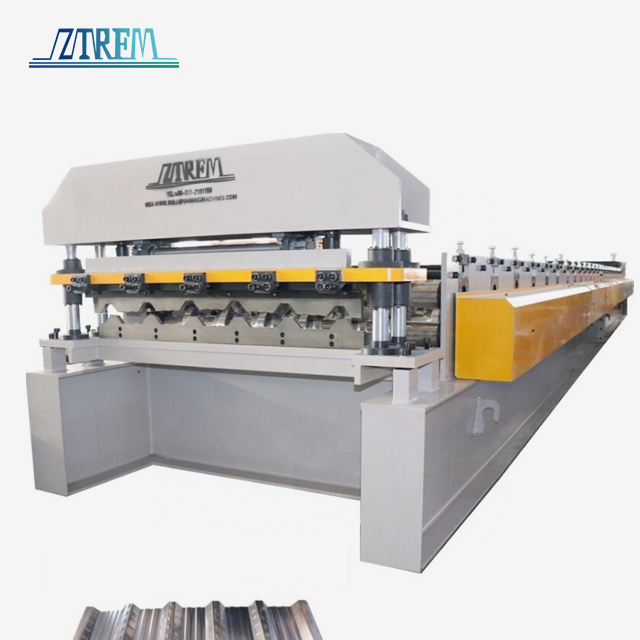
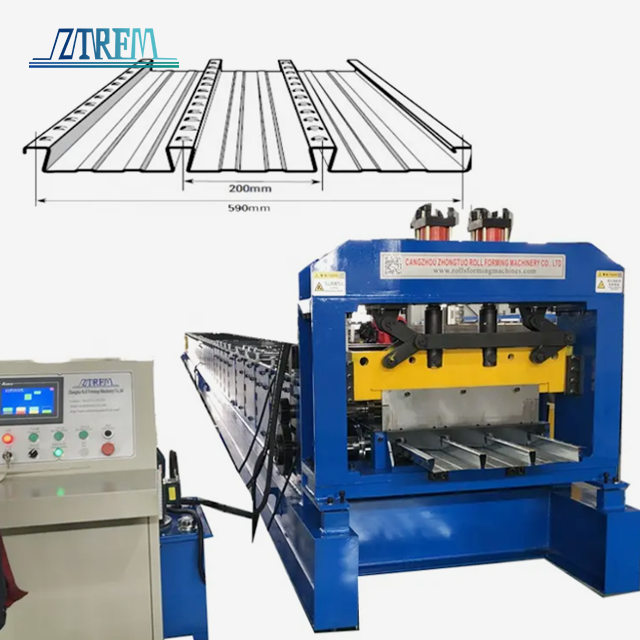
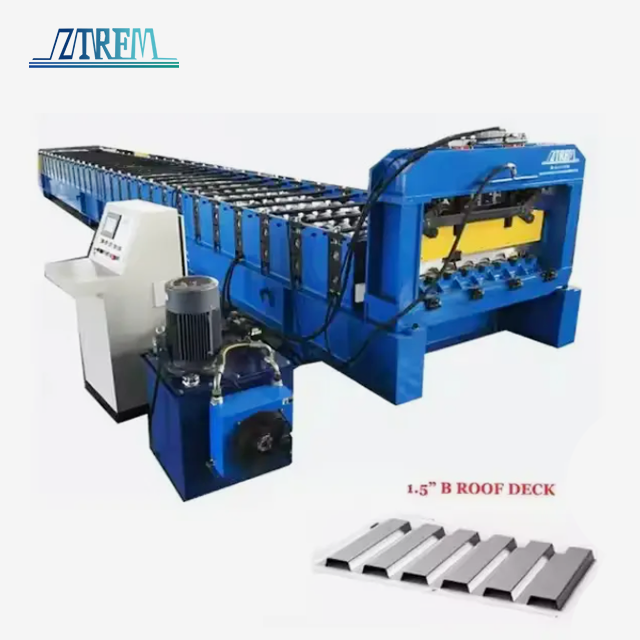
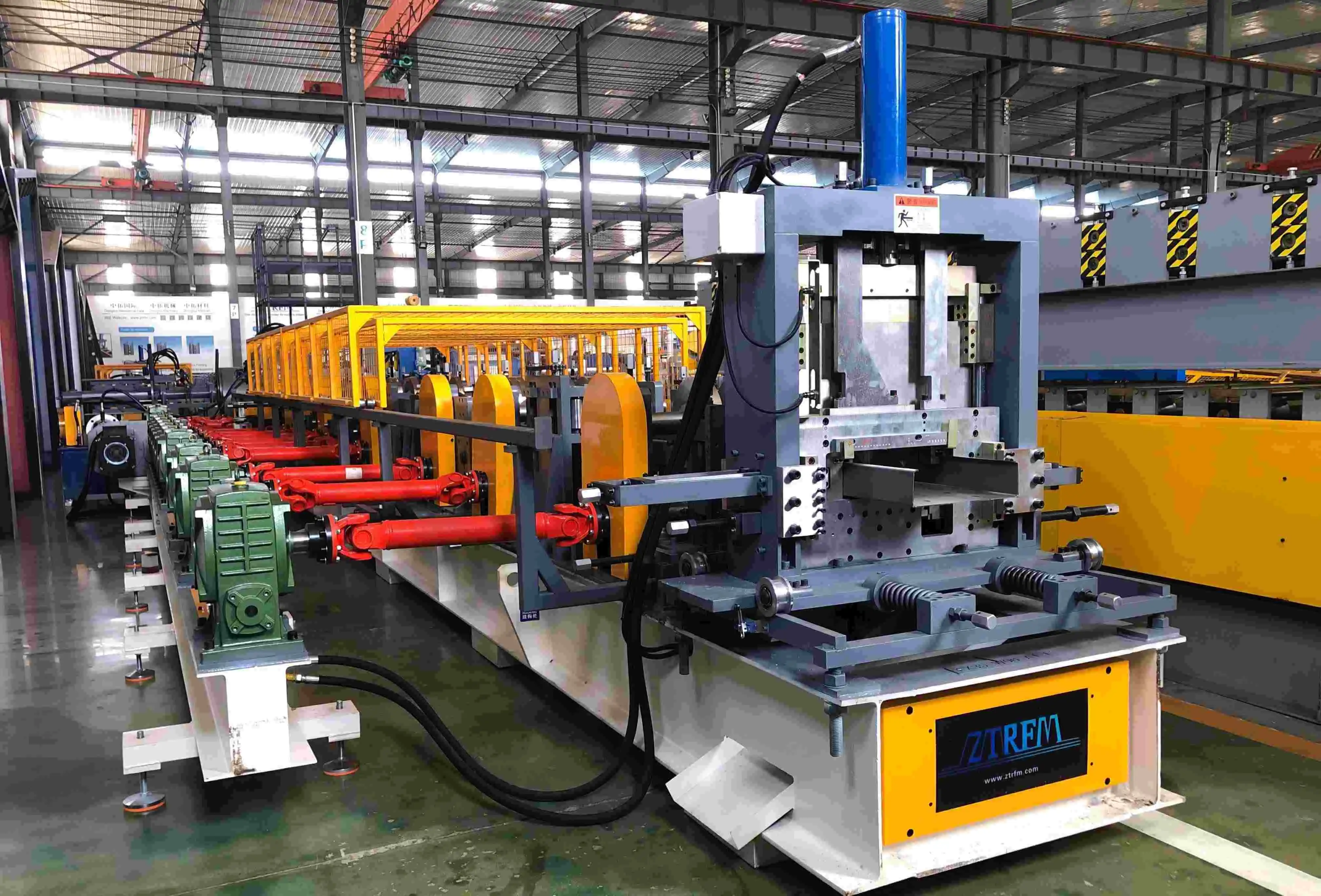
When we talk about building the backbone of modern industrial structures, the conversation inevitably turns to precision metal forming equipment. A cz purlin roll former stands as a cornerstone in manufacturing structural components for pre-engineered buildings, warehouses, and commercial construction projects across the United States. This specialized machine transforms galvanized steel coils into C-shaped and Z-shaped purlins—those critical horizontal beams supporting roof and wall panels in steel-framed buildings. With the ability to deliver both profiles on a single production line, this equipment addresses real-world challenges faced by structural steel manufacturers who need flexibility, speed, and accuracy without sacrificing quality.
Understanding CZ Purlin Roll Former: Design, Function, and Benefits
What Makes This Machine Essential for Pre-Engineered Buildings?
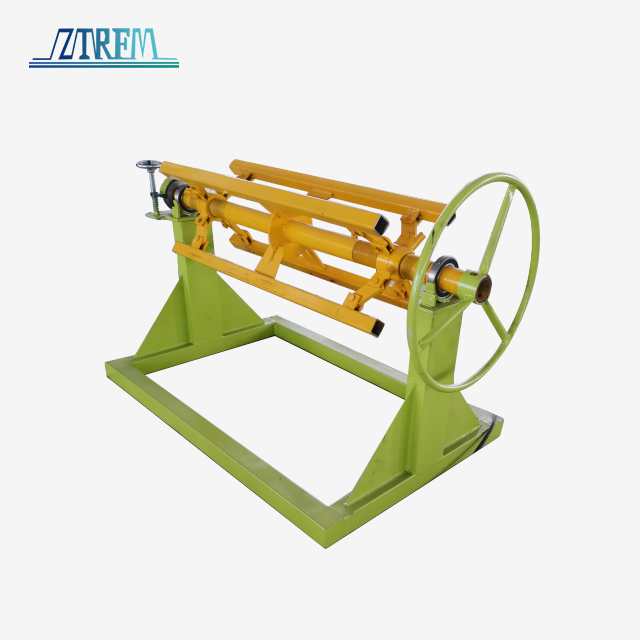
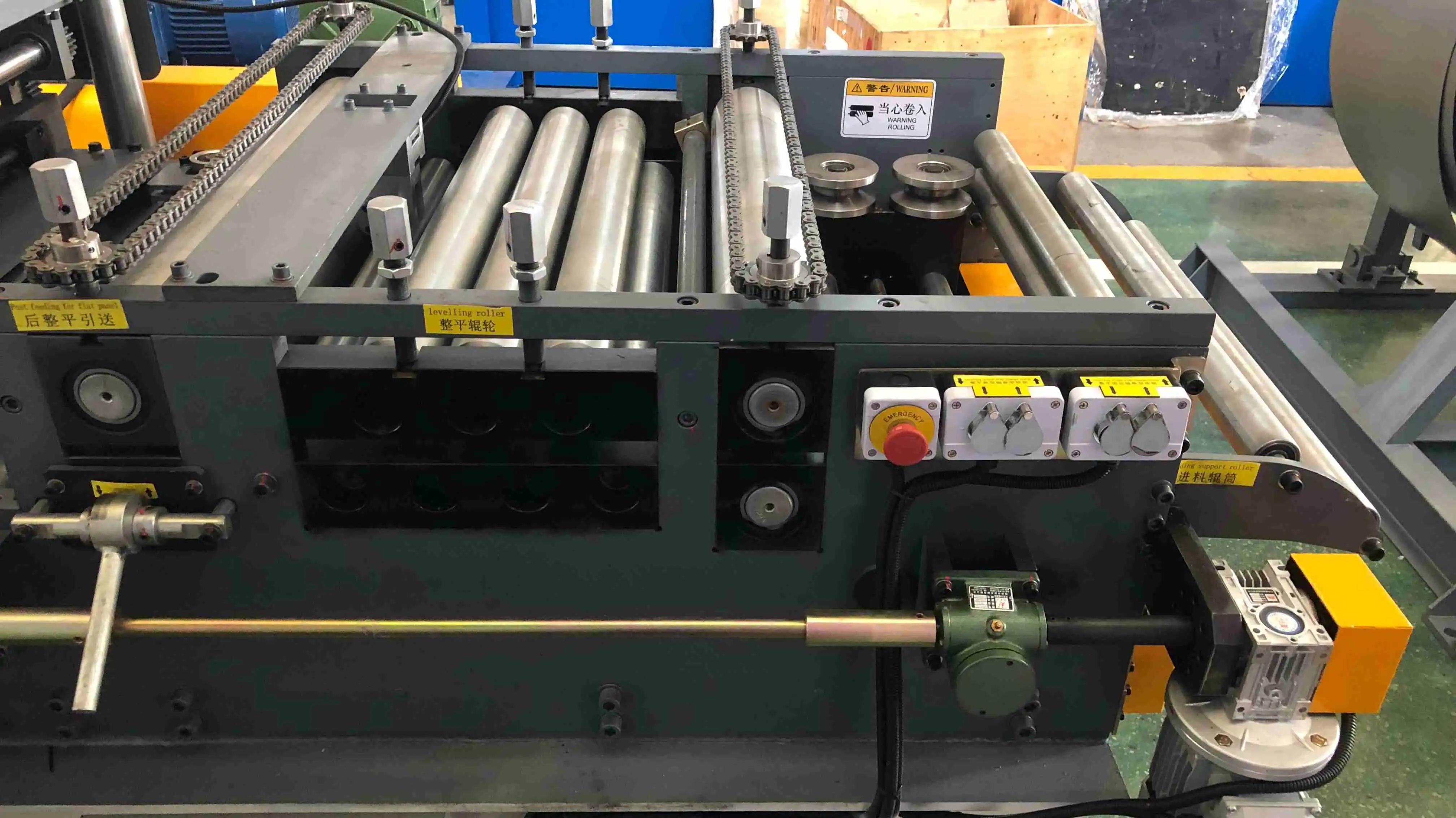
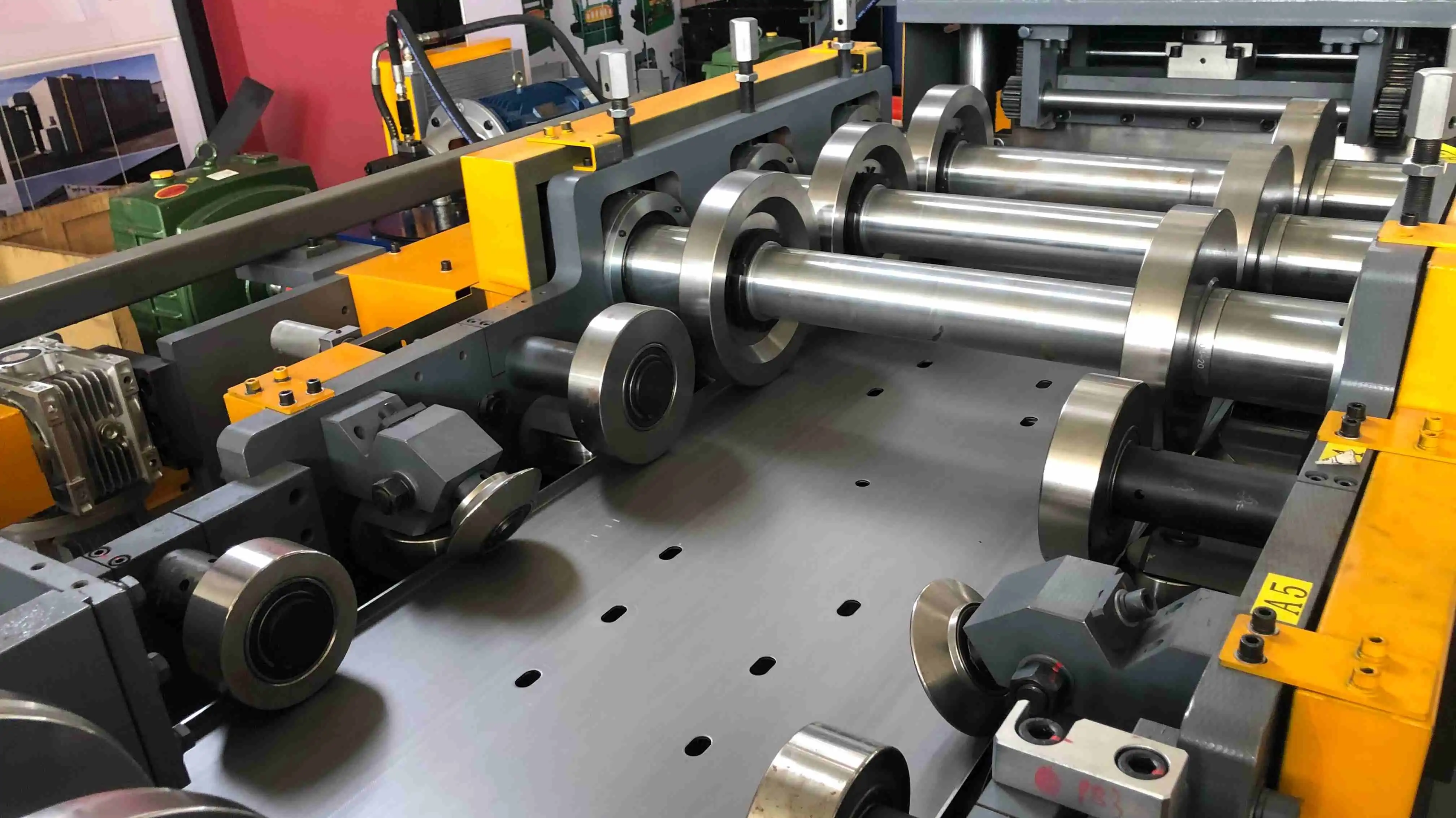
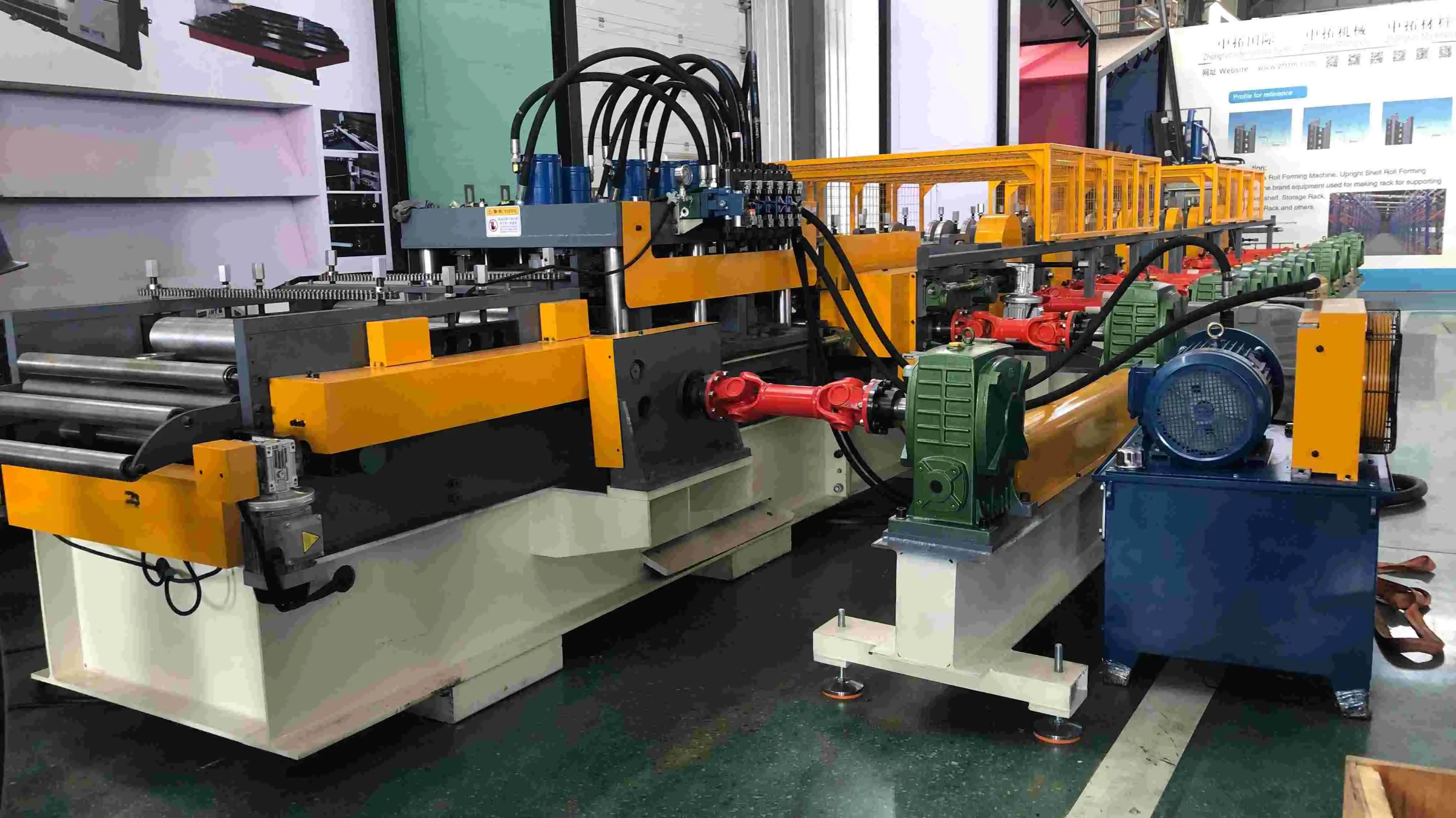
The machine's decoiler system receives a galvanised steel coil to begin manufacturing. Flat metal is formed into a C or Z profile by properly aligned roller stations—usually 12 to 18 forming stands. Modern equipment features servo motor driving systems that ensure consistent feeding accuracy of ±1.0mm, essential for aligning structural components during installation.
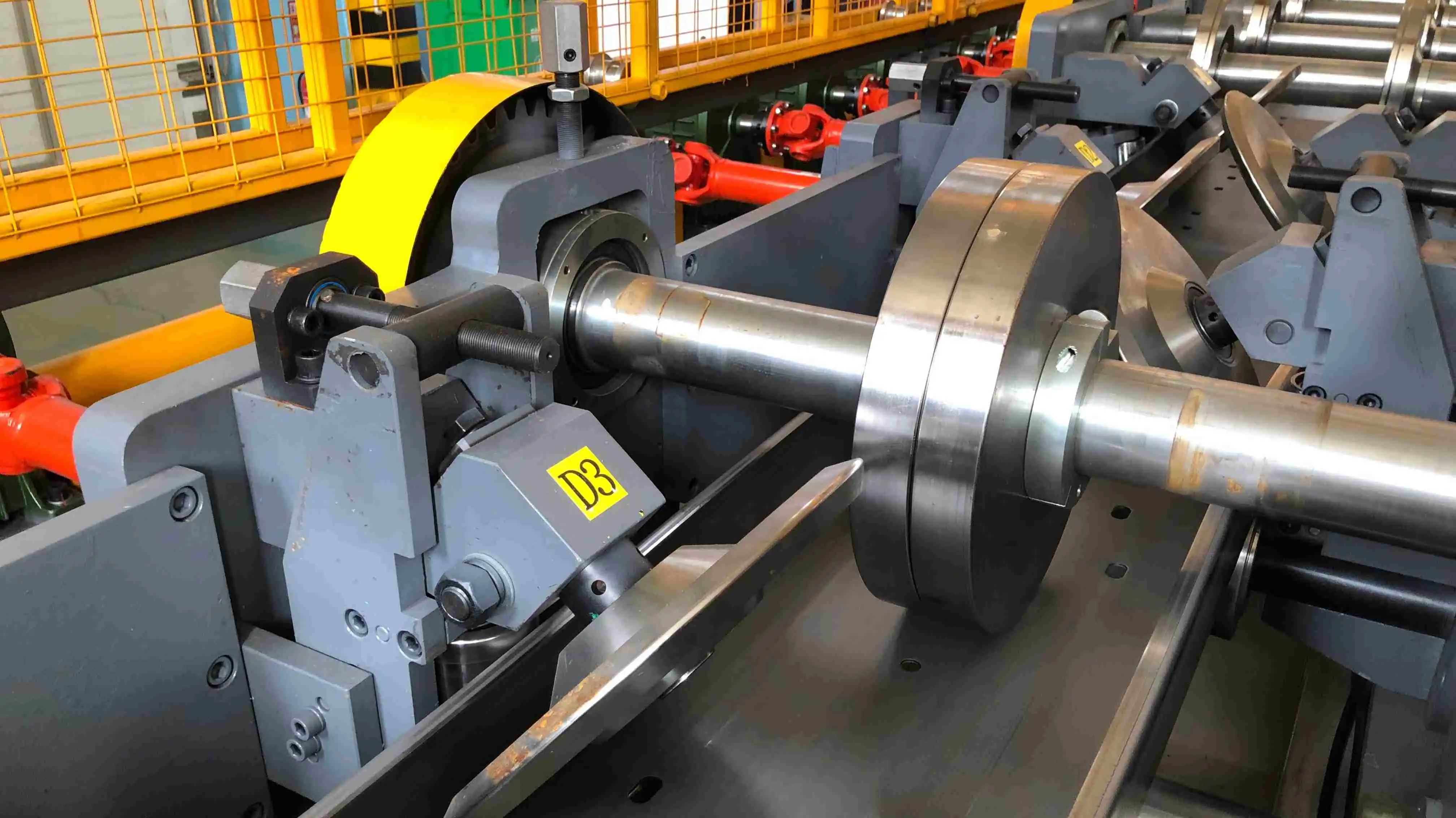
GCr15 shaft material, heat-treated to HRC 58-62 hardness, ensures forming rollers resist steady pressure and preserve dimensional integrity over hundreds of thousands of cycles. This affects manufacturing uniformity and reduces roller replacement downtime, not simply durability.
Core Functional Components That Drive Performance
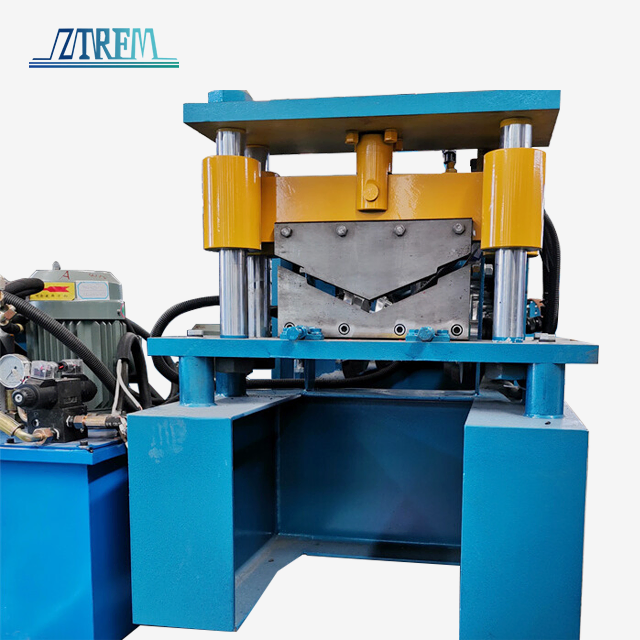
Computer-controlled automation transforms a previously labour-intensive process into a streamlined operation. The PLC control system manages everything from material feeding speed (adjustable between 15-22m/min) to hydraulic punching stations that create mounting holes with repeatable precision. This level of automation matters when you're running multiple shifts and need consistent output regardless of operator experience.
The adjustable sizing capability accommodates height variations from 40mm to 100mm, allowing manufacturers to serve diverse project specifications without investing in separate machines for each profile size. When a project calls for switching from C80 purlins to Z150 purlins, modern systems complete the changeover in approximately 10 minutes through automated roller position adjustments—a dramatic improvement over the 4-8 hours required by older manual systems.
Benefits That Translate to Real Business Value
Production efficiency directly impacts your bottom line. Operating at speeds up to 22 meters per minute means a single shift can produce enough purlins to frame substantial building sections. Material waste drops significantly because precision forming reduces the need for trimming and rework. The consistent cross-sectional geometry ensures structural engineers can rely on predictable load-bearing characteristics, meeting code requirements without overengineering.
Energy consumption deserves attention too. Servo motor technology adjusts power draw based on actual forming resistance, rather than running continuously at full capacity. Over a year of operation, this efficiency translates to measurable savings on electricity costs—a factor procurement teams increasingly weigh when evaluating equipment ROI.
Comparing CZ Purlin Roll Formers: Selection Guide for B2B Procurement
Manual vs. Automatic Systems: Understanding Your Production Needs
Manual systems require operators to physically adjust roller positions, measure profiles, and set cutting lengths for each production run. While these machines carry lower initial price tags—typically $25,000 to $45,000—they demand skilled labor and accept slower changeover times. Automatic systems, ranging from $60,000 to $120,000, integrate computerised controls that store multiple profile recipes. An operator simply selects the desired specification from the touchscreen, and the machine self-adjusts.
In the U.S. market, the decision hinges on your production volume and labor costs. Manufacturers running high-mix, low-volume production benefit from automation's flexibility. Those producing long runs of identical profiles might find manual systems adequate, but labour availability in the U.S. market often leads them to choose automation cz purlin roll former.
Heavy-Duty Construction vs. Standard Models
Frame rigidity determines how well a machine maintains accuracy under stress. Heavy-duty models feature thicker steel castings (typically 12-16mm wall thickness) and larger diameter shafts (80-90mm vs. 60-70mm in standard units). When forming high-tensile steel grades like G550, which exhibits significant spring-back, the additional structural strength prevents deflection that would compromise dimensional accuracy.
Standard models suit G450 and lower grades, handling typical commercial building projects effectively. Heavy-duty variants become essential when producing purlins for clear-span warehouses, solar mounting structures, or agricultural buildings where purlins span greater distances and face higher structural loads.
Speed Considerations and Production Economics
High-speed 20-22m/min systems maximise output but require proper upstream and downstream integration. Decoiler feed speed and runout table length must be sufficient for rapid output without material impact. Mid-sized businesses benefit from standard-speed units running 15-18m/min, which balance throughput and material handling.
Changeover frequency, punching operations (which pause forming), and cutting cycles must be included when calculating production speed. In mixed-production conditions, a 22m/min machine may average 18m/min—still excellent but critical for capacity planning.
Warranty and after-sales assistance should be examined. Reputable manufacturers offer 12-24 month guarantees on major components and US spare parts inventory or speedy shipping. Phone, video, or on-site technical support can make the difference between a two-hour fix and a two-day production stop.
Maintenance and Optimization Tips for Maximized Performance
Establishing Routine Maintenance Protocols
Daily maintenance starts with visual inspection of roller surfaces for wear patterns or material buildup. Galvanized coatings can leave zinc deposits that, over time, create surface irregularities affecting forming quality. A simple wipe-down with appropriate solvents takes minutes but prevents gradual profile degradation.
Lubrication schedules vary by manufacturer specifications, but most systems require weekly attention to chain drives, bearing housings, and sliding guides. Using the correct lubricant type matters—high-pressure chain oils for drive systems and light machine oils for linear guides. Over-lubrication attracts dust and metal fines, creating abrasive slurries that accelerate wear.
Monthly inspections should include checking hydraulic fluid levels and condition, examining electrical connections for looseness or corrosion, and verifying PLC battery backup status. These preventative checks catch developing issues before they escalate into emergency repairs.
Troubleshooting Common Production Challenges
Flange wave defects—those ripples along the purlin edges—typically stem from incorrect roll gap settings or excessive forming pressure in finishing passes. The solution involves systematically adjusting the gaps on the final three to four forming stations, typically opening them in 0.1-0.2mm increments while monitoring the profile appearance. Adding a levelling unit at the machine exit can also flatten minor waves, but it does not address the root causes.
Twist problems, where the purlin exhibits torsional deformation along its length, often trace back to uneven material entry or worn rollers on one side of the machine. Measuring twist over a six-metre length (should be less than 1 mm/m) helps diagnose severity. Corrective actions include realigning the decoiler, replacing worn rollers in pairs, and ensuring the material entry guide maintains centred feeding.
Dimensional drift during long production runs usually indicates thermal expansion in the machine frame or gradual loosening of fasteners under vibration. Allowing adequate warm-up time before critical production runs and periodically re-torquing frame bolts helps maintain stability.
Energy Efficiency and Operational Optimization
Modern servos include configurable acceleration and deceleration. Improving these parameters reduces peak power demand without affecting cycle time. Gradual acceleration at the start of each manufacturing run reduces mechanical stress and evens electrical loads.
Optimising cutting patterns increases material utilisation. Sequencing cuts to reduce scrap reduces material costs when creating several lengths. Production scheduling and remnant management systems that track useful coil ends for shorter purlin runs can boost yields to 95%+.
Procurement Strategies: How to Buy the Right CZ Purlin Roll Former for Your Business
Defining Your Operational Requirements
Production capacity planning starts with honest assessment of your project pipeline. Calculate monthly volume requirements in linear metres, factoring in seasonal variations common in construction markets. A machine producing 18 m/min running one shift (8 hours) delivers roughly 8,640 meters daily—but realistic capacity accounting for setup, changeovers, and maintenance might be 7,000-7,500 meters.
Material specifications matter beyond just thickness ranges. If you're processing pre-painted steel or specialized coatings, cz purlin roll former the machine needs roller surfaces that won't damage finishes. Aluminum purlin production requires different roller geometries than steel due to the material's different forming characteristics and lower tensile strength.
Automation level decisions should align with your workforce capabilities. Fully automated lines reduce operator skill requirements but demand someone capable of PLC troubleshooting and parameter adjustment. Semi-automatic systems automate critical forming processes while keeping changeovers operator-managed.
Evaluating Suppliers and Building Partnerships
Warranty should cover more than mechanical faults. Check for dimensional accuracy guarantees—what happens if the machine can't hold tolerances? A supplier with U.S. inventory can dispatch vital components immediately, compared to weeks for overseas freight.
Suppliers' training programmes show their commitment to your success. Comprehensive training covers operation, maintenance, basic troubleshooting, and parameter optimisation. Some manufacturers provide advanced hydraulic, PLC, and mechanical adjustment training for your maintenance personnel.
Technical certification verification ensures objectivity. ISO 9001 certifies quality management systems. The CE label (mostly European) indicates the machine satisfies strict safety standards. Cangzhou Zhongtuo, with ISO9001, CE, and CAS certifications and delivery experience in 150+ countries, is a proven manufacturer.
New vs. Used Equipment Considerations
Used machines priced 40-60% below new units can tempt budget-conscious buyers. The calculation requires honest assessment of remaining service life, availability of replacement parts, and whether the control system uses obsolete technology. A ten-year-old machine might function mechanically but run legacy PLC hardware with discontinued components.
Refurbished equipment from reputable sources offers a middle ground—mechanical systems rebuilt to specification with upgraded controls. This path works when the supplier provides warranty backing and parts support equivalent to new machines.
Import logistics and compliance affect total landed costs. Freight, customs clearance, and installation typically add 15-25% to the FOB price of the machine. Domestic suppliers or those with warehousing in the U.S. simplify logistics, though equipment prices might reflect these conveniences.
Future Trends and Innovations in CZ Purlin Roll Forming Technology
Smart Manufacturing Integration
IoT makes isolated machines data-generating assets. Modern systems track actual vs. target speeds, material consumption, downtime causes, and maintenance alerts in real time. Enterprise resource planning systems use this data to schedule purlin manufacturing just-in-time with construction project timeframes.
To predict component failures, predictive maintenance algorithms analyse vibration patterns, hydraulic pressure changes, and electrical consumption trends. Rollers are replaced based on wear, optimising maintenance expenditures and eliminating unplanned downtime.
Manufacturers can remotely diagnose machine parameters using secure connections to fix issues without site visits. This is useful for remote operations or when technical knowledge is unavailable.
Environmental and Energy Considerations
Energy-efficient hydraulic systems using variable-speed pumps adjust flow rates to match demand rather than running continuously at full pressure. These systems cut hydraulic energy consumption by 30-50% and reduce heat generation that stresses seals and fluid.
Material waste reduction technologies include laser measurement systems that continuously monitor profile dimensions, automatically compensating for material variations or tool wear. This closed-loop control maintains tighter tolerances while reducing scrap from out-of-spec production.
Regulatory pressures around building energy efficiency drive demand for thermal-break purlin designs and precision-formed profiles that minimise air infiltration. Manufacturers producing components for high-performance building envelopes need equipment capable of forming complex geometries with minimal distortion.
Market Dynamics Shaping Equipment Evolution
Pre-engineered building markets continue strong growth, particularly in logistics, e-commerce warehousing, and cold storage facilities. These projects demand rapid construction timelines, placing premium value on forming equipment that delivers high output without quality compromises.
Solar ground-mount structures are new applications that need specialised purlin profiles, which are often made from heavier-gauge material and have precise hole patterns for panel mounting systems. Equipment manufacturers are developing dedicated tooling for these applications, recognising solar infrastructure as a sustained growth market.
International engineering companies executing projects across multiple countries increasingly seek standardized equipment that performs consistently regardless of location. This trend favours manufacturers with global service networks and machines designed for various power standards and operating conditions.
Conclusion
The modern cz purlin roll former purlin roll-forming machine represents sophisticated engineering applied to practical manufacturing challenges. Production efficiency, dimensional precision, and operational flexibility determine whether your equipment becomes a competitive advantage or a bottleneck. Understanding these machines beyond surface specifications—recognising how servo motors deliver accuracy, why GCr15 shaft material matters, and how automation levels align with operational capabilities—enables you to make procurement decisions that meet both immediate needs and long-term business strategy. The technology continues advancing with smart manufacturing integration and energy-efficient designs, while the fundamental requirement remains constant: delivering structural components that meet engineering specifications reliably, efficiently, and cost-effectively.
FAQ
1. How quickly can the machine switch between C and Z profiles?
Automatic systems equipped with PLC-controlled positioning complete profile changeovers in approximately 10 minutes. The machine stores dimensional parameters for different profiles and automatically repositions the forming rollers when you select a new specification from the control interface. Semi-automatic versions that require manual roller adjustment typically need 30 to 45 minutes, as operators must physically measure and set the positions. Production planning should account for these changeover windows when scheduling mixed-profile runs, as the time savings with automation become substantial across multiple changeovers daily.
2. What profile size range can the equipment accommodate?
Standard configurations handle web heights from 80mm to 300mm and adjust for various flange widths within that range. The specific machine mentioned processes heights between 40mm and 100 mm with adjustable sizing capabilities. Custom tooling extends these ranges for specialized applications, though extreme sizes might require dedicated machines rather than universal changeable systems. When evaluating equipment, confirm your required size range falls within the machine's adjustment capabilities without extensive retrofitting.
3. Does the machine work with high-tensile steel grades?
Quality equipment handles high-tensile materials like G550 steel, but the forming system requires specific design considerations. High-strength materials exhibit greater spring-back after forming, meaning the metal partially returns toward its original shape. Compensating for this phenomenon requires "over-forming"—bending the material beyond the target angle so it springs back to the correct dimension. Roller profiles and forming sequences must account for these material characteristics. When sourcing equipment, specify the steel grades and tensile strengths you'll process to ensure proper tooling design.
Partner with ZTRFM for Your Purlin Production Excellence
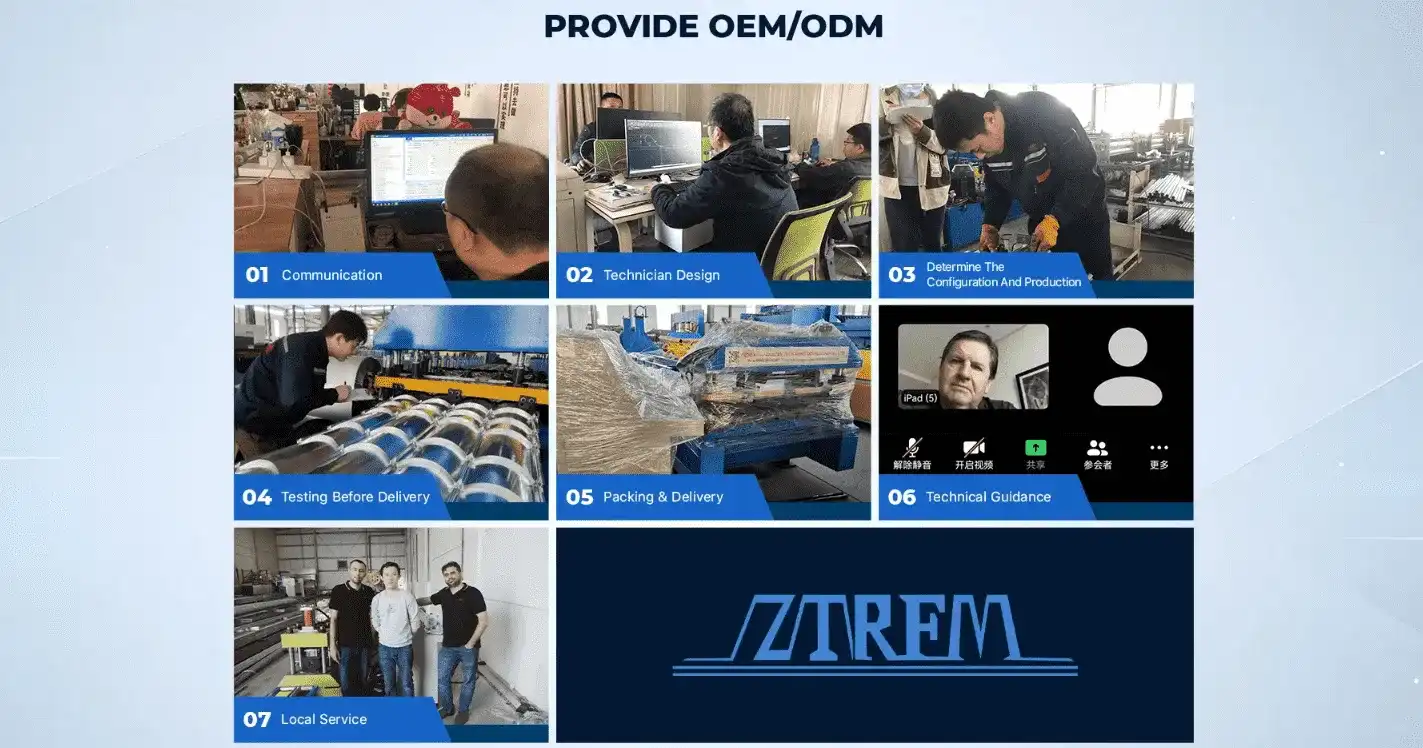
Selecting the right C and Z purlin manufacturing equipment shapes your production capabilities for years to come. At ZTRFM (Cangzhou Zhongtuo), we've spent a decade since our 2014 founding engineering cold roll-forming solutions that address real manufacturing challenges. Our automatic operation computer-controlled systems deliver the precision your structural projects demand while maintaining the operational simplicity your team needs. As a national high-tech enterprise with ISO9001, CE, and CAS certifications, we combine technical innovation with practical manufacturing expertise. When you're ready to discuss how a cz purlin roll former supplier can support your production goals, our team provides customised assessments matching equipment capabilities to your specific operational requirements. Reach us at zhongtuorollforming@gmail.com to explore how our one-stop service approach—from material sourcing through machine delivery and ongoing technical support—serves manufacturers across the United States and 150+ countries globally. Visit rollformingmachinemanufacturer.com to discover our complete range of forming solutions.
References
1. American Institute of Steel Construction (2022). "Cold-Formed Steel Design Manual: Structural Components and Systems for Pre-Engineered Buildings. " AISC Publications, Chicago, Illinois.
2.Thompson, R. and Martinez, J. (2021). "Precision Roll Forming: Process Parameters and Dimensional Control in Structural Steel Manufacturing." Journal of Manufacturing Processes, Vol. 68, pp. 234-248.
3. National Association of Roll Forming Manufacturers (2023). "Industry Standards for CZ Purlin Production Equipment: Quality Benchmarks and Performance Metrics." NARFM Technical Report Series.
4. Chen, W. and Kumar, P. (2020). "Automation in Metal Forming: Servo Motor Applications and Energy Efficiency in Modern Roll Forming Systems." International Journal of Advanced Manufacturing Technology, Vol. 112, pp. 1567-1582.
5. Building Component Manufacturers Conference (2022). "Pre-Engineered Building Systems: Structural Framing Components and Quality Specifications. " BCMC Educational Materials, Las Vegas.
6. Davidson, M. (2023). "Strategic Equipment Procurement for Steel Fabrication: A Guide for Manufacturing Managers. "Industrial Press, New York.