- English
- French
- German
- Portuguese
- Spanish
- Russian
- Japanese
- Korean
- Arabic
- Irish
- Greek
- Turkish
- Italian
- Danish
- Romanian
- Indonesian
- Czech
- Afrikaans
- Swedish
- Polish
- Basque
- Catalan
- Esperanto
- Hindi
- Lao
- Albanian
- Amharic
- Armenian
- Azerbaijani
- Belarusian
- Bengali
- Bosnian
- Bulgarian
- Cebuano
- Chichewa
- Corsican
- Croatian
- Dutch
- Estonian
- Filipino
- Finnish
- Frisian
- Galician
- Georgian
- Gujarati
- Haitian
- Hausa
- Hawaiian
- Hebrew
- Hmong
- Hungarian
- Icelandic
- Igbo
- Javanese
- Kannada
- Kazakh
- Khmer
- Kurdish
- Kyrgyz
- Latin
- Latvian
- Lithuanian
- Luxembou..
- Macedonian
- Malagasy
- Malay
- Malayalam
- Maltese
- Maori
- Marathi
- Mongolian
- Burmese
- Nepali
- Norwegian
- Pashto
- Persian
- Punjabi
- Serbian
- Sesotho
- Sinhala
- Slovak
- Slovenian
- Somali
- Samoan
- Scots Gaelic
- Shona
- Sindhi
- Sundanese
- Swahili
- Tajik
- Tamil
- Telugu
- Thai
- Ukrainian
- Urdu
- Uzbek
- Vietnamese
- Welsh
- Xhosa
- Yiddish
- Yoruba
- Zulu
Roofing Sheet Forming Equipment: Why Trapezoidal Profiles Are Preferred in Construction
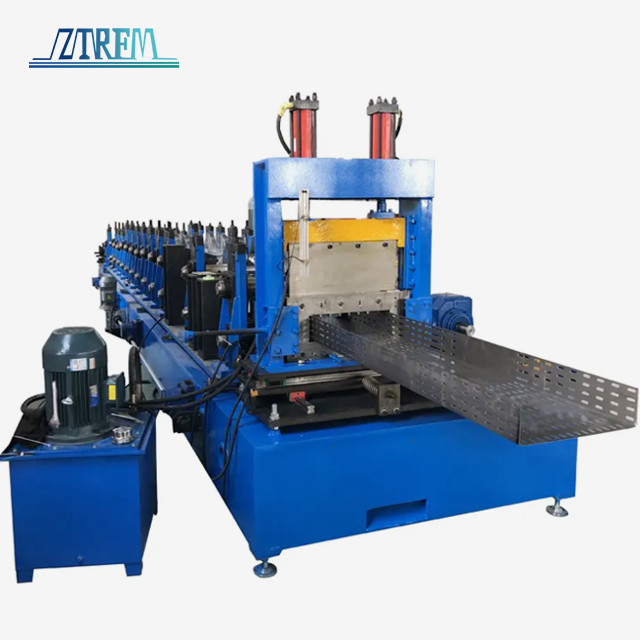
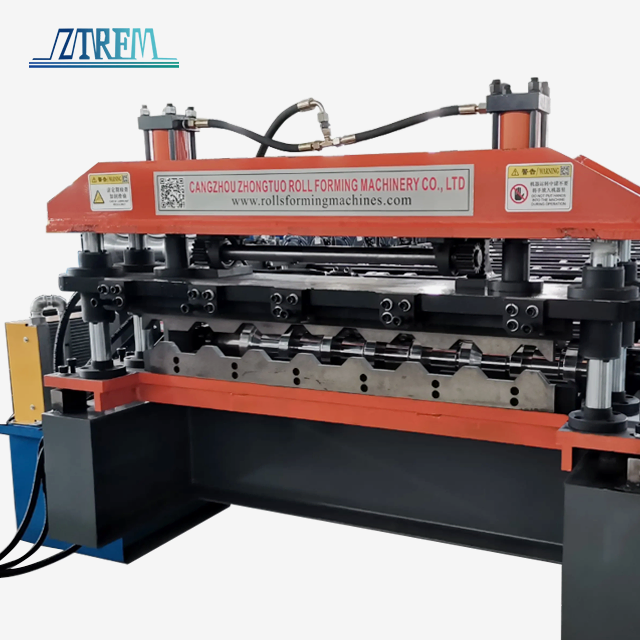
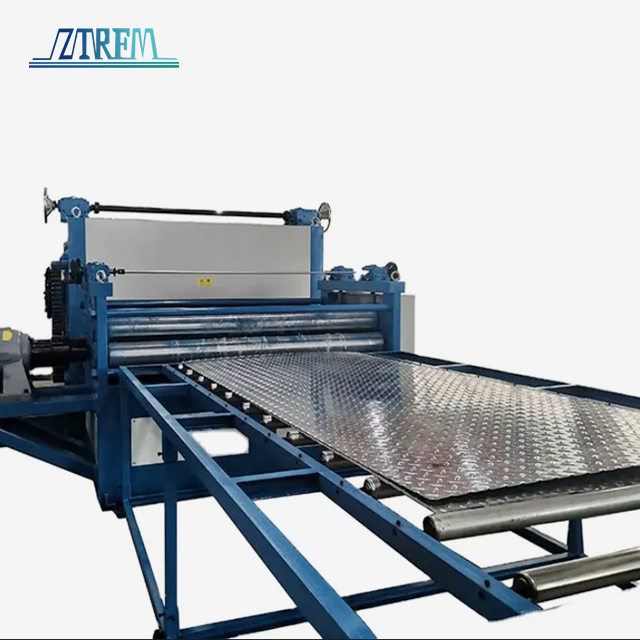
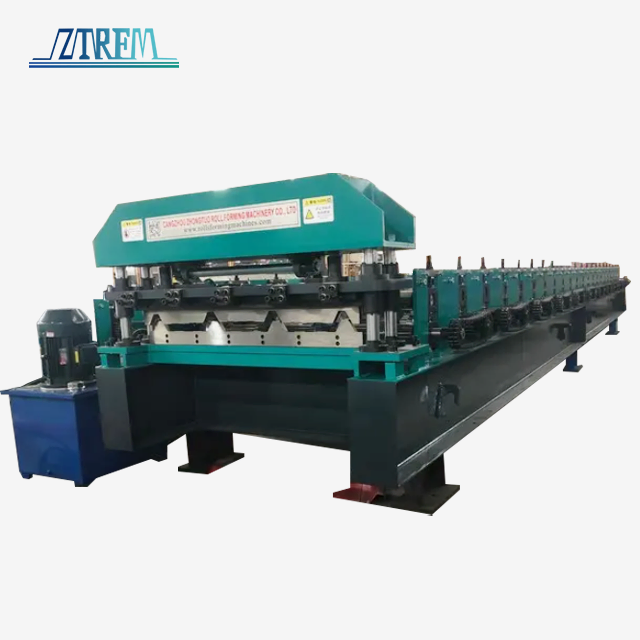
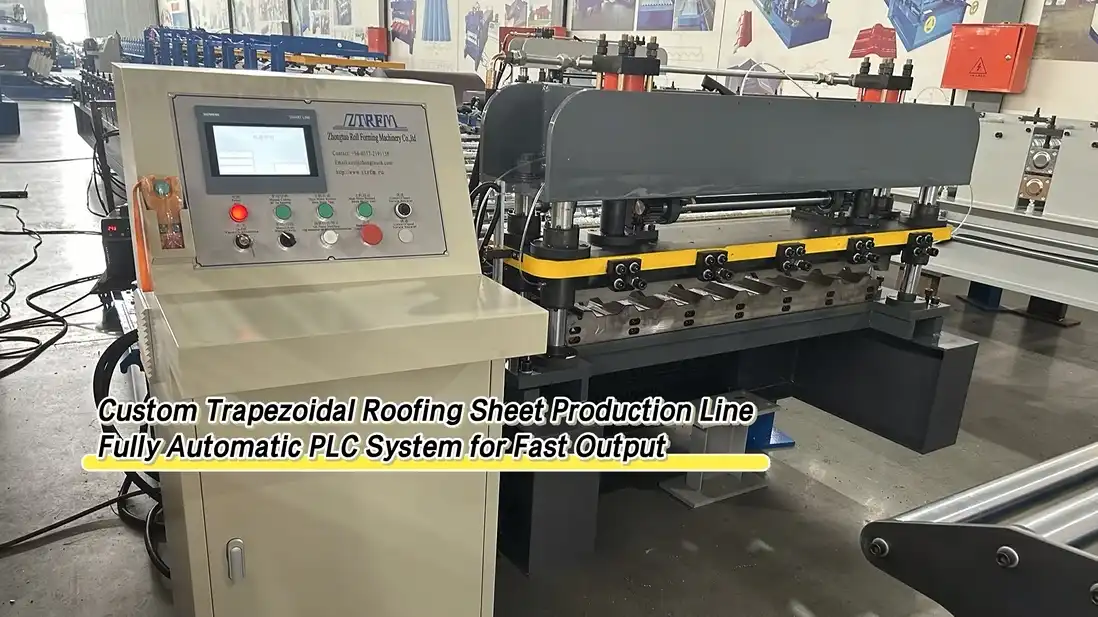
Walk through any commercial construction site in the United States today, and you'll notice the dominant presence of trapezoidal metal roofing panels. Their distinctive geometric lines aren't just aesthetic choices—they represent decades of engineering refinement. The trapezoidal sheet roll forming machine has transformed how we manufacture roofing materials, producing profiles that balance structural integrity with cost efficiency. This specialized equipment feeds flat metal coils through precisely aligned roller stations, progressively shaping them into robust panels that can span significant distances and withstand harsh weather conditions. Understanding why this profile dominates modern construction helps procurement managers and building manufacturers make informed equipment investments.
Understanding Trapezoidal Sheet Roll Forming Machines and Their Advantages
The foundation of efficient metal roofing production lies in understanding how roll forming equipment functions and why trapezoidal designs outperform alternatives.
How Does Roll Forming Technology Create Superior Profiles?
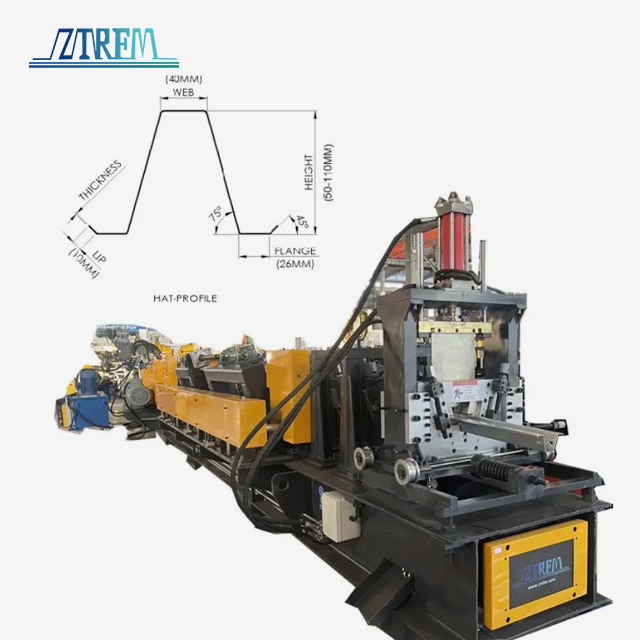
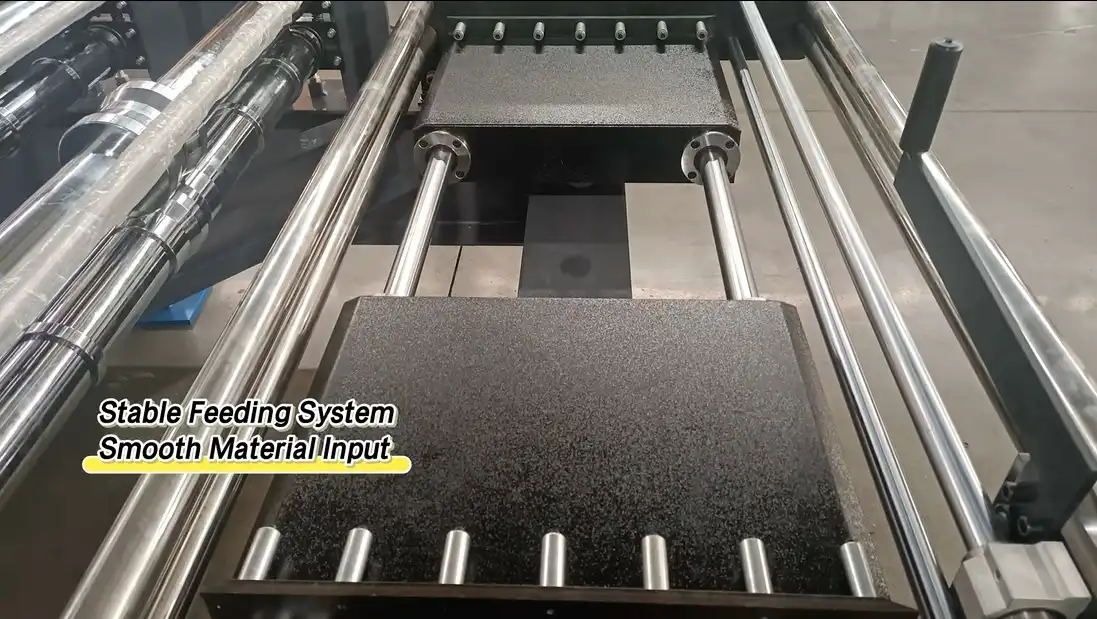
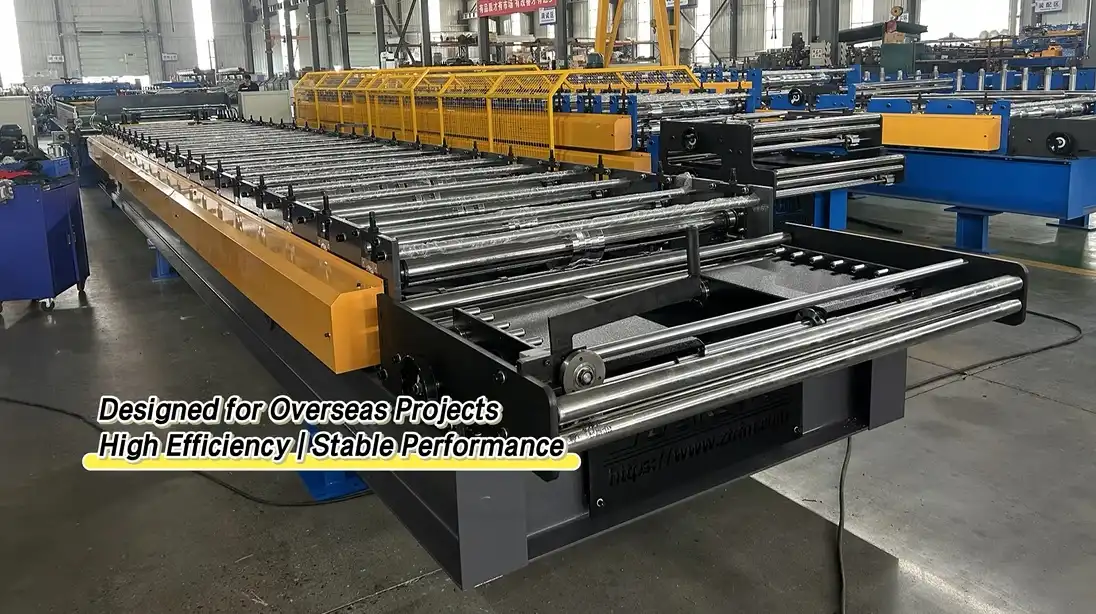
Modern roll forming represents a cold metal forming process where continuous steel, aluminium, or pre-painted coils pass through consecutive roller stations. Each station incrementally bends the material closer to the final trapezoidal shape without altering material thickness. High-speed models equipped with 26 roller stations can process materials ranging from 0.3 mm to 1.0 mm in thickness at speeds reaching 60 meters per minute. The gearbox transmission system stabilises the entire operation, preventing vibrations that compromise dimensional accuracy. This continuous manufacturing method eliminates the start-stop inefficiencies of press brake operations while maintaining consistent profile geometry across thousands of linear feet.
Structural Benefits That Set Trapezoidal Profiles Apart
The trapezoidal cross-section delivers mechanical advantages that directly address construction challenges. The vertical ribs function as structural beams, significantly increasing the panel's moment of inertia compared to flat sheets. This geometric reinforcement allows panels to span up to 6 feet between purlins without intermediate support, reducing overall structural steel requirements in warehouse and industrial buildings. The angled sidewalls also create anti-capillary grooves at overlapping joints, preventing water infiltration even during wind-driven rain events common in coastal regions.
Material testing consistently shows trapezoidal panels withstand wind uplift forces better than corrugated alternatives. The broader bottom flanges distribute attachment fastener loads across wider areas, reducing the risk of pullout failures. When processing 24-gauge Tru-Gauge™ steel or .032-inch aluminum through quality forming equipment, manufacturers achieve panels suitable for both roofing and vertical wall cladding applications while maintaining consistent aesthetic appearance.
Production Efficiency and Customization Capabilities
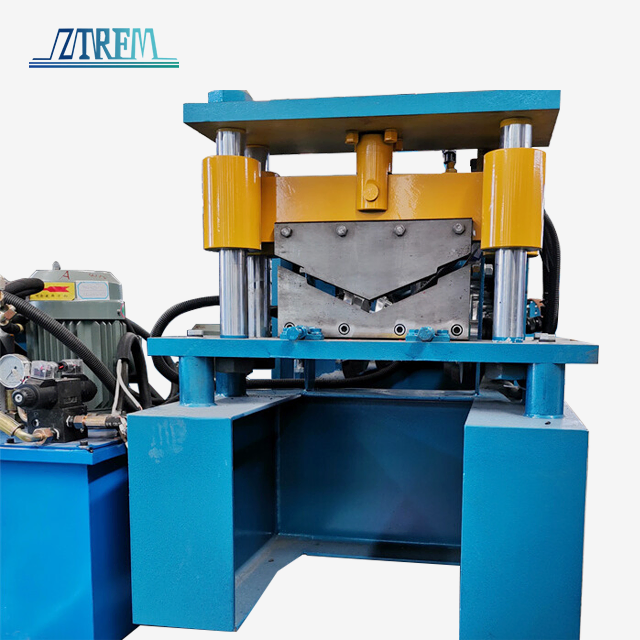
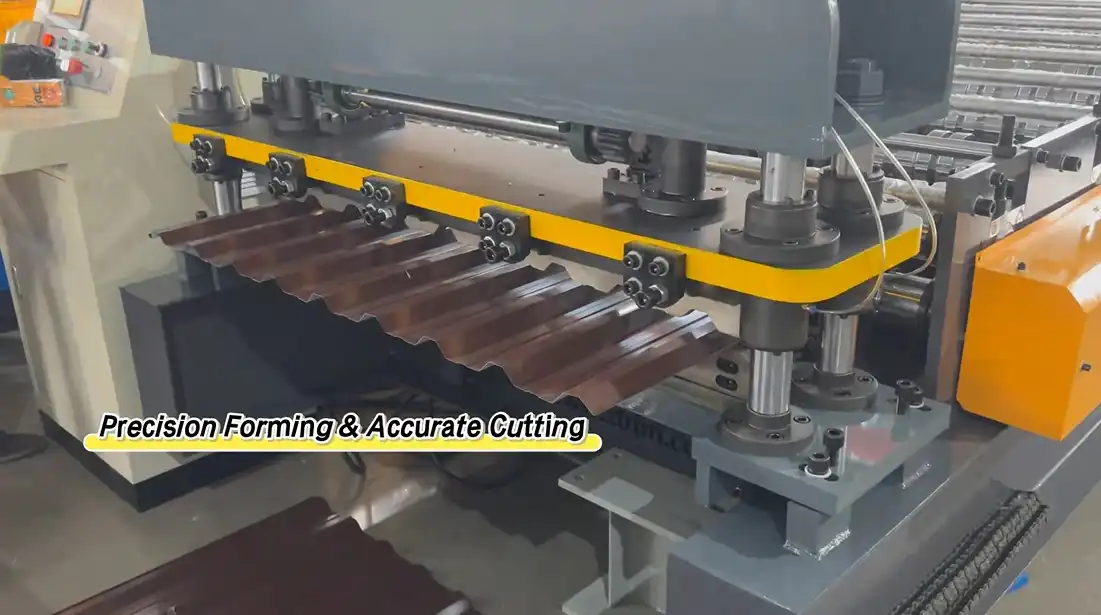
Innovative roll forming machines alleviate production constraints in traditional fabrication. PLC-based control systems and hydraulic cutting systems provide configurable panel lengths from 3 to 20 feet 10 inches, with ±1 mm tolerance on each cut. The CR12MoV cutting blades reduce secondary finishing by keeping edges burr-free for hundreds of thousands of cycles.
Customisation goes beyond length. To meet coverage needs, machine manufacturers offer 1000 mm or 1250 mm widths and roller configurations for varying profile depths and angles. Chrome-plated 45# steel rollers reduce PPGI coating scratches that degrade corrosion resistance and appearance. This versatility is crucial for producers serving home builders who seek decorative finishes and industrial clients who value durability above appearances.
Comparing Trapezoidal Sheet Roll Forming Machines with Other Profile Machines
Selecting appropriate forming equipment requires understanding how different technologies and profiles align with specific production goals and market demands.
Trapezoidal Versus Corrugated Profile Characteristics
The choice between trapezoidal and corrugated panels impacts both structural performance and project suitability. Corrugated sheets feature continuous sinusoidal waves that provide moderate rigidity with excellent flexibility, making them ideal for curved roof applications and agricultural structures. Their rounded profiles shed water effectively but offer lower load-bearing capacity per unit weight.
Trapezoidal sheet roll forming machine panels compete with superior strength-to-weight ratios derived from their angular geometry. The flat bottom surface simplifies installation on standard framing, while the vertical ribs resist buckling under compressive loads. For pre-engineered metal buildings and commercial warehouses, trapezoidal profiles reduce the required purlin spacing by 20-30% compared to corrugated sheets of equivalent gauge, translating to measurable material cost savings across large projects.
Electric Versus Hydraulic Drive Systems
The machine driving mechanism greatly impacts operation and maintenance. Electric servo motor systems are ideal for production runs with frequent length changes because to their precise speed control and quick acceleration. They generate less heat in temperature-sensitive manufacturing situations and use less energy when idle. When processing thin-gauge aluminium, modern electric motors and chain gearbox systems provide consistent tensioning.
Hydraulic systems excel in processing thicker materials or operating at maximum continuous rates. Dedicated 7.5 kW pumps power hydraulic cutting assemblies that shear 1.0 mm steel cleanly without distortion. Electric systems need belt inspection and motor bearing lubrication, while hydraulic systems need oil changes and seal monitoring to prevent leakage.
Manual Versus Automated Production Systems
Budget constraints and production volume projections guide the automation level decision. Manual roll forming machines require operators to measure and mark cut positions, manually trigger the cutting sequence, and physically handle finished panels. These systems suit startup operations processing under 50,000 linear feet monthly, offering a lower initial investment while maintaining acceptable labour costs.
Fully automated lines integrate uncoiling systems, automatic length measurement via encoder wheels, programmable cutting sequences, and conveyor-based panel stacking. Operators input production batches through touchscreen interfaces, and the system manages material feeding, forming, cutting, and organisation with minimal intervention. This automation becomes cost-effective at production volumes exceeding 100,000 linear feet monthly, where labor savings and reduced error rates offset higher equipment pricing.
Key Technical Specifications and Maintenance Tips for Optimal Performance
Technical specifications determine whether equipment meets production targets, while proper maintenance practices protect that investment over decades of operation.
Critical Performance Specifications
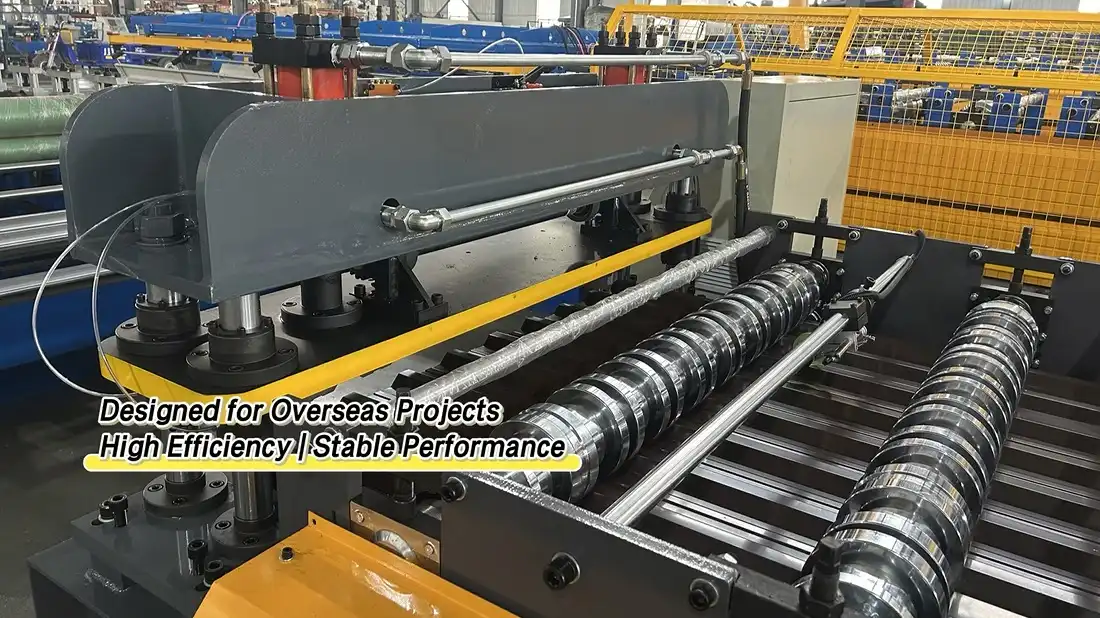
Production speed stands as the primary throughput determinant. Machines rated at 0-60 meters per minute provide operational flexibility, running slower for intricate profiles or maximum quality, then accelerating for standard panel production. The solid 80 mm diameter shaft prevents deflection under forming loads that could introduce twists or camber into finished panels. The 350 H-steel frame provides the rigidity necessary to maintain roller alignment across thousands of operating hours.
Material compatibility specifications guide raw material procurement decisions. Equipment designed for PPGI, GI, and aluminium can handle the yield strength differences between these materials, from G550 high-strength steel at 550 MPa to softer aluminium alloys. The chrome-plated roller surfaces, hardened to HRC 58-62, resist wear from abrasive galvanised coatings while protecting decorative painted finishes from scratching. A width capacity of 1000-1250 mm determines maximum effective panel coverage, directly impacting installation labor costs on large projects.
Preventive Maintenance Protocols That Extend Equipment Life
Scheduled maintenance prevents production disruptions that lower profits. Daily checks should check hydraulic fluid levels, pump seal oil leaks, chain drive and roller bearing lubrication. For smooth power transfer, the gearbox gearbox needs manufacturer-specified viscosity grade oil changes every 2,000 hours.
Quality concerns in final panels are prevented by roller condition monitoring. Checking shaft run-out every 500 hours with dial indications reveals bearing wear that causes vibration and uneven shaping. Bearing replacement is required for measurements beyond 0.05 mm. With adequate cleaning, formed roller chrome plating lasts over 10 years; however, treating contaminated coils or allowing metal shavings to collect accelerates wear. Residue on panels can be removed weekly with permitted solvents.
Cutting blade maintenance greatly impacts edge quality and lifespan. Sharpening the CR12MoV steel blades every 200,000 cuts depends on material hardness. Blade dulling is detected by burr development on cut edges. Clean cuts without hydraulic component strain are achieved with blade clearance of 0.05-0.10 mm.
How to Choose the Best Trapezoidal Sheet Roll Forming Machine for Your Business?
Strategic equipment selection balances immediate budget realities with long-term operational requirements and market positioning goals.
Matching Machine Capacity to Production Requirements
Accurate demand forecasting prevents both overcapacity waste and production bottlenecks. Manufacturers serving regional residential markets might process 30,000-80,000 linear feet monthly, suggesting mid-range equipment with 30-40 metre per minute forming speeds suffices. Those supplying large commercial projects or operating as regional distribution hubs may require high-speed 60-metre-per-minute machines with automated material handling to meet peak demand periods exceeding 200,000 linear feet monthly.
Panel length requirements also influence equipment selection. Standard machines accommodate panels up to 12 feet comfortably, while extended models handle speciality applications requiring flashings up to 20 feet 11 inches. The additional frame length and reinforced construction of extended machines increase investment by 15-25% but eliminate field splicing labor on long-span applications.
Evaluating Manufacturer Credentials and Support Capabilities
Supplier selection carries implications extending far beyond the initial purchase price. Manufacturers with ISO9001, CE, and CAS certifications demonstrate quality management systems and safety compliance that reduce regulatory risks. Companies operating since 2014 or earlier bring operational experience that informs design improvements and troubleshooting guidance. National high-tech enterprise designations indicate R&D investment in innovation rather than simple equipment replication.
Global delivery experience is relevant profoundly for international buyers. Suppliers with confirmed installations across 150+ countries understand export documentation, voltage customization for regional power standards (380V/50Hz versus 480V/60Hz), and the technical support challenges of serving geographically dispersed clients. Investigating whether manufacturers offer OEM and ODM services reveals their flexibility in accommodating unique specifications or private labelling requirements.
Total Cost of Ownership Considerations
Cost and availability of spare parts prevent component-failure downtime. Companies with large parts inventories ship replacements in days, not weeks. Replacement costs and sourcing issues are reduced by uniform motor sizes, hydraulic valves, and PLC versions. Custom components make users dependent on original manufacturers, who may charge more or drop support for older models.
Technical support and training quality affect production and troubleshooting time. Complete installation support, operator training, and phone or video technical support help new operations attain full productivity faster. Manufacturers that provide training refreshers and process optimisation consults help established companies operate well during worker changes.
Future Trends and Innovations in Trapezoidal Sheet Roll Forming Technology
Emerging technologies are reshaping metal forming capabilities, creating competitive advantages for early adopters while setting new industry standards.
IoT Integration and Smart Manufacturing
Internet-connected forming equipment allows remote monitoring, transforming maintenance and quality management. Sensor networks send real-time data on vibration, temperature, and power usage to cloud platforms for analysis. Predictive maintenance notices are sent weeks before component failures using machine learning algorithms that detect degradation tendencies. Predictive maintenance reduces unnecessary downtime by 30-40% compared to reactive maintenance.
Production analytics dashboards include shift and operator throughput, material utilisation efficiency, and quality parameters. When operators routinely achieve higher speeds or reduced scrap rates, managers find training opportunities. ERP integration automates inventory management by triggering material reorders when coil stock falls below criteria based on verified order streams.
Energy Efficiency and Sustainability Advances
Environmental regulations and energy cost pressures drive continuous efficiency improvements. Variable frequency drives optimise motor speeds to match actual load requirements rather than running continuously at full power, reducing energy consumption by 15-25% across typical production cycles. Regenerative braking systems in servo motor configurations capture kinetic energy during deceleration, feeding it back into facility power systems.
Material innovation focuses on higher strength-to-weight ratios that reduce raw material consumption without compromising structural performance. Advanced high-strength steel grades allow gauge reductions from 24 to 26 while maintaining equivalent load capacity, which cuts material costs and reduces transportation energy. Improved coating technologies extend service life, reducing the lifecycle environmental impact of roofing systems through decreased replacement frequency.
Customization and Profile Flexibility
Market demand for architectural distinctiveness drives equipment capable of producing varied profiles without extensive changeover. Quick-change cassette roller systems allow profile switching in under two hours, compared to traditional manual changeovers that take 6-8 hours. Manufacturers serving diverse markets economically produce both standard trapezoidal panels and speciality profiles for specific architectural applications using single machines.
Computer-aided design integration enables custom profile development tailored to unique structural requirements or aesthetic visions. Engineers input desired dimensions and load specifications, and the software generates optimal roller progression sequences. This capability particularly benefits manufacturers serving the custom residential market, where differentiation commands premium pricing.
Conclusion
Trapezoidal sheet roll forming machine profiles continue dominating commercial and industrial construction because they deliver the optimal balance of structural performance, installation efficiency, and manufacturing economy. The roll forming equipment producing these panels has evolved into sophisticated systems combining mechanical precision with digital control, enabling manufacturers to serve demanding markets with consistent quality. Selecting appropriate equipment requires careful evaluation of production requirements, understanding technical specifications that govern performance, and choosing suppliers with demonstrated experience and comprehensive support capabilities. As technology advances toward greater automation and connectivity, early adoption positions manufacturers competitively while improving operational efficiency and product quality.
FAQ
1. What production speeds should I expect from quality roll forming equipment?
Modern high-speed trapezoidal roll-forming machines achieve forming speeds between 40 and 60 meters per minute when processing standard gauges. Actual throughput depends on several factors, including material thickness, profile complexity, and panel length. Thinner gauges around 0.3-0.4 mm form faster than 0.8-1.0 mm materials, requiring more gradual bending. Shorter panels under 8 feet allow higher speeds since cutting cycles consume proportionally less time. Experienced operators on well-maintained equipment typically sustain 45-50 meters per minute across full production shifts, translating to approximately 2,700-3,000 meters or 9,000-10,000 linear feet per eight-hour day.
2. How often do forming rollers and cutting blades require replacement?
With proper maintenance, including regular cleaning and appropriate lubrication, chrome-plated forming rollers made from heat-treated 45# steel typically last 10-15 years before plating wear necessitates replacement or refurbishment. Processing abrasive materials or allowing metal debris accumulation accelerates wear significantly. Cutting blades made from CR12MoV steel require sharpening every 200,000-250,000 cuts, depending on material hardness and thickness. Blade life extends when operators maintain proper clearances and avoid cutting contaminated or excessively thick materials. Monitoring cut-edge quality provides early indicators that blades need attention before they damage panels or strain hydraulic systems.
3. Can one machine produce multiple profile types?
Standard single-layer roll forming machines produce one specific profile geometry determined by their roller configuration. Changing profiles requires replacing roller sets, a process demanding 6-8 hours and specialized knowledge. Manufacturers needing multiple profiles either invest in multiple dedicated machines or select double-layer machines that incorporate two complete roller sets vertically stacked within one frame. These systems switch between profiles by raising or lowering material feed paths. Quick-change cassette systems represent emerging technology allowing profile changes in under two hours, though they command premium pricing and suit operations requiring frequent profile variation.
Partner with ZTRFM for Advanced Trapezoidal Sheet Roll Forming Solutions
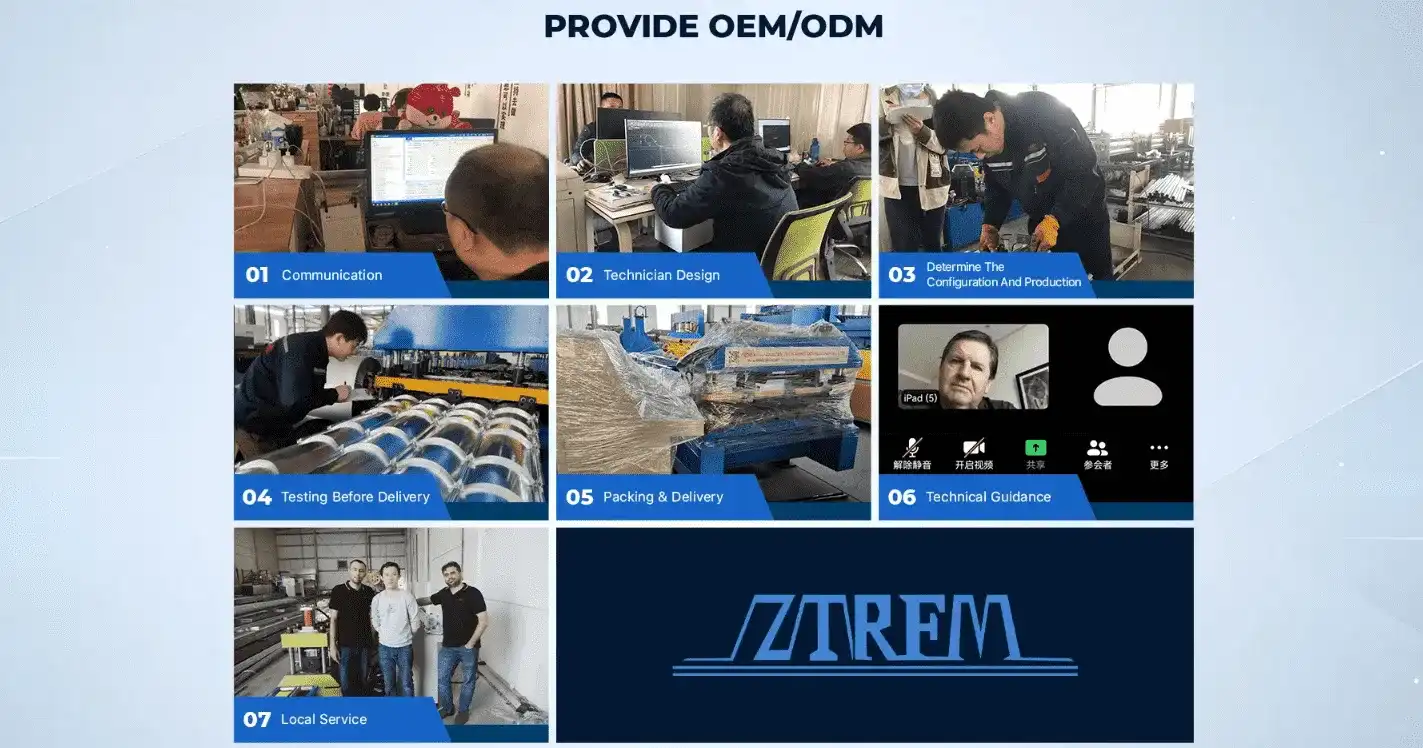
ZTRFM stands ready to support your roofing panel production goals with industry-leading roll-forming technology backed by a decade of specialized manufacturing experience. Since our founding in 2014, we've engineered and delivered high-performance trapezoidal sheet roll forming machines to customers across 150+ countries, earning recognition as a national high-tech enterprise through continuous innovation. Whether you need a reliable trapezoidal sheet roll forming machine supplier for standard configurations or require fully customised OEM/ODM solutions, our engineering team provides comprehensive support from initial specifications through installation and ongoing technical assistance. Contact us at zhongtuorollforming@gmail.com to discuss your specific production requirements and discover how our ISO9001 and CE-certified equipment can enhance your manufacturing capabilities while reducing operational costs.
References
1. Anderson, M., & Roberts, K. (2021). Cold Roll Forming Technology: Principles and Applications in Modern Construction. Industrial Press.
2. Chen, L. (2022). Comparative Analysis of Metal Roofing Profile Performance Under Wind Load Conditions. Journal of Structural Engineering, 148(4), 562-578.
3. Davies, J. M. (2020). Metal Building Systems: Design and Specifications. Wiley-Blackwell.
4. International Building Code. (2021). Chapter 15: Roof Assemblies and Rooftop Structures. International Code Council.
5. Palmer, R., & Thompson, S. (2023). Roll Forming Equipment Selection Criteria for Metal Building Component Manufacturers. Manufacturing Technology Review, 36(2), 112-129.
6. Yu, W. (2019). Cold-Formed Steel Design (5th ed.). American Iron and Steel Institute.