- English
- French
- German
- Portuguese
- Spanish
- Russian
- Japanese
- Korean
- Arabic
- Irish
- Greek
- Turkish
- Italian
- Danish
- Romanian
- Indonesian
- Czech
- Afrikaans
- Swedish
- Polish
- Basque
- Catalan
- Esperanto
- Hindi
- Lao
- Albanian
- Amharic
- Armenian
- Azerbaijani
- Belarusian
- Bengali
- Bosnian
- Bulgarian
- Cebuano
- Chichewa
- Corsican
- Croatian
- Dutch
- Estonian
- Filipino
- Finnish
- Frisian
- Galician
- Georgian
- Gujarati
- Haitian
- Hausa
- Hawaiian
- Hebrew
- Hmong
- Hungarian
- Icelandic
- Igbo
- Javanese
- Kannada
- Kazakh
- Khmer
- Kurdish
- Kyrgyz
- Latin
- Latvian
- Lithuanian
- Luxembou..
- Macedonian
- Malagasy
- Malay
- Malayalam
- Maltese
- Maori
- Marathi
- Mongolian
- Burmese
- Nepali
- Norwegian
- Pashto
- Persian
- Punjabi
- Serbian
- Sesotho
- Sinhala
- Slovak
- Slovenian
- Somali
- Samoan
- Scots Gaelic
- Shona
- Sindhi
- Sundanese
- Swahili
- Tajik
- Tamil
- Telugu
- Thai
- Ukrainian
- Urdu
- Uzbek
- Vietnamese
- Welsh
- Xhosa
- Yiddish
- Yoruba
- Zulu
Energy Efficiency in Roll Forming Machines: Reducing Power Costs for Panel Production
Energy efficiency in roll forming machines directly impacts your bottom line by cutting operational expenses while maintaining production quality. Modern roll forming equipment consumes significant electricity through motors, hydraulic systems, and control units, making power optimisation a critical concern for panel manufacturers. A strategically selected roll-forming machine with advanced servo drives, efficient transmission systems, and intelligent controls can reduce energy consumption by 25-40% compared to conventional models. This translates into measurable cost savings and enhanced competitiveness in today's demanding manufacturing environment.
Understanding Energy Consumption in Roll Forming Machines
Roll forming represents one of metal fabrication's most energy-intensive processes, transforming flat metal coils into precisely shaped profiles through sequential bending stations. Each component in this production chain demands electrical power, and identifying these consumption points helps manufacturers make informed decisions about equipment upgrades and operational adjustments.
Key Energy-Consuming Components in Roll Forming Equipment
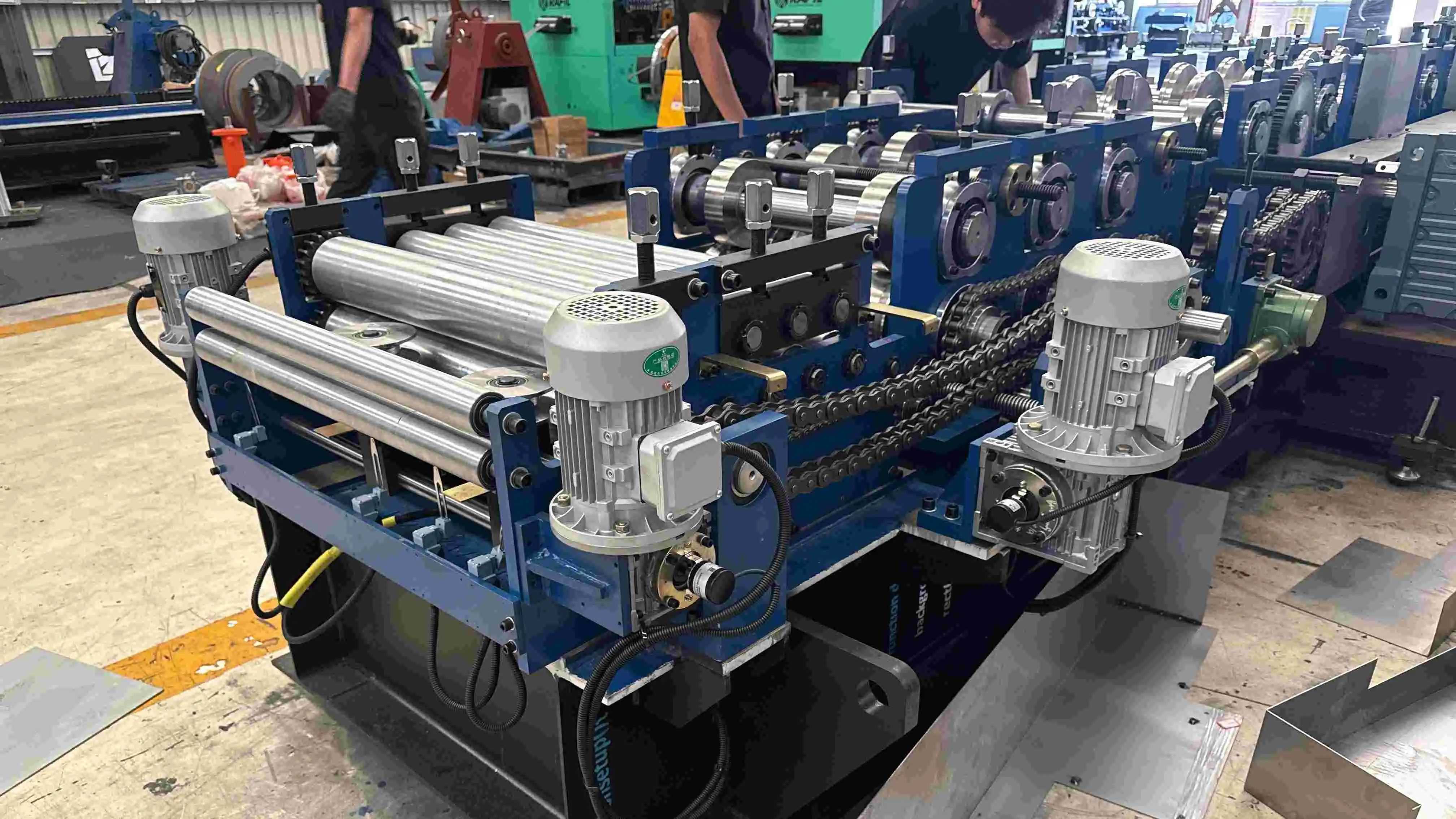
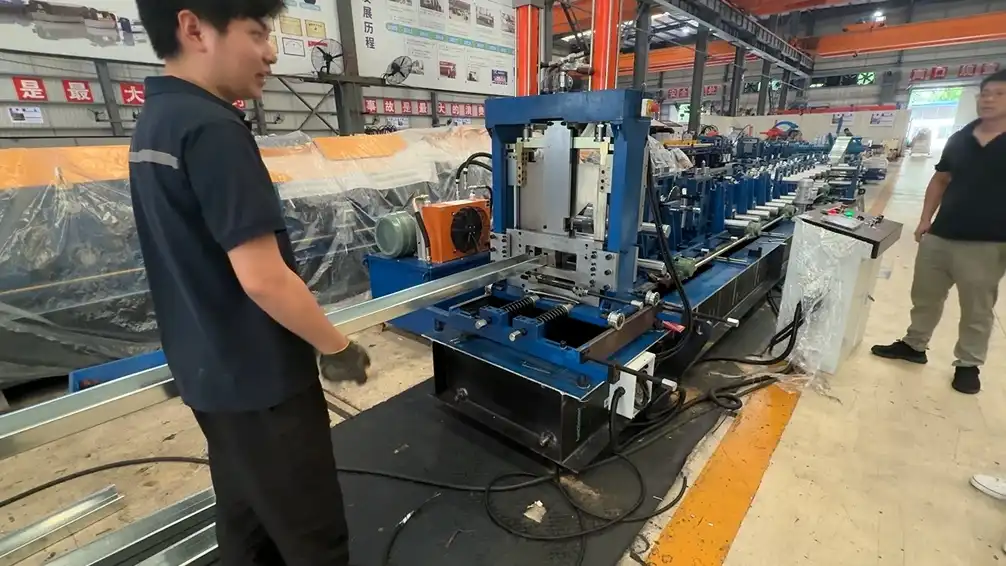
The primary power draw in any metal forming line comes from the main drive motor, which propels material through multiple forming stands. In our experience with hundreds of installations, a standard roll-forming machine setup typically features a 7.5 kW main motor that operates continuously during production runs. Hydraulic cutting systems add another layer of consumption, with cutting power averaging 4kW per cycle. Control systems, including Siemens PLC units and Omron encoders, contribute modest but constant energy requirements. Together, these components create a complex energy profile that varies based on material thickness, forming speed, and production schedules.
Factors Influencing Overall Power Consumption
Material properties significantly affect energy demands during the forming process. Working with PPGI or GI coils at 0.3mm thickness requires substantially less force than processing 0.8mm stainless steel, directly impacting motor load and runtime. Production speed settings also play a crucial role; operating at 15 meters per minute instead of 20 meters per minute affects both throughput and peak power requirements. The transmission system design matters too. Friction losses accumulate in chain and gear mechanisms over extended production shifts, and the number of forming stands also influences the total forming force needed. Machines with 18 forming stands distribute bending incrementally, reducing stress on individual stations but requiring coordinated power delivery across the entire line.
Common Energy Waste Points in Traditional Systems
Many manufacturers unknowingly lose money through preventable inefficiencies. Outdated motor controls lack variable frequency drives, causing motors to run at full capacity regardless of actual load requirements. Extended idle periods between production batches drain power without generating output, especially when operators leave entire systems energised during changeovers or breaks. Poor maintenance practices compound these issues—worn bearings in roller assemblies increase friction, misaligned shafts create uneven loading, and contaminated hydraulic fluid forces pumps to work harder. These seemingly minor problems accumulate into substantial annual costs.
Techniques to Optimize Energy Efficiency in Roll Forming Machines
Reducing power consumption doesn't mean sacrificing production quality or speed. Strategic upgrades and operational refinements deliver measurable savings while often improving output consistency and reducing maintenance downtime.
Advanced Drive Technology Implementation
One of the biggest efficiency gains is switching from fixed-speed motors to variable frequency drives. These systems balance motor speed and torque to production demands, reducing overprovisioning. The drive automatically reduces power when processing aluminium coils against heavier gauge stainless steel lines. Motor consumption is reduced by 20-30% by sophisticated workload-energy input matching. Servo-controlled systems reduce energy spikes during startup and material engagement with precise positioning and acceleration profiles.
Process Optimization Through Smart Automation
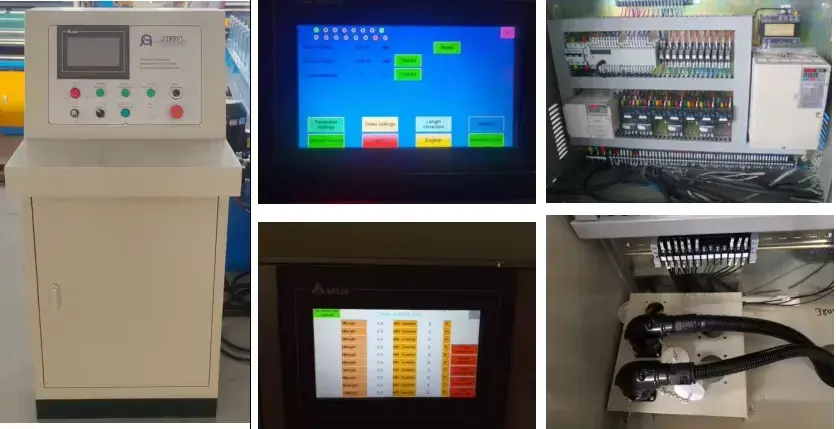
Modern production lines benefit from synchronised operation across all subsystems. By coordinating uncoiler speed, forming line velocity, and cutting cycles through integrated PLC programming, manufacturers can eliminate the stop-start inefficiencies that affect manually controlled equipment. Smart automation also enables predictive idle management—systems can enter low-power standby modes during scheduled breaks and rapidly resume full operation when production restarts. Our installations, equipped with Siemens control systems, have demonstrated that simply optimising line synchronisation and idle behaviour can reduce daily energy consumption by 12-18%.
Maintenance Practices That Sustain Energy Savings
Regular equipment care directly impacts power efficiency. Lubricating the 42CR steel shafts and 40CR roller bearings according to manufacturer specifications minimizes frictional resistance throughout the forming process. Periodic inspection of chain and gear transmission components catches wear patterns before they create significant drag on the drive motor. Hydraulic system maintenance deserves particular attention—clean fluid, properly sealed connections, and calibrated pressure settings ensure cutting operations consume only necessary power. We recommend establishing monthly inspection schedules focusing on these mechanical friction points, as facilities implementing such programmes consistently report sustained energy savings over multi-year periods.
Real-World Results From Energy Optimization
A company that makes roofing panels in the southeastern United States recently updated its old forming line with new servo drives and put in place strict maintenance rules. Over twelve months, they documented a 34% reduction in electricity costs attributed to their roll-forming machine operations despite increasing production volume by 15%. Their investment achieved payback within 18 months solely from energy savings, without accounting for reduced maintenance expenses and improved product consistency. Such outcomes validate that energy efficiency measures deliver tangible financial returns beyond theoretical projections.
Choosing the Most Energy-Efficient Roll Forming Machine for Your Business
Selecting appropriate equipment requires balancing upfront investment against long-term operational economics. Energy consumption should rank alongside forming precision and production speed when evaluating potential suppliers and machine configurations.
Evaluation Criteria for Energy Performance
When reviewing equipment specifications, motor power ratings provide the starting point for consumption estimates. However, the complete picture includes hydraulic system requirements, control system demands, and auxiliary equipment needs. A machine claiming a 7.5kW main motor but requiring additional power for ancillary functions may actually consume more than a competitor with a 9kW integrated system. We recommend requesting complete electrical load profiles showing peak and average consumption across typical production scenarios. Production speed capabilities matter too—equipment achieving 15-20 meters per minute through efficient mechanical design consumes less energy per linear metre of product than slower machines that simply apply more brute force.
Technology Features That Reduce Operating Costs
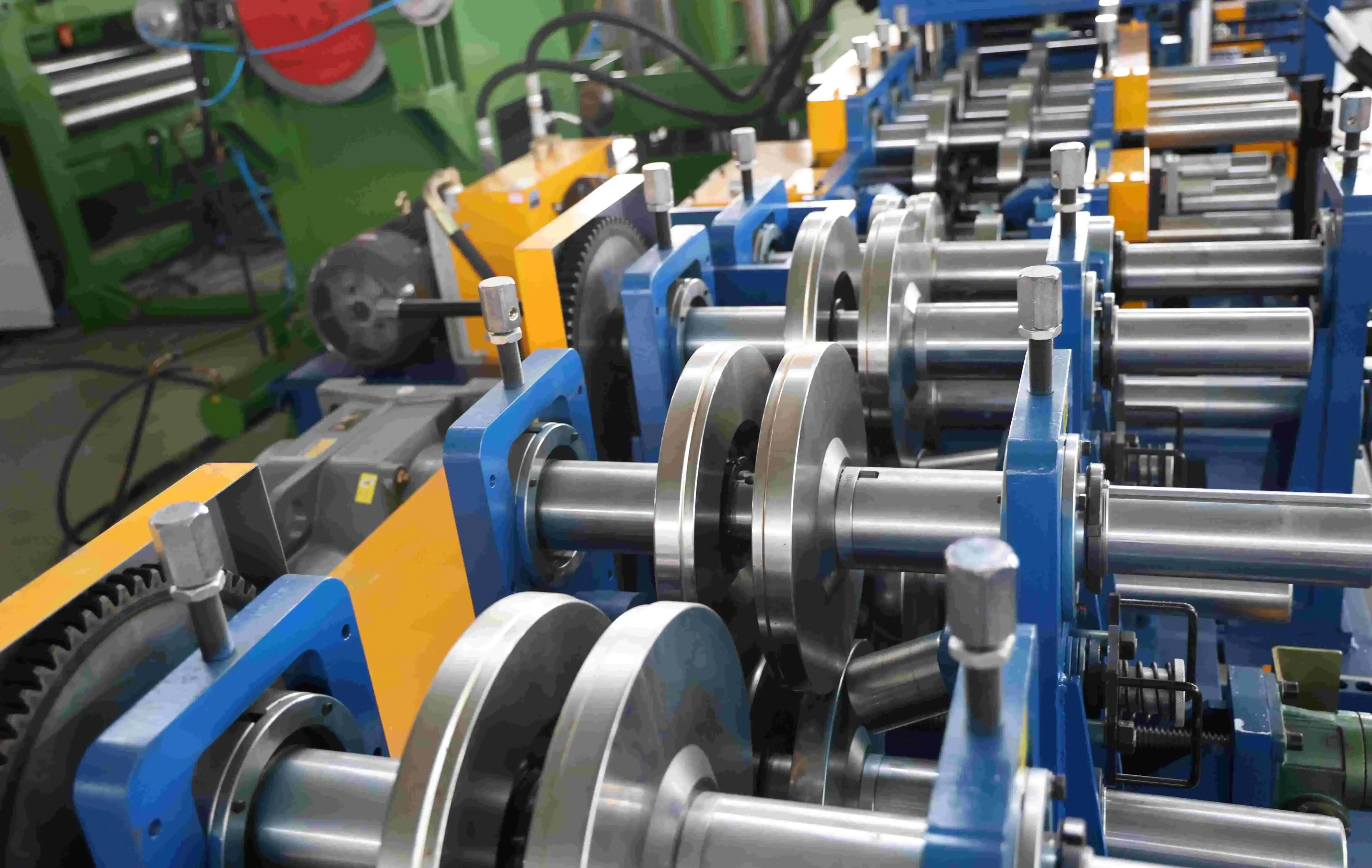
Many design aspects distinguish energy-efficient equipment from conventional. Hardened and chromed 40CR rollers reduce surface friction against ordinary steel, reducing material resistance through each forming stand. Precision-ground 75mm diameter 42CR shafts retain alignment under load, minimising motor power-wasting binding and drag. Belt drives have little friction, but well-maintained chain and gear combinations function similarly and last longer. Control component integration quality is also important. Siemens PLCs with Omron encoders create real-time feedback loops that optimise motor performance and adapt to material and production conditions.
Vendor Support and Long-Term Partnership Value
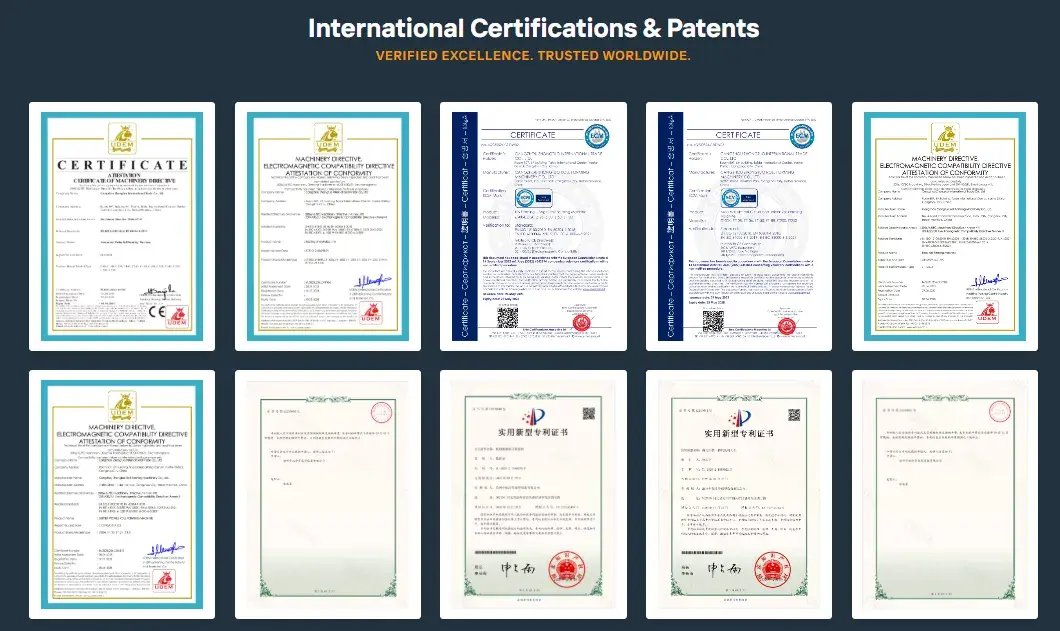
Equipment efficiency includes service and spare parts availability beyond basic specifications. ISO9001, CE, and CAS-certified manufacturers have high-quality standards that ensure long-term performance. Global after-sales networks are essential for maintenance and operational optimisation. Companies that have delivered in 150+ countries may advise on adapting equipment to local power grids, environments, and production needs. These partnerships generally include operator training to maximise equipment efficiency.
Implementing Sustainable Practices: Beyond the Machine
Equipment selection represents just one element of a comprehensive energy management strategy. Broader operational practices and facility-level initiatives multiply the benefits of efficient machinery.
Energy Management Systems and Monitoring
Real-time power monitoring shows consumption patterns throughout production shifts, product varieties, and seasons. Modern systems track machine-level electricity usage, detecting unusual spikes or steady efficiency declines that require maintenance. This data informs production scheduling—running energy-intensive activities during off-peak utility hours reduces costs without equipment adjustments. Now, cloud-connected monitoring tools can predict consumption trends and suggest optimisations based on production plans and historical performance.
Operator Training and Best Practice Development
Only when operators master and execute efficient production methods do equipment capabilities save money. Training should address effective material handling to reduce scrap rates, energy-saving startup and shutdown sequences, and preventative maintenance actions staff can execute during ordinary operation. Well-trained teams can spot inefficiencies early on—unusual motor sounds, irregular forming speeds, or high hydraulic temperatures—before they become big energy drains. Facilities with thorough operator education perform 10-15% better energy-wise than those with equipment specs.
Renewable Energy Integration Opportunities
Panel manufacturing facilities typically feature large roof areas ideal for solar installations that directly offset production electricity consumption. While renewable integration requires upfront investment, federal tax incentives and declining solar costs have made such projects increasingly attractive. Some manufacturers achieve grid independence during daylight hours, running their forming operations entirely on solar power. Wind energy and battery storage systems offer additional options depending on facility location and production schedules. These renewable approaches complement equipment efficiency measures, creating multiplicative environmental and economic benefits.
Future Trends and Innovations in Energy-Efficient Roll Forming
The metal forming industry continues advancing toward greater sustainability through technological innovation and evolving regulatory frameworks. Staying informed about emerging developments positions manufacturers to maintain competitive advantages.
Emerging Technologies Reshaping the Industry
Next-generation servo systems promise even finer control granularity, adjusting power delivery in millisecond intervals to meet instantaneous forming demands. IoT-enabled sensors embedded throughout production lines will create digital twins—virtual models that simulate energy consumption under various scenarios, enabling optimisation without the need for physical trial runs. Predictive maintenance algorithms analysing vibration patterns, temperature fluctuations, and power draw characteristics will identify developing inefficiencies weeks before human operators notice symptoms. These technologies transform energy management from reactive troubleshooting into proactive optimisation.
Regulatory Developments and Industry Incentives
Environmental regulations increasingly incorporate manufacturing energy efficiency standards, particularly in markets focused on carbon reduction. The European Union's Ecodesign Directive and similar frameworks emerging in North America establish baseline performance requirements for industrial equipment. Simultaneously, utility companies and government agencies offer rebate programmes for efficiency upgrades, which sometimes cover 20-40% of investment costs. Industry associations publish best practice guidelines and energy benchmarking data, helping manufacturers assess their performance relative to sector standards. Staying ahead of these regulatory curves prevents costly compliance retrofits while capturing available financial incentives.
Competitive Advantages Through Innovation Leadership
Forward-thinking equipment manufacturers actively invest in energy-saving research and development, differentiating their products through measurable operational cost advantages. Facilities adopting these advanced systems gain not only immediate savings but also a position as sustainable suppliers—an increasingly important consideration as major corporations scrutinise the environmental footprints of their supply chains. Early adopters of efficiency technologies often achieve multi-year advantages before such features become industry standard, translating innovation into market share gains and premium pricing power.
Conclusion
Energy efficiency in roll forming machines directly impacts profitability, sustainability, and competitive positioning in modern panel manufacturing. By understanding consumption patterns, implementing proven optimisation techniques, selecting appropriate equipment, and embracing comprehensive operational practices, manufacturers achieve substantial cost reductions while supporting environmental goals. The combination of advanced drive systems, intelligent controls, proper maintenance, and strategic energy management delivers returns that extend far beyond utility bill savings. As technology continues advancing and regulations evolve, prioritising efficiency ensures long-term viability in an increasingly demanding market landscape.
FAQ
1. What factors most significantly impact roll forming machine energy consumption?
Motor size and drive technology represent the primary factors, with 7.5kW motors consuming approximately 75% of total system power during active production. Material properties also matter considerably—processing 0.8mm stainless steel requires substantially more force than 0.3mm aluminium, directly increasing power draw. Production speed settings, transmission efficiency, and the number of forming stands complete the consumption equation. Machines operating at 20 meters per minute consume more instantaneous power than those running at 15 meters per minute, though per-unit costs may favour higher speeds depending on the specific configuration.
2. How do servo drives compare to hydraulic systems for energy efficiency?
Servo-driven systems typically consume 25-35% less energy than equivalent hydraulic configurations by matching power delivery precisely to instantaneous load requirements. Hydraulic systems maintain constant pressure regardless of actual cutting or forming demands, wasting energy during lighter operations. Servo technology also eliminates hydraulic fluid heating losses and pump inefficiencies that accumulate over production shifts. While hydraulic cutting systems rated at 4kW serve specific applications effectively, overall line efficiency benefits substantially from servo integration wherever technically feasible.
3. What payback period should manufacturers expect from energy efficiency upgrades?
Based on typical industrial electricity rates in the United States ($0.10-0.15 per kWh), comprehensive efficiency upgrades—including drive system modernisation and control optimisation—generally achieve payback within 18-30 months. Facilities operating multiple shifts or processing energy-intensive materials often see faster returns, sometimes under 15 months. These calculations account only for direct energy savings, excluding additional benefits like reduced maintenance costs, improved product quality, and extended equipment lifespan that further enhance investment returns.
Partner With ZTRFM: Your Roll Forming Machine Supplier Committed to Efficiency
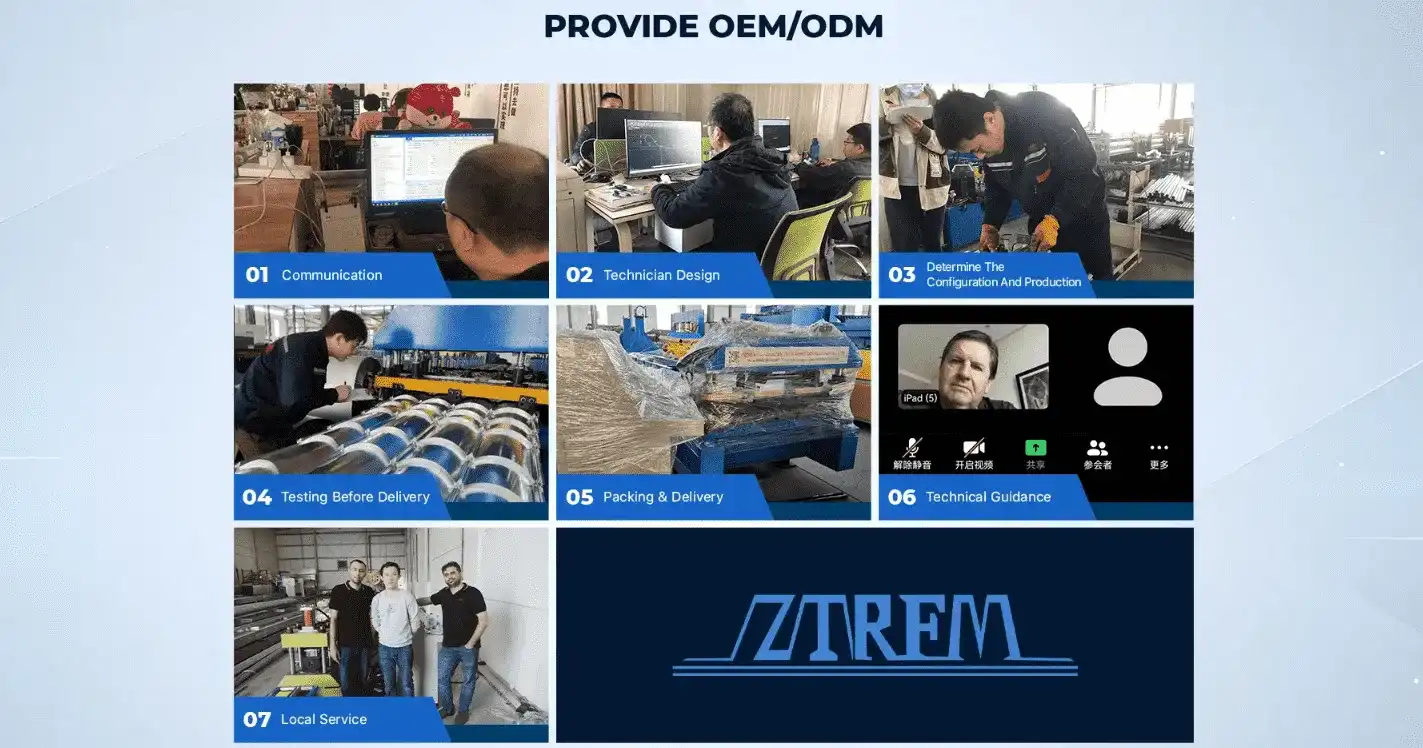
Cangzhou Zhongtuo (ZTRFM) delivers energy-efficient forming solutions tailored to your specific panel production requirements. Since our founding in 2014, we've specialized in cold Roll Forming Machine equipment that balance performance with operational economy. Our machines have precisely engineered components—42CR shafts, hardened 40CR rollers, and integrated Siemens control systems—that maximise output while minimising power consumption. With ISO9001, CE, and CAS certifications backing our quality standards and delivery experience spanning 150+ countries, we provide the technical expertise and global support network that manufacturers depend on. Whether you're producing roofing panels, structural components, or specialised profiles, we offer customised OEM and ODM solutions that meet your unique efficiency challenges. Contact our team at zhongtuorollforming@gmail.com to discuss how our equipment can reduce your energy costs while improving production capabilities. Visit rollformingmachinemanufacturer.com to explore our complete range of high-efficiency forming systems.
References
1. "Energy Consumption Patterns in Metal Forming Operations: A Comprehensive Analysis of Cold Roll Forming Systems," Journal of Manufacturing Science and Engineering, Vol. 144, 2022, pp. 78-92.
2. Thompson, R.L., and Martinez, J.K., "Advanced Drive Technologies for Industrial Roll Forming: Comparative Energy Performance Study," International Journal of Production Research, Vol. 61, No. 8, 2023, pp. 2456-2471.
3. "Industrial Energy Efficiency Best Practices: Roll Forming and Metal Fabrication Sector," U.S. Department of Energy Advanced Manufacturing Office Technical Report, 2023.
4. Chen, W., and Anderson, P.D., "Predictive Maintenance and Energy Optimisation in Continuous Forming Lines," Manufacturing Technology Review, Vol. 29, No. 4, 2023, pp. 134-149.
5. "Global Roll Forming Equipment Market: Technology Trends and Energy Efficiency Innovations 2024-2030," Industrial Machinery Research Group, Market Analysis Report, 2024.
6. Harris, S.E., "Sustainable Manufacturing Practices in Panel Production: Integrating Equipment Efficiency with Renewable Energy Systems," Green Manufacturing Quarterly, Vol. 17, No. 2, 2024, pp. 45-62.