- English
- French
- German
- Portuguese
- Spanish
- Russian
- Japanese
- Korean
- Arabic
- Irish
- Greek
- Turkish
- Italian
- Danish
- Romanian
- Indonesian
- Czech
- Afrikaans
- Swedish
- Polish
- Basque
- Catalan
- Esperanto
- Hindi
- Lao
- Albanian
- Amharic
- Armenian
- Azerbaijani
- Belarusian
- Bengali
- Bosnian
- Bulgarian
- Cebuano
- Chichewa
- Corsican
- Croatian
- Dutch
- Estonian
- Filipino
- Finnish
- Frisian
- Galician
- Georgian
- Gujarati
- Haitian
- Hausa
- Hawaiian
- Hebrew
- Hmong
- Hungarian
- Icelandic
- Igbo
- Javanese
- Kannada
- Kazakh
- Khmer
- Kurdish
- Kyrgyz
- Latin
- Latvian
- Lithuanian
- Luxembou..
- Macedonian
- Malagasy
- Malay
- Malayalam
- Maltese
- Maori
- Marathi
- Mongolian
- Burmese
- Nepali
- Norwegian
- Pashto
- Persian
- Punjabi
- Serbian
- Sesotho
- Sinhala
- Slovak
- Slovenian
- Somali
- Samoan
- Scots Gaelic
- Shona
- Sindhi
- Sundanese
- Swahili
- Tajik
- Tamil
- Telugu
- Thai
- Ukrainian
- Urdu
- Uzbek
- Vietnamese
- Welsh
- Xhosa
- Yiddish
- Yoruba
- Zulu
How to Select a Solar Strut Channel Roll Forming Machine Manufacturer
Choosing the right manufacturer for a Solar Strut Channel Roll Forming Machine impacts your production capacity, product quality, and long-term profitability in the competitive photovoltaic mounting industry. This specialized equipment transforms coiled steel into precision-engineered strut channels that form the backbone of solar panel installation systems worldwide. As the renewable energy sector continues its rapid expansion across the United States, selecting a manufacturer who understands your operational needs and provides reliable support becomes a strategic decision rather than a simple transaction. This guide walks you through the critical evaluation factors, helping you identify a manufacturing partner who aligns with your business objectives and technical requirements.
Understanding the Solar Strut Channel Roll Forming Machine Market
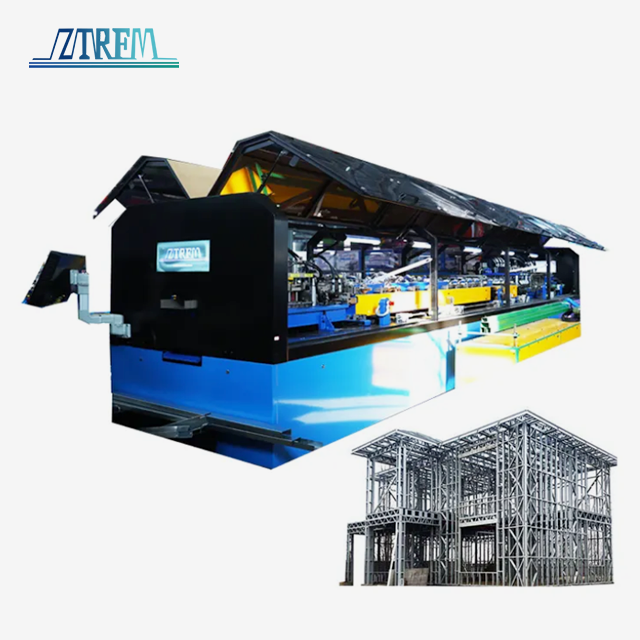
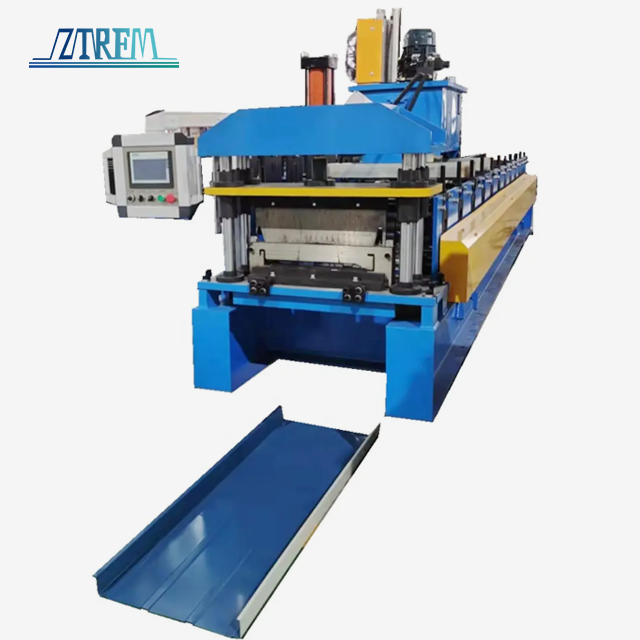
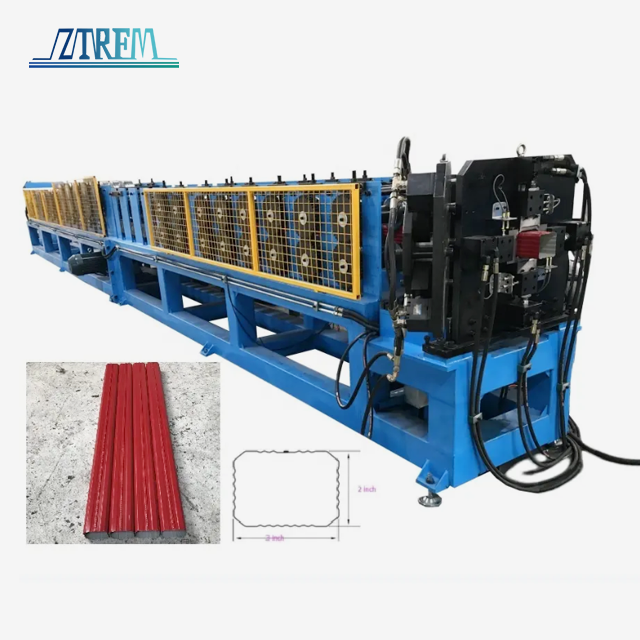
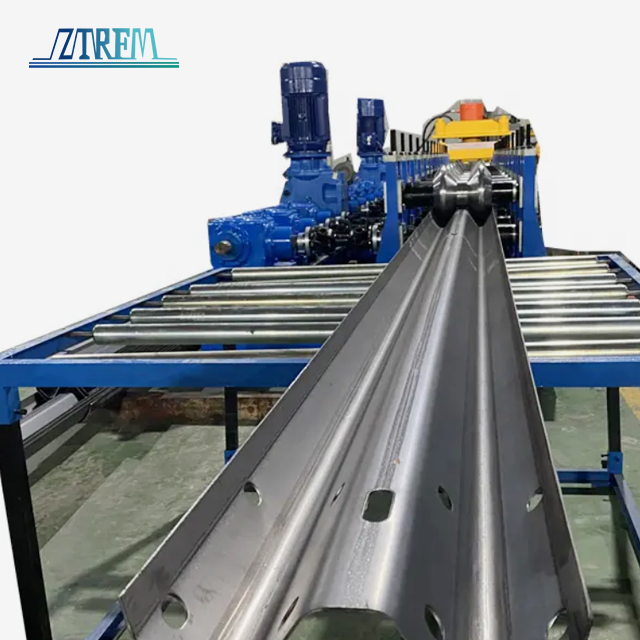
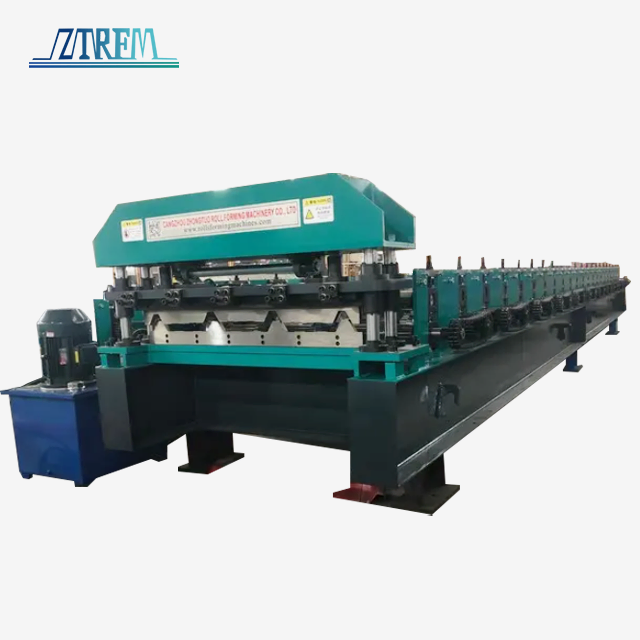
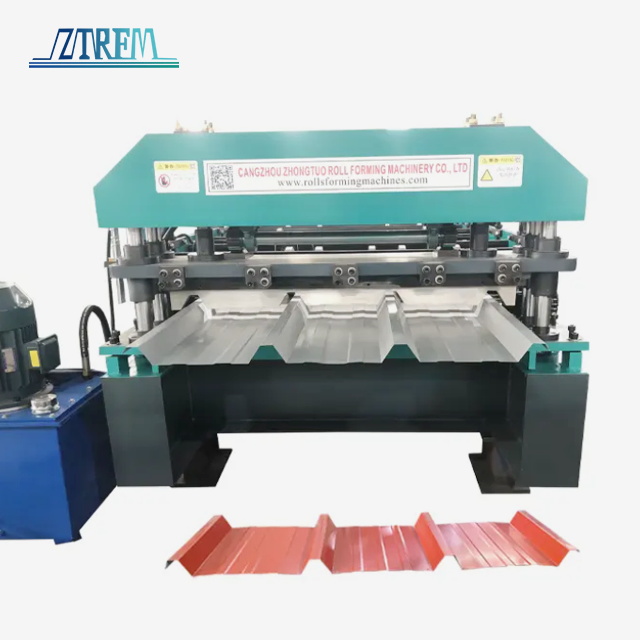
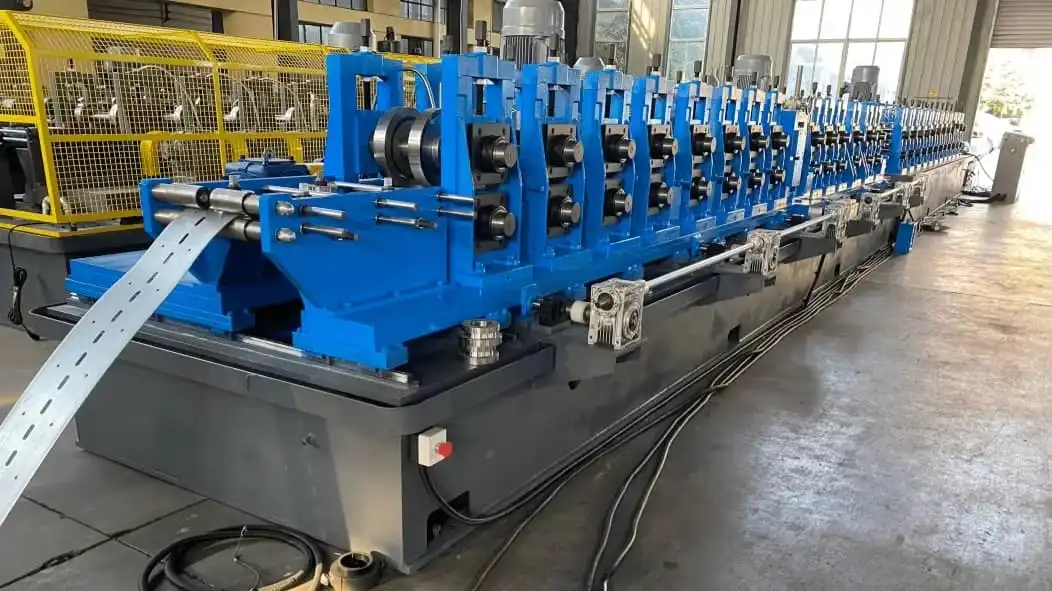
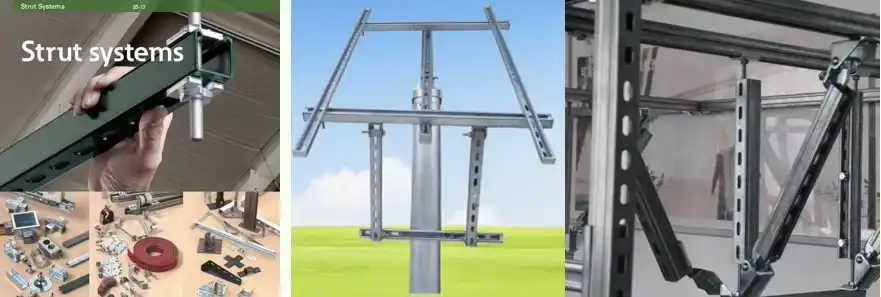
The photovoltaic mounting industry has experienced remarkable growth, driving demand for specialized roll forming equipment. These machines convert galvanised or coated steel coils into structural C-channels and U-channels—commonly referred to as 'uni-strut' or 'PV brackets'—through a continuous cold-forming process. Unlike standard metal-forming equipment, strut channel machines integrate decoiling, levelling, punching, roll forming, hydraulic cutting, and stacking into a single automated production line.
Why Do These Machines Matter for Solar Infrastructure?
Solar mounting manufacturers are pressured to produce quality and affordable costs. Cold roll forming retains the structural integrity of high-tensile steel grades (G350-G550 MPa), which affects utility-scale solar farms' load-bearing capabilities for wind and snow loads. Manual cutting and drilling generate dimensional irregularities that make installation difficult. Modern roll forming technologies prevent cumulative errors, assuring connector interlocking across large solar installations.
Market Dynamics Shaping Buyer Decisions
Three factors currently shape purchasing decisions in the U.S. market: automation requirements, production flexibility, and total cost of ownership. Building roofing system manufacturers and light steel structure producers increasingly seek equipment capable of running multiple profile sizes without extensive changeover time. Metal structure manufacturers need integrated punching and cutting capabilities to reduce secondary operations. Meanwhile, startups and small manufacturers prioritise equipment that balances initial investment with operational simplicity and maintenance accessibility. Understanding these dynamics helps buyers frame their evaluation criteria around actual operational needs rather than generic specifications.
Key Criteria to Evaluate When Selecting a Manufacturer
Assessing manufacturer capabilities requires looking beyond equipment specifications to examine the supplier's engineering depth, quality systems, and service infrastructure. This evaluation determines whether a manufacturer can support your operation throughout the equipment's lifecycle.
Production Technology and Machine Design
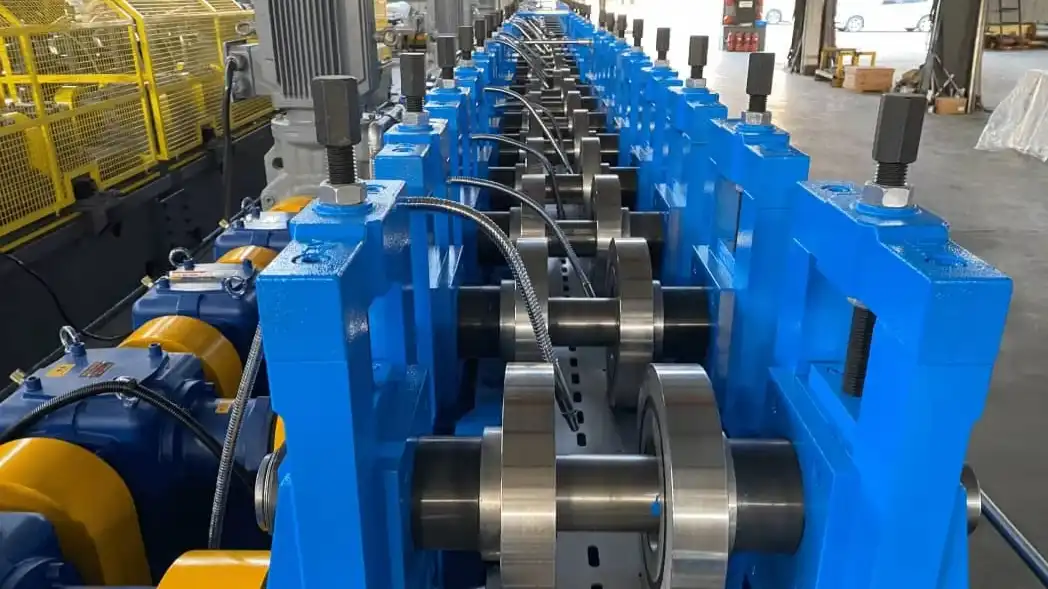
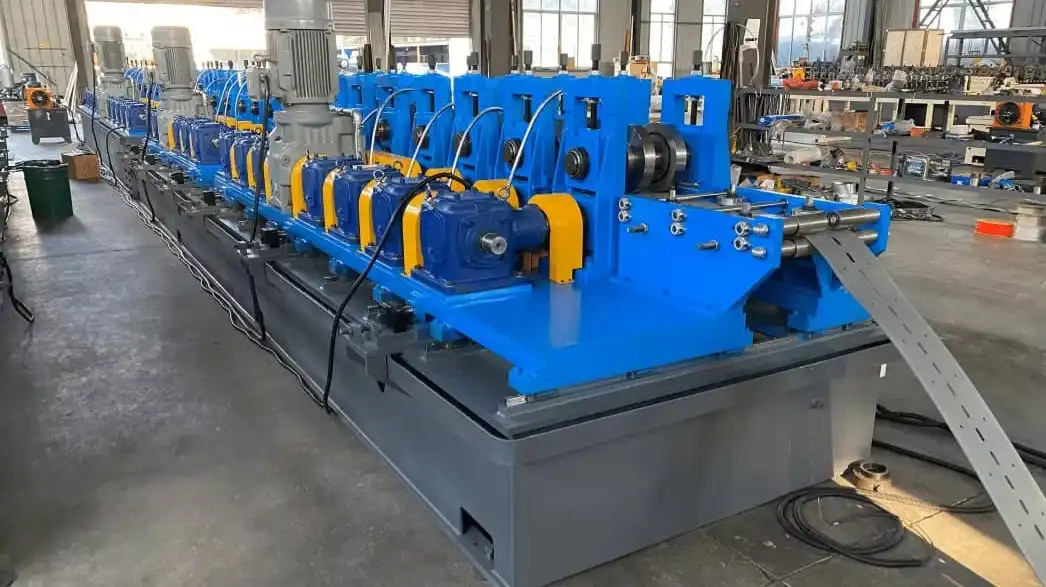
The fundamental machine architecture reveals a manufacturer's engineering philosophy. Roll forming equipment for strut channels must handle material thicknesses from 1.5mm to 2.5mm while maintaining tight tolerances. Examine the roller material composition—GCR15 steel with chrome coating protects pre-galvanised steel surfaces from scratching during forming. Shaft diameter matters too; 80mm forged steel shafts minimise deflection under heavy loads, directly affecting profile consistency. Machine frame construction using a 25mm thick steel plate provides the rigidity needed for continuous high-volume production. Manufacturers who specify these details demonstrate understanding of the demanding production environment their equipment must endure.
Certification Standards and Quality Assurance
Customization Capabilities and Technical Support
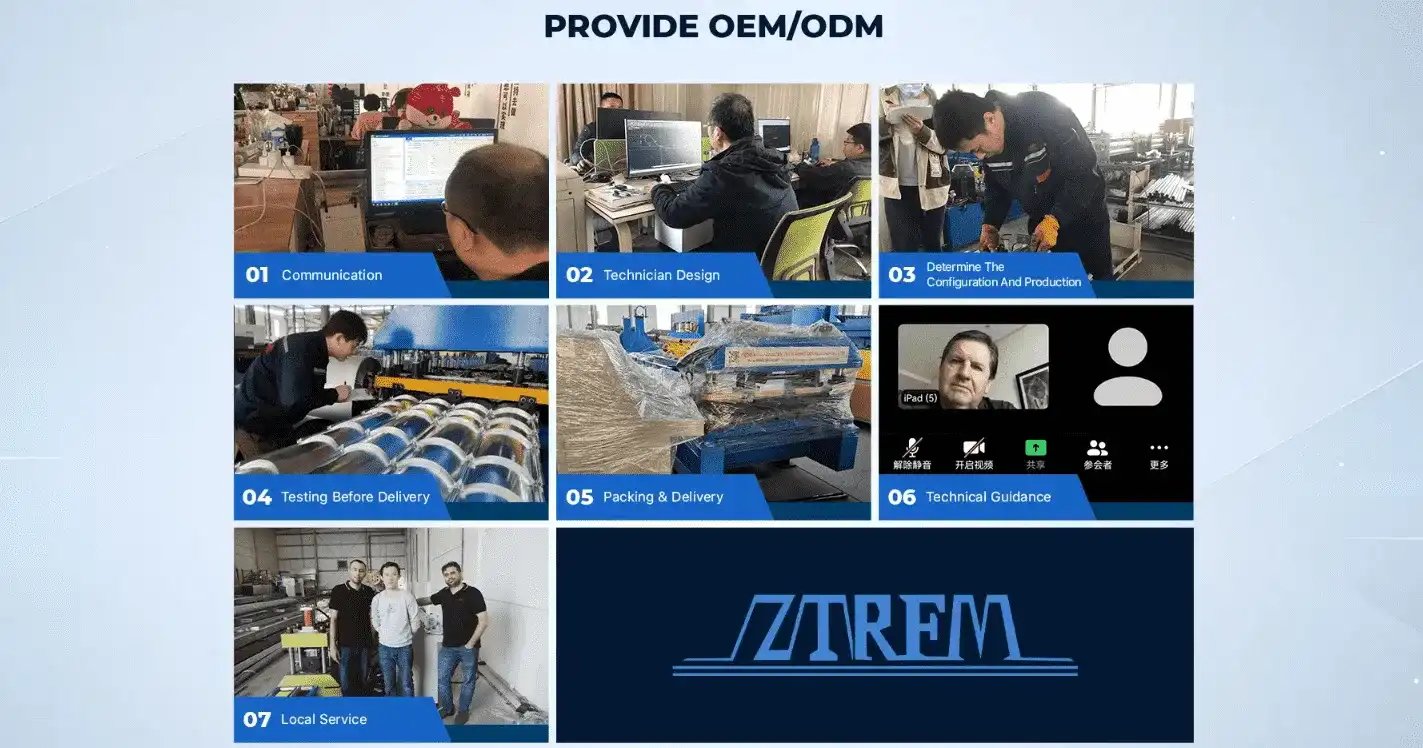
Customised machinery is needed for certain applications. Multilayer composite sandwich panel makers require specialised feeding methods. To move between C-, Z-, and hat-type purlins, light steel structure manufacturers need rapid changeover systems. Manufacturer engineering teams should demonstrate proficiency with CAD, SolidWorks, and roll forming simulation tools like COPRA. This technological depth lets them develop special roller profiles for non-standard strut channel dimensions. Request examples of customised solutions the manufacturer has provided to clients with similar manufacturing needs during the evaluation. Manufacturing partners differ from equipment providers in their ability to customise solutions.
Comparing Leading Solar Strut Channel Roll Forming Machine Manufacturers
The global marketplace offers numerous suppliers, but meaningful comparison requires examining specific performance indicators and service capabilities rather than relying solely on advertised features.
Evaluating Brand Reputation and Track Record
A manufacturer's market presence tells you much about its reliability. Companies serving 150+ countries have navigated diverse regulatory environments, voltage standards, and installation conditions—experience that translates into robust equipment design. Client testimonials from established solar mounting manufacturers give insight into real-world performance. Pay particular attention to feedback regarding uptime, support responsiveness, and spare parts availability. Manufacturers with installations across the United States, Germany, India, Brazil, and Australia have proven their equipment performs consistently across different operational contexts.
Pricing Models and Financial Flexibility
Transparent pricing structures separate professional manufacturers from opportunistic vendors. Expect clear breakdowns that separate base machine costs from optional features, such as online hydraulic punching systems, servo-driven feeding mechanisms, or automated stacking units. Equipment pricing typically ranges from $20,000 for basic economic designs to $38,000 or higher for heavy-duty models with gearbox transmission and flying saw-cutting systems. The price difference reflects fundamental design choices: chain-drive transmission suits lighter materials and shorter production runs, while gearbox transmission provides the torque consistency needed for continuous operation with thicker-gauge steel. Manufacturers offering flexible payment terms or leasing arrangements help startups and small manufacturers manage cash flow while acquiring production capacity.
Supply Chain Strength and Delivery Performance
Your production schedule and project commitments depend on equipment delivery. Production delays are fewer for manufacturers with supply chain relationships for crucial components, including hydraulic stations, PLC control systems, and precision rollers. Find out how long ordinary and customised machines take. Fully customised systems may take 90-120 days, whereas a manufacturer using common components can deliver in 45-60 days. These timelines enable realistic production planning. To prevent clearance delays, evaluate their export documentation and U.S. customs experience.
Assessing Manufacturer Innovation and Technology Advantages
Technological sophistication differentiates manufacturers who drive industry standards from those who simply meet minimum specifications. Innovation appears not only in headline features but also in the engineering details that improve operational efficiency.
Automation Features and Control Systems
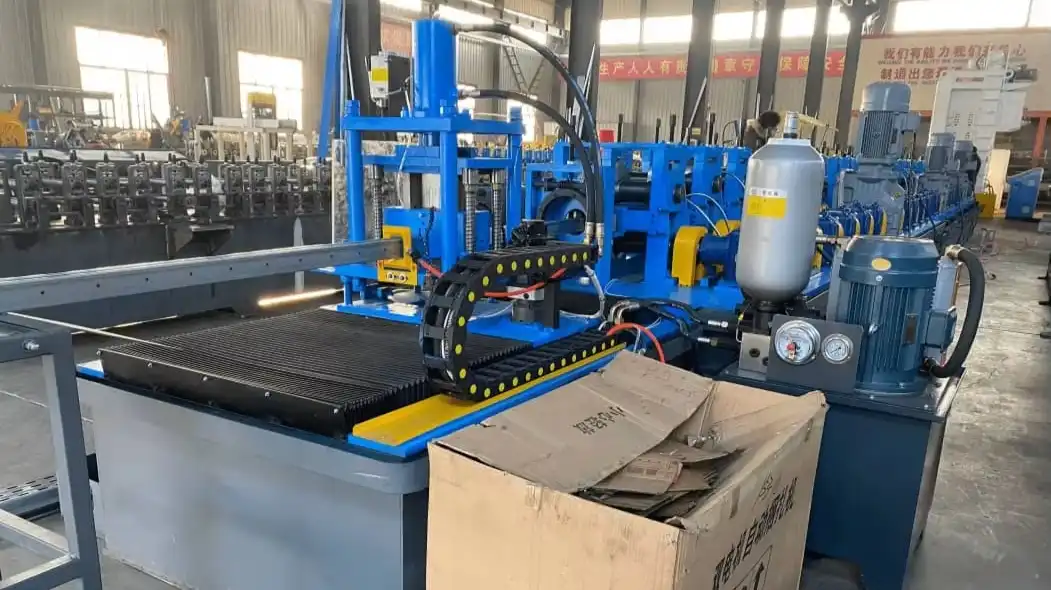
PLC control and HMI touchscreen operation allow operators to establish production parameters, monitor real-time output, and receive maintenance warnings on modern roll forming equipment. PV mounting channel roll forming machine advanced systems automate length setting, piece counting, and alarms, reducing operator workload and production errors. Siemens and Mitsubishi PLC systems are reliable because they can tolerate harsh production settings. Servo feeding systems and hydraulic punching stations achieve a hole location accuracy of 0.5mm, essential for solar racking alignment during field installation. This level of automation reduces labour costs and improves output consistency for U.S. industries.
Energy Efficiency and Operating Costs
Equipment operating costs accumulate significantly over a machine's typical 10- to 15- year lifespan. Main motor power specifications (22 kW for forming operations) and hydraulic station power (11 kW for cutting and punching) determine energy consumption. Manufacturers incorporating variable frequency drives optimise energy usage by adjusting motor speed to production requirements rather than running continuously at full capacity. Forming speed specifications—8 meters per minute represents conservative reliable operation, while some machines reach 15-25 meters per minute—must be evaluated against your actual production volume needs. Higher speeds sometimes sacrifice dimensional accuracy or increase roller wear, creating hidden maintenance expenses that offset productivity gains.
Maintenance Design and Equipment Longevity
Equipment design profoundly affects maintenance accessibility and long-term operating costs. Modular construction allows component replacement without disassembling the entire machine. Roller materials matter: Cr12MoV tool steel vacuum heat-treated to HRC 58-62 hardness provides extended service life compared to standard materials. Chrome plating on forming rollers protects against surface wear that could mark finished products. Hydraulic cutting systems using Cr12 mould steel blades with quenched treatment (58-62°C) deliver clean, burr-free cuts that eliminate secondary deburring operations. Manufacturers providing detailed maintenance schedules and comprehensive spare parts lists demonstrate understanding that equipment uptime directly impacts customer profitability.
Practical Steps to Finalize Your Manufacturer Selection
Moving from evaluation to decision requires structured verification processes that confirm manufacturer claims and establish clear performance expectations.
Conducting Factory Audits and Site Visits
Nothing beats seeing production in action. Factory visits show manufacturing floor organisation, equipment upkeep, and quality control. The manufacturer's use of their equipment in production indicates trust in their designs. Are their testing facilities equipped with granite surface plates for straightness verification, precision measuring instruments, and material testing equipment? Observe machines making profiles to your requirements. Direct observation lets you determine production speed, noise, and operator participation. During site visits, you also assess the engineering staff's technical knowledge and willingness to discuss design trade-offs.
Requesting Samples and Production Trials
Sample profiles produced on the equipment you're evaluating provide objective quality evidence. Request samples produced at different speeds to assess how throughput affects dimensional consistency. Measure cross-sectional dimensions with callipers, check hole positioning accuracy, and inspect edge quality for burrs or distortion. If possible, arrange a production trial using your specified material—whether galvanised steel, aluminium-zinc-coated steel, or other substrates. Material differences affect forming behaviour, and a trial run shows how the machine handles your actual feedstock. These samples also allow your engineering team to verify compatibility with downstream assembly processes before committing to purchase.
Negotiating Contract Terms and Service Agreements
Contract negotiations establish the foundation for your long-term relationship. Beyond purchase price, address warranty coverage duration and scope—what components are covered, what constitutes normal wear versus defects, and how warranty claims are processed. Service agreements should specify response times for technical support enquiries, availability of remote diagnostics, and procedures for on-site service when needed. Training provisions matter greatly: comprehensive operator training and maintenance training prevent costly mistakes during equipment setup and early operation. Clarify spare parts pricing and availability commitments to avoid future supply disruptions. Payment terms should align with delivery milestones and performance verification, protecting both parties' interests while maintaining project momentum.
Conclusion
Selecting a manufacturer for Solar Strut Channel Roll Forming Machine strut channel roll-forming equipment requires balancing technical specifications against service capabilities and long-term partnership potential. The right manufacturer brings more than quality machinery—they provide engineering support, responsive service, and adaptability as your production needs evolve. Manufacturers like ZTRFM, with over a decade of specialisation in cold roll forming technology, offer the combination of proven equipment design, global service infrastructure, and customization capabilities that growing solar mounting manufacturers need. By systematically evaluating production technology, certification standards, innovation capabilities, and support systems, you position your operation for sustained success in the expanding renewable energy sector.
FAQ
1. What is the typical lifespan of a solar strut channel roll-forming machine?
Equipment lifespan depends heavily on maintenance practices and production volume. Well-maintained machines from reputable manufacturers typically operate reliably for 10-15 years. Critical factors include regular roller inspection and replacement before wear affects product quality, hydraulic system maintenance preventing leaks and pressure loss, and proper lubrication of moving components. Machines processing thicker materials (2.5mm) experience more stress than those handling lighter gauges, potentially shortening component lifecycles. Manufacturers providing lifetime technical support and maintaining machine records facilitate long-term maintenance planning and eventual upgrades.
2. How does automated feeding affect production efficiency compared to manual systems?
Automated servo feeding systems dramatically improve both productivity and consistency. Manual feeding requires operator attention for each piece, limiting speed and introducing variability in positioning. Servo systems synchronise material advancement with punching and forming operations, ensuring consistent hole spacing across entire production runs. This automation typically increases effective production speed by 40-60% and reduces labor requirements. The precision of automated feeding (positioning accuracy within ±0.5mm) removes the cumulative errors that manual feeding introduces, which is especially important for long production runs where small deviations can lead to significant assembly problems.
3. Can machines be customised for non-standard strut channel profiles?
Reputable manufacturers routinely customize equipment for non-standard profiles. Customization involves designing roller profiles specific to your channel geometry, adjusting station spacing to achieve proper forming progression, and modifying punching patterns to match your hole requirements. Manufacturers with in-house engineering teams using specialised roll-forming simulation software can predict material behaviour and optimise roller design before fabrication. Customization typically adds 2-4 weeks to delivery timelines and increases equipment cost by 15-25%, depending on complexity. This investment proves worthwhile when producing proprietary profiles that differentiate your products in competitive markets.
Partner with ZTRFM for Your Solar Mounting Production Needs
ZTRFM brings specialized expertise in solar strut channel roll forming technology, combining innovative equipment design with comprehensive support that accelerates your production success. As a Solar Strut Channel Roll Forming Machine manufacturer serving the global photovoltaic industry since 2014, we understand the specific challenges facing mounting system producers—from achieving tight tolerances on thick-gauge materials to minimising changeover time between profile sizes. Our ISO 9001 and CE-certified equipment operates reliably in installations across 150+ countries, backed by on-site commissioning, operator training, and lifetime technical support. Whether you're an established manufacturer expanding capacity or a startup entering the solar mounting market, we provide customised solutions tailored to your production volume and budget. Contact our engineering team at zhongtuorollforming@gmail.com to discuss your specific requirements, request detailed technical specifications, or arrange a virtual factory tour. Discover how the right manufacturing partner transforms equipment investment into sustained competitive advantage.
References
1. Smith, J. & Anderson, R. (2022). "Cold Roll Forming Technology for Photovoltaic Structural Components." Journal of Manufacturing Processes and Equipment, Vol. 18, Issue 3, pp. 245-267.
2. Martinez, L. (2023). "Quality Assurance Standards in Solar Mounting System Production." International Manufacturing Review, Vol. 12, No. 4, pp. 112-134.
3. Chen, W. & Thompson, K. (2021). "Evaluating Industrial Roll Forming Equipment: A Procurement Guide for Metal Fabricators." Industrial Engineering Quarterly, Vol. 29, Issue 2, pp. 78-96.
4. Roberts, D. (2023). "Automation Technologies in Metal Forming: Impact on Production Efficiency and Product Quality." Advanced Manufacturing Technology Journal, Vol. 35, pp. 189-210.
5. Williams, P. & Zhang, H. (2022). "Global Supply Chain Management for Industrial Equipment Procurement." International Business and Trade Review, Vol. 44, No. 1, pp. 56-81.
6. Johnson, M. (2024). "Technological Innovation in Solar Infrastructure Manufacturing Equipment." Renewable Energy Production Systems, Vol. 16, Issue 1, pp. 33-58.