- English
- French
- German
- Portuguese
- Spanish
- Russian
- Japanese
- Korean
- Arabic
- Irish
- Greek
- Turkish
- Italian
- Danish
- Romanian
- Indonesian
- Czech
- Afrikaans
- Swedish
- Polish
- Basque
- Catalan
- Esperanto
- Hindi
- Lao
- Albanian
- Amharic
- Armenian
- Azerbaijani
- Belarusian
- Bengali
- Bosnian
- Bulgarian
- Cebuano
- Chichewa
- Corsican
- Croatian
- Dutch
- Estonian
- Filipino
- Finnish
- Frisian
- Galician
- Georgian
- Gujarati
- Haitian
- Hausa
- Hawaiian
- Hebrew
- Hmong
- Hungarian
- Icelandic
- Igbo
- Javanese
- Kannada
- Kazakh
- Khmer
- Kurdish
- Kyrgyz
- Latin
- Latvian
- Lithuanian
- Luxembou..
- Macedonian
- Malagasy
- Malay
- Malayalam
- Maltese
- Maori
- Marathi
- Mongolian
- Burmese
- Nepali
- Norwegian
- Pashto
- Persian
- Punjabi
- Serbian
- Sesotho
- Sinhala
- Slovak
- Slovenian
- Somali
- Samoan
- Scots Gaelic
- Shona
- Sindhi
- Sundanese
- Swahili
- Tajik
- Tamil
- Telugu
- Thai
- Ukrainian
- Urdu
- Uzbek
- Vietnamese
- Welsh
- Xhosa
- Yiddish
- Yoruba
- Zulu
How to Source a Ceiling T Grid Roll Forming Machine
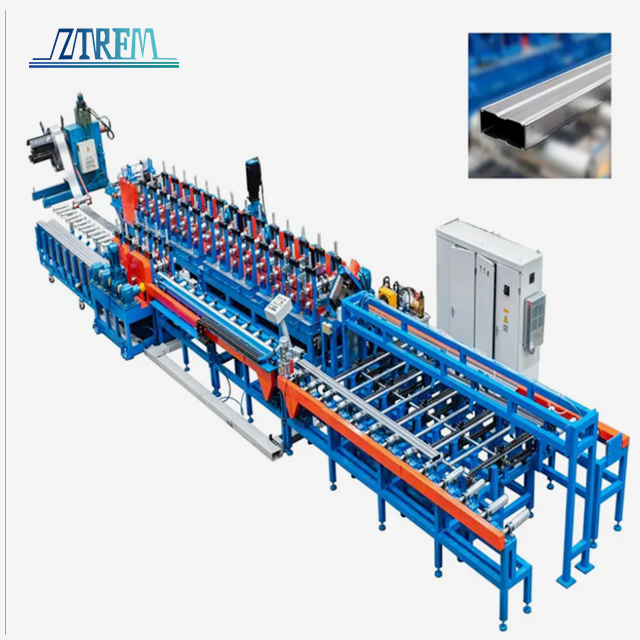
Sourcing the right ceiling T grid roll forming machine requires understanding both the technical specifications and the supplier landscape. This equipment transforms flat coil material—typically galvanised steel (GI) or pre-painted galvanised steel (PPGI)—into precisely formed T-shaped profiles used in suspended ceiling systems. Modern machines utilize sequential roller stations to gradually shape material through cold forming, ensuring dimensional accuracy critical for commercial and residential ceiling installations. When evaluating suppliers, buyers should prioritise those offering comprehensive after-sales support, certification credentials, and proven delivery records to minimise operational risks and maximise production efficiency.
Understanding Ceiling T Grid Roll Forming Machines
What Makes This Equipment Essential?
Suspended ceiling systems dominate commercial construction due to their acoustic properties and accessibility for HVAC systems. The structural backbone of these installations relies on main tees and cross tees, components produced exclusively through roll-forming technology. Unlike traditional fabrication methods involving manual bending or stamping, roll forming delivers consistent cross-sectional profiles at production speeds reaching 20 meters per minute.
The equipment processes coil material ranging from 0.12-0.4mm thickness, with PPGI typically used for visible top surfaces (0.12-0.3mm) and heavier GI material (0.2-0.4mm) forming the structural base. The continuous forming process maintains material integrity while creating complex geometries, including locking mechanisms and mounting slots.
Core Working Principles
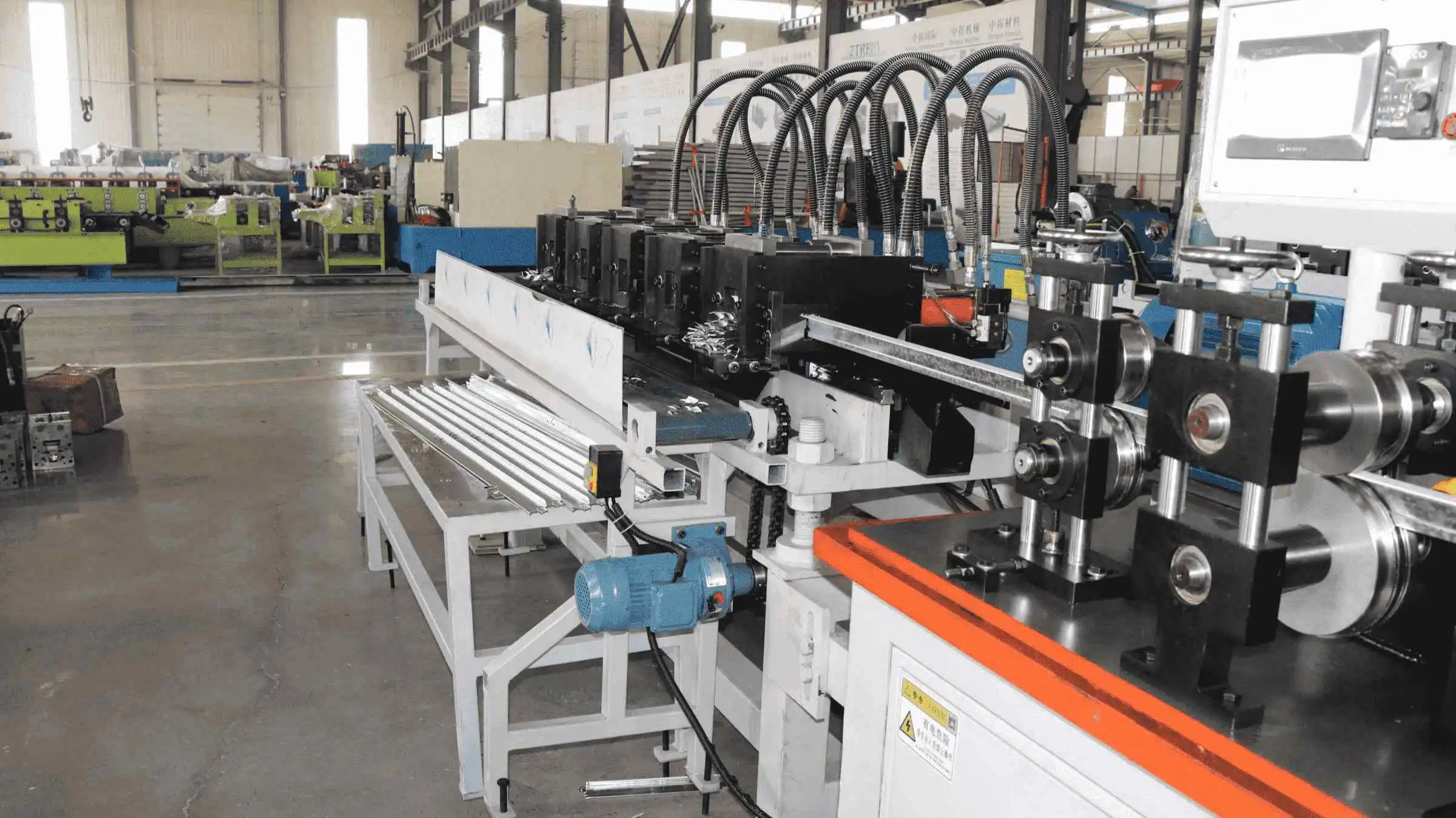
The decoiler system handles 1.5-tonne coils with inner diameters of 450 to 550mm. The coil enters the shaping area where 16-18 roller stations sculpt the profile. Since main tees include a central web and flanges, they require 18 stations, while cross tees just 16.
Roller materials greatly affect product quality and machine life. Premium Cr12 steel rollers, heat-treated to HRC 58-62, resist wear and protect pre-painted surfaces. The 45# steel forming shaft with a 50mm diameter provides structural integrity for uniform forming pressure over material width.
The forming stations and integrated punching and cutting systems work together. Maintaining length tolerances within ±0.5mm is crucial for modular ceiling T-grid roll-forming machines, and hydraulic cutting mechanisms ensure clean shears without material deformation.
Production Benefits for Manufacturers
Transitioning from manual fabrication to automated roll forming addresses multiple production bottlenecks. Speed improvements alone justify investment, as machines operating at 15-20m/min outpace traditional methods by 300-400%. Material waste drops significantly when servo-driven cutting systems replace manual shears, reducing scrap rates from 8-12% to under 2%.
Labor cost reductions become apparent when a single operator manages equipment that previously required three workers. Consistency in dimensional accuracy eliminates the costly rework associated with hand-fabrication variability, where profile dimensions might drift by 2-3mm. Automated systems maintain tolerances of ±0.5mm across production runs exceeding 10,000 linear meters.
Criteria for Sourcing a Ceiling T Grid Roll Forming Machine
Technical Specifications That Matter
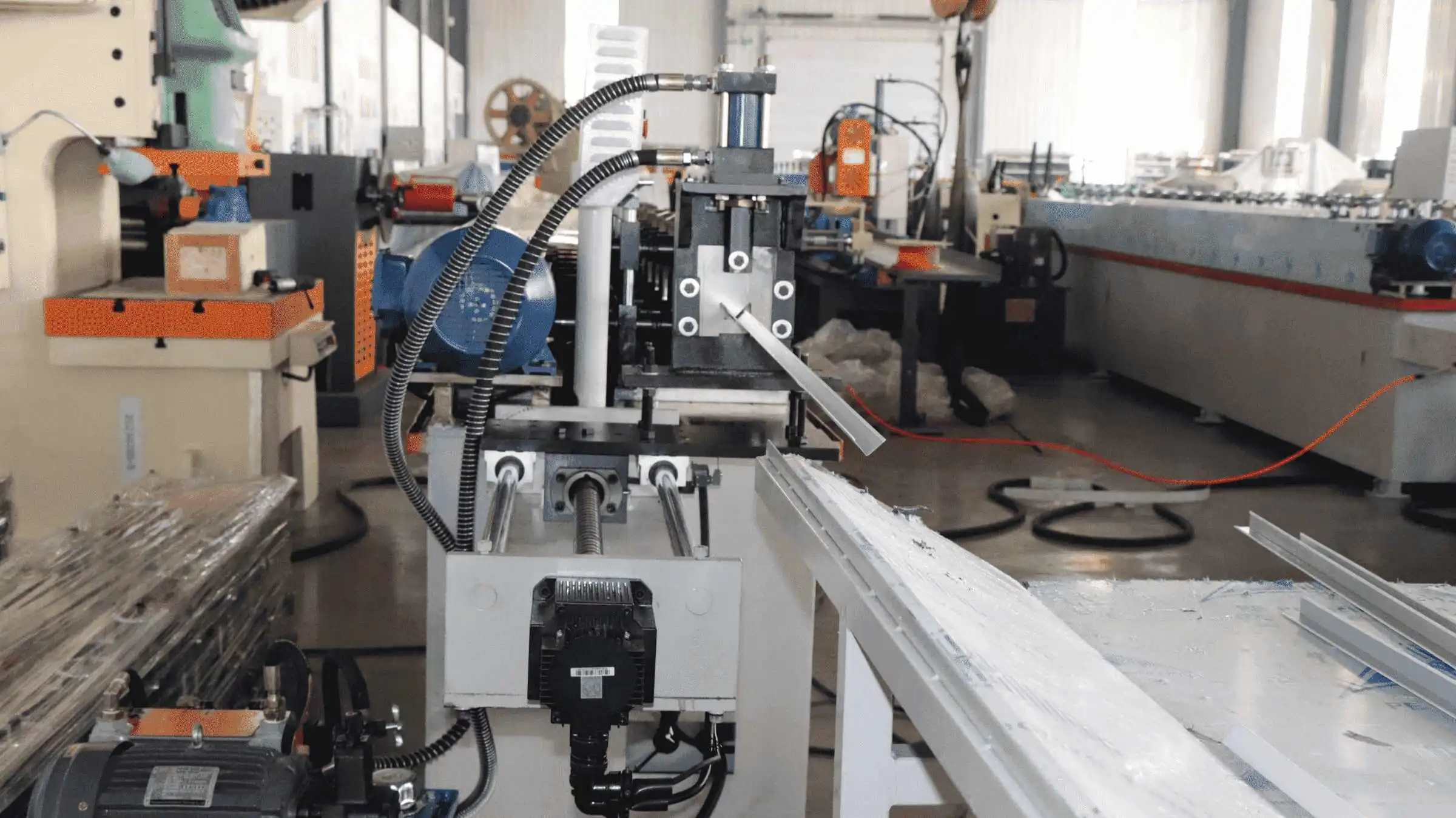
Production requirements dictate appropriate machine specifications. Work speed capabilities between 0-20m/min accommodate different operational scales, though buyers should note that published maximum speeds often assume continuous operation without punching. Integrated punching stations reduce effective speed by 15-25%, depending on hole patterns.
Material handling capacity determines operational flexibility. Decoiler systems rated for 1.5 tons suit most standard production volumes, accommodating coil weights common in commercial steel supply chains. Coil inner diameter compatibility (450-550mm) aligns with industry-standard slitting practices, though buyers processing non-standard coil sizes should verify dimensional compatibility during supplier discussions.
Forming station quantity directly correlates with profile complexity and production speed. The 18-station configuration for main tees balances forming gradualness—which prevents material stress and surface damage—against machine footprint and investment cost. Each additional forming station adds approximately $800-1,200 to machine cost while improving surface finish quality.
Automation Levels and Operational Scale
Manual machines require operator intervention for length measurement and cutting, suitable for startup operations producing under 5,000 linear meters monthly. Semi-automatic systems incorporate PLC-controlled cutting and manual material handling, bridging the gap for mid-volume manufacturers targeting a monthly output of 10,000-15,000 metres.
Fully automatic configurations integrate material feeding, length measurement via encoder systems, servo-cutting, and automated stacking. These systems justify their 40-60% price premium when production volumes exceed 20,000 linear meters monthly, as labor savings and uptime improvements deliver ROI within 18-24 months.
Durability Features and Maintenance Considerations
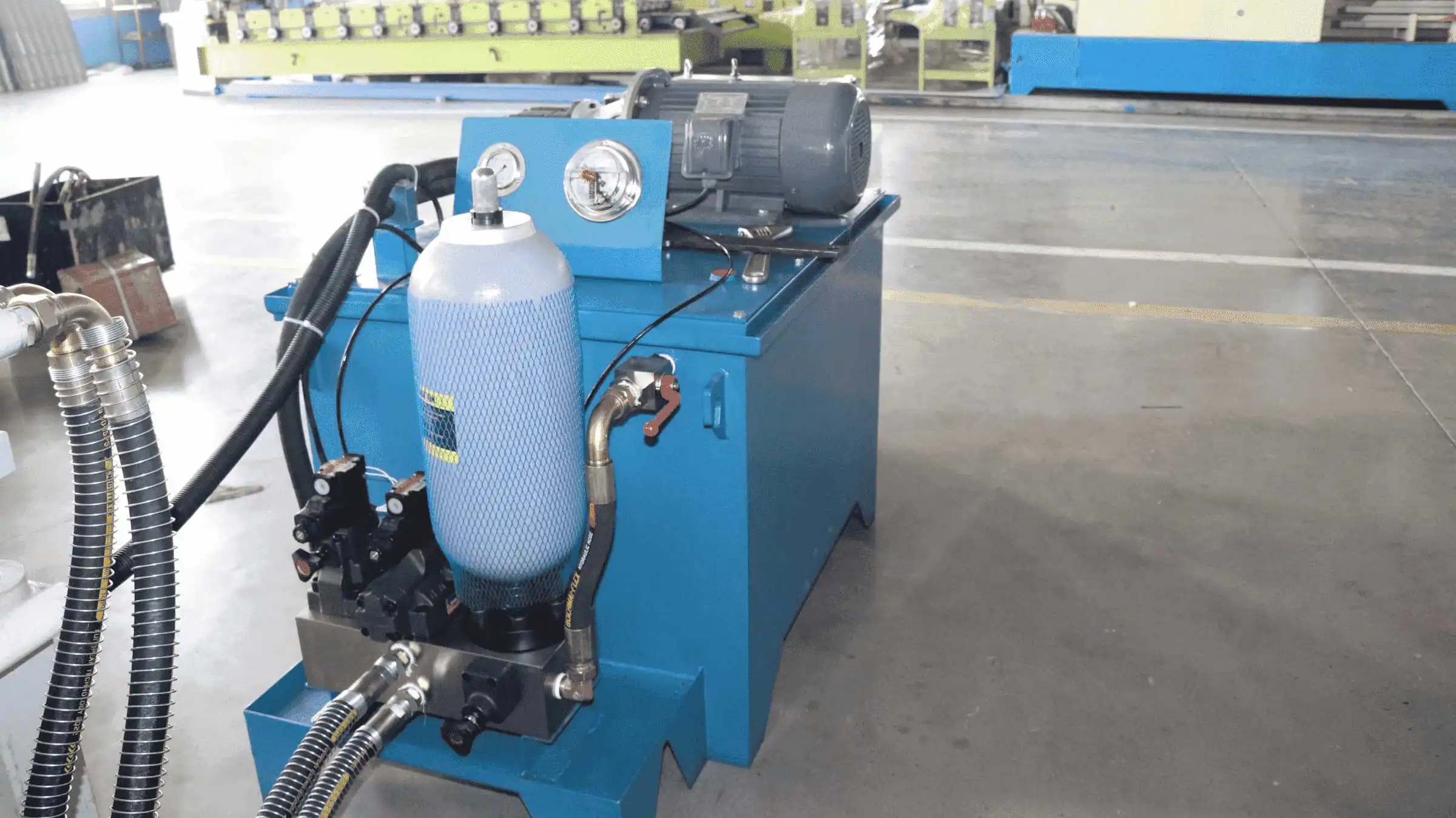
Stability depends on the machine frame architecture. Memorial arch frames made of 25mm steel plate endure vibration better than welded channel frames, keeping roller alignment over the years. Vertical memorial frames save floor space and make roller maintenance easier.
Maintenance intervals depend on drive system choice. Gear-driven systems transfer torque better than chain drives but need lubrication every 2,000 hours. Chain systems require frequent inspection (1,000 hours) and replacement (8,000–10,000 hours), but they handle abrupt load variations during punching better.
Material abrasiveness and production volume determine roller maintenance. Roller reconditioning is required every 500,000 linear meters for pre-painted materials and every 800,000 for raw galvanised steel. Chrome-plated rollers double the intervals and cost 12-15% more to manufacture.
Comparing Sourcing Options: Brands, Models & Pricing
Global Supplier Landscape
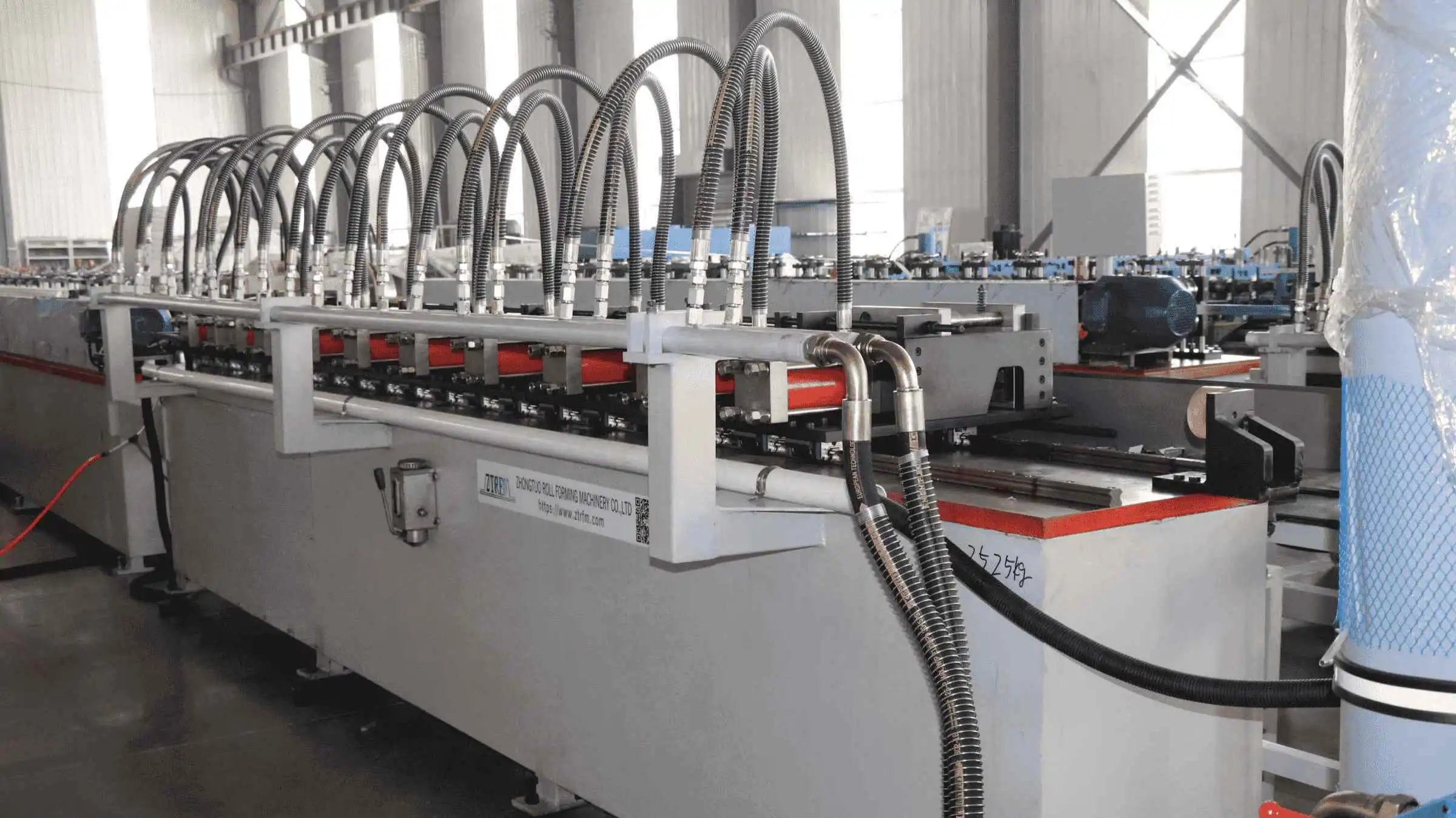
Chinese manufacturers dominate the market with equipment priced between $6,500 and $42,500, depending on automation level and customization. Mid-range machines ($15,000-25,000) offer PLC control systems, hydraulic cutting, and standard forming stations suitable for most commercial production requirements. This pricing reflects China's integrated supply chain advantages and manufacturing scale.
European suppliers command premium pricing ($45,000-85,000) justified by advanced control systems, proprietary roller designs, and comprehensive training programmes. German and Italian manufacturers emphasise precision engineering with tolerance guarantees tighter than those of their Asian counterparts, appealing to buyers producing premium architectural products where surface finish quality justifies a higher equipment investment.
North American suppliers occupy a middle ground ($28,000-55,000), offering domestically manufactured frames and control systems paired with imported forming components. This hybrid approach balances cost competitiveness against the service responsiveness and cultural familiarity valued by U.S. buyers, managing tight project timelines.
OEM Versus Branded Equipment
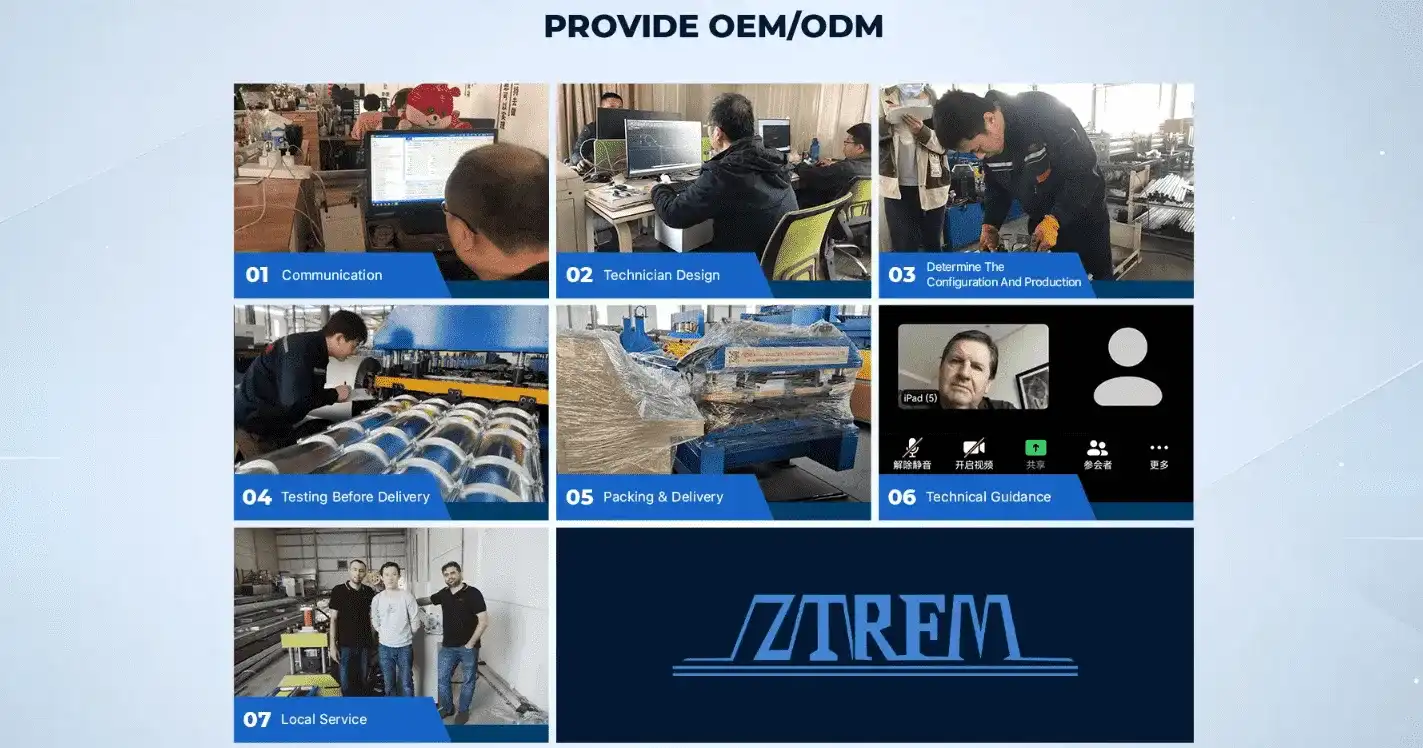
OEM agreements let purchasers customise roller profiles, station quantities, and control interface language to meet production needs. ISO9001 and CE-certified manufacturers like ZTRFM offer flexible OEM services, with high standards shown by their export history to over 150 nations. Custom configurations take 2-4 weeks longer than stock systems do.
Branded equipment has performance records and standard spare parts. Branded alternatives are preferred for speedy deployment and risk reduction, even with 15-25% price premiums. Standard specifications may provide needless features but lack niche application-relevant capabilities.
Price Factors and Total Ownership Costs
Machine pricing reflects multiple variables beyond base specifications. Integrated punching stations add $3,500-7,000, depending on hole pattern complexity and punch quantity. Flying cut systems with servo control command a premium of $4,000-6,000 over hydraulic post-cutting arrangements. PLC systems from Siemens or Mitsubishi add $2,000-3,500 compared to domestic Chinese controllers, though reliability improvements justify the investment for 24/7 operations.
Installation support and operator training significantly impact total acquisition costs. ceiling T-grid roll-forming machine Comprehensive factory training programmes (1-2 weeks) add $3,000-5,000 but reduce startup complications and accelerate time-to-full-production. Remote commissioning via video consultation saves travel costs but extends troubleshooting timelines when unexpected issues arise during initial operations.
Energy consumption varies substantially across equipment generations. Modern machines consuming 4-5.5kW during operation cost approximately $0.45-0.62 per operating hour at industrial electricity rates, while older designs drawing 7-8kW increase hourly costs to $0.78-0.89. Over 5,000 annual operating hours, energy-efficient designs save $1,650-2,700 annually, recovering their premium through operational savings.
Strategic Sourcing and Procurement Process
Identifying Reliable Suppliers
Certification checks start supplier verification. ISO9001 certification shows quality management system maturity, while CE marking shows European safety standard compliance—relevant to U.S. customers as engineering rigour. Instead of trusting online claims, buyers should acquire certification documents directly from granting agencies to verify legitimacy.
Export history proves supplier competency. Manufacturers serving 100+ countries demonstrate logistical skill and product adaptation to different electrical standards and operational settings. Reference customers from similar industries can provide insights into after-sales responsiveness and equipment longevity under similar production settings.
Virtual or in-person factory audits expose manufacturing processes that documentation cannot. Buyers can evaluate supplier capabilities by watching roller production, frame welding, and final assembly testing. Video factory tours are now common, allowing procurement teams to evaluate facilities without foreign travel.
Logistics and Installation Planning
Standard configurations take 30-45 days after deposit payment for manufacturing, quality testing, and shipping. Custom specs add 15-25 days, dependent on tooling and component sourcing. Buyers managing project-critical deadlines should allow 10-15 days for customs processing and domestic shipment.
Shipping logistics considerably affect delivery costs. Shipping 20-foot containers with basic machines from Chinese ports to the U.S. costs $3,500-6,500 and takes 25-35 days. Air freight reduces transit time to 5-7 days but raises shipping prices to $12,000-18,000 only when production delays cost more than freight premiums.
Installation support includes complete manuals with video tutorials and factory technician commissioning. On-site support costs $4,000–8,000 (including travel and lodging) but speeds up the start by 3-5 days and ensures calibration. This expenditure is worthwhile for buyers without in-house technical competence because a poor setup produces downstream quality issues that exceed service expenses.
Negotiating Terms and After-Sales Support
Bulk ordering leverage applies when procuring multiple machines or comprehensive production lines. Suppliers typically offer discounts of 8-12% on orders exceeding $100,000, recognising reduced sales costs and strengthened customer relationships. Payment terms become negotiable at these volumes, with possibilities for extended milestone-based payments rather than standard 30/70 deposit/balance structures.
After-sales service quality determines long-term operational success. Comprehensive warranties covering 12-18 months protect against manufacturing defects, though buyers should clarify coverage exclusions—consumable components like cutting blades and punching dies typically receive 90-day warranties. Technical support responsiveness matters more than warranty duration; suppliers that offer 24-hour response commitments via email and video consultation minimise costly production interruptions.
Spare parts availability prevents extended downtime when components fail. Suppliers maintaining regional warehouses in North America provide 3-5 day replacement part delivery compared to 15-25 days for direct factory shipments. The convenience justifies 15-20% price premiums on spare parts, as production losses during extended downtime dwarf component cost differences.
Conclusion
Sourcing a ceiling T grid roll forming machine demands careful evaluation of technical specifications, supplier credentials, and total ownership costs. The balance between initial investment and long-term operational efficiency determines ROI, with factors like automation level, roller quality, and after-sales support significantly impacting production success. Buyers benefit from engaging suppliers offering transparent communication, verifiable certifications, and comprehensive support services. The procurement process extends beyond price comparison to encompass supplier reliability assessment, logistics planning, and contractual protections that ensure smooth equipment deployment and sustained production performance.
FAQ
1. What lead time should I expect for a custom ceiling T-grid roll-forming machine?
Standard configurations ship within 30-45 working days after deposit payment, allowing time for manufacturing, quality testing, and export preparation. Custom specifications requiring unique roller profiles or specialized punching patterns extend timelines to 45-60 working days due to tooling fabrication requirements. Buyers should add 25-35 days for ocean freight transit and customs clearance when planning project schedules, totalling 55-95 days from order to installation.
2. Can one machine produce both main tees and cross tees?
Technically possible through roller changeover, but operationally impractical for most production scenarios. The 18-station main tee configuration differs substantially from 16-station cross tee requirements, demanding complete roller set replacement—a process requiring 6-8 hours and specialized alignment equipment. High-volume manufacturers benefit from dedicated machines for each profile type, while low-volume operations might accept changeover inefficiencies to minimise capital investment.
3. What key points matter when buying used equipment?
Roller condition determines rebuild costs, as worn forming surfaces require precision regrinding costing $1,500-3,000 per station set. Frame integrity assessment reveals stress cracks or alignment drift from years of vibration—structural issues that compromise product quality regardless of component replacement. Control system obsolescence poses hidden costs when ageing PLCs lack available replacement parts, potentially requiring complete electrical system upgrades approaching 30-40% of the used machine purchase price.
Partner with ZTRFM for Your Ceiling T Grid Roll Forming Machine Needs
ZTRFM brings a decade of specialized experience designing roll-forming solutions tailored to suspended ceiling system manufacturers. Our ceiling T-grid roll-forming machine configurations balance production efficiency with operational reliability, incorporating Cr12 rollers, 45# steel shafts, and PLC control systems that maintain consistent quality across millions of linear meters. With ISO9001 and CE certifications backing our manufacturing processes, we've delivered equipment to 150+ countries, supporting operations from startup facilities to high-volume commercial producers. Whether you need standard main tee production or customised cross tee forming with specialized punching patterns, our engineering team provides OEM and ODM services tailored to your specific requirements. Contact us at zhongtuorollforming@gmail.com to discuss your production objectives and receive detailed equipment specifications tailored to your operational scale and budget parameters.
References
1. American Society for Testing and Materials. (2019). ASTM C635: Standard Specification for the Manufacture, Performance, and Testing of Metal Suspended Ceiling Systems. ASTM International.
2. Construction Specifications Institute. (2021). Metal Ceiling Systems: Design and Installation Guidelines for Commercial Applications. CSI Technical Publications.
3. International Code Council. (2018). Seismic Design Requirements for Suspended Ceiling Systems in Commercial Buildings. ICC Building Safety Journal, 45(3), 112-128.
4. Manufacturing Engineering Society. (2020). Cold Roll Forming Technology: Process Optimisation and Quality Control in Profile Production. Journal of Metal Forming Technology, 38(2), 67-89.
5. National Association of Architectural Metal Manufacturers. (2022). Suspended Ceiling Grid Systems: Material Specifications and Manufacturing Standards. NAAMM Publication AMP 532.
6. Society of Manufacturing Engineers. (2021). Roll Forming Equipment Selection: Technical Considerations for B2B Procurement Teams. SME Technical Paper Series, TP21-156.