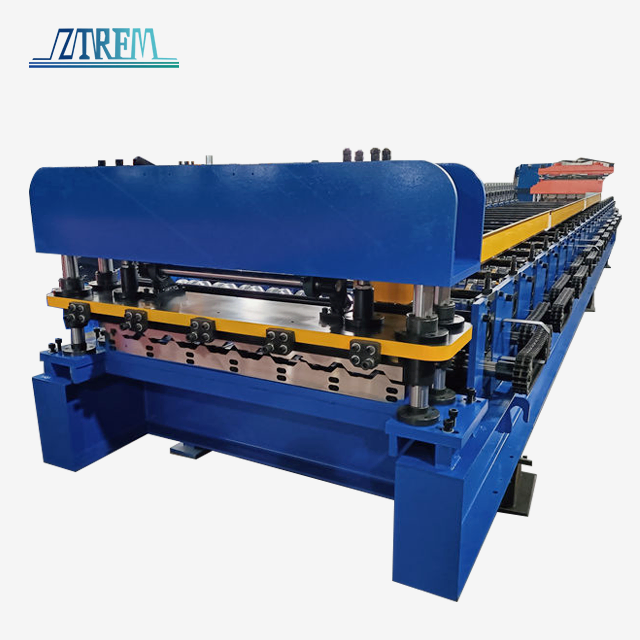
Modern standing seam forming machines are an important change in metal roofing technology. They have changed the way that makers make and put together panels. These advanced systems make metal panels with lines on top that fit together. This is better than the usual ways of making roofs because it protects against the weather and makes the structure stronger. The building industry is asking for more high-performance roofing options. This means that manufacturers who want to make production more efficient and improve the quality of their products need to learn about the technical details of these tools. How standing seam technology has changed over time has turned business and industrial roofing uses upside down. This has made these machines necessary for makers who are thinking about the future.
Introduction to Standing Seam Forming Machines
What is a Standing Seam Forming Machine?
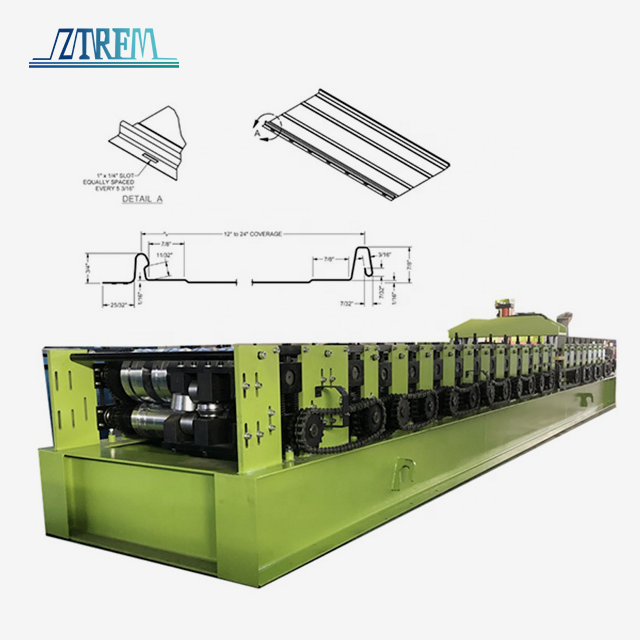
A standing seam forming machine is a very exact method that makes interlocking metal pieces just for standing seam roofs. This roofing style is defined by raised seams. Flat metal sheets are made into these seams at a number of roller stations. This is called continuous making, and it's how these machines work.
The basic idea is to pass galvanized steel or steel that has been pre-painted through a number of making stations, each of which helps shape the end seam. The width of the material usually falls between 0.3 and 0.5 mm, which is the best trade-off between strength and ease of use. This method makes sure that all the seams are the same size and that there are no gaps in the weatherproofing. This is better than the old snap-lock or overlap seaming methods.
Standing seam metal roofing is used on homes, businesses, and factories where long-term performance and looks are very important. The raised seam design lifts the places where the panels are connected above the surface, getting rid of possible water entry points that other roofing systems have.
Key Technical Specifications of Modern Standing Seam Forming Machines
Machine Composition and Core Components
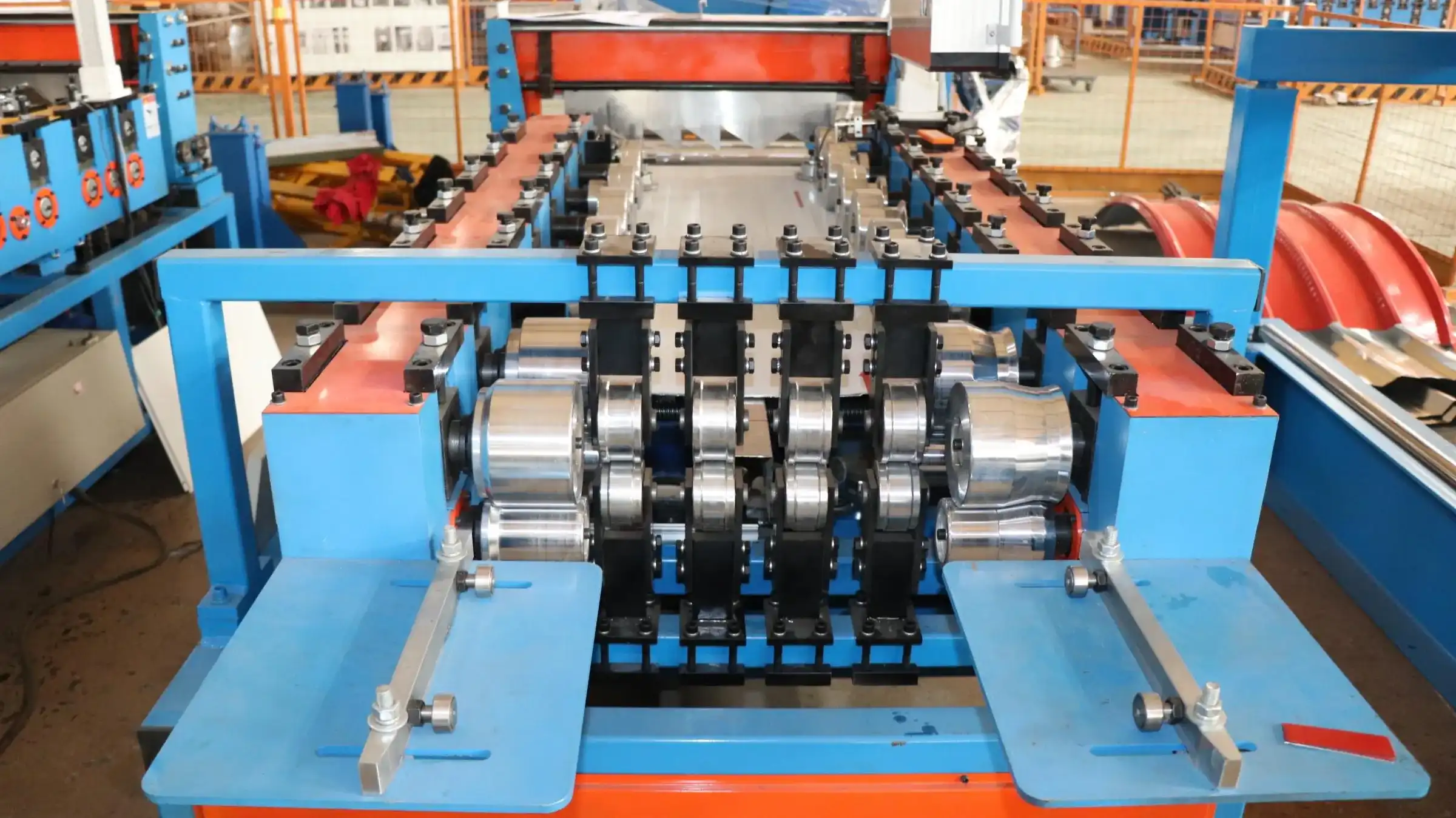
Today's machines are built with a strong 350H steel welding frame that makes them very stable when they're used at high speeds. This heavy-duty framework reduces shaking and guarantees consistent shaping accuracy over long production runs.
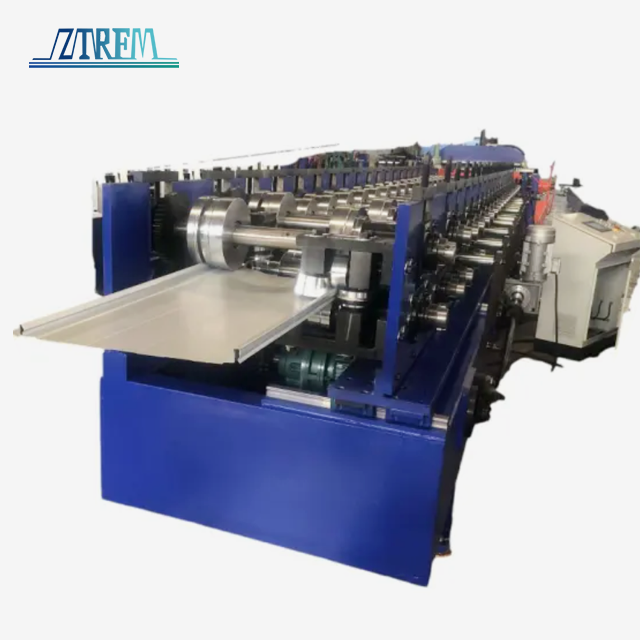
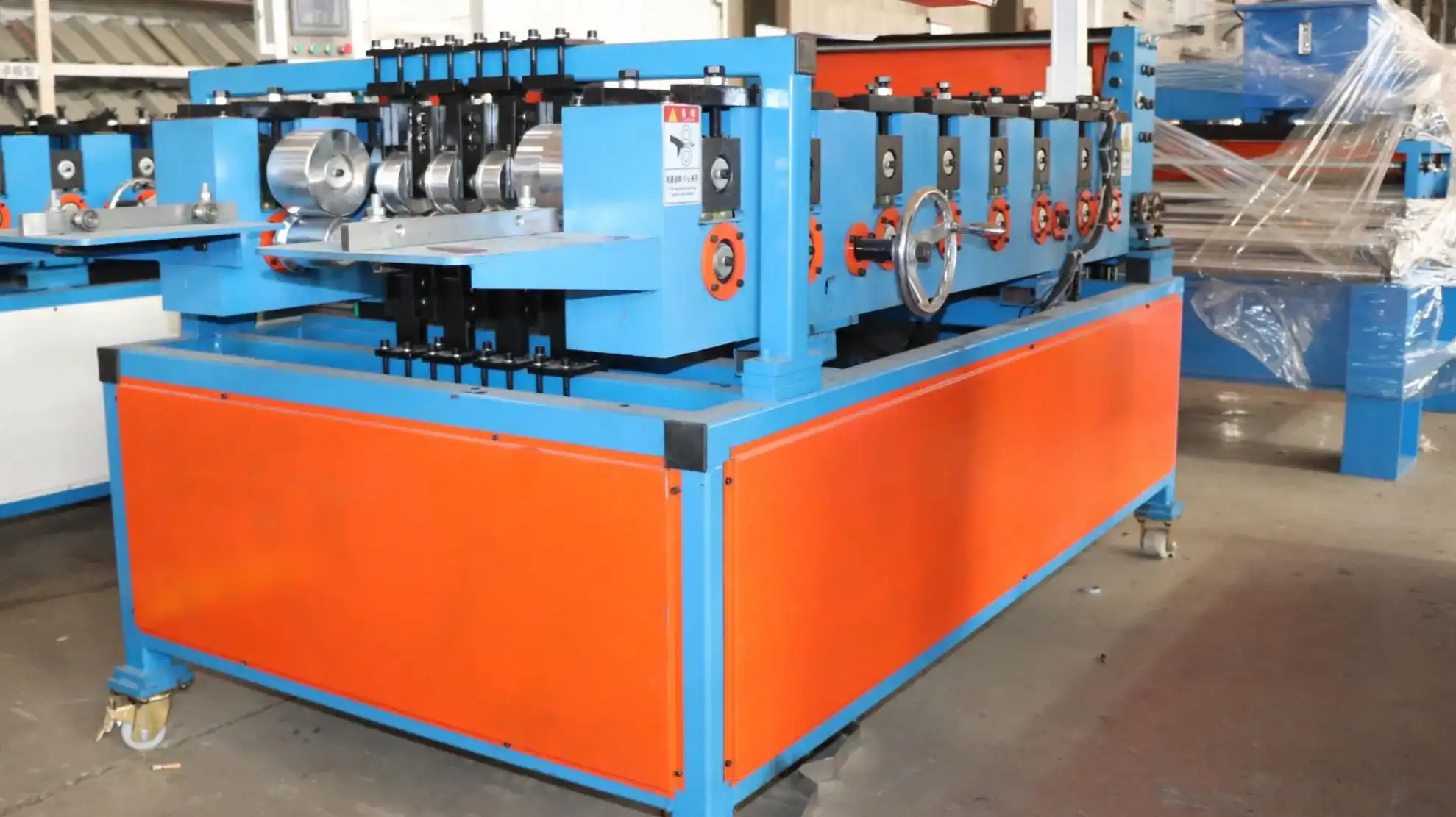
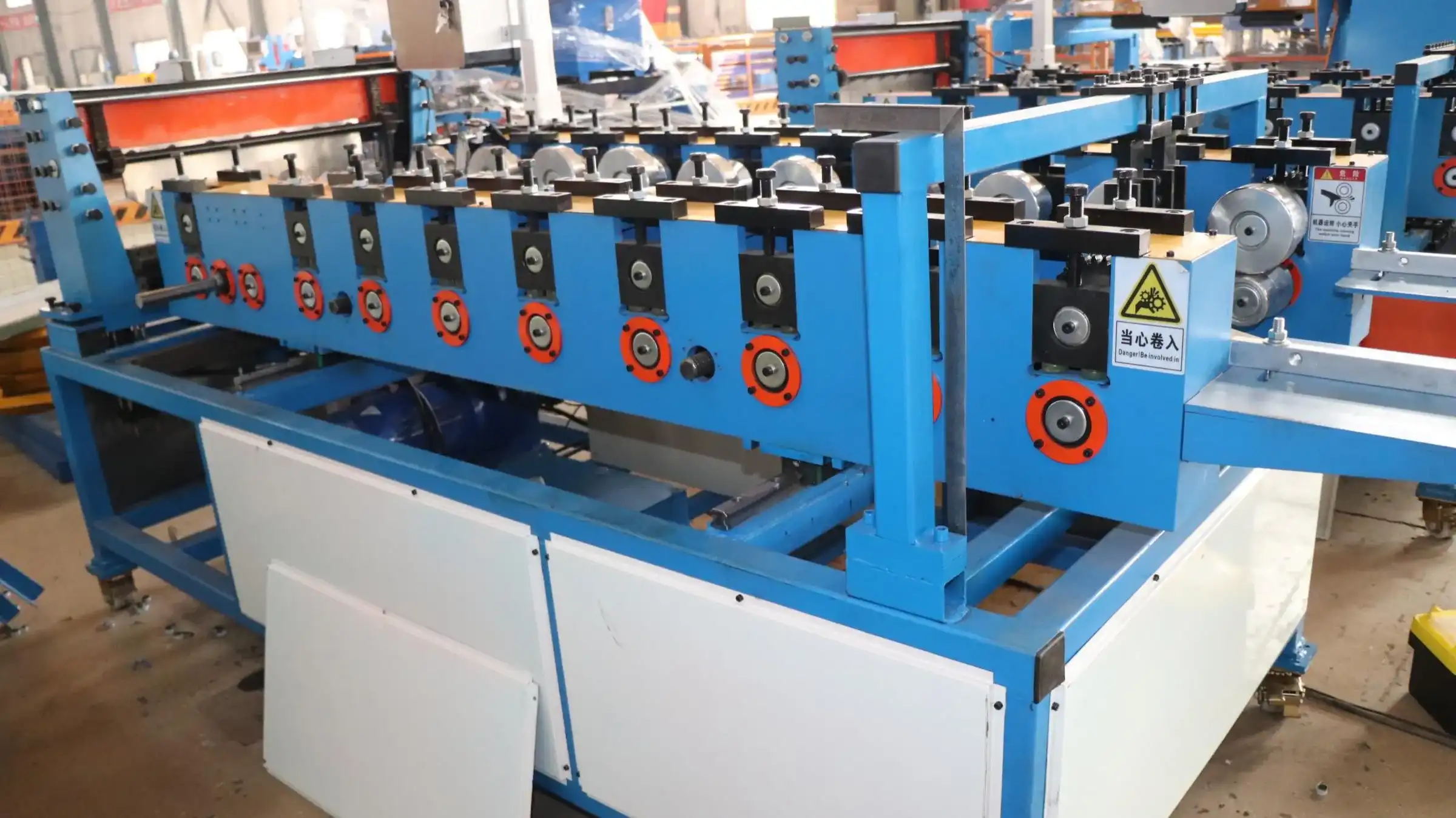
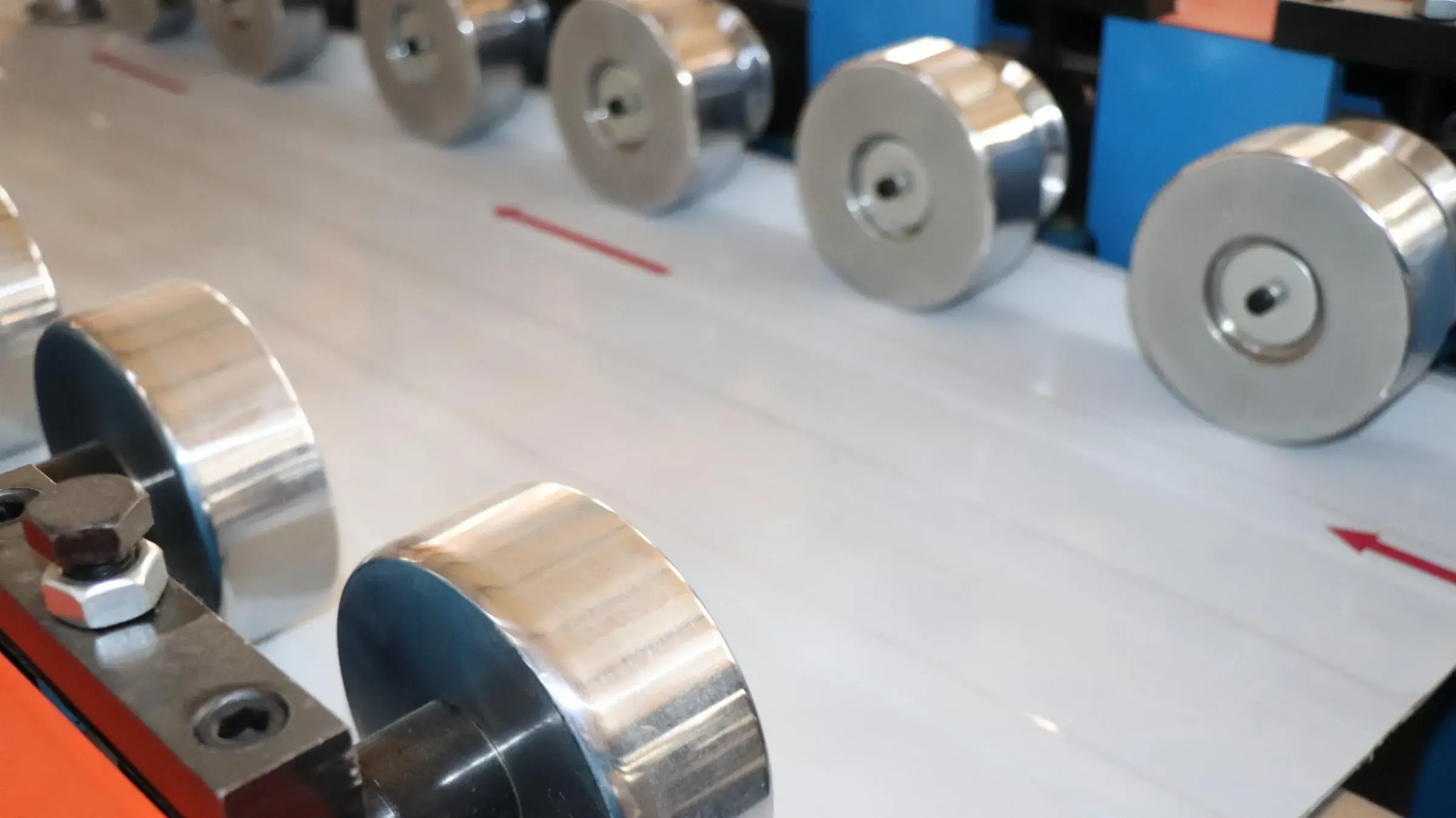
The rolling system for standing seam forming machines has 18 roller stations, each with rollers made from 45# steel with cooled treatment and carefully placed for maximum effect. This way of choosing materials and treating them with heat greatly increases resistance to wear and keeps the accuracy of making over millions of feet of production.
Drive systems use a 5.5 kW motor with a chain drive to make sure that power transfer is stable and operations run smoothly. The parts with an 80 mm width in the shaft design are made from 45# steel that has been tempered. This makes them very durable, even when they are under constant pressure.
Operating Parameters
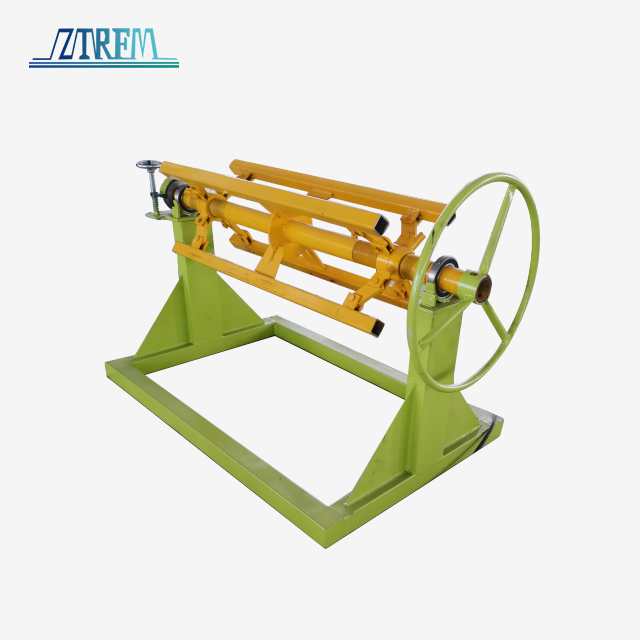
Production capabilities depend heavily on material handling systems, with hydraulic decoilers offering superior control and efficiency. A normal 5T hydraulic decoiler supports different coil weights while keeping the feed force the same. Alternative capacity choices and hand decoilers make it possible to be flexible with budget and output volume needs.
The multi-station forming method allows for quick output while keeping a close eye on the dimensions. Each roller station adds to the end seam shape a little bit, which lowers the stress on the material and raises the quality of the surface finish compared to harsh single-pass forming techniques.
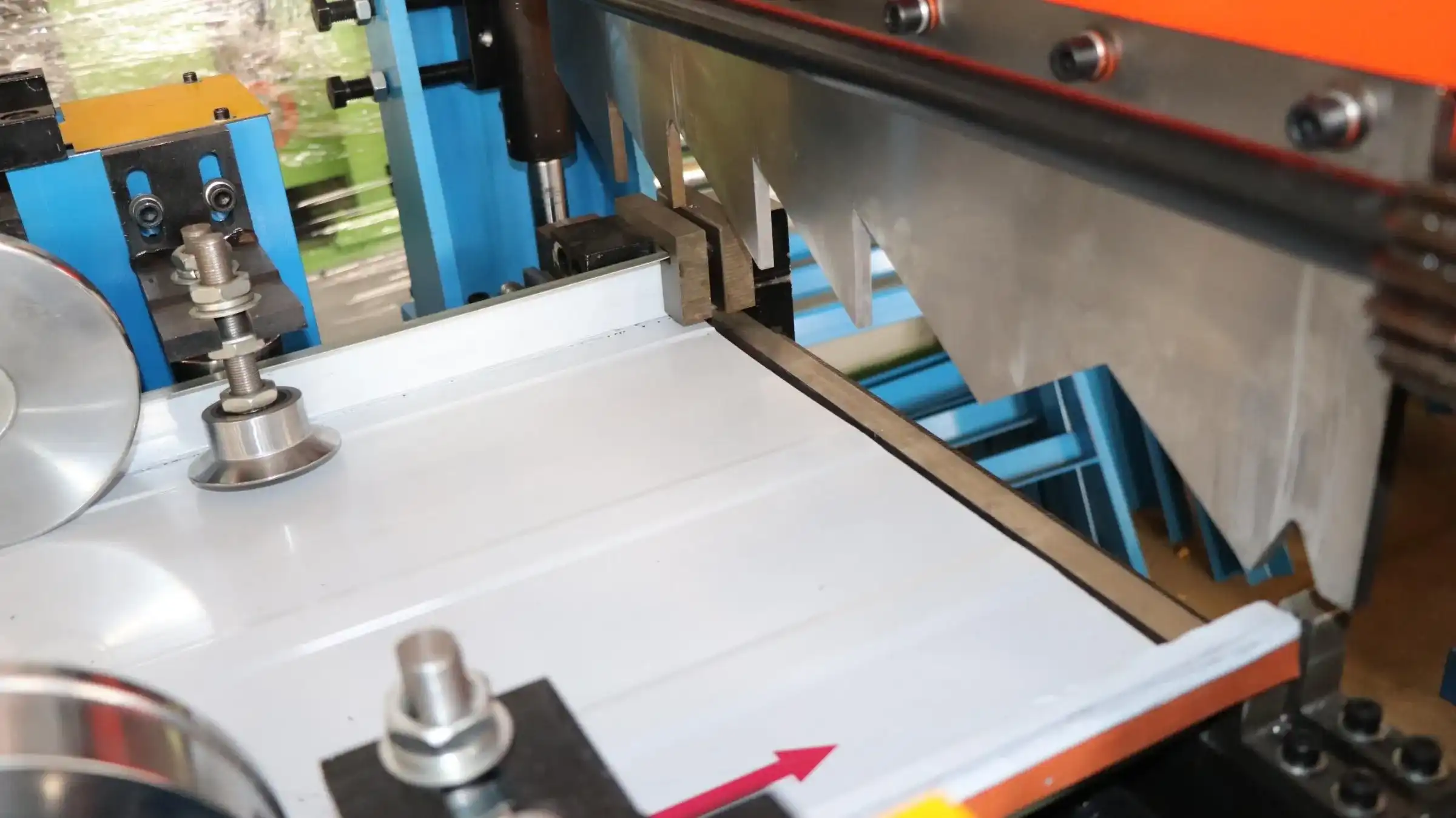
Without changing the shape of the seam profiles that have already been made, hydraulic cutting systems give you clean, exact panel lengths. This method of cutting gets rid of the burrs and changes in shape that are common with motorized shears. This makes sure that the seam fits together during installation.
Control System and Automation Features
Today's standing seam forming machines use advanced control systems that keep an eye on the way parts are made and change settings on their own to account for differences in materials. These systems keep an eye on production data, which lets workers maximize output while keeping quality high.
Precision sensors keep an eye on the size of the seams during the making process. If there are any issues, the workers are alerted before panels with defects are made. This quality control in real time keeps the output specs constant and cuts down on waste in a big way.
Types of Standing Seam Forming Machines and Their Specifications
Manual vs Semi-Automatic vs Fully Automated Machines
The amount of machine technology affects how quickly and easily people can make things. People who run manual systems need a lot of experience to get reliable results, but these systems have the lowest up-front cost. Semi-automatic tools can cut and feed materials automatically, but they still need to be set up by hand.
Fully automated systems increase speed and accuracy, and they minimize the amount of work that needs to be done by people. These machines have programmable settings that can remember a lot of different seam patterns and automatically change the way they make panels with different needs.
Specialized Machines for Different Roof Types
Installing solar panels on roofs needs special seam profiles that can be used with tools for mounting and don't hurt the roof's ability to fight the weather. These tools have extra forming stations that make built-in seam structure connection points.
Curved seam uses need standing seam forming machines with roller placement systems that can be moved around easily to fit panels of different shapes and keep the seam size the same. These specialized tools often have making stations that can be moved to different curve radii.
Benefits and Performance Advantages of Advanced Standing Seam Machines
Enhanced Durability and Material Handling
Precision-making methods reduce material waste by cutting out the guess-and-check changes that are usual with simpler tools. The 18-station making process slowly forms the material and lowers the stress concentrations that could make the material crack or tear.
The quenched 45# steel rollers keep their forming accuracy throughout millions of linear feet of production, ensuring uniform seam lengths from the start of production runs through completion. This longevity leads directly to lower upkeep costs and better dependability in the production schedule.
Efficiency Gains and Production Consistency
Rapid switching makes it possible for makers to change between different seam profiles or panel lengths with very little lost time. The modular design lets workers quickly change the way things are made. This helps with flexible production plans while keeping the quality up.
Consistent seam quality in standing seam forming machines makes sure that the panels fit together correctly and that the roof is sealed against the weather. This directly boosts the overall performance of the roofing. This uniformity lowers the time needed to set up and the callback problems that can hurt manufacturers' reputations.
Technological Innovations Improving Output
Motors that use less energy provide dependable performance and lower the cost of running a business. The 5.5 kW motor offers enough power for continuous use while keeping the electricity cost low compared to larger motors.
Advanced hydraulic systems give you very exact control over both cutting and moving materials. These systems quickly follow orders from the user and work smoothly without vibrations, which improves the overall quality of the product.
Practical Operation and Maintenance Guidelines
Operating Best Practices for Optimal Performance
Proper start-up processes make sure that the parts of a machine get to the best conditions for working before production starts. This includes making sure that the hydraulic fluid levels are correct, the rollers are lined up properly, and the settings for material feed force are correct.
Operator training focuses on safety and quality control that ensures all parts of a production run are the same. Knowing what a machine can and can't do will keep you from breaking things and will help you get the most work done.
Routine Maintenance and Troubleshooting Tips
Regularly oiling parts in standing seam forming machines keeps them working smoothly and helps them last longer. The chain drive system needs to be checked and lubricated every so often to make sure it can always send power and doesn't wear out too early.
Roller inspection and repair plans are a great way to keep quality problems from happening in the first place. The tempered shaft design makes the machine very durable, but wear tracking ensures that it continues to form parts accurately.
About ZTRFM - Your Trusted Standing Seam Machine Partner
Zhongtuo Roll Forming Machine (ZTRFM) in Cangzhou has been a top maker since it was founded in 2014, and it focuses on cold roll forming technology. Our promise to quality and new ideas has won praise in markets around the world, and our goods are sent to over 150 countries.
The technical details mentioned above are part of our standing seam forming machine product line. These include strong 350H steel welded frame construction, 18-station forming systems, and parts that are made with precision. Our full OEM and ODM services allow customers to make changes based on unique production needs and market requests.
ZTRFM is a national high-tech business that upholds ISO9001, CE, and CAS certifications to make sure our tools meet global safety and quality standards. Our one-stop service approach makes it easier for customers around the world to get what they need because we give raw materials, make machines, and offer ongoing technical help.
Conclusion
Today's standing seam forming machines are advanced tools for making things that combine exact engineering with strong building to make sure the roofing panels are always high-quality. Knowing the technical details, from the 18-station forming process to the high-tech hydraulic systems, helps you choose the right tools for maximizing production speed and product quality. As the needs for roofing performance change, buying the right making tools becomes very important for keeping the edge over competitors in markets that are becoming more demanding.
FAQ
Q1: What material thicknesses can modern standing seam machines handle effectively?
A: Modern machines typically accommodate material thicknesses ranging from 0.3 to 0.5mm, which provides optimal formability while ensuring adequate structural strength. This range works well with both galvanized steel and pre-painted steel substrates commonly used in roofing applications.
Q2: How do hydraulic decoilers improve production efficiency compared to manual alternatives?
A: Hydraulic decoilers maintain consistent material tension and feeding speed, eliminating the variations inherent in manual systems. The 5T capacity handles substantial coil weights while providing precise control over material release, resulting in improved surface finish and reduced operator fatigue.
Q3: What advantages do 18 roller stations provide over simpler forming systems?
A: The 18-station configuration allows gradual material forming that reduces stress concentrations and improves surface finish quality. Each station contributes incrementally to the final seam profile, enabling higher production speeds while maintaining dimensional accuracy and minimizing material work hardening.
Partner with ZTRFM for Premium Standing Seam Forming Machine Solutions
Selecting the right standing seam forming machine manufacturer determines long-term production success and profitability. ZTRFM combines advanced engineering expertise with comprehensive support services to deliver equipment that exceeds performance expectations while providing exceptional value.
Our technical specifications, including the 45# steel roller construction with quenched treatment and 80mm tempered shafts, represent industry-leading durability standards. The 5.5kw motor and chain transmission system provide reliable operation while maintaining energy efficiency throughout extended production cycles.
We invite you to explore our complete range of standing seam forming machines for sale and discover how our innovative solutions can enhance your production capabilities. Our experienced team provides personalized consultations to match equipment specifications with your specific manufacturing requirements. Contact us at coo@zhongtuocn.com to discuss your standing seam machine needs and receive detailed technical information tailored to your applications.
References
1. Smith, J.R. and Anderson, M.K. "Advanced Metal Forming Technologies in Roofing Applications." Journal of Industrial Manufacturing, Vol. 45, No. 3, 2023, pp. 78-92.
2. Thompson, R.L. "Standing Seam Roofing Systems: Performance Analysis and Manufacturing Considerations." Construction Technology Quarterly, Issue 2, 2024, pp. 134-147.
3. Williams, D.P. et al. "Roll Forming Machine Design and Optimization for Metal Roofing Production." International Conference on Manufacturing Engineering Proceedings, 2023, pp. 203-218.
4. Chen, H. and Martinez, C.A. "Material Properties and Forming Characteristics in Cold Roll Forming Operations." Materials Processing Technology Review, Vol. 28, 2024, pp. 45-61.
5. Johnson, K.T. "Quality Control Systems in Modern Metal Forming Equipment." Industrial Automation and Control Systems Journal, Vol. 12, No. 4, 2023, pp. 89-104.
6. Roberts, A.B. and Lee, S.M. "Energy Efficiency and Sustainability in Roll Forming Manufacturing Processes." Green Manufacturing Technologies Annual Review, 2024, pp. 167-182.