- English
- French
- German
- Portuguese
- Spanish
- Russian
- Japanese
- Korean
- Arabic
- Irish
- Greek
- Turkish
- Italian
- Danish
- Romanian
- Indonesian
- Czech
- Afrikaans
- Swedish
- Polish
- Basque
- Catalan
- Esperanto
- Hindi
- Lao
- Albanian
- Amharic
- Armenian
- Azerbaijani
- Belarusian
- Bengali
- Bosnian
- Bulgarian
- Cebuano
- Chichewa
- Corsican
- Croatian
- Dutch
- Estonian
- Filipino
- Finnish
- Frisian
- Galician
- Georgian
- Gujarati
- Haitian
- Hausa
- Hawaiian
- Hebrew
- Hmong
- Hungarian
- Icelandic
- Igbo
- Javanese
- Kannada
- Kazakh
- Khmer
- Kurdish
- Kyrgyz
- Latin
- Latvian
- Lithuanian
- Luxembou..
- Macedonian
- Malagasy
- Malay
- Malayalam
- Maltese
- Maori
- Marathi
- Mongolian
- Burmese
- Nepali
- Norwegian
- Pashto
- Persian
- Punjabi
- Serbian
- Sesotho
- Sinhala
- Slovak
- Slovenian
- Somali
- Samoan
- Scots Gaelic
- Shona
- Sindhi
- Sundanese
- Swahili
- Tajik
- Tamil
- Telugu
- Thai
- Ukrainian
- Urdu
- Uzbek
- Vietnamese
- Welsh
- Xhosa
- Yiddish
- Yoruba
- Zulu
Hat Furring Purlin Roll Forming Machine for Modern Light Steel Construction
These days, building things needs quick and cheap methods that keep the structure strong. The hat purlin roll forming machine is an important purchase for companies that want to make high-quality hat furring purlins, which are important structural parts in light steel frames. These special tools take flat coils of metal and shape them into exactly shaped hat profiles that hold up roofs, walls, and ceilings. Modern roll forming machines have advanced automation and can be set up in a variety of ways. They provide the accuracy and speed that are needed for competitive production processes.
Introduction
Light steel construction has become the most popular way to build modern building frames because it is strong for its weight and allows for a lot of design options. One of the most important structural parts of these buildings is the hat furring purlin, which distributes the weight of the walls and ceilings. Hat purlin roll forming machines' speed and accuracy have a direct effect on the quality of the work, the prices of running the business, and the time it takes to finish a job.
This guide is for global B2B professionals, like buying managers, production engineers, equipment dealers, and OEM partners, who need detailed information on how to choose and use reliable roll forming solutions. Knowing about the features, specs, and qualifications of a supplier's machines helps you make smart purchasing choices that boost output and long-term profits. At ZTRFM, we've given manufacturers in six countries equipment that meets these strict standards and has been backed by ongoing expert help for the entire lifecycle of the equipment.
Understanding the Hat Furring Purlin Roll Forming Machine
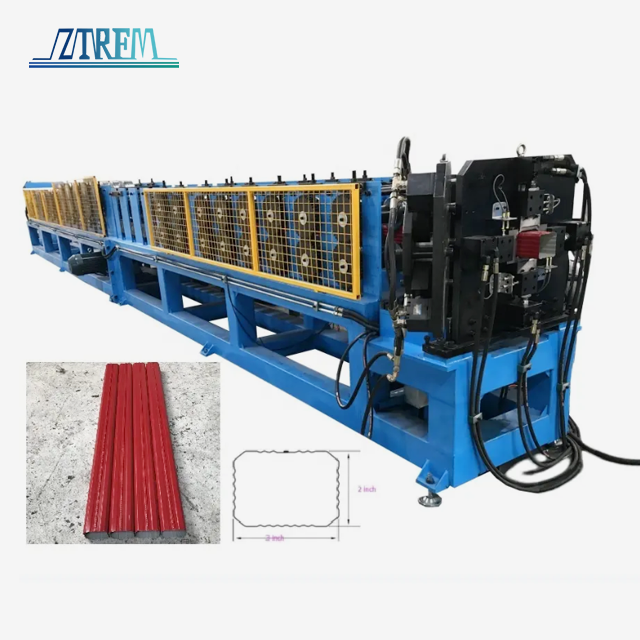
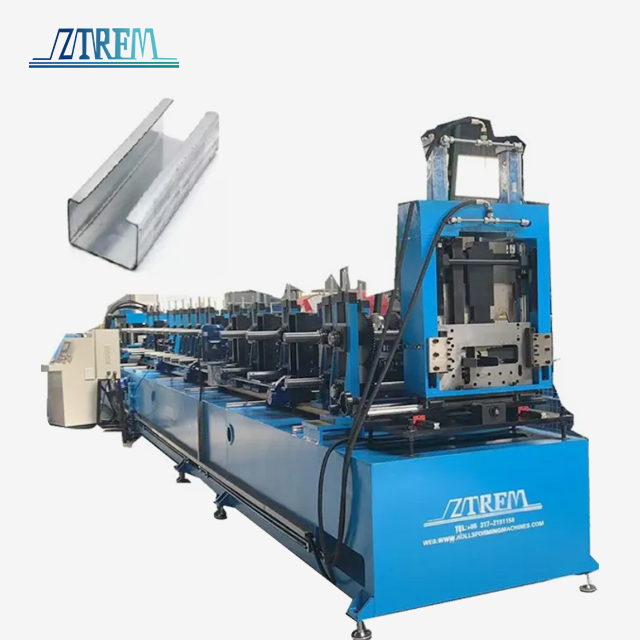
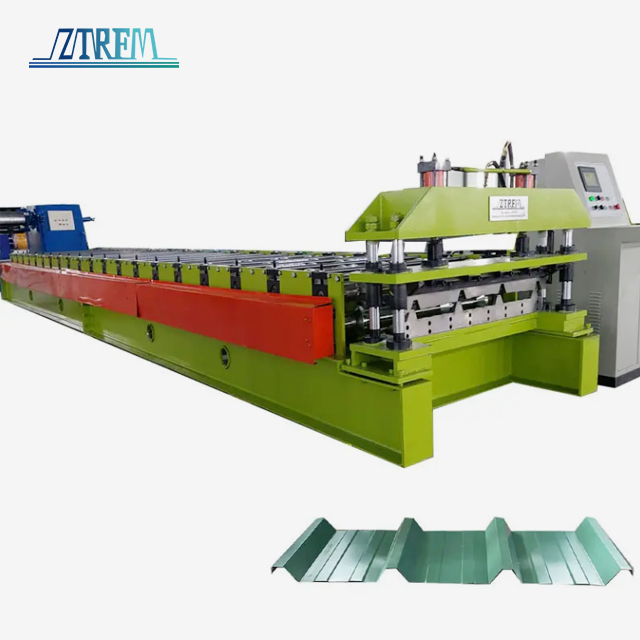
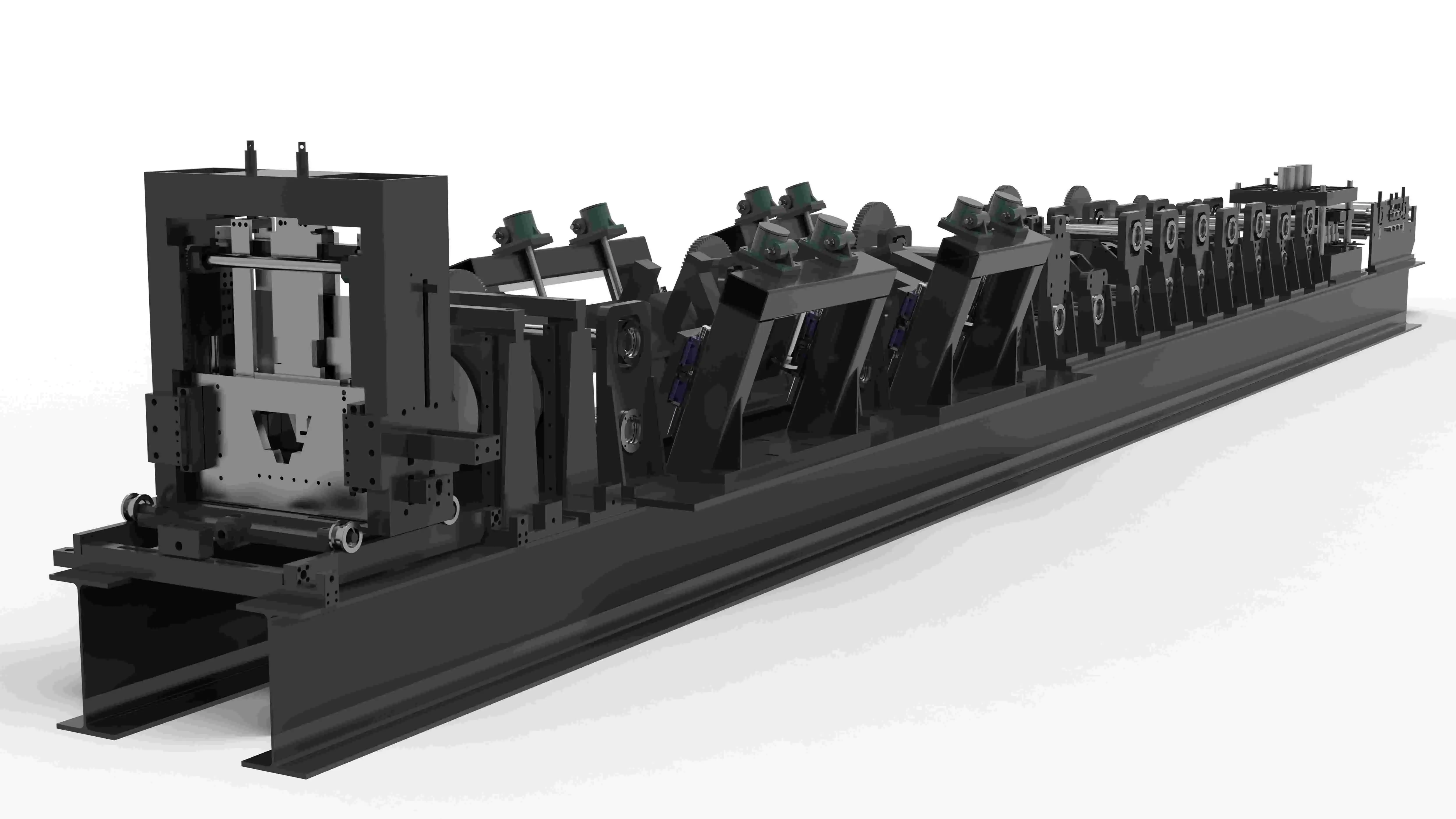
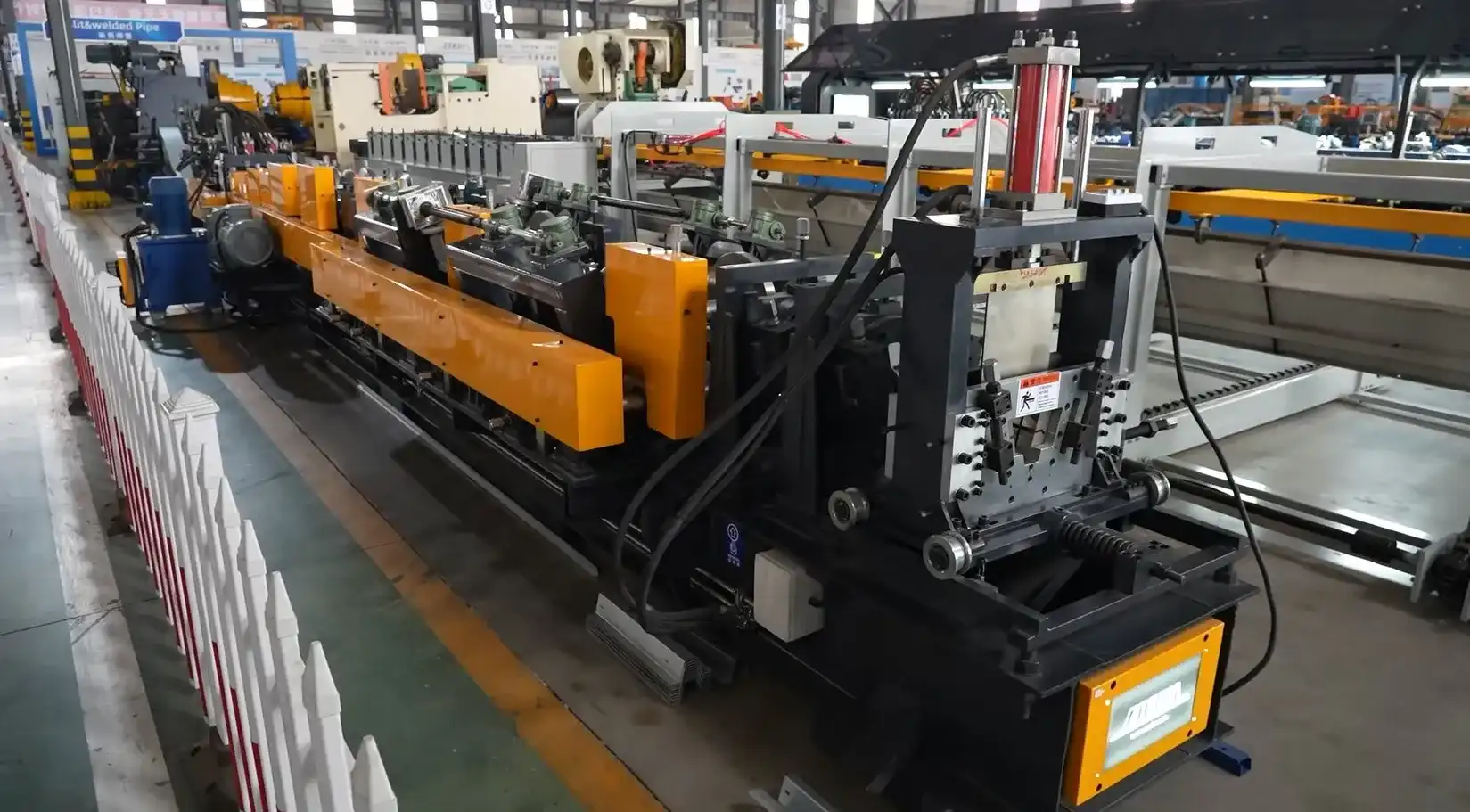
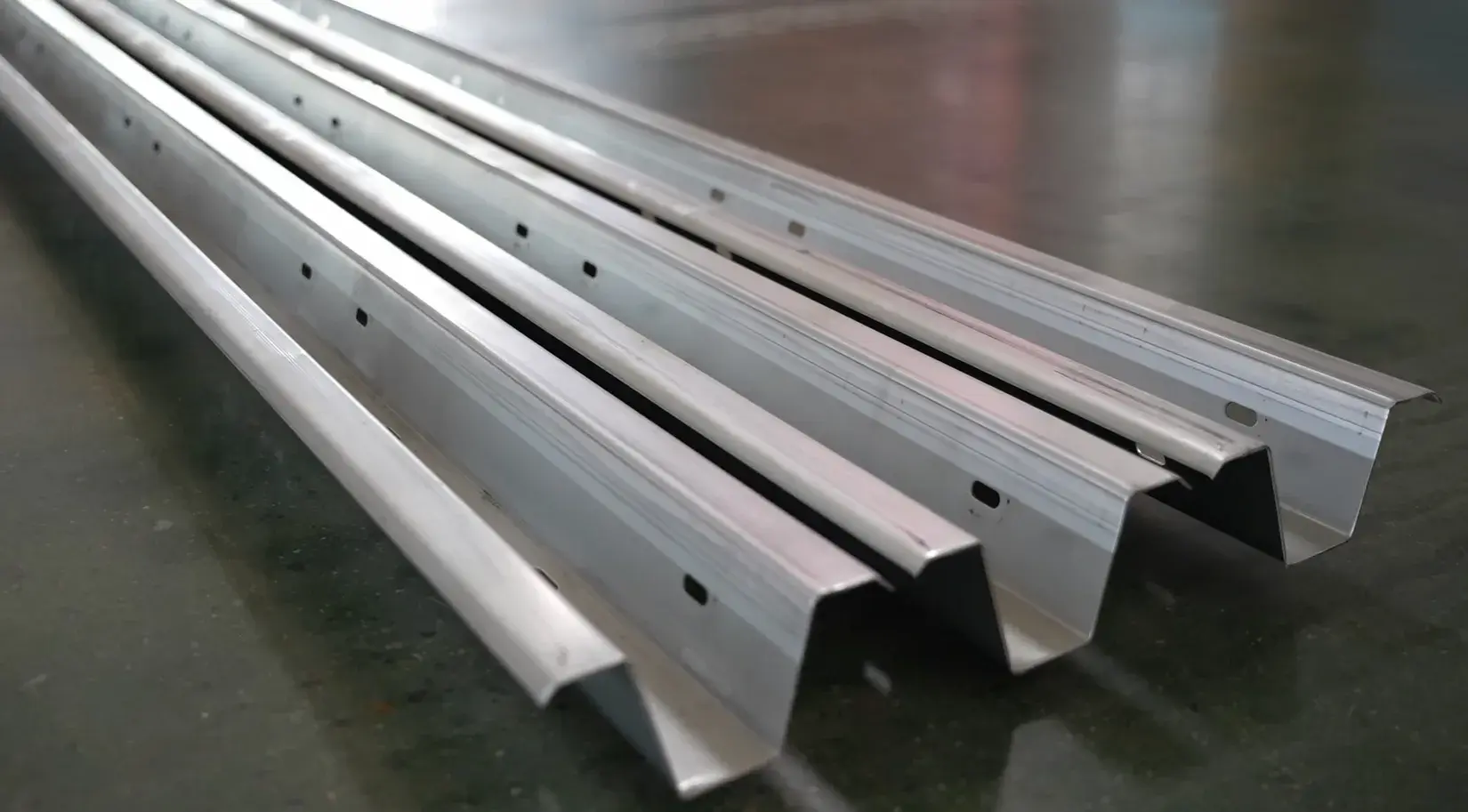
Hat purlin roll forming machines are specialized pieces of manufacturing gear that are made to shape metal coils into the unique hat-shaped forms that are needed for light steel construction. The name of these profiles comes from the way they look when cut in half, which makes them look like an upside-down hat. They are used as structural furring channels that make mounting surfaces for finishes and covering on the inside and outside.
Core Components and Their Functions
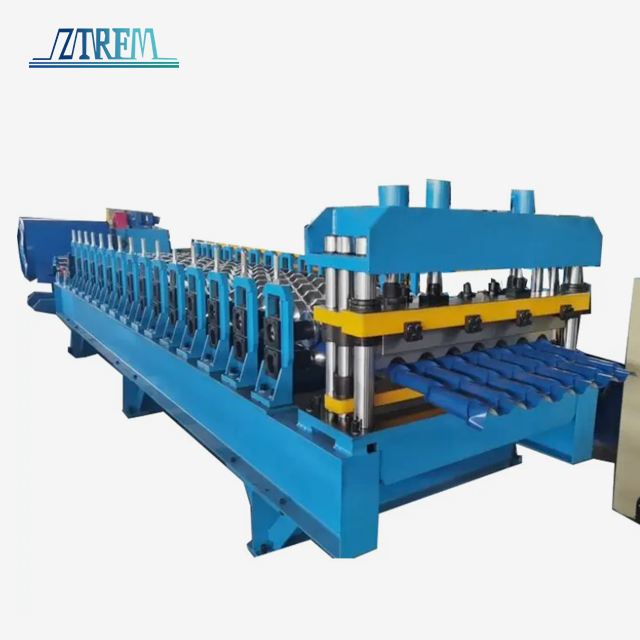
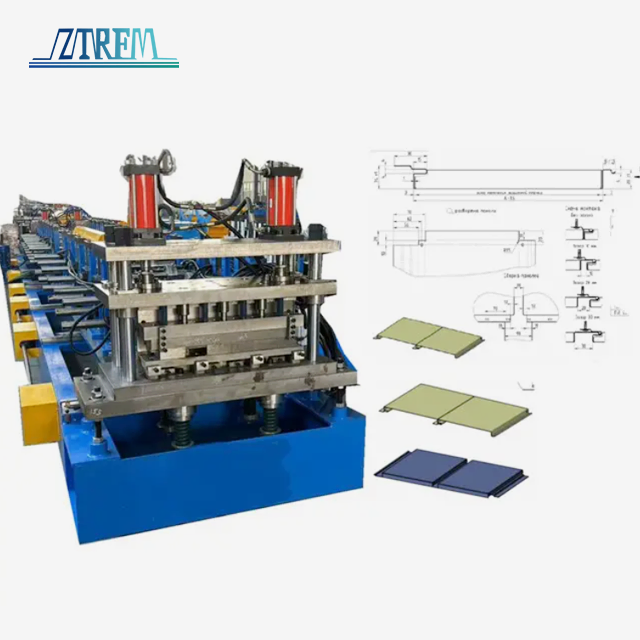
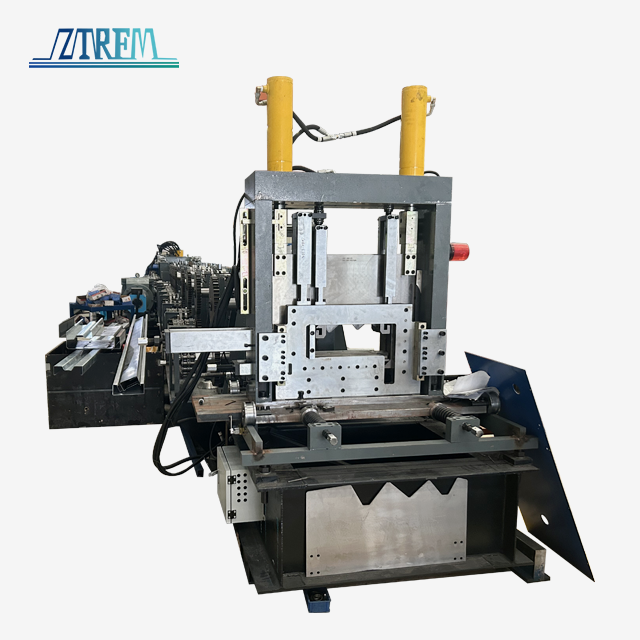
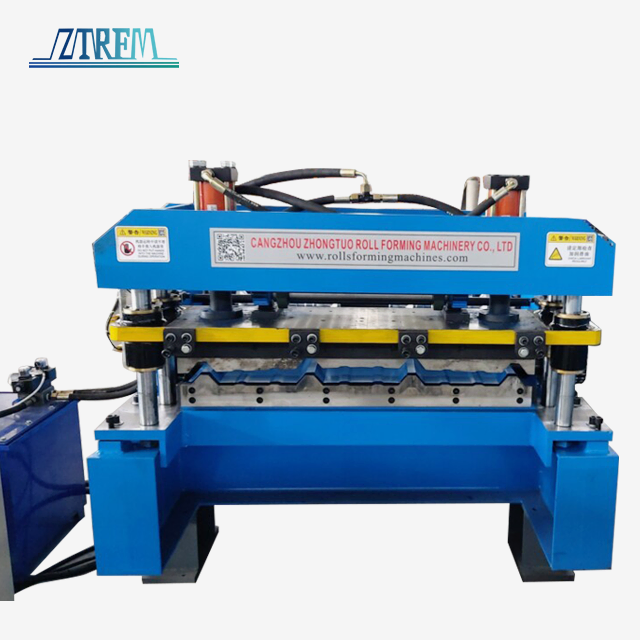
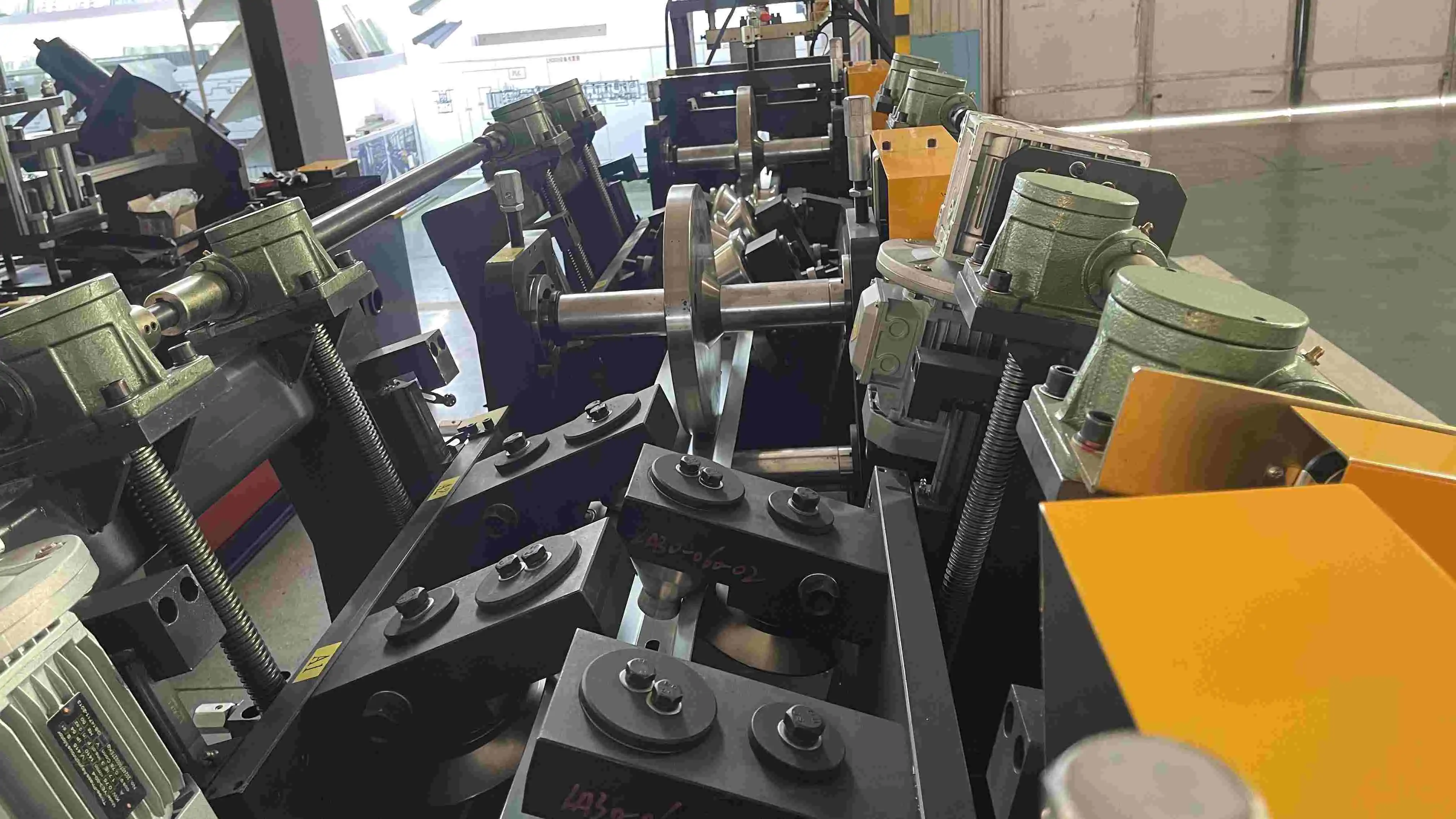
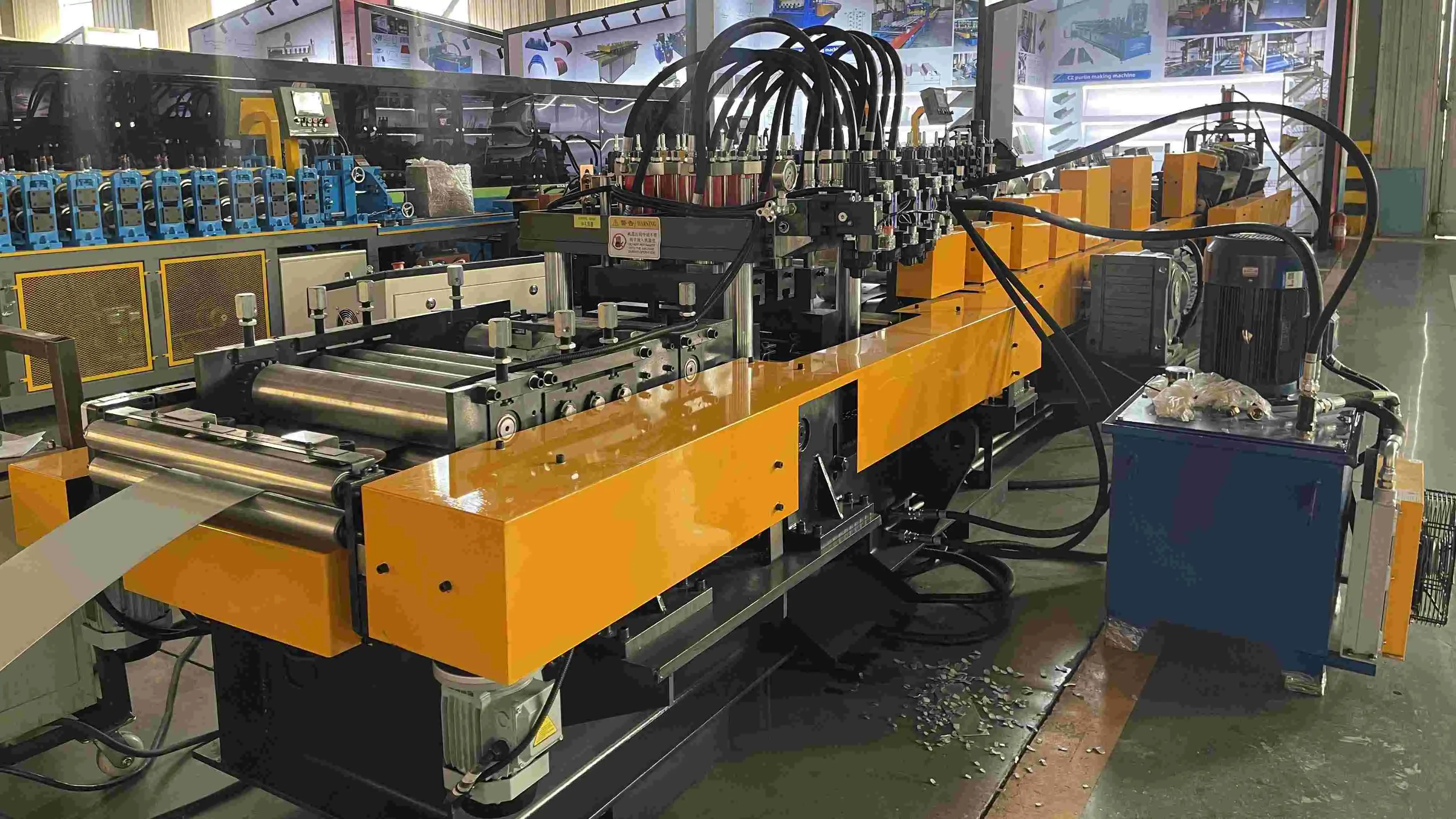
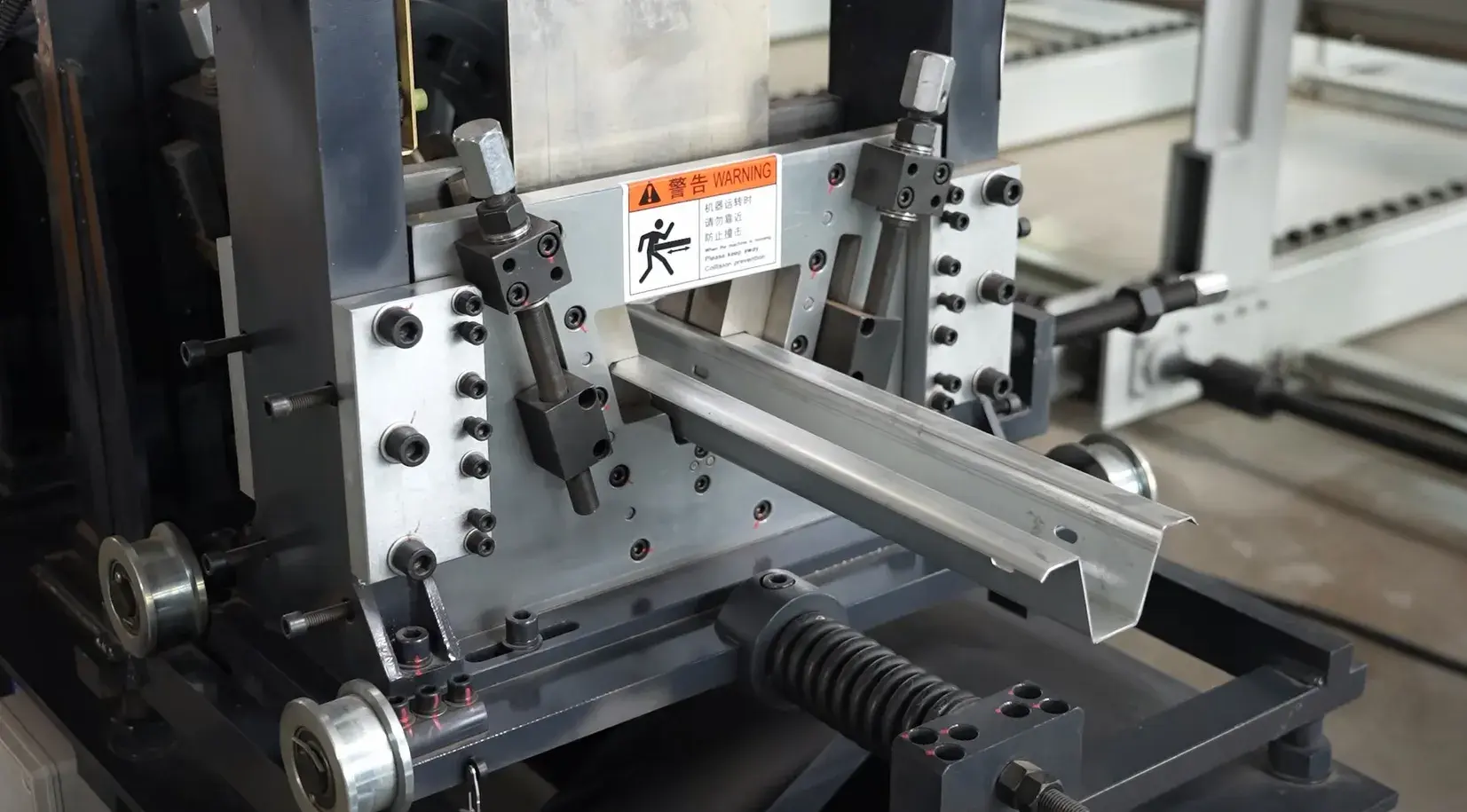
The production line is made up of several important parts that work together in sync. The decoiler holds and releases metal coil stock at a controlled strain. It can be operated by hand or automatically. The material then goes through leveling rollers, which usually have five to nine units and get rid of the natural curve of the coil so that it enters the making stations flat. Forming stations, which usually have between 12 and 18 pairs, shape the metal gradually by bending it more and more at each roller stand. When placed in front of making stations, punching systems make mounting holes at set intervals. This keeps the accuracy of the position throughout production runs. Cutting tools that are either hydraulic or mechanical cut finished shapes to the lengths that are needed without deforming the material. These tasks are coordinated by control systems that use PLC connections to handle speed, cutting measurements, and automatic size changes.
The Progressive Metal Forming Process
Instead of pressing or press braking, roll forming works by continuously bending. As the metal strip moves through each set of rollers, it is bent slightly at each stop, which adds up to the final hat shape. This slow shaping reduces stress in the material and protects the finish on the outside, which is especially important for steel that has already been painted or coated. The forming rollers are powered by gearboxes or hydraulic systems that turn them. The speeds of the rollers vary from 10 to 32 meters per minute, based on the thickness of the material and the complexity of the shape. The process keeps the same dimensions over thousands of meters of production, which gives constant quality that can't be matched by hand-making.
Why Roll Forming Excels for Purlin Production
This new technology has clear benefits for making hat furring purlins. Continuous operation gets rid of the start-stop steps that are normal in stamping processes, which makes output much higher. The process makes the least amount of waste compared to cutting ways, so the best use of the material is achieved. The surface quality stays the same during the making process, which protects coats and finishes that look good. Being able to combine cutting, punching, and stamping on a single automatic line cuts down on manual work and extra steps. Because of these factors, roll making is a must for companies that need to make a lot of things while maintaining high quality standards.
Types and Specifications of Hat Furring Purlin Roll Forming Machines
Different producers have very different production needs, so equipment has to be set up in ways that meet those needs. Knowing the different kinds of hat purlin roll forming machines that are out there and what they can do helps you make the best choice that fits your output goals and spending limits.
Drive Systems: Mechanical Versus Hydraulic
Electric motors that are usually between 11 and 22 kilowatts power gears in mechanical drive systems. These systems have steady speed and power, making them reliable for normal production settings where profile sizes don't change much. Hydraulic gears let you change the pressure, which is helpful when working with thicker materials or making shapes that need a lot of force to form. Which method to use varies on the type of material, the amount that needs to be made, and how flexible the business needs to be.
Automation Levels and Size Adjustment Methods
When profile measurements are changed on machines that use manual adjustments, workers have to physically move roller stands, which takes 30 to 60 minutes per changeover. Motors are used to move certain stations in semi-automatic systems, which cuts the time it takes to switch between stations to about 15 minutes. Fully automatic machines that can be switched out use servo motors and smart control systems to change all the making stations at the same time through PLC code. This lets the size of the parts be changed in less than five minutes. This automation is necessary for companies that make a lot of different profile specs every day. The higher original investment was worth it because it saves time and money on labor. Our experience at ZTRFM shows that companies that process three or more profile sizes per shift get their money back within 18 months by not having to pay for downtime and redistributing workers more evenly.
Critical Performance Parameters
The power to speed up production has a direct effect on the operating capacity. Beginner machines can move 8 to 12 meters per minute, while high-performance machines can move 25 to 32 meters per minute. Standard machines can usually work with materials that are between 1.0 and 3.0 millimeters thick, but some specialty units can handle thicknesses up to 4.0 millimeters. Profile widths usually run from 40 to 300 millimeters, but special designs can be made for certain uses. The number of forming stations affects the complexity and quality of the profile. Machines with 16 or more stations make profiles with better numerical accuracy and tighter tolerances than units with fewer stations.
Maintenance Requirements for Sustained Performance
Regular repair plans keep machines accurate and make them last longer. Roller balance, chain torque, and hydraulic fluid levels should be checked every day. Lubricating the drive chains, bearings, and forming rollers once a week keeps them from wearing out faster and keeps the machine running smoothly. Cutting blade sharpness and punching die state are checked once a month to make sure of clean cuts and accurate hole placement. Comprehensive inspections done once a year by trained techs find possible problems before they get worse and cost a lot to fix. When compared to reactive maintenance methods, structured maintenance plans lead to 40% fewer unexpected stoppages and equipment lifespans of more than 15 years.
Evaluating and Choosing the Best Hat Purlin Roll Forming Machine for Your Business
When choosing strategic tools, you have to weigh the short-term production needs against the long-term operations goals, as well as the total ownership costs, not just the purchase price. The best hat purlin roll forming machine for your company depends on specific operational benchmarks and equipment reliability.
Assessing Production Capacity Requirements
Figure out daily production goals based on the number of orders you have now and how much you think they will grow in the next three to five years. When machines are at full capacity, they don't have any extra capacity in case demand goes up or there is a repair. The best usage rates are between 70 and 80%, which allow for growth without putting too much stress on the tools. Three things affect how much can be made: machine speed, material thickness, and shape complexity. A machine that can work with 2.0-millimeter steel at 20 meters per minute makes about 9,600 linear meters in eight hours at 80% utilization, which is the same as making about 1,600 six-meter purlins every day.
Energy Consumption and Operating Cost Analysis
The total amount of power used goes beyond the main drive motor. Power for the hydraulic pump (usually 4–7 kilowatts), control systems, and extras like decoilers and stackers need to be taken into account. A full production line might use between 25 and 45 kilowatts of power when it's running. Industrial energy prices in the US are about $0.10 per kilowatt-hour, so the costs of running a business range from $20 to $36 for an eight-hour shift. Variable frequency drives in energy-efficient designs cut energy use by 15 to 25 percent compared to fixed-speed motors, saving a lot of money over the life of the equipment.
Comparing Leading Equipment Options
The market for 2024 has a number of good levels of tools. Beginner manual machines that are good for companies and low-volume makers cost between $15,000 and $28,000 and have basic features but not much automation. Mid-range semi-automatic systems for known producers cost between $30,000 and $55,000 and have some automation and better accuracy. Premium fully automatic convertible machines made for high-volume production range in price from $60,000 to $95,000. They are very efficient and require very little time to change over. When you're deciding between these options, keep in mind that machines with more capacity often explain their higher prices by saving you money on operations. This is because they can produce more units with less work.
The Importance of Supplier Reputation and Support
The reliability of equipment rests a lot on how well it was made and how well it is supported by expert staff. Manufacturers that have been around for a while and have ISO9001 and CE certifications show that they are committed to safety standards and quality management systems. Companies like ZTRFM that sell to more than 150 countries have a lot of experience changing tools to different operating settings, electricity standards, and material requirements. Strong after-sales help, including remote diagnosis, easy access to new parts, and technician training, has a big effect on how well technology works in the long run. Before making a final choice about what to buy, ask providers for references from past customers and make sure they respond quickly to technical questions and warranty claims.
Purchasing and Supply Chain Considerations for Global Buyers
Buying tools internationally is more complicated than buying them in your own country. You need to pay close attention to price structures, shipping, and making sure the seller is reliable. Global procurement of a hat purlin roll forming machine requires balancing logistics, tariffs, and technical specifications.
Understanding Comprehensive Cost Structures
The prices given for machines are usually for basic setups. Customized tools for specific feature dimensions cost an extra $2,000 to $8,000; automatic stackers or advanced control interfaces can be added for an extra $5,000 to $15,000, and shipping costs depend on where the order is going. Import duties are based on classification codes and trade deals. For example, machines from most-favored-nation sources that come into the US under HS code 8455.22 usually have duties of 2.9%. If installation and commissioning services are needed, they cost an extra $3,000 to $12,000. This depends on how complicated the job is and how far the worker has to drive.
Evaluating Delivery Timelines and Installation Support
After an order is confirmed, standard machine production usually takes 30 to 45 days. Custom designs can add 50 to 70 days to the time frame. International shipping can take an extra 15 to 30 days, based on the places of origin and destination. Buyers should find out if providers offer installation support and operator training. These are services that greatly speed up the start of production and reduce the time it takes to learn new skills. With the purchase of ZTRFM equipment, you get full installation instructions and three days of user training. This makes sure that the equipment is set up smoothly and that the quoted production capacity is reached quickly.
Supplier Verification and Risk Mitigation
Work with makers who have certifications that can be checked and international experience that can be shown. Ask for factory audit reports, quality management certifications, and proof that similar projects have been done successfully in the past. Online platforms let customers rate suppliers and give feedback, but talking to current customers directly and asking for references is a more effective way to get information. Payment terms should strike a balance between the buyer's desire for risk reduction and the supplier's concern for security. Common structures include a 30% deposit upon order confirmation, 60% before shipment, and 10% holding after successful installation and performance verification.
Future Trends and Innovations in Hat Purlin Roll Forming Technology
The capabilities of production tools are always changing because of new technologies. Early adopters can gain competitive benefits by improving quality and efficiency through the latest hat purlin roll forming machine advancements.
Automation Integration and Industry 4.0 Connectivity
IoT devices are being used in more and more modern tools to keep an eye on important factors like roller temperature, vibration levels, and hydraulic pressure. With this real-time data, predictive maintenance can be used to fix problems before they happen, which can cut down on unplanned downtime by up to 60%. When production managers link to a network, they can check on the state of their equipment from afar and look at output data across multiple machines. When integrated with business resource planning tools, production scheduling and material ordering are done automatically based on available capability in real time. With these features, machines can be turned into connected manufacturing tools that make the whole building run more smoothly.
Sustainability and Energy Efficiency Advances
Environmental laws and the cost of energy are pushing people to make equipment that uses less energy. Variable frequency drives change the speed of the motor to fit the needs of the production process. This cuts down on lost energy during idle times and the threading of materials. Auxiliary power use is cut down by LED lighting systems and energy recovery from hydraulic cooling. More and more, manufacturers are making tools that can use bio-based lubricants and recycled steel. This helps to answer worries about sustainability throughout the production line. Equipment with optimized cutting patterns and systems for collecting recyclable scrap further lowers its effect on the environment while increasing the rate at which materials are used.
Customization Capabilities and Flexible Manufacturing
New machine designs can handle a wider range of profiles and faster switching times, which makes it possible to make smaller batches more cost-effective. Profile changes can be done in less than three minutes with quick-change roller cassette systems because they replace whole roller sets instead of changing each station. Software-based profile libraries keep a lot of different settings, so workers can quickly find the specifications they need without having to measure or do setup calculations by hand. This freedom is especially helpful for makers who serve a wide range of customers or make custom profiles for specific uses. It opens up business possibilities that were limited by the cost of setup time in the past.
Conclusion
To choose the right hat purlin roll forming machine, you need to carefully consider your production needs, your budget, and the skills of the provider. Machines with the right mix of capacity, automation, and support create the most long-term value by consistently producing high-quality work with little downtime. As technology changes, makers can gain a competitive edge by investing in smart equipment that makes their operations more efficient, flexible, and environmentally friendly. Partnering with experienced equipment suppliers that offer more than just machinery is becoming more and more important for success in global markets. These suppliers should be able to provide full solutions that include technical know-how, ongoing support, and technologies that can be changed to meet changing production needs and market conditions.
FAQ
1. What kinds of materials can hat purlin roll forming tools work with?
Cold-rolled steel, hot-dip galvanized steel, pre-painted steel, and aluminum alloys are just some of the metals that these tools can work with. The thickness of most materials is between 1 and 3 millimeters, but some tools can handle thicknesses of up to 4 millimeters. Choosing the right material depends on the job. For example, galvanized steel is resistant to rust and can be used outside, and pre-painted materials don't need to be finished again.
2. What kind of care do these machines need?
The daily checks take about 15 minutes and include basic greasing and eye checks. Once a week, upkeep takes about 45 minutes to fully lubricate and check the adjustments. Every month, thorough checks that look at the state of the cutting blades, punching dies, and rollers take two to three hours. Professional maintenance once a year takes 6 to 8 hours and includes a full system review. Machines that are well taken care of will work regularly for 15 to 20 years.
3. Can tools be changed to fit specific feature needs?
Manufacturers give customers a lot of ways to customize their products, such as changing the profile measurements, hole designs, embossing features, and making special arrangements for materials. In order to customize something, you usually need to give thorough plans with material and size tolerances. Custom mold production takes an extra 10 to 15 days on top of normal delivery times and costs an extra $2,000 to $8,000, based on how complicated the job is.
Partner with ZTRFM for Your Hat Purlin Roll Forming Machine Needs
Choosing the right hat purlin roll forming machine provider who understands your business challenges and growth goals is the first step to improving your production capabilities. ZTRFM has been making things for ten years and offers a wide range of support services to make sure that equipment is set up correctly and keeps working well. Our automatic CZ purlin machines have 21 making stations, smart size-adjustment systems, and strong construction. They can make things up to 32 meters per minute while keeping the highest level of accuracy.
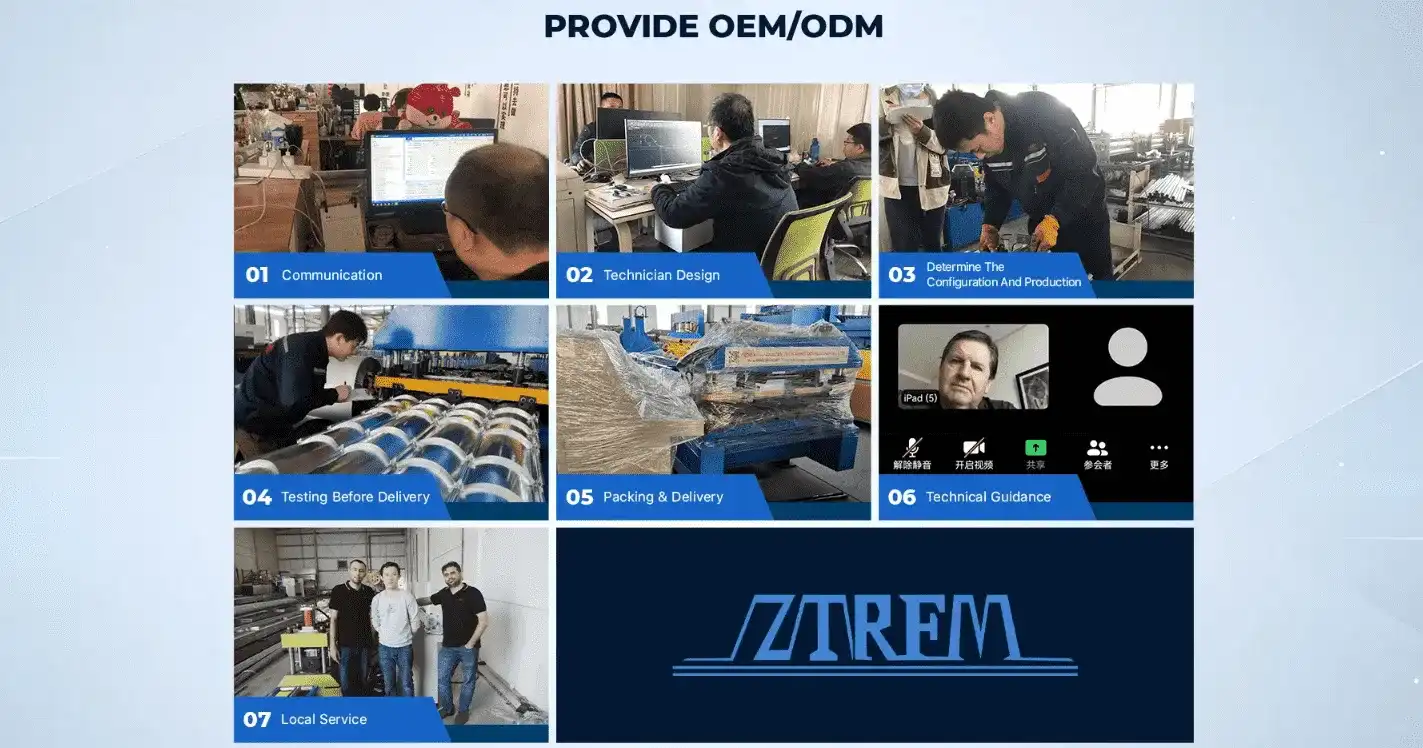
As a recognized maker with ISO9001, CE, and CAS certifications, we've sent equipment to manufacturers in 150 countries, making our company a national leader in high-tech business. Our engineering team works directly with customers to set up tools that meet their exact output needs, material requirements, and budget limits. In addition to delivering the equipment, we also supervise the installation, train operators thoroughly, and provide quick technical support to make sure your production runs smoothly.
Email our team at zhongtuorollforming@gmail.com to talk about how to make your hat furring purlin. We'll help you choose the best configuration, give you thorough quotes, and answer any technical questions you have about features and customization choices.
References
1. American Iron and Steel Institute. (2023). Cold-Formed Steel Framing Design Guide. Washington, DC: AISI Publications.
2. Thompson, M.K. & Davies, J.M. (2022). Structural Design of Light Gauge Steel Buildings. Cambridge University Press.
3. International Association of Roll Forming Manufacturers. (2024). Roll Forming Technology: Standards and Best Practices. Chicago: IARFM Technical Committee.
4. Wei, C., Zhao, J., & Li, H. (2023). Energy Efficiency Analysis of Modern Roll Forming Equipment. Journal of Manufacturing Processes, 87, 234-248.
5. National Institute of Building Sciences. (2023). Light Steel Framing Systems: Performance and Applications. Washington, DC: NIBS Technical Reports.
6. Global Industry Analysts, Inc. (2024). Roll Forming Machines: Global Market Analysis and Forecast 2024-2029. San Jose: GIA Market Research Division.